The best way to discover Chinese fashion designers is not to memorize a “top ten.” Start with a repeated decision: how a designer cuts a jacket apart, negotiates the skin, builds fantasy, distorts uniform or imagines the future. One famous look attracts attention; a decision sustained across collections creates authorship.
Chinese fashion designers are not one aesthetic family
The phrase Chinese fashion designers sounds as if nationality were a useful visual category. It is not. Guo Pei builds couture whose weight can command a room. Feng Chen Wang exposes and recombines familiar garments. Xander Zhou constructs speculative social worlds. RUIbuilt uses stretch, openings and tension to make the body itself unstable.
Put those practices under one label and the differences matter more than the similarity.
That is good news for a new reader. You do not need to learn a definitive roster. You need a method that prevents one dragon, one celebrity client or one runway photograph from standing in for a designer's entire body of work.
My method begins with a verb. What does this designer keep doing? Deconstructing. Binding. Enlarging. Exposing. Layering. Displacing. Armoring. Once the verb becomes visible across more than one collection, the name starts to mean something.
A designer appears when the decision repeats
Fashion coverage loves the career milestone: school, debut, award, fashion week, collaboration, celebrity. Those facts establish chronology and recognition. They do not tell you how to see.
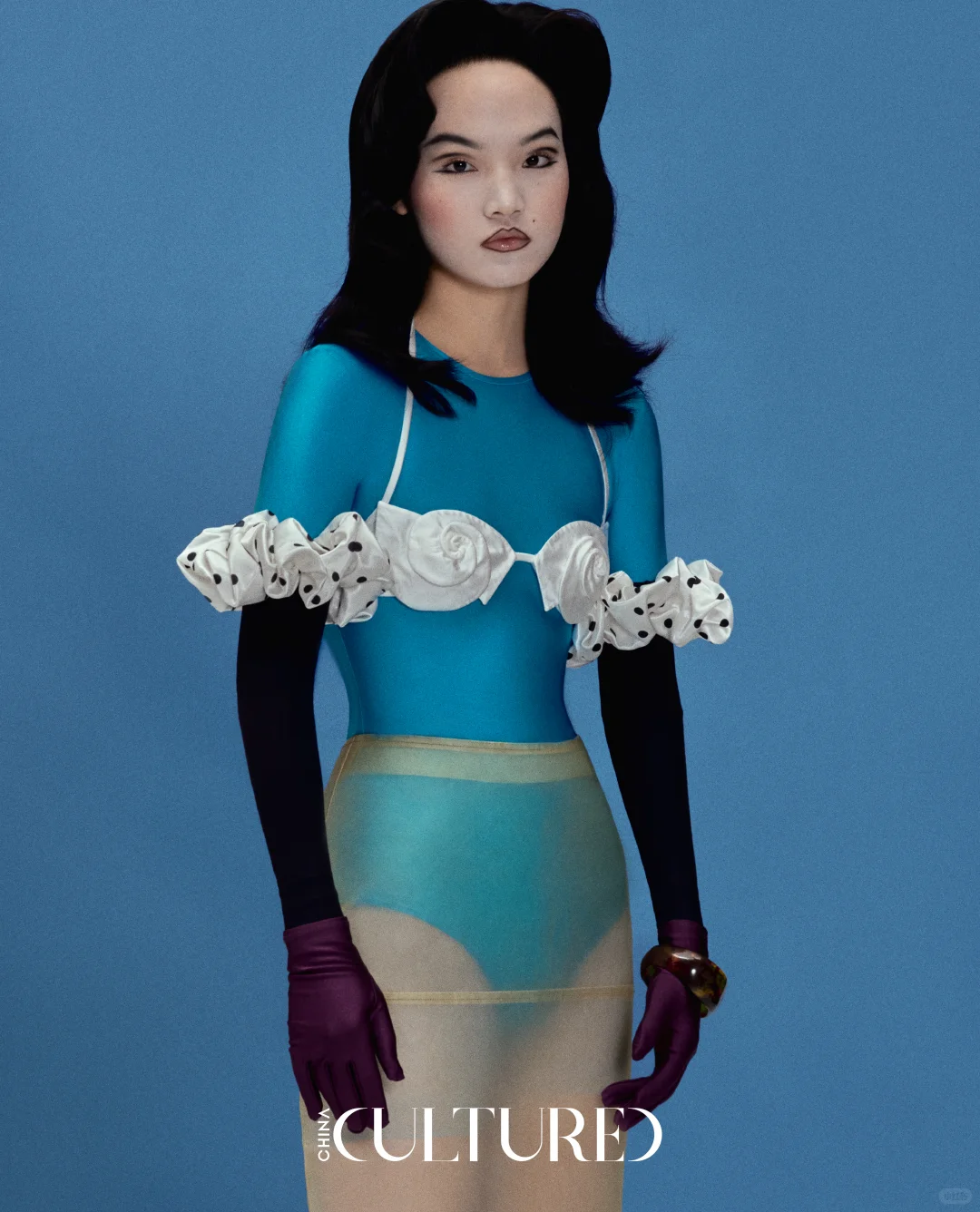
The editorial image above gives us a better first exercise. Ignore the designer name for a moment. The body is crossed horizontally by a separate white structure. Long dark sleeves extend the arms while a translucent layer complicates exposure below. The look does not simply decorate the body; it divides it into zones of concealment, frame and skin.
Now the crucial step: do not turn that one frame into a career thesis. Find a second collection. Does the designer return to tension between body and structure? Does the frame become a seam, opening, harness or layer? If yes, you have found a decision. If no, you may have found a stylist's one-time invention.
This is why rankings fail. They reward names for being already visible. A decision file rewards attention and can include contradiction.
Feng Chen Wang makes the familiar garment disclose its construction
Feng Chen Wang's official description emphasizes deconstruction, multi-wear construction, Chinese craft and community. Those words become useful only when you test them against clothes.
Begin with a garment you already understand—a trench, tailored jacket, denim layer or workwear piece. Then track what has been separated, doubled, exposed or made adjustable. A sleeve may appear detached from the expected body. Panels may overlap without hiding their joins. One garment may offer more than one route around the wearer.
This is not deconstruction as random damage. At its best, the familiar object remains legible enough for the intervention to register. You recognize the coat, then notice that its authority has been opened and redistributed.
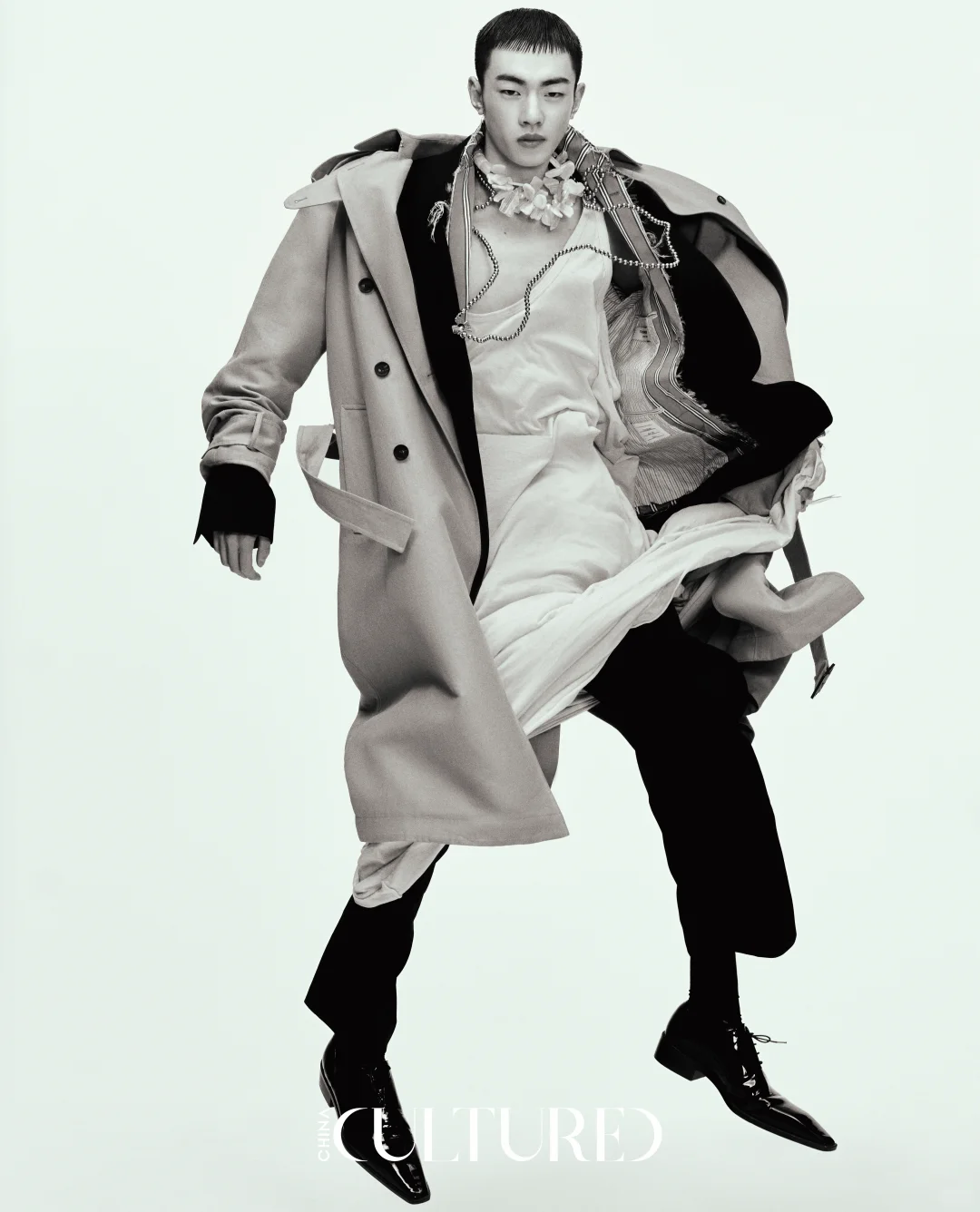
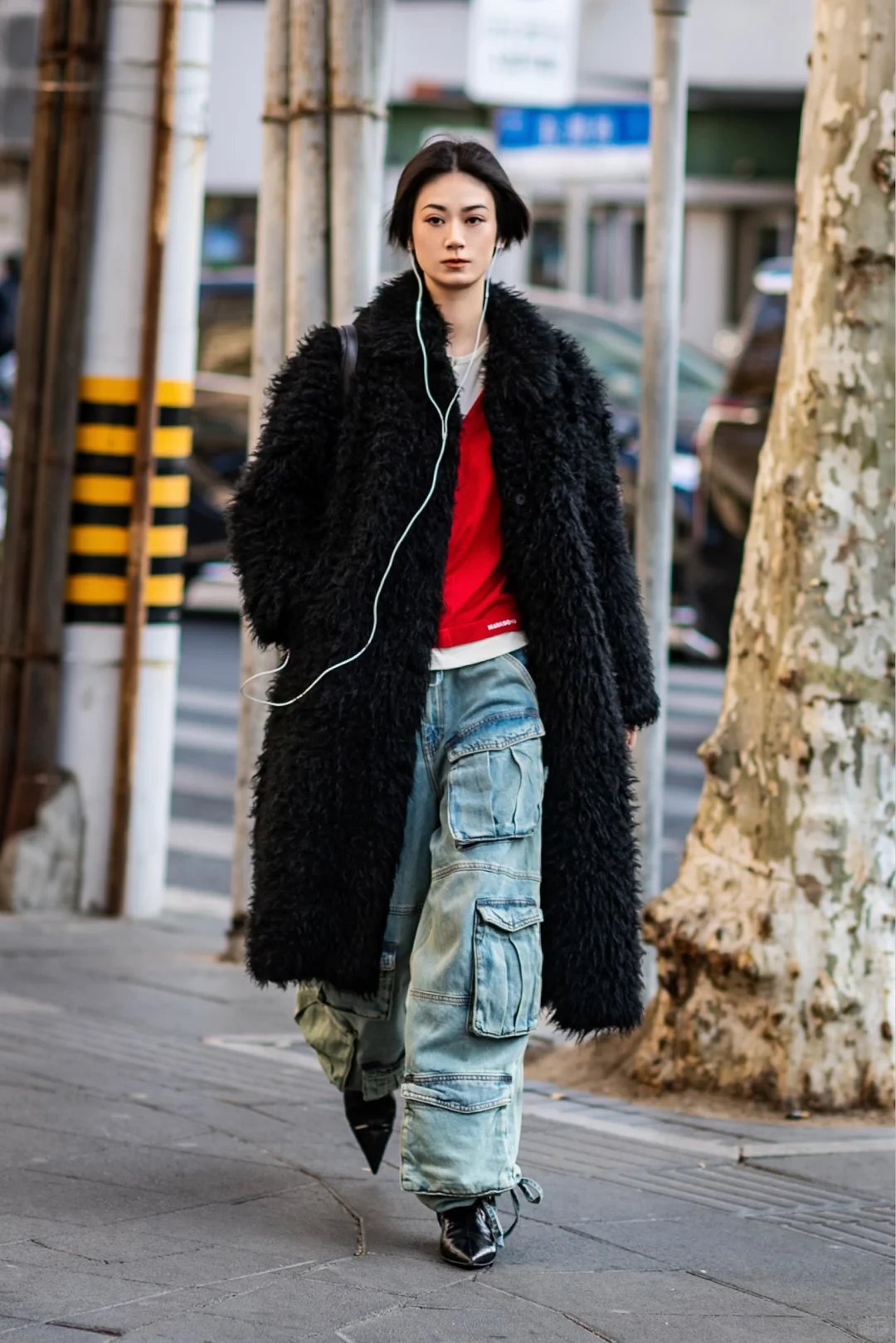
This image is not a transparent product photograph and I am not assigning the garment to a specific designer without a per-frame credit. It is useful because the styling stages the exact reading problem. The trench still supplies lapel, belt, length and institutional seriousness, while other panels and ornaments interrupt its stable outline. Motion makes the construction difficult to resolve in one glance.
When studying Feng Chen Wang, find front, back and transformation views. A single runway front can hide the multi-wear proposition. The decision lives in what moves, fastens or recombines—not in the word “deconstructed” printed in a review.
Xander Zhou treats fashion as evidence from a future society
The London Fashion Week profile for Xander Zhou frames his work through speculative future worlds and a techno-orientalist vocabulary. The useful word here is not “future.” Fashion has sold the future for decades. The useful question is what social system the clothes imply.
Uniform, office wear, protective layer, club clothing and nonhuman body can coexist in a Xander Zhou world. The result often feels less like a prediction than evidence recovered from a society whose rules we have not yet learned. A collar may imply rank. A synthetic surface may suggest protection or contamination. An exaggerated body may challenge which forms are treated as ordinary.
That method also carries a risk. “Asian futurism” can become a global image market full of clinical light, altered bodies and technological anxiety. The test is whether the collection builds a specific internal order or merely supplies a mood board.
I admire speculative fashion when it makes me ask who is permitted to inhabit the future. I lose interest when “future” means reflective material and an unreadable face.
The distinction from Guochao fashion is important. A speculative Chinese designer does not need to quote historical clothing or national symbols. Contemporary Chinese authorship can face forward, sideways or into fiction.
RUIbuilt makes the body the unfinished part of the garment
RUIbuilt's official language centers body, structure, identity, tension and “second skin.” Here the brand statement aligns with a visibly recurring problem: stretch pieces, openings, cords and partial coverage make the border between clothing and body difficult to settle.
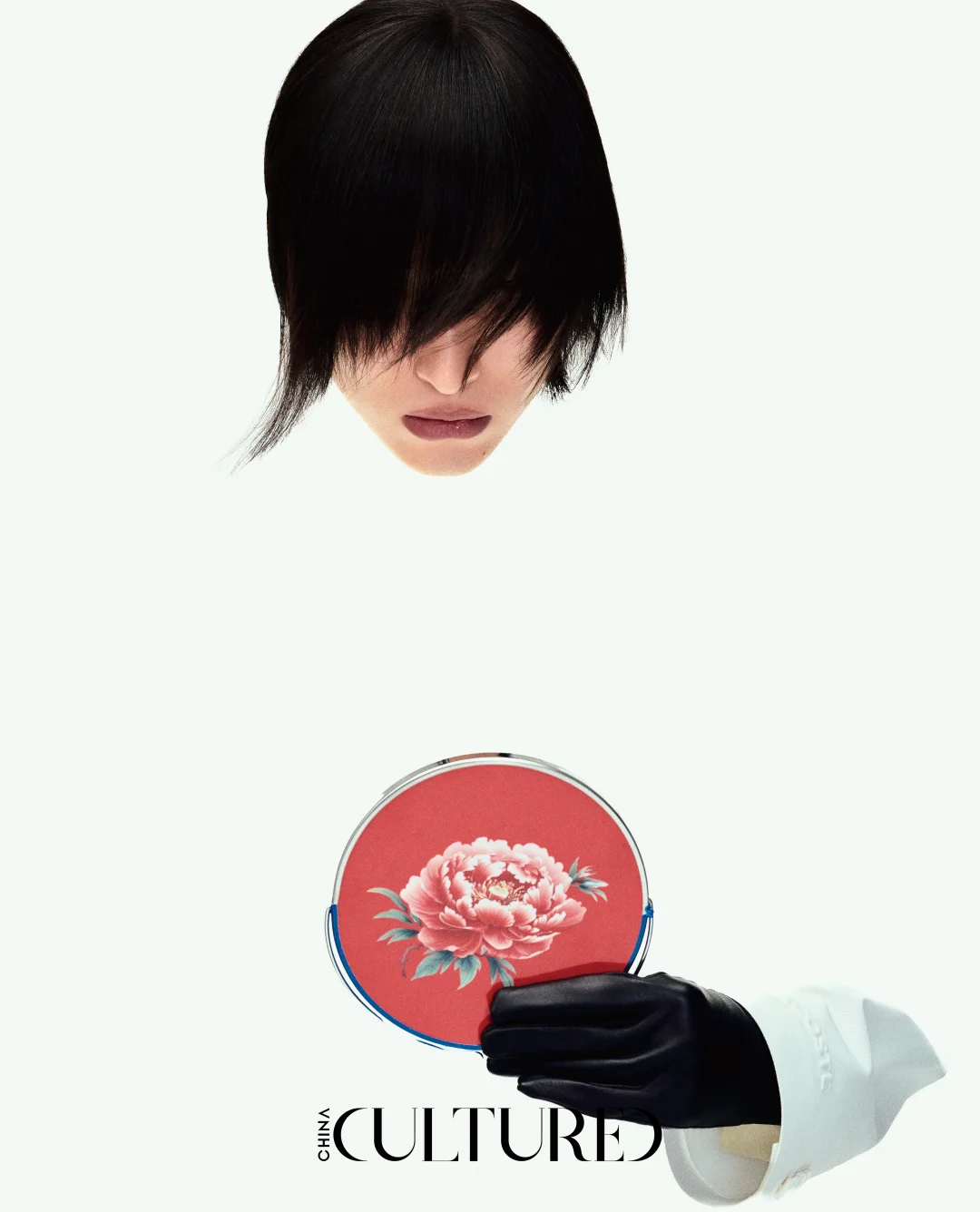
This photograph contains an obvious Chinese-associated symbol: a peony image. Yet the stronger decision is spatial. Face, hand and object are separated across an almost empty field. The white cuff extends the arm into the lower frame; the black glove interrupts the pale space; the haircut hides the eyes. Identity is not announced by the flower. It is withheld by the body and styling.
That is a useful route into RUIbuilt even though the editorial frame should not be mistaken for a technical garment record. Look at where the body appears, where it is compressed and where an opening creates vulnerability. Ask whether the garment protects, displays or disciplines the wearer.
The cost of this language is real. A “second skin” photographed on one narrow fashion body can become a beautiful theory with a restrictive casting practice. Study size range, movement and different bodies before praising universality. A design about embodiment should survive contact with more than one body.
Guo Pei proves that spectacle needs engineering
Guo Pei is often the first internationally familiar name in Chinese couture because Rihanna's yellow cape created a global image. That doorway is useful, but it can make the designer look like one spectacular national symbol.
The better route is construction. The V&A's Fashion in Motion feature places the clothes in relation to a moving body, while our Guo Pei profile follows weight, embroidery, hem, turn and atelier labor. Her repeated decision is to give excess physical rules.
That decision separates spectacle from mere abundance. A giant train must control space. Raised embroidery must change surface and light. A rigid silhouette must alter posture. When the body and garment negotiate, fantasy becomes architecture. When cultural symbols pile up without discipline, the result becomes expensive noise.
Guo Pei also clarifies why historical-reference pages and designer pages must remain separate. Her couture may transform court associations, embroidery traditions or ceremonial scale; it does not become a guide to traditional Chinese clothing. Authorship transforms the reference.
Editorial images are collaborations, not designer X-rays
The image set on this page comes from a CULTURED China image/text editorial presenting five Chinese designer brands and five approaches. It is valuable precisely because it refuses one look. It is also a collaboration among garments, styling, photography, makeup, modeling, layout and publication art direction.
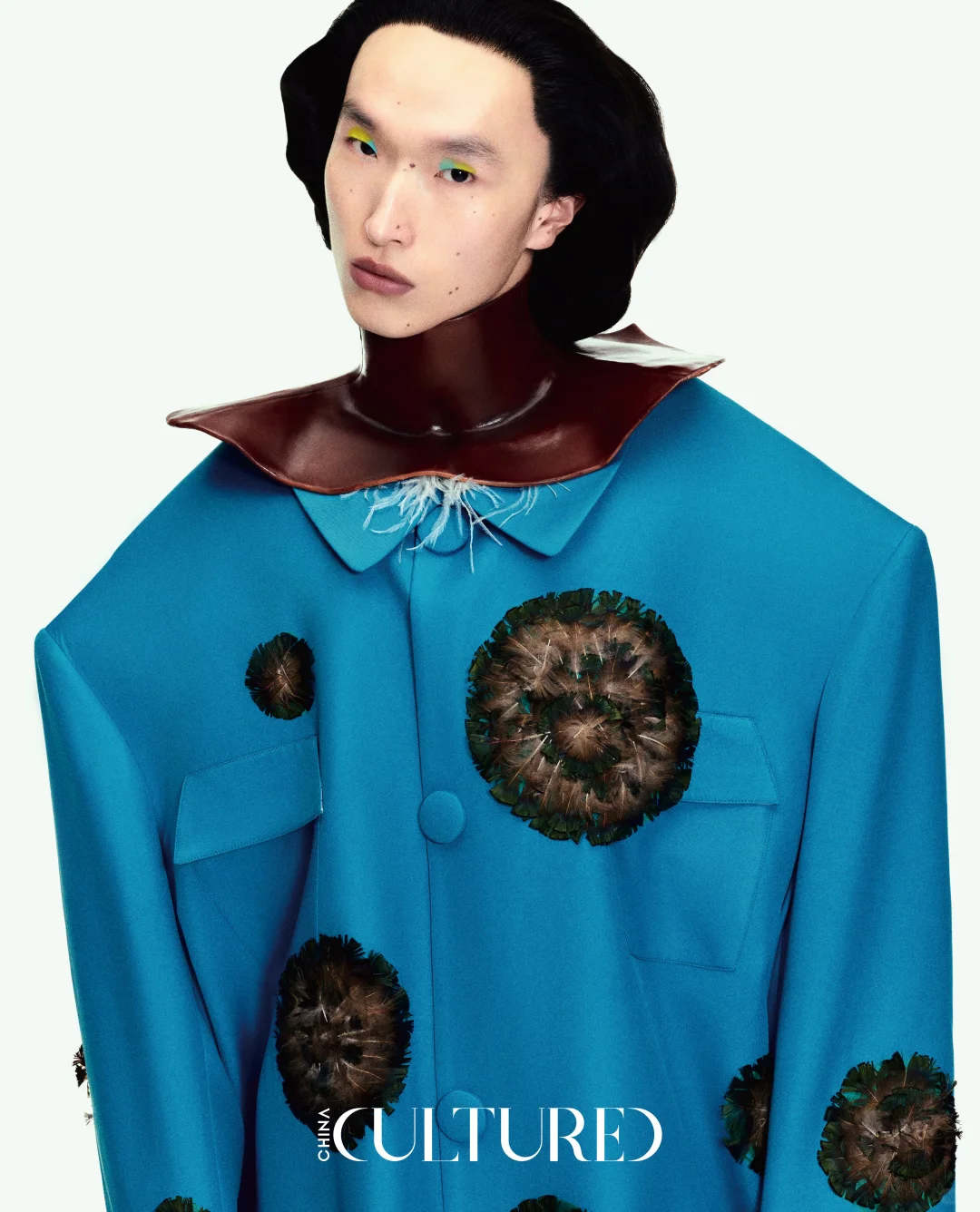
The blue look in the opening image creates authority through scale and surface. The collar extends beyond the natural neckline. Circular dimensional forms turn the front into a field rather than a flat plane. Feather-like texture at the center resists the coat's clean geometry.
The photograph proves those visual relationships. It cannot tell us the material composition, comfort, back construction or which decisions belong solely to the named designer rather than the editorial team. That limitation should change your research behavior: move from editorial image to runway sequence, official lookbook, detail view and, when shopping, product specifications.
An editorial is an argument about a garment, not the garment's passport.
Shanghai Fashion Week is an ecosystem, not a quality stamp
Shanghai Fashion Week's official account describes a platform founded in 2003 that connects presentation, commercial ordering and industry coordination. That combination matters. A designer does not survive on runway images alone. Buyers, showrooms, production, media, retail and repeat customers turn a collection into a practice.
The event can help emerging brands meet those systems. It cannot guarantee that every participating label is original, durable or commercially healthy. Fashion-week presence is evidence of participation, not a final verdict.
This distinction helps international readers avoid a familiar story: a Chinese designer “breaks through” only when London, Paris, Milan or New York notices. Global institutions matter because they distribute attention and opportunity. They do not retroactively create the designer's intelligence.
The same correction works in reverse. Domestic visibility is not protection from criticism. Study the collection, not the flag behind the schedule.
Five entry routes are better than one best-designer list
Use these routes as questions, not rankings:
| Start with | Designer route | What to inspect next |
|---|---|---|
| Garments that transform | Feng Chen Wang | Front/back views, fastenings and alternate wearing states |
| Speculative social worlds | Xander Zhou | The implied uniform, body norm and future institution |
| Body, exposure and tension | RUIbuilt | Openings, cords, stretch, casting and movement |
| Couture engineering | Guo Pei | Hem, weight, embroidery, turn and atelier labor |
| The model as garment intelligence | Liu Wen | How one body changes walk, posture and attention across designers |
The Liu Wen profile belongs here because designers are not the only authors of fashion's public meaning. A model reads the garment in motion. A stylist creates relationships. A photographer decides which construction survives the frame. Credit becomes more accurate when authorship expands without dissolving.
After these routes, move sideways. The CULTURED China editorial also names PRONOUNCE, QIU HAO, SEAN SUEN and AOYES. Do not add them to a memorized list. Choose one and ask for the repeated verb. If two collections do not support your answer, keep looking.
Shopping research requires a different evidence set
Admiring a designer and buying from a brand are separate decisions. Editorial imagery can establish desire. It cannot establish sizing, delivery, returns, composition or durability.
Before buying, verify the official stockist or brand channel, exact garment measurements, fiber composition, care requirements, shipping duties and return terms for your country. Search for front, back, closure and interior views. If the design claim depends on transformation, confirm that the relevant parts actually move or detach.
Be especially careful with marketplace listings that copy runway imagery while selling a vaguely similar product. A designer's visual influence does not authenticate the seller. Reverse-image checks and official stockist links are more useful than a product title packed with designer names.
This practical caution is not glamorous, but it protects the distinction between design culture and counterfeit attention.
The best designer guide should make itself obsolete
A list asks you to return for more names. A method lets you leave and look independently.
My judgment is that repeated decisions matter more than fame, nationality or one viral silhouette. Find the verb. Test it across collections. Look for the back and the moving body. Separate garment authorship from editorial authorship. Record the counterexample that stops admiration from turning into worship.
The double portrait below offers the right final warning. A mesh layer merges two faces into one unstable image. It is visually memorable because the camera, material, light and bodies cooperate. We should not credit the effect to one name merely because a garment appears somewhere in the frame.
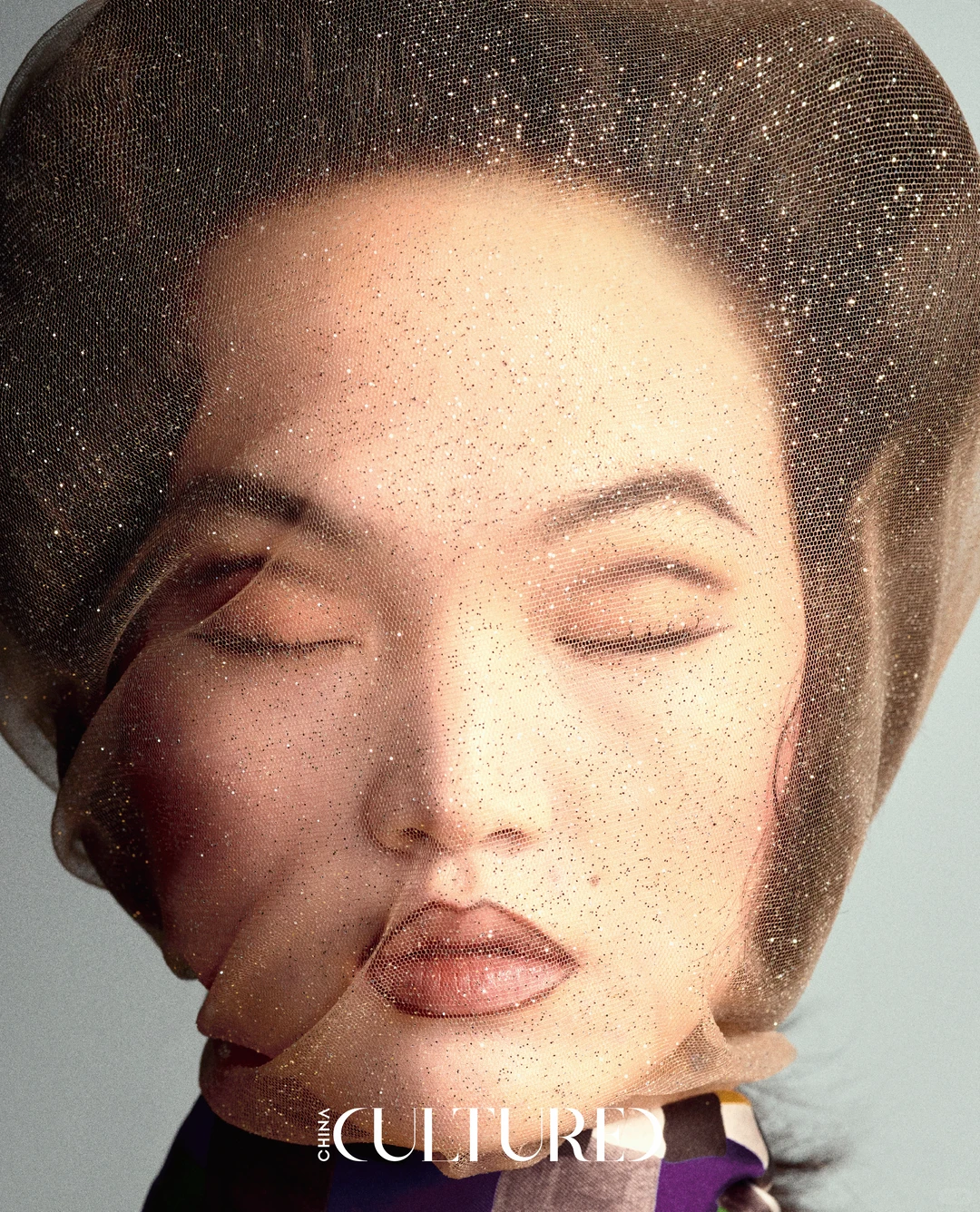
In the comments, name one designer through a repeated decision and cite the second collection that proves it. A famous client or nationality is not enough.
Then add a designer decision file to Moments: one look, one repeatable verb, a second collection and one counterexample. Return when another reader adds a back view, construction detail or correction. That is how a directory becomes a living critical archive—and how the Chinese Fashion hub can grow without flattening every designer into the same national mood.