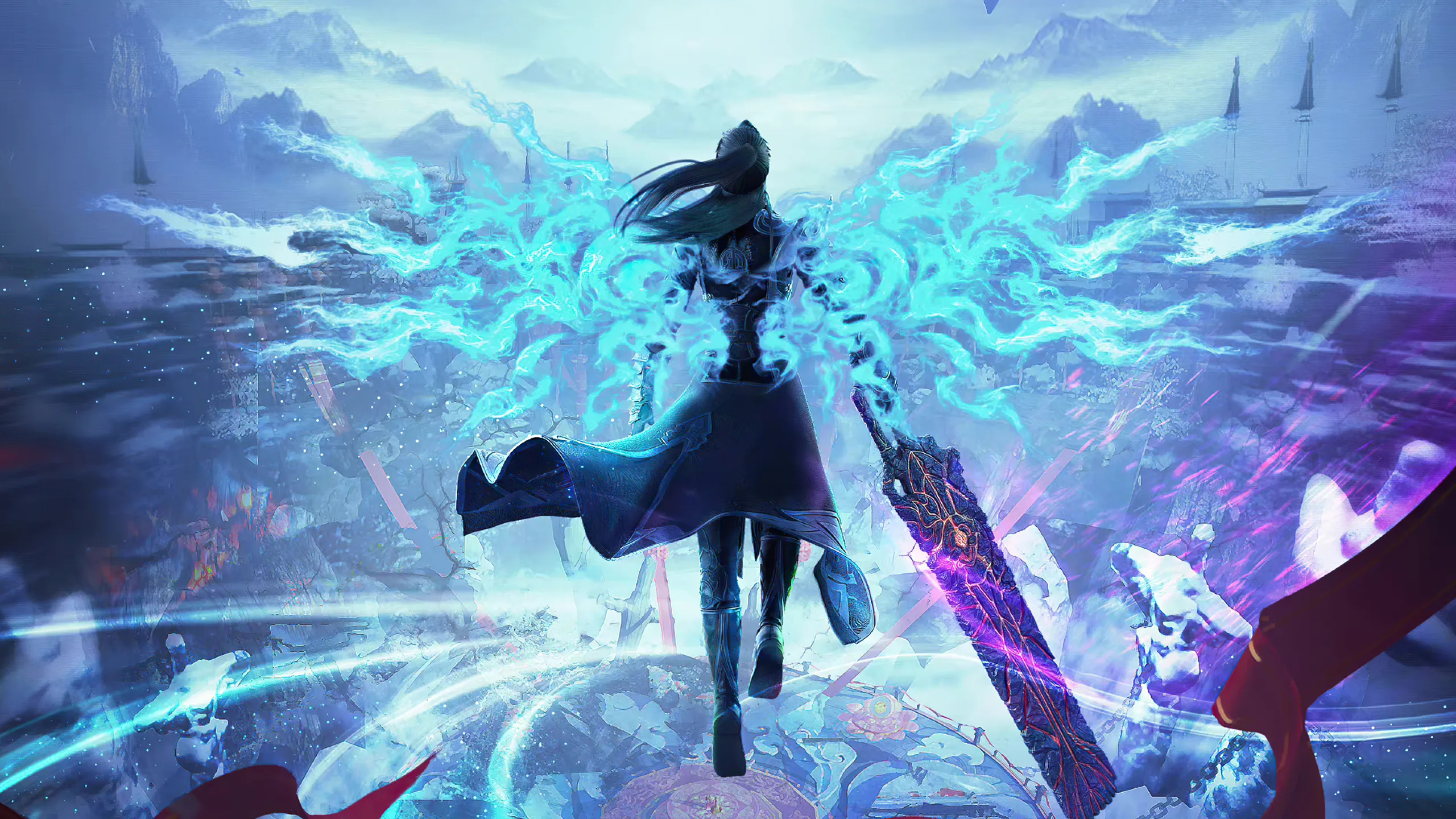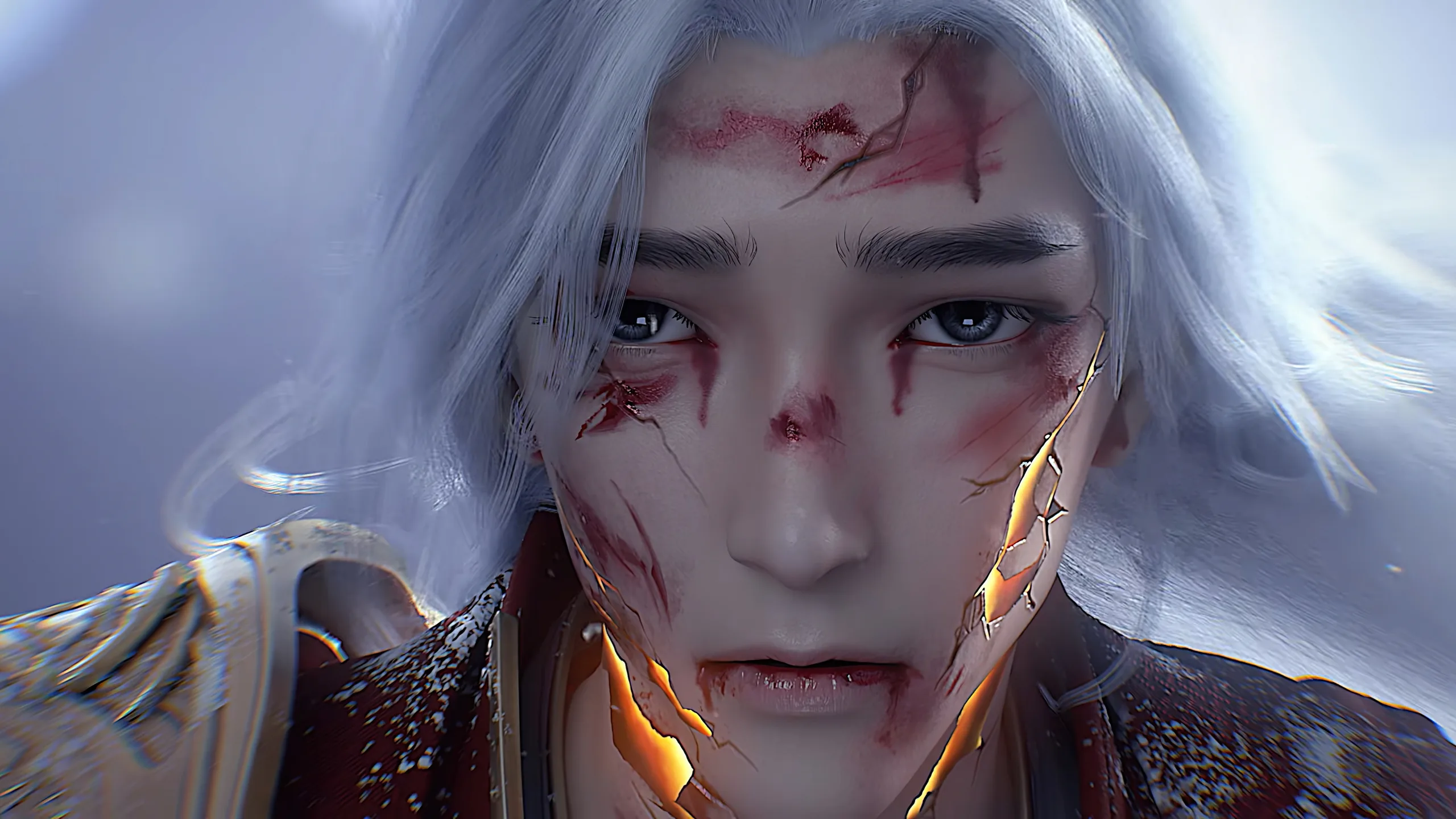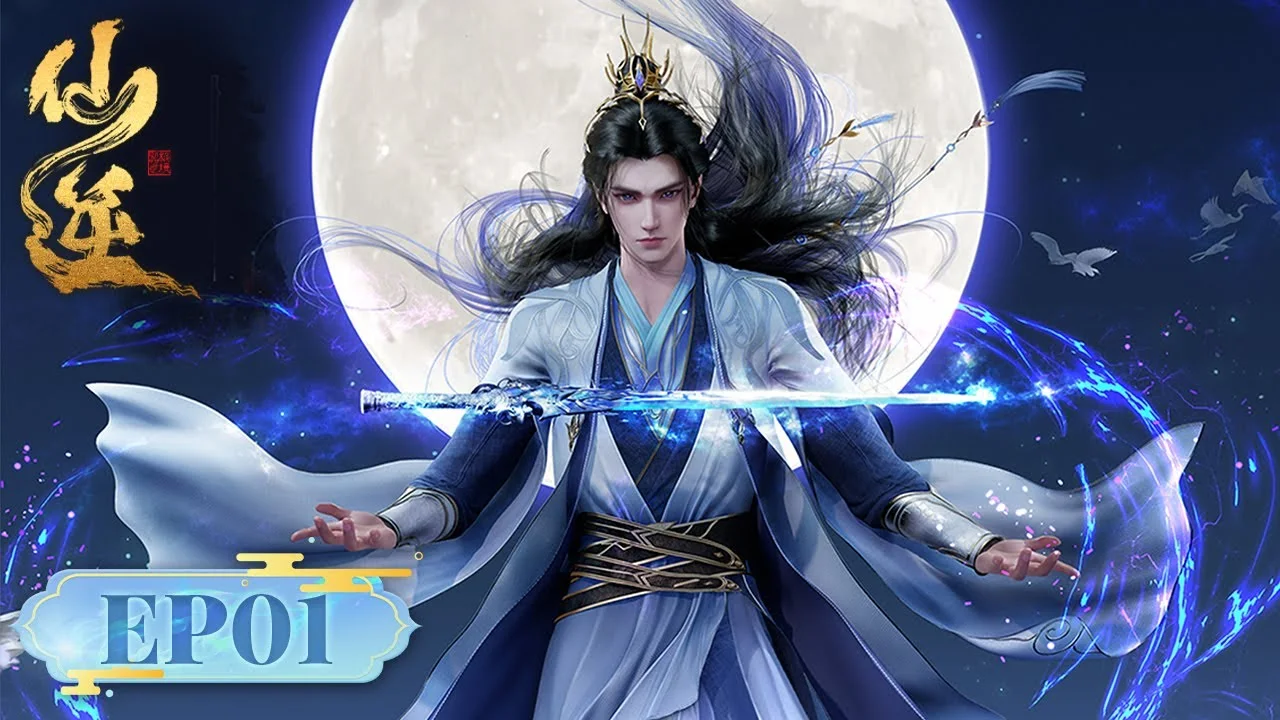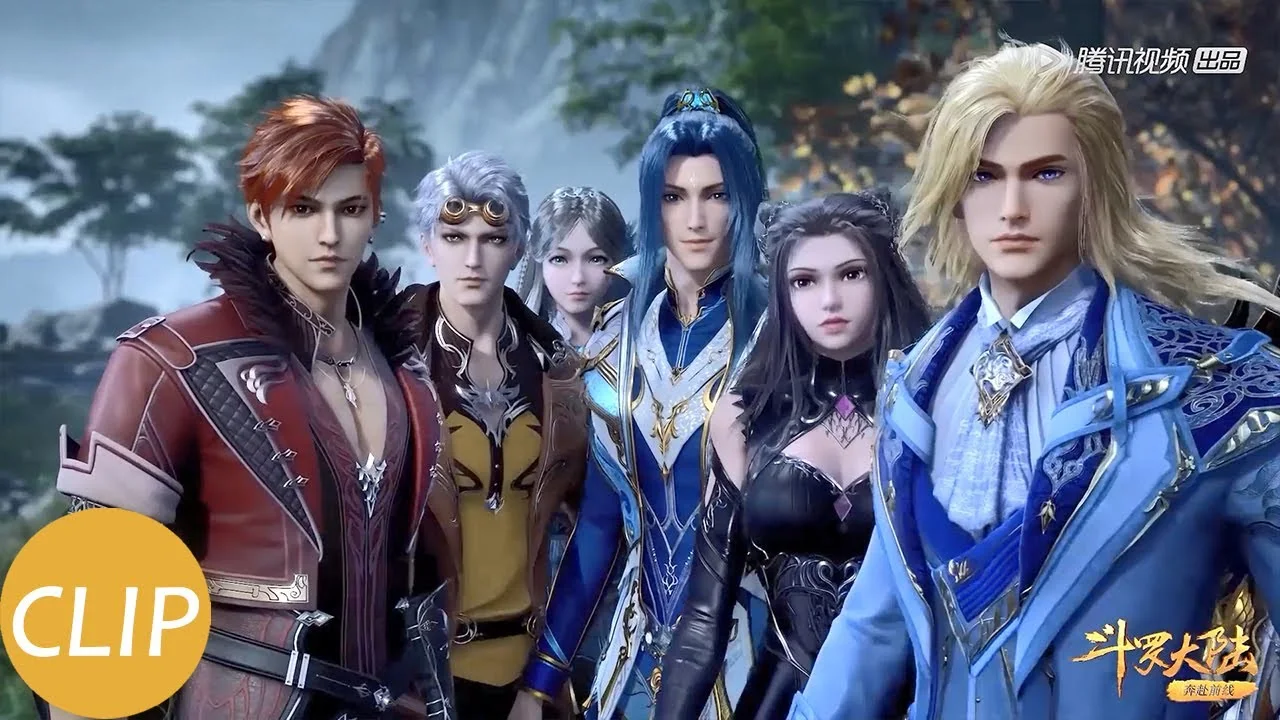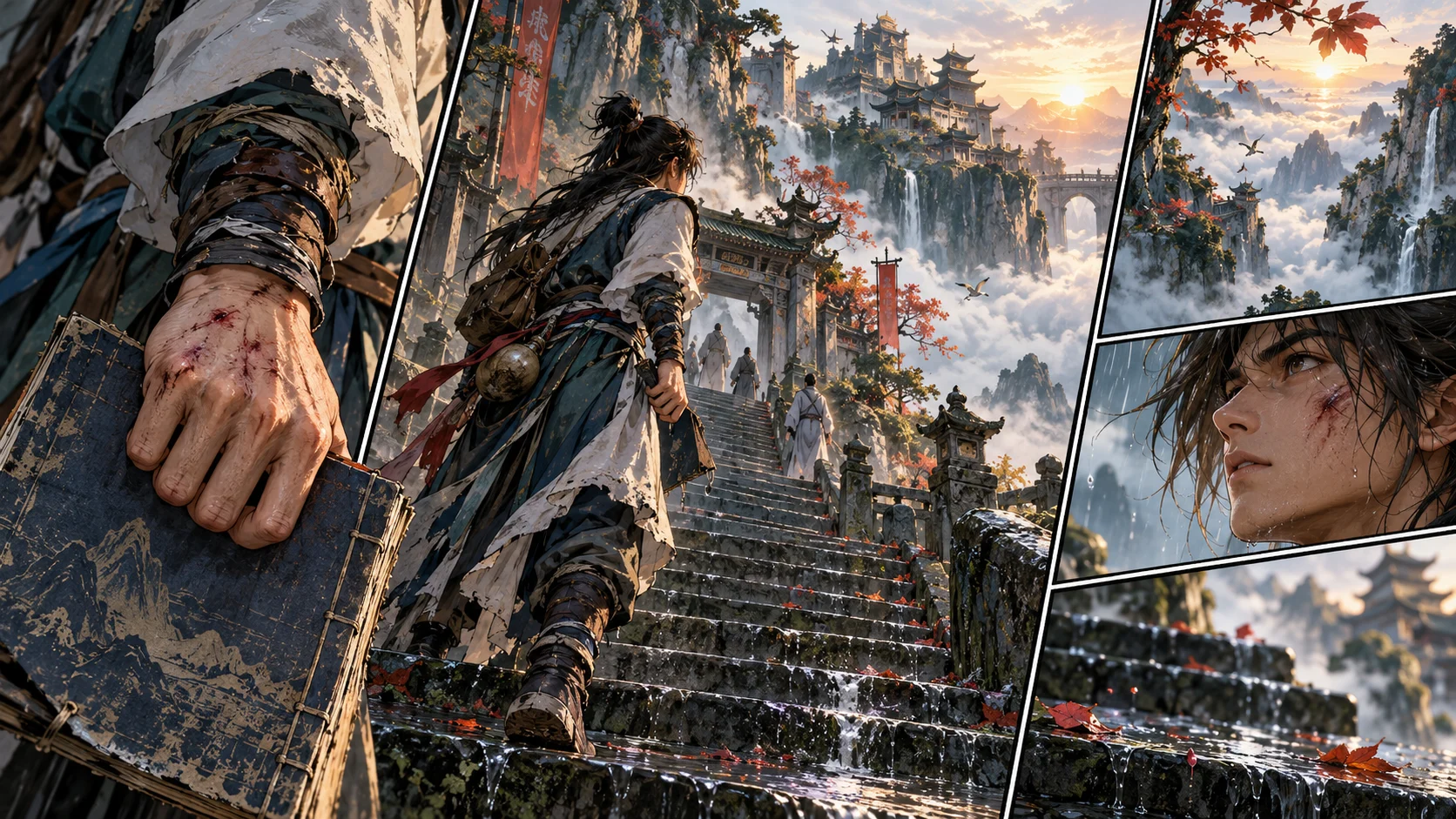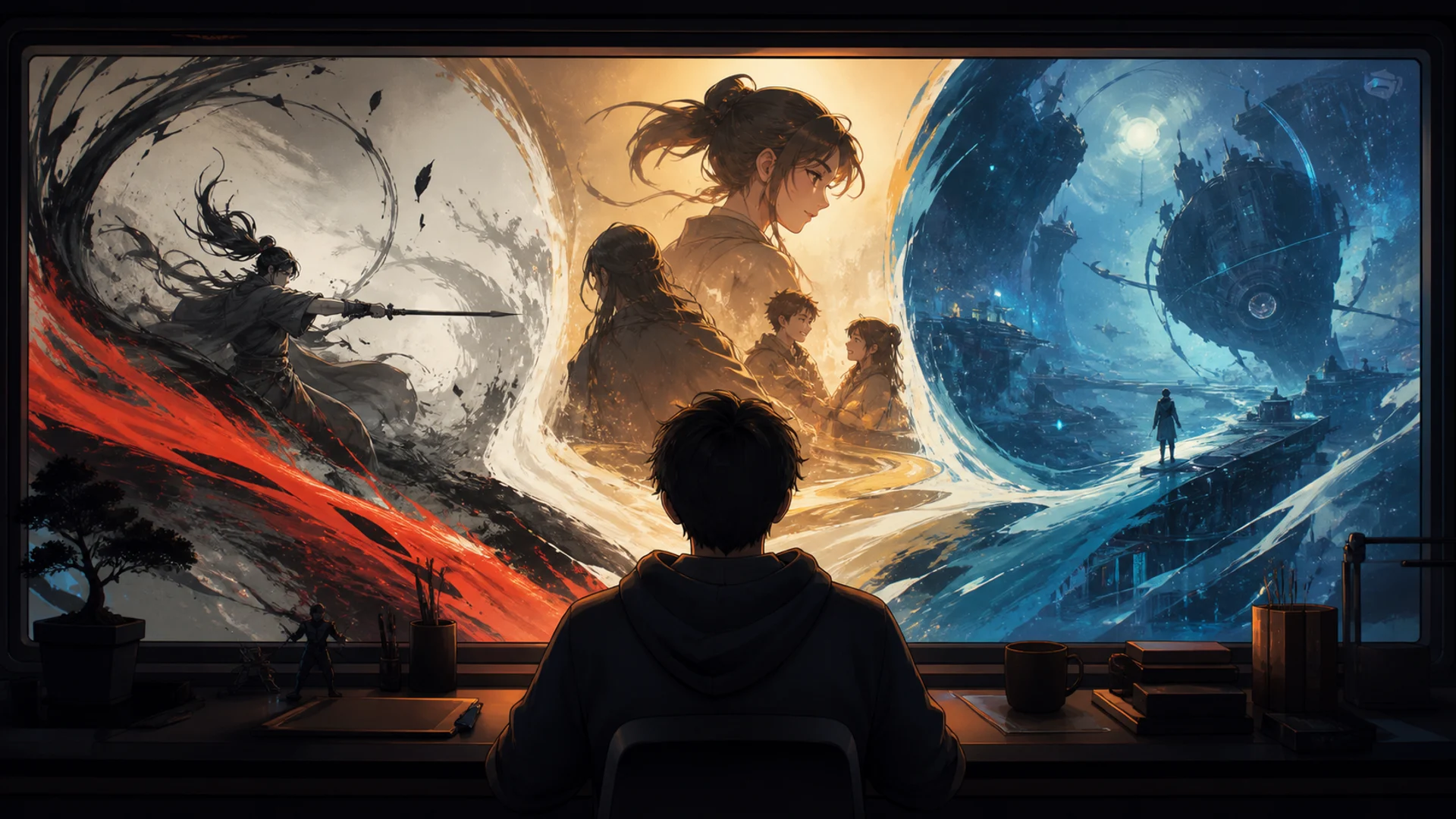
Original editorial illustration of a viewer choosing among ink-action, relationship drama and science-fiction donghua worlds

Motion · emotional contract · time commitment · route

Chinese Anime

Chinese anime is the search door; donghua is the wider animation field. Choose your first series by motion, emotional contract, time commitment and legal viewing route—not by asking which title looks most like Japanese anime.

Read the first-episode contract

19 published guides across 6 core paths.

A first-episode contract, not another ranked list

Chinese anime becomes useful when you learn what donghua asks from episode one

Chinese anime is the phrase many international viewers type; donghua is the word that opens the larger Chinese animation field. Neither term tells you what to watch. The useful decision comes from four harder questions: how does this work move, which human relationship carries the world, how much time does it demand and can you follow it through a legal route with the right subtitles and episode order? I judge the first episode as a contract. If motion, feeling and time do not agree, a hundred episodes will not repair the entrance.

Frame 01 · The direct answer

What is Chinese anime? Donghua is the precise field; Chinese anime is the honest search door

Donghua, 动画, simply means animation in Chinese. In international fandom it has become a practical label for animation from China, while ‘Chinese anime’ remains the phrase many first-time viewers actually search. I use both. Refusing the search term would make the page harder to find; using only the search term would keep Chinese work trapped inside comparison with Japan. The distinction is not a vocabulary test. It changes what becomes visible: animated films, television and web series, shorts, stop-motion, ink experiments, 2D action, 3D cultivation epics and platform-funded creator projects all belong to the wider field.

I reject the question ‘Is donghua as good as anime?’ because it treats Japan as the measuring instrument and China as the late applicant. Animation scholarship shows a more complicated history: Chinese animation developed through transnational exchange, political pressure, studio craft and repeated movement across borders. Early Chinese work was not created in cultural isolation, and contemporary studios are not choosing between pure Chineseness and foreign influence. They are solving problems of motion, money, source IP, platform release, audience expectation and artistic identity at the same time.

East Moment's current collection is not a complete history of Chinese animation. It is a strong gateway into nineteen finished guides, especially 2D action and suspense, long-form 3D cultivation, fantasy relationships, science fiction and esports. That boundary is deliberate. We will not create hollow cards for ink animation, independent shorts or children's work merely to look comprehensive. Those traditions deserve pages built with the same close watching and visual evidence as the titles already here.

The scholarship restores cross-border movement and historical production context; it prevents the false story that Chinese animation developed by copying one external model. Animation Studies: transnational movements of Chinese animation
Frame 02 · Motion is not decoration

Donghua has no single look—and that is its strongest advantage

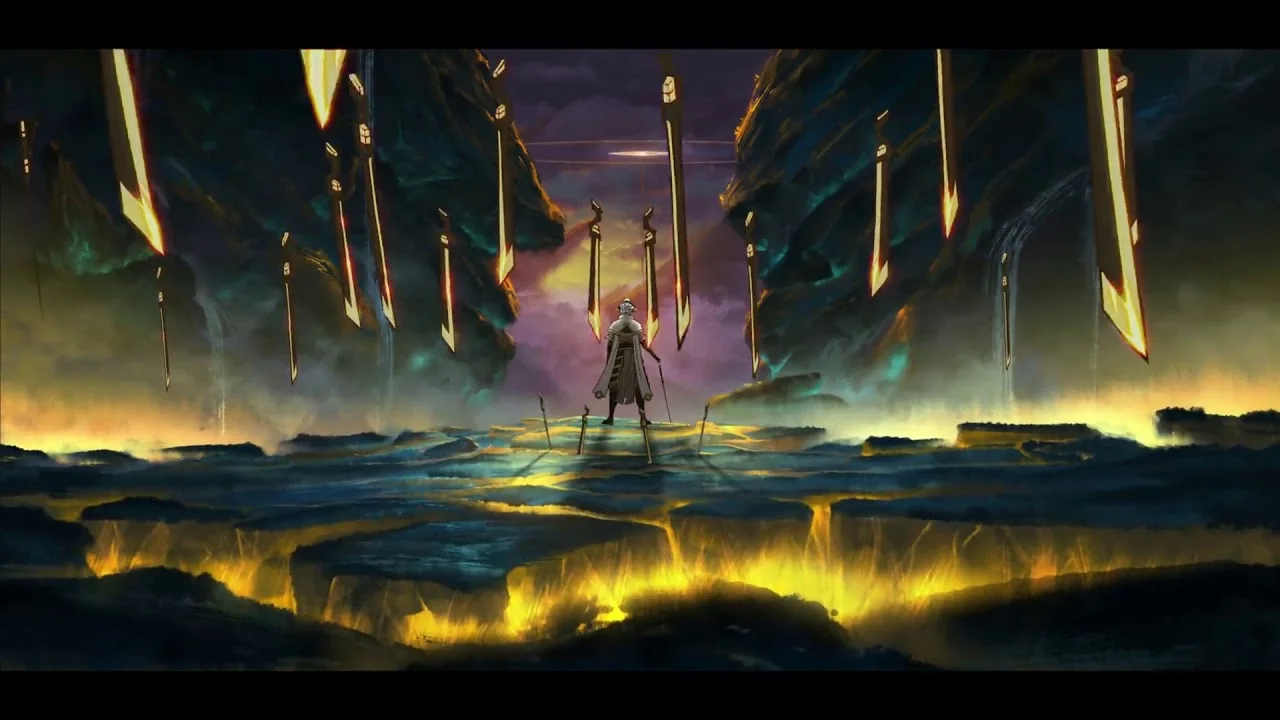
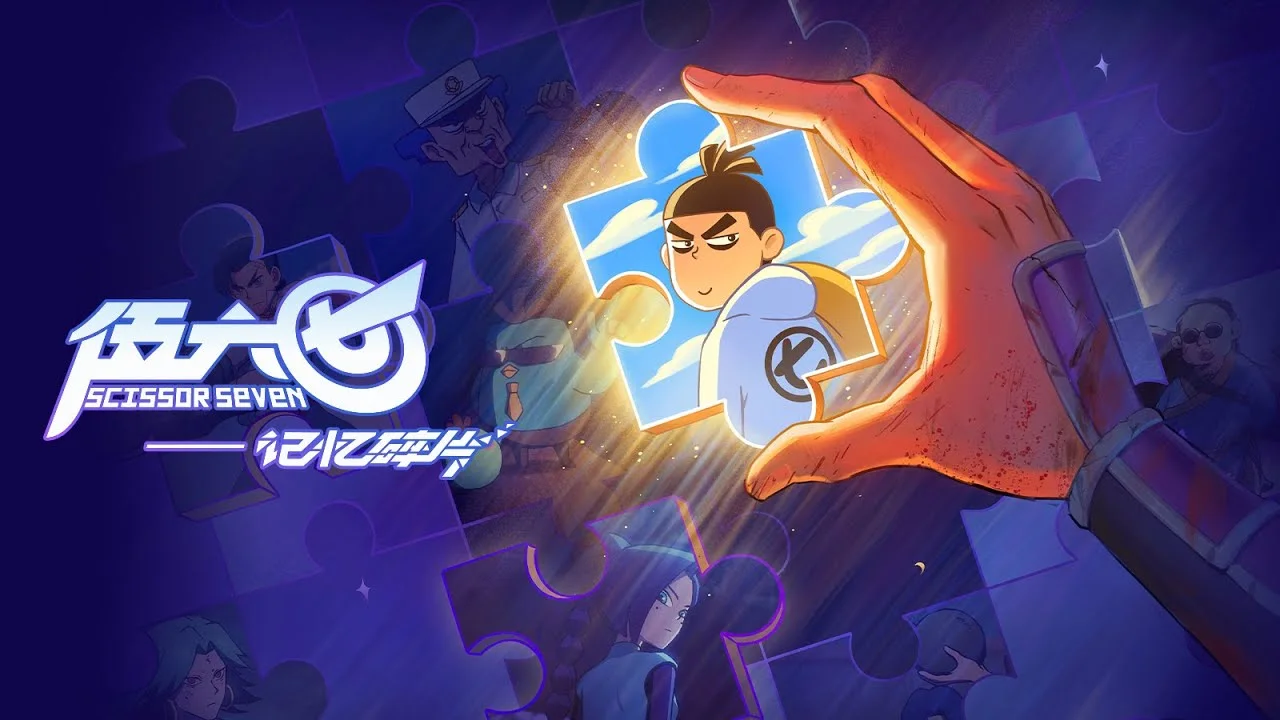
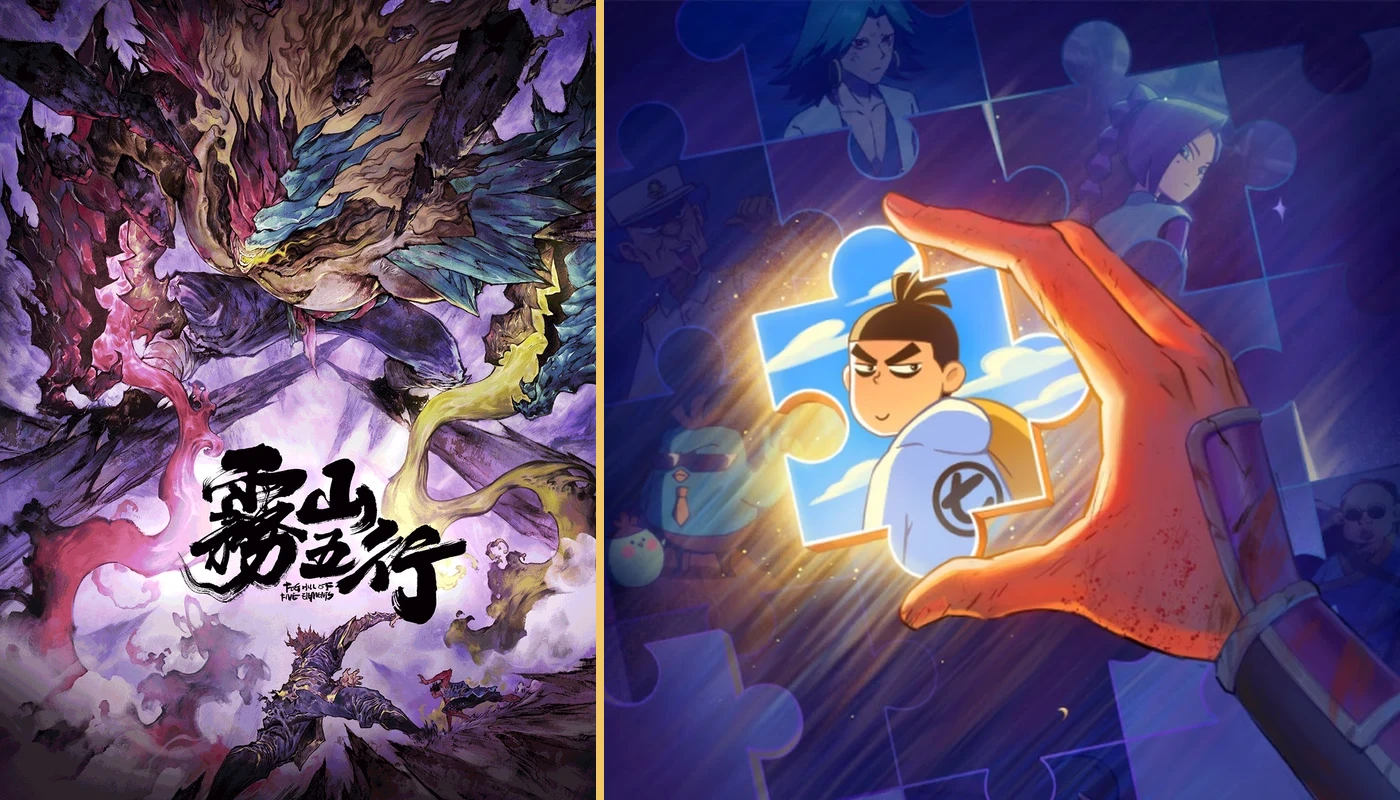
The stereotype is easy to recognize: polished 3D faces, flowing robes, glowing power effects and a cultivation ladder stretching toward infinity. That production language is real and commercially central, but it is not the visual definition of Chinese animation. Fog Hill of Five Elements makes impact feel hand-built: brush energy, abrupt weight, colour and spacing turn combat into a sequence of drawn decisions. Scissor Seven uses graphic simplification and comic timing so a small change in posture can carry embarrassment, affection or sudden violence. Link Click uses a cleaner contemporary surface, then makes framing and temporal rules create dread.

A viewer should judge motion by the job it performs. Does the body have weight before the strike? Can you read who initiated the exchange and what changed afterward? Does the camera reveal space or hide weak movement inside constant cuts? In comedy, does a held pose create the joke, or does dialogue explain what the drawing failed to express? In 3D work, do cloth, hair, faces and environments occupy the same physical world, or does each asset seem to have been polished alone? These questions are more useful than counting frames or declaring one medium superior.

My strongest objection is to animation that mistakes detail for life. A costume can contain a thousand ornaments and still leave the character emotionally dead. A vast landscape can be technically expensive and dramatically empty. Conversely, one rough line in Fog Hill or one absurd silhouette in Scissor Seven can feel alive because timing places intention inside it. Animation is not an illustrated plot delivery service. It is thought made visible through change from one frame to the next.

Frame 03 · Time debt

A long cultivation donghua must earn your hundredth episode in its first hour

Long-running cultivation series create an unusual promise. The appeal is not one battle or one season; it is accumulated change. A minor technique becomes instinct. A place that once felt enormous becomes one stop in a larger cosmology. Companions separate, age differently and return with altered obligations. The viewer experiences power through time. That can be deeply satisfying. It can also become a trap in which weekly progress, new realms and cliff-hangers replace actual transformation.

I call this time debt. Soul Land, Battle Through the Heavens, Perfect World, Renegade Immortal, Swallowed Star, Throne of Seal and A Record of a Mortal's Journey to Immortality do not ask for the same evening as Link Click. They ask whether you are willing to learn names, realms, factions, objects and relationship histories over dozens or hundreds of episodes. Before accepting, test three things: can you understand what the protagonist wants beyond becoming stronger; does advancement change a relationship or moral cost; and can the production make repeated progress visually distinct rather than louder?

A Record of a Mortal's Journey to Immortality is the route I trust most for a viewer who dislikes easy destiny. Han Li's caution, resource management and awareness of mortality give progression texture. Renegade Immortal becomes meaningful when cultivation cannot protect Wang Lin from grief and the return to mortal life changes the scale of power. Perfect World works when Shi Hao's strength remains attached to separation and reunion rather than a conveyor belt of opponents. The common rule is unforgiving: if the person disappears behind the level system, the series has failed no matter how large the universe becomes.

Frame 04 · Relationship before lore

The world becomes memorable only when one person makes its rules hurt

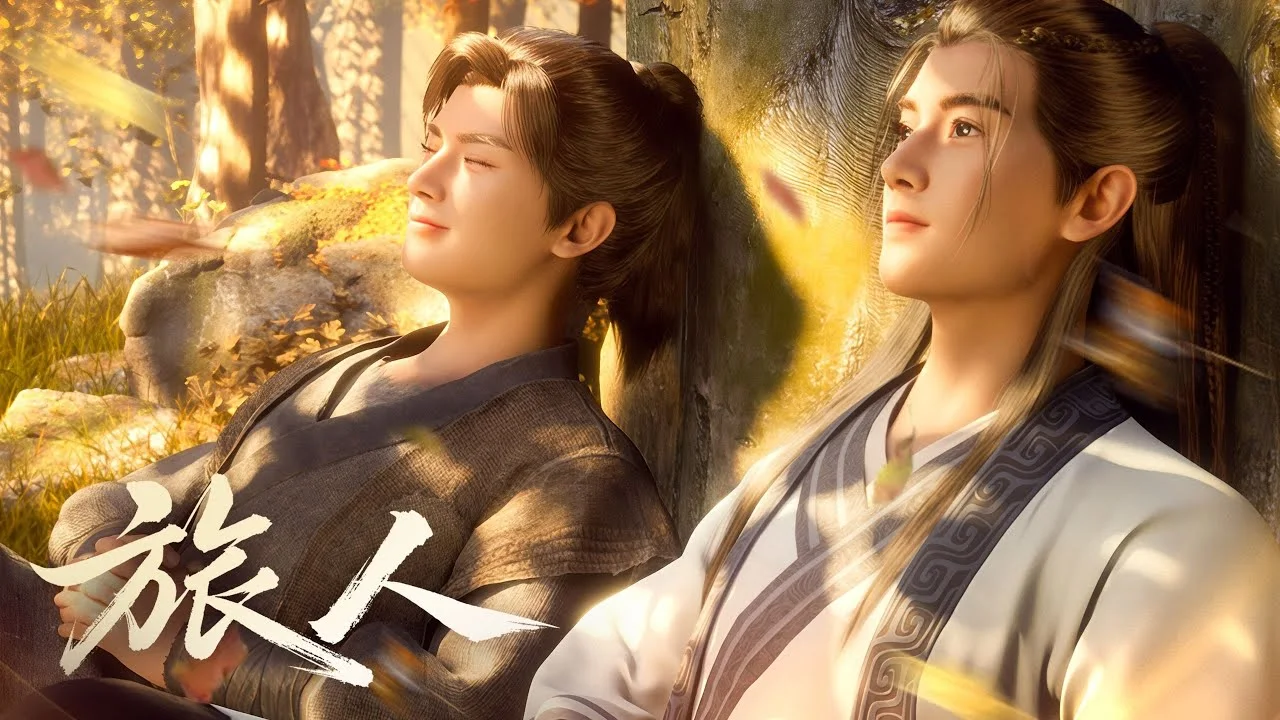
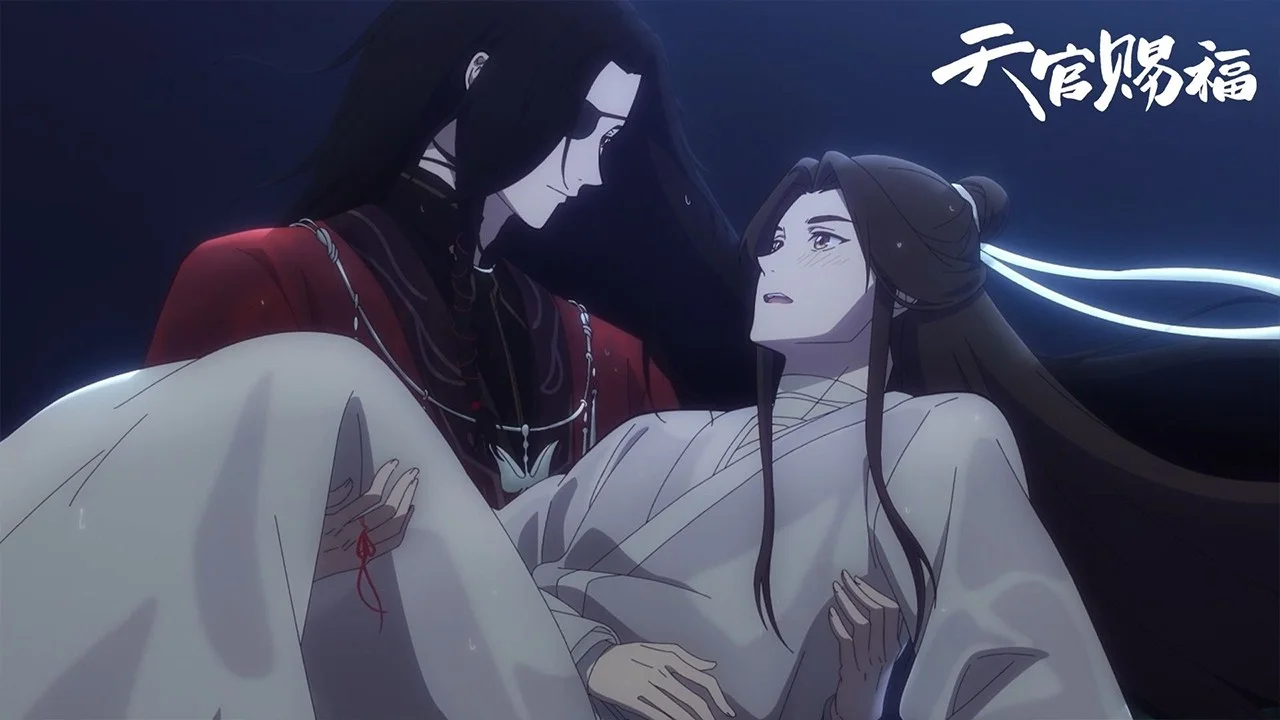
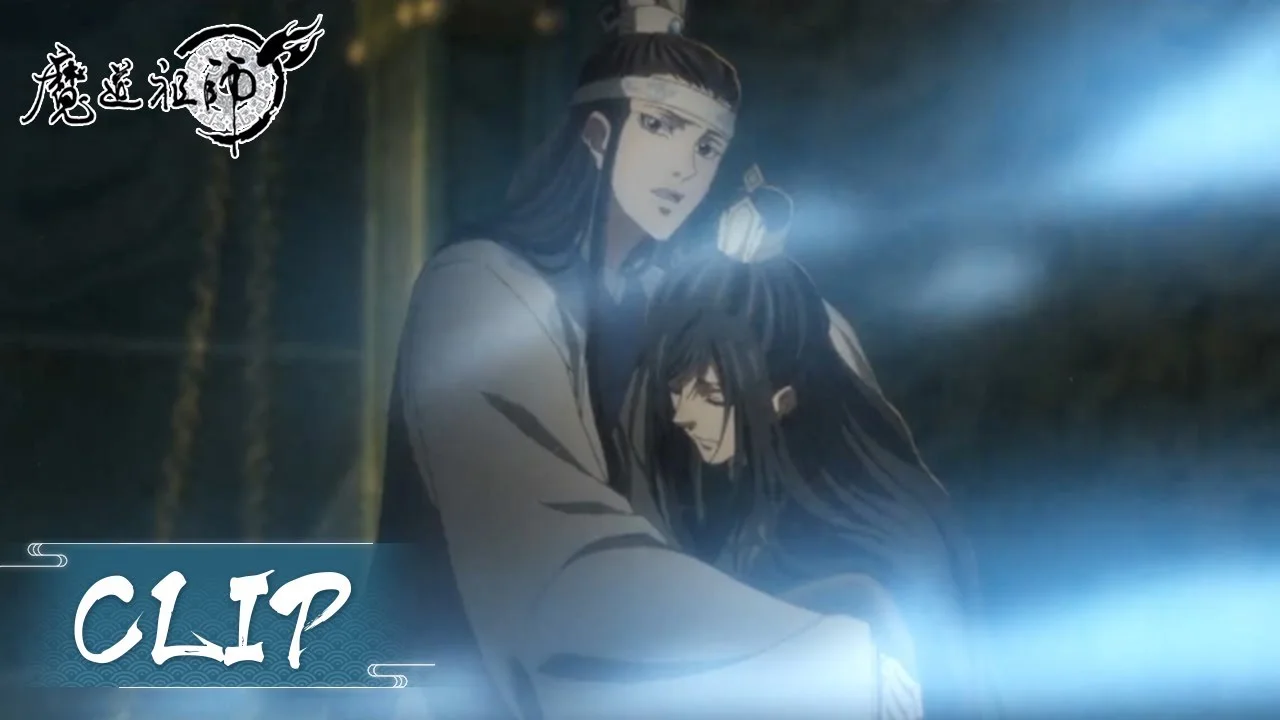
Fantasy terminology can make donghua feel harder than it is. Sects, spiritual weapons, ghost ranks, cultivation realms and translated names arrive quickly, especially when subtitles are inconsistent. I do not begin by memorizing them. I look for the relationship that makes one rule matter. In Link Click, the ability to enter photographs is gripping because empathy can destroy the distance required to use it safely. In Heaven Official's Blessing, divine and ghostly status matters because recognition, belief and long memory change what devotion means. In Mo Dao Zu Shi, public judgment and private loyalty keep returning to the same wound from different directions.

This is the fastest way through lore. Ask who is allowed to know the truth, who pays when a rule breaks, and which relationship cannot remain neutral. The answer gives unfamiliar vocabulary a dramatic hook. A talisman is no longer a glossary item when a character must decide whether to trust the person holding it. A cultivation technique stops being a level label when using it changes reputation, body or allegiance. Good world-building compresses explanation into consequence.

International viewers also encounter these relationships through translation, adaptation and platform policy. A web novel, manhua and donghua do not tell the same story with pictures added or removed. Animation controls duration, gaze, voice, music and what can be shown directly. Adaptation can sharpen a relationship through performance; it can also soften, rearrange or omit material. I refuse the fan habit of treating difference as automatic betrayal. The correct question is what the animation replaces the missing material with—and whether that new form still carries the emotional contract.

Frame 05 · Systems under pressure

Science fiction and esports donghua work when the system cannot replace the person

Ling Cage and The King's Avatar appear to belong on different shelves. One builds survival, scarcity and bodily classification inside a science-fiction environment; the other follows professional gaming, mechanical skill, reputation and team formation. Their shared strength is systemic pressure. Rules determine access, value and risk. The viewer understands a person by watching how they move inside a structure that does not care about their private dignity.

Ling Cage becomes empty if its production design is admired without asking who is classified, protected, used or abandoned. A machine, fortress or monster is not proof of depth. The world earns its scale when a rule reaches the body and forces an ugly choice. The King's Avatar has the opposite visual temptation: victory highlights and game spectacle can hide the labour of rebuilding trust, reading teammates and maintaining skill after status collapses. A professional identity is not restored by one triumphant move. It is rebuilt through repetition and social recognition.

This is also where donghua connects naturally to East Moment's technology and games coverage. Digital worlds are never only visual culture. They contain platforms, studios, labour, spectators, monetization and technical pipelines. Yet industry analysis must not drown the work. Begin with the scene. Identify the system acting on the character. Then trace the production and platform conditions that made that scene possible. The sequence keeps economics attached to human consequence.

Frame 06 · Platform geography

Where to watch donghua is part of the story because access changes the audience

A perfect recommendation is useless when the title is mislabeled, unavailable in your country, missing subtitles or presented in the wrong order. Donghua discovery is unusually vulnerable to fragmented naming. One series may circulate under an English title, a pinyin title, a translated Chinese title and a franchise season label that does not explain where a new viewer should begin. Search results then mix official episodes, clips, fan uploads, recaps and unrelated works using similar words.

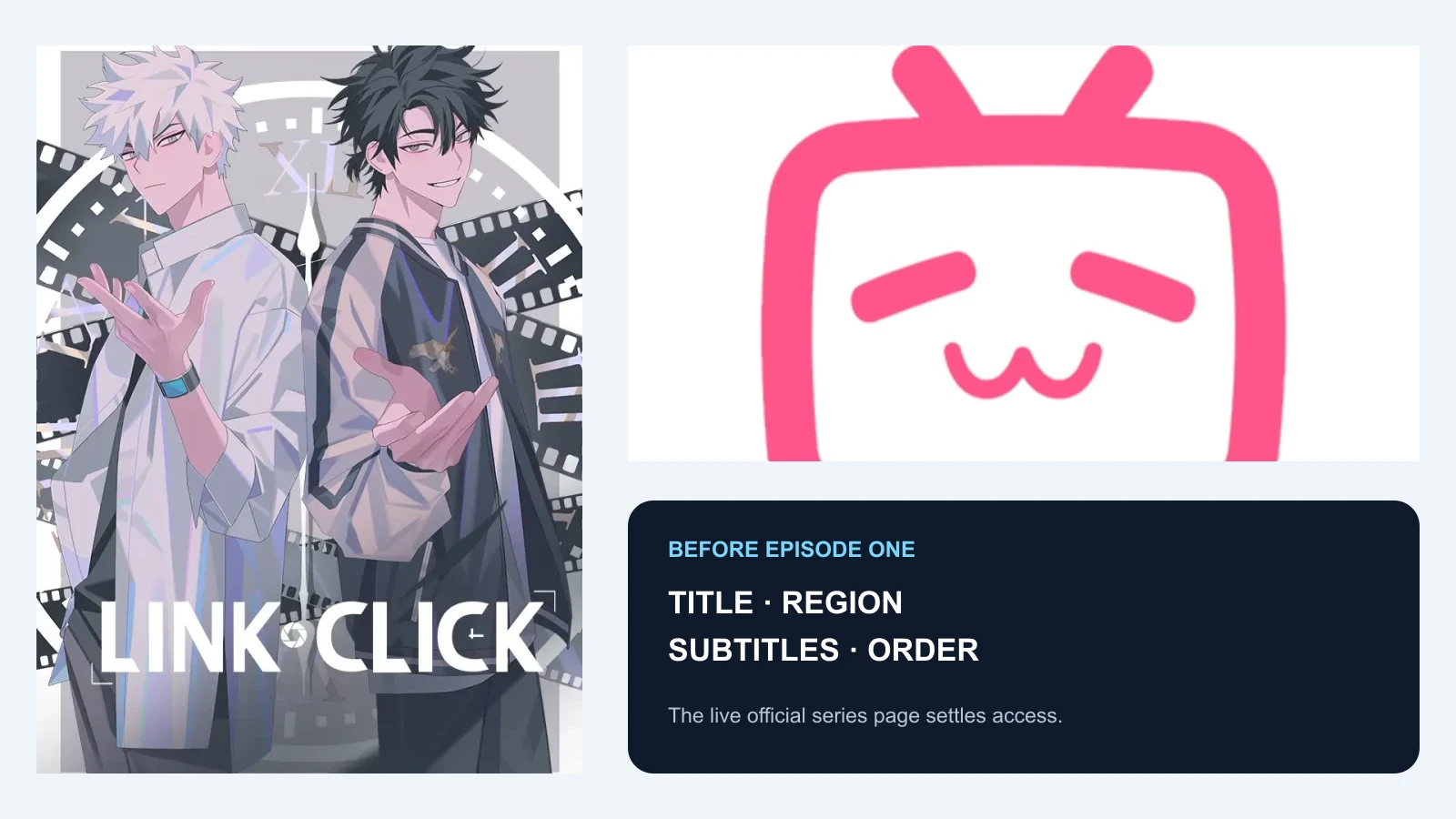
The practical route has four checks: title identity, region, subtitle language and episode order. Only after those four agree should price decide. The official Bilibili International search and Made By Bilibili channel are useful for discovery; WeTV carries major Tencent animation such as Soul Land, but its own listing also makes the cost visible by marking membership boundaries. Availability changes by country and date, so this hub will not promise that one service always has a complete series. Each title page must carry the current route and the date it was checked.

Platform funding also shapes what gets made and exported. Bilibili's official Guochuang presentation places sequels, original stories, web-fiction adaptations and creator-support projects inside one release field. That breadth matters because the English internet often encounters only a narrow slice: the most export-ready romance, action or cultivation titles. I value platform access, but I do not let a platform define the artistic map. Distribution visibility is evidence of reach, not proof of quality or representativeness.

The official release presentation shows the range of platform-backed Chinese animation and upcoming routes; it cannot prove artistic quality, permanent overseas access or the completeness of the wider field. Bilibili's official Guochuang animation presentation

Frame 07 · Your first-episode contract

Start with one hour, then let the work prove what kind of viewer it needs

Choose one route, not a watchlist. If you want animation craft immediately visible, begin with Fog Hill of Five Elements. If you want emotional suspense in a contemporary world, begin with Link Click. If you want comedy that can turn suddenly serious, choose Scissor Seven. If you want a long cultivation life built on caution, choose A Record of a Mortal's Journey to Immortality. If you want science-fiction systems pressing on bodies, choose Ling Cage. If professional skill and team identity matter more than fantasy cosmology, choose The King's Avatar.

Give the work one hour or its natural opening block, then write three sentences. What did the motion make clear without dialogue? Which relationship made the world rule matter? What time debt has the series asked you to accept? Continue only if at least two answers are specific. You do not owe a famous title fifty episodes because fandom promises it becomes good later. A slow build can be deliberate; an empty contract is still empty.

Bring the moment that made you continue—or quit—to East Moment. Name the episode, the exact gesture, cut, object, rule or subtitle problem and what you expected before it happened. Mark spoilers. We will connect useful notes to the matching visual-style, time-commitment and legal-access routes. That creates something a ranking cannot: a map of where real attention began, where trust broke and which viewer should try the same door next.

East Moment Community

Bring the moment that made you press next—or stop.

Name the episode and the exact gesture, cut, world rule or subtitle problem that decided your commitment. Mark spoilers; generic ratings and title lists are not enough.

Why return: We will organize strong notes by visual language, time debt and legal viewing route so newcomers can choose with evidence instead of hype.

What should East Moment send you?

Find the Chinese Anime story you are looking for

Chinese Anime: choose the path that matches your question

Start with chinese anime, then move into the names, related questions and search intents that belong to each focused theme. Every visible path leads to a published East Moment page. The wrong question is whether Chinese anime has caught up with Japanese anime. The right question is which donghua earns your next episode through movement, relationship and a world worth the time it demands.

Animation scholarship shows that Chinese animation developed through transnational movement, not an isolated national style. Animation Studies: transnational Chinese animation

Make episode one earn episode two

Enter through visual motion, human stakes, time commitment and a route you can actually watch

East Moment’s 19 finished anime and donghua guides are organized by the promise each series makes in episode one. Choose a manageable first route, a long cultivation world, a system under pressure or a story crossing animation and web fiction; every card opens a complete, indexable guide.

Collection 01 · best Chinese anime and where to watch donghua

Choose a first series and a legal route

2 published guides

Choose the emotional contract first, then verify title, region, subtitles and episode order before a broken or unofficial upload wastes the beginning.

Collection 02 · 2D Chinese anime and martial arts donghua

Two-dimensional motion, suspense and comedy

4 published guides

These shorter routes prove that donghua is not one glossy 3D cultivation look: painted impact, dangerous empathy, graphic comedy and martial movement all demand different attention.

Collection 03 · cultivation donghua and xianxia anime

Cultivation and xianxia worlds

7 published guides

Long-form cultivation works are easiest to enter when power systems stay connected to grief, patience, companionship, dignity and the price of surviving longer.

Collection 04 · Chinese science fiction anime and esports anime

Systems, survival and professional identity

2 published guides

One world tests bodies under engineered scarcity; the other tests reputation through mechanical skill and team labor. Both work when the system pressures a person instead of replacing one.

Collection 05 · Chinese fantasy anime, danmei donghua and cultivation manhua

Gods, ghosts and stories crossing media

4 published guides

Supernatural identity intensifies ordinary questions of belief and memory, while the page route shows how animation, manhua and web fiction change the same world differently.