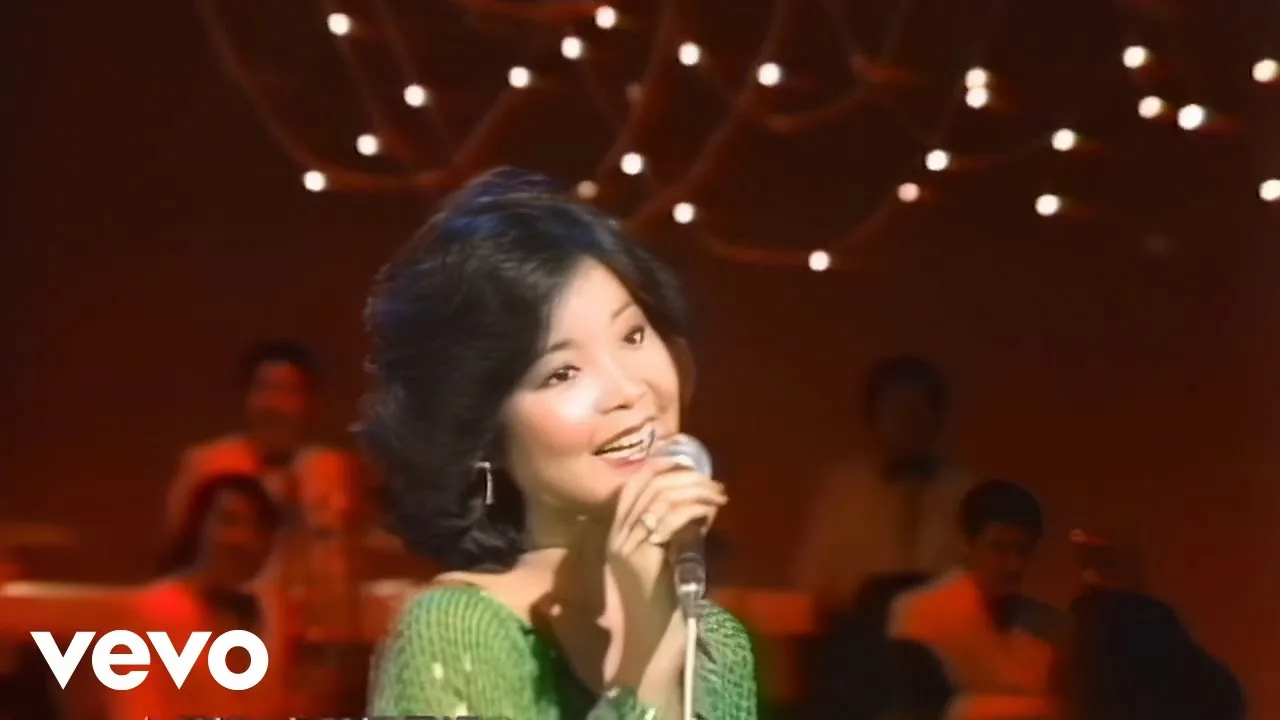
Teresa Teng: The Voice That Made Distance Feel Private
Why does Teresa Teng still sound so close? A critical guide to her voice, Mandarin and Japanese songs, live personality and the best listening route.
Read the deep guide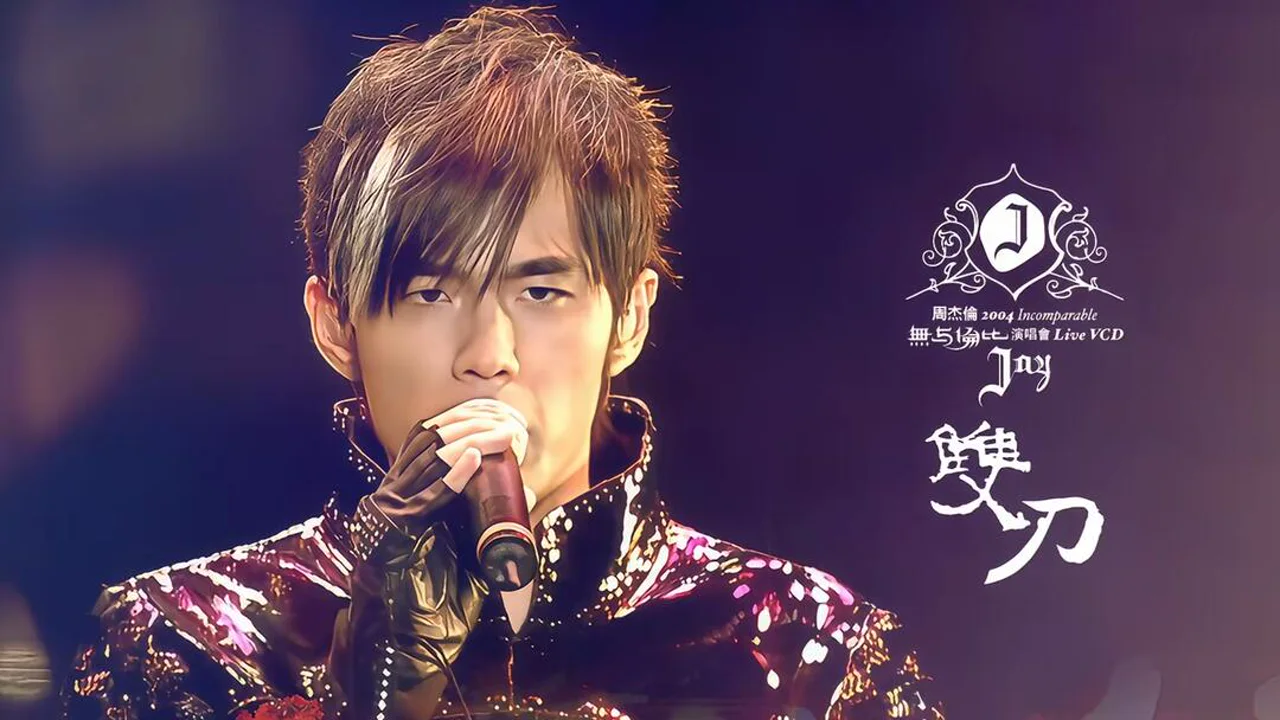
Voice · production · stage · lived listening
Chinese musicians across pop, indie, electronic, hip-hop, classical and traditional practice, introduced through their work and creative worlds.
Enter through the sound38 published guides across 6 core paths.
Hear the voice before reading the biography
Chinese musicians should be entered through sound: a breath before the chorus, Mandarin or Cantonese phrasing, bass and drum choices, a live crowd answering back, and the city or scene that made the record possible. A list of awards cannot tell me why a song followed someone home.
A public performing-arts institution used for concert and cultural context alongside official recordings, releases and direct listening. National Centre for the Performing Arts
Published guides, organized by intent
A collection page must do more than list recent posts. Choose the question that brought you here, open a focused guide, then keep moving through works, people and related cultural context without returning to search.
7 published guides
Teresa Teng, Faye Wong, Jay Chou, Eason Chan, G.E.M., JJ Lin and Zhou Shen do not form one C-pop sound. Follow language, phrasing, production and the ordinary places where a song became someone's life.
Why does Teresa Teng still sound so close? A critical guide to her voice, Mandarin and Japanese songs, live personality and the best listening route.
Read the deep guide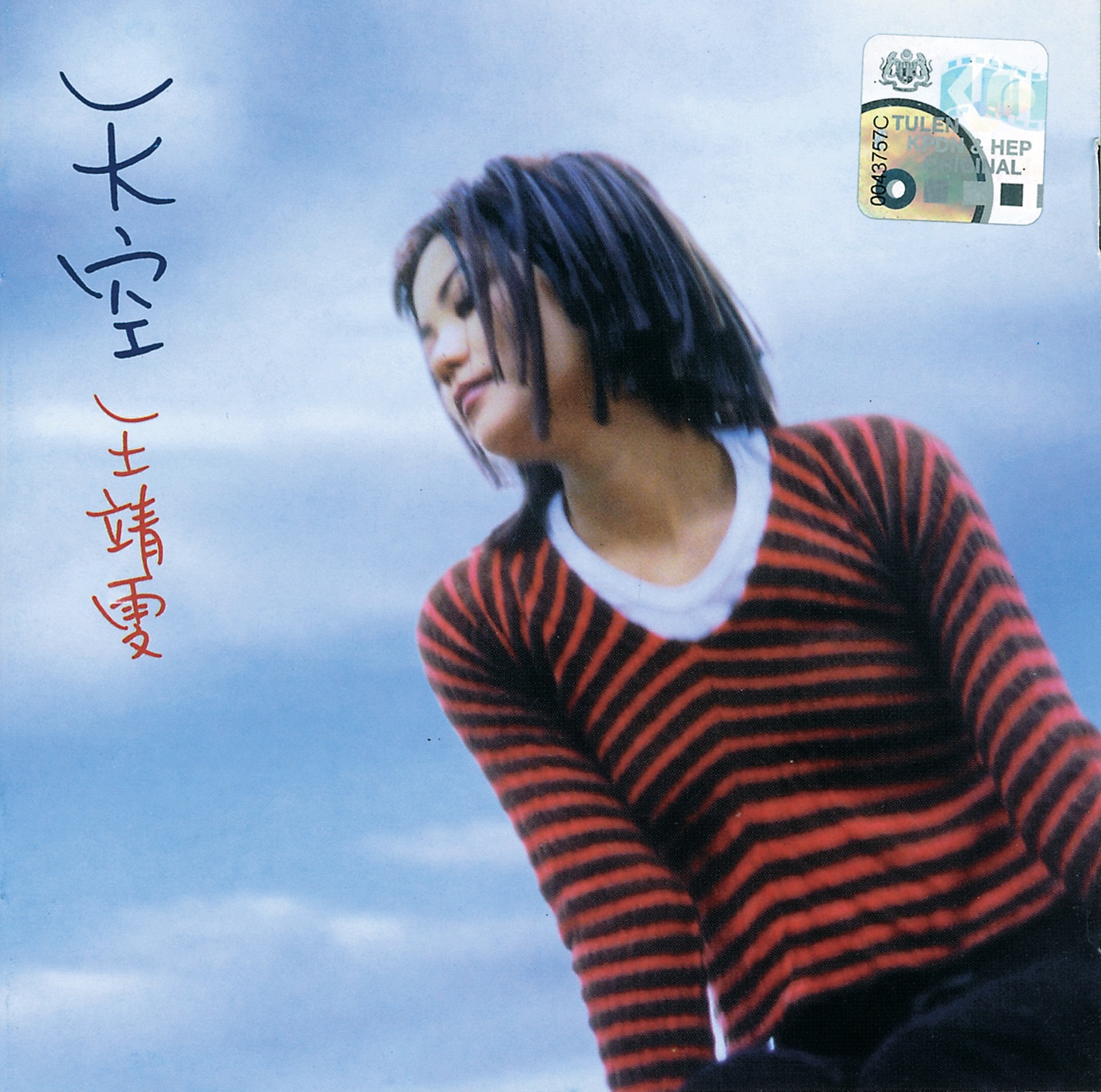
A listening guide to Faye Wong's voice, phrasing, artistic independence and screen image, with a practical route through her songs and albums.
Read the deep guide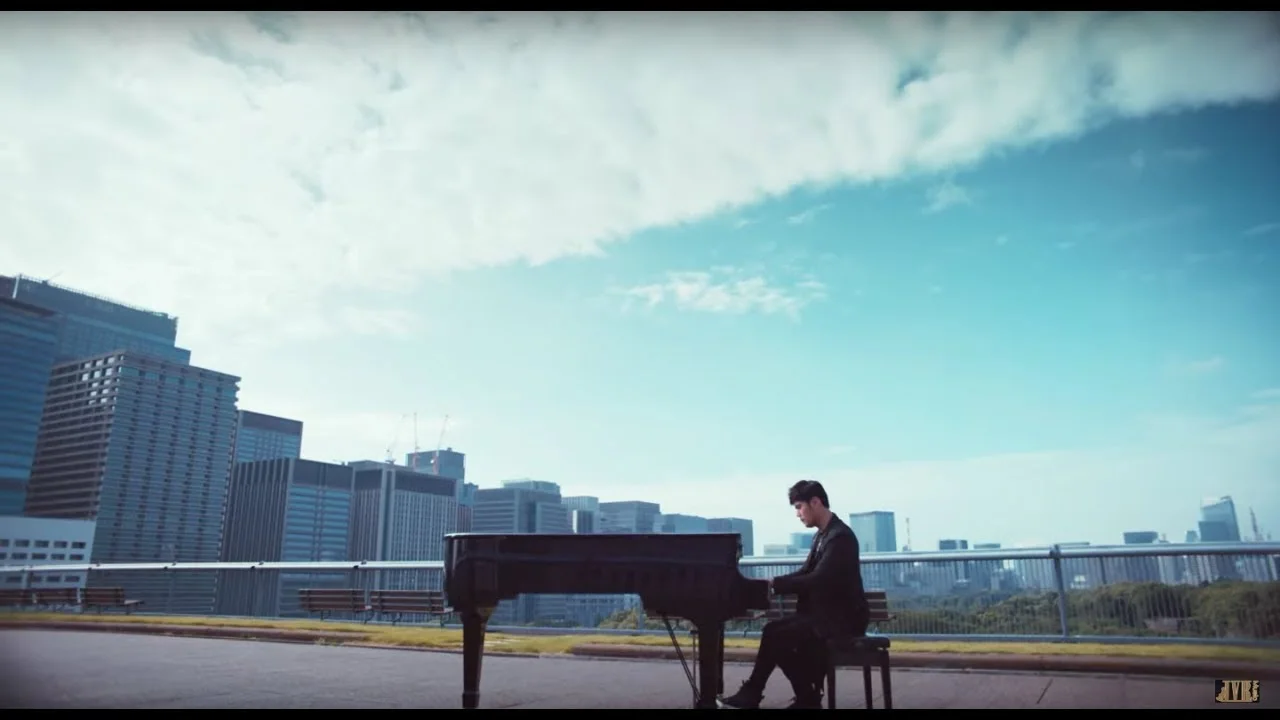
A personal guide to Jay Chou: defining songs, hip-hop influence, Initial D, Secret, J-Style Trip and the 2026 Sun Child era.
Read the deep guide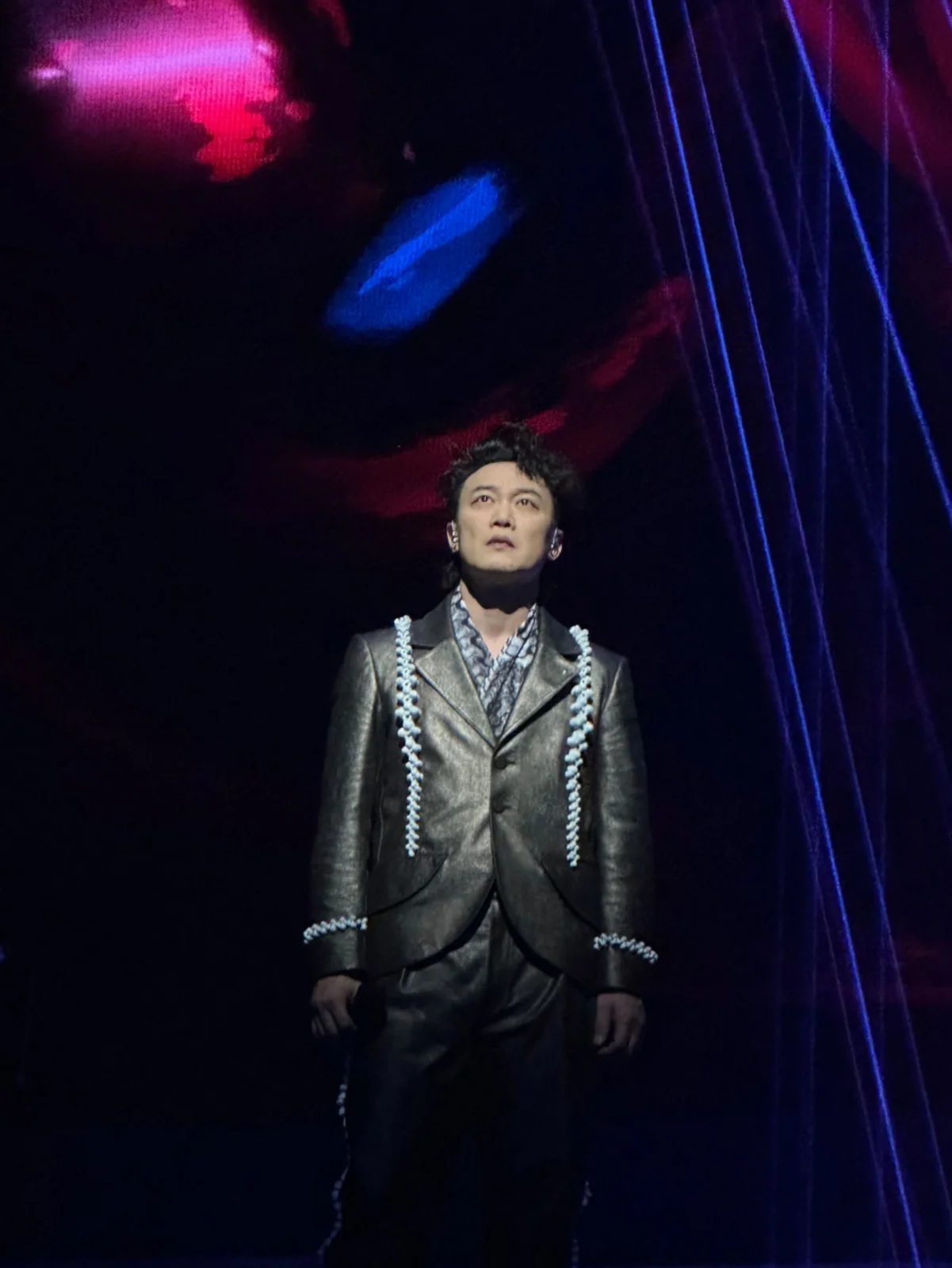
A human guide to Eason Chan: the Cantopop voice, essential songs, FEAR and DREAMS concerts and ordinary rooms where his music becomes personal.
Read the deep guide
Meet G.E.M. through the songs, stages, authorship and I AM GLORIA tour that made her one of Chinese pop's most commanding modern artists.
Read the deep guide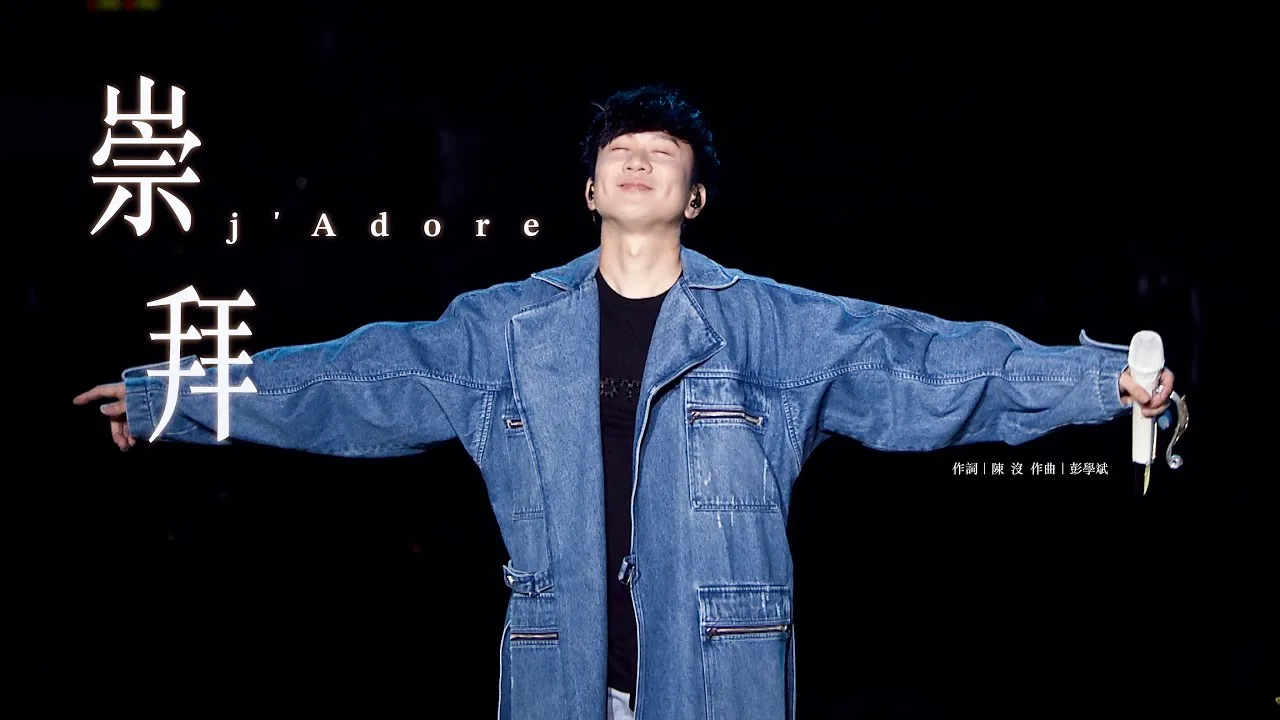
A close JJ Lin listening guide: essential songs, melody, breath, live rearrangements, collaborations and why familiar Mandopop can still feel newly exposed.
Read the deep guide
A close guide to Zhou Shen's voice, Big Fish, Rubia, Dalabengba and Shenself—plus the labels, humor and dramatic intelligence most profiles miss.
Read the deep guide7 published guides
Higher Brothers, GAI, Masiwei, Vava, Vinida Weng and Lexie Liu move through different local scenes, languages and pop boundaries. Listen before turning the field into one television competition.
Discover 20 essential Chinese rappers through their best songs, cities and crews. This listening guide maps Chengdu, Chongqing, Changsha and routes beyond.
Read the deep guide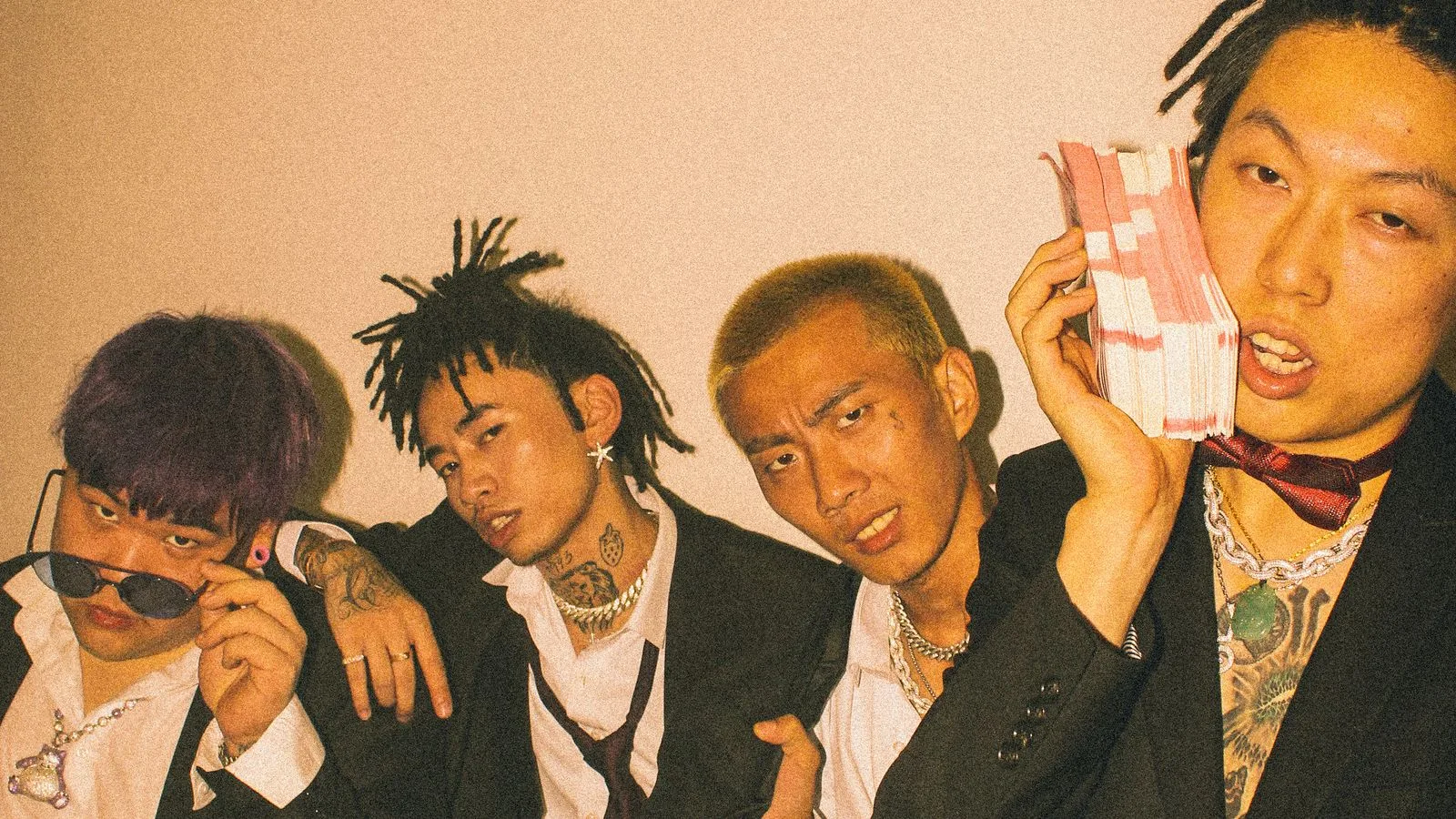
Higher Brothers are Masiwei, KnowKnow, Psy.P and Melo. Start with Made in China and Black Cab, then hear how four Chengdu voices reached global listeners.
Read the deep guide
GAI Zhou Yan is a Chinese rapper shaped by Chongqing's scene. Learn about his 2017 breakthrough, signature voice, key songs and career turning points.
Read the deep guide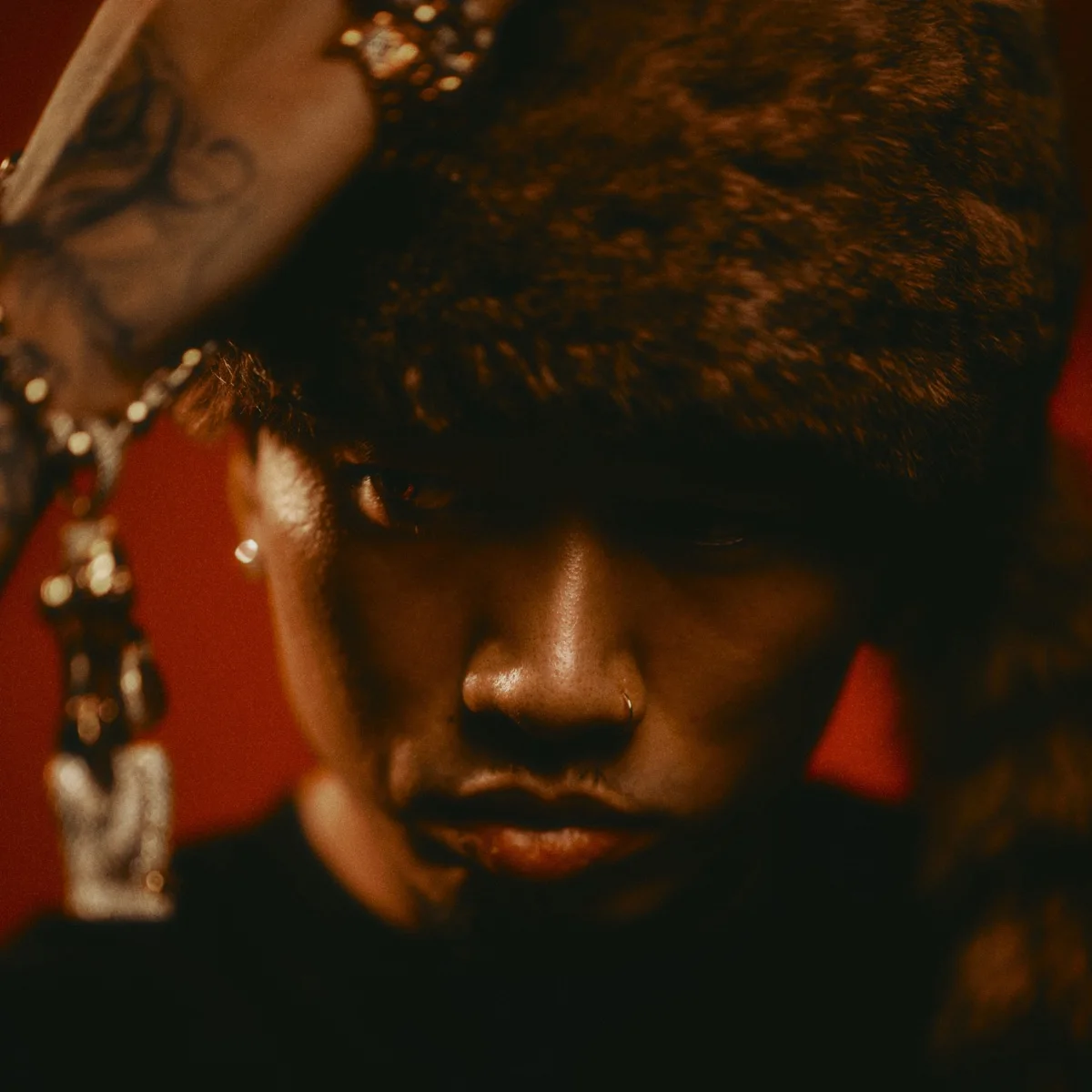
Masiwei is a Chengdu rapper and Higher Brothers member. Start with Made in China, Prince Charming and the solo songs that carried his sound worldwide.
Read the deep guide
VaVa Mao Yanqi is a Chinese rapper known for My New Swag and The Rap of China. Explore her Sichuan voice, key albums and strongest performances.
Read the deep guide
Vinida Weng is a Chinese rapper from Fuzhou. Hear her dialect rap, Amapiano turn and strongest songs across WAIYA, Run This and 7th Seed.
Read the deep guide
Lexie Liu is a Chinese singer, rapper and songwriter from Changsha. Explore Manta, MAGICIAN, FFFFF and the bilingual futurism behind her changing sound.
Read the deep guide3 published guides
A scene is more than several artists sharing a map pin. Chengdu, Changsha and Chongqing reveal how dialect, venues, crews, migration and local confidence alter the sound and the route into public attention.

Chengdu is one of Chinese rap's defining cities. Meet CDC, Higher Brothers, Xie Di, Masiwei and Wang Yitai, then hear the songs that built the scene.
Read the deep guide
Changsha rap grew through CSC, C-BLOCK, Sio, Ranzer and Hunan speech. Meet the key rappers, hear the essential songs and understand the scene network.
Read the deep guide
Chongqing rap is more than one hard-edged sound. Meet GAI, Bridge, Wang Qiming and GO$H, then hear how dialect and 023 identity shape the scene.
Read the deep guideSound before biography
Chinese musicians do not form one sound. Mandarin pop, Cantopop, Chinese hip-hop, rock, indie, electronic production, folk traditions and instrumental practice carry different languages, cities, industries and ideas of performance. A profile becomes valuable when it tells the reader what to hear and why that detail matters. Awards, streams and follower counts can describe scale; they cannot explain the breath before a chorus, the placement of a consonant, the bass beneath a rap verse or the instant a crowd turns a private song into shared memory.
Language changes melody and phrasing. Mandarin, Cantonese and regional speech do not sit on a track in the same way. Industry centers, broadcast histories, labels, live venues and platforms shape which sounds travel. The category C-pop can help international listeners find a field, but it should open distinctions rather than erase them.
Traditional instruments and inherited forms also live in multiple contexts: conservatory, ritual, ensemble, solo stage, tourism, film score and contemporary production. A guzheng sample in a pop track is not proof of timeless tradition. It is a new arrangement whose source, technique and function should be named.
My preferred map begins with listening routes rather than national representation. Choose a voice, a city scene, a production world or an instrument. Let the route stay incomplete. An honest partial map is more useful than a comprehensive list that gives every artist one decorative sentence.
Use public performance records and institutional context alongside official recordings and direct listening; no institution can define the whole musical field. National Centre for the Performing Arts
Jay Chou's scale is not explained by album sales alone. His songs travelled through school years, early mobile-phone ringtones, karaoke rooms, milk-tea shops, films and concerts. My Territory can return an adult listener to the moment mobile phones first felt personal; Confession Balloon can occupy an ordinary street long after release. Those memories are not chart data, but they explain duration.
Faye Wong creates another relation. Her voice can feel distant without becoming empty because attack, vowel, breath and release control how much emotion is exposed. Teresa Teng, Eason Chan, G.E.M., Zhou Shen and JJ Lin each require different listening questions. Calling all of them powerful vocalists would erase the exact choices that make power audible.
The best profile gives a newcomer a route and an existing listener a sharper ear. Name the song that reveals technique, the performance that reveals risk and the weaker work that exposes a limit. Love becomes credible when it can discriminate.
Chinese rap is not one imported genre wearing local references. Dialect, cadence, club networks, television exposure, crews, labels and city pride create different scenes. Chengdu, Chongqing and Changsha should not be used as decorative birthplace labels; the page must explain how speech, collaboration and local performance networks alter sound.
Higher Brothers helped global listeners hear one route, but no group can represent the field. GAI, Masiwei, VaVa, Vinida Weng and Lexie Liu occupy different relationships with rap technique, pop structure, regional identity and international circulation. The useful comparison is musical: flow, beat choice, writing, hook, code-switching and stage command.
I reject two shortcuts at once. Chinese hip-hop is not invalid because its history differs from the United States, and local identity does not make every track credible. Borrowing, censorship, commercialization and scene responsibility are real tensions. Strong writing names them without turning authenticity into a costume test.
Choose a breakthrough track, a song where the artist's technique is clearest and a later work that changes or exposes the formula. Add one live performance. Studio production can build precision; the stage reveals breath, timing, audience relation and whether the arrangement survives outside the recorded surface.
Write down what to hear before reading the biography. Is the phrase pushed ahead of the beat or allowed to hang behind it? Does the arrangement clear space around the voice or compete with it? Which language sounds natural in the mouth, and when does code-switching change character rather than simply signal fashion?
Then follow collaborators, city and medium. A producer may explain the texture, a film may enlarge the song's emotional afterlife and a television appearance may change the audience. Music becomes a connected culture without losing the track at its center. That is the path back when a new release arrives: not whether it is popular, but what changed in the sound.
A biography can tell you where a musician was born. Thirty seconds of attentive listening tells you whether the voice enters before the beat, leans behind it, cuts consonants for percussion or lets a vowel carry the emotional weight. That is the honest entrance to Chinese musicians. Jay Chou's blurred diction is not carelessness detached from style; rhythm, timbre and the shape of Mandarin become one instrument. Faye Wong can make distance feel intimate by refusing to oversell emotion. Zhou Shen's register matters, but control of breath, line and dramatic release matters more than the surprise of pitch.
Language changes the music even when a listener cannot translate every word. Mandarin, Cantonese, Sichuan dialect and Changsha or Chongqing rap cadences create different attacks, internal rhymes and social temperatures. A literal lyric translation may explain the subject while losing the mouth-feel that makes the line memorable. East Moment therefore keeps sound and meaning together: what the words do, how the voice places them, what the production leaves open and which city or scene makes the phrasing legible. Translation is a bridge, not a replacement recording.
For a first route, choose a function rather than a genre label. Follow a pop chorus if you want to understand how a song enters shops, ringtones and shared memory. Follow a rapper if flow, dialect and city networks matter. Choose a live vocalist when breath and crowd relation are the proof. Choose an instrumental tradition when touch, tuning and ensemble role can be heard directly. The profile should then give you three tracks or performances that reveal change. A playlist of famous titles without listening instructions is merely another search result.
Musician profiles often turn albums into a chronology and call the result development. Real change has to be heard. Did the singer alter breath, register or distance from the microphone? Did the producer make more room, harden the drums or replace melodic certainty with texture? Did success narrow the writing into a recognizable product, or buy enough freedom for risk? A collaboration matters when another musician changes the answer, not because two famous names fit in the same title. The career arc lives in decisions and consequences.
Ordinary listening is part of that evidence. A song repeatedly heard in a milk-tea shop, on a mobile ringtone, at karaoke or through a family television occupies culture differently from a critically admired album kept inside headphones. That does not make ubiquity equal to quality. It tells us what kind of social life the sound acquired. Jay Chou's scale includes Chinese-style songwriting, hip-hop leadership, cinema, television travel and memories formed far beyond the concert hall. Faye Wong's influence includes what later singers learned about restraint. Public memory deserves analysis, not a popularity trophy.
I also want the failed experiment, the overproduced single and the live performance where the studio image breaks. Those moments reveal the cost of a signature. A musician can become trapped by the very sound that made recognition immediate; a dramatic vocalist can confuse volume with arrival; a rapper can let brand posture outrun writing. Saying so is not hostility. It gives praise edges. Return to the profile when a new release changes one of these judgments, and bring a timestamped musical decision that proves the change instead of another chart screenshot.
Live evidence must be read with the same care. A crowd singing the chorus proves shared recognition in that room, not universal popularity. A clean high note proves control at that moment, not an entire career. Listen to how the musician enters after applause, changes a recorded phrase, shares space with the band and recovers when breath or monitoring becomes imperfect. Performance becomes most human at the point where preparation meets an uncontrollable room. That is why a sharp audience photograph and a complete official performance can tell more together than ten posed portraits.
City scenes also prevent the profile from floating. Chengdu rap grows through dialect, crews, studios, venues and a relaxed surface capable of carrying technical pressure. Chongqing brings another terrain, cadence and self-presentation; Changsha has its own networks and television proximity. These are not sonic stereotypes stamped by geography. The page has to trace people and institutions. When an artist leaves the city or reaches a national platform, ask what remains in the phrasing and what changes under a larger market. Place becomes audible only through evidence.
Listening order matters. The biggest hit may be the right door and the wrong explanation. Pair it with an earlier track that reveals the raw method, a live performance that exposes control and a later work that shows whether success expanded or narrowed the music. Explain why each selection occupies that position. A route designed this way lets a newcomer hear development in under an hour and gives a longtime listener something more useful to dispute than a top-ten ranking.
East Moment Community
Name the recording or live performance and describe the voice, beat, language or crowd response precisely enough that another reader can hear it.
Why return: We will build evolving listening routes when new performances alter how an artist's sound and career should be understood.