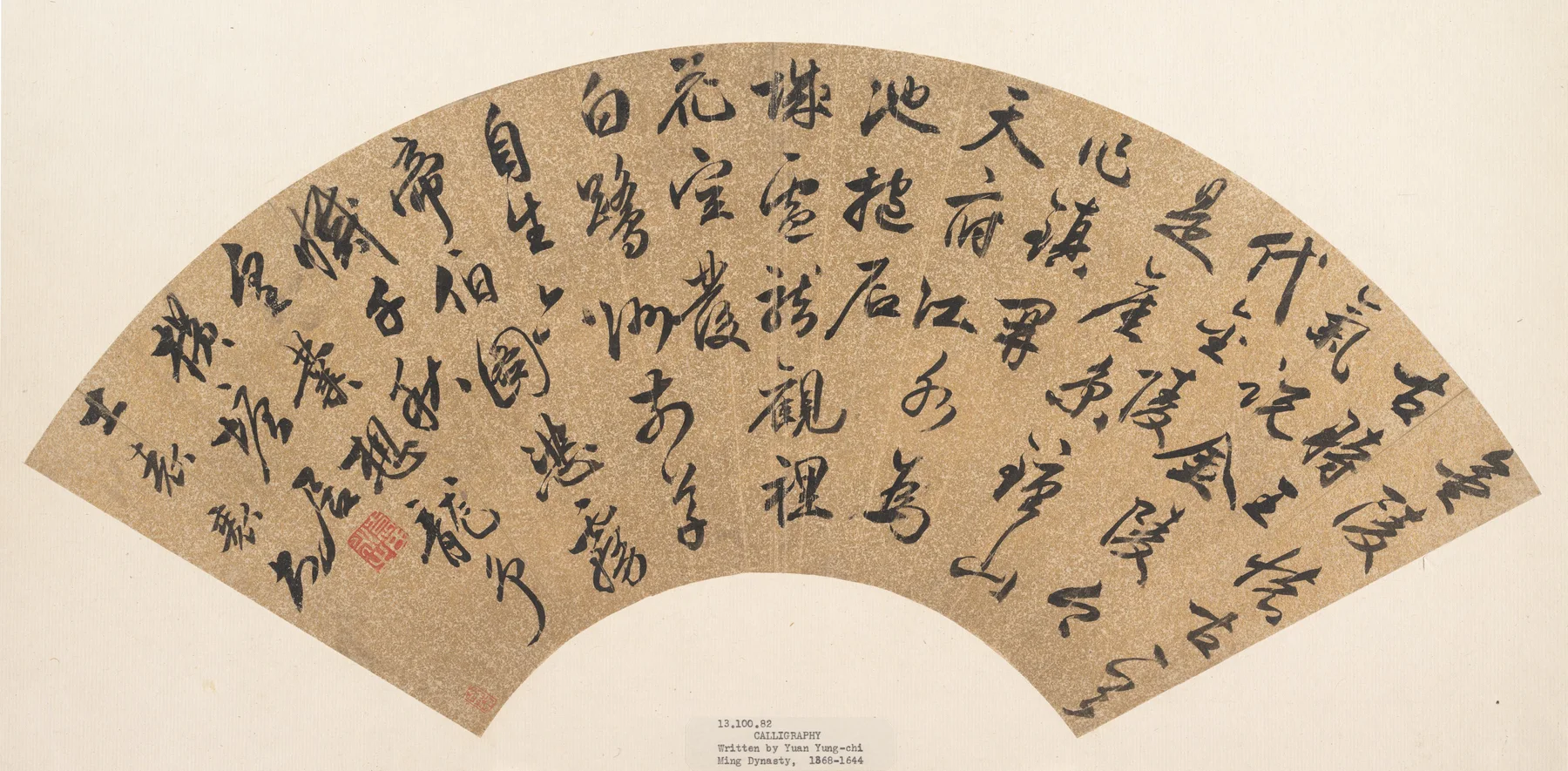
Chinese Calligraphy: When Language Learns to Move
Understand Chinese calligraphy through five script styles, brush pressure, rhythm, language and a practical method for looking beyond decoration.
Read the deep guide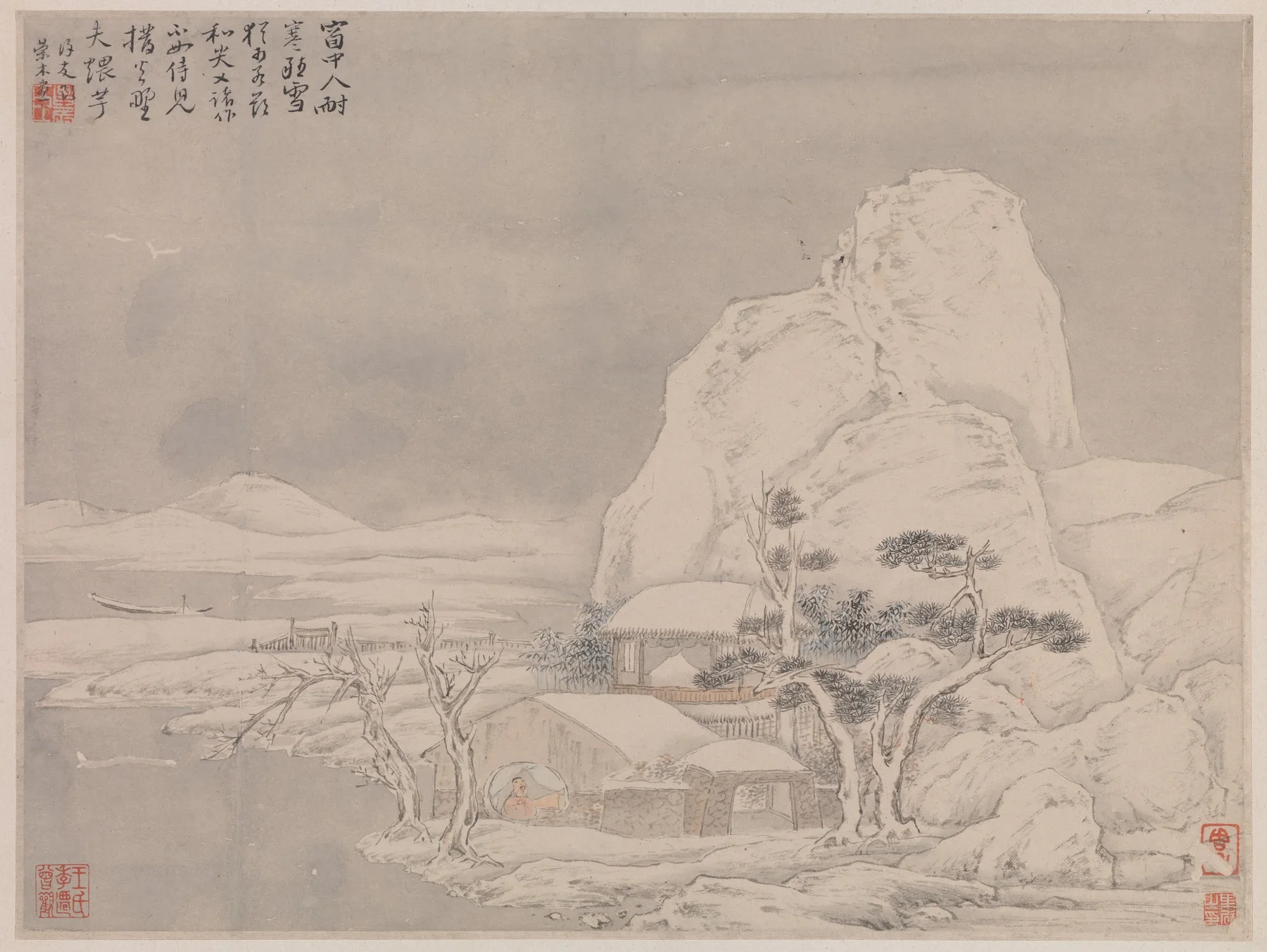
Material · hand · attention · consequence
Painting, calligraphy, jade, music, dance, opera and craft traditions explored through close looking and working practitioners.
Look before interpreting30 published guides across 9 core paths.
Look before turning the work into a slogan
Chinese art becomes legible when the material starts talking: pressure inside a brush line, labor inside carved jade, chemistry inside a glaze, breath inside opera and trained repetition inside a maker's hand. Look closely first; interpretation must earn the right to arrive.
Published guides, organized by intent
A collection page must do more than list recent posts. Choose the question that brought you here, open a focused guide, then keep moving through works, people and related cultural context without returning to search.
4 published guides
A brush line, carved stone, folding fan or enamel cell records a physical decision. These guides teach the eye to notice pressure, surface, labor and use before symbolism takes over.
Understand Chinese calligraphy through five script styles, brush pressure, rhythm, language and a practical method for looking beyond decoration.
Read the deep guide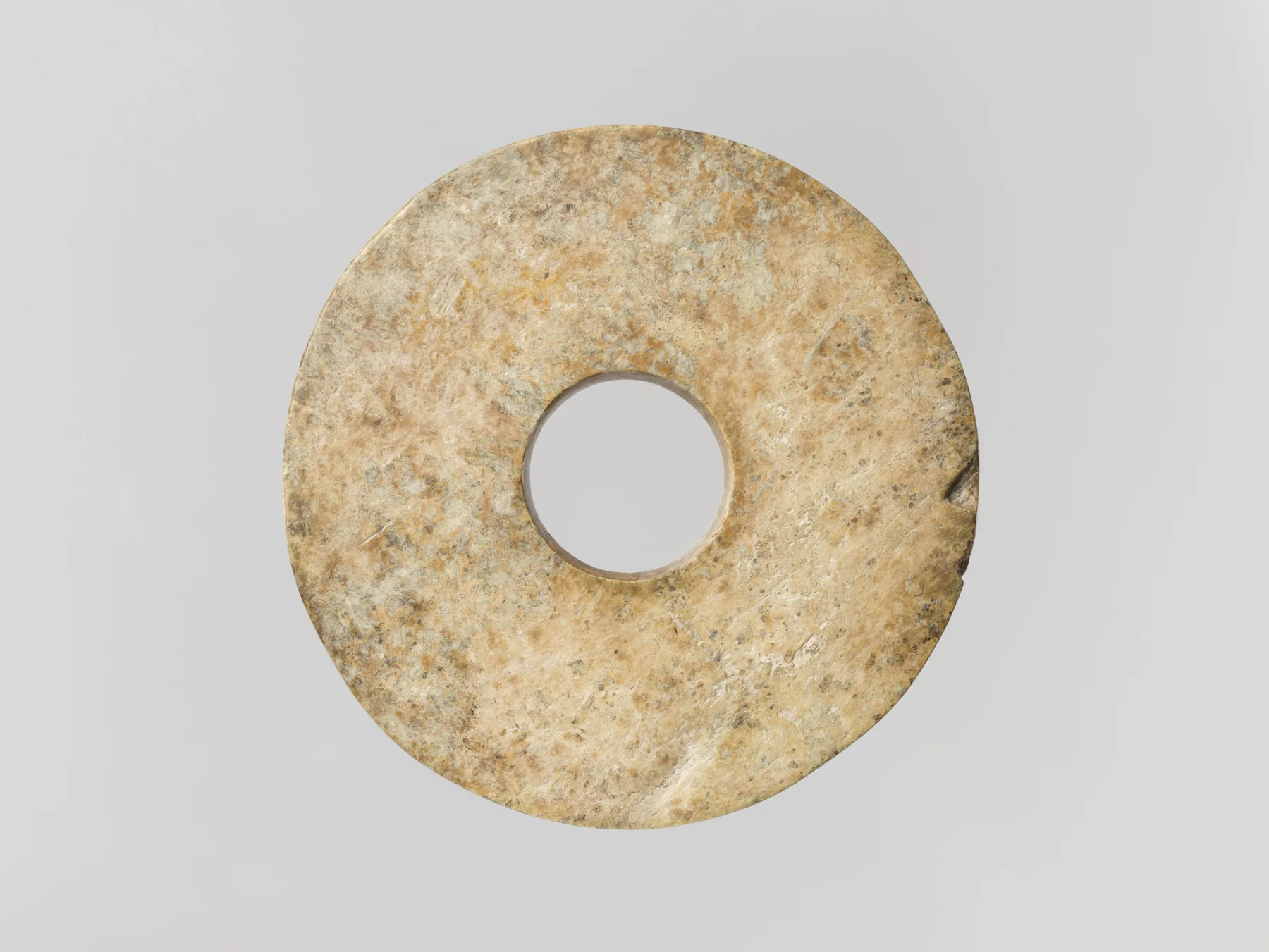
Understand Chinese jade through translucency, carving and ritual objects, from cong and bi disks to modern buying language that mistakes color for proof.
Read the deep guide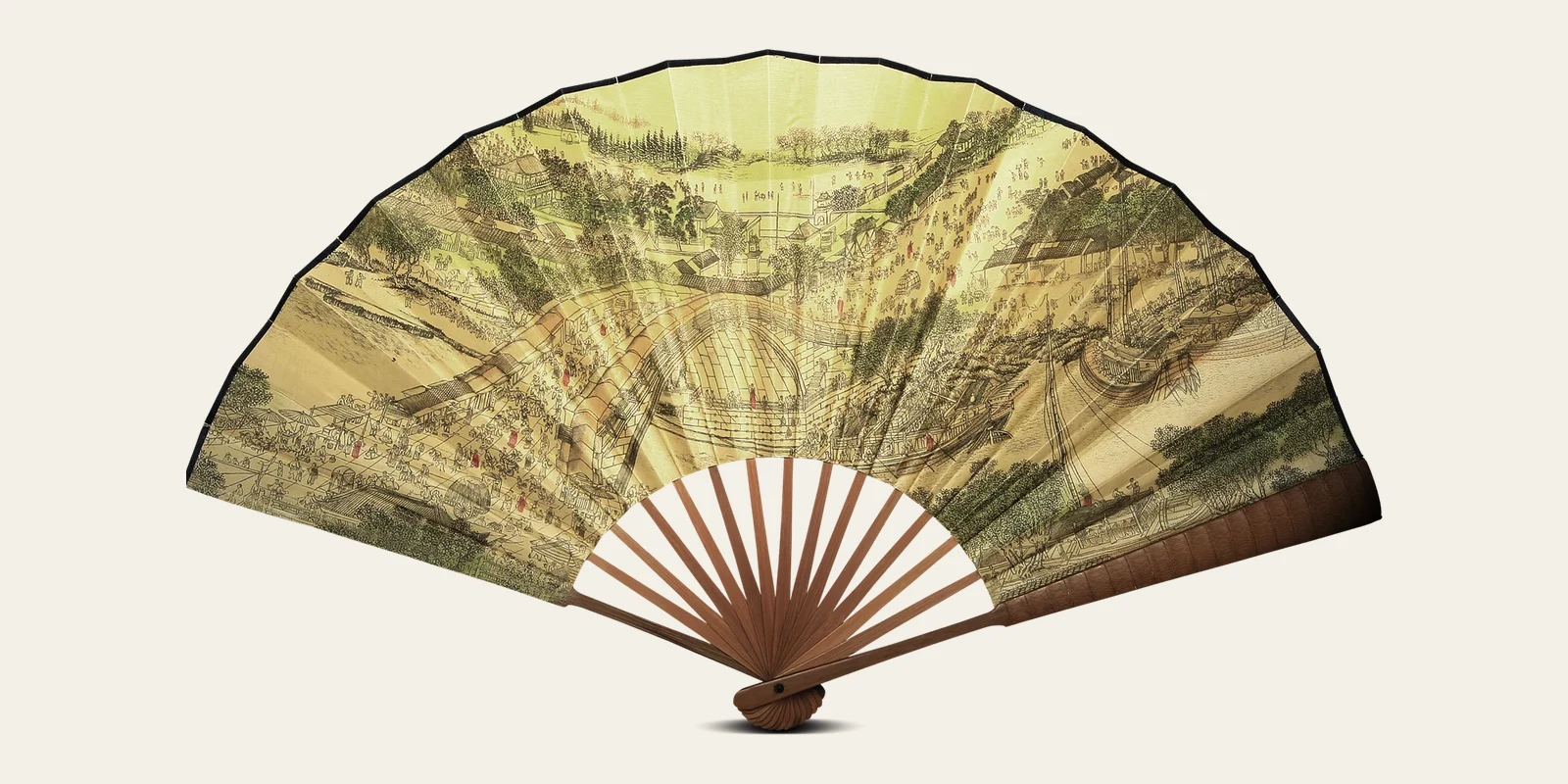
Understand the Chinese folding fan through its debated origin, bamboo structure, fan painting, calligraphy, motifs, body language and modern appeal.
Read the deep guide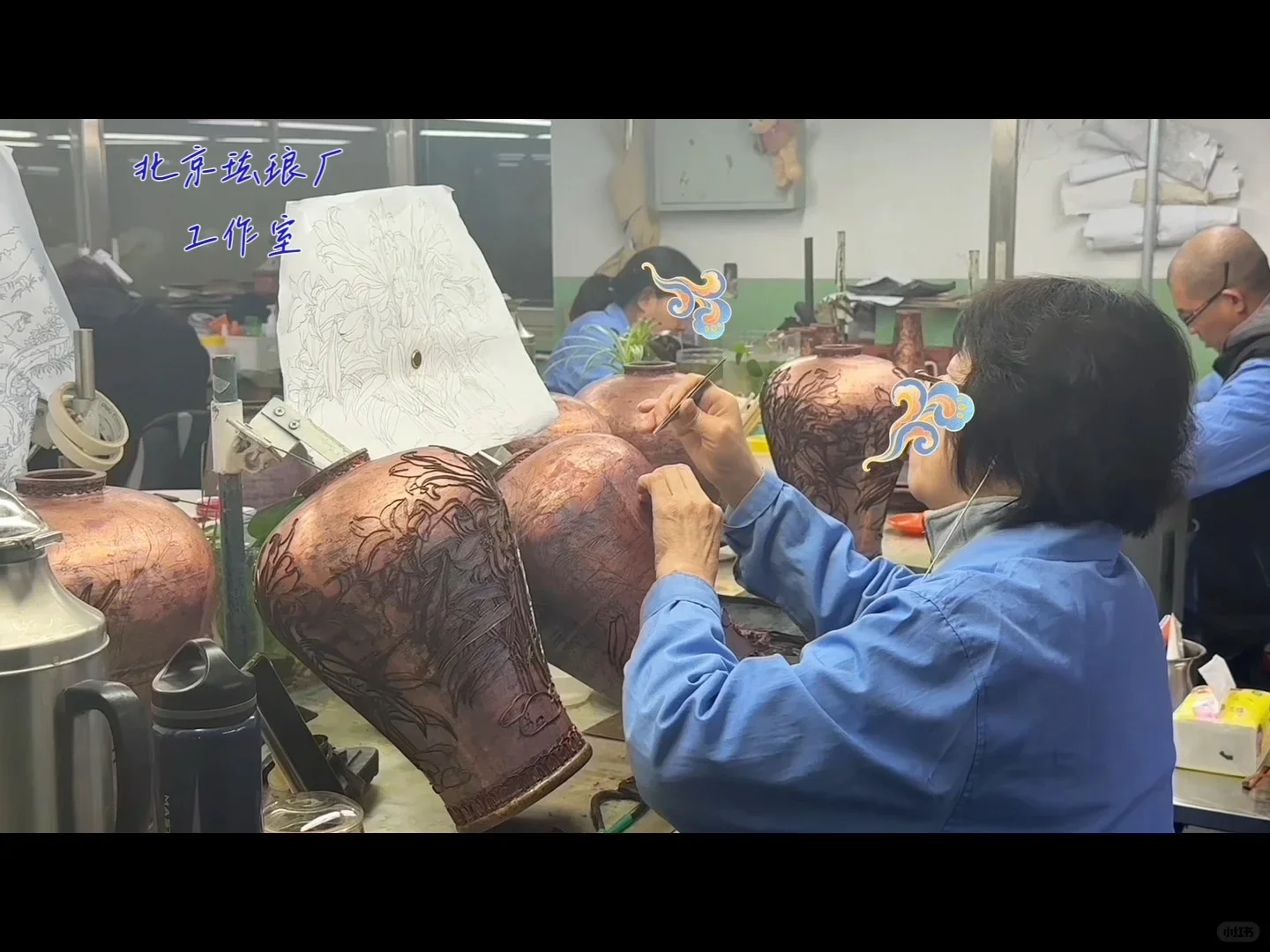
Learn how Chinese cloisonne uses metal partitions and enamel cells, then inspect form, surface, age claims and provenance without mistaking decoration for proof.
Read the deep guide3 published guides
Three surfaces make images through opposite actions: lacquer accumulates and is cut or inlaid, paper survives strategic removal, and a reversed woodblock transfers ink. Follow the material decision before decoding the motif.
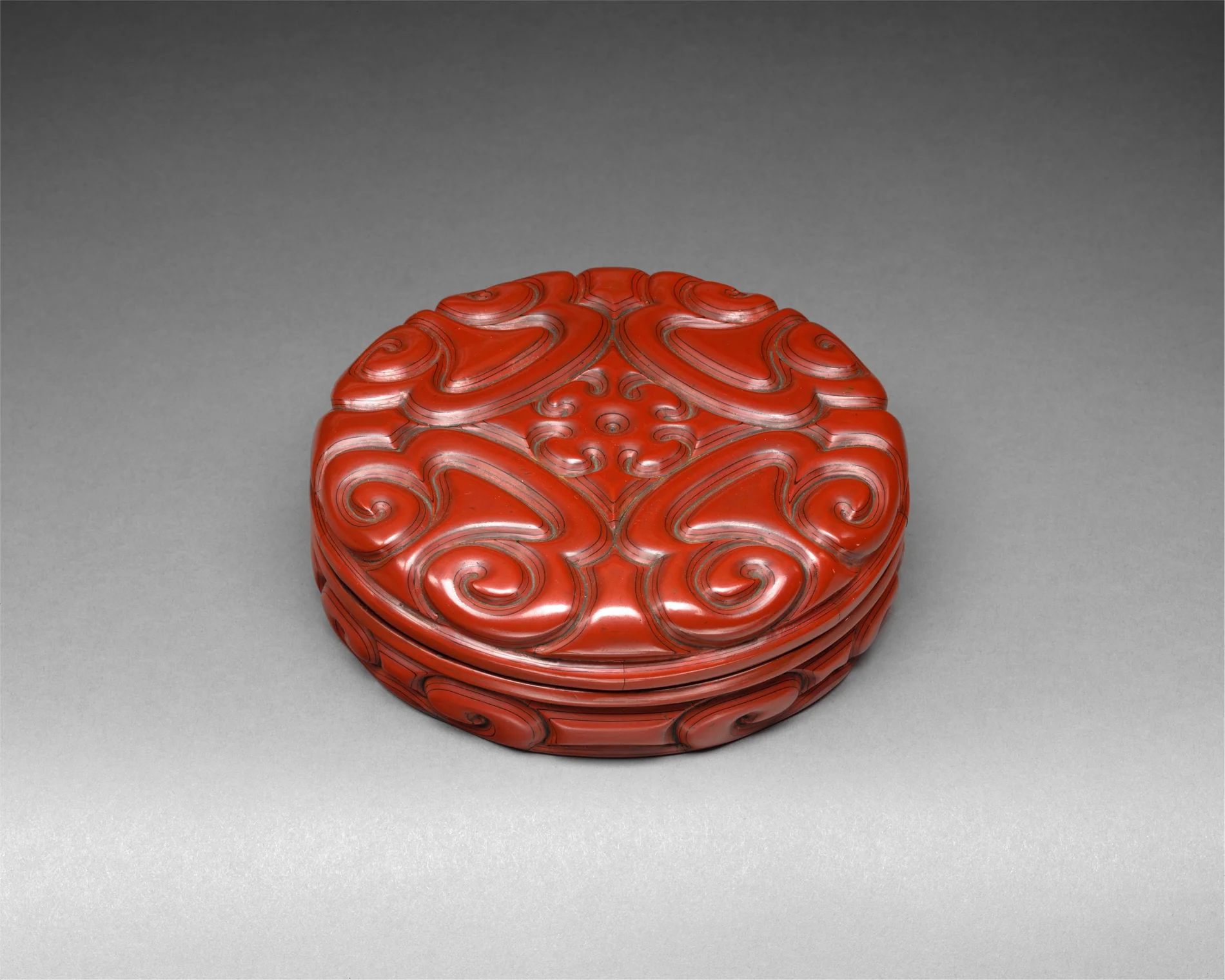
Learn how Chinese lacquerware is built and how to distinguish carved, painted, incised and inlaid surfaces before guessing age, motif or value.
Read the deep guide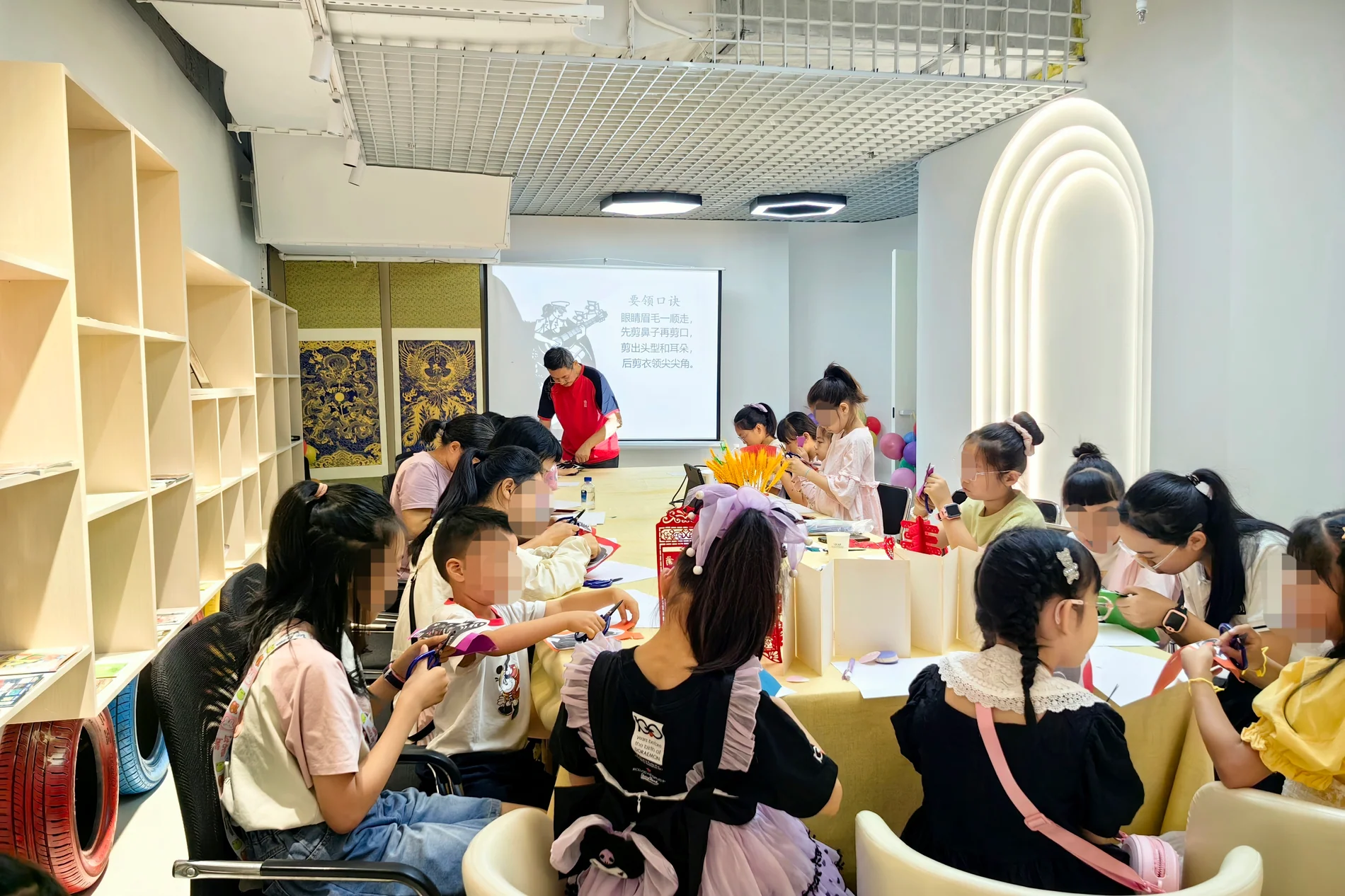
Understand Chinese paper cutting through connected shapes, scissors, knives, folding and lived display before treating every red motif as a universal symbol.
Read the deep guide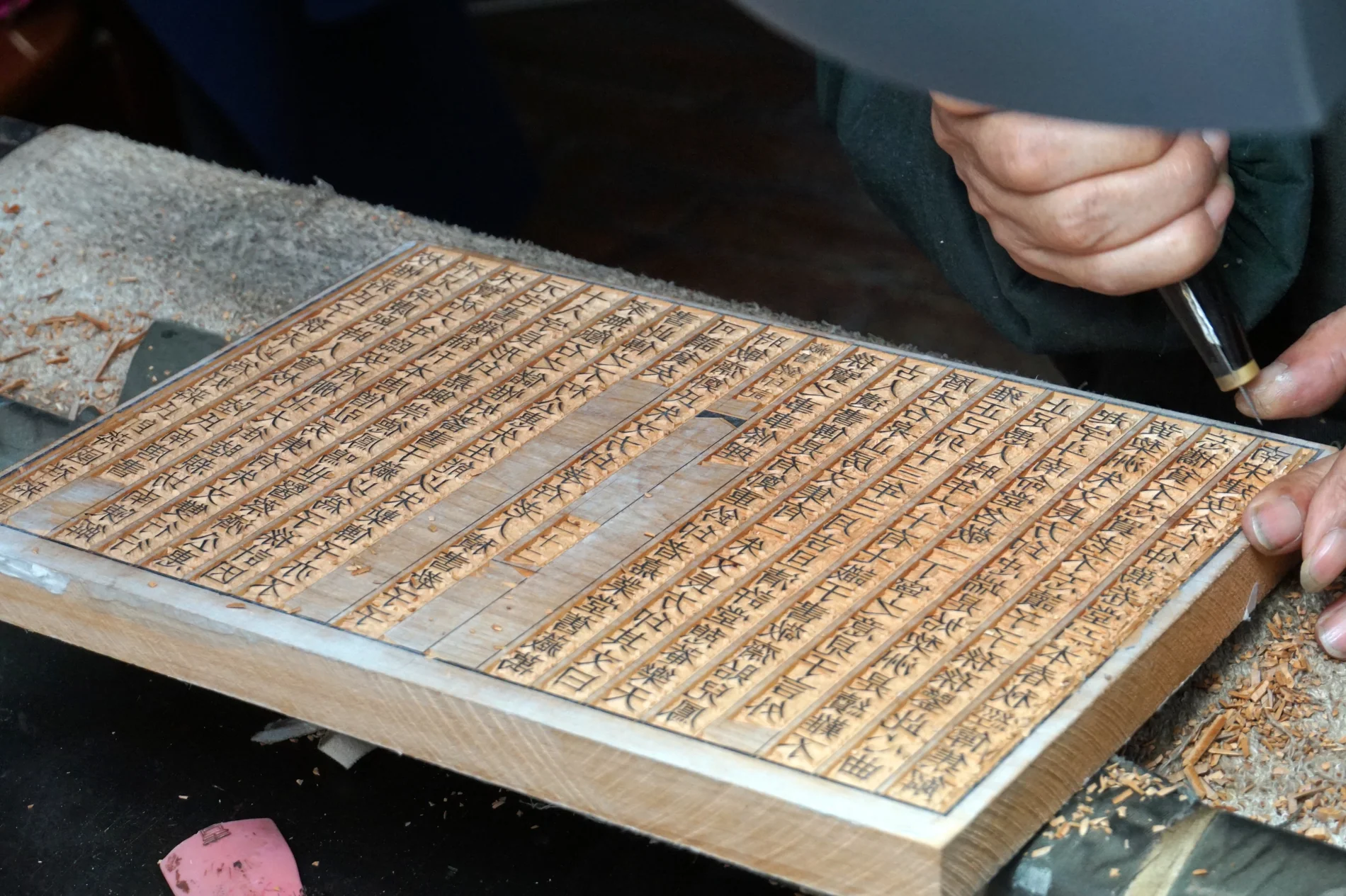
Follow Chinese woodblock printing from reversed carving and color proofs to hand printing and binding, and learn what a finished page hides.
Read the deep guide6 published guides
Start with clay, glaze, forming and firing, then follow porcelain into blue-and-white decoration, historical exchange and the categories collectors meet today. A famous name never substitutes for material evidence.
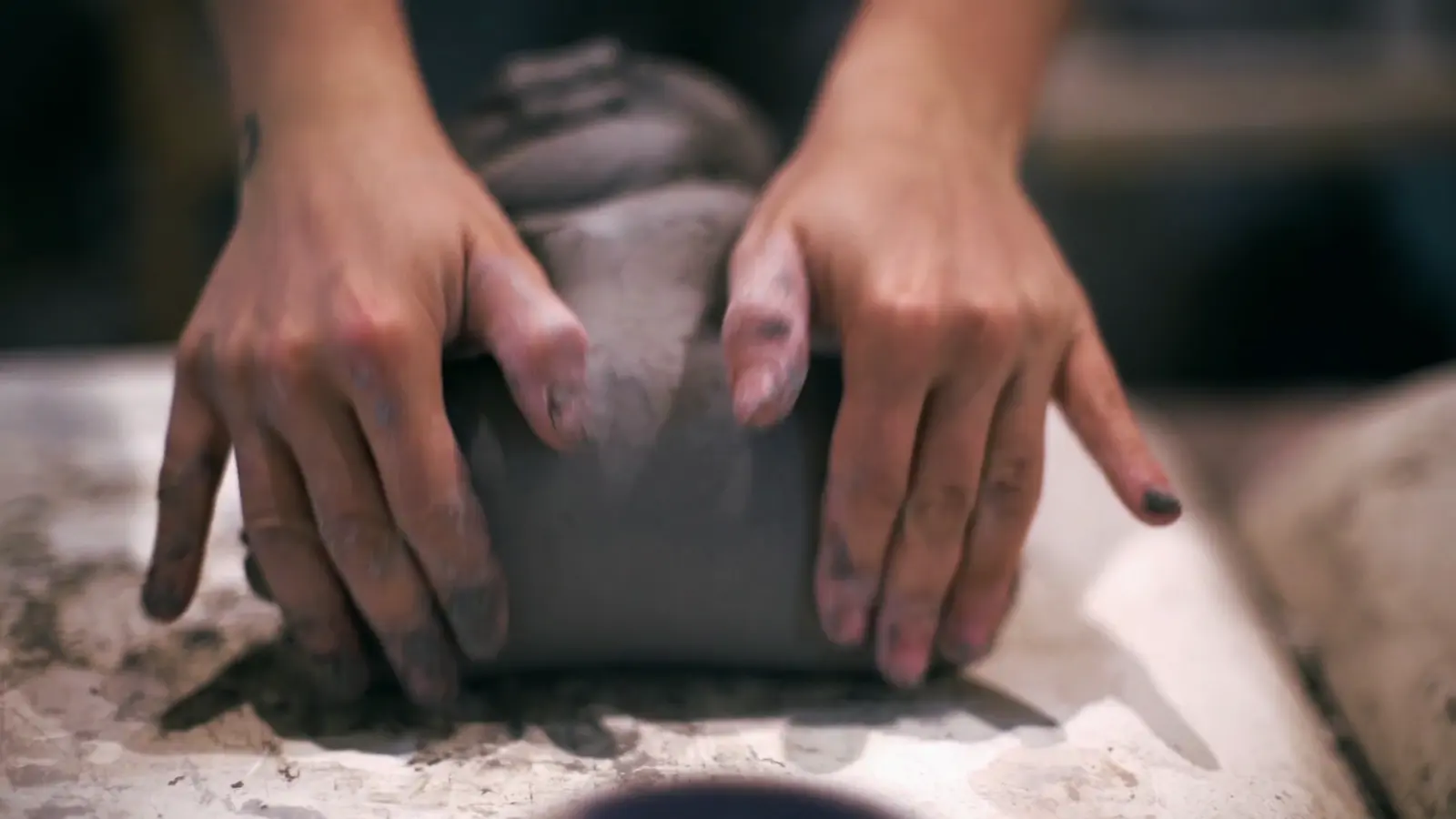
Understand Chinese ceramics through clay bodies, glazes, kilns, labor, use and close looking, from early pottery and celadon to porcelain and contemporary studios.
Read the deep guide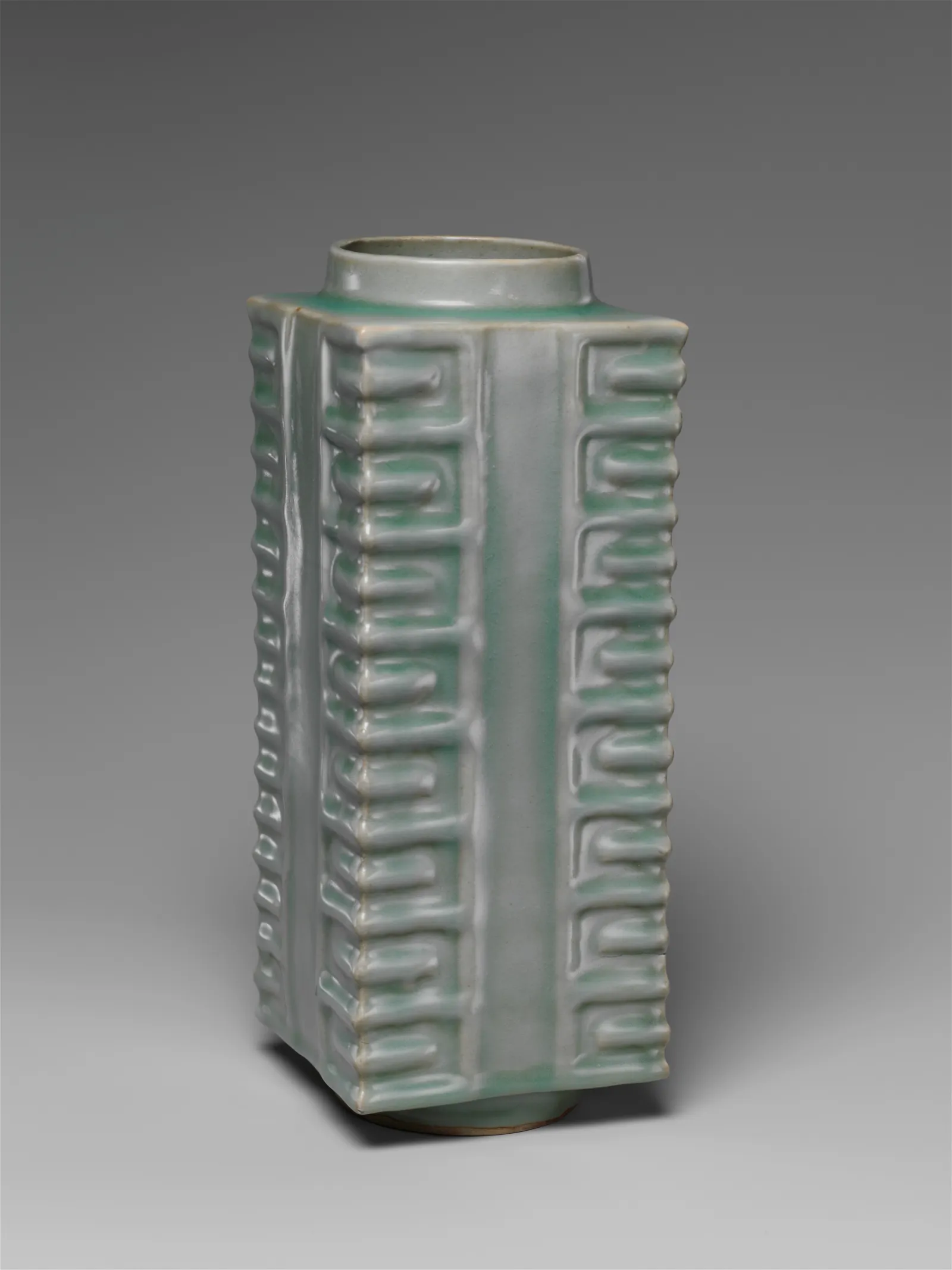
Make sense of Chinese porcelain: material versus glaze, kiln versus style, and what shape reveals. Choose a clear route into blue and white, history or everyday use.
Read the deep guide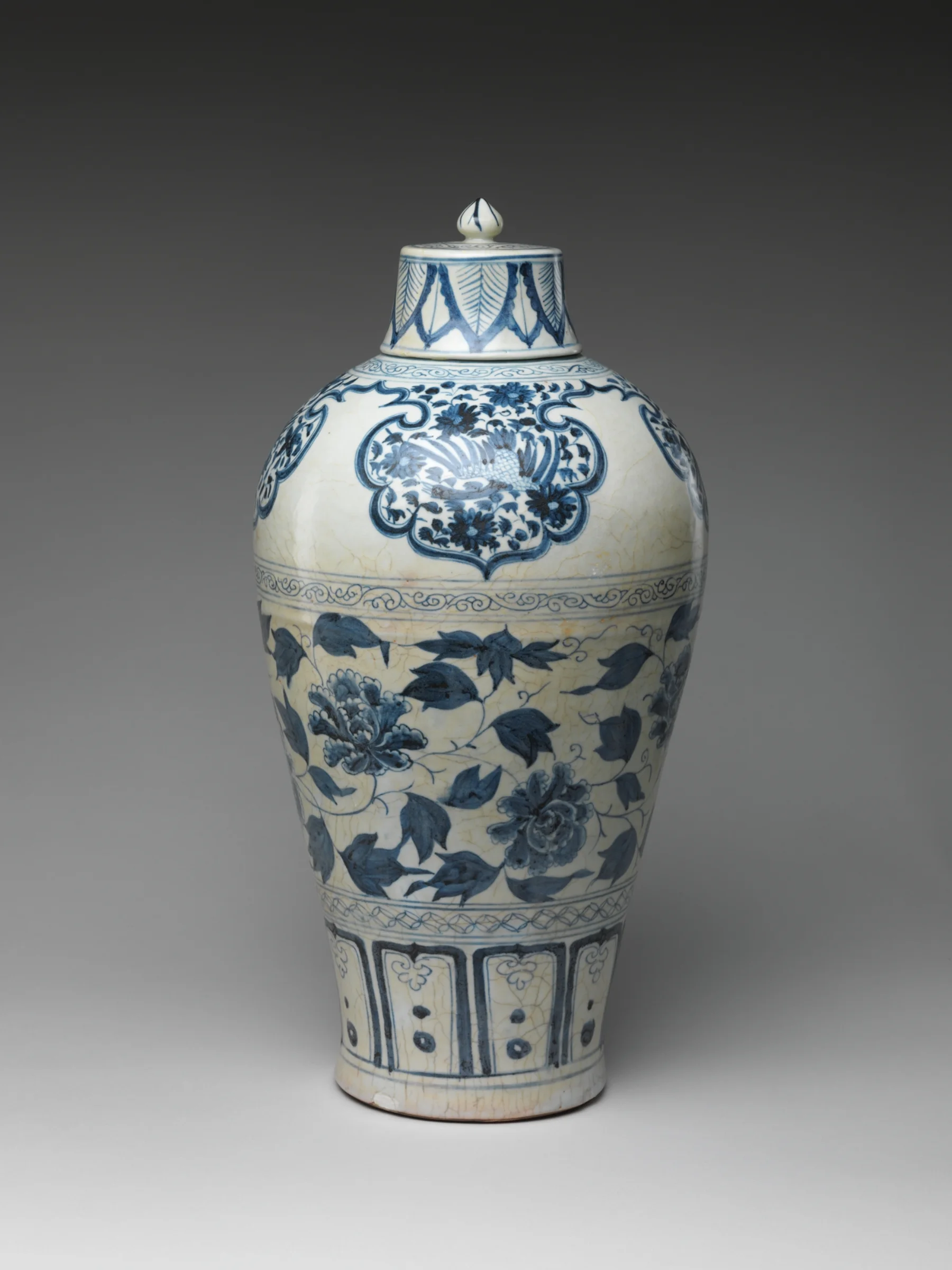
Look closely at cobalt brushwork, pale washes and untouched porcelain. Real objects and a painter's working view explain blue-and-white craft, patterns and history.
Read the deep guide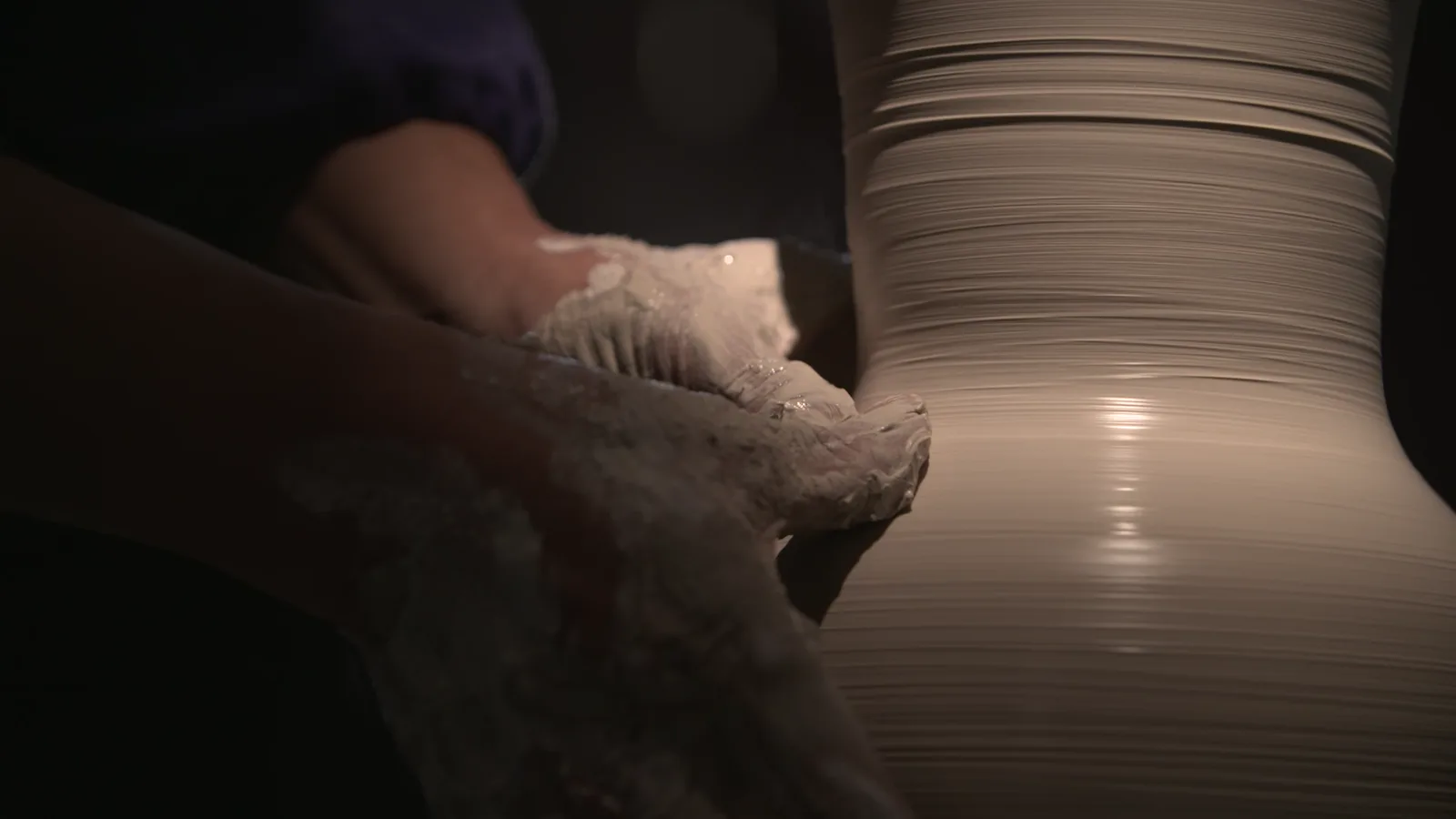
Follow how Chinese porcelain is made from prepared clay through forming, drying, decoration, glazing, kiln firing and sorting, with real workshop images.
Read the deep guide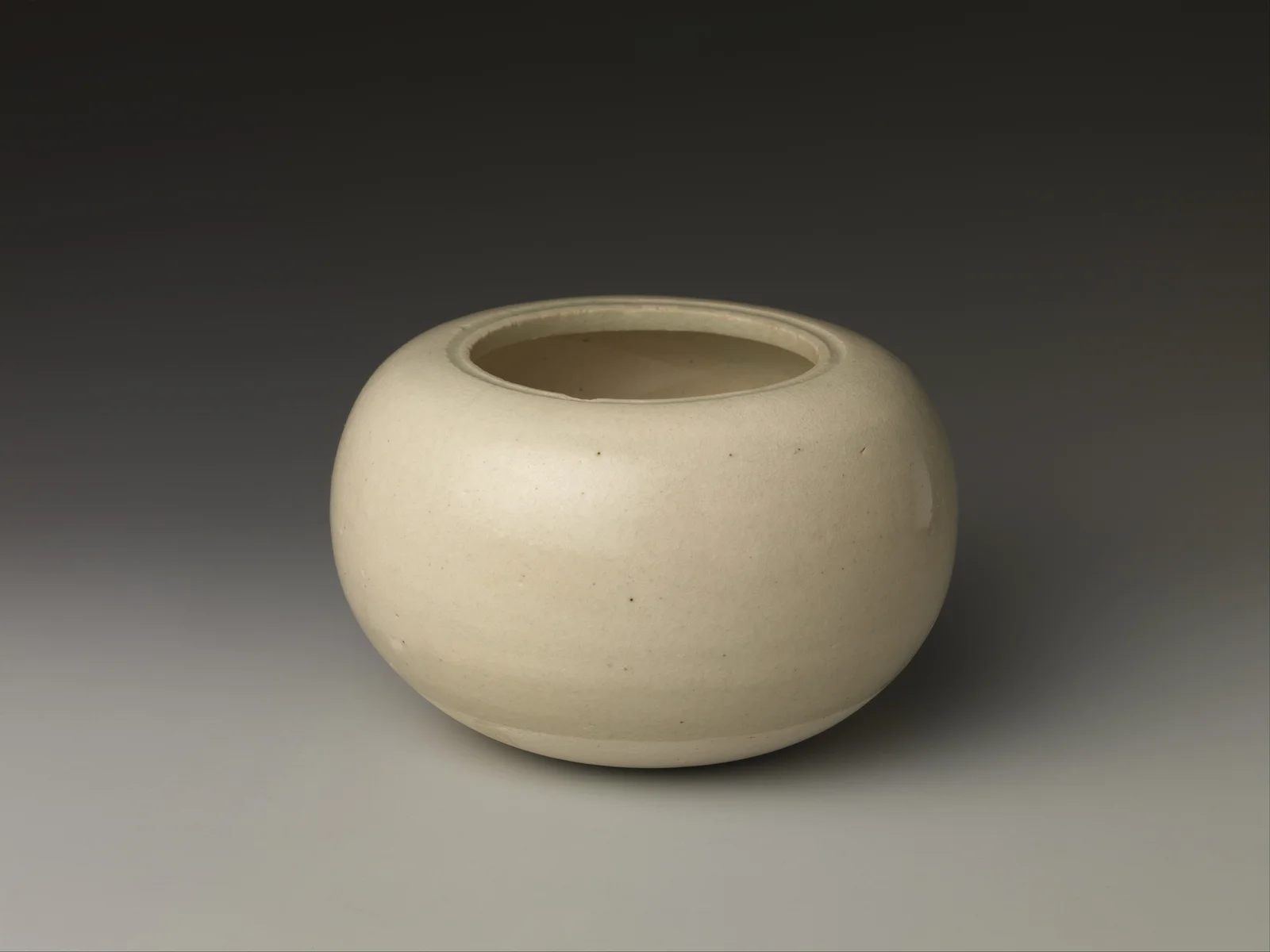
Trace Chinese porcelain from early white wares through Song kilns, Yuan cobalt, Ming markets and Qing enamels. Real objects explain what changed—and what survived.
Read the deep guide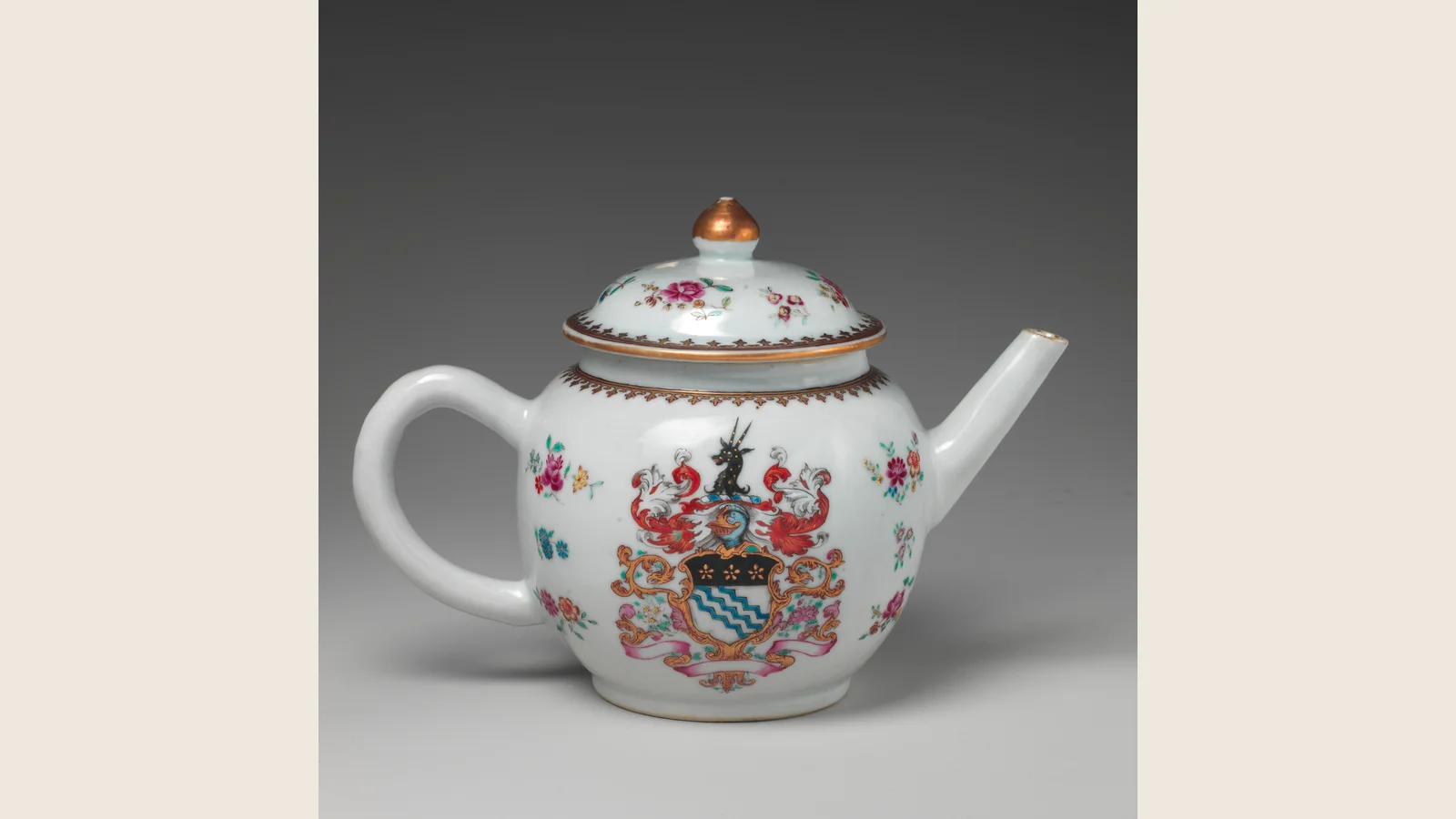
Chinese export porcelain was shaped by overseas use, forms and orders. Learn how those demands changed workshop choices and how to read an object honestly.
Read the deep guide6 published guides
Ding, Ru, Jun, Guan and Ge ware differ through clay, glaze, firing, court relationship and later imitation. Compare the evidence each name requires instead of treating all subtle glaze as the same prestige object.
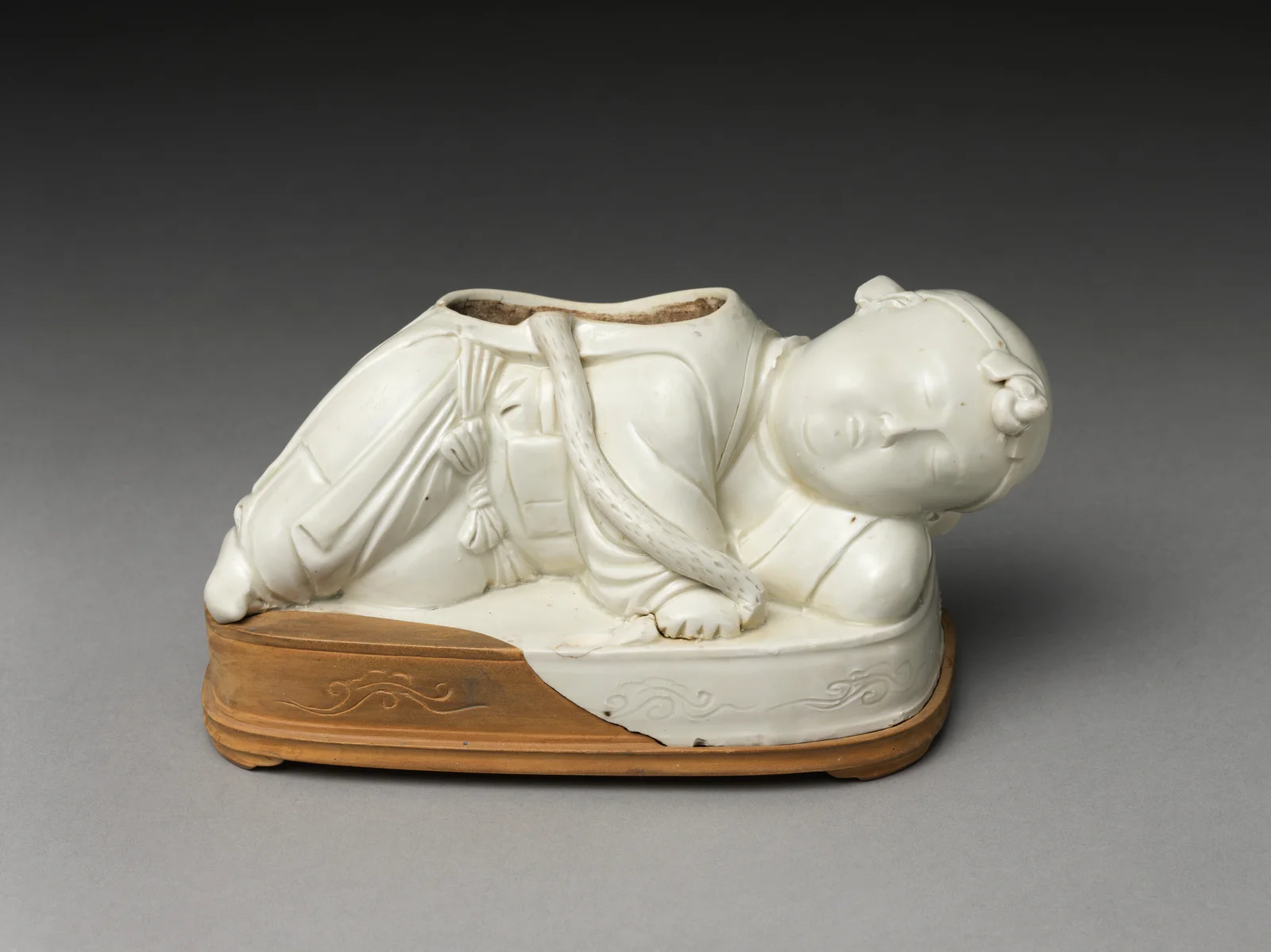
Compare the Five Great Kilns of China—Ru, Guan, Ge, Ding and Jun—through real objects, glaze, firing and court history. Choose what to explore next.
Read the deep guide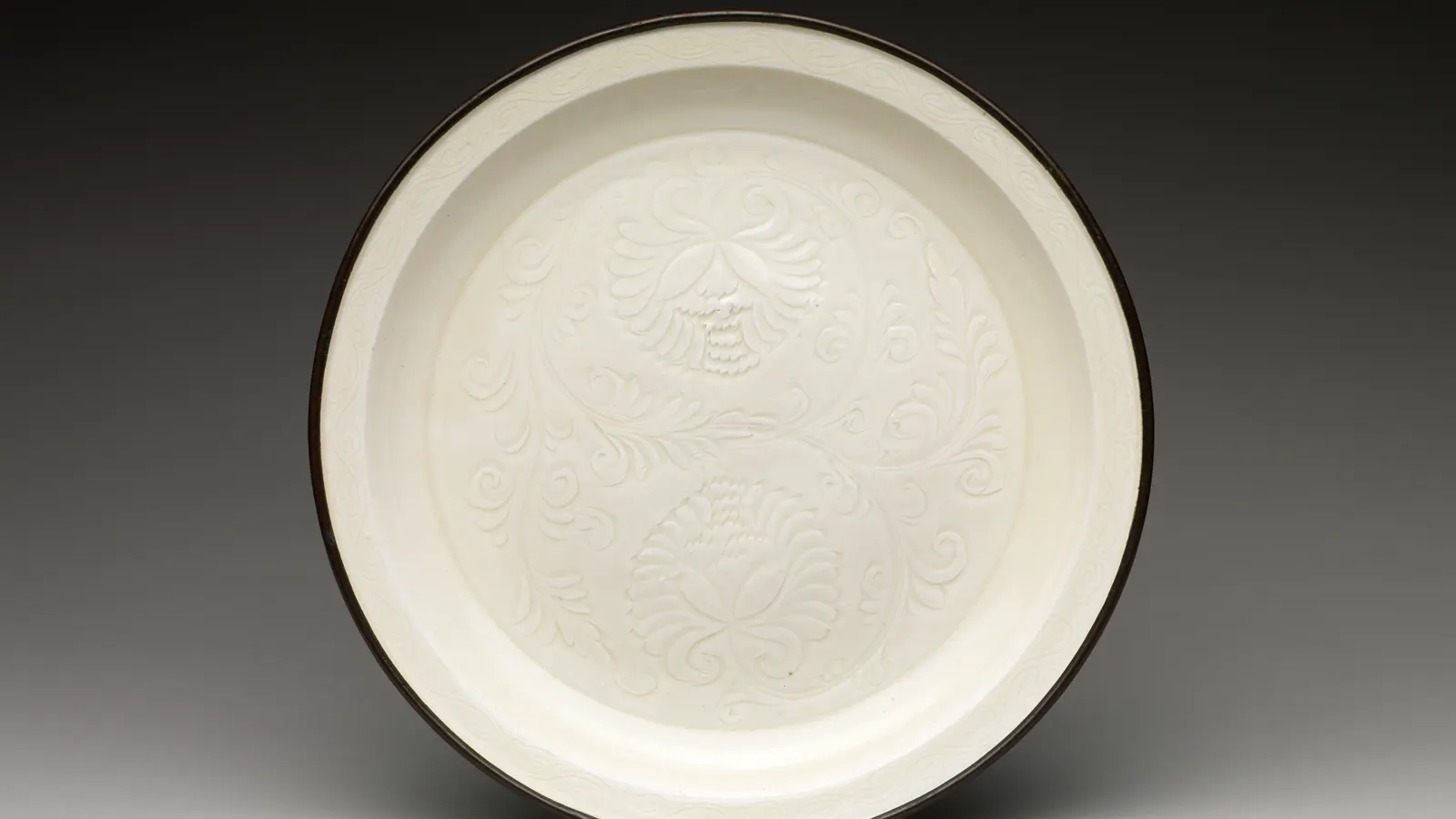
Read Ding ware through ivory glaze, carved flowers, molded peonies and bare rims. See why an upside-down firing method changed the finished bowl.
Read the deep guide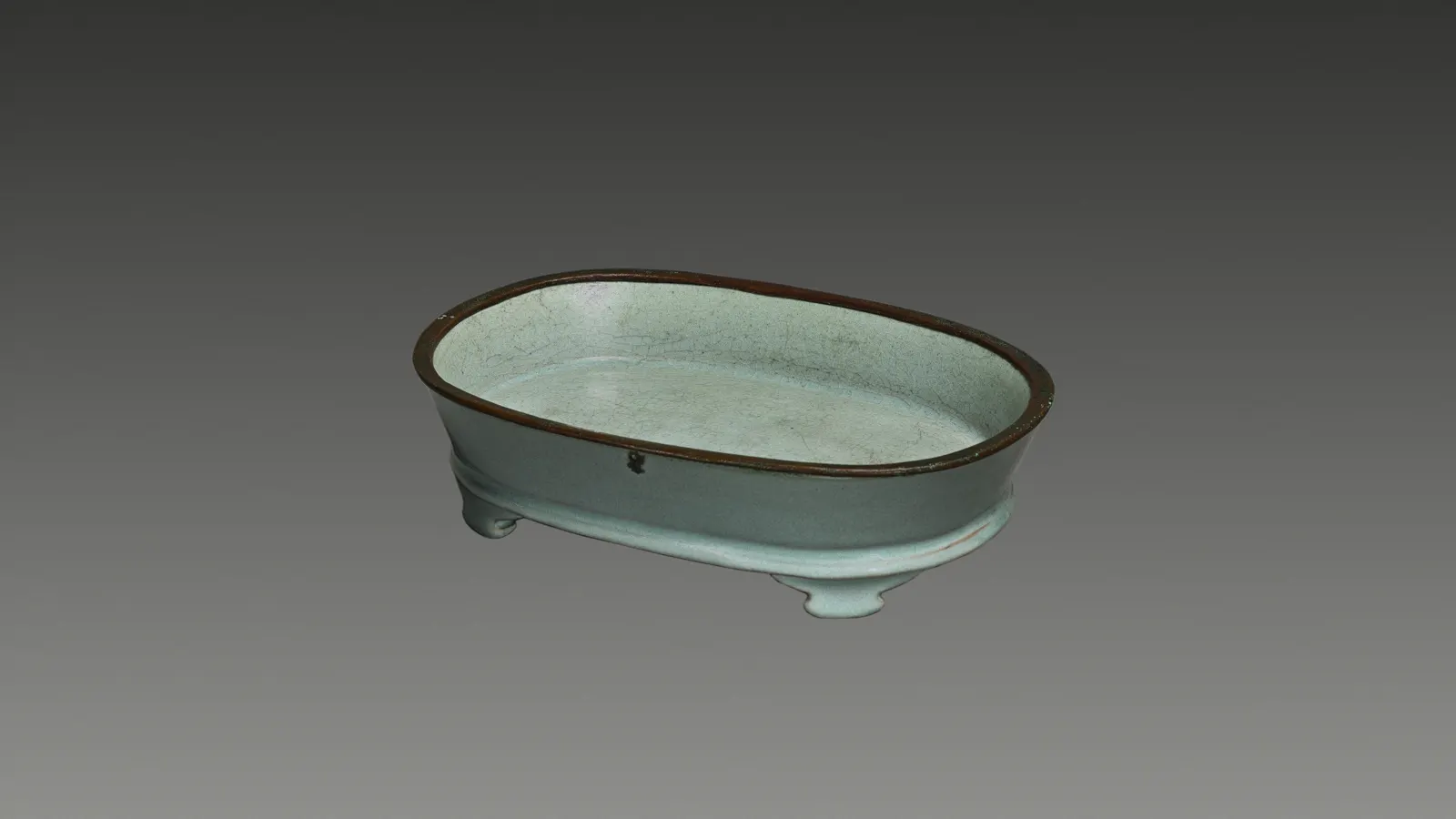
Understand Ru ware's blue-green glaze, Northern Song forms and firing marks—and why a modern cup's dark crackle is not the measure of its beauty or age.
Read the deep guide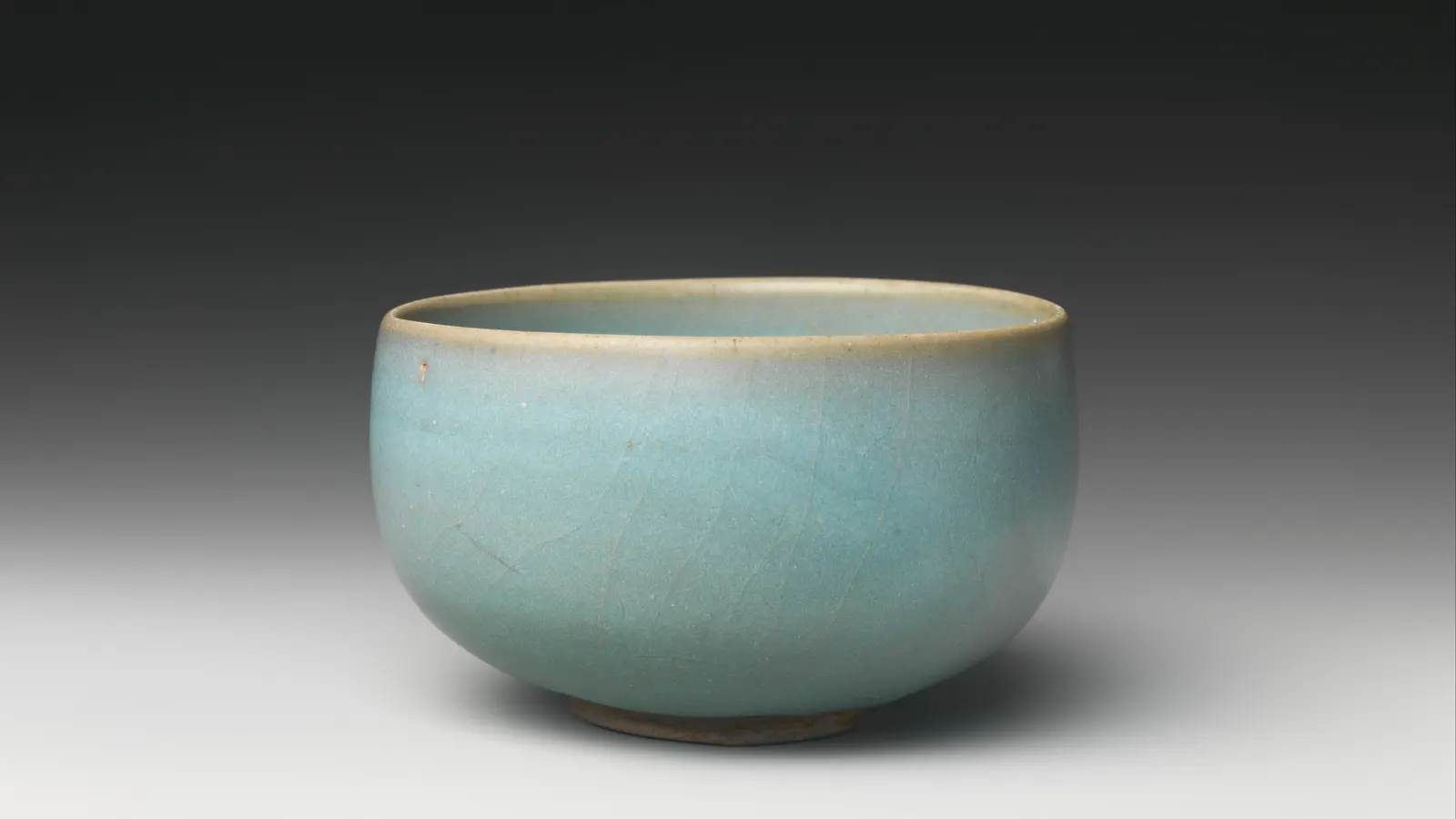
Understand Jun ware through opalescent blue glaze, copper splashes, firing chemistry, Henan kiln history, flower-vessel dating debates and close looking.
Read the deep guide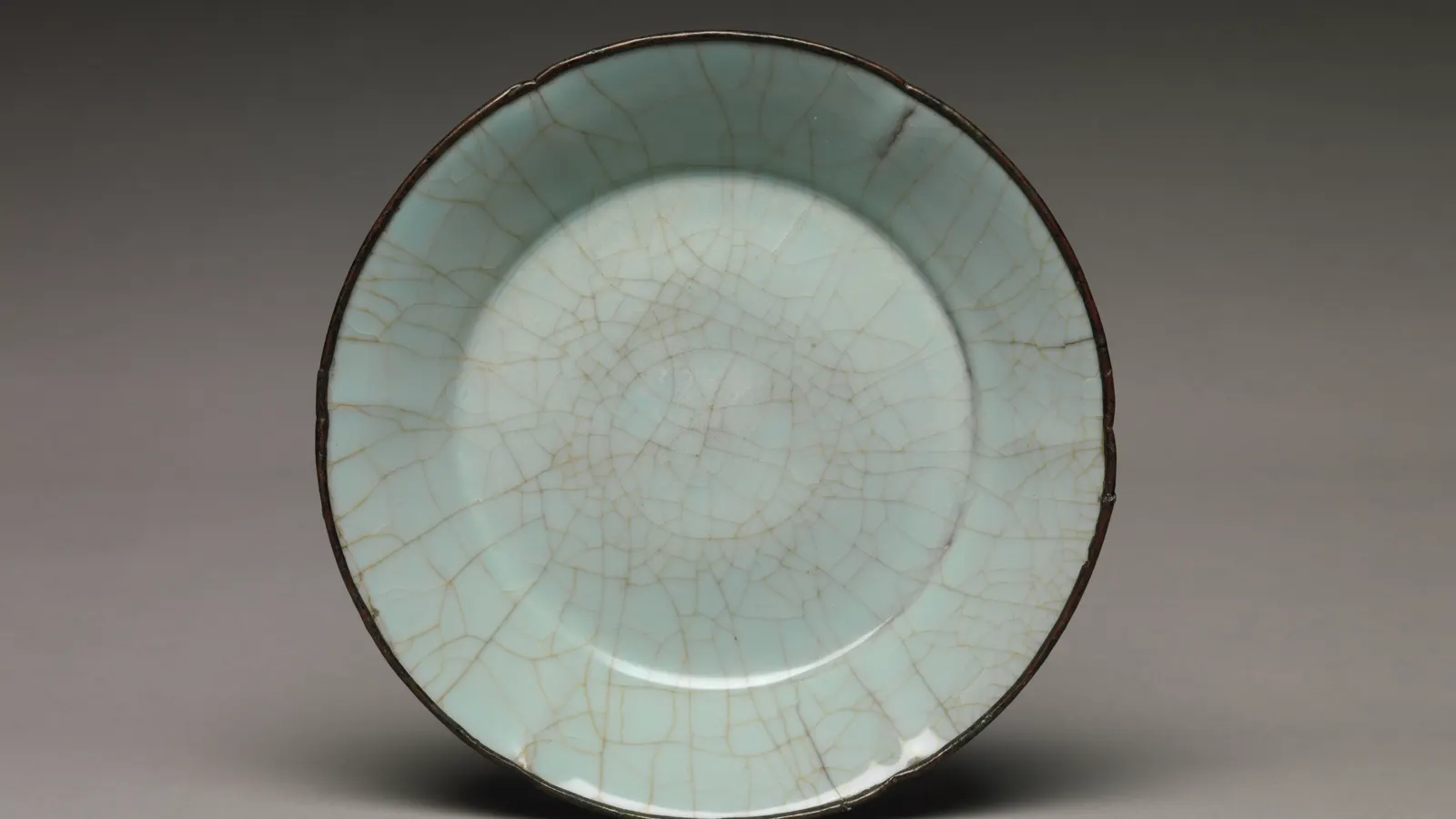
Explore Southern Song Guan ware through official kiln history, layered celadon glaze, crackle, dark clay, close looking and authentication limits.
Read the deep guide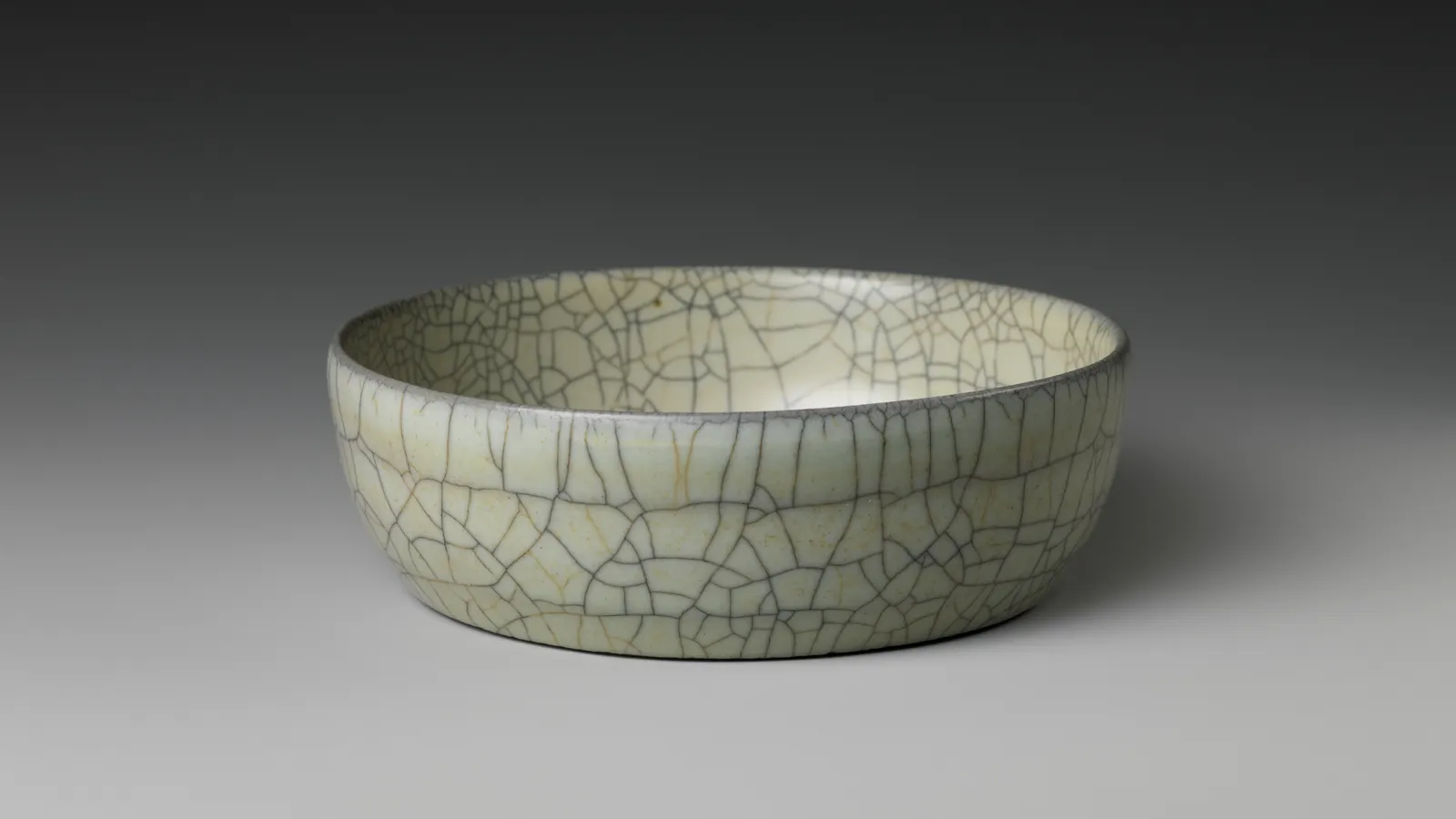
Understand Ge ware through its celebrated crackle, disputed kiln identity, museum attributions, collecting history and practical close-looking guidance.
Read the deep guide11 published guides
Marks, glaze surfaces, vessel shapes and production centers answer different questions. Use each visual clue narrowly, then keep provenance, condition, dating and authentication separate.
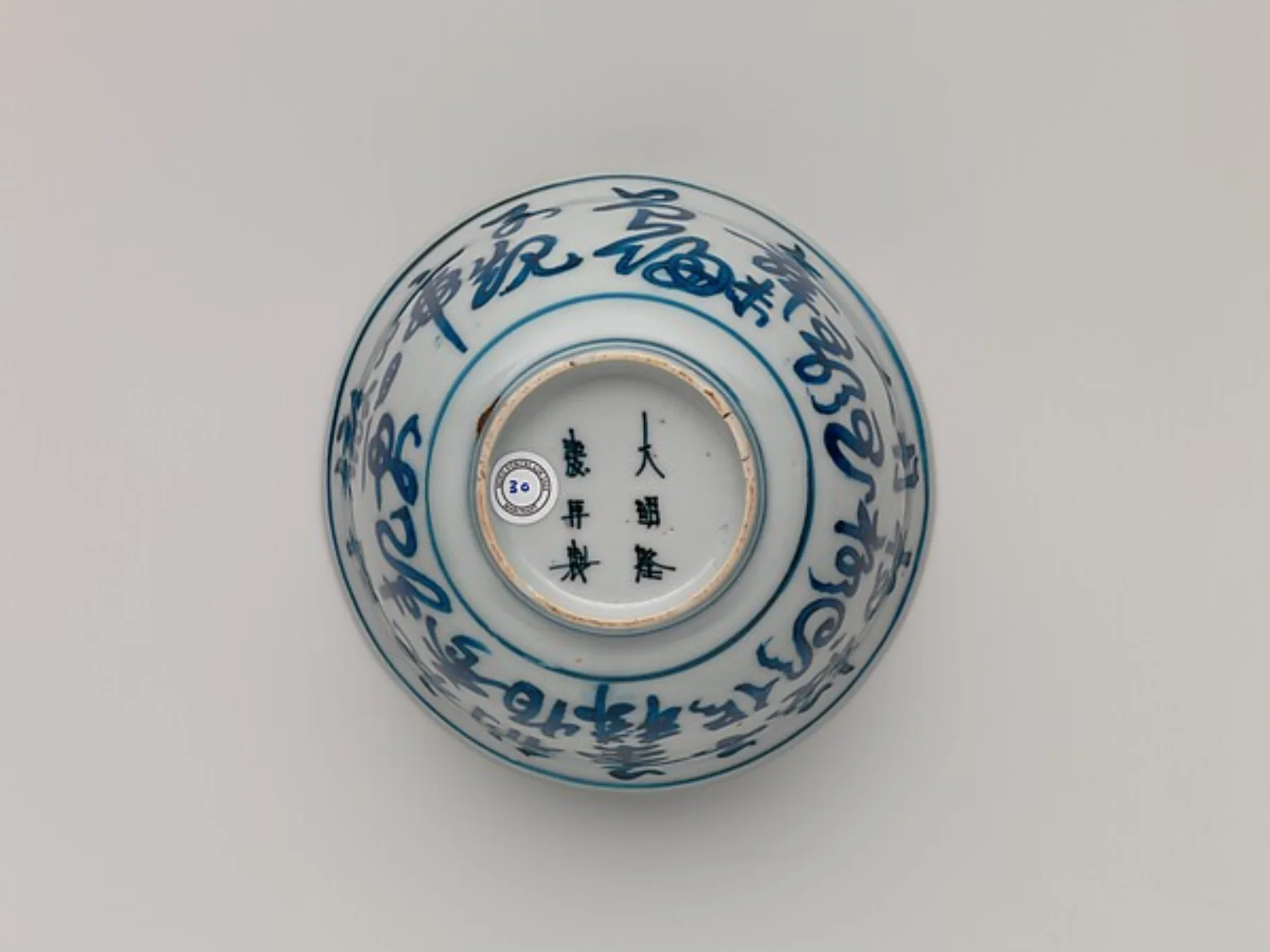
Read Chinese ceramic and porcelain marks without mistaking a blue circle, red inscription or 20th-century backstamp for proof of age or authenticity.
Read the deep guide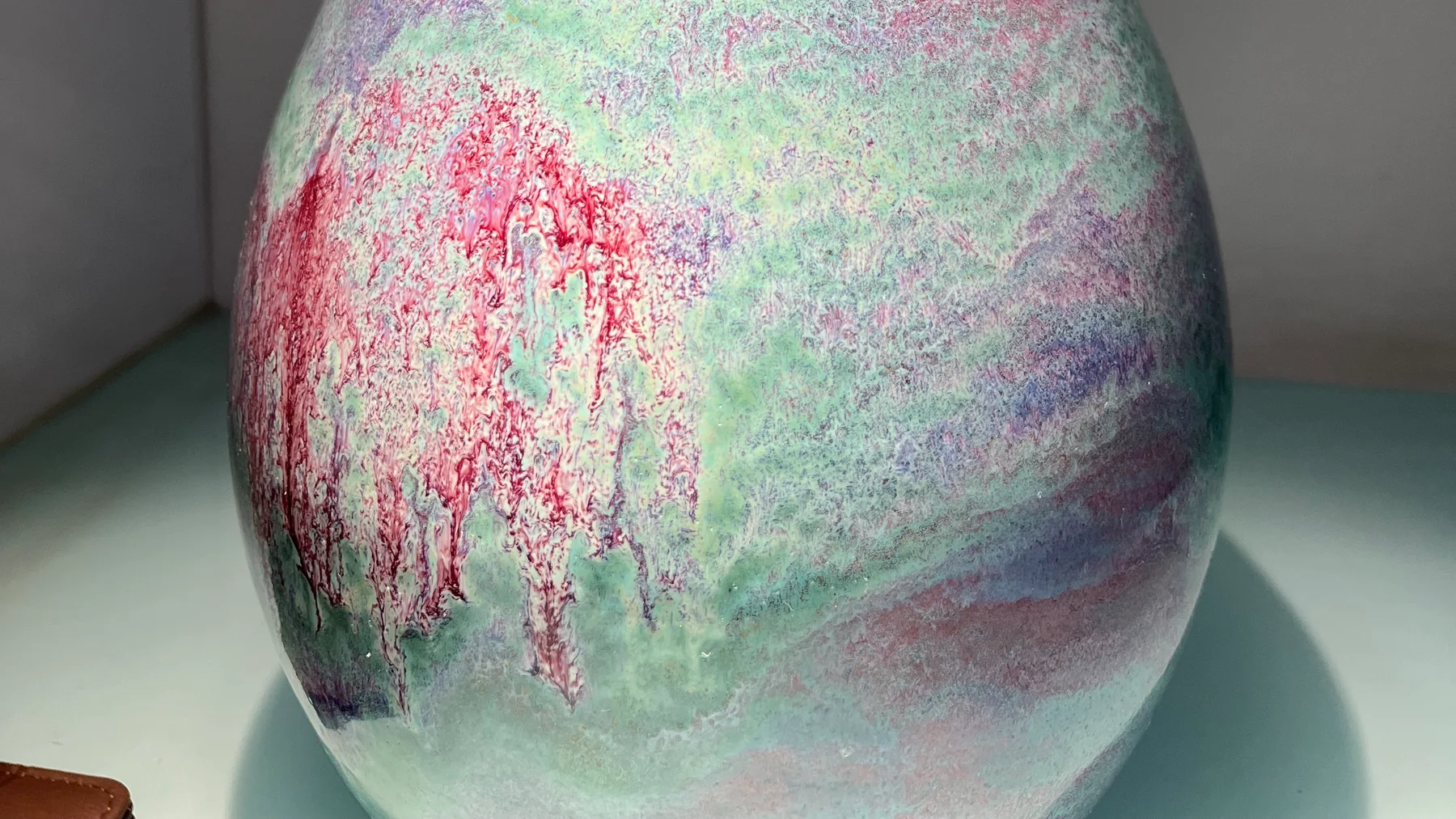
Understand Chinese ceramic glazes, underglaze blue and enamel through real Jun ceramic photographs, material layers and a practical two-light viewing method.
Read the deep guide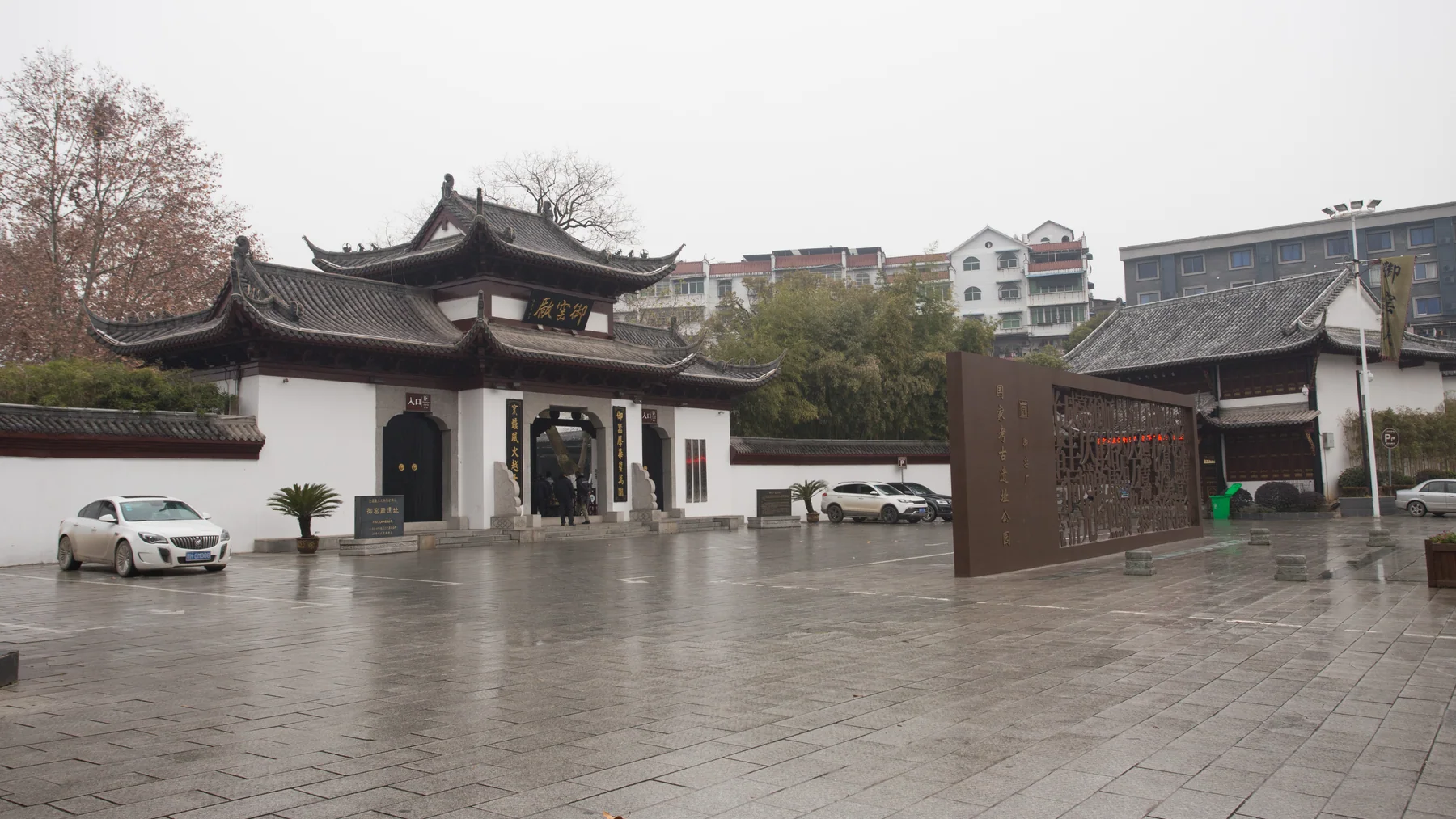
Understand Jingdezhen porcelain through workshops, kiln remains and objects. Learn what handmade means, what to ask and why a city name cannot prove quality.
Read the deep guide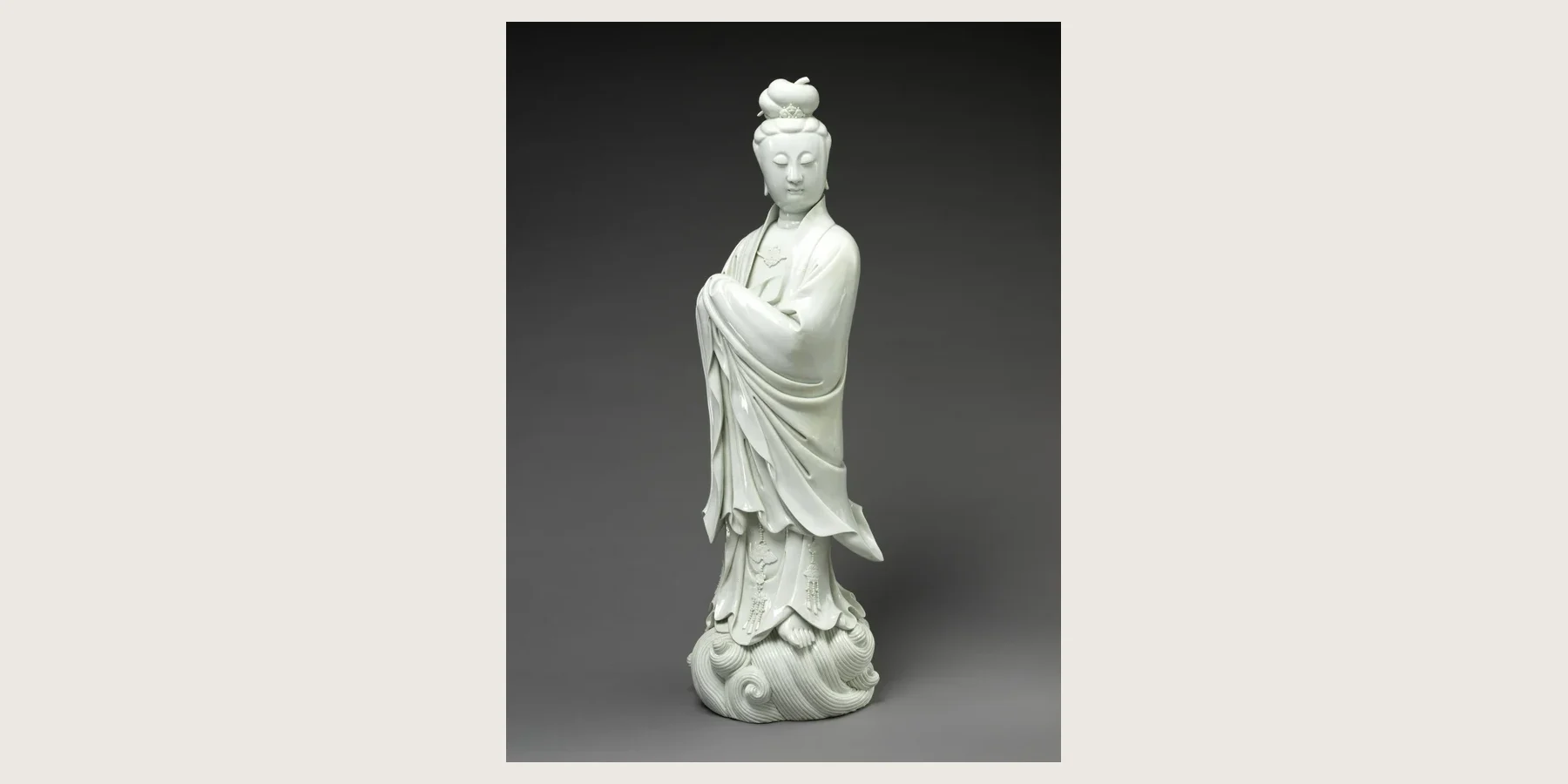
Explore Chinese Dehua porcelain and Blanc de Chine through flowing robes, Guanyin, dragon bottles and Fujian's kiln-to-port trade. Learn what to notice and ask.
Read the deep guide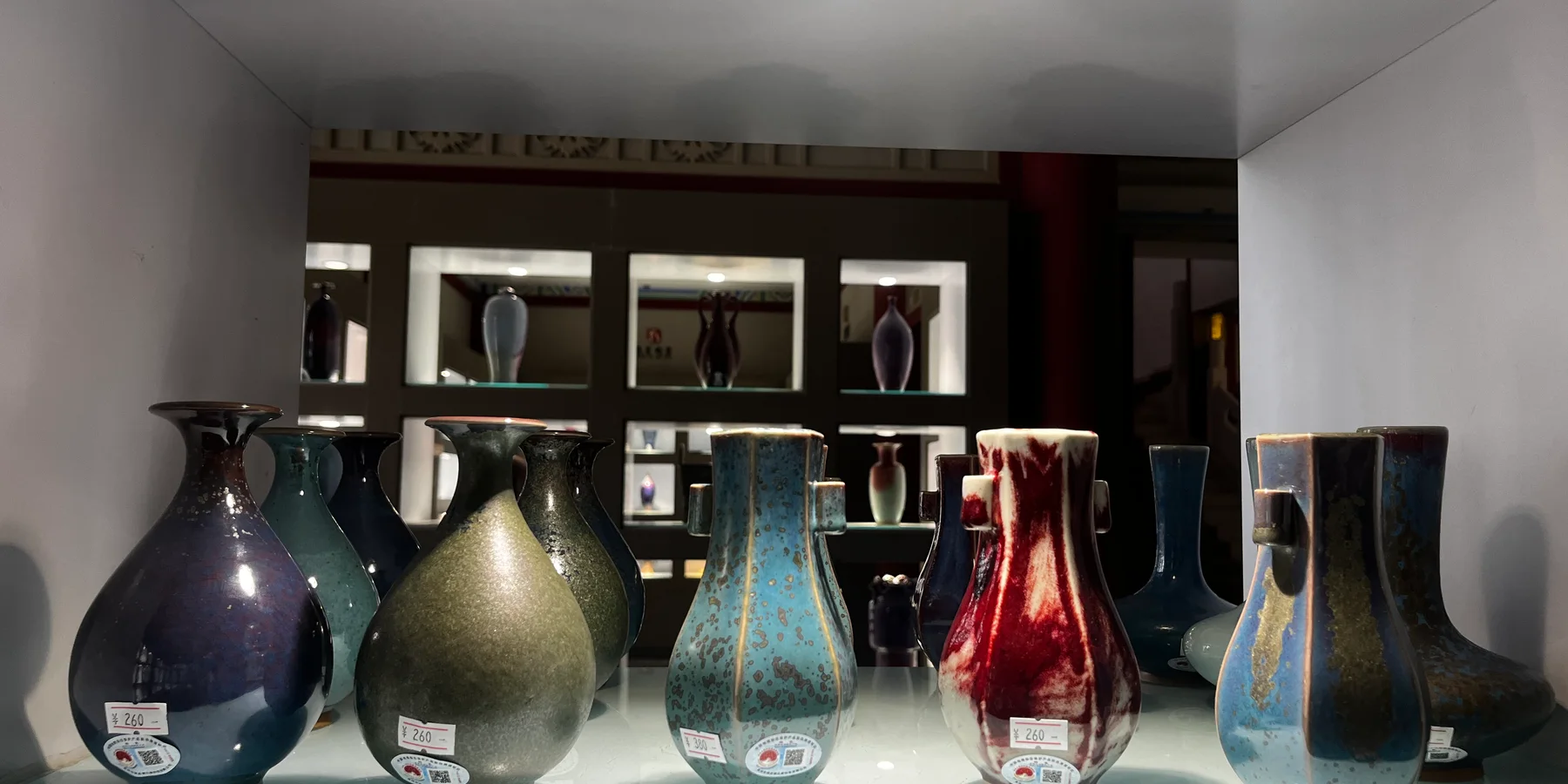
Compare meiping, yuhuchun and double-gourd vases through real objects. Learn how the neck, shoulder and scale change flower arrangements, display and buying decisions.
Read the deep guide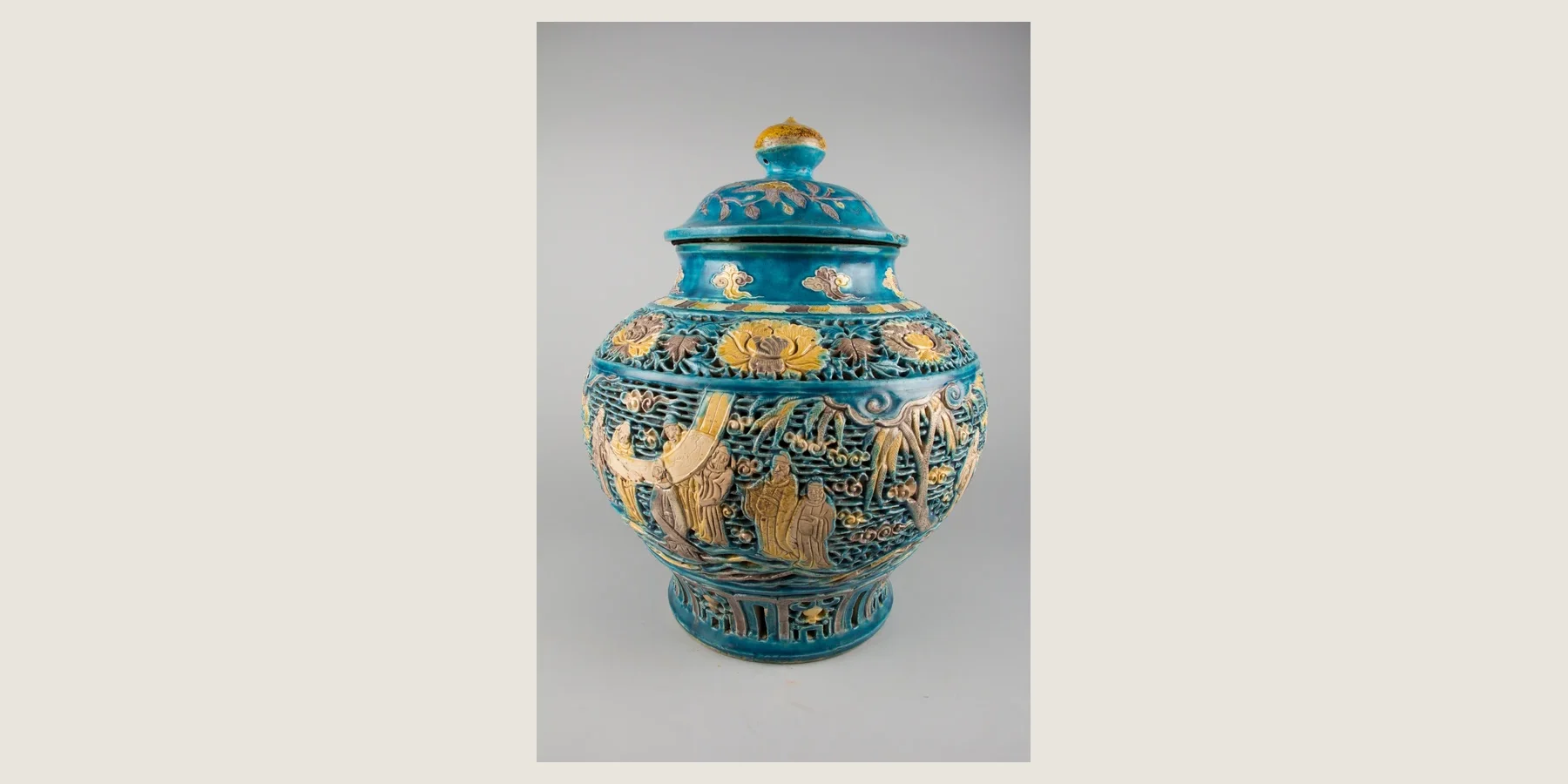
Tell ginger jars, covered jars and baluster forms apart. Compare real porcelain objects, lid fit, decoration and shelf space before choosing one for your home.
Read the deep guide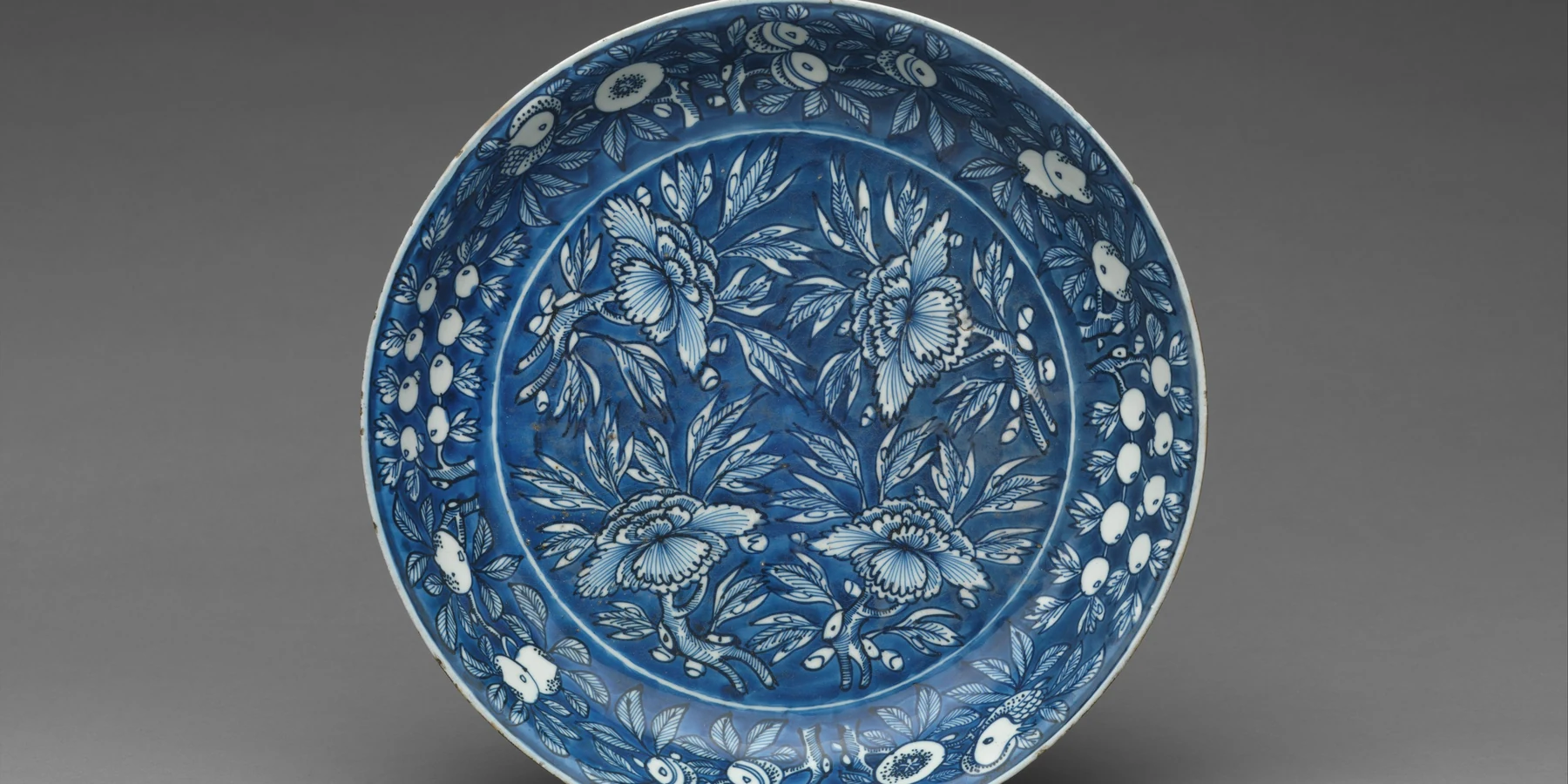
Learn to read Chinese porcelain patterns as designs fitted to a vessel: scrolls, sprays, panels, medallions, borders, grounds and negative space—before assigning meaning.
Read the deep guide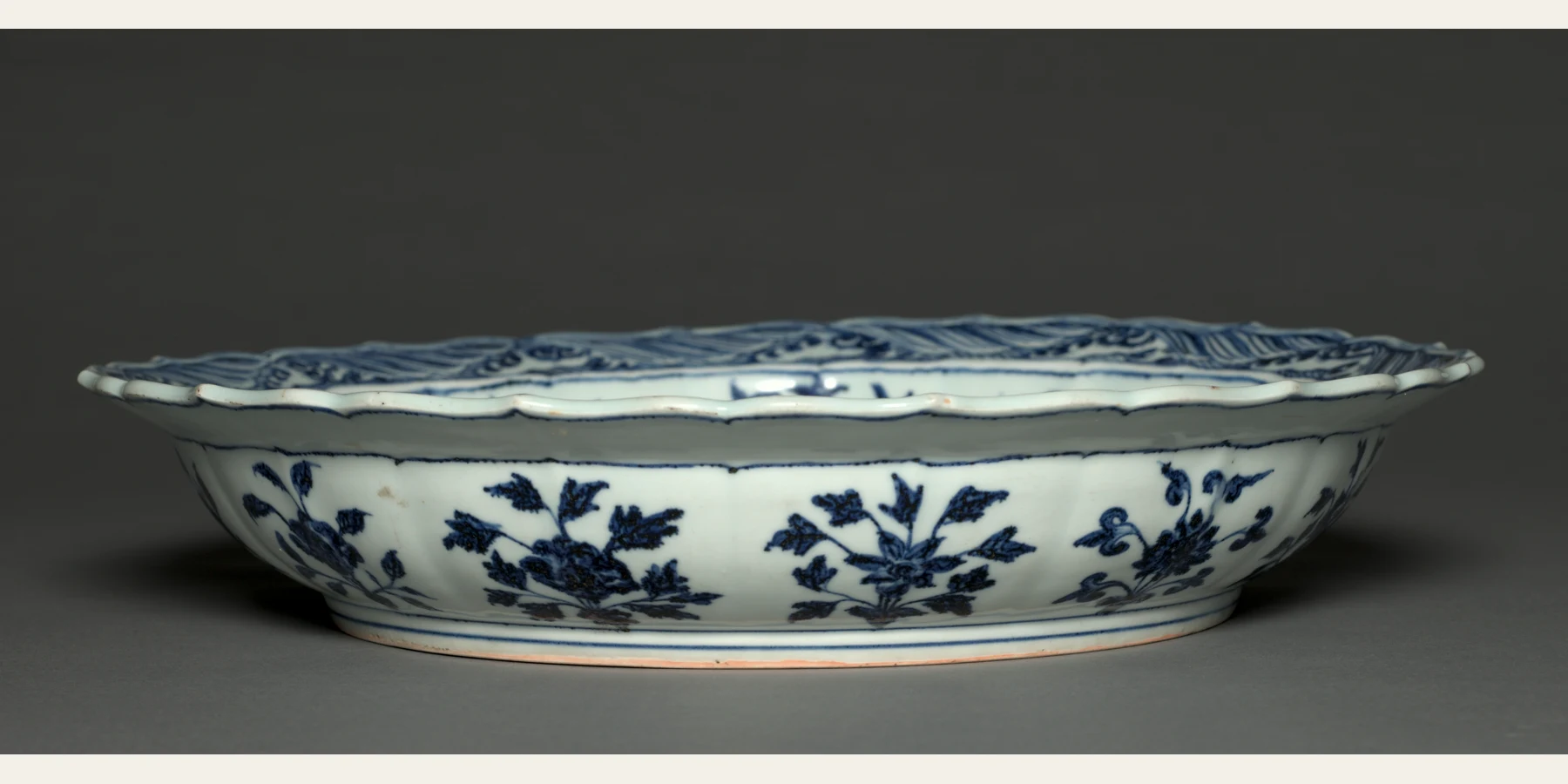
Compare real Chinese porcelain plates by rim, depth, pattern and usable space. See how small painted dishes and large export chargers change the table and the view.
Read the deep guide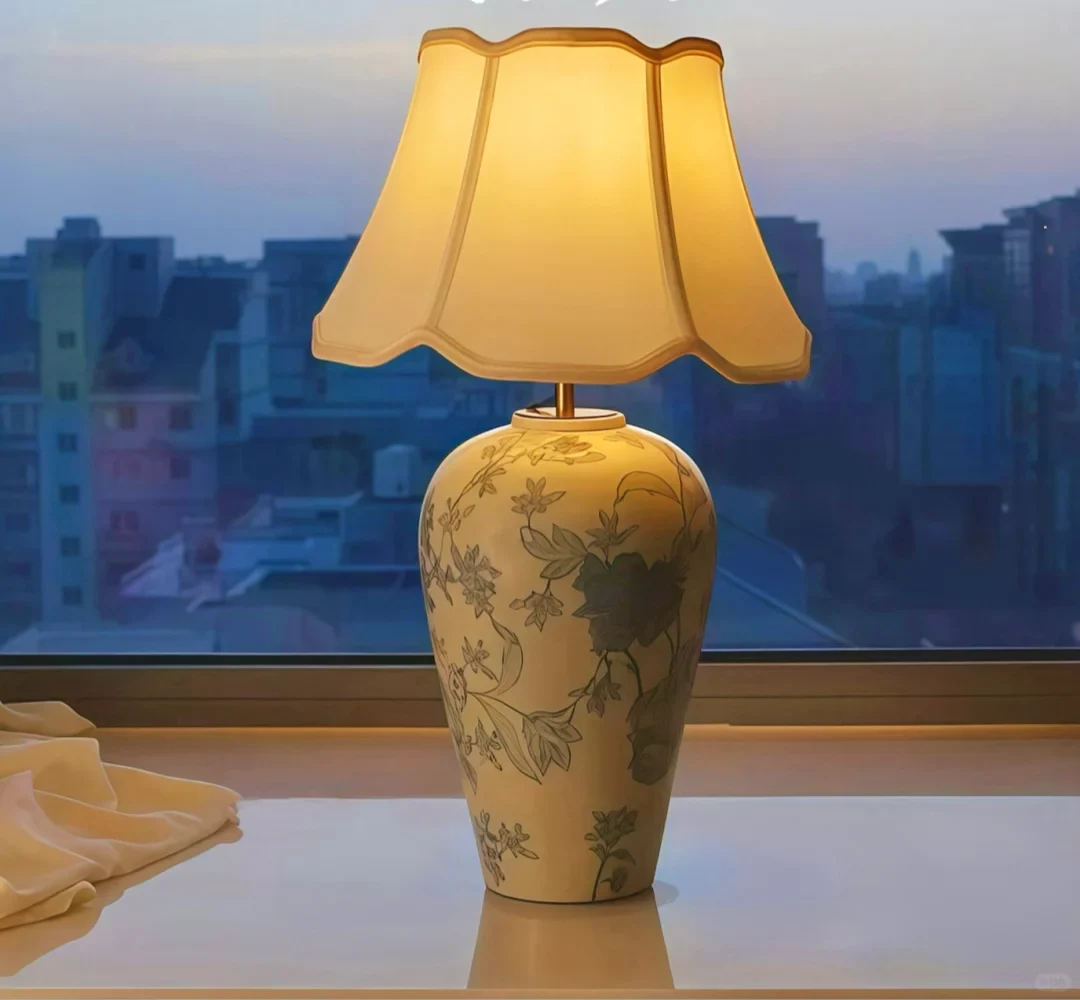
Choose Chinese porcelain lamps for useful light and a beautiful room. Understand shade proportions, blue-and-white bodies, antique conversions and electrical checks.
Read the deep guide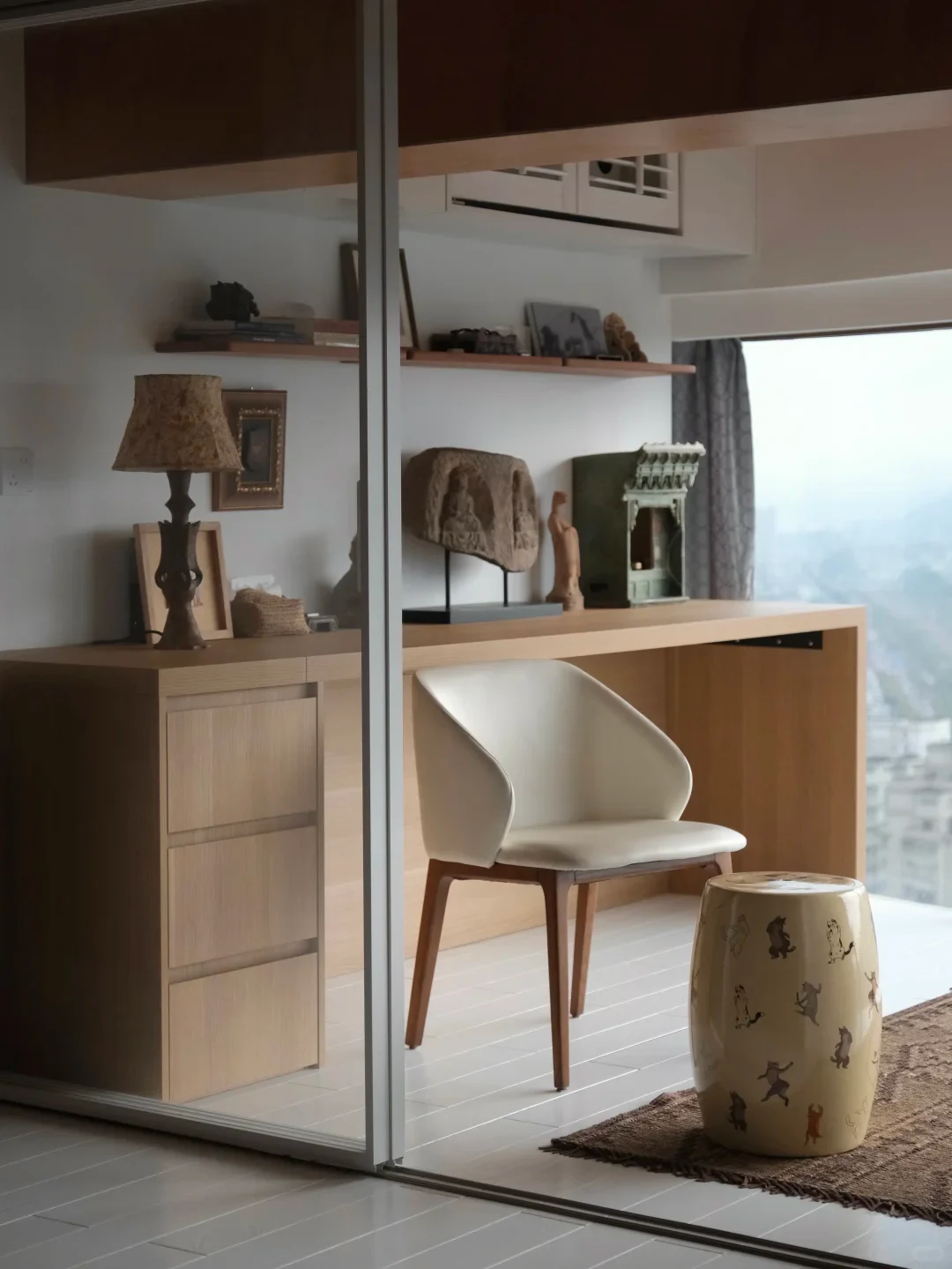
Choose a Chinese porcelain garden stool for a real room: seat or side table, usable top, drum-form history, placement, material and outdoor-care limits.
Read the deep guide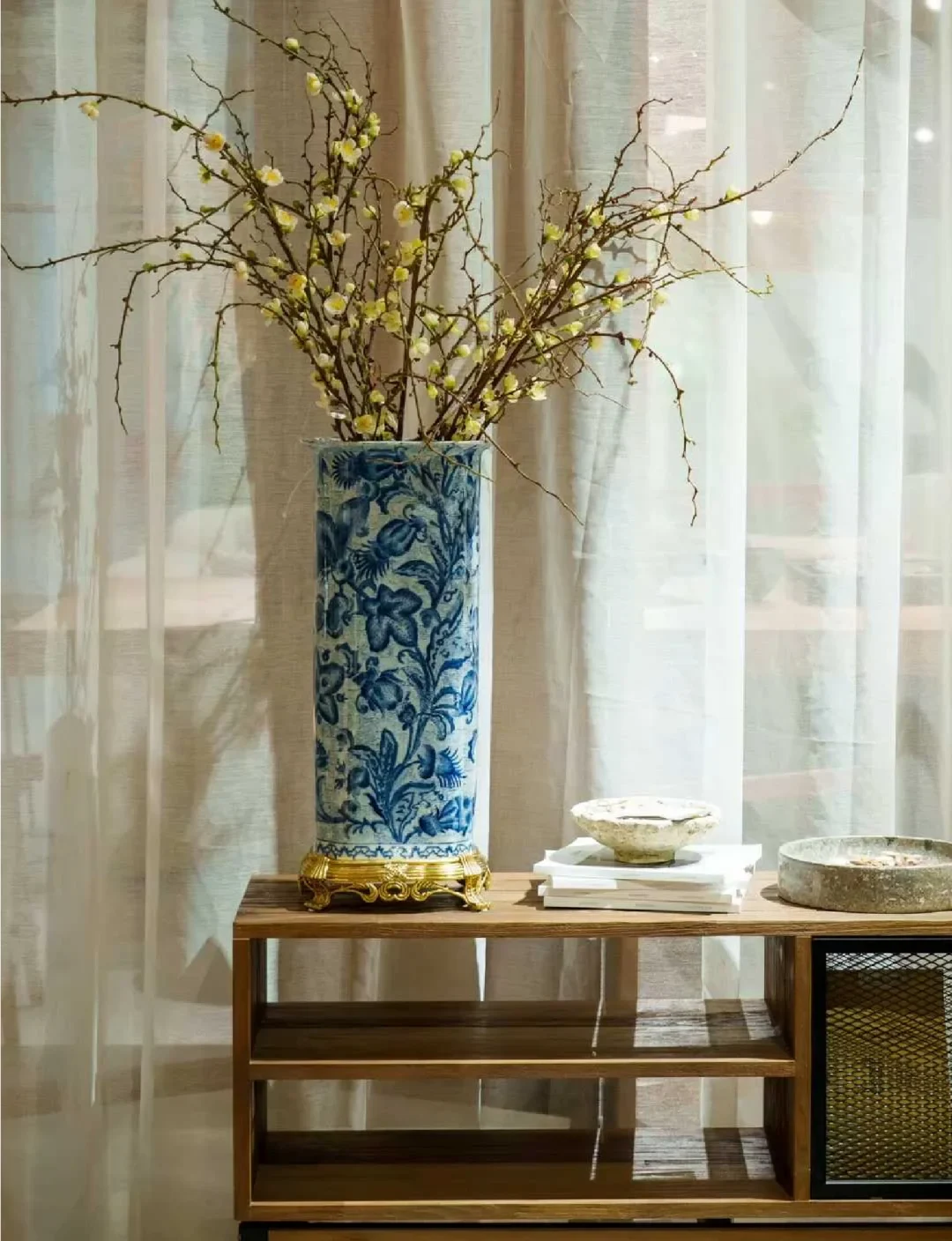
Choose a Chinese porcelain umbrella stand for wet umbrellas, not just a photograph. Compare opening, reach, liners, doorway space and the history of reused vases.
Read the deep guideExplore Chinese art through painting, calligraphy, ceramics, jade, sculpture and folk craft, with history, close looking and the human choices behind each object.
Chinese art begins before the museum label. It begins when clay resists the fingers, when ink spreads faster than expected, when jade demands another hour of polishing, or when a paper-cut artist makes one irreversible turn of the scissors. The finished object may look serene. The work behind it rarely was.
Chinese art is the diverse visual and material culture created across Chinese societies and communities: painting, calligraphy, ceramics, jade, bronze, sculpture, textiles, printmaking, paper arts, architecture-related decoration and contemporary practice.
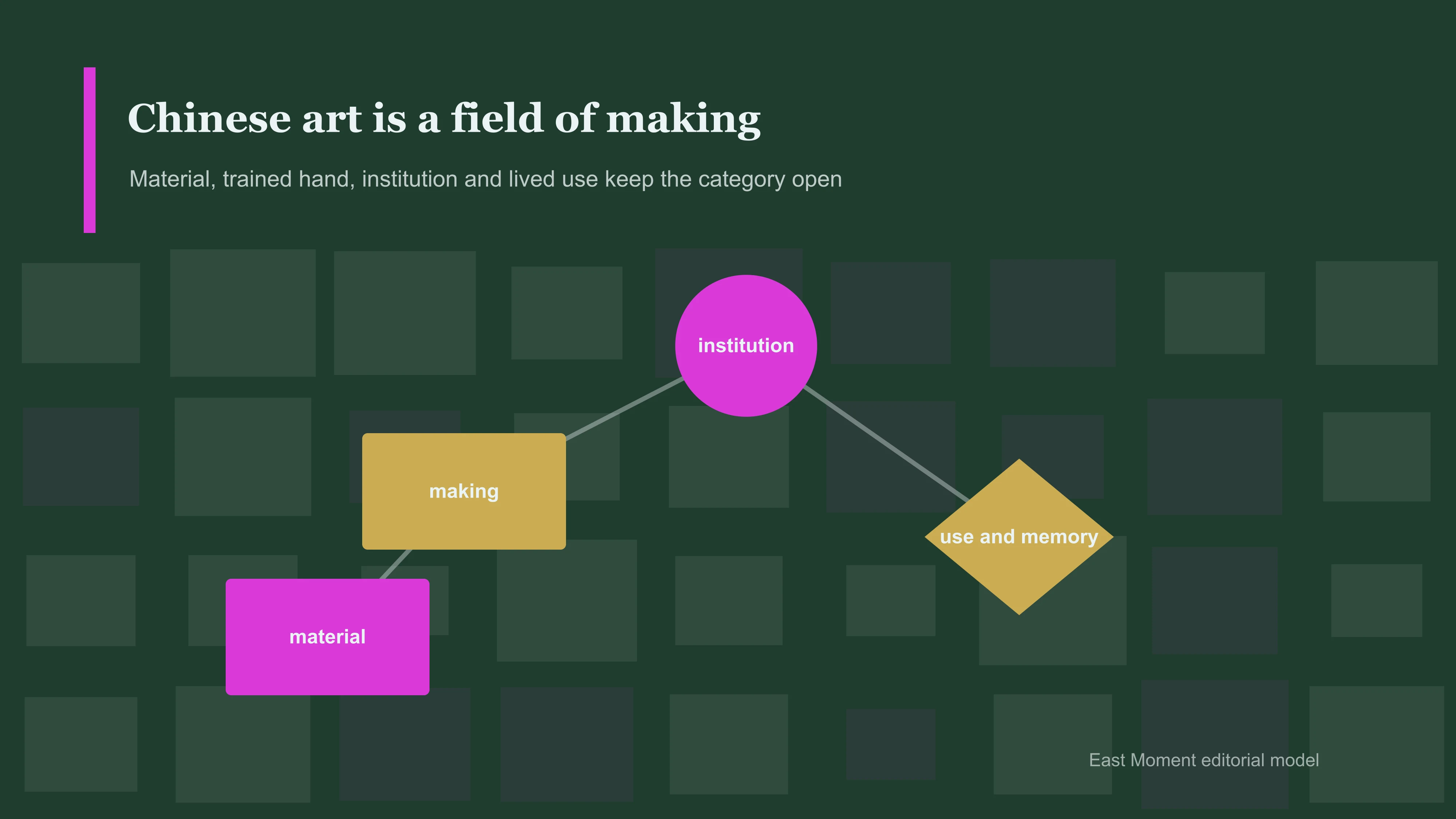
No single style can represent it. A restrained ink landscape, a brilliantly colored temple figure, a porcelain bowl, an embroidered sleeve and a political installation may all belong to Chinese art while answering different patrons, beliefs, technologies and moments in history.
I prefer to begin with the hand. Art-history language can become grand very quickly—civilization, aesthetics, spirit—but every object first passed through decisions. How wet should the brush be? How thin can the porcelain wall become? Where should the carver stop before stone becomes dust? The maker may be unknown to us, but the evidence of attention remains.
| Art form | Primary materials | What to notice first | A common misunderstanding |
|---|---|---|---|
| Painting | Ink, mineral or plant color, silk, paper | Brush texture, empty space, viewpoint, inscription and mounting | That every work is a literal view of nature |
| Calligraphy | Brush, ink, paper or silk | Stroke order, pressure, rhythm, spacing and script style | That meaning belongs only to the words |
| Ceramics | Clay, glaze, pigments and fire | Form, foot, body, glaze, firing marks and use | That blue-and-white porcelain represents all Chinese ceramics |
| Jade and hardstone | Nephrite, jadeite and other stones | Translucency, polish, carving difficulty, wear and symbolism | That green color alone proves an object is jade |
| Bronze and metalwork | Copper alloys, gold, silver and iron | Casting, inscription, ritual function, patina and later collecting | That every archaic-looking object is genuinely ancient |
| Sculpture | Stone, clay, wood, lacquer and metal | Scale, gesture, original setting, pigment and devotional use | That museum-white surfaces were always unpainted |
| Textiles and dress arts | Silk, cotton, wool, dye and embroidery | Weave, stitch, motif, rank, region and bodily movement | That decorative beauty is separate from social identity |
| Folk and popular arts | Paper, wood, dough, cloth, paint and local materials | Occasion, maker, community use and repetition | That “folk” means simple or artistically minor |
The categories overlap. Calligraphy enters painting. Painting enters porcelain. Textile motifs move into architecture. A symbol changes when it travels from an emperor's robe to a child's festival paper-cut.
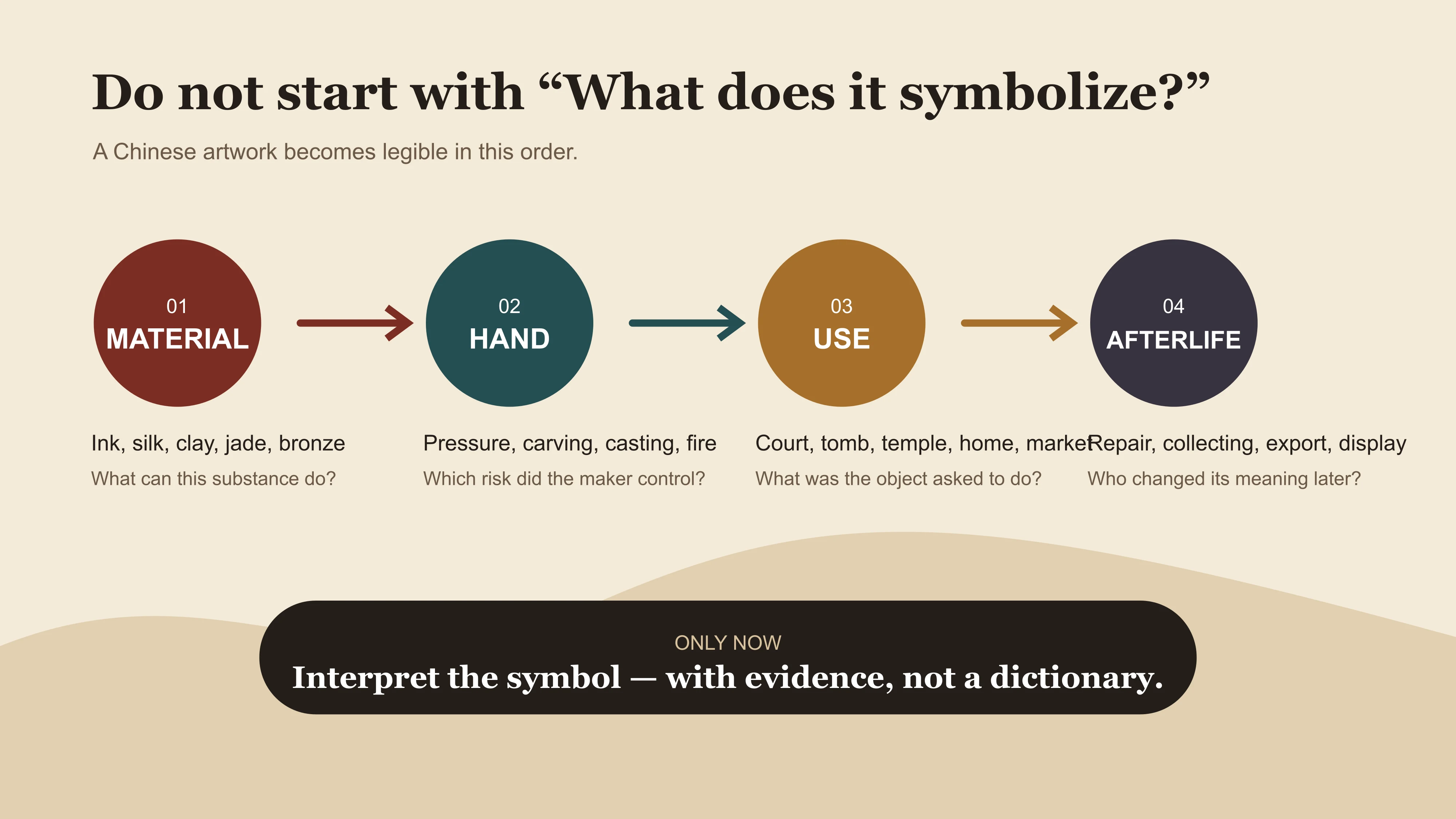
This order is the backbone of the page. I insist that symbolism comes last because symbolism without an object is only a floating answer. Material tells us what was physically possible; the hand records risk; use places the work inside human life; its afterlife explains how repair, collecting, export and museums changed what we now see.
Chinese art history is often taught as a procession of dynasties. Dynastic dates are useful, but objects do not change style at midnight when a government falls.
Early ritual bronzes reveal sophisticated casting, inscriptions and systems of political and ancestral authority. Tomb objects preserve beliefs about status and the afterlife while also recording animals, clothing, vehicles and domestic life. The expansion of Buddhism brought new images, cave temples, translation networks and artistic exchange across Asia.
Painting and calligraphy became deeply associated with educated elites, yet court workshops, religious communities, professional painters and anonymous craftspeople produced enormous visual worlds of their own. Ceramics developed through regional kilns whose clay, fuel, glaze chemistry, markets and accidents created distinct traditions.
Trade constantly complicated the idea of a sealed national style. Cobalt used in blue-and-white porcelain points toward exchange beyond China. Buddhist images moved through Central and South Asian networks. Export wares answered foreign shapes and tastes. Modern artists encountered photography, oil painting, print culture, socialist realism, abstraction, performance and digital media.
Traditional Chinese art was never protected from change. Change is one of its traditions. I reject the tidy version of Chinese art that rewards age, dynasty and auspicious meaning before it asks what a work physically did. An old object can still be dull; a contemporary work can carry historical intelligence without dressing itself as an antique.
For the longer chain connecting courts, migrations, religious communities, workshops and ordinary households, continue to the history of Chinese culture. That timeline explains why an artwork can carry several periods at once; this page keeps the eyes on material, hand and use.
Many European painting traditions encouraged viewers to imagine a picture as a window observed from one fixed point. Chinese handscrolls often behave differently. The viewer unrolls only part of the work at a time and travels through it.
A mountain can be seen from below, beside and above within one composition. A path disappears, returns and invites the eye onward. Tiny human figures change the question of scale. The landscape becomes the world within which the person must find a way, instead of scenery waiting politely behind them.
Ink painting also refuses the idea that fewer colors mean less complexity. Dilution, pressure, speed and the absorbency of paper can create enormous variation. A dry brush catches the surface like weathered bark. Wet ink becomes mist. One dark stroke may have a soft edge on one side and a broken edge on the other.
The empty areas are active. They may become water, cloud, distance, atmosphere or simply room for the composition to breathe. Emptiness is not a failure to finish.
This is also why Zao Wou-Ki matters. His ink work proves that Chinese painting did not stop before modernism: ink can carry historical discipline while refusing to reconstruct an old landscape. His page owns the paintings themselves; this collection page owns the method for seeing how they remain Chinese without becoming antique imitation.
To someone who cannot read Chinese, calligraphy may appear to be beautiful writing. To someone who can read it, the words do not cancel the image. Language and movement arrive together.
Regular script can make structure clear. Clerical script carries broad, distinctive strokes. Running script allows connections and variation. Cursive can compress movement until reading requires deep familiarity. These are not merely fonts selected from a menu. They are physical systems learned through repetition.
A brush records hesitation and confidence with uncomfortable honesty. You cannot completely hide the moment pressure changed. That is part of calligraphy's attraction and its terror.
Calligraphy also enters social life through couplets, signs, letters, albums, inscriptions and gifts. A work may be valued for its literary text, historical association, writer's character or visual force. The layers cannot always be separated.
The Chinese folding fan makes that overlap physical. Writing and painting must negotiate a curved, pleated surface, while the viewer controls when the image appears. It is art with a hinge and a social life.
Chinese ceramics are often reduced overseas to porcelain, then reduced again to blue and white. China produced earthenware, stoneware and porcelain in an extraordinary range of glazes, shapes and firing systems.
Celadon can make a vessel feel as if color came from inside the material. Jian tea bowls use dark glazes whose streaks and spots emerged through chemistry and heat. Tang sancai wares carry flowing lead glazes. Chinese blue-and-white porcelain combines cobalt decoration with a pale body and transparent glaze, but even within that famous family, quality, purpose and visual language vary greatly.
Kilns were communities and technical ecosystems. Clay preparation, throwing, molding, carving, glazing, stacking and firing involved specialized labor. Some vessels served courts; others moved through ordinary markets or overseas trade.
When looking at a bowl, turn it mentally back into an action. Someone held it, poured from it, washed it and repaired it when it mattered enough to save. Art enters life through use. The focused Chinese porcelain guide follows the high-fired branch of this much larger ceramic family, the blue-and-white porcelain guide explains how cobalt, brushwork and global trade built a visual system, the visual porcelain-making guide reconstructs the decisions hidden beneath a polished surface, and the Five Great Kilns of Song China compares how Ru, Guan, Ge, Ding and Jun turned different material systems into five very different ideas of refinement.
Jade acquired powerful associations with virtue, status, protection and continuity, but its cultural importance also grows from resistance. Hardstone asks for abrasive labor rather than easy carving. Polish takes time. A finished surface contains hours the eye cannot count.
Bronze ritual vessels similarly combine material difficulty with social authority. Casting required planning, molds, alloy control and organized labor. Inscriptions may name people, events or acts of commemoration. Later collectors valued ancient bronzes as evidence, models of correct ritual and objects of aesthetic desire.
Both jade and bronze attracted imitation, reinterpretation and forgery. Provenance matters. A seductive story from a seller is not archaeological context.

The Met identifies this as a late-eleventh-century BCE ritual wine vessel. Its silhouette is not ornamental whim: the legs, spout, handle and posts organize pouring, holding, display and ritual presence. Bronze becomes understandable when form is returned to action. For jade, continue to the dedicated Chinese jade guide, which separates visible stone and carving from later symbolic claims.
Religious images were made to do things: focus devotion, structure ritual, protect a place, teach a story or make a sacred presence visible. Removing them to a museum changes the encounter.
Buddhist cave sculpture may once have been brilliantly painted and experienced with architecture, offerings, lamps and chanting. Daoist visual culture includes deities, ritual diagrams, talismans, temple murals and images connected to complex institutions. Popular religious art brings local gods, protective figures and festival practice into homes and communities.
Calling all of this “spiritual Chinese art” hides important differences. A responsible description names the tradition, use, location and period.

The surviving pigment on this dated 486 Maitreya destroys the lazy fantasy that old sculpture was born museum-brown. Color, metal, casting and worship once worked together. The clean display case is an afterlife, not the original world.
Paper cuts, New Year prints, shadow puppets, embroidery, dough figures, kites and festival objects are sometimes presented as cheerful decoration beside the supposedly serious history of painting.
That division tells us more about collecting institutions than artistic intelligence. Repeated forms can contain remarkable design discipline. A paper cut must hold together physically. A print block reverses the image. A puppet must survive movement and light. Embroidery designs respond to cloth, body and local identity.
Read those operations at full scale: Chinese lacquerware accumulates a surface before it can be carved, painted or inlaid; Chinese paper cutting removes material while protecting the bridges that keep an image connected; Chinese woodblock printing asks a reversed raised line to survive proofing and become a readable page. They are not one decorative category. They are three different arguments between hand, surface and absence.

Look at the ceremonial robe's body-shaped architecture before extracting motifs. Embroidery is not a flat pattern bank. It bends at shoulders, opens around the neck, gathers around movement and announces social position at human scale. Calling it “decorative art” is not neutral; it amputates the body that made the design work.
The maker's name may have disappeared while the object survives under a regional label. East Moment treats that anonymity as a question, not permission to imagine that nobody designed the work.
The Chinese symbols guide introduces dragons, phoenixes, lotus flowers, bamboo, cranes and auspicious wordplay. Art gives those symbols a precise setting.
A dragon on an imperial object may express authority. A dragon in a festival procession becomes communal energy and performance. Bamboo can display brush skill, literary character, resilience or friendship depending on the artist and inscription.
Meaning is not downloaded from a universal symbol dictionary. It is built through object, audience and occasion.
Contemporary Chinese artists work with ink, oil, photography, film, installation, performance, ceramics, artificial intelligence and forms that resist a clean category. Some revisit classical techniques; some examine urbanization, memory, labor, gender, ecology or political experience; some simply pursue formal questions without volunteering to represent an entire nation.
Global audiences sometimes expect every Chinese artist to explain “China.” That is too much symbolic luggage for one person to carry. A Chinese artwork can be culturally situated and individually strange at the same time.
Living craft also continues outside contemporary-art institutions. Ceramic artists, carvers, embroiderers, instrument makers and paper workers learn from inherited systems while responding to new tools and buyers. Tradition is not the opposite of contemporary life.
Begin with observation before symbolism.
You do not need to pretend immediate understanding. Close looking is already a form of respect.
A celadon vessel can survive centuries and still keep one small irregularity where glaze gathered near the foot. A brush line can preserve the speed of a wrist after the person is gone. Art defeats time only partially, which may be why it moves us.
The Chinese Arts and Crafts hub will grow outward from this foundation into painting, calligraphy, ceramics, jade, music, opera and named regional crafts. Each guide will return to the same question: not only what the object means, but what a person had to notice in order to make it.
That is where art stops being a cultural category and becomes a human act. In the comments, name one artwork whose material or original use changed your interpretation. Then submit an object biography in Moments: four short fields—what is visible, how it was made, what it once did and what still remains uncertain. Return as readers add corrections, object records and competing close readings; a living art collection should become more precise through participation, not merely larger.
One useful question
Which Chinese artwork changed most for you after you learned what the material, hand or original use demanded?
Loading the conversation…
Reader-built field guide
Bring one Chinese artwork into Moments and separate what you can see, how it was made, what it once did and what later viewers added.
What this builds: Return when another reader finds the museum record, workshop trace, repair or former use that changes your object biography; the best update is the one that makes a beautiful first interpretation more precise.
These sources verify institutional records, protected traditions and claims that benefit from direct evidence. They support the story; they do not replace Lijun's judgment.