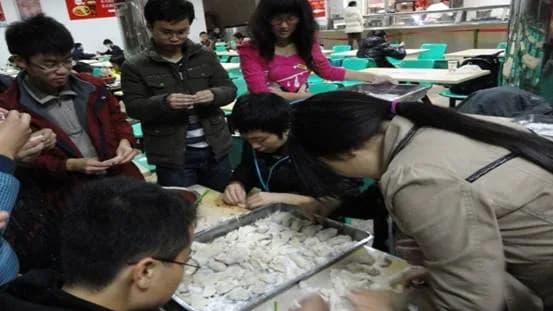
A cuisine shaped across time and place
Chinese Food Culture and History
Foundational guides to Chinese food, culinary history, authenticity and the meanings carried by a shared meal.
Explore collection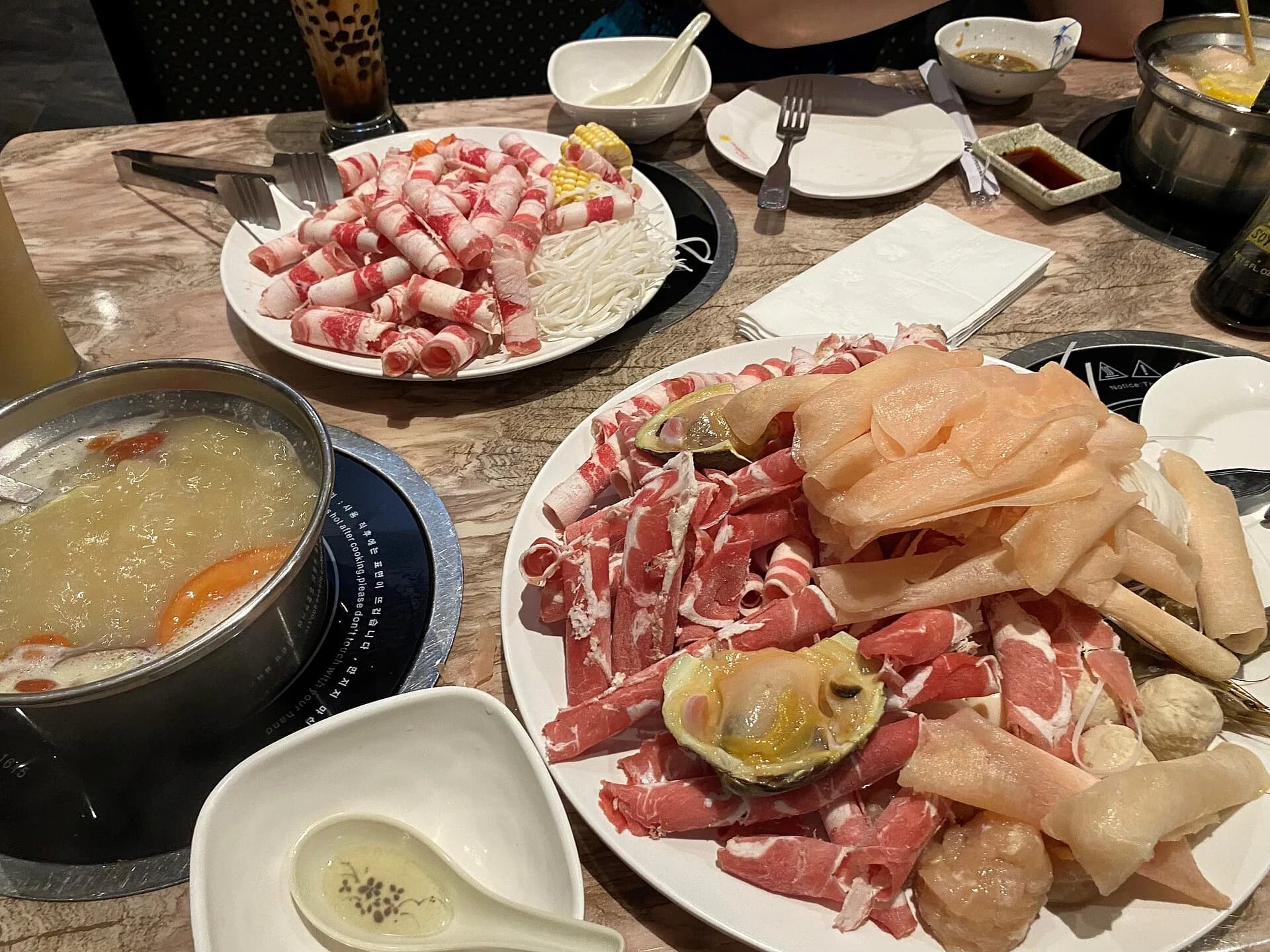
Regions, tables, memory and migration
Explore Chinese food through regional cuisines, familiar dishes, everyday meals and the traditions Chinese communities continue to reshape around the world.
Chinese food is not one cuisine, but a family of regional, household and diaspora food traditions.
Place matters. Climate, crops, trade and local communities shape distinct regional cuisines.
Meals work together. Shared dishes balance texture, flavor, staple foods and season.
Tradition keeps moving. Chinese cooking changes through travel, technology and family life.
Migration creates culture. Diaspora cuisines have histories and identities of their own.
Choose the path that matches your question, then open one of 34 focused collections. You can browse familiar dishes, understand how people eat, travel through regional cuisines or follow Chinese food across the world.
5 collections
Chinese food is better understood as many connected foodways than as one cuisine. Climate, crops, religion, trade, migration and family memory all shape what people cook.
A cuisine shaped across time and place
Foundational guides to Chinese food, culinary history, authenticity and the meanings carried by a shared meal.
Explore collection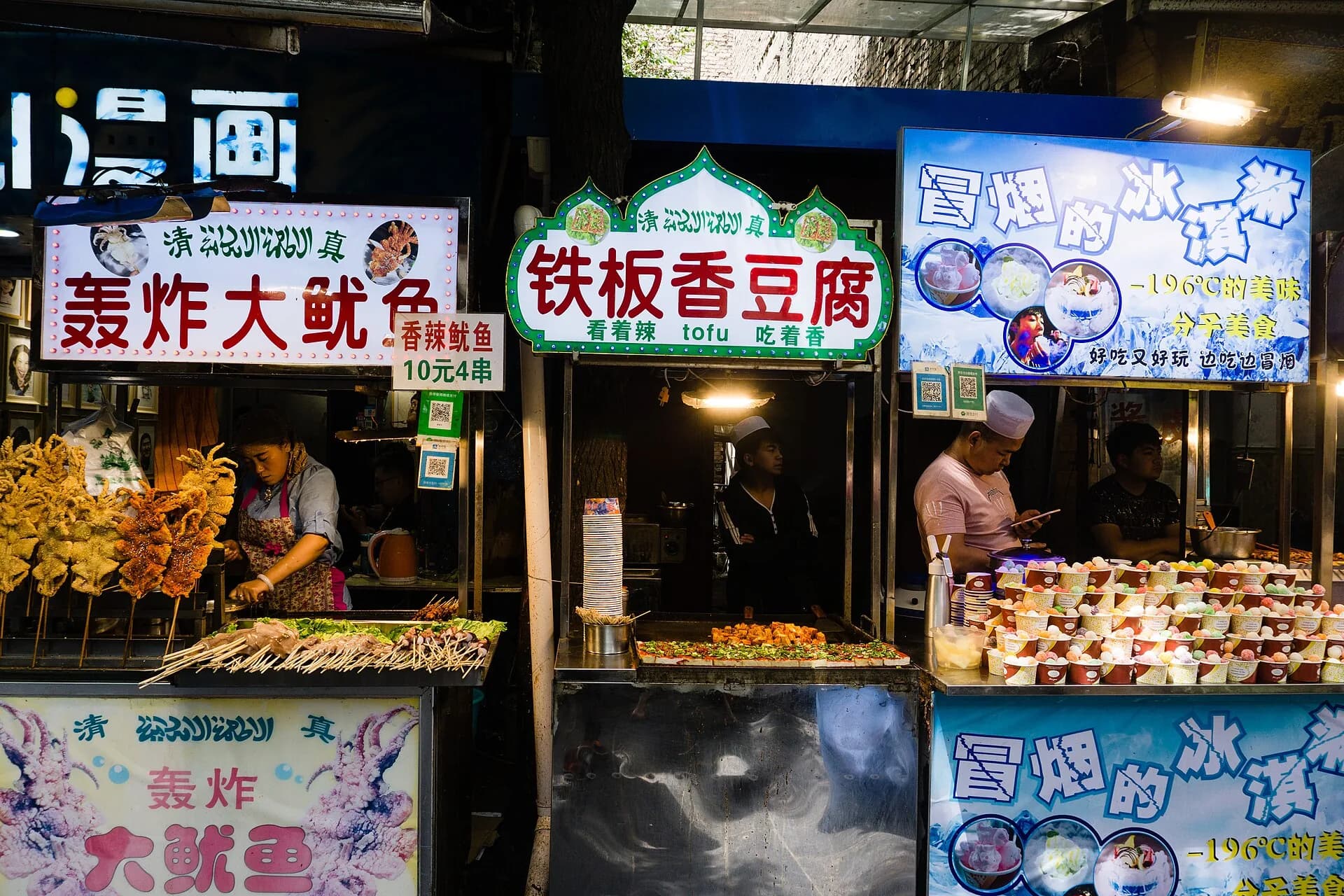
Morning stalls, quick lunches and neighborhood favorites
Breakfast foods, street snacks, home-style meals and modern fast food understood in their local setting.
Explore collectionFoods that mark reunion, memory and the calendar
Chinese New Year foods and other seasonal dishes explained through family practice, regional variation and symbolism.
Explore collection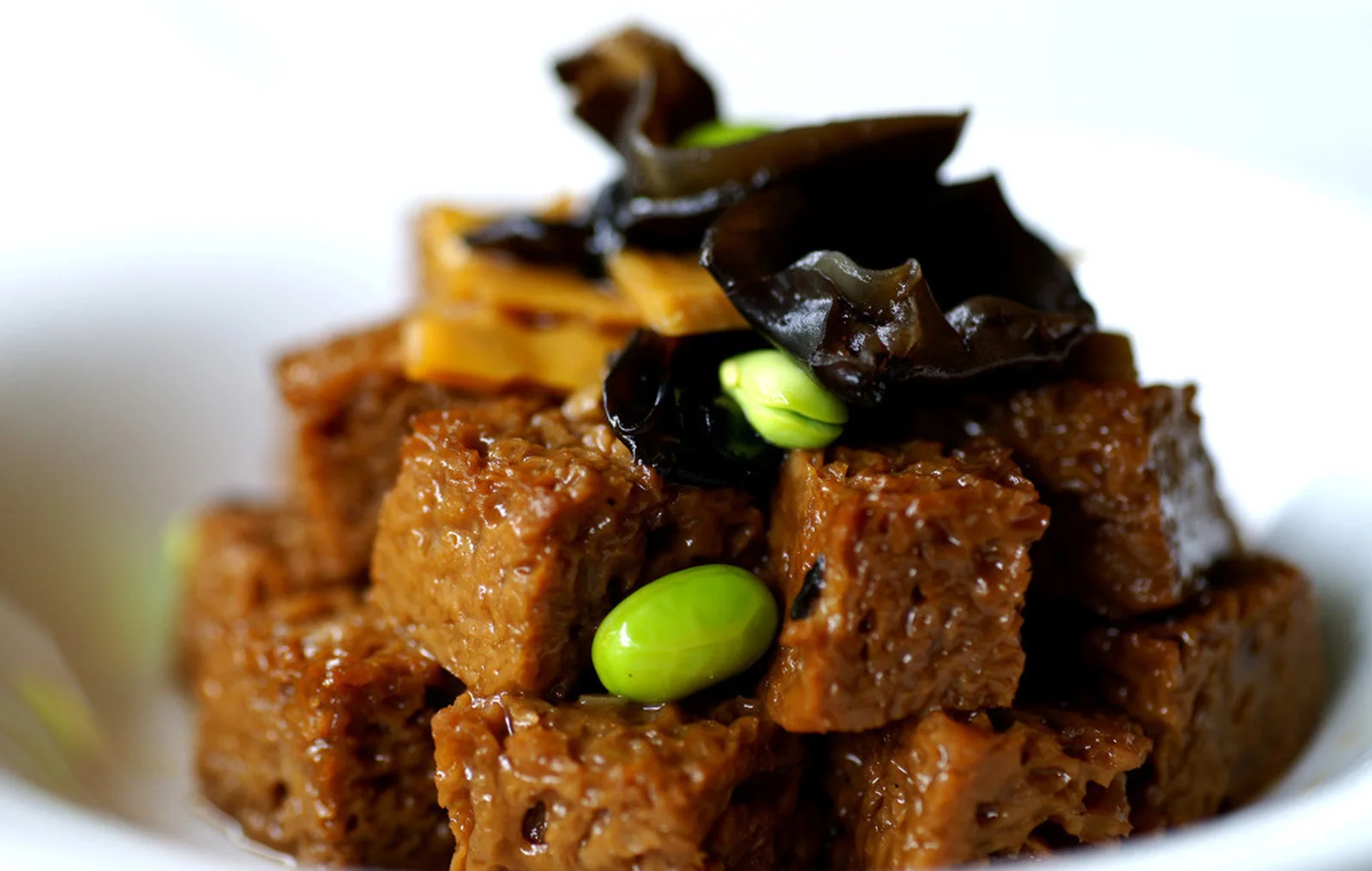
Vegetarian, halal, kosher and allergy-aware contexts
Religious foodways, ethical choices and practical dietary needs kept distinct instead of being treated as one tradition.
Explore collection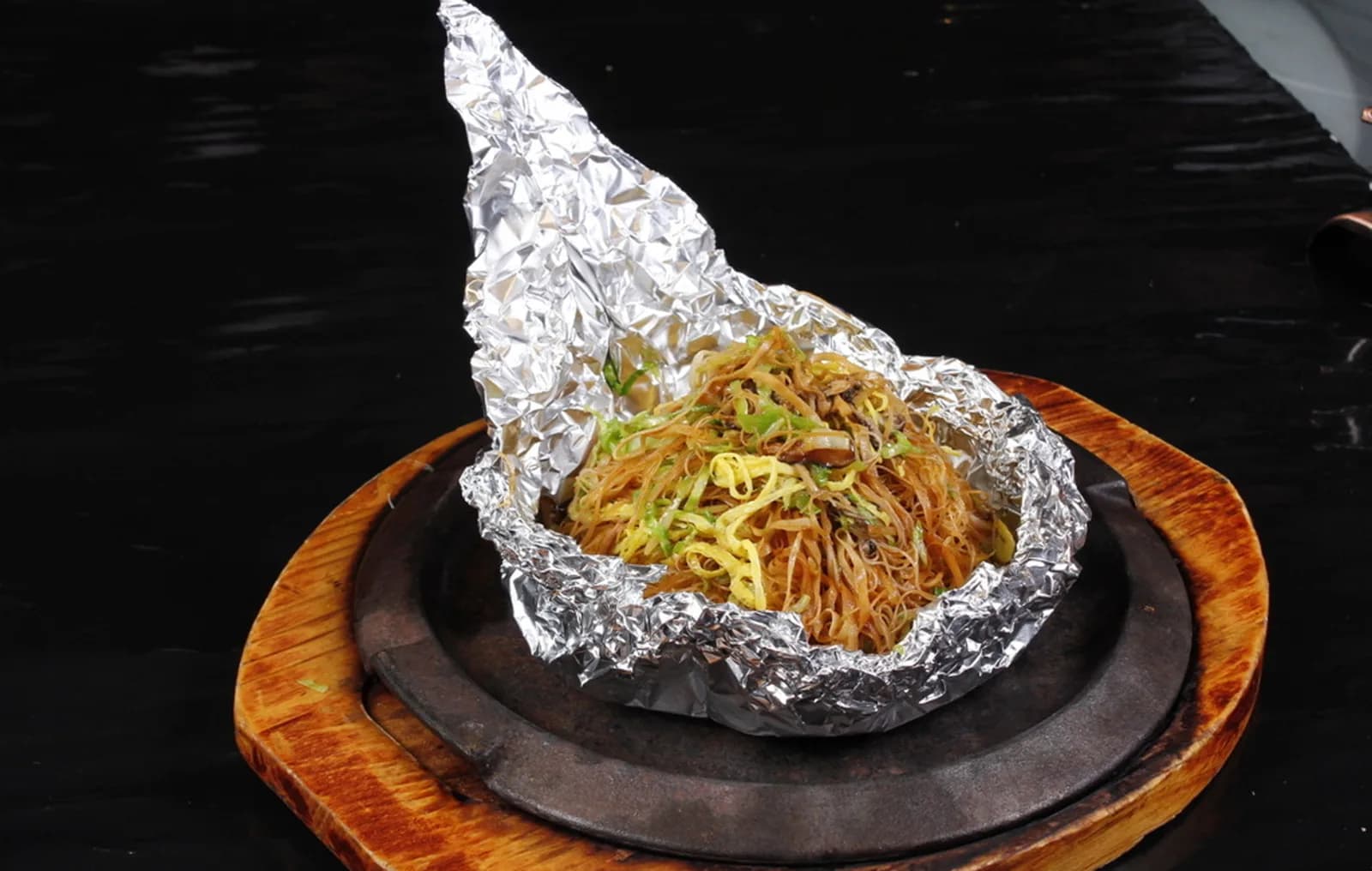
Heat, timing, fermentation and the pantry
Recipes, cooking methods, sauces and condiments explained through technique, regional use and ingredient context.
Explore collection11 collections
This directory uses food families that match how international readers search, while each guide restores the regional name, ingredients, history and community context behind the English label.
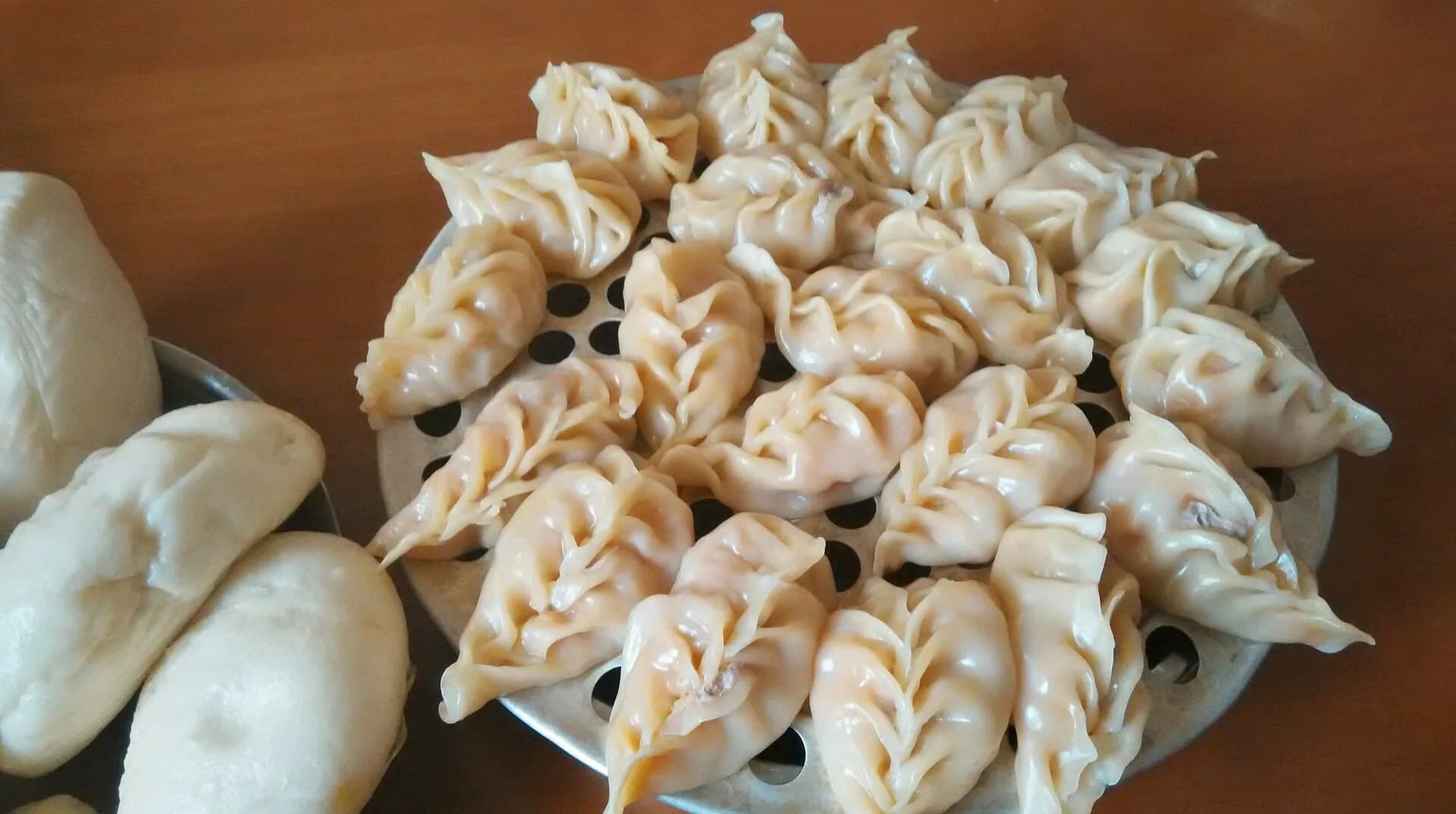
Jiaozi, baozi, xiaolongbao and wontons
Wrapped and filled foods separated by dough, cooking method, region and occasion.
Explore collection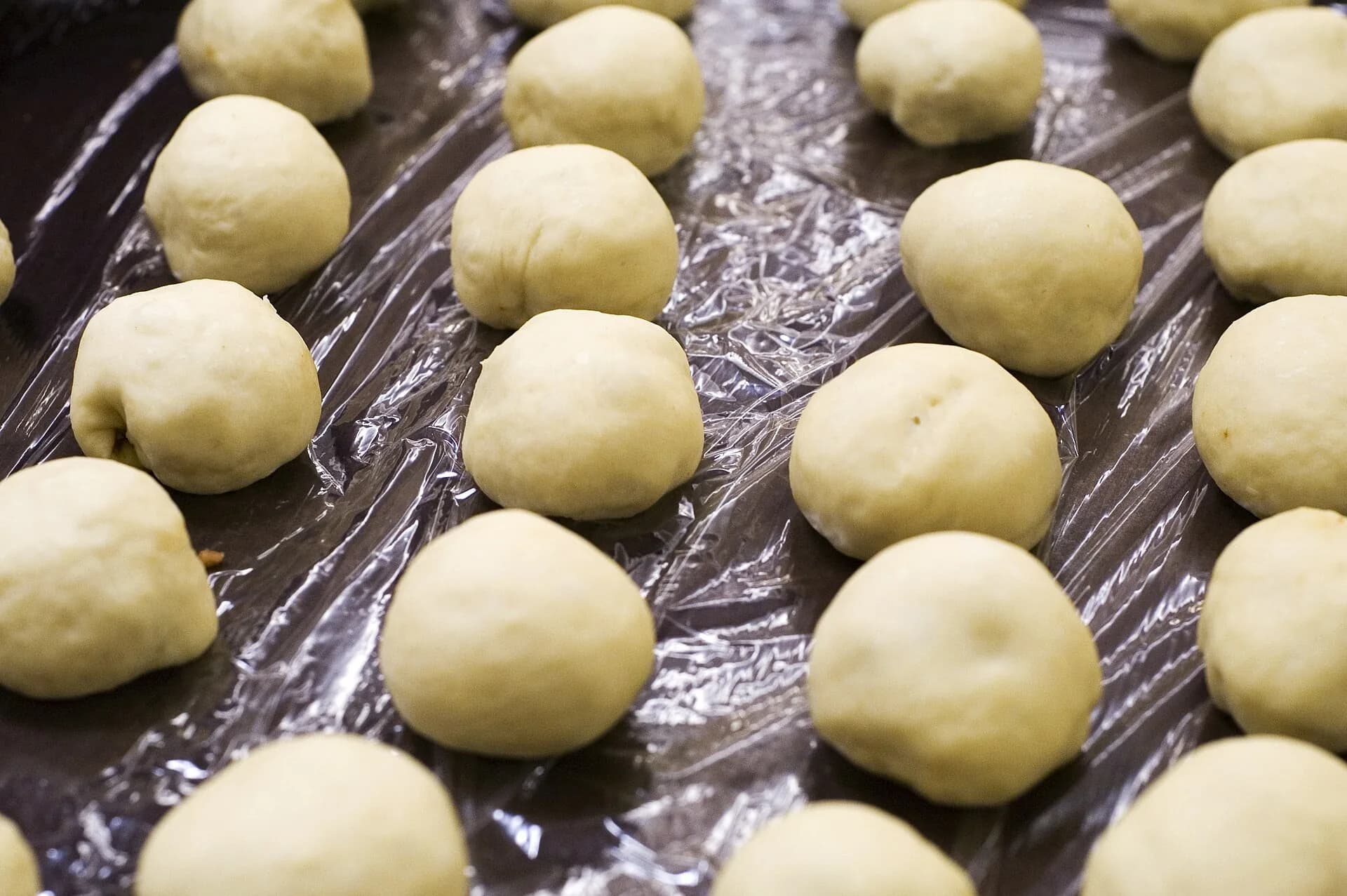
Tea-house foods and specialist craft
Har gow, siu mai, spring rolls and other small dishes explained in the context of Cantonese yum cha.
Explore collectionShared pots with distinct regional systems
Sichuan, Chongqing, Beijing and Chaoshan hot pot compared by broth, ingredients, dipping sauces and etiquette.
Explore collection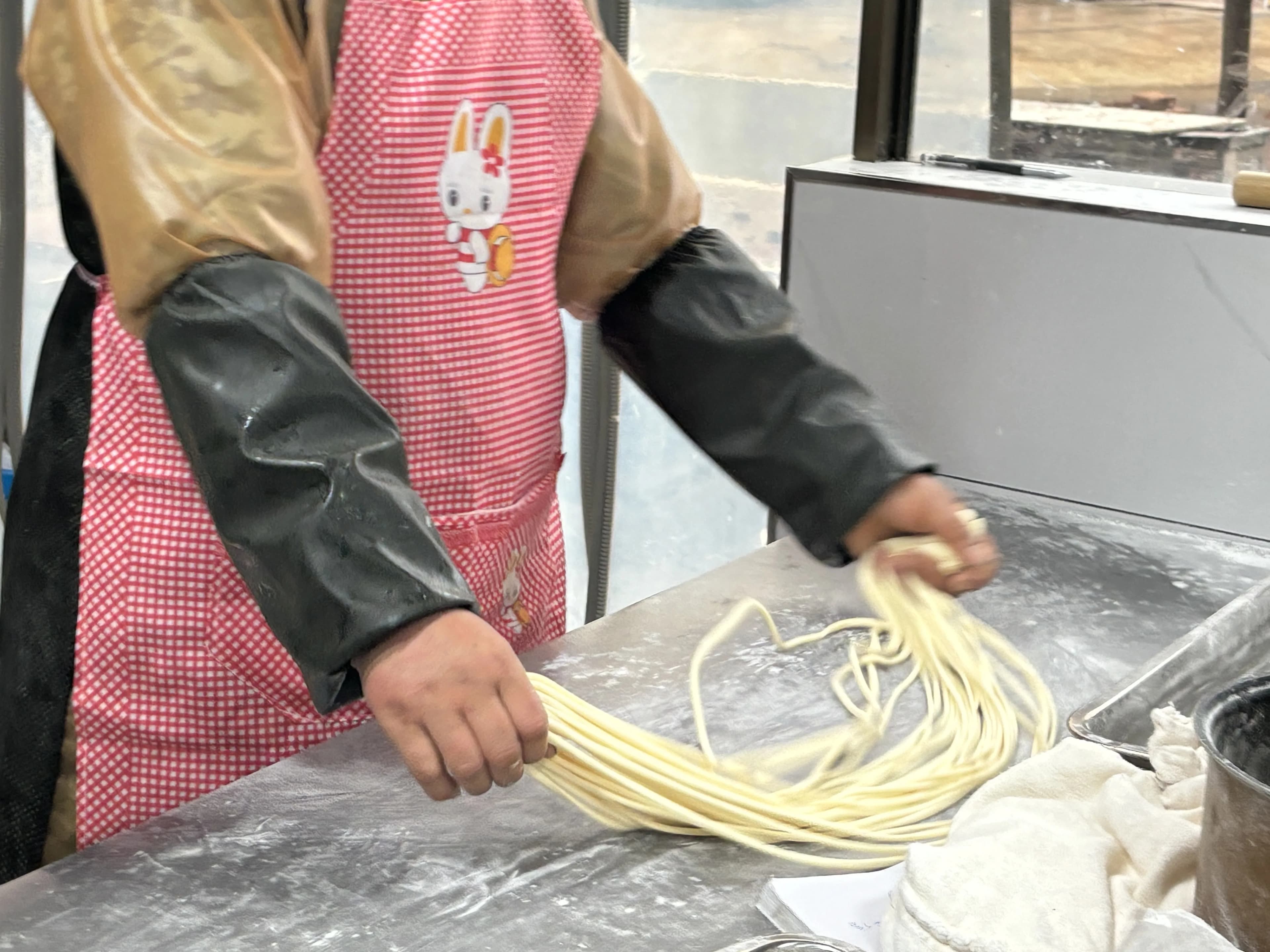
Wheat, rice, pulling, cutting and regional sauces
Lanzhou beef noodles, dan dan noodles, zhajiangmian and biang biang noodles organized by place and technique.
Explore collection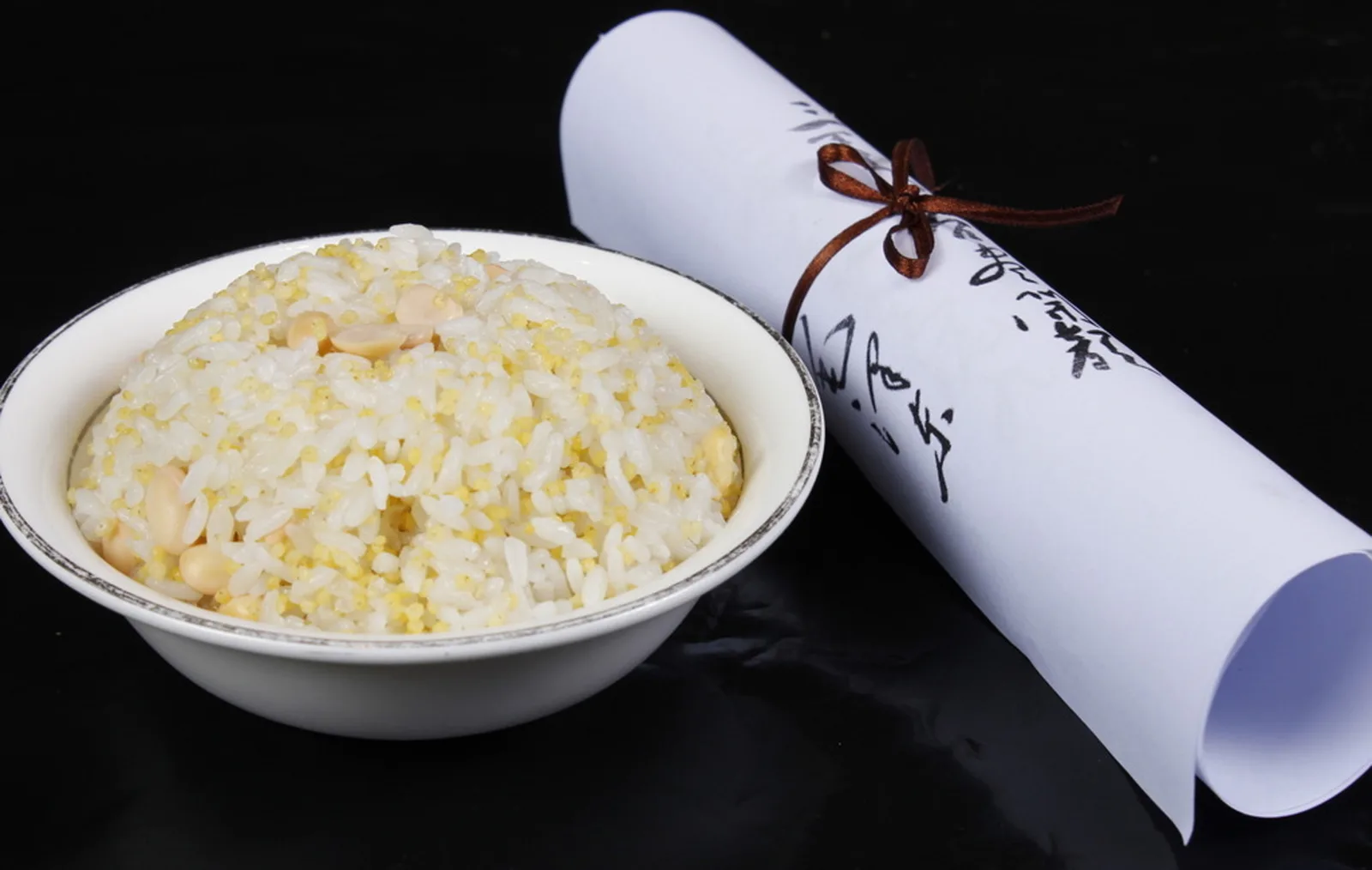
Fried rice, clay pot rice and everyday porridge
Rice-centered dishes organized by cooking method, region and place in daily or celebratory meals.
Explore collection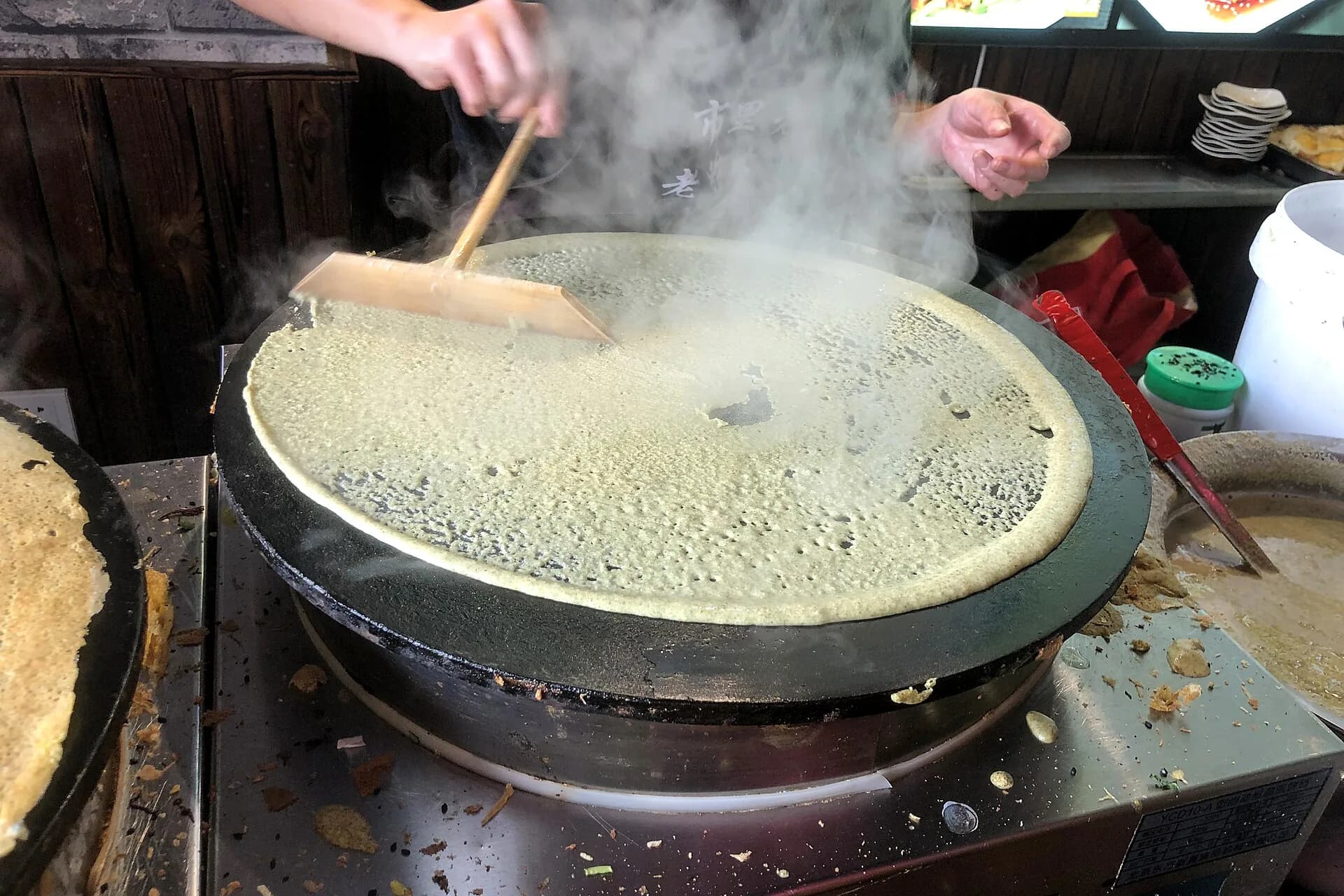
Warm bowls, griddles, fryers and morning queues
Youtiao, jianbing, scallion pancakes and other breakfast or snack foods organized by place and eating occasion.
Explore collection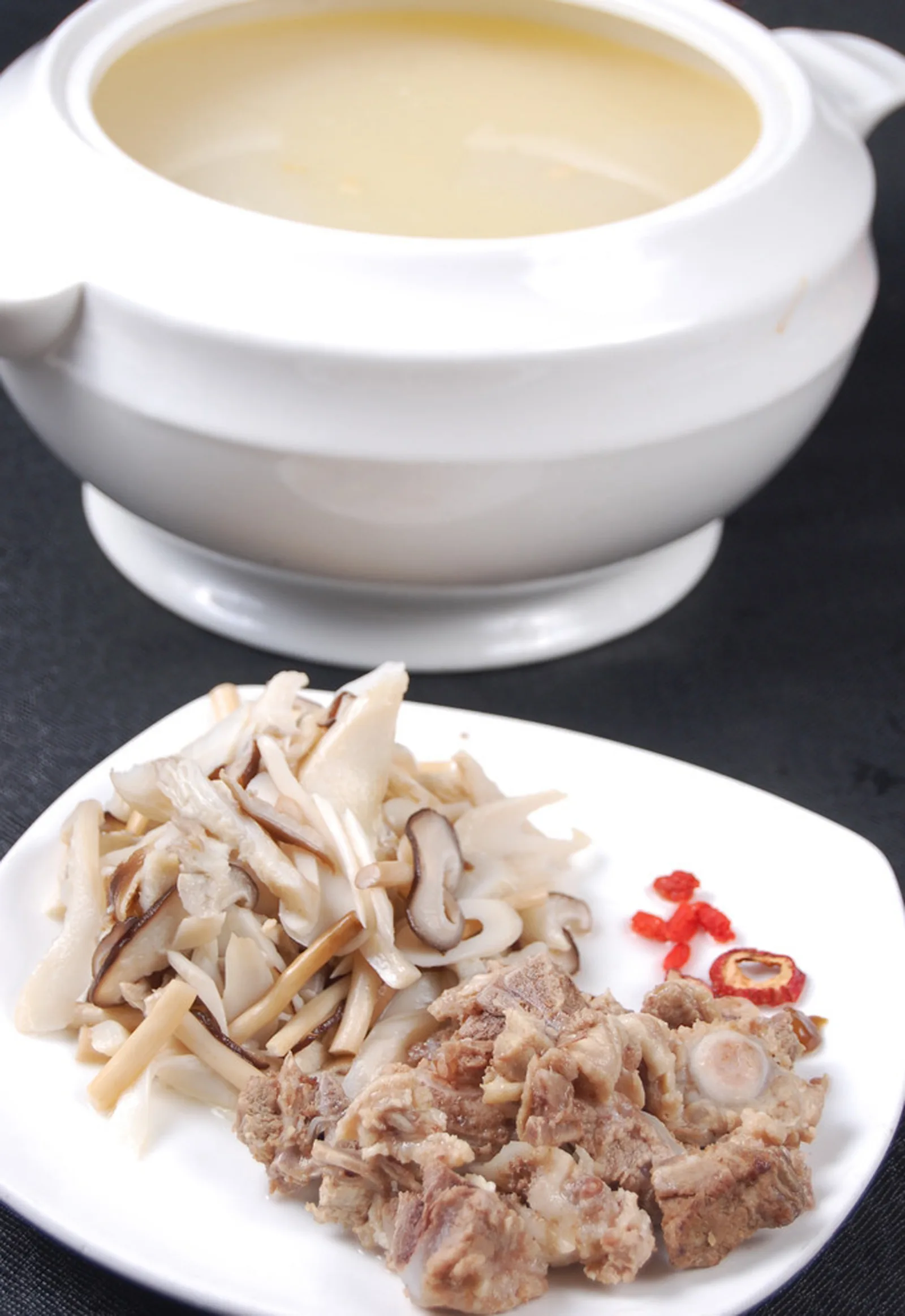
Clear broths, slow braises and restorative home cooking
Soup and stew traditions compared by region, ingredients, technique and role in the meal.
Explore collectionBean curd, greens, fungi and seasonal produce
Tofu and vegetable dishes explained as complete culinary traditions, not side dishes or meat substitutes alone.
Explore collection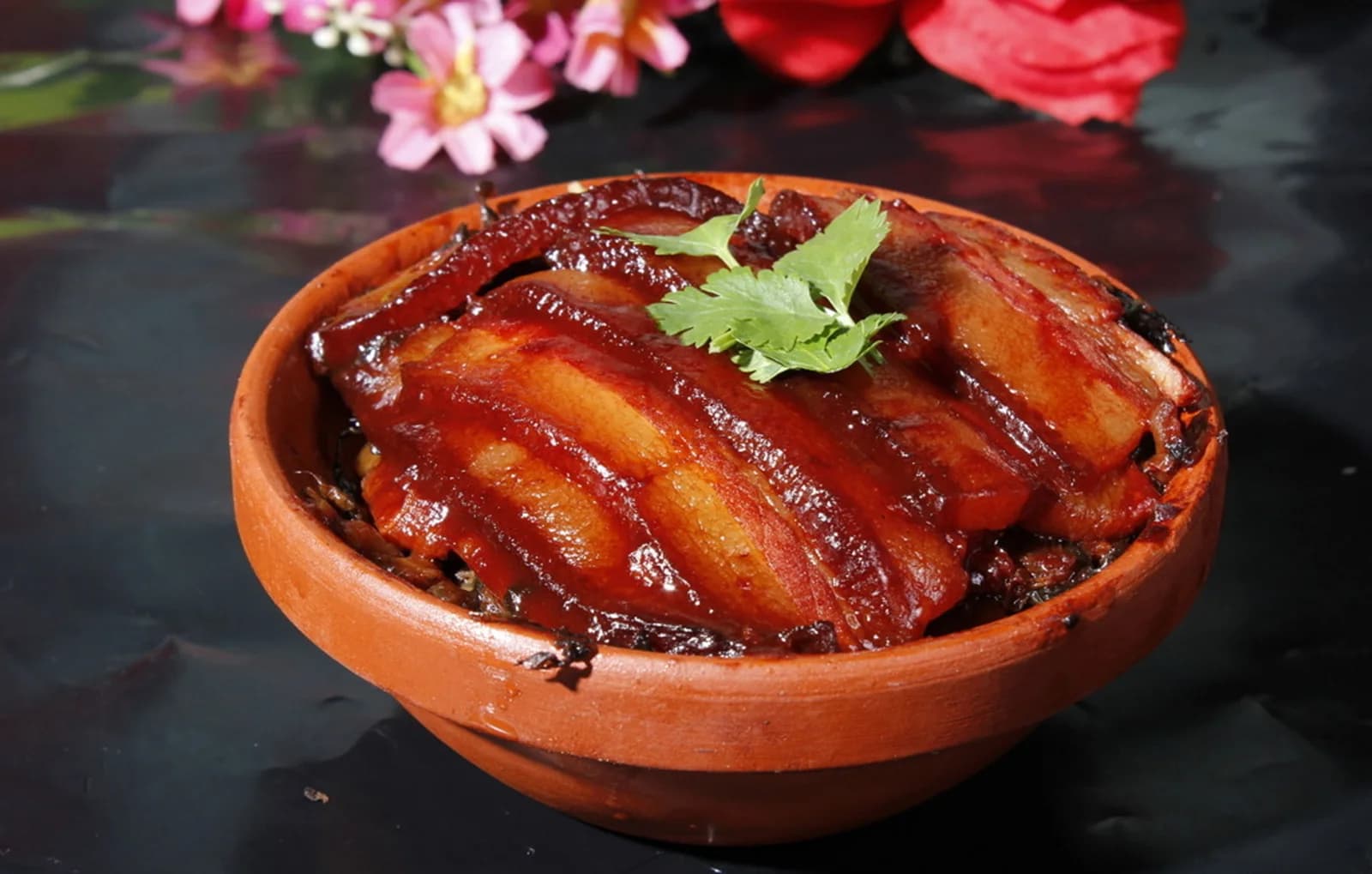
Named dishes with regional and diaspora histories
Chicken, duck, pork and beef dishes placed in their regional or overseas Chinese context.
Explore collection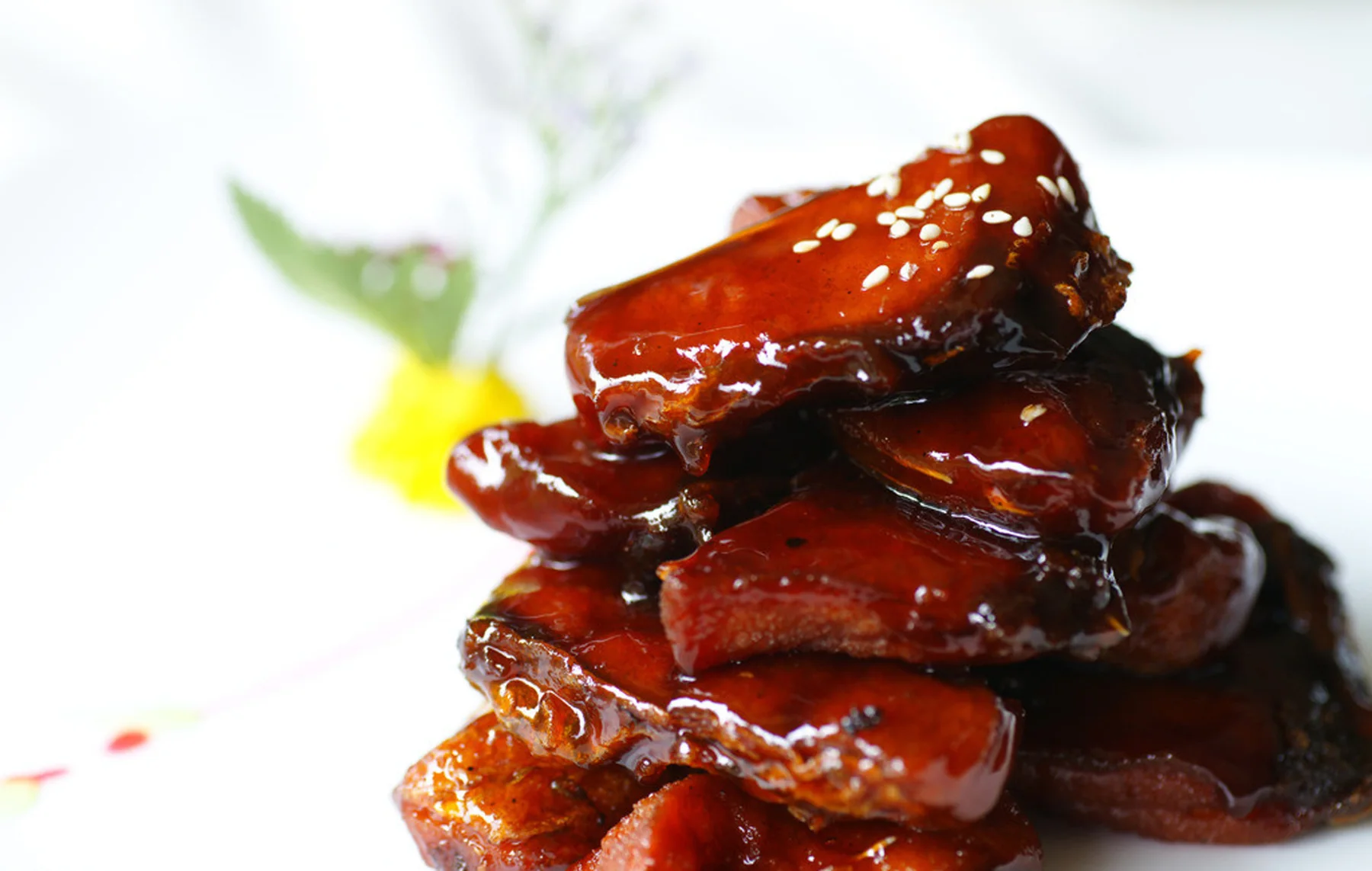
River fish, coastal harvests and banquet symbolism
Steamed fish, shellfish and regional seafood dishes organized by habitat, technique and occasion.
Explore collection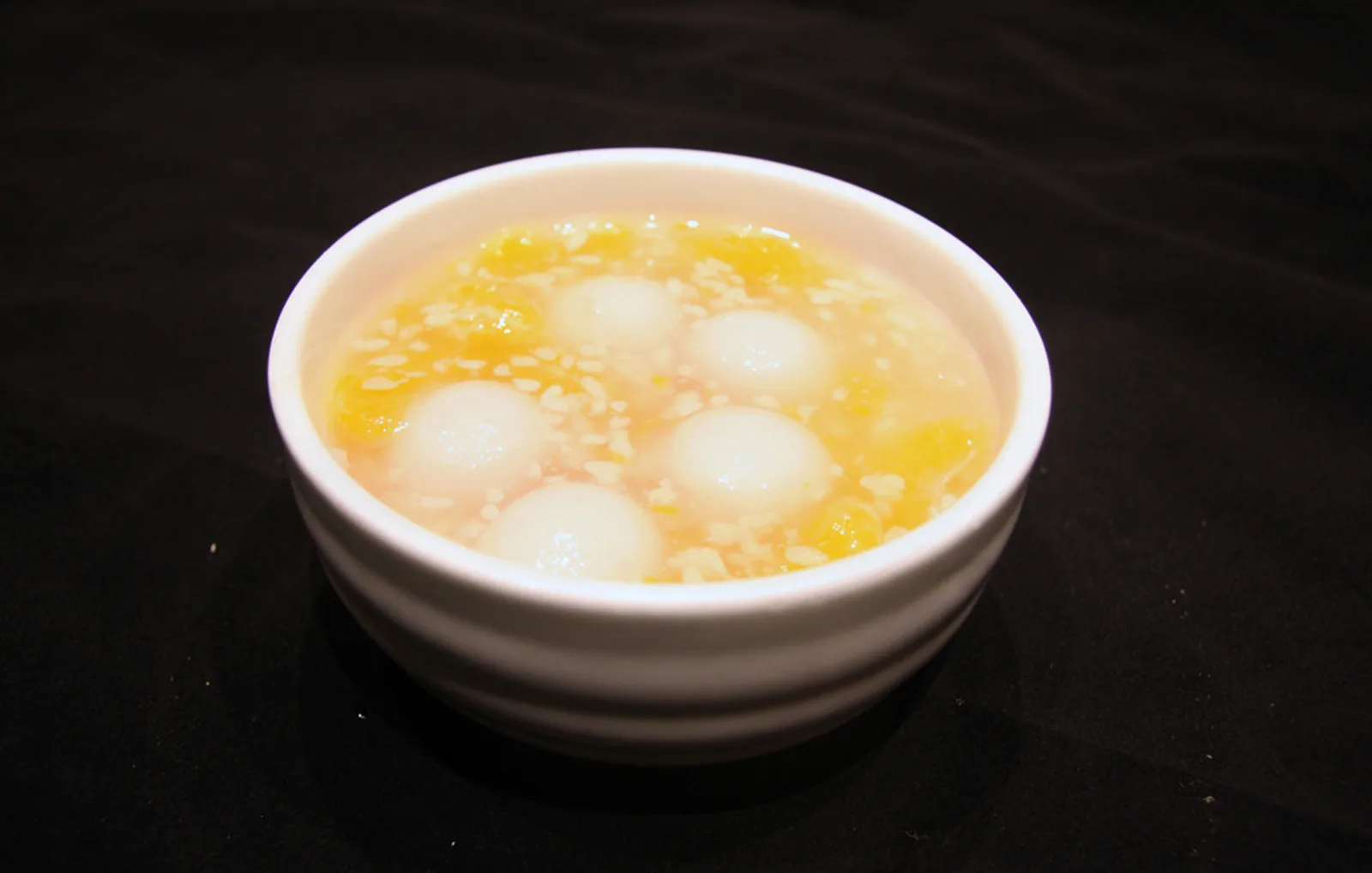
Sweet soups, pastries, rice foods and seasonal treats
Desserts and sweet snacks explained through ingredients, festival calendars and regional taste.
Explore collection11 collections
Provincial labels are useful, but culinary regions cross administrative borders. These guides identify geographic and historical scope rather than presenting a fixed list as the whole story.
Wheat staples, seasonal cooking and the capital table
Beijing, Shandong and neighboring northern foodways explored without reducing the region to dumplings and noodles.
Explore collection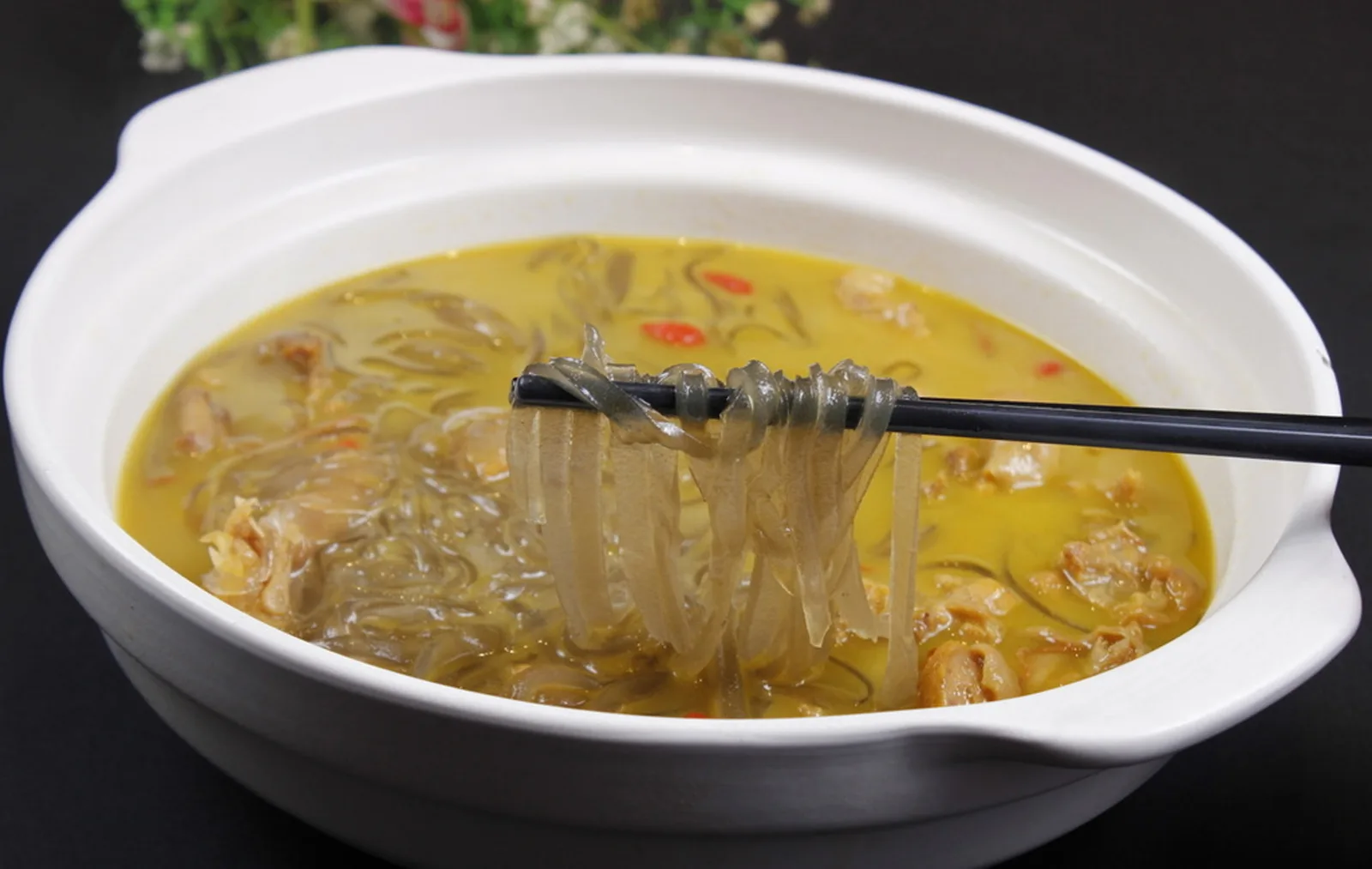
Cold winters, preserved vegetables and generous shared dishes
Liaoning, Jilin and Heilongjiang foodways explored through climate, migration, grains and large-format family cooking.
Explore collection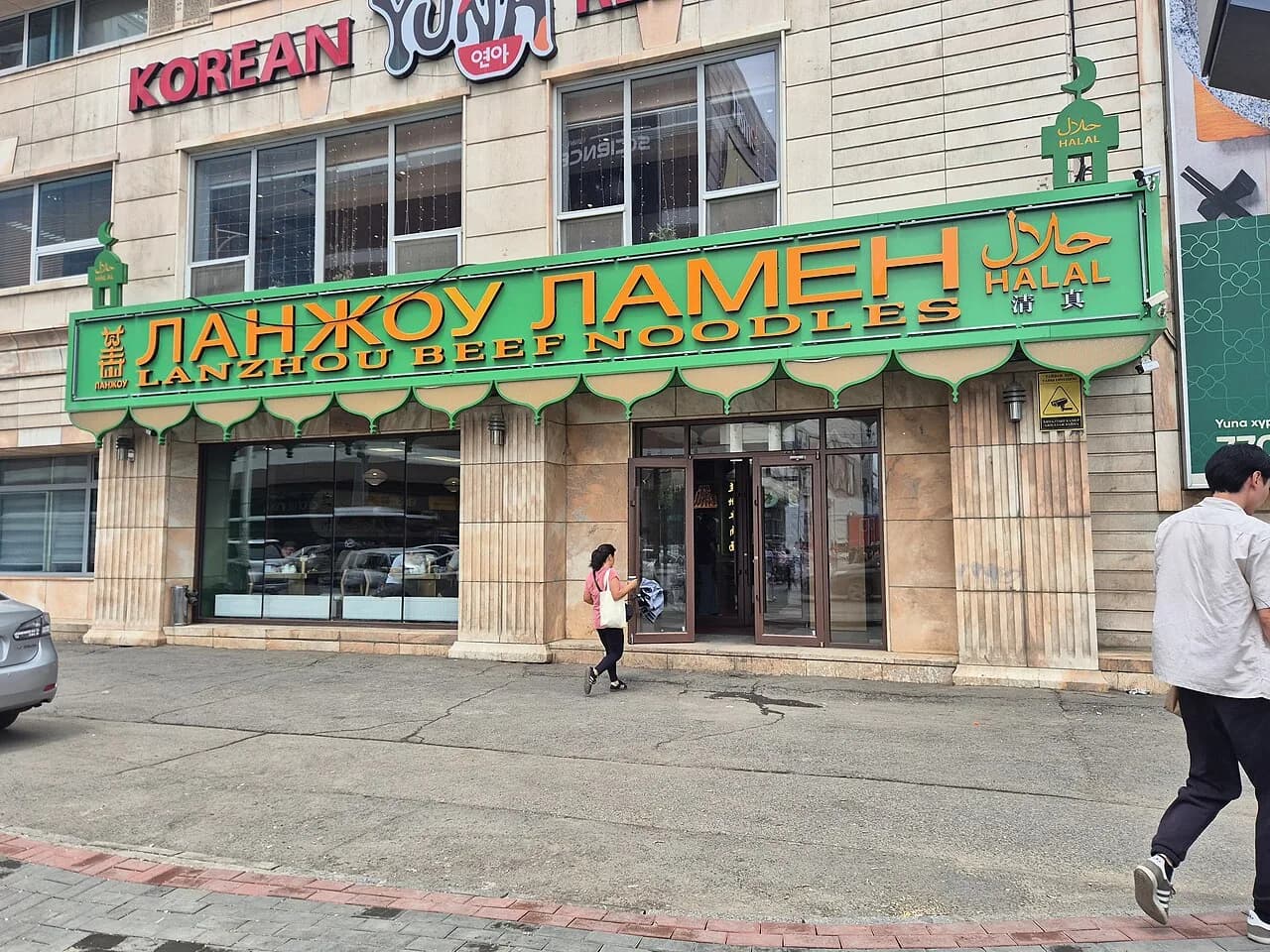
Wheat, pastoral traditions and centuries of exchange
Shaanxi, Gansu, Ningxia and Xinjiang approached through specific places, trade routes and communities.
Explore collection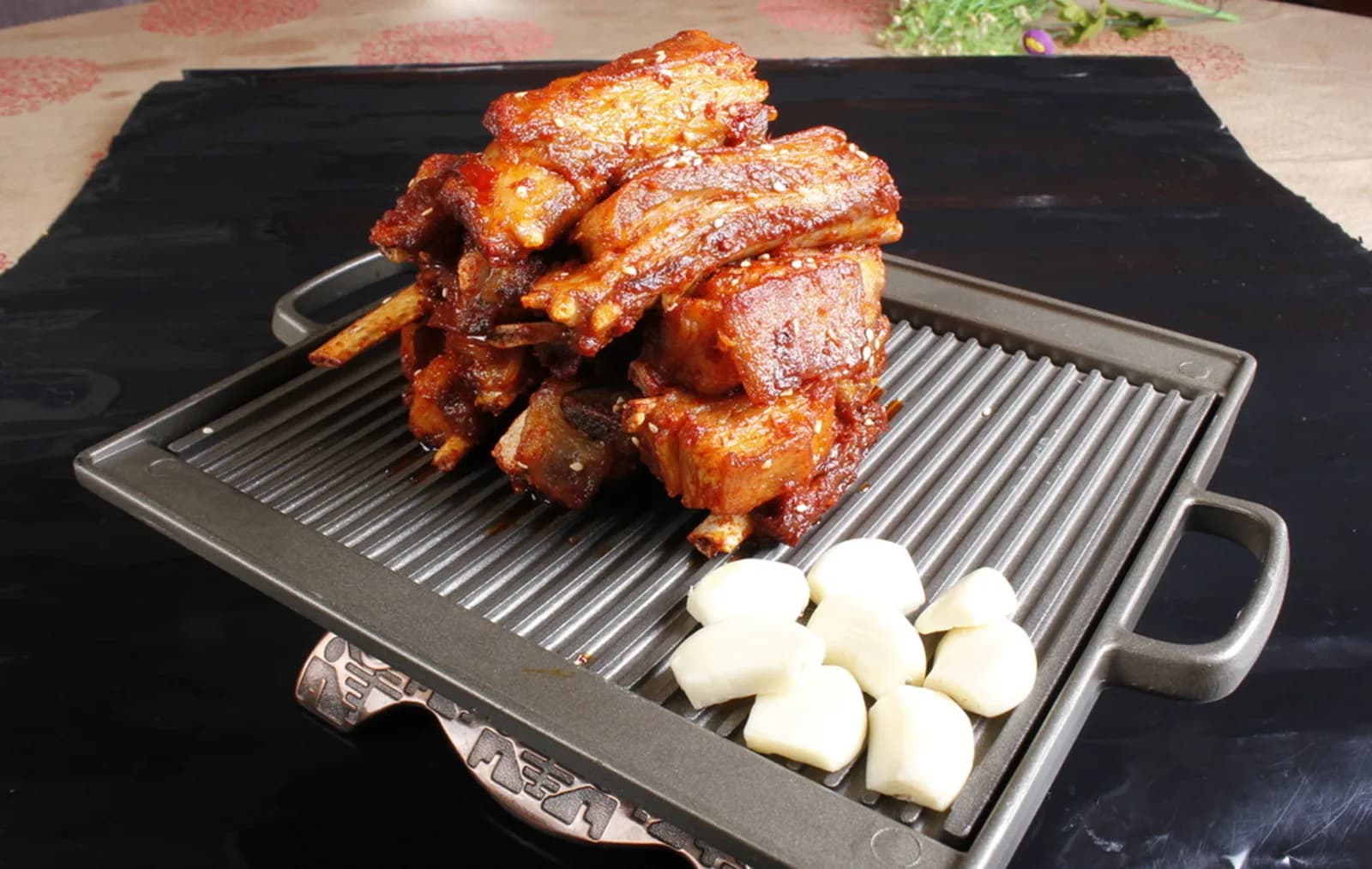
Halal practice, wheat foods and named local communities
Hui Chinese food documented through religious practice, regional diversity and the restaurants and households that sustain it.
Explore collection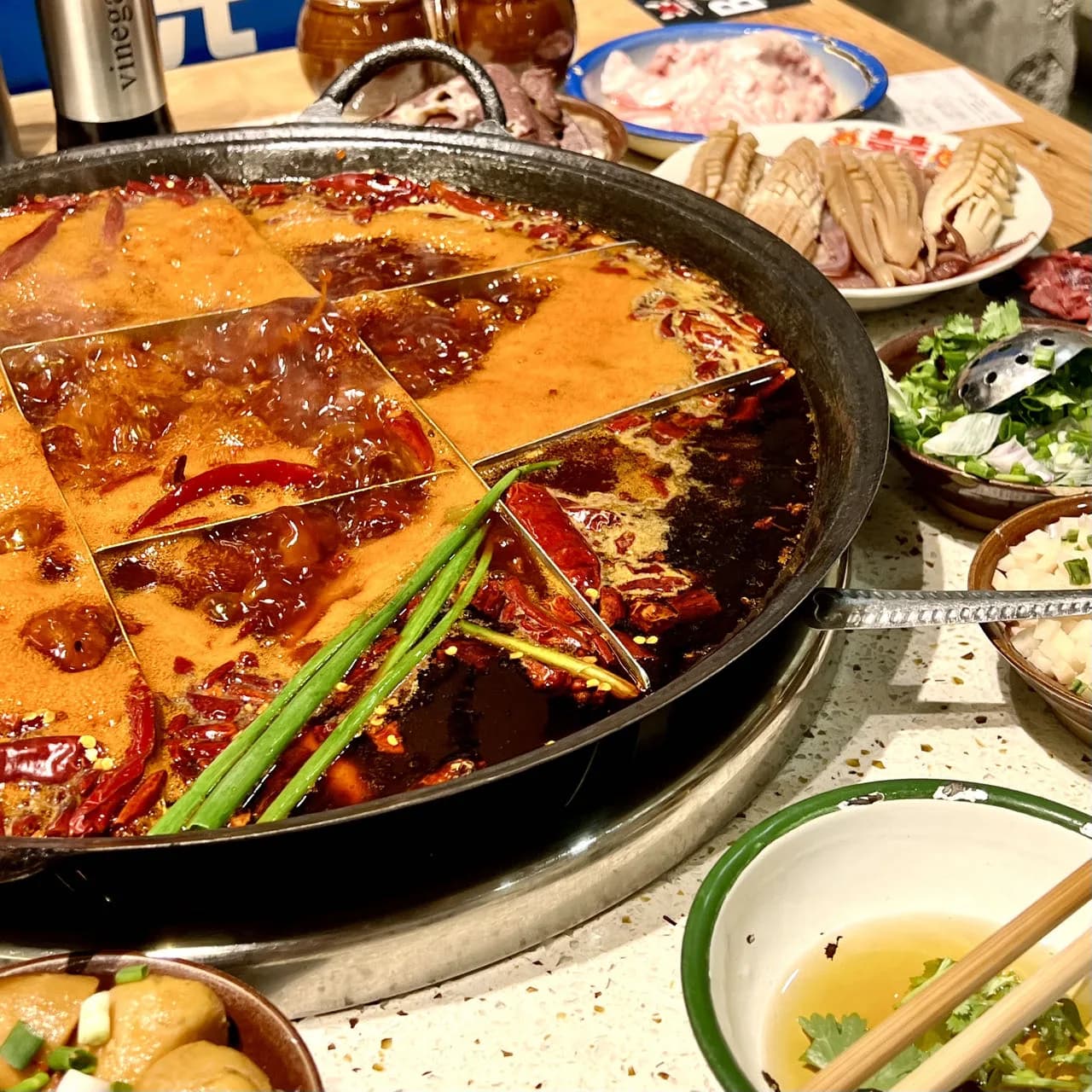
Layered aromas, preserved ingredients and many kinds of heat
Sichuan and Chongqing foodways beyond a single idea of spicy food, with dishes, techniques and local distinctions.
Explore collection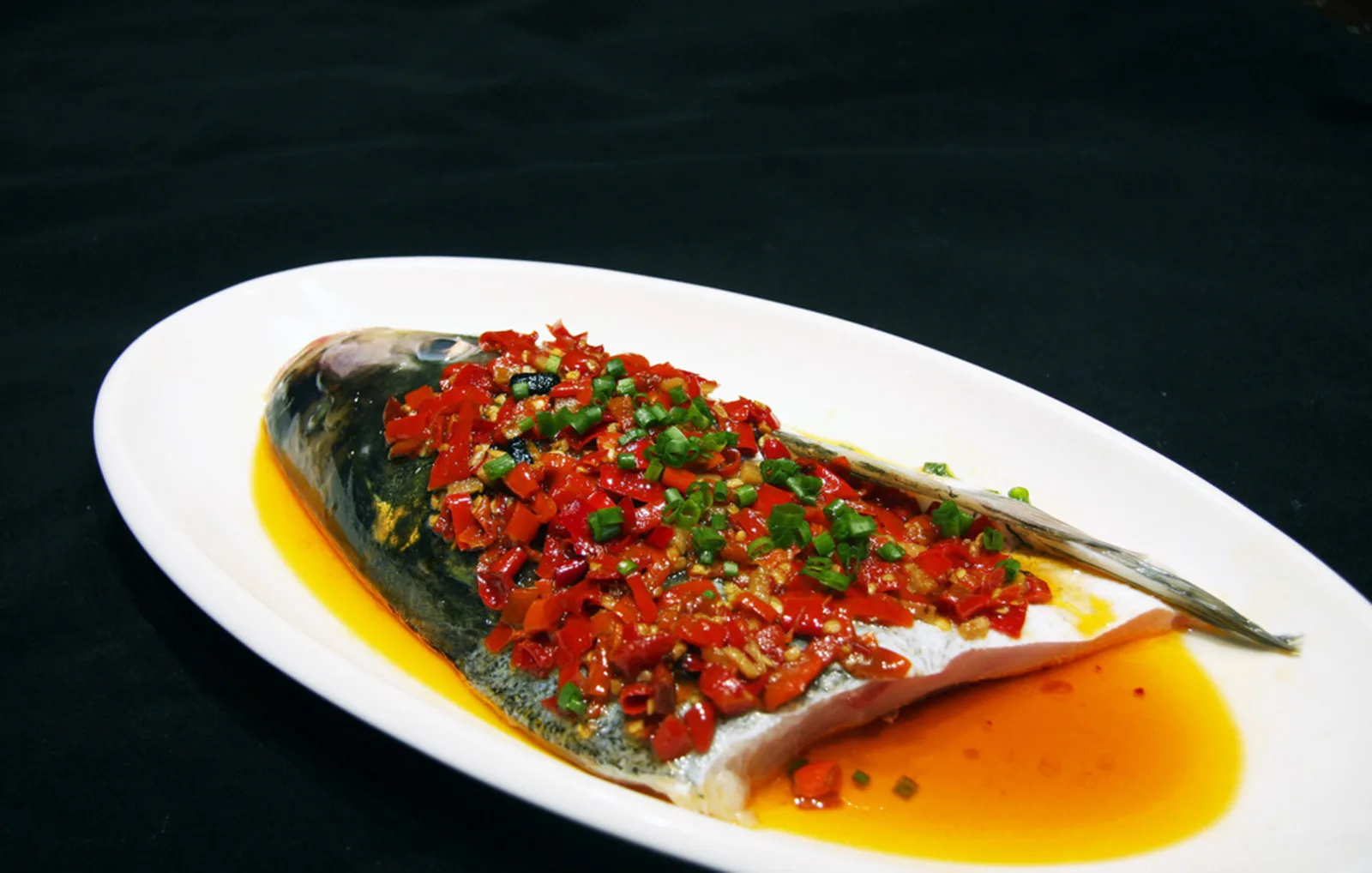
Fresh chilies, smoke, fermentation and mountain produce
Hunan food explained through its subregions, preserved foods and differences from neighboring Sichuan cuisine.
Explore collection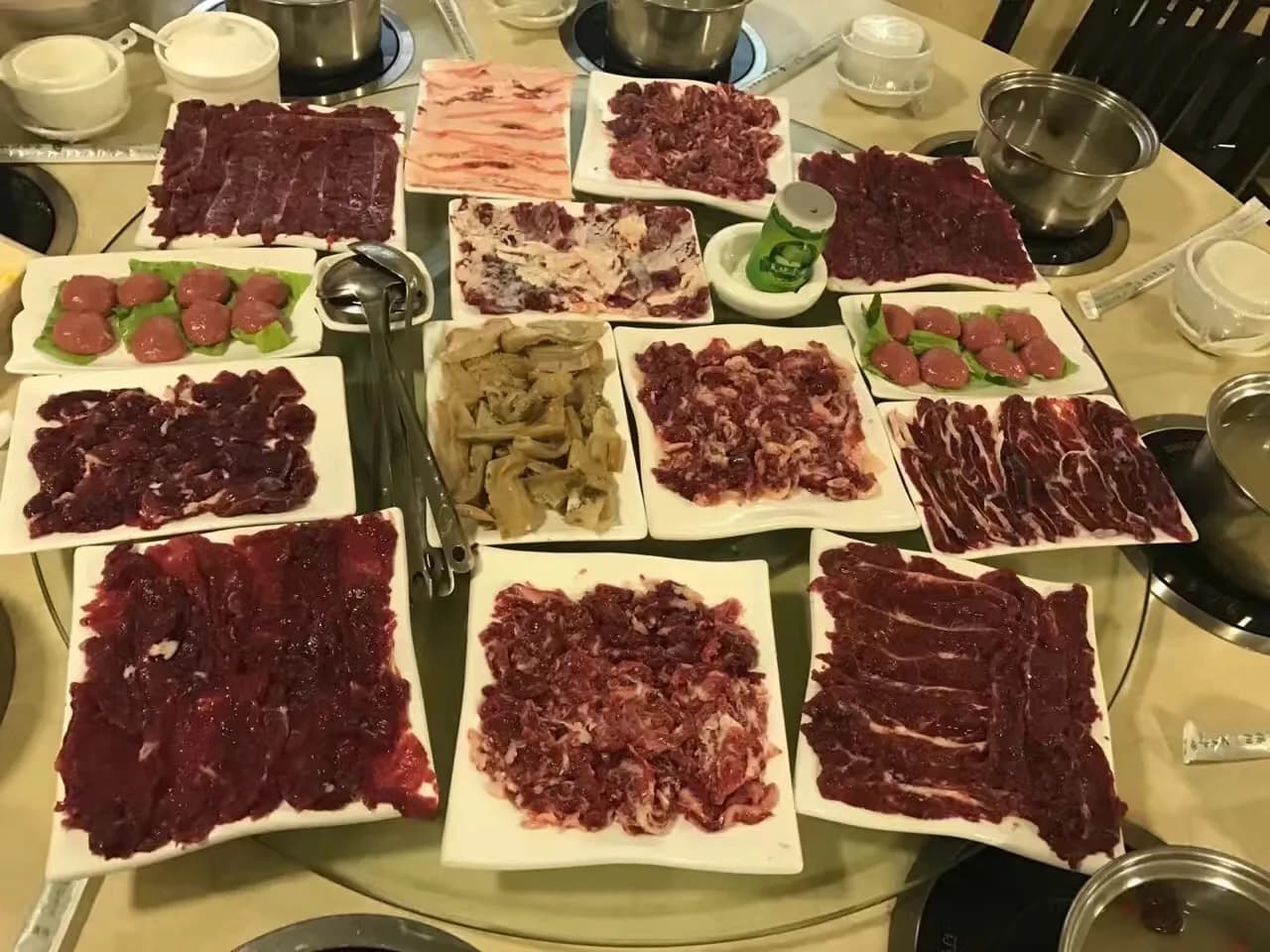
Markets, tea houses, specialist craft and global migration
Guangzhou, Shunde and Hong Kong food cultures explored through their relationships and important local distinctions.
Explore collectionNamed communities, migration and distinct culinary systems
Chaoshan and Hakka foodways presented as related southern traditions with their own languages, places and diaspora histories.
Explore collection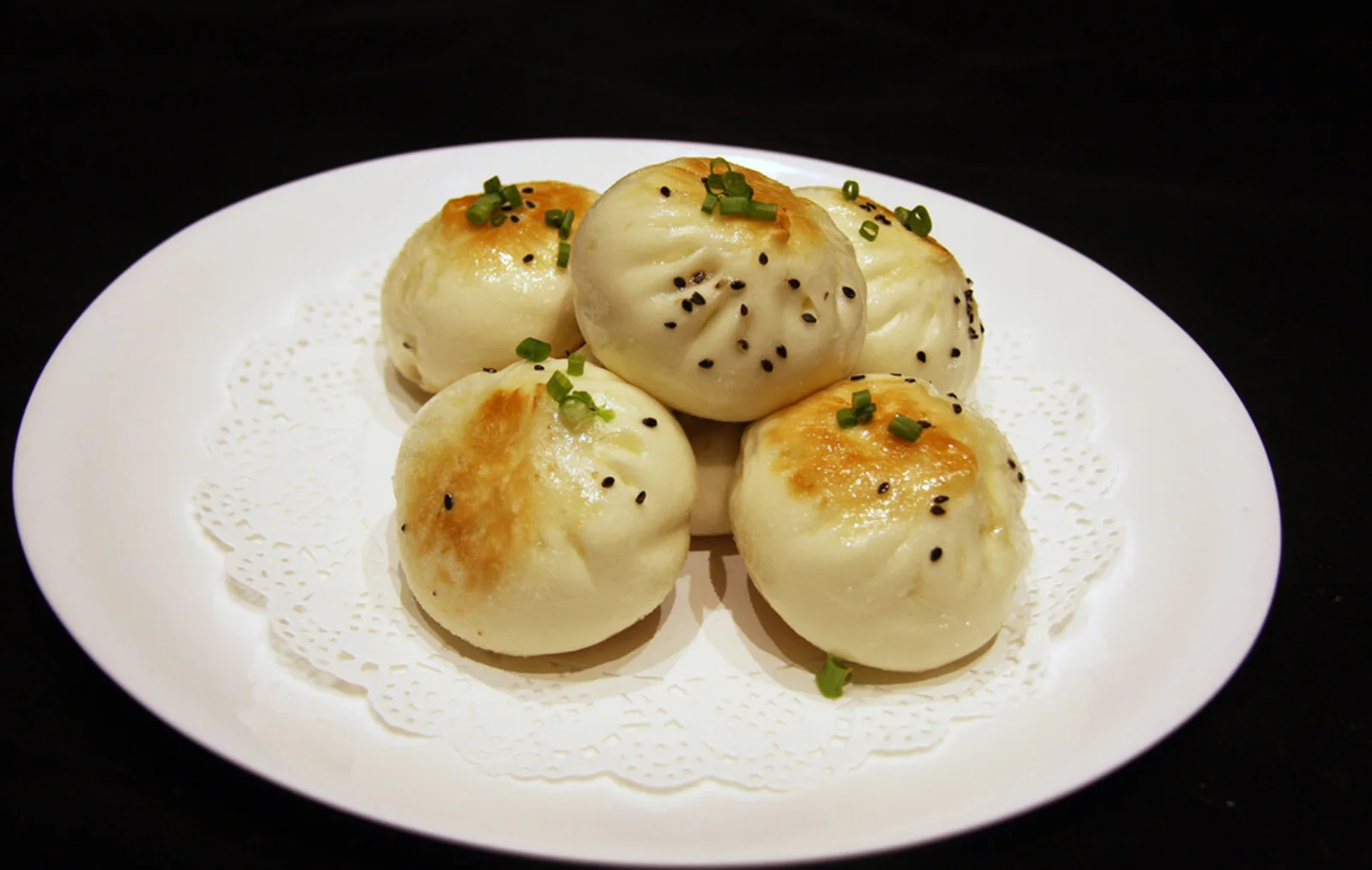
River towns, seasonal produce and refined urban tables
Shanghai, Jiangsu and Zhejiang foodways connected through the lower Yangtze while local distinctions remain clear.
Explore collection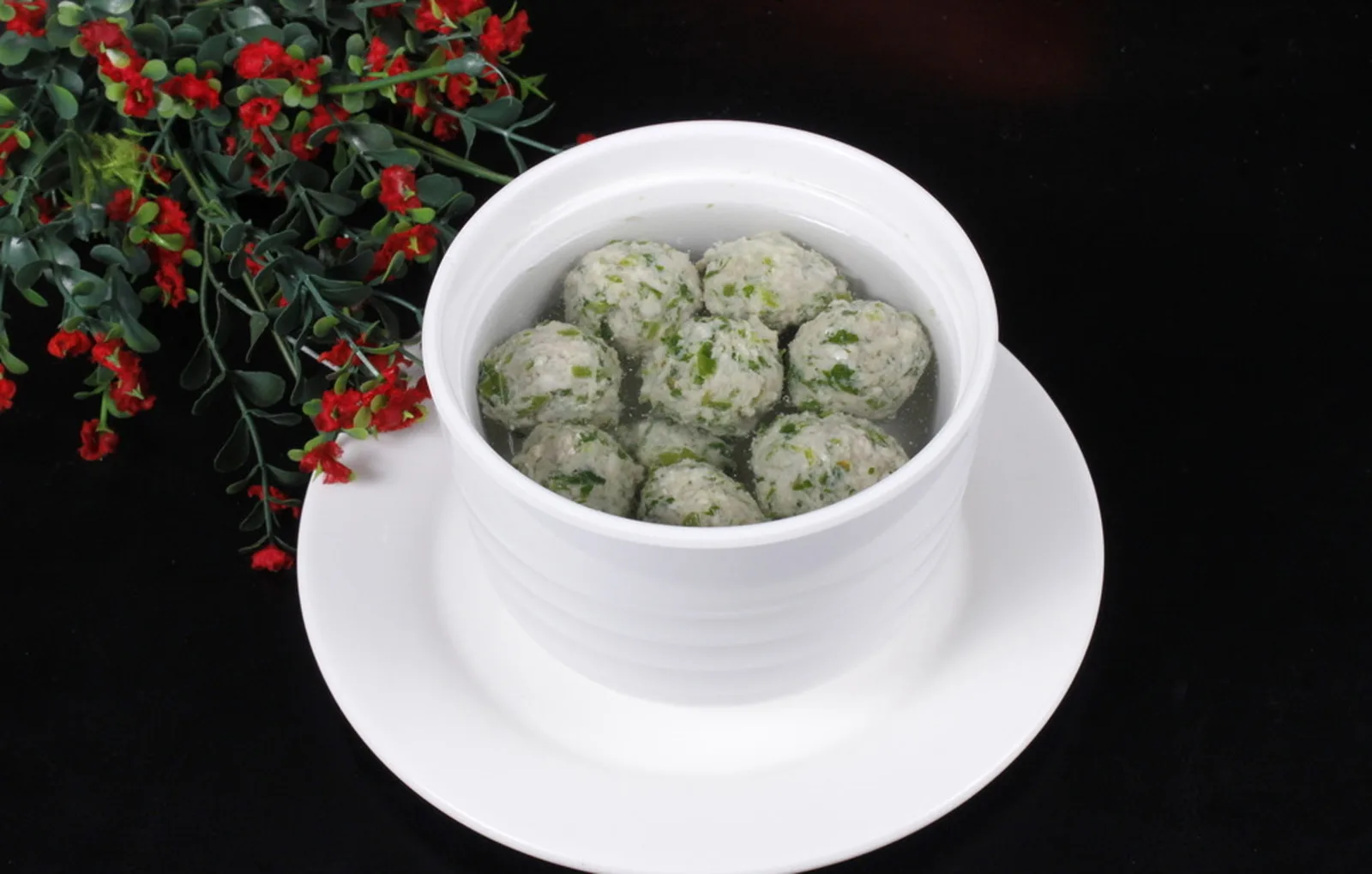
Mountains, sea routes, soups and fermentation
Fujian's regional cuisines explored through coastal and inland ingredients, migration and maritime exchange.
Explore collection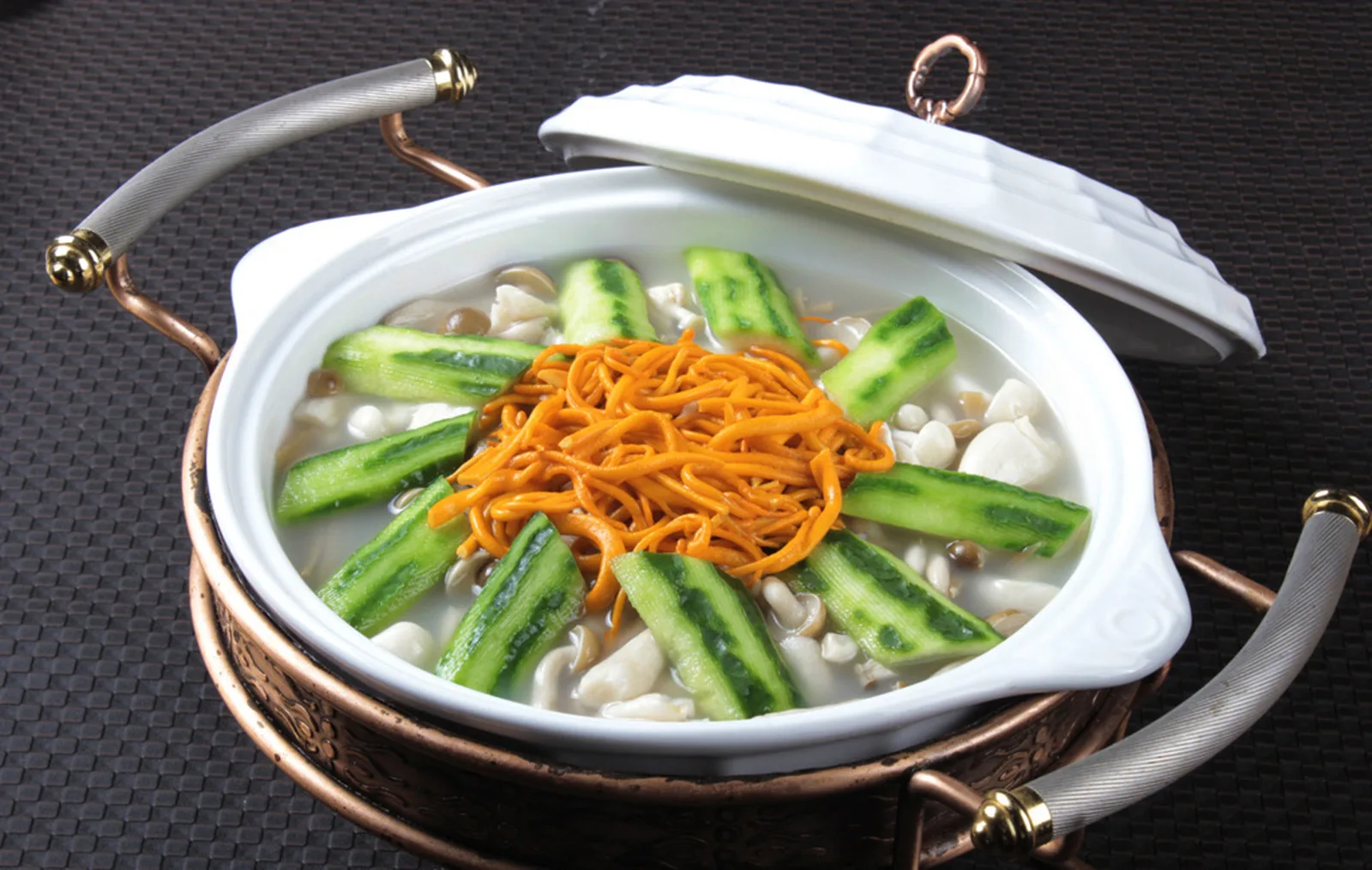
Highlands, biodiversity and many ethnic foodways
Yunnan, Guizhou and neighboring southwestern traditions approached through ecology and named communities.
Explore collection7 collections
Diaspora dishes are not failed copies of food in China. They document migration, exclusion, entrepreneurship, local ingredients and the tastes communities built in new places.
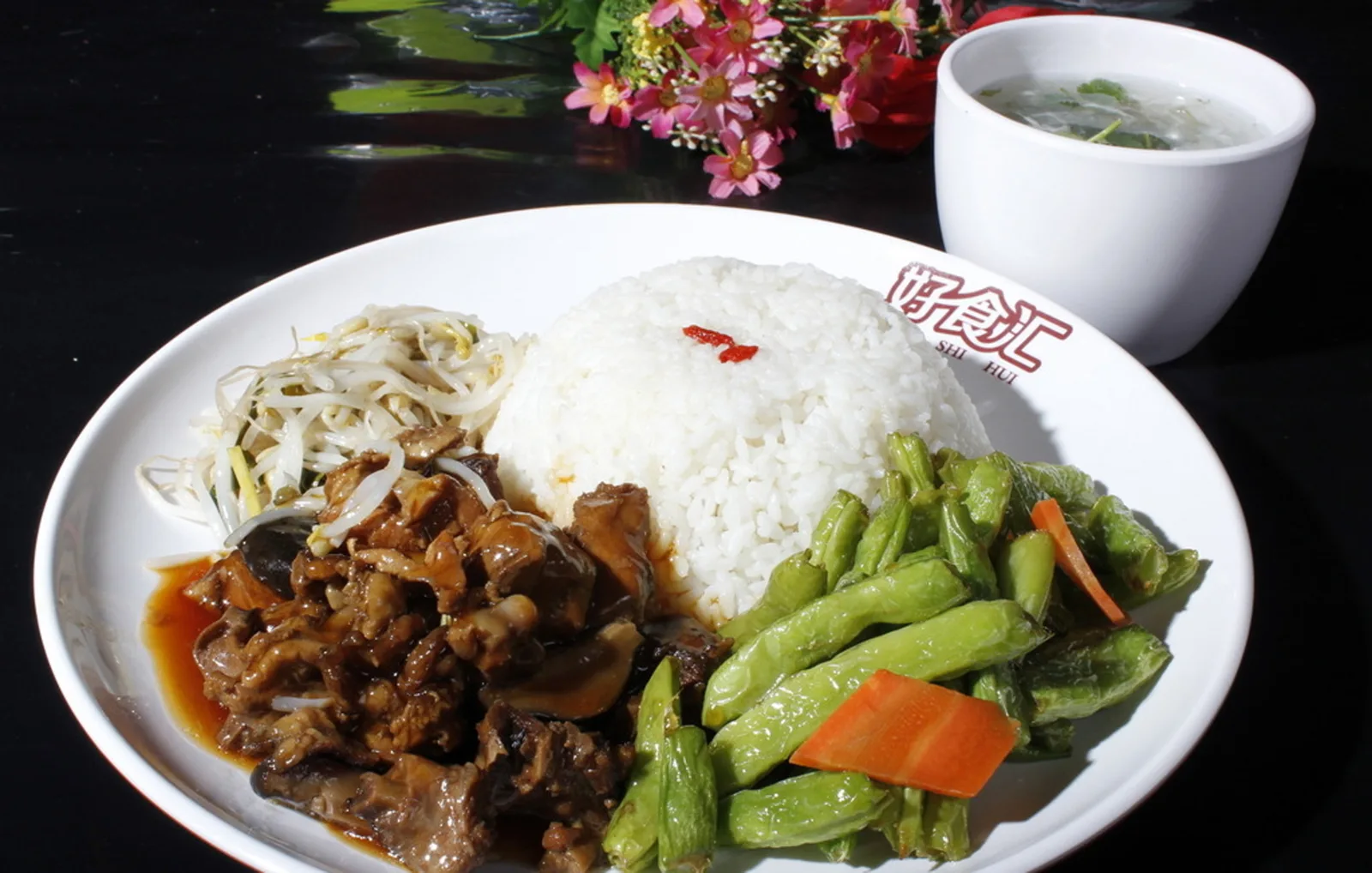
Restaurants, migration and local identities
Chinese American and Canadian Chinese food through migration history, named communities and signature dishes.
Explore collection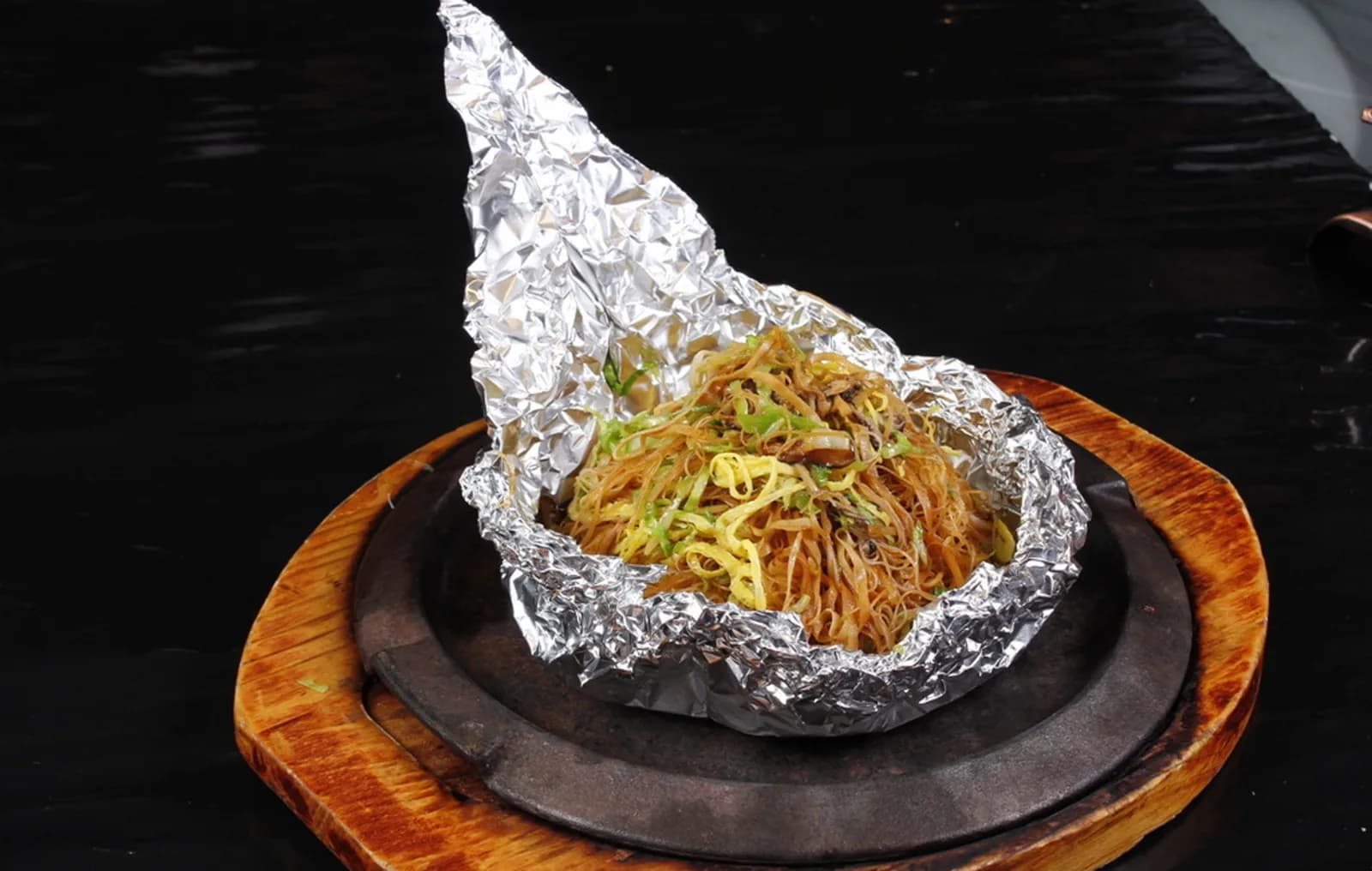
Migration, takeaways and changing national tastes
British and other European Chinese cuisines documented through local communities, restaurant histories and adaptation.
Explore collection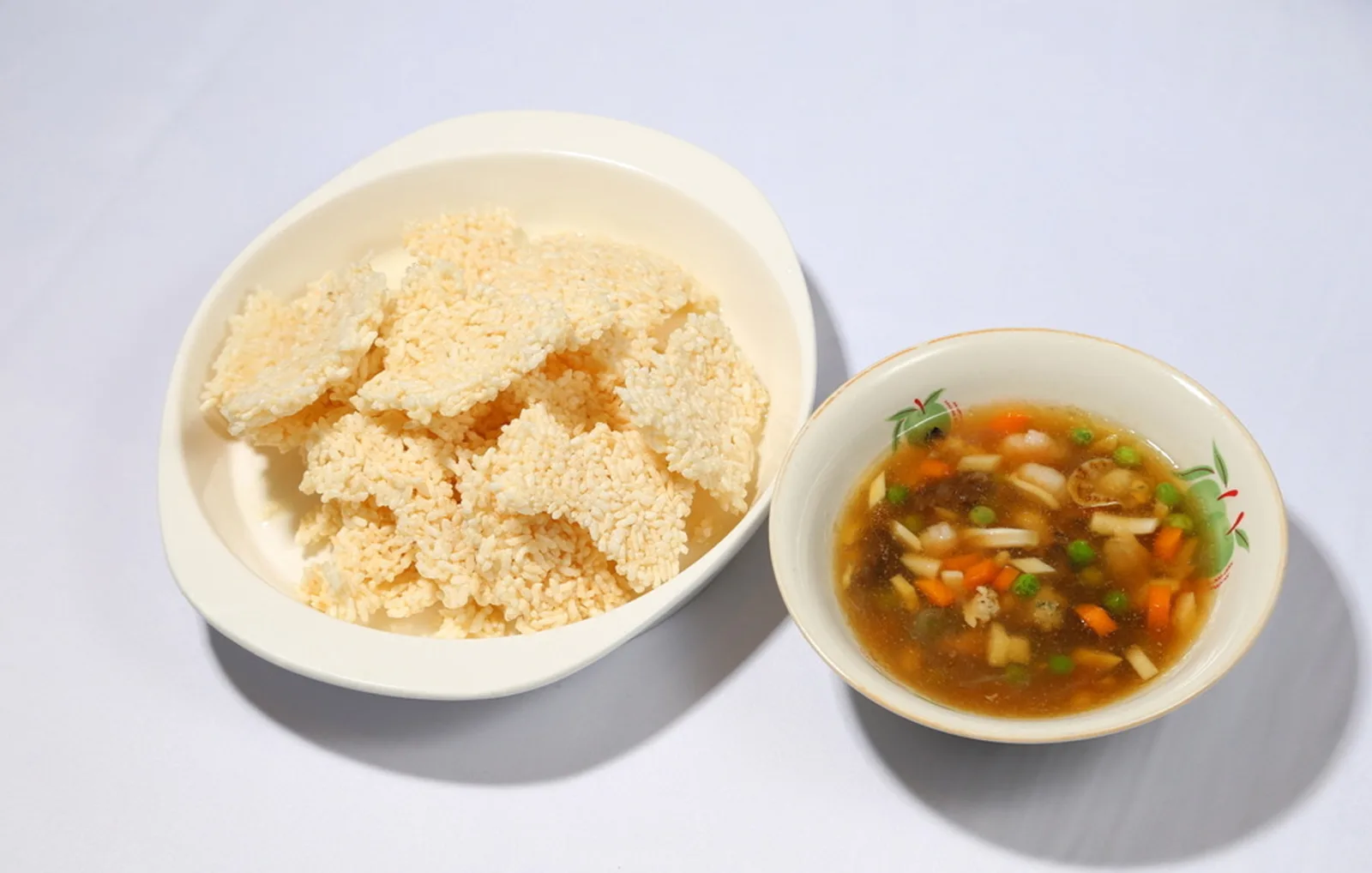
Long-settled communities and intertwined food cultures
Peranakan, Malaysian Chinese, Singaporean Chinese and other foodways treated through their own local histories.
Explore collection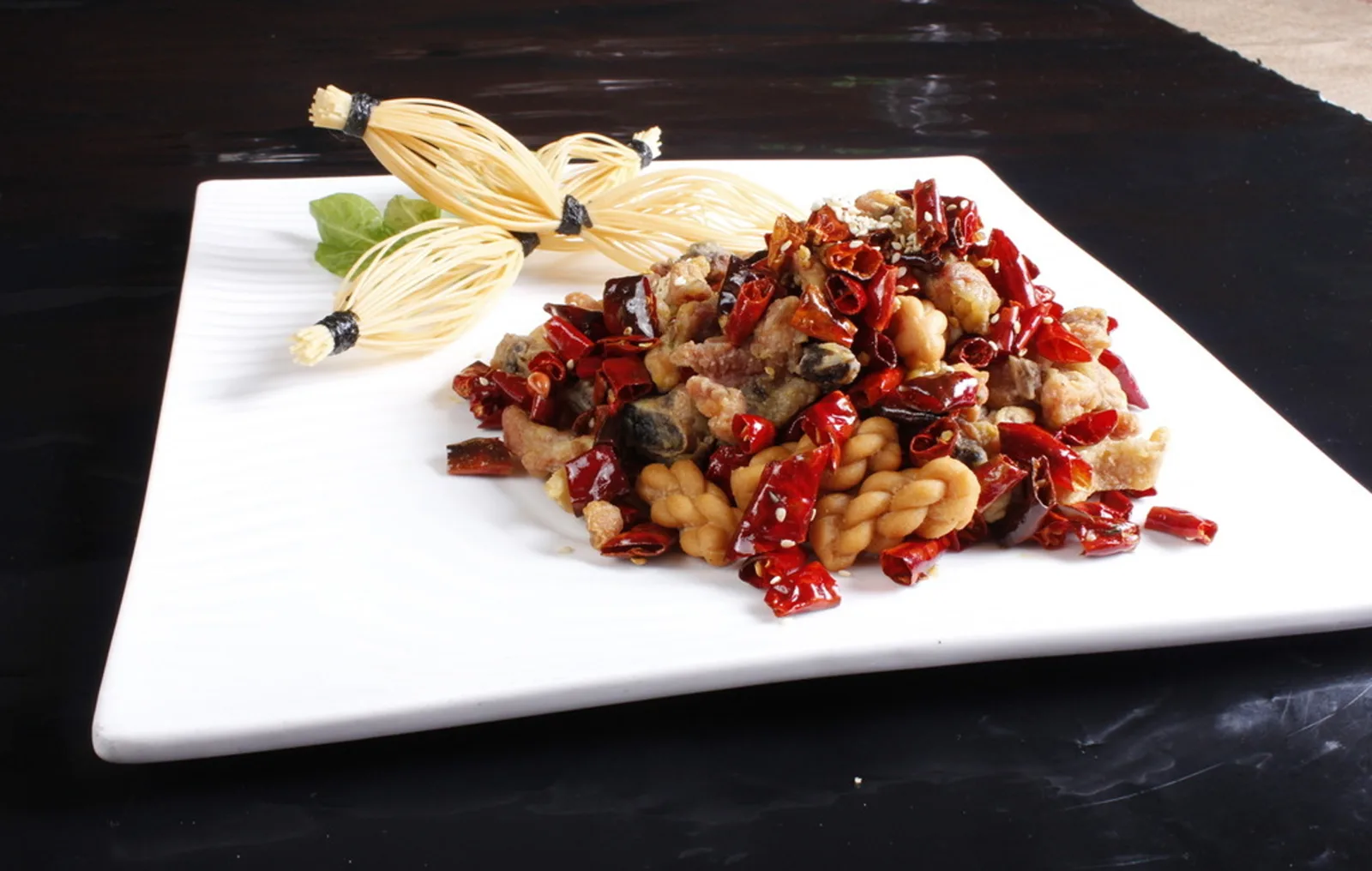
Kolkata Chinese history and Indo-Chinese innovation
Chinese communities and locally created cuisines in India and neighboring South Asian contexts.
Explore collection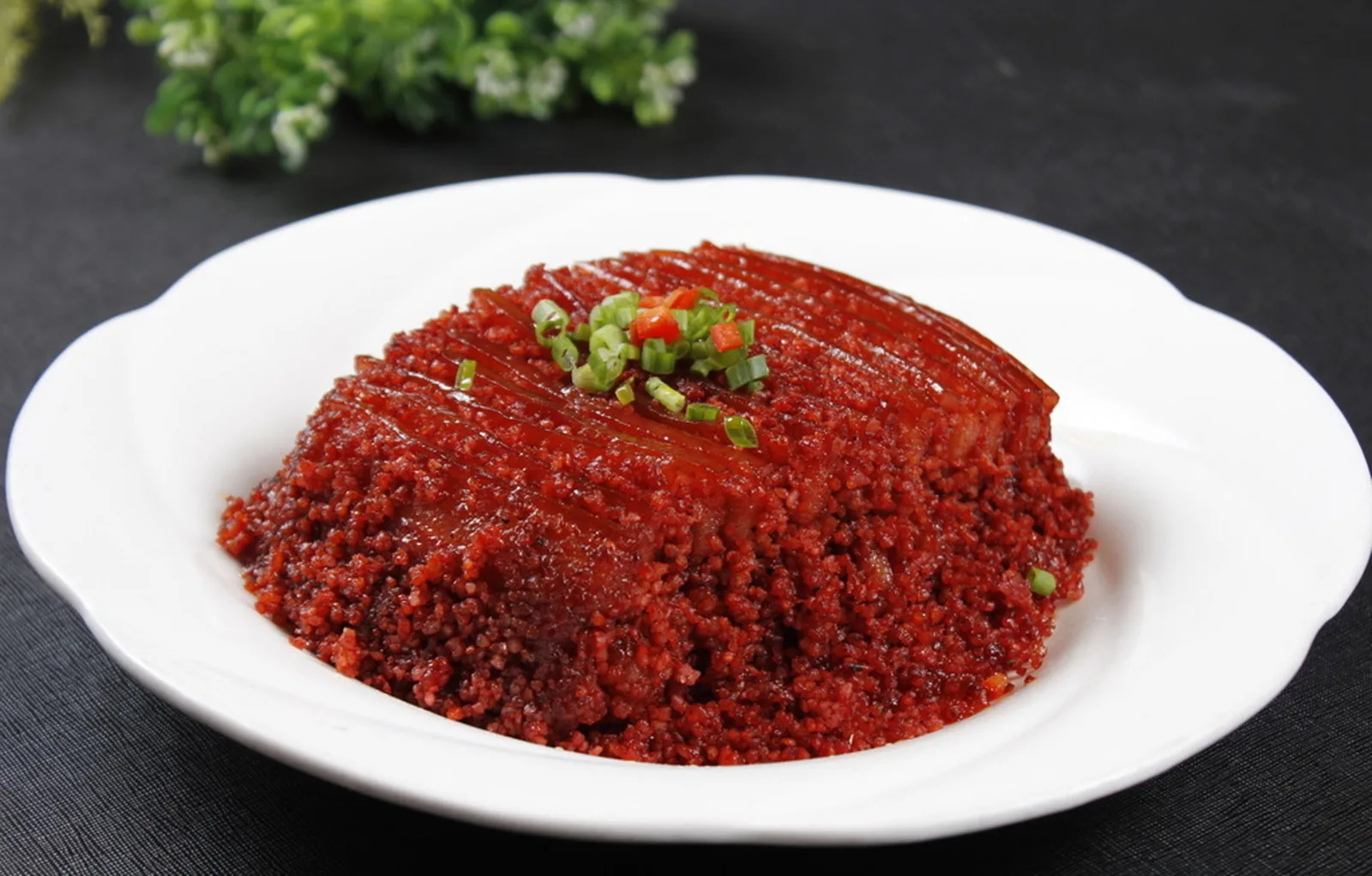
Indenture, migration and distinct island and national cuisines
Guyanese Chinese, Puerto Rican Chinese and related foodways grounded in specific migration histories.
Explore collection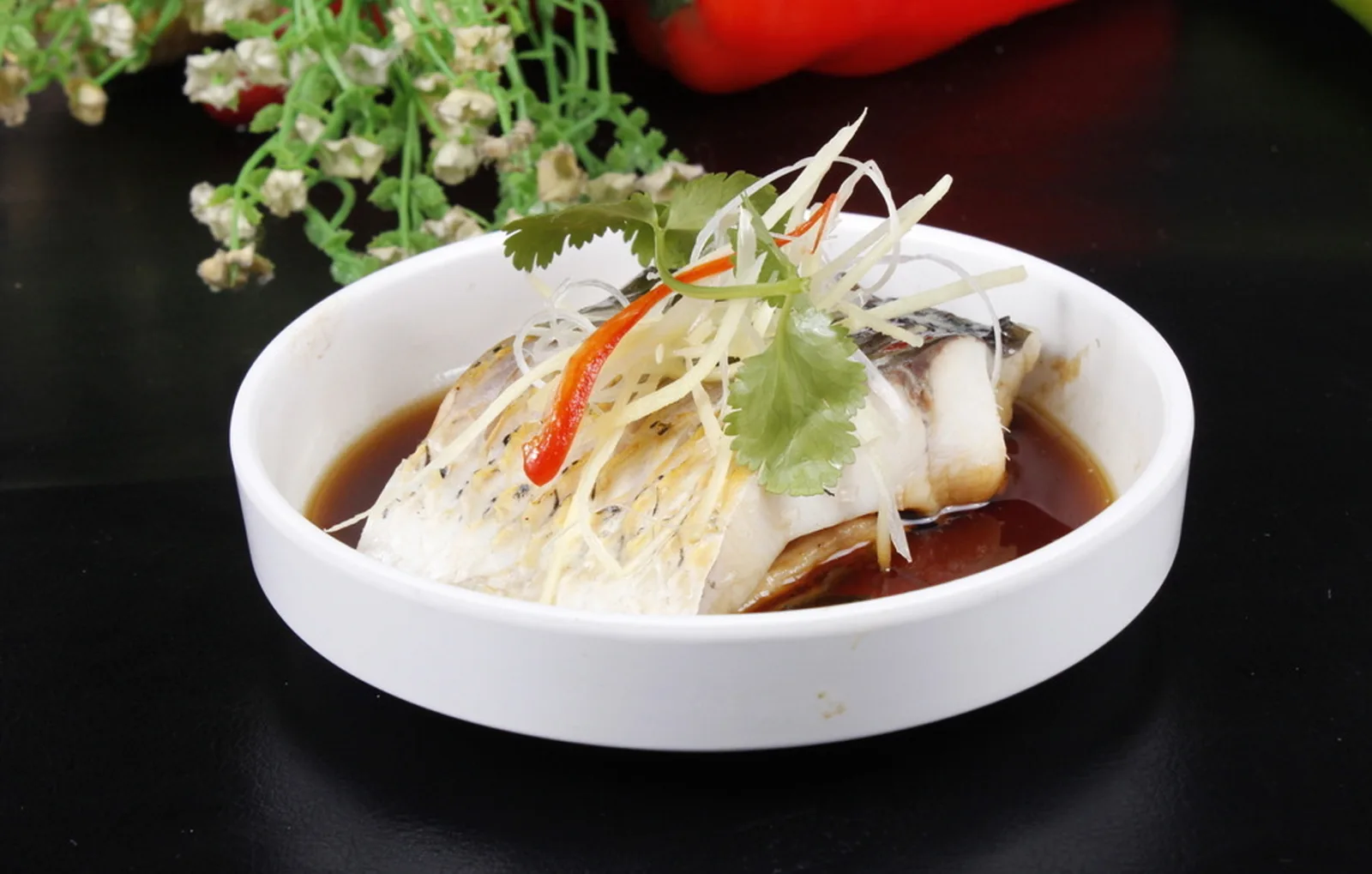
Gold-rush migration, suburban restaurants and new communities
Chinese Australian, New Zealand Chinese and Pacific food histories grounded in particular migration periods and local communities.
Explore collection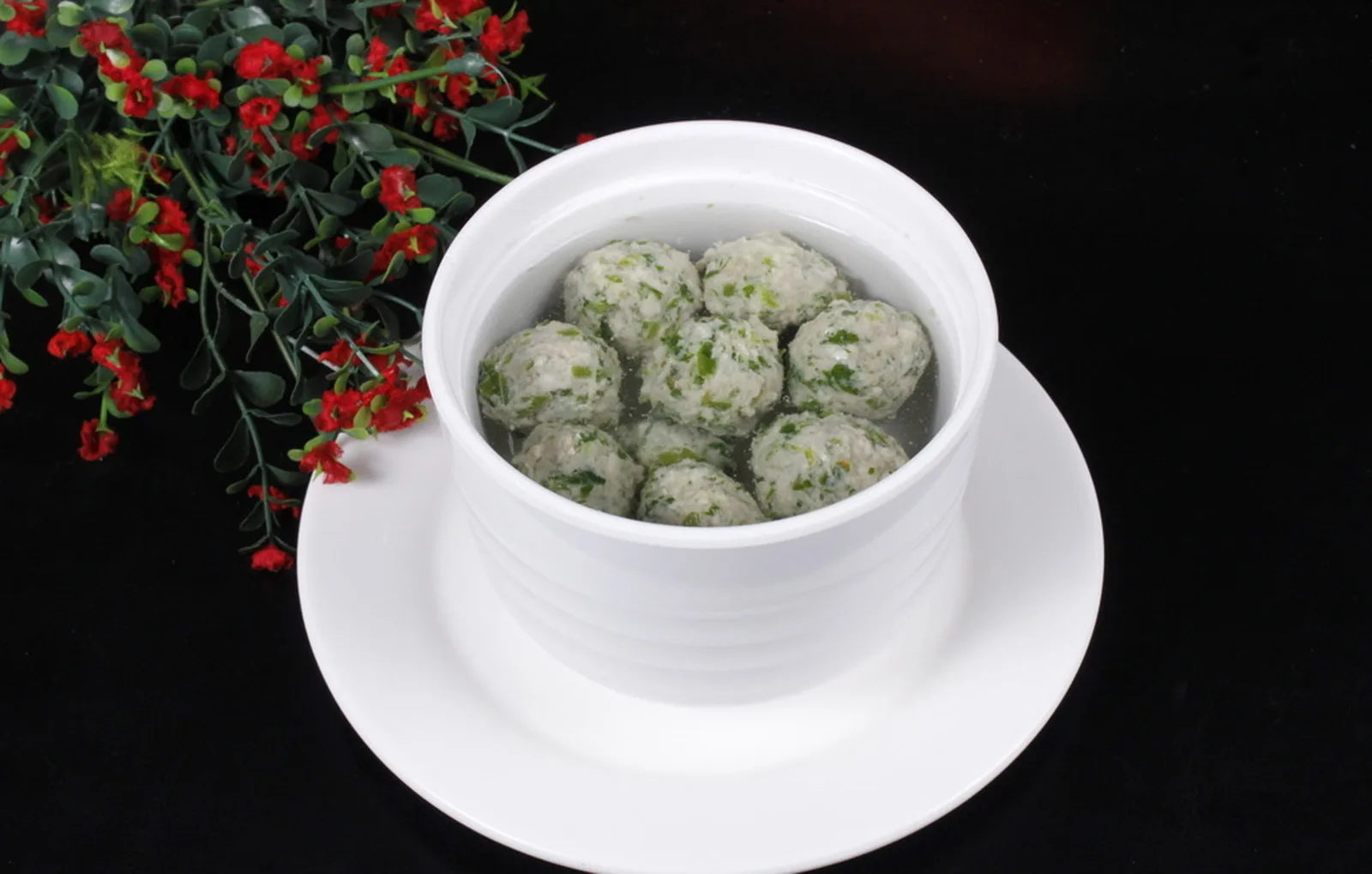
Long-settled communities, recent migration and local exchange
Chinese foodways in African countries approached through named cities, communities and different periods of migration.
Explore collectionExplore Chinese food through regional cuisines, staple grains, famous dishes, cooking techniques, shared meals and the diaspora traditions still changing today.
Chinese food is not one cuisine but a living network of regional, household and diaspora foodways. Climate, grain, trade, migration, religion, season and family memory all shape what reaches the table. Dumplings, noodles and hot pot are useful beginnings, but no greatest-hits list can contain the whole story.
The easiest way to misunderstand Chinese food is to rank ten famous dishes and call the work complete. A list can help someone order dinner, but it cannot explain why the dishes belong together, why a cook chooses one technique over another, or why the same name changes when it crosses a provincial border.
After forty years of eating in China, I find the singular phrase “Chinese food” both necessary and slightly comic. It behaves like the word music: everyone recognizes it until somebody asks which place, which century and whose hands.
A family table may hold a braised dish, something crisp, a quick green vegetable, soup and rice. A commuter may eat one bowl of noodles without sharing anything. A banquet has another rhythm; breakfast has another economy. Culture lives in all of them, especially in the meals too ordinary to be photographed.
China's food geography is too intricate for a clean north-south line, yet landscape leaves fingerprints. Wheat is deeply important across much of the north and northwest, becoming noodles, dumplings, buns and flatbreads. Rice is central to many southern food systems, appearing as grain, congee, noodles, cakes, wrappers and fermented preparations.
Coasts create intimate relationships with fish and shellfish. River systems shape markets and seasonal eating. Cold winters encourage preservation and generous stews. Humid mountains support mushrooms, herbs and fermentation. Trade routes bring ingredients and techniques into conversation long before anyone calls the result fusion.
| Regional lens | Foods and habits that help orient a new reader | What a short label misses |
|---|---|---|
| North and northeast | Wheat noodles, dumplings, buns, pancakes, cabbage, stews | Manchu, Korean Chinese, Hui and many local traditions differ |
| Jiangnan and the lower Yangtze | Rice, river foods, bamboo shoots, soy-rich braises, seasonal delicacy | Shanghai, Jiangsu and Zhejiang are related but not interchangeable |
| Sichuan and Chongqing | Chili, Sichuan pepper, fermented pastes, layered aromas, hot pot | The cuisine contains far more than heat |
| Guangdong and the southeast coast | Dim sum, roast meats, seafood, clear flavors, slow soups | Cantonese, Chaoshan, Hakka and Fujian systems need separate attention |
| Northwest | Wheat, lamb and beef, cumin, noodles, breads, halal foodways | Geography and religious community overlap without being identical |
| Southwest and highland regions | Mushrooms, herbs, sour flavors, preserved foods, biodiversity | Yunnan and Guizhou contain many distinct ethnic and local cuisines |
The “eight great cuisines” framework remains a useful historical map of influential elite and regional traditions. It is not a census of everything Chinese people cook.
Rice and wheat are often introduced as rivals. At the table they are closer to grammar: they organize appetite so the other ingredients can speak.
Chinese noodles may be pulled, cut, shaved, extruded or made from rice and other starches. Chinese dumplings change with wrapper, filling, shape and cooking method. Baozi brings fermentation and steam into the story, creating a warm, portable meal that belongs as naturally to a morning street as to a family kitchen.
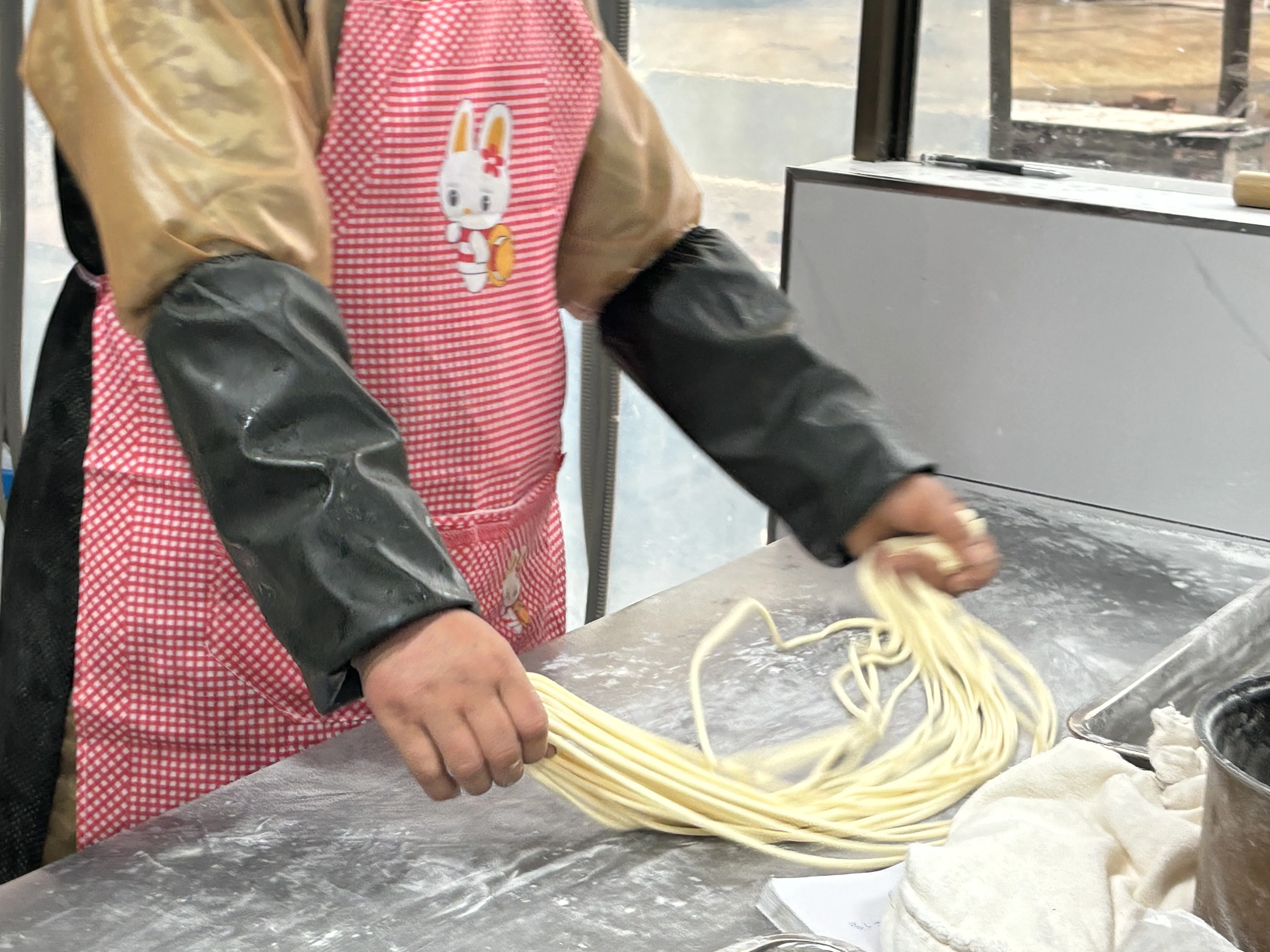
The hand matters. A dough tells the cook whether it has rested enough. A wrapper becomes thin at the edge and stronger at the center. These judgments are knowledge, even when nobody writes them down.
Stir-frying became a global shorthand for Chinese cooking, but the kitchen is much larger. Steaming protects delicacy. Braising lets time enter sauce. Roasting builds crisp skin. Fermentation turns beans, grain and vegetables into durable flavor. Pickling, smoking, deep-frying, simmering and red-cooking each solve different problems.
| Technique | What it does well | Foods that reveal it |
|---|---|---|
| Stir-frying | Uses intense heat and short timing to preserve texture | Greens, sliced meats, noodles and quick home dishes |
| Steaming | Cooks gently while preserving moisture and shape | Fish, buns, dumplings, eggs and rice-flour foods |
| Braising | Moves flavor slowly into sturdy ingredients | Red-braised pork, beef, tofu and whole poultry |
| Roasting | Develops browned surfaces, rendered fat and crisp skin | Cantonese roast meats and Peking duck traditions |
| Fermentation and preservation | Extends seasons and builds concentrated flavor | Soy products, pickled vegetables, bean pastes and cured foods |
The wok deserves admiration, but so do steamers, clay pots, cleavers, grills, fermentation jars and the battered saucepan that quietly cooks the family's soup.
Many overseas menus present dishes as isolated products. At a shared Chinese table, meaning often appears between them. A rich braise asks for a clear vegetable. A crisp dish interrupts something soft. Soup changes the pace. Rice gives the meal a center of gravity.
People notice what others are reaching for. A host may turn a plate, refill a bowl or insist that the guest take the last good piece. These gestures can be generous, comic, overwhelming or affectionate depending on the people involved. Food etiquette is lived negotiation, not a frozen ceremony.
Chinese hot pot turns dinner into a shared sequence: broth boils, ingredients arrive in rounds and conversation develops between them. Yet Chongqing red broth, Beijing mutton hot pot and Chaoshan beef hot pot follow different regional logics.
Chinese street food reveals another side of the culture. Jianbing folded at dawn, roujiamo filled for a quick lunch and skewers eaten after dark belong to working hours, city movement and neighborhood memory. Calling them snacks can make them sound less important than the elaborate foods served under chandeliers. Often they tell us more.
Sichuan food is frequently reduced to spicy. Cantonese food becomes delicate. Shanghai food becomes sweet. Northern food becomes heavy. These descriptions contain fragments of truth and then become walls.
Our Shanghai food guide begins with red braising, smoked fish, kaofu and shengjian, but it also follows seasonal vegetables, freshwater ingredients and an urban cuisine shaped by migration. The same patience is required everywhere: name the place, identify the technique and allow a cuisine to contain contradiction.
The growing regional collection now includes Beijing food through wheat, mutton and capital-city migration; Hunan cuisine through chili, smoke and preservation; and Fujian cuisine through seafood, broth and maritime exchange. These are not four competing representatives of China. They are four different ways a landscape becomes dinner.
Chinese American food, British Chinese takeaways, Indo-Chinese cooking, Peranakan traditions and Chinese foodways across Latin America, Africa and Oceania grew from specific histories. Cooks worked with available ingredients, customer expectations, exclusion, entrepreneurship and memory.
Adaptation is not automatically loss. A dish can change and remain culturally meaningful. The better question is: authentic to which community, place and moment?
That distinction also protects food in China from being imagined as motionless. Tomatoes, chilies, peanuts, sweet potatoes and corn all entered Chinese kitchens through earlier global exchange. Tradition has always known how to absorb a new ingredient and make it answer local needs.
Learn the regional or community name when possible. Ask what an English translation leaves out. Notice texture, sequence and season before deciding whether something is strange. Credit cooks and communities instead of presenting culinary knowledge as anonymous folklore.
Most importantly, let ordinary food remain important. The bowl eaten before work, the vegetable cooked because it is fresh and the noodles made without ceremony carry culture through repetition. A recipe survives because somebody still knows how the dough should feel and somebody else still wants to eat it.
Chinese food is the collective name for many regional, household and diaspora food traditions connected to China and Chinese communities worldwide. It includes different staple grains, cooking techniques, flavor systems, religious practices and ways of organizing a meal rather than one uniform national menu.
A useful introduction separates Chinese food by regional cuisine, dish family, everyday or festival use, cooking technique and diaspora history. The familiar eight-cuisine framework is influential but does not include every local, ethnic minority, household or overseas tradition.
Internationally familiar foods include dumplings, baozi, noodles, hot pot, dim sum, fried rice and roast meats. Popularity varies greatly by country and region, so these dishes should be treated as entry points rather than a complete national list.
No. Sichuan, Chongqing, Hunan and parts of southwest China have important chili traditions, but many Chinese cuisines emphasize freshness, broth, fermentation, seafood, wheat, gentle sweetness, aromatics or careful steaming instead.
Authenticity becomes useful when it identifies a place, community, period, restaurant lineage or family practice. A dish adapted overseas may still be authentic to a diaspora history even when it differs from present-day food in China.
Many meals place several shared dishes at the center with rice, noodles, bread or another staple. Service varies by region, household and occasion, and individual portions are also common in breakfast shops, noodle restaurants and quick meals.
Next, explore what traditional Chinese food really means, compare Chinese dumplings and baozi, or follow the changing regional table through Shanghai food.
Editorial note: This is original East Moment writing shaped by Lijun's lived experience of food in China. It is not sponsored restaurant or product content.