Four Jiangnan routes and the evidence that separates them
These routes overlap historically. The value lies in identifying local emphasis without turning it into a rigid border.
| Route | Decisive clues | Flattening to reject |
|---|---|---|
| Shanghai food | Benbang soy braises, river and coastal ingredients, breakfast, treaty-port influence and modern migrant city life. | Shanghai food is only xiaolongbao and sweet red-braised pork. |
| Jiangsu cuisine | Huaiyang knife work and stock, Nanjing duck, Suzhou-Wuxi sweetness, Yangzhou morning tea and river-lake produce. | One refined banquet style represents the whole province. |
| Zhejiang cuisine | Hangzhou, Shaoxing and Ningbo connect tea, bamboo, freshwater ingredients, rice wine, coastal salting and seasonal clarity. | West Lake dishes represent every Zhejiang coast and mountain table. |
| Jiangnan sweets and season | Osmanthus, glutinous rice, fermented rice, lotus root and festival foods appear in precise occasions and cities. | Sweetness is the constant flavor of every savory Jiangnan dish. |
A cultural region follows water more convincingly than a provincial border
Jiangnan literally points south of the Yangtze, but culinary use usually evokes a more specific lower-Yangtze world of rivers, lakes, canals, fertile plains and wealthy towns. Administrative borders changed; water routes connected markets, officials, merchants, scholars, cooks and ingredients. Shanghai, southern Jiangsu and northern Zhejiang sit near the center of the common imagination, while the edges remain debated.
That ambiguity is not a defect to eliminate. It explains why dishes, techniques and names cross city lines while locals still argue fiercely about ownership. The responsible page names the city or subregion whenever possible. Jiangnan should connect evidence, not absorb every delicate southern dish into one misty aesthetic.
Sugar is a tool in Jiangnan cooking, not the region's personality test
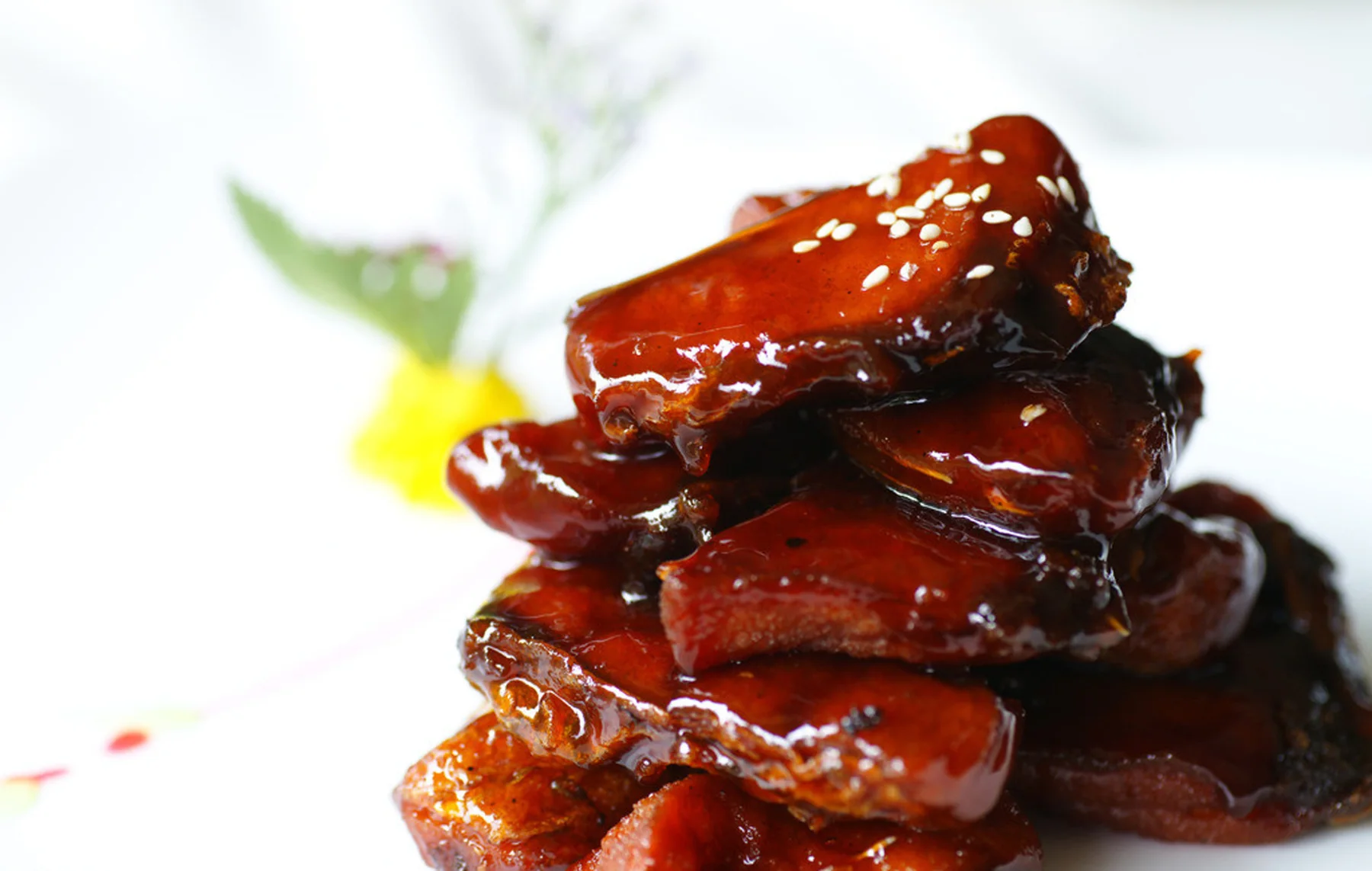
Wuxi ribs, some Suzhou dishes, Shanghai red braises and festival sweets make the region's use of sugar visible. Sugar can gloss, balance soy, round vinegar, preserve or signal a local preference. But Nanjing saltwater duck, Yangzhou shredded tofu, Ningbo seafood, Shaoxing wine flavors and countless seasonal vegetable dishes refuse the stereotype of one sweet palate.
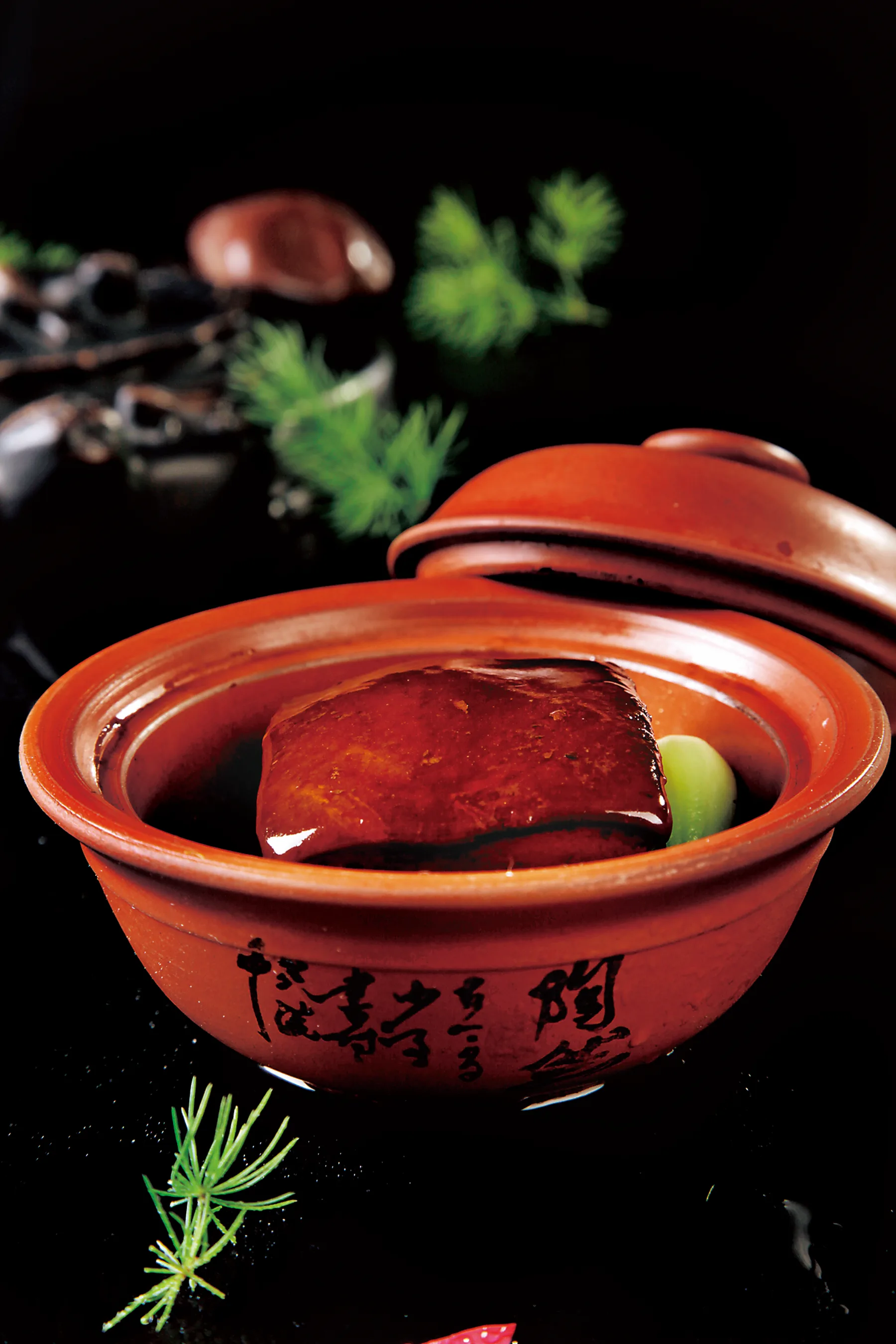
Taste the relationship. In a good red braise, sweetness should work with rendered fat, soy, aromatics and reduction; it should not sit on top like syrup. In sweet-and-sour fish, acid and crisp texture must remain. I object to both lazy versions: outsiders who mock every Jiangnan dish as candy, and restaurants that use sugar to imitate regional identity without ingredient or technique.
Bamboo, tea shoots and river produce make season impossible to fake
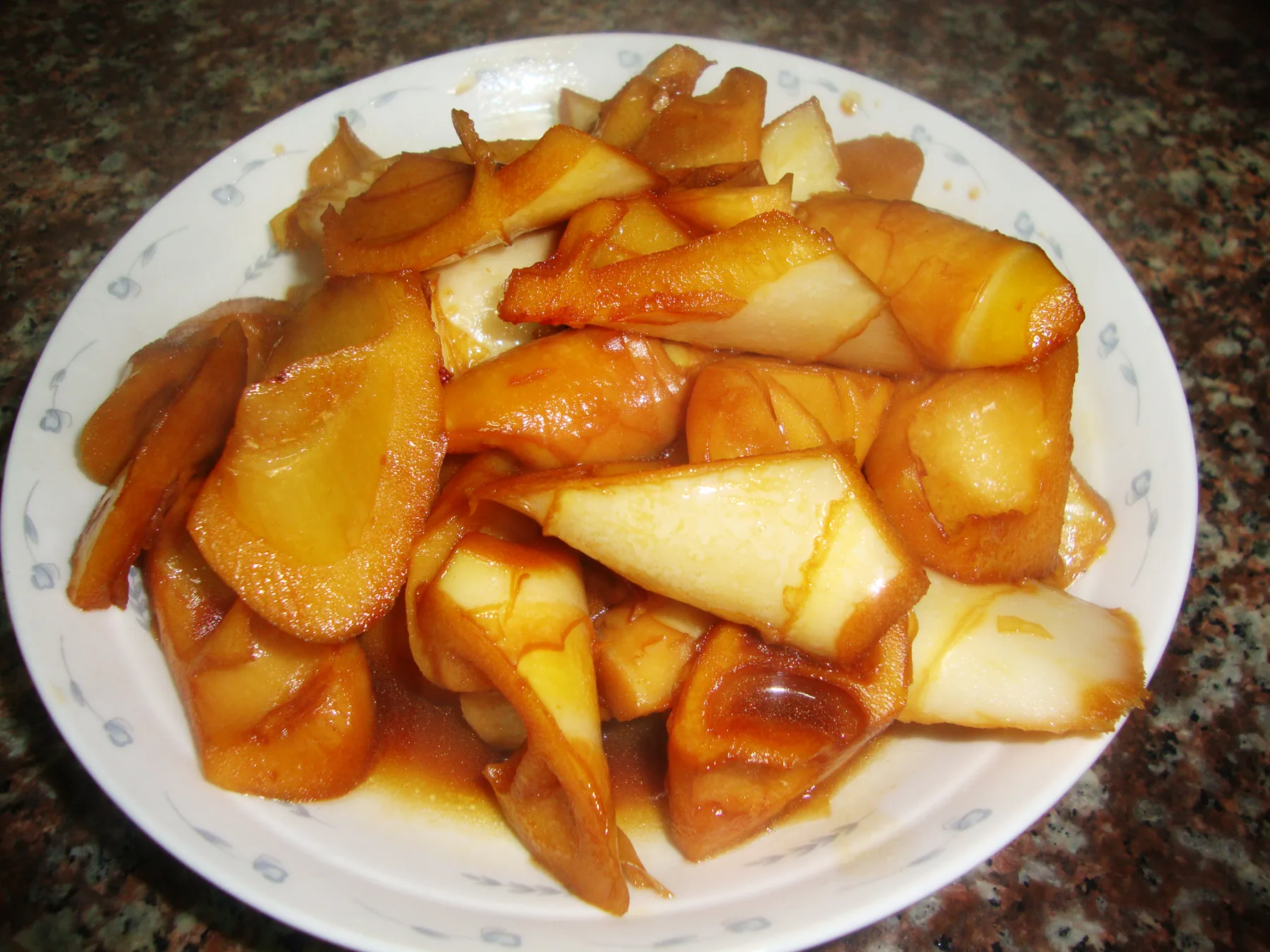
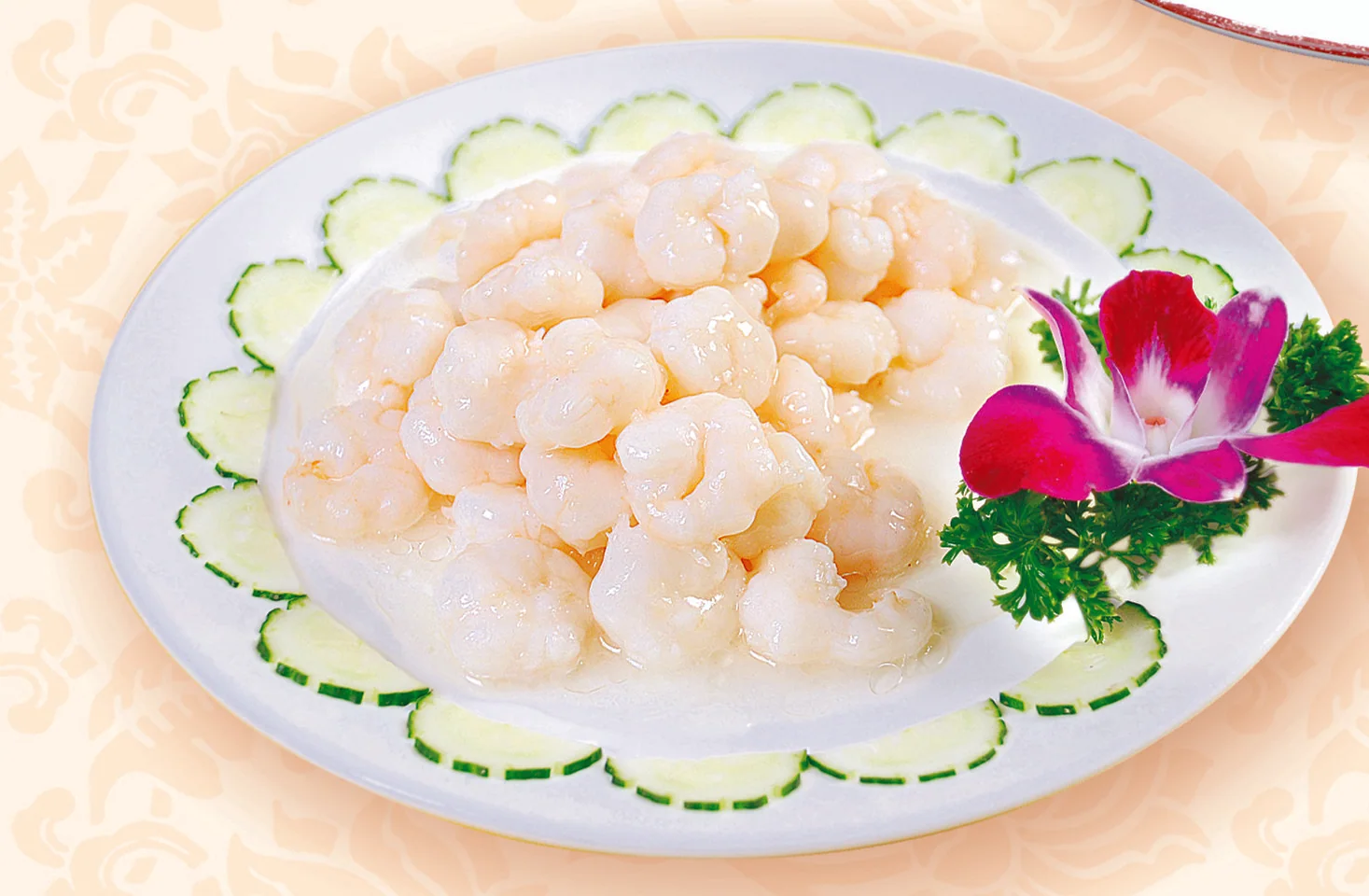
Spring bamboo shoots change quickly after harvest; their tenderness and bitterness require timing and preparation. River shrimp, freshwater fish, water shield and other aquatic ingredients carry equally narrow windows and local judgments. Longjing shrimp joins tea and river food in a dish whose fame can easily exceed its execution. A menu date and ingredient condition matter more than a poetic name.
Seasonal eating is not a twelve-box content calendar. Weather moves, supply chains extend availability and restaurant demand encourages substitution. Ask what arrived now and how it differs from last month. Photograph the ingredient before sauce. Jiangnan becomes vivid when the reader can see why a cook waited, not merely read that local people value season.
Huaiyang refinement is labor made almost invisible
Huaiyang cooking is famous for knife work, controlled stock, fine texture and careful shaping. Wensi tofu can turn bean curd into hair-fine strands suspended in broth; boiled shredded tofu transforms sheets through cutting, blanching and stock; lion's head meatballs depend on hand-cut texture and gentle cooking rather than dense grinding. The finished bowls can look quiet because the difficulty has been absorbed.
That calm should not become empty prestige. Fine cutting without flavorful stock is an exercise, and expensive ingredients without exact doneness remain waste. Show the cut surface and the hand process. I respect refinement when technique increases tenderness, aroma and generosity. I am unmoved when it exists only to make diners applaud labor they cannot taste.
Jiangnan mornings are noisy with dough, broth, rice and hot oil
Shanghai shengjian, Suzhou noodles, Nanjing duck-blood vermicelli, Yangzhou morning tea, Hangzhou breakfast foods and fermented-rice sweets pull Jiangnan out of the silent water-town postcard. Workers queue, pans hiss, tables turn and neighborhood preference becomes exact: thin or thick noodles, red or white broth, crisp skirt, amount of scallion, sweet or savory.
This is where the region feels closest to life. A breakfast stall can reveal grain, fuel, labor, price and local speech before a museum opens. Do not chase ten famous shops in one morning. Choose one place, watch what regulars order, eat at the pace of the room and record the detail you would miss in a banquet.
Jiangnan depth often arrives in liquid before it arrives in spice
Shaoxing wine, Zhenjiang vinegar, soy, fermented rice and preserved products carry grain and microbial work into sauces, marinades, braises and sweets. These liquids can create warmth, acidity, aroma and depth without the visible drama of chili. They also connect household cooking with specialized regional production and trade.
Names deserve precision. Cooking wine, drinking wine and industrial flavor products are not interchangeable; vinegar styles differ; alcohol may remain to different degrees after cooking. Ask about ingredients when health, religion or recovery makes alcohol relevant. Cultural depth does not justify hiding what entered the dish. Honest flavor begins with an honest pantry.
The metropolis gathers Jiangnan and then changes it
Shanghai's benbang tradition, treaty-port history, migrant kitchens, bakery and cafe culture make it a powerful Jiangnan gateway. Yet the city cannot stand in for Suzhou, Nanjing, Yangzhou, Hangzhou, Ningbo, Shaoxing or Wuxi. It receives ingredients and people, creates new habits and broadcasts some dishes more loudly than their neighbors can.
Use Shanghai as a connection hub, not a capital that absorbs the map. Follow xiaolongbao toward Jiangnan dough and filling traditions, red braise toward local soy-sugar relationships, seafood toward coast and river, and breakfast toward neighborhood labor. Then leave the city in the internal links. A regional collection has failed if every path returns to the most famous skyline.
Begin at water, eat breakfast, inspect a market and finish at a shared table
A useful Jiangnan food day begins beside the geography: river, lake, canal or market receiving its products. Eat one local breakfast, then inspect seasonal vegetables, fish, shrimp, tofu, rice products and condiments. At dinner, choose dishes that show different controls—perhaps a clear or fresh preparation, a braise, a vegetable and a grain or soup. The route joins landscape to technique without requiring luxury.
Record exact names and the city. Ask before photographing people. Notice when a famous dish disappoints and when a plain bowl carries the region more powerfully. My final judgment is personal: Jiangnan is most beautiful when the polish cracks just enough for work, appetite and local stubbornness to show through. That is the taste no postcard can deliver.
Freshwater romance still requires species, season and safe handling
Jiangnan menus celebrate fish, shrimp, crab, eel and water plants from rivers and lakes. The romance is earned, but a dish guide should still name species where possible, distinguish farmed and wild claims, and avoid treating live display as complete evidence of quality. Temperature, water condition, slaughter, cleaning and exact cooking decide the plate after origin has been named.
Seasonal crab and raw or lightly handled aquatic foods can carry particular risks. Follow local regulation and qualified food-safety guidance rather than a viral eating challenge. The strongest culinary writing can describe roe, flesh and anticipation while also protecting the reader. Appetite and precision belong together.
Someone peeled the shrimp, cut the tofu and woke before the visitor
Jiangnan's refined image can erase the hands that produce it. River shrimp arrive in quantity and must be peeled; tofu threads require repeated knife control; morning noodles depend on stock and preparation begun before dawn; banquet forms rely on teams, not one poetic master. A complete page notices work without turning workers into picturesque background.
When photographing a kitchen or stall, seek consent and show the action with enough context to understand it. Name the technique and the person's role when permission allows. Beauty becomes deeper when labor remains visible. Otherwise refinement floats above the table as a class fantasy.
Osmanthus and fermented rice can carry a season farther than a landmark
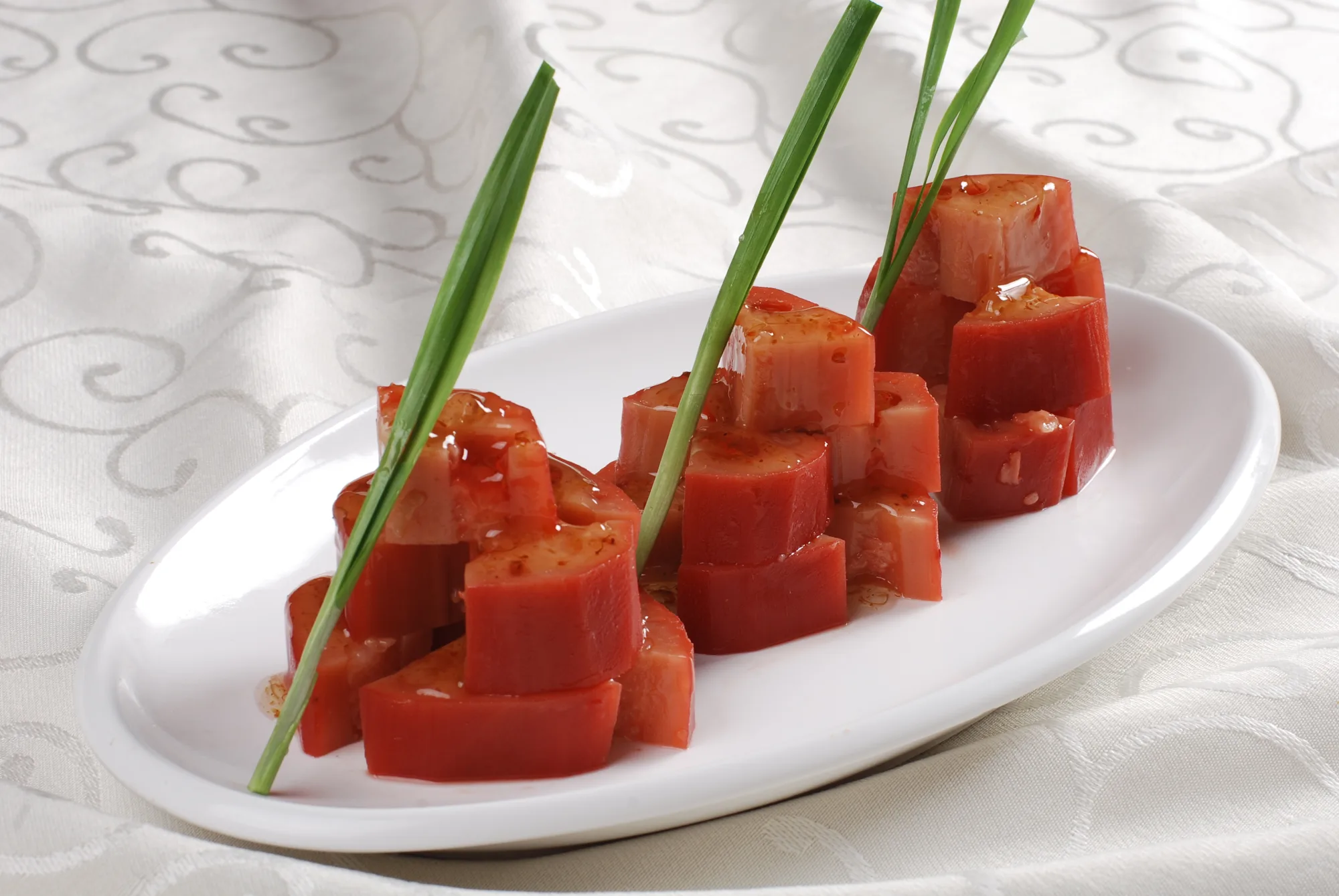
The smell of osmanthus, a bowl of jiuniang, lotus root stuffed with glutinous rice or soy duck cut for a family meal can make Jiangnan present far from the lower Yangtze. These memories do not need to represent every household. Their value comes from exactness: who made it, what month, which city, and how the texture differed from a packaged version.
Write personal memory as a located fragment, not universal proof. Invite another reader to disagree with affection. Regional culture becomes human when two families defend different sweetness, noodle firmness or festival timing. The disagreement is not noise around the article; it is living evidence that the region still belongs to people.
A useful contribution includes one photograph, an exact dish name and the detail the camera cannot capture—steam, aroma, resistance under the chopsticks or the sentence someone said at the table. Image and memory then verify different parts of the experience instead of decorating each other.
Return in another season and repeat the note. Jiangnan's strongest claim is change through water and time; one permanent tasting note cannot contain it.
The second visit may overturn the first. That revision is evidence, not inconsistency, and it gives the page a genuine reason to live beyond publication day.