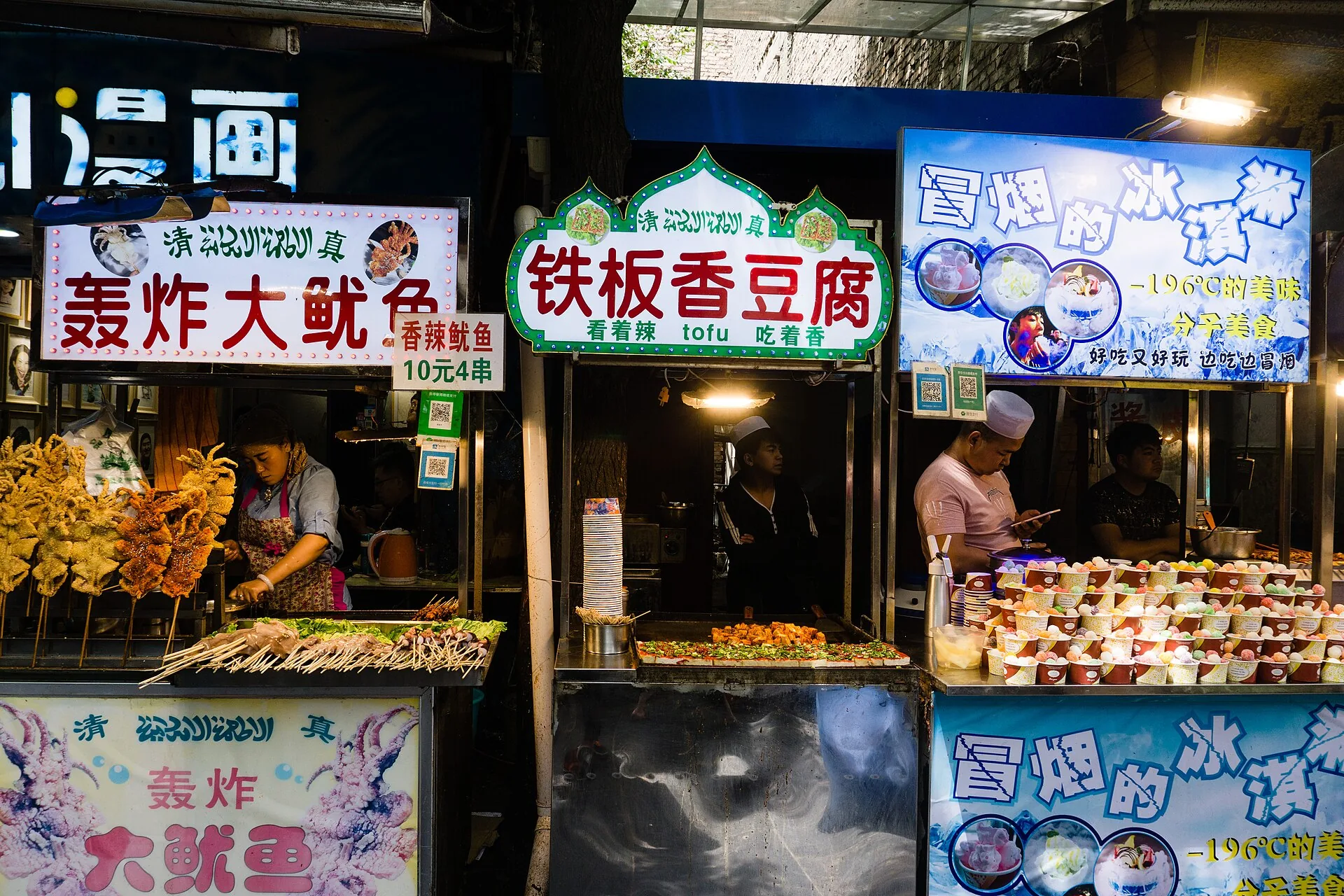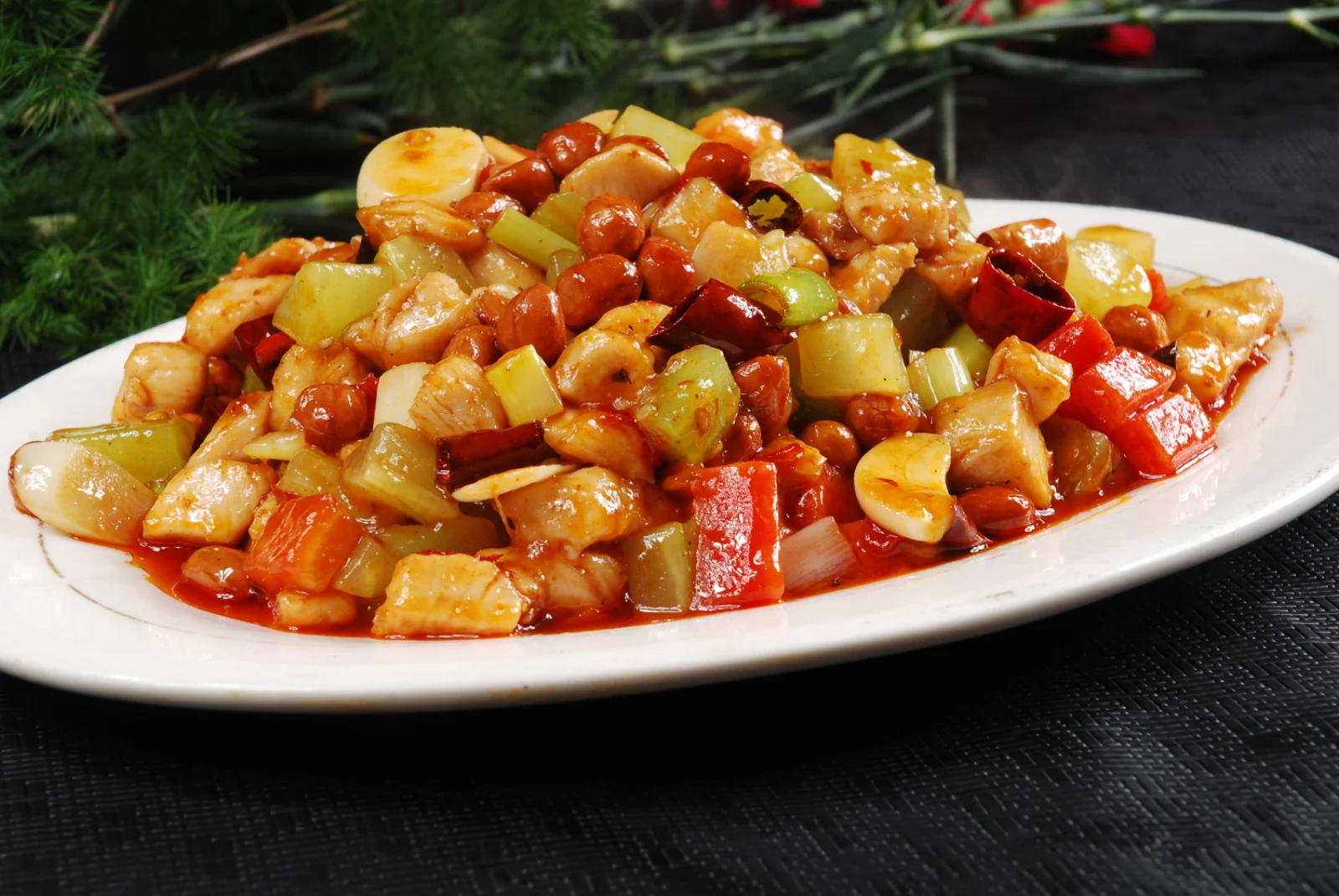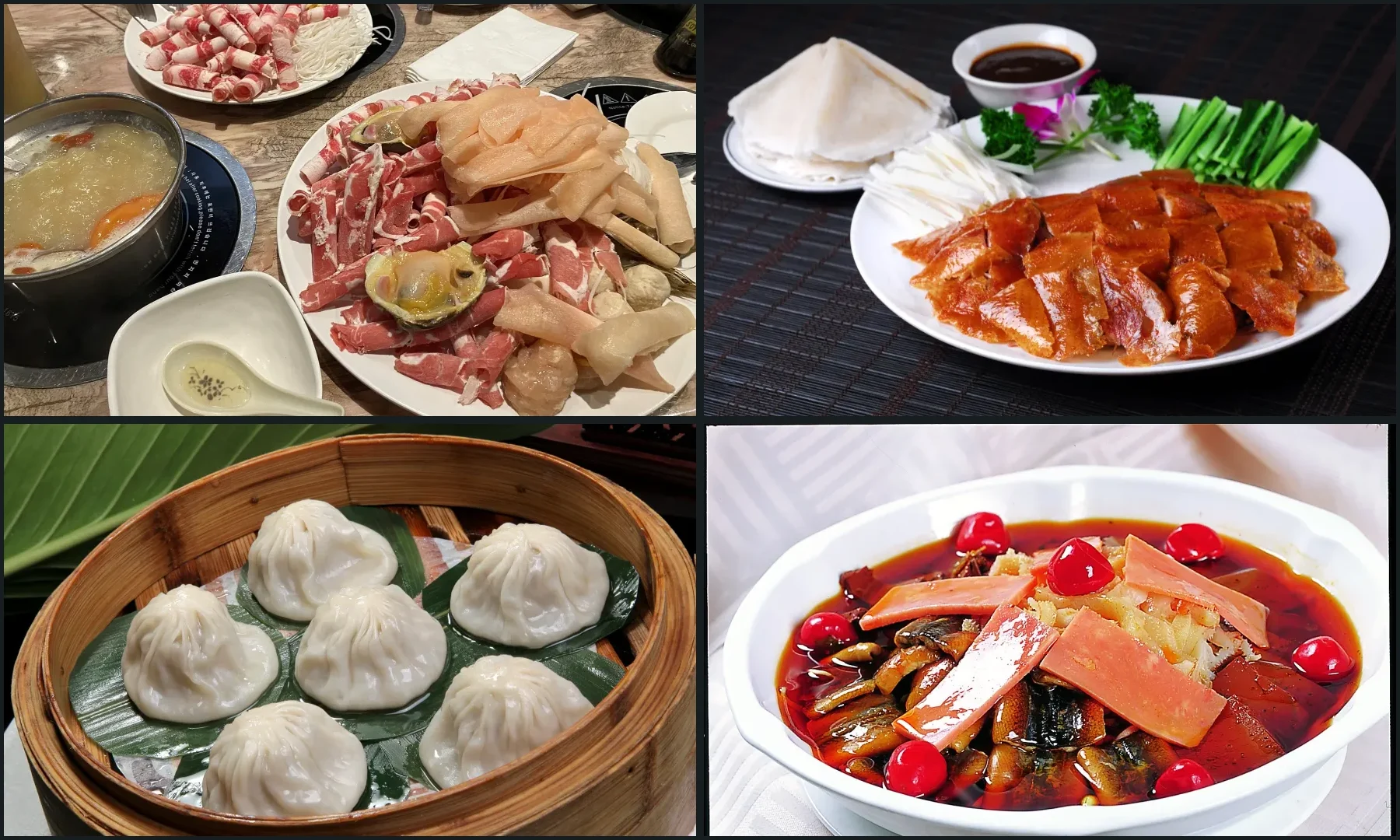
A six-part meal map that prevents random ordering
You do not need every category at one meal. Use the roles to create contrast in texture, heat, grain and cooking method.
| Table need | Useful route | Common ordering mistake |
|---|---|---|
| A staple or grain anchor | Choose noodles, rice, congee, buns or another staple according to region and the rest of the meal. | Order several heavy starch dishes because they appear under different English menu headings. |
| A shared centerpiece | Choose one meat, fish, tofu or vegetable dish whose technique and sauce remain distinct. | Treat the most expensive protein as the automatic center of a Chinese table. |
| Texture and freshness | Add greens, tofu, fungi or a lightly handled ingredient that interrupts richness and repetition. | Vegetables are garnish, or every tofu dish is vegetarian. |
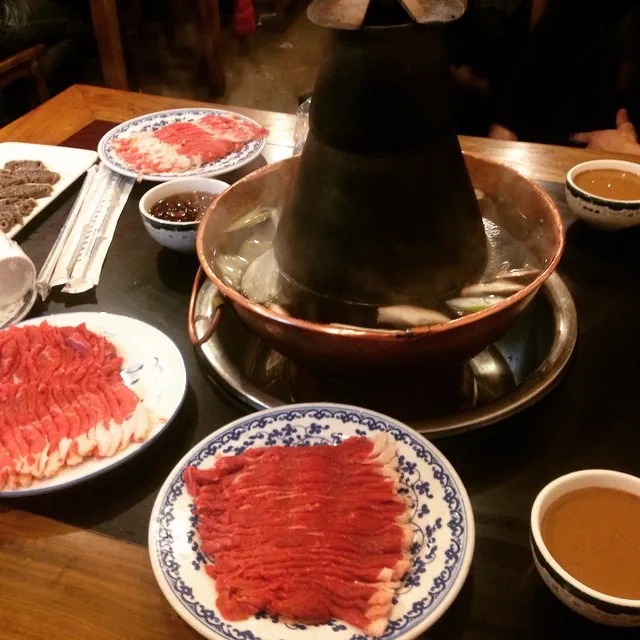
| A social cooking action | Hot pot, barbecue or another shared process makes diners responsible for timing and sequence. | A communal format removes allergy, raw-food or cross-contact risk. |
| Broth or slow depth | Select a clear soup, extracted broth or braise by its regional role and ingredient logic. | All Chinese soups are medicinal, light or served before the meal. |
| A sweet or seasonal ending | Choose fruit, sweet soup, pastry or rice-based food in the occasion where people actually eat it. | Every Chinese meal requires a Western-style plated dessert course. |
The question is not which Chinese dishes are famous; it is which table you are building
Popularity lists flatten restaurant export history, regional food and household cooking into one competition. Peking duck, mapo tofu, xiaolongbao, chow mein and sweet-and-sour chicken can all be meaningful, but they do not occupy the same geographic or social world. One may be a capital restaurant craft, another a Sichuan rice dish, another a Jiangnan snack, another a diaspora menu form. Ranking them by fame removes the information that makes each worth eating.
Begin with the situation. Are two people ordering dinner, is a family marking a festival, is a traveler standing at a breakfast stall, or is a home cook learning a technique? Then choose contrasting roles: staple, main ingredient, vegetable or tofu, soup or shared cooking action. This framework is not a rulebook. It is a defense against ordering six glossy sauces and learning nothing except fullness.
Dumpling is a translation problem before it is a recipe category
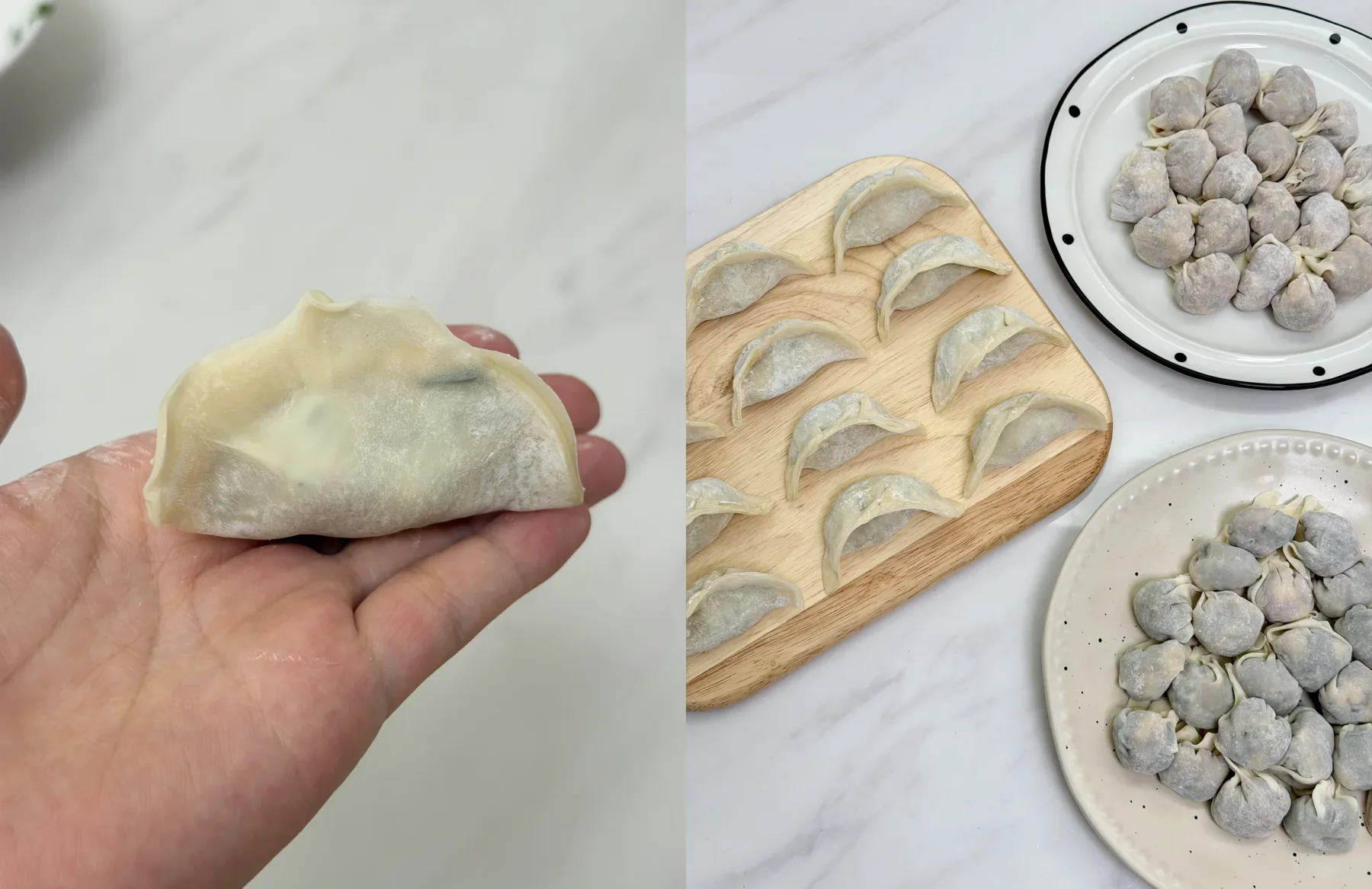
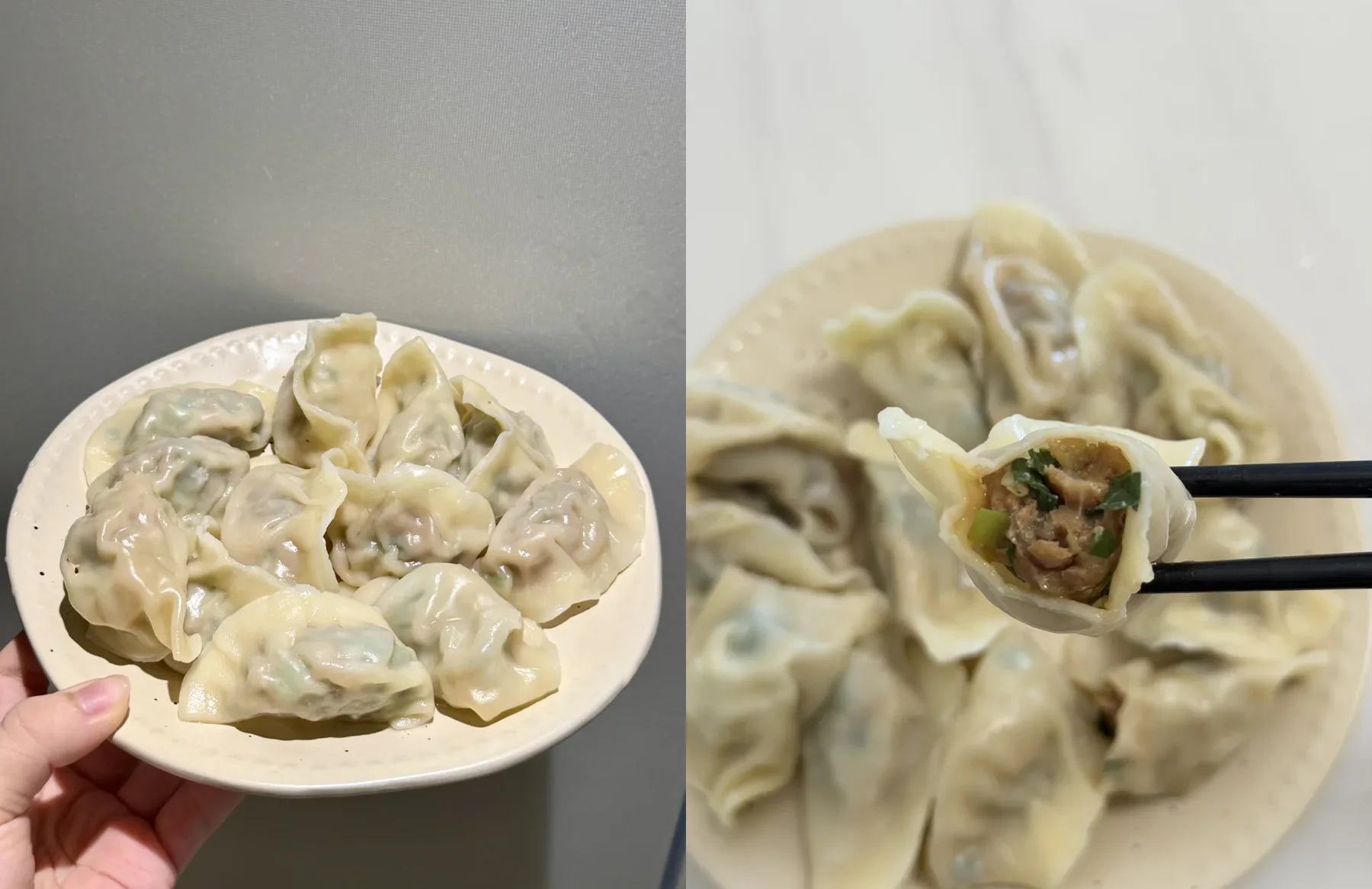
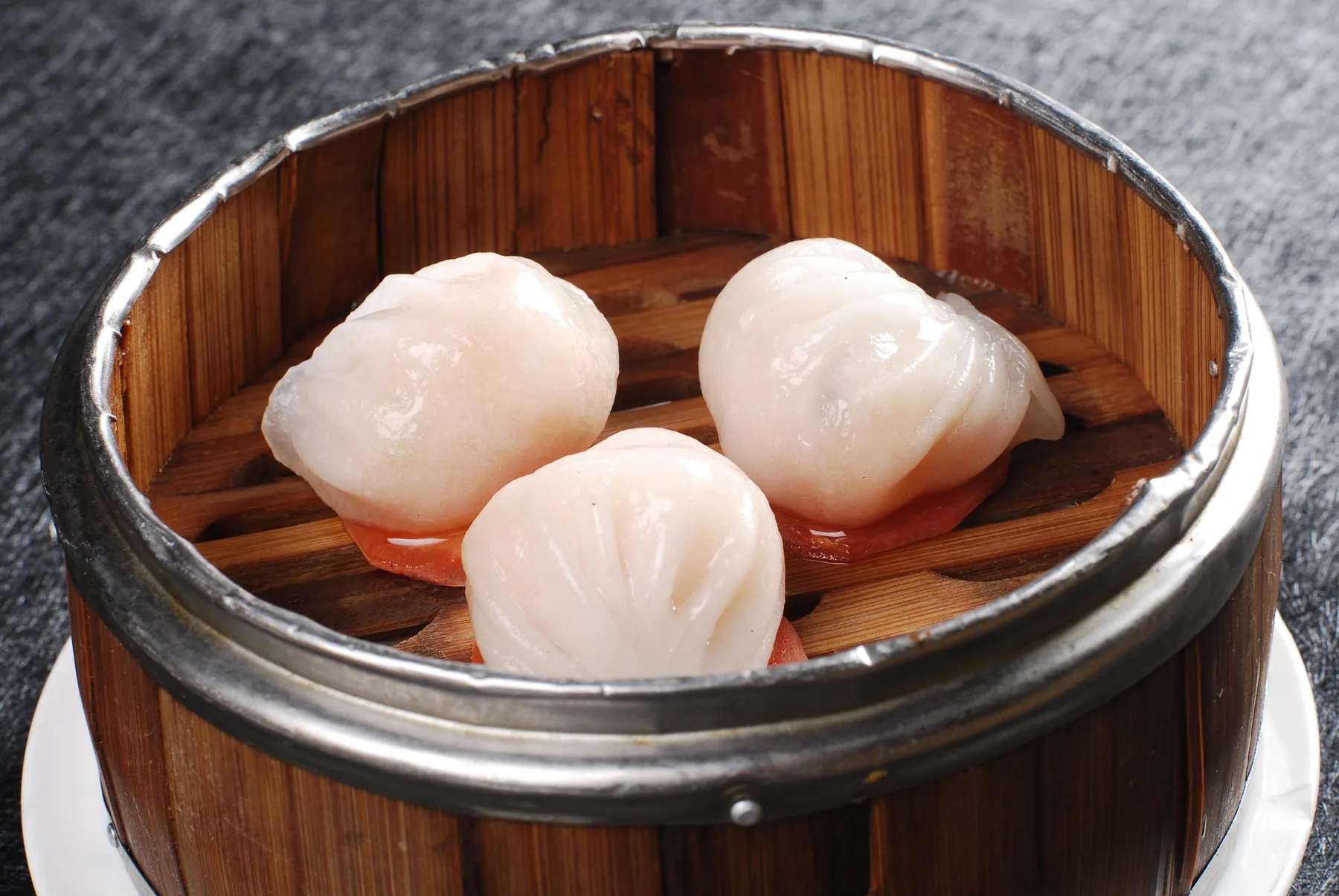
English speakers use dumpling for jiaozi, wontons, xiaolongbao, tangyuan and many unrelated wrapped or formed foods. The word is useful at a distance and dangerous up close. Wheat wrapper, fermented dough, glutinous rice, filling, seal, soup, steaming, boiling and frying create different structures. A soup dumpling is not a boiled jiaozi with extra liquid, and a sweet tangyuan is not a dessert version of pork wonton.
Look at the cross-section and cooking method. Wrapper thickness, hydration, fold and filling moisture explain why one food survives boiling while another tears if lifted badly. Cultural context also changes: northern jiaozi at New Year, Cantonese dim sum, Jiangnan xiaolongbao and festival tangyuan carry different relationships. The page should teach the specific name as quickly as possible instead of making every object live forever under dumpling.
Noodles are verbs disguised as a food noun
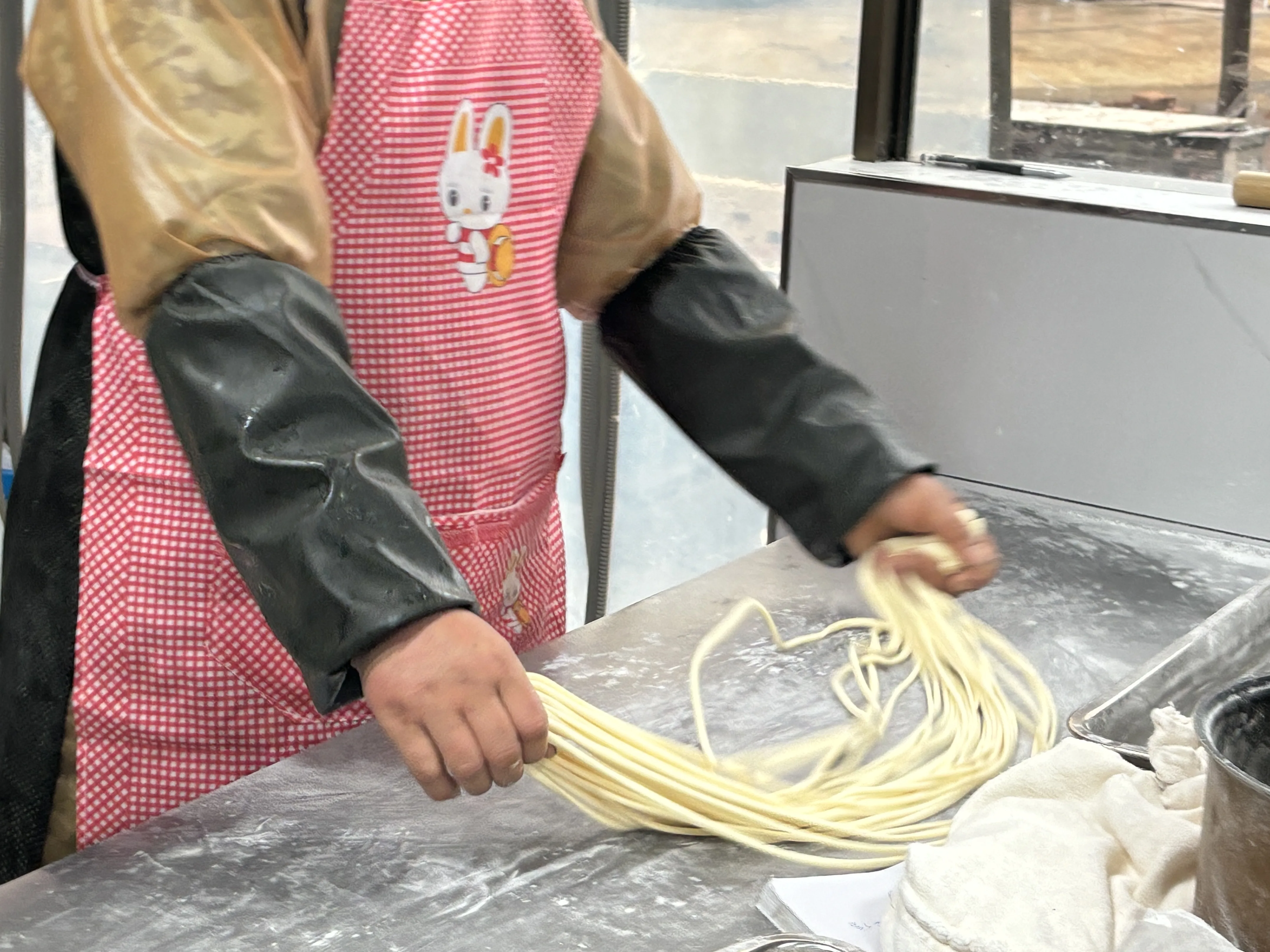
Pulled, cut, shaved, rolled, pressed, extruded, rinsed, fried and dressed noodles behave differently because gluten, starch, water and hand pressure have changed them. Wheat dominates many northern and northwest traditions; rice noodles take numerous forms across the south and southwest; starch noodles create other textures. A menu translation that says noodles has barely begun the answer.
Ask four questions: what grain or starch, what shape, what cooking method, and what carries flavor—broth, sauce, oil or stir-fry? Lanzhou beef noodles, Wuhan hot dry noodles, Chongqing xiaomian, Shaanxi biangbiang noodles and a Cantonese wonton-noodle bowl are not variations on one national recipe. Their city systems include mills, suppliers, specialist labor and morning routines. Following the verb leads naturally to place.
Wok hei cannot rescue a crowded pan or a vague explanation
Chinese cooking is often reduced to stir-frying, then stir-frying is reduced to a dramatic flame. High heat matters, but so do batch size, surface moisture, cut, sequence, oil, burner recovery and the moment sauce enters. Restaurant equipment can recover heat faster than a home stove. Throwing more food into a smoking domestic wok usually creates steam and burnt aromatics, not mastery.
Translate the technique instead of copying the spectacle. Dry ingredients properly, cook smaller batches, prepare the sauce first and return components for a short finish. Steaming, blanching, red-braising, poaching and clay-pot cooking require entirely different controls. A valuable dish page tells the reader what physical change to watch—surface sear, translucent wrapper, flaking fish, gelatinized sauce—not merely how many minutes to obey.
One English name can hide a regional dish, a diaspora dish or a marketing invention
Beef and broccoli, orange chicken, General Tso's chicken and chow mein have real histories in Chinese diaspora restaurants even when their common forms did not travel unchanged from a Chinese province. Calling them fake insults the cooks and customers who built lives through adaptation. Calling them ancient Chinese classics invents another story. The stronger position names the place where the form developed and the pressures—ingredients, labor, law, local taste and restaurant economics—that shaped it.
The same honesty helps with menus in China. English translations may simplify poetic or local names beyond recognition. Look for Chinese characters, main ingredient, cut, cooking method and region. Ask the server what is seasonal or distinctive, then listen without demanding a performance. Menu literacy is not memorizing dishes; it is learning how to ask a precise question without treating staff as a free cultural tour.
Shared dishes require clearer communication, not less
A communal table can distribute pleasure and risk at the same time. Peanuts, sesame, shellfish, soy, wheat, egg, dairy in modern dishes and cooking alcohol may appear in sauces or garnishes that are not visible. Shared woks, fryers, ladles and hot-pot broth create cross-contact. Vegetarian-looking tofu may contain pork, shrimp paste, chicken stock or lard. Do not infer suitability from appearance or the English title.
State the ingredient and cross-contact question before ordering. For hot pot, separate raw and cooked utensils and respect cooking times. For leftovers, cool and store safely rather than leaving a banquet table at room temperature for hours. Food safety is not a disclaimer attached after culture; it is part of the technique that makes the dish worth trusting.
Order four contrasts and leave room to notice them
For three or four diners, begin with one staple, one protein or substantial tofu dish, one vegetable and one soup or contrasting cold dish. Add a fifth item only if appetite and portion size justify it. Choose different techniques: perhaps steamed fish, stir-fried greens, a braise and rice. The meal will reveal more than four fried dishes in four sweet sauces. Ask about house portions because Chinese restaurant plates can be designed for very different group sizes.
Photograph the whole table once, then put the phone away. Taste before adding chili oil or soy sauce. Notice which dish changes as it cools, which texture disappears first and which plate people return to after conversation. My rule is simple: a table becomes memorable through relationships among dishes, not the count of famous names.
A restaurant dish and a household dish can share a name without sharing a method
Restaurant kitchens optimize for speed, repeatability, labor and a menu's price. Household cooking responds to the people present, leftovers, available fuel and the taste learned from relatives. Red-braised pork, tomato and egg, congee or dumplings can change dramatically between those settings without one becoming false. A home version should not be judged by restaurant wok power; a restaurant version should not borrow grandmother language it cannot support.
When adapting a recipe, name the setting you are translating. Reduce batch size for a home burner, explain substitutions and preserve the decisive texture or flavor relationship. Do not promise authentic results while changing the ingredient, technique and table role at once. Honest adaptation teaches more than ceremonial obedience.
Tofu and vegetables do not guarantee a vegetarian dish
Chinese vegetable dishes may use chicken stock, dried shrimp, oyster sauce, lard or meat as seasoning. Mapo tofu traditionally includes minced meat in many versions, while Buddhist and modern vegetarian traditions build other complete systems. The English category vegetables describes what is visible, not necessarily the kitchen process. Ask about stock, sauce and cross-contact.
The reverse stereotype is equally weak: tofu is not merely a substitute waiting to imitate meat. Fresh, pressed, dried, fermented, frozen and puffed bean curd create distinct textures and techniques. A strong dish guide treats tofu as an ingredient with its own craft. Dietary clarity and culinary respect reinforce each other.
Teach the Chinese dish name before the translation becomes a cage
A useful guide gives characters and pronunciation where they help, then explains the literal or functional meaning without pretending romanization is enough. Gongbao jiding, shengjian mantou and yu xiang qiezi carry references that generic spicy chicken, fried buns and garlic eggplant cannot preserve. Names connect the reader to menus, maps, cooks and further research.
Pronunciation does not have to be perfect before curiosity begins. Show the name, point to it politely and listen to how local speakers use it. The goal is communication, not performance. When a reader leaves with one exact name and one sensory memory, the page has created a path Google snippets rarely provide.