What are Chinese movies? Start with a plural cinema and an honest boundary
Chinese movies can refer to films made in mainland China, Hong Kong, Taiwan and other Chinese-language or diaspora production contexts. Those circles overlap through language, performers, financing, festivals and audience memory, but they are not one aesthetic system. Hong Kong action cinema developed through studio craft, stunt labour and an urban commercial rhythm unlike mainland Fifth Generation filmmaking. Taiwan New Cinema built another relationship with time, family and modernity. A co-production can carry several industrial histories inside one frame. The broad term is useful only when the page immediately restores those differences.
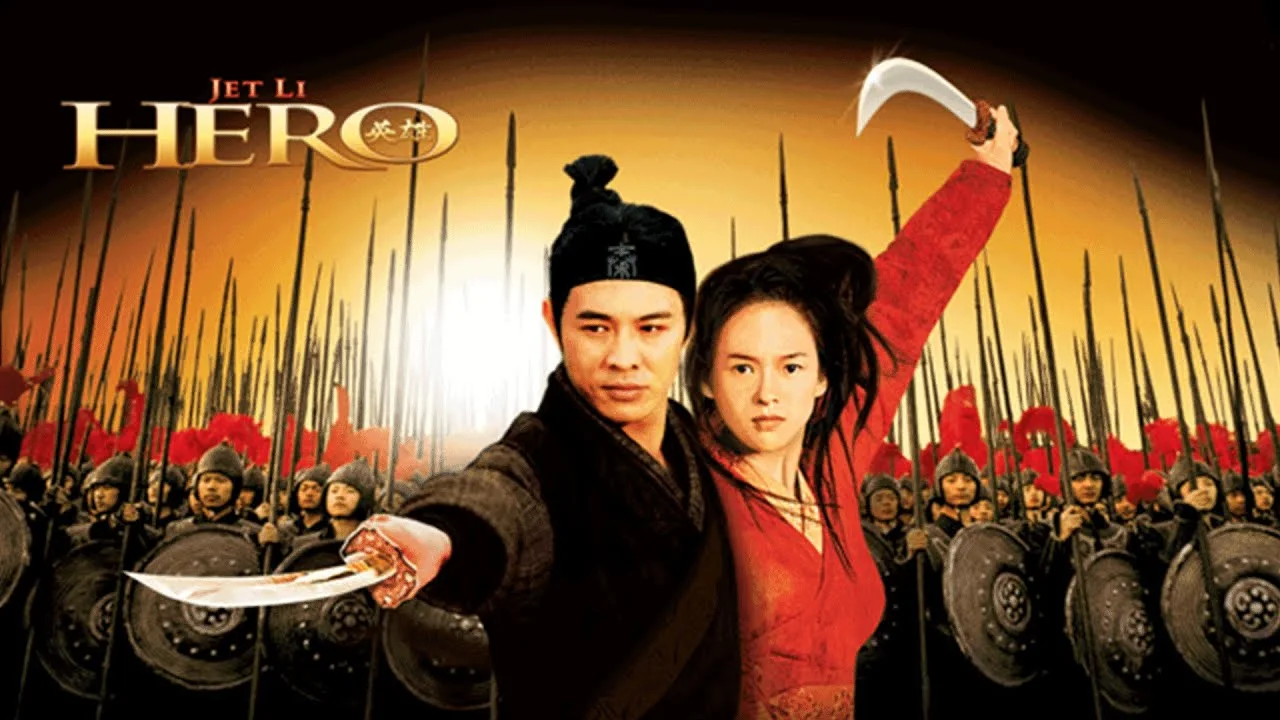
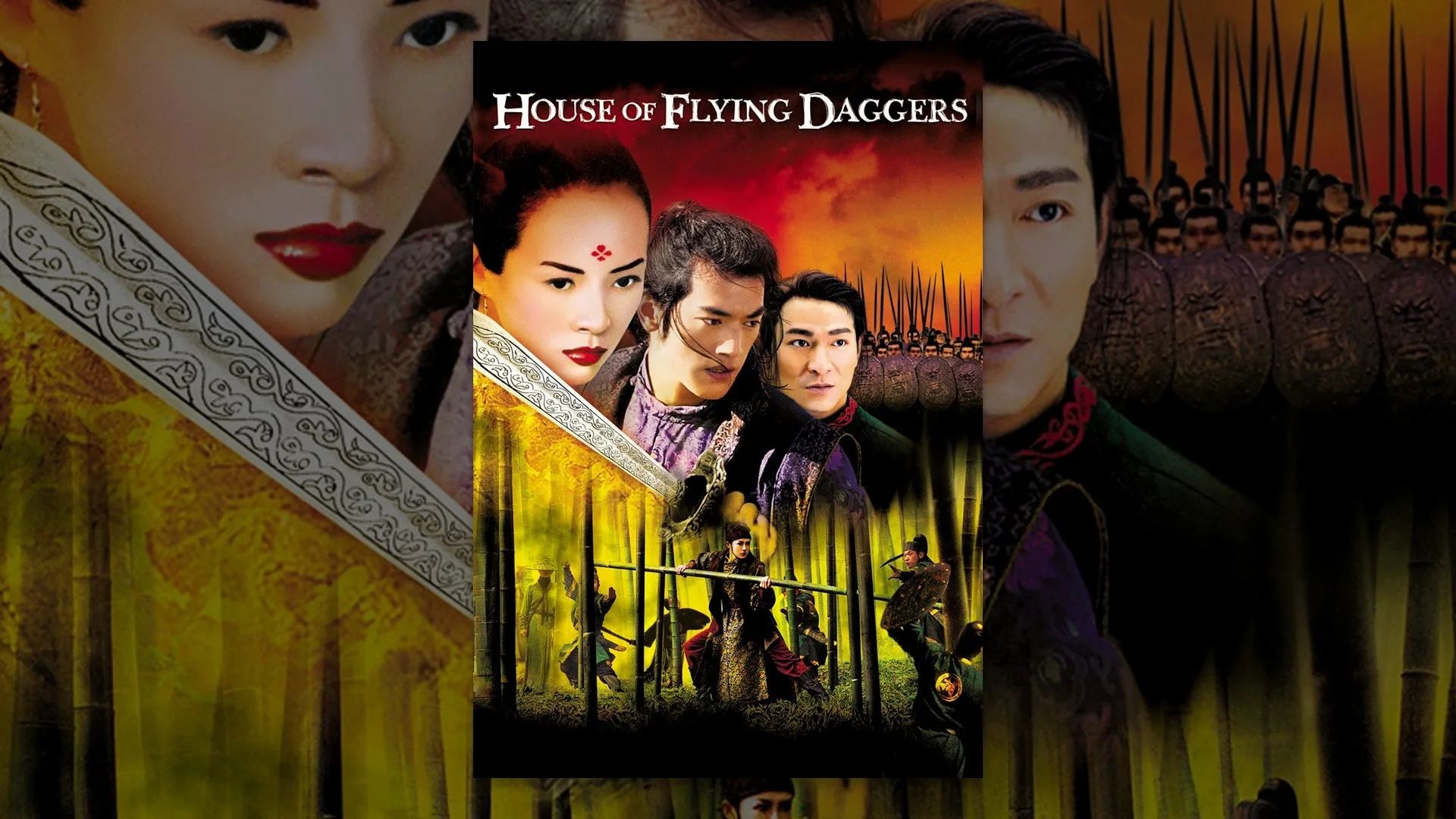
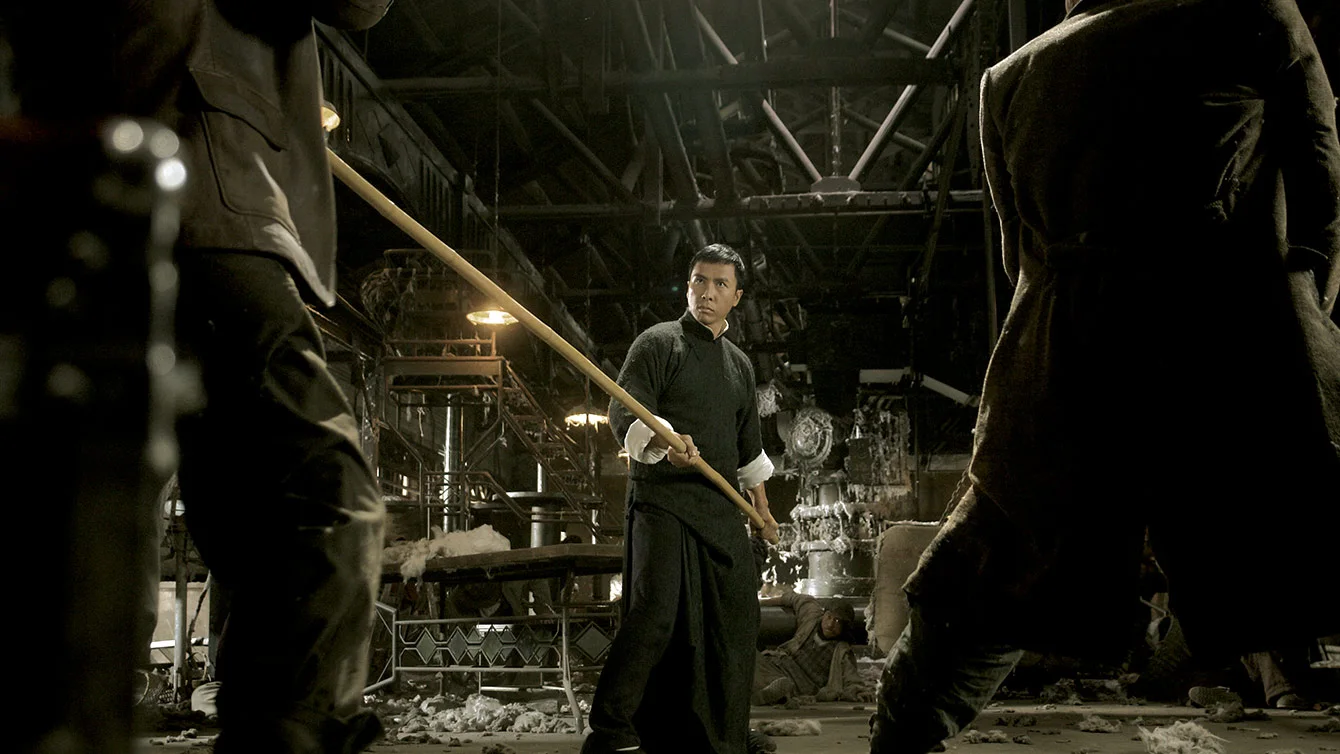
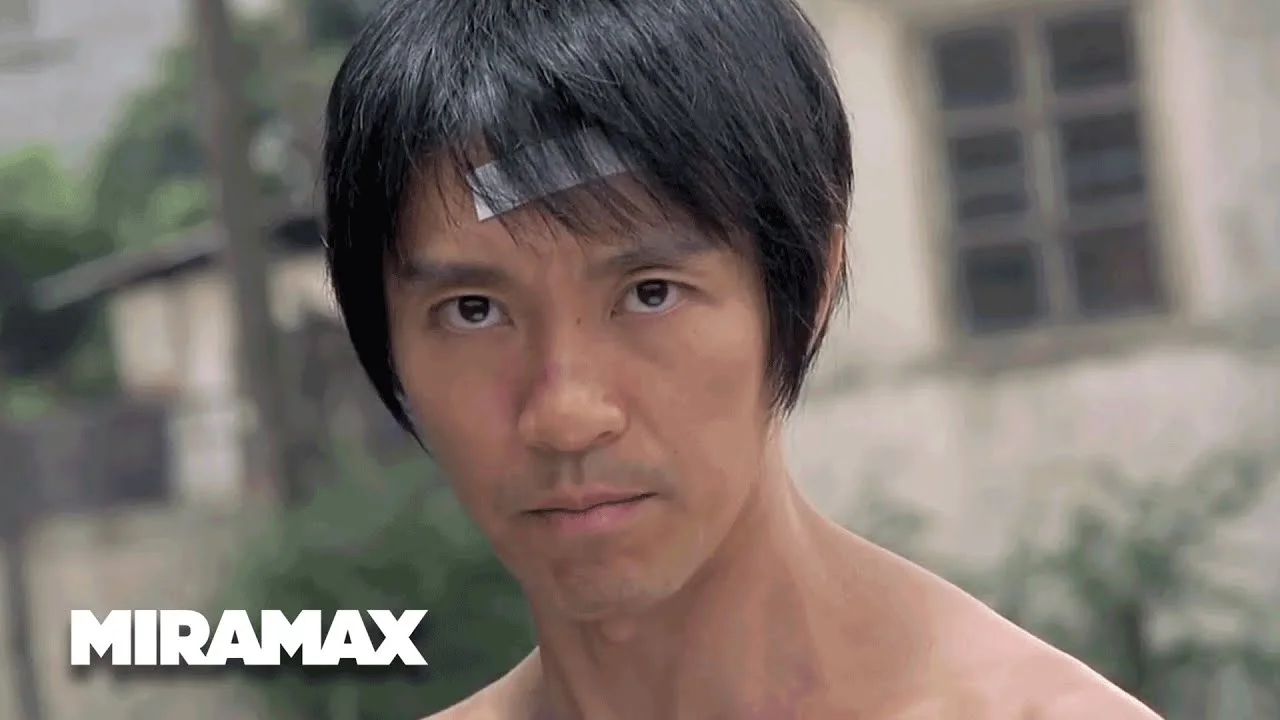
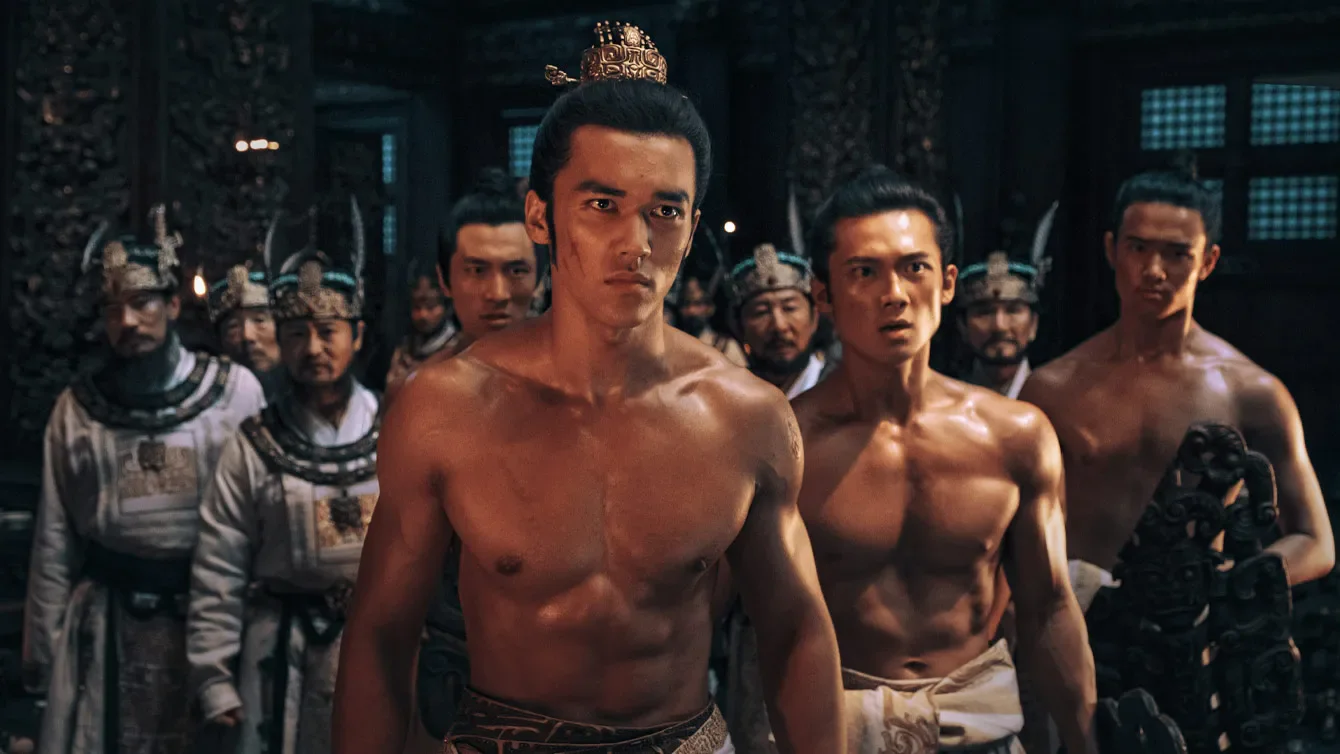
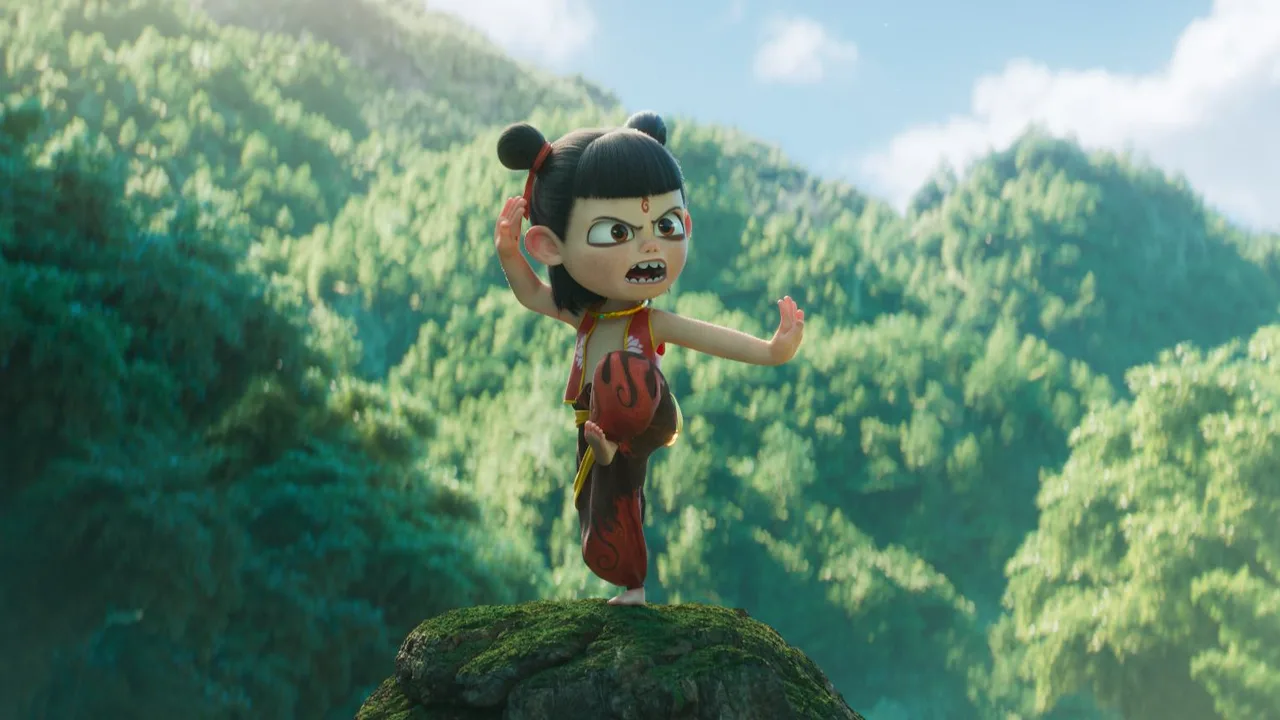
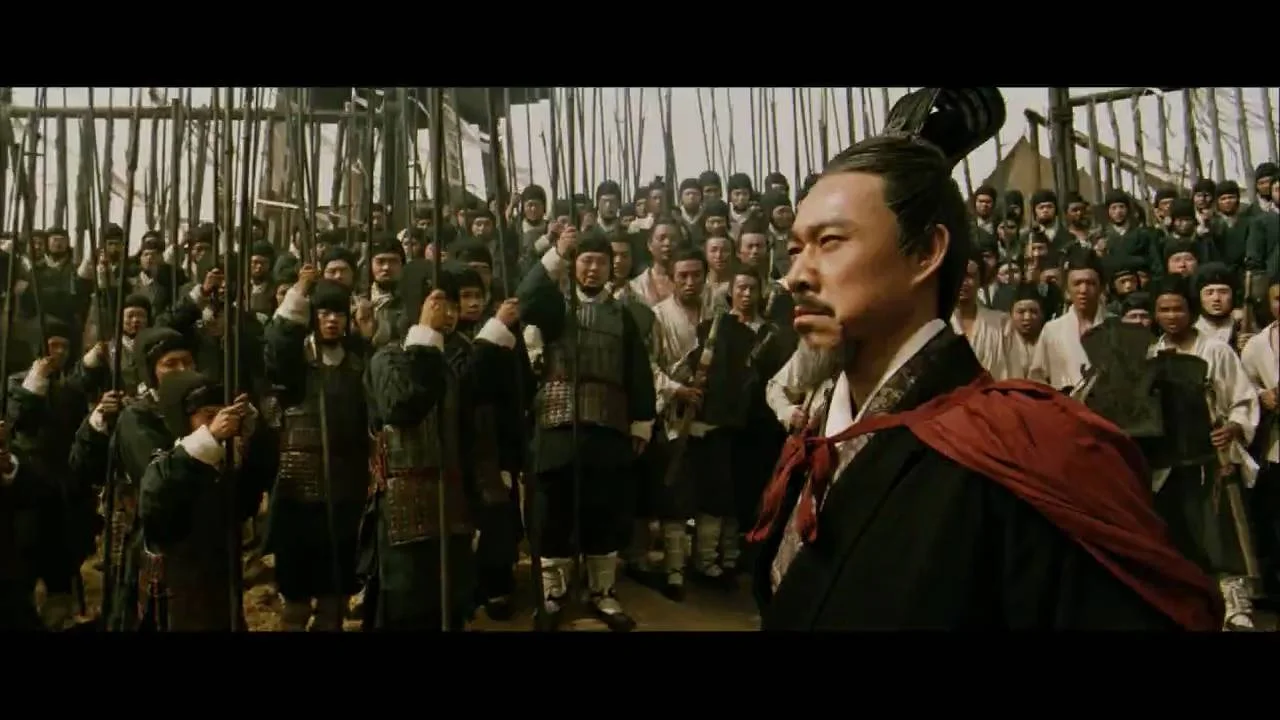
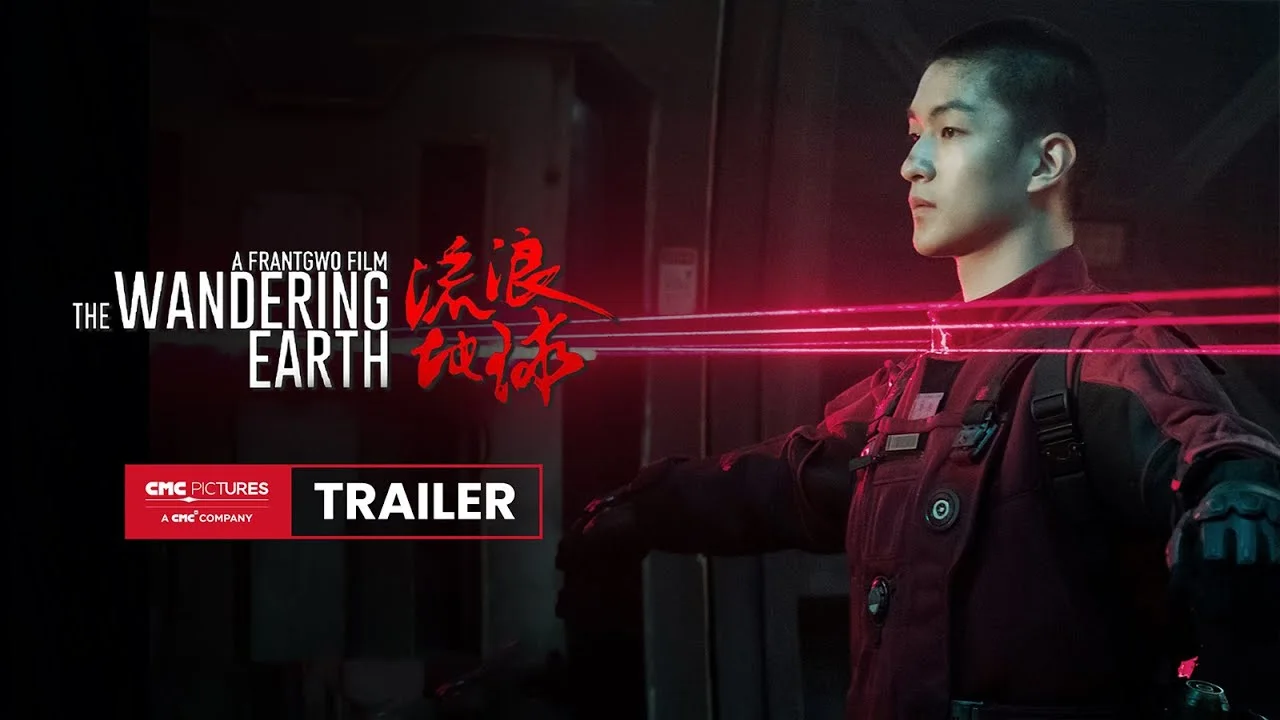
That is why I reject the usual shortcut: one solemn historical epic, one Wong Kar-wai romance, one Bruce Lee or Jackie Chan film, one recent blockbuster, then a sentence claiming the list represents Chinese cinema. It does not. It represents an editor's doorway. East Moment's current doorway contains seventeen finished guides and is strongest in martial-arts cinema, internationally visible art-house classics, mythic spectacle and a small but growing set of contemporary films. I will not hide that boundary behind empty genre cards. The collection will expand when a film has enough research, images and judgment to deserve its own page.
The BFI's century overview is useful because it treats Chinese-language cinema as a history with several periods, centres and artistic movements rather than one export genre. That institutional frame protects chronology. It cannot decide which scene will enter your life. For that, I use a simpler human question: when the credits begin, do you carry movement, longing, pressure, myth, laughter or collective scale out of the room? Your answer gives you a real first route through this page.
The BFI overview supplies a historical map across periods and traditions; East Moment uses that map without turning it into a taste ranking. BFI: A Century of Chinese Cinema