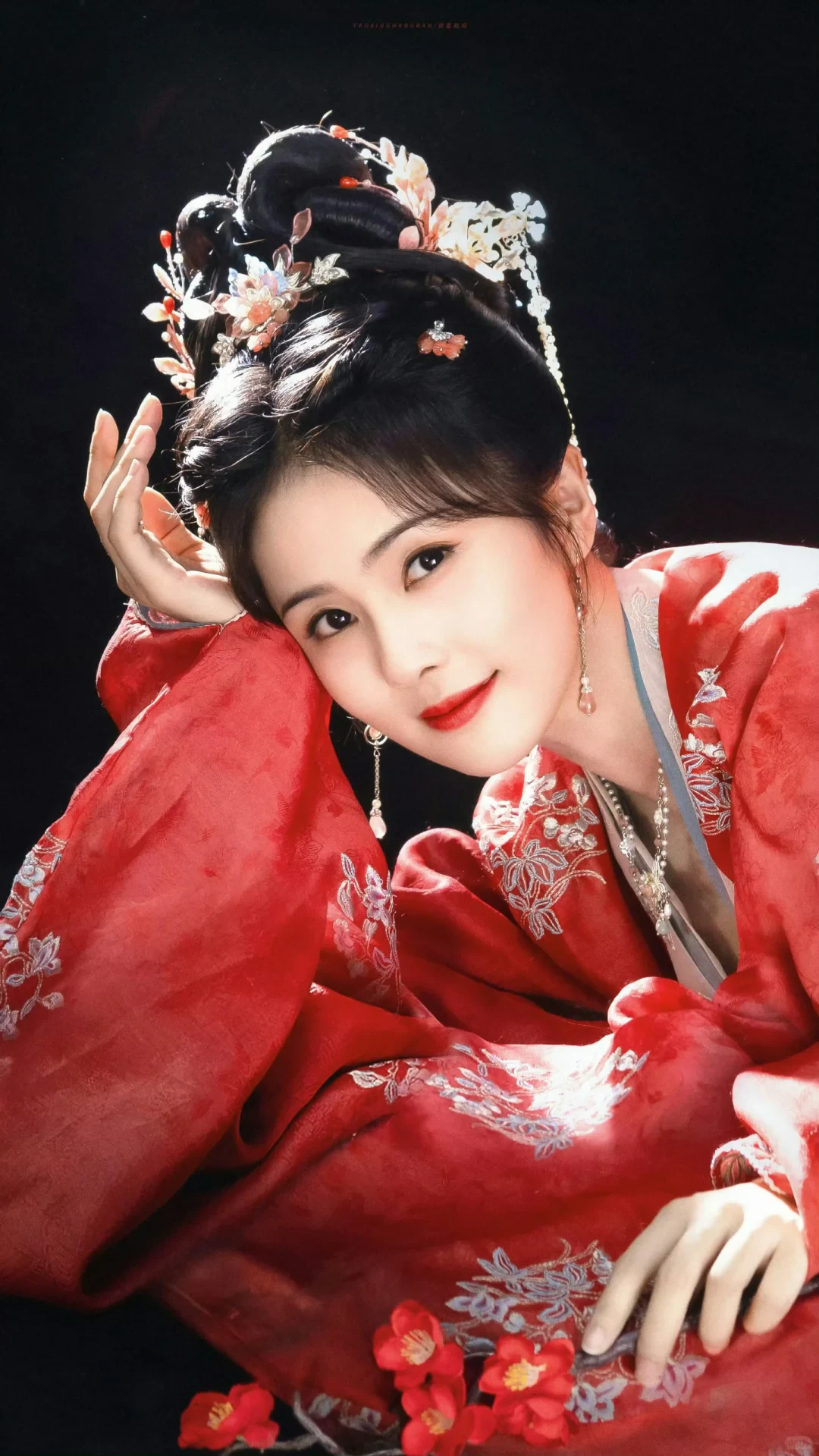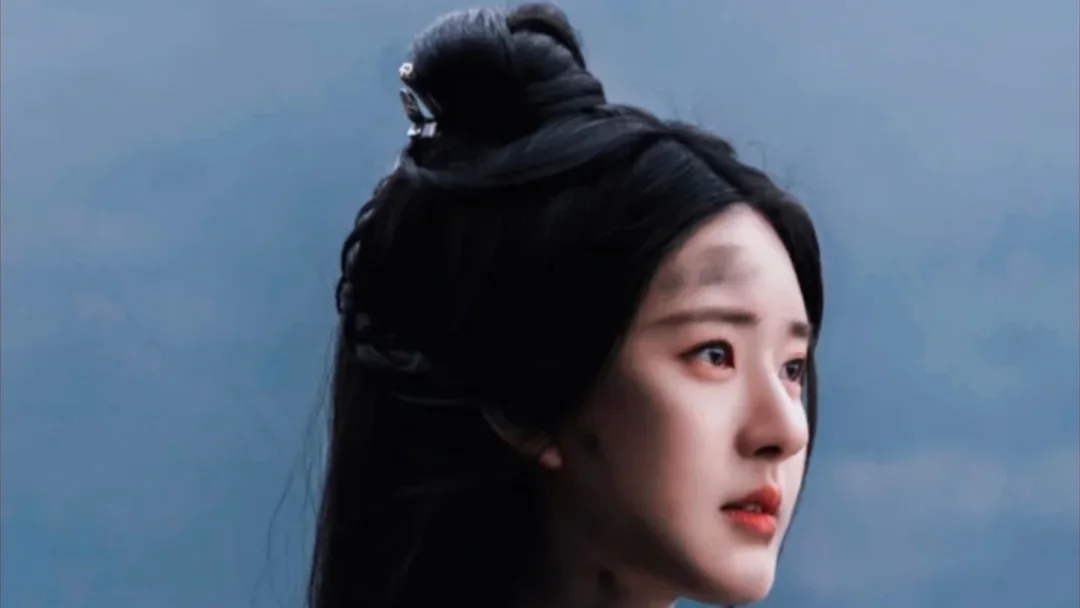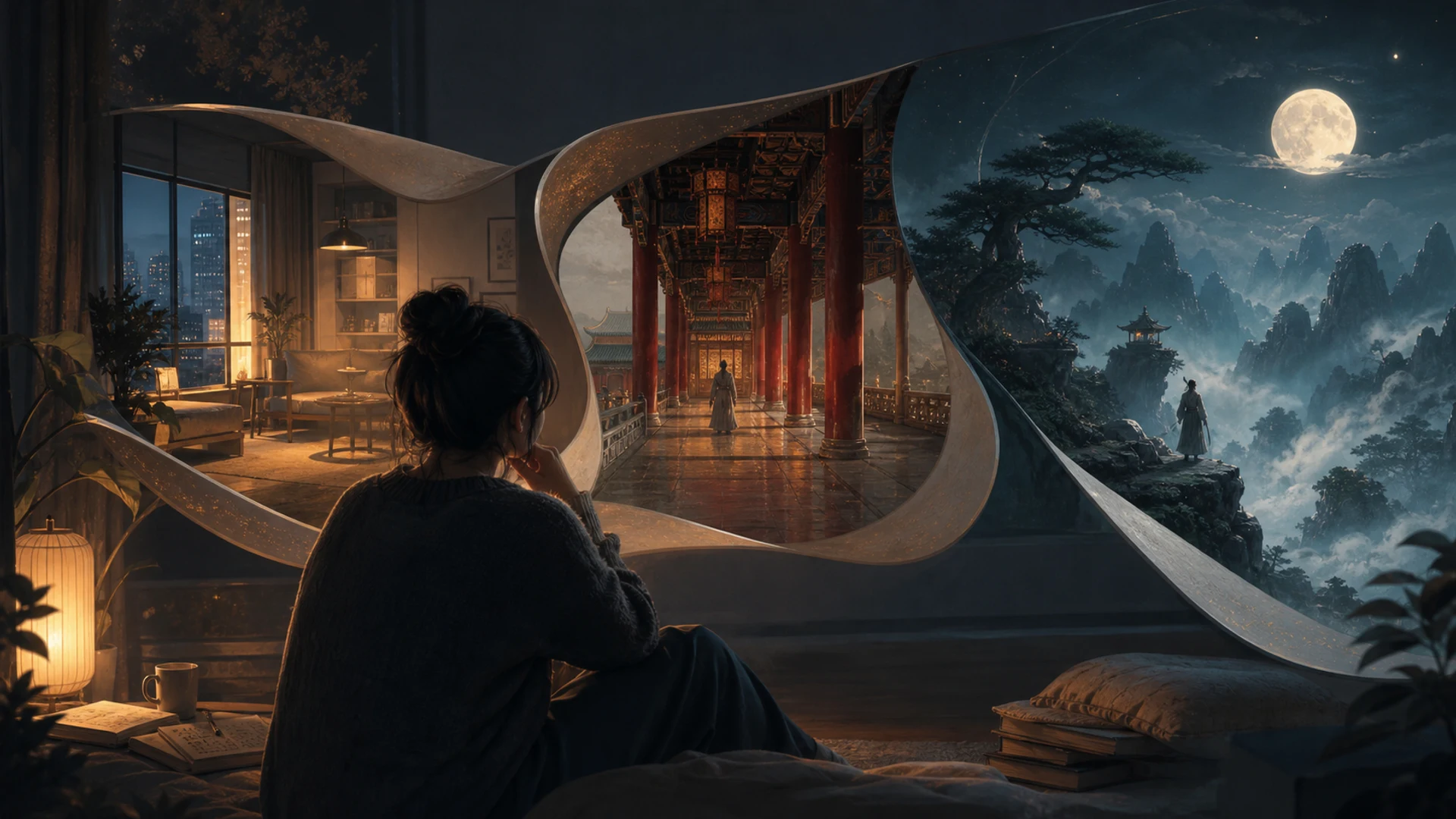
Original editorial illustration of a viewer choosing among modern, historical and fantasy Chinese drama worlds

Hook · human pressure · earned payoff

Chinese Drama

Chinese drama is easier to enter when you know what promise a series makes before it asks for thirty or forty episodes. Choose modern romance, xianxia fantasy, historical power, revenge or political strategy through 29 finished guides—not a popularity chart.

Run the episode-eight test

29 published guides across 6 core paths.

A long-story contract, not a popularity chart

Chinese drama deserves your time only when the story earns its length

A search for Chinese drama usually ends in an endless list of attractive posters, unexplained ratings and fans promising that a forty-episode series becomes good later. I refuse that bargain. A long drama can create an emotional life a two-hour film cannot, but length is not depth and chemistry is not a story. This page helps you identify the promise, pressure and payoff early; distinguish modern romance, xianxia, costume fantasy, palace drama and political revenge; verify the title and viewing route; then enter one of 29 finished East Moment guides with a reason stronger than hype.

Episode 01 · The direct answer

What is a Chinese drama—and what should a first-time viewer choose?

Chinese drama, often shortened to C-drama by international viewers, is not a single genre. It includes contemporary romance and family stories, youth and workplace series, crime and social drama, historical and palace narratives, wuxia, xianxia, mythology, fantasy, comedy and short-form web productions. Mainland television and online series form the center of this collection, but language, region, platform and production system still matter. A costume does not automatically make a drama historical. Flying immortals do not make a work wuxia. A modern apartment does not make a romance realistic. The label tells you where the search begins, not what the work has achieved.

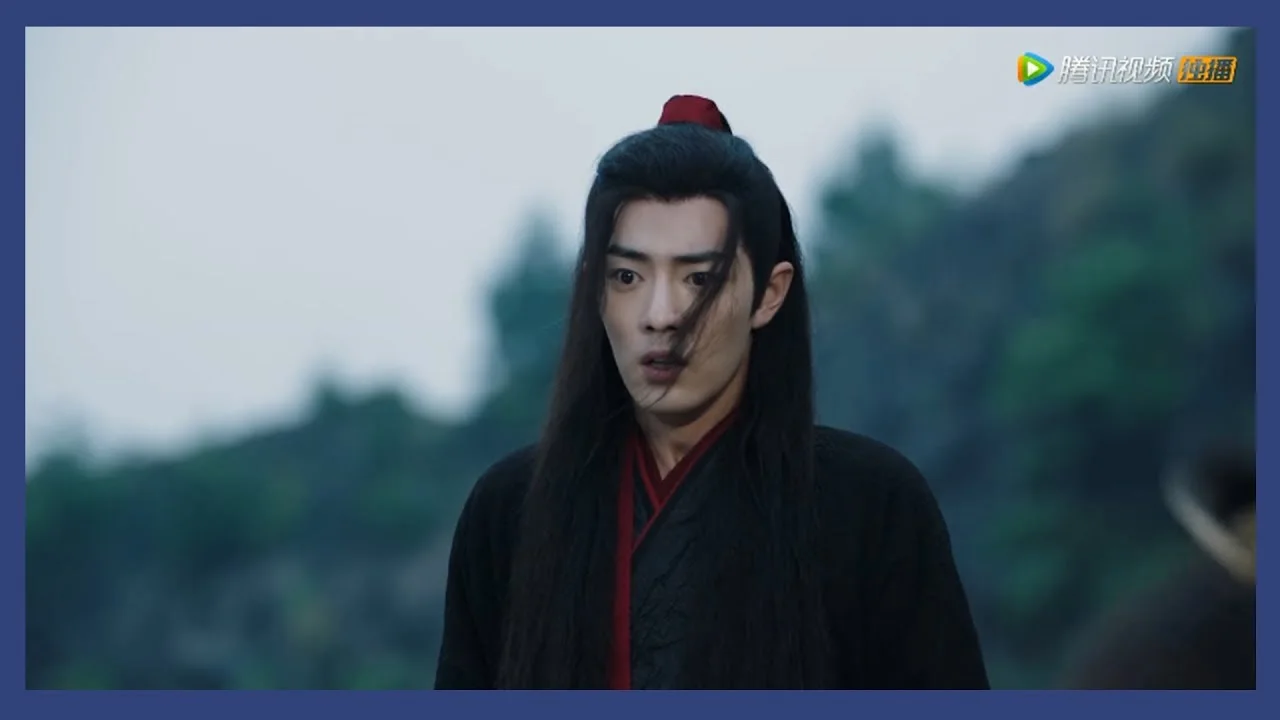
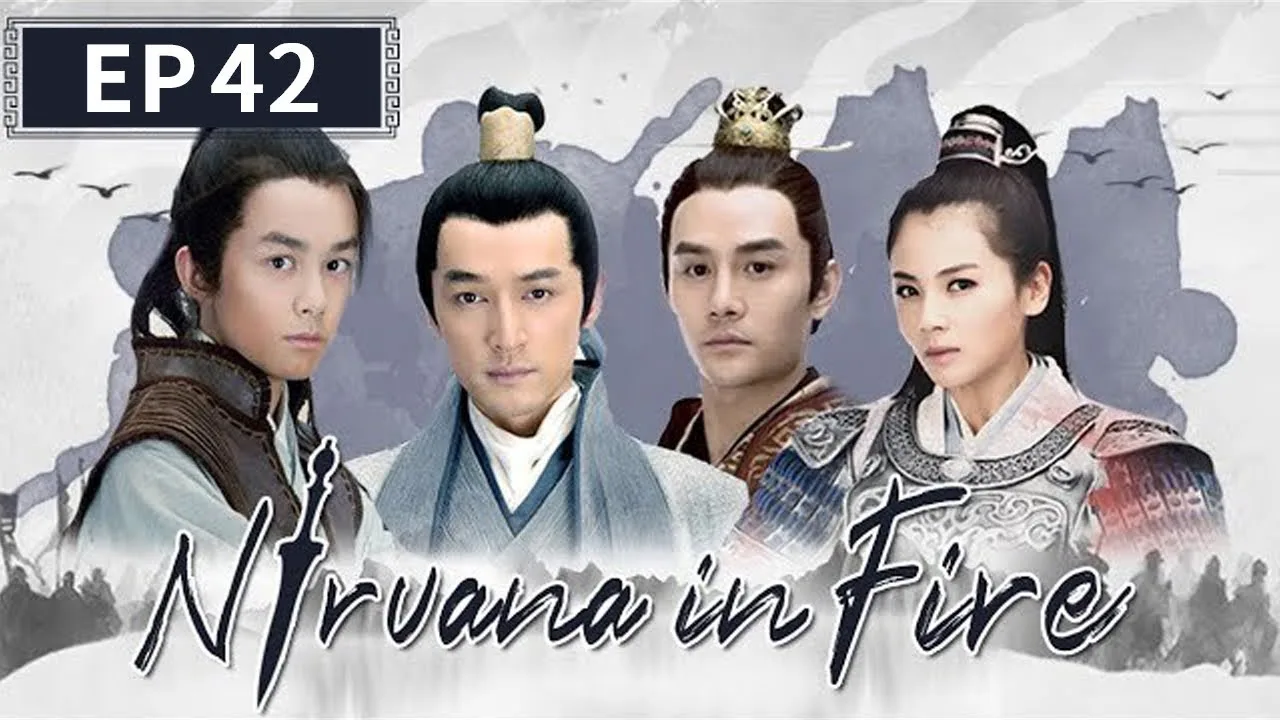
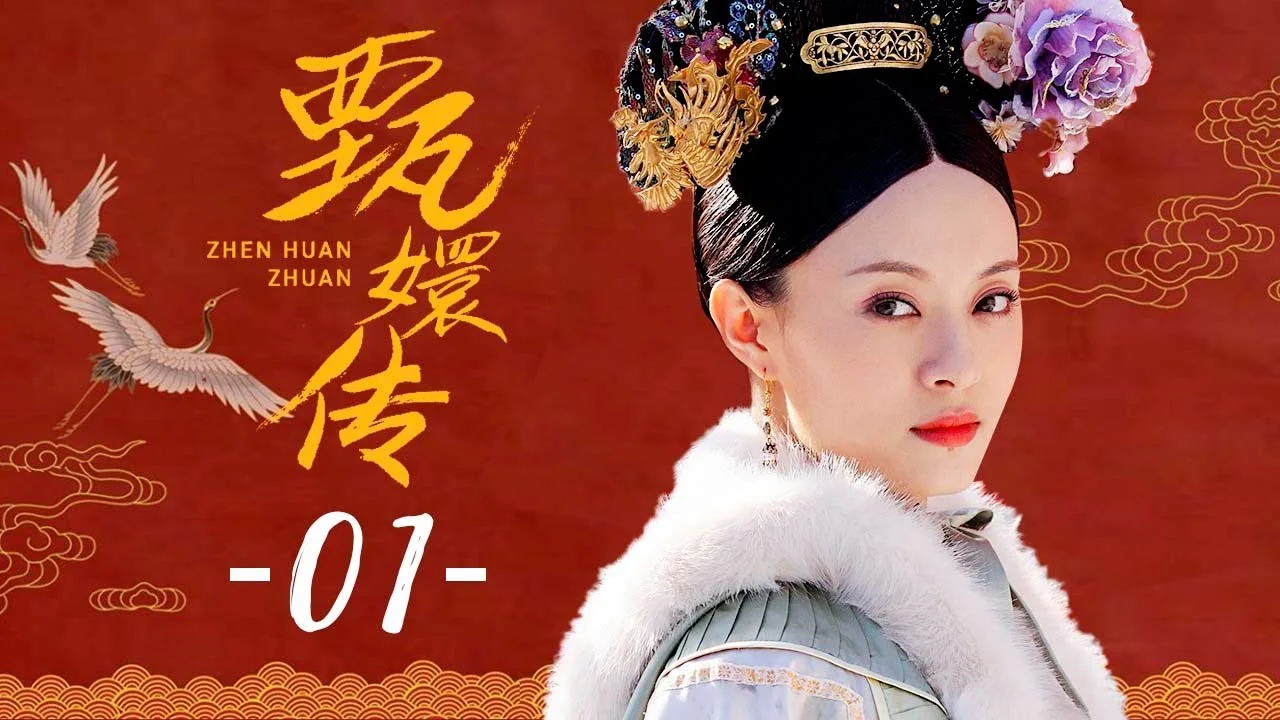
For a first Chinese drama, choose the pressure you want to live with. Start with Hidden Love or When I Fly Towards You if you want small gestures and a contemporary emotional rhythm. Choose Love Between Fairy and Devil if you want a fantasy rule that physically forces two people to understand each other. Choose Nirvana in Fire if patient political intelligence matters more than immediate romance. Choose Empresses in the Palace if you can accept a long palace system where language, clothing, favor and silence all change survival. Choose The Untamed if loyalty, moral memory and a relationship partly carried through implication are the point. None is the universal best; each makes a different demand on attention.

I distrust starter lists that hide commitment. Episode count, pace, subtitle route and tolerance for melodrama are part of the recommendation. A brilliant sixty-episode political drama is a bad answer for someone who wants a complete weekend romance. A visually gorgeous xianxia can be the wrong answer for someone who needs rules explained through action rather than lore. The useful recommendation names the emotional contract and the time debt together. That is why the first collection below begins with a decision guide instead of pretending one ranking can settle Chinese television.

The official plan establishes television drama as a production field shaped by planning, scripts, production, broadcast and quality systems. It cannot tell an individual viewer which genre, title or performance will deserve their time. China's National Radio and Television Administration development plan
Episode 02 · The episode-eight test

A slow burn is deliberate pressure; an empty middle is simply wasted life

Chinese dramas can use length beautifully. Repetition lets a household habit become emotional evidence. A minor court favor can return twenty episodes later as a debt. A friendship can change in increments too small for a film to hold. The pleasure is not merely that we spend longer with the characters; it is that time gives choices memory. When a later refusal carries the weight of five earlier compromises, serial storytelling has done something cinema could not do in the same way. I will defend that slowness because it is active.

But viewers are often trained to excuse the opposite. We are told to survive twelve episodes of circular misunderstanding because the pairing becomes sweet, or to ignore ten hours of decorative plotting because the final revenge is satisfying. I do not confuse endurance with cultural openness. By episode eight—or earlier for a shorter series—the drama must reveal its operating contract. The hook can still be unresolved, but the characters must be making decisions under pressure. The desired payoff can remain distant, but the route toward it must be accumulating cost. If the series merely relocates the same conflict from room to room, it is not building slowly. It is avoiding change.

Run a simple test. Write the opening promise in one sentence. Name one decision the protagonist could not have made in episode one. Then name the debt the story now owes: truth, reunion, justice, freedom, moral repair or a changed relationship with power. If you cannot answer all three, pause before donating another weekend. Fans may be right that a later arc improves, but a work still owns the responsibility for its beginning. Your time is not a loyalty test, and dropping a famous drama is not a failure to understand China.

Episode 03 · Modern romance

Chemistry is only convincing when it changes the ordinary room

Modern romance is the easiest Chinese drama category to underestimate because the visual language looks familiar: school desks, offices, cafés, apartments, phones and clean city nights. The test is not whether the leads create beautiful screenshots. It is whether attention becomes action. Does one person remember the detail the other tried to hide? Does affection alter who performs domestic labor, who controls the pace, who apologizes and who is permitted to refuse? Does the camera let embarrassment, boredom, work and friendship survive after the couple becomes desirable? Those ordinary pressures are where romance either becomes a human relationship or remains advertising for two faces.

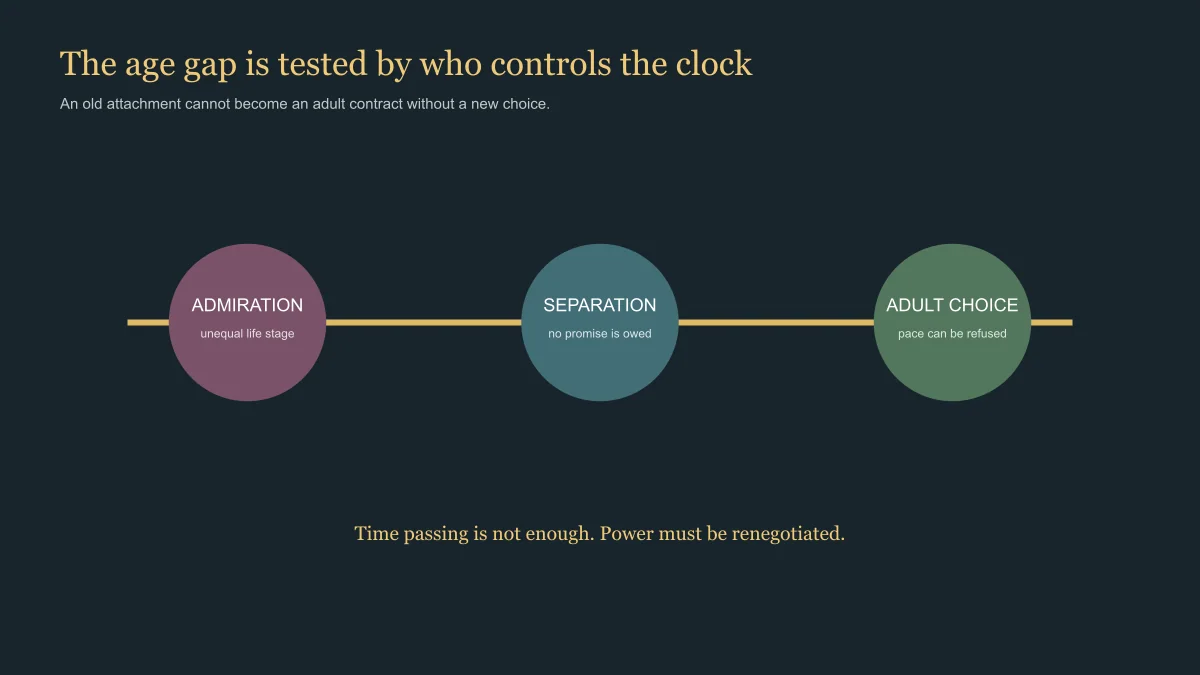
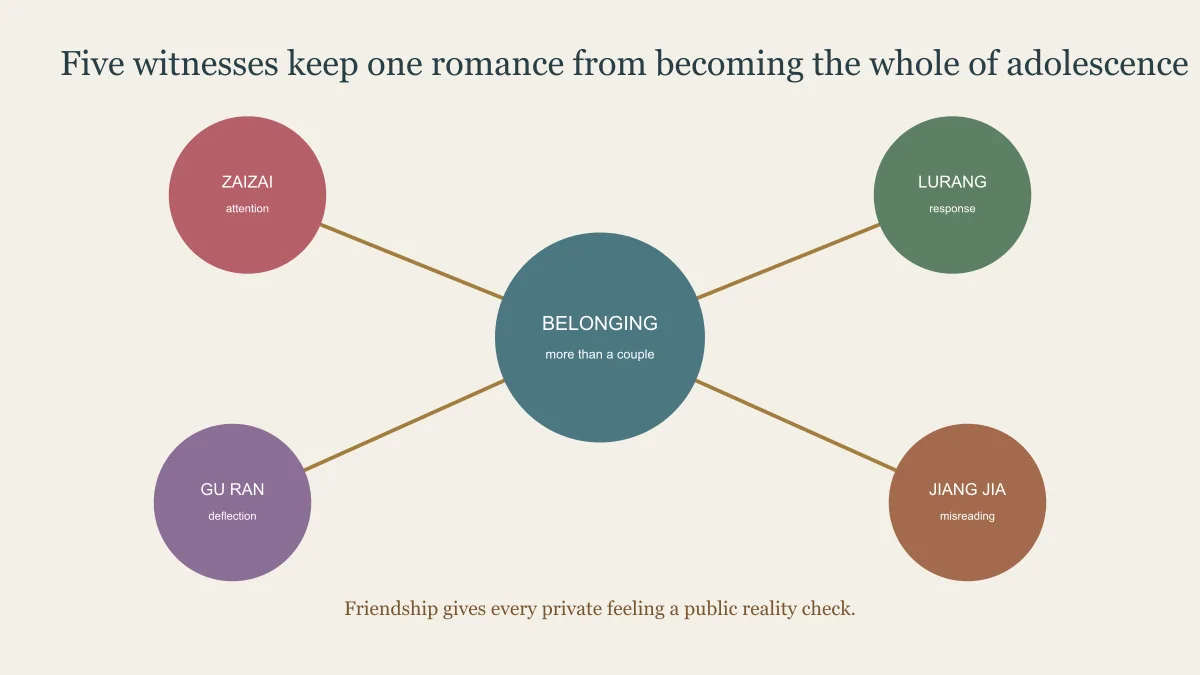
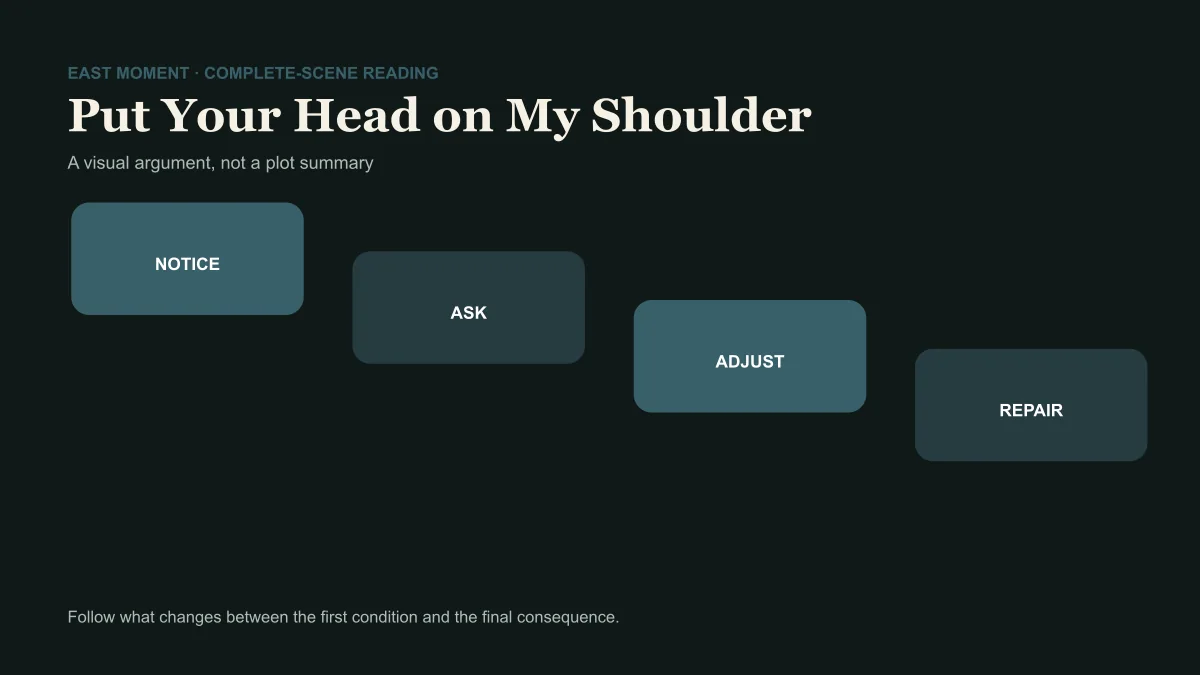
Hidden Love works best when private admiration matures into adult agency rather than being treated as a childhood promise. When I Fly Towards You is warmer because friendship protects the romance from becoming the only source of identity. Put Your Head on My Shoulder understands that shared space can be more revealing than a grand declaration. Lighter and Princess is sharper and more dangerous: charisma and genius create an orbit that can damage anyone who mistakes proximity for equality. Falling Into Your Smile frustrates me when esports becomes scenery, yet its team embarrassment sometimes feels more truthful than its professional competition. These are not interchangeable sweet dramas. They disagree about what closeness costs.

The strongest viewing question is therefore concrete: what changes in the room after love is acknowledged? If the woman still absorbs every consequence, the man remains interesting because he is difficult, and work disappears whenever romance needs a scene, the drama has not become mature merely because the actors are adults. If both people gain the power to surprise, interrupt and reshape the shared life, even a familiar premise can feel alive. I would rather watch a quiet meal where control genuinely changes hands than ten rain confessions designed to trend.

Episode 04 · Costume is not history

Separate historical drama, palace drama, wuxia and xianxia before asking what is accurate

International search results often place every robe, sword and palace under ‘historical Chinese drama.’ That shortcut destroys the first useful distinction. A historical or period drama may build around a named era, institutions or recognizable social structures while still inventing heavily. A palace drama turns rank, kinship, access and ritual into a survival system. Wuxia asks what justice and freedom mean outside or against official order. Xianxia builds cosmology, cultivation, reincarnation, gods and demons beyond ordinary historical reality. Costume fantasy may borrow all of these without owing strict historical reconstruction. The clothes tell you a visual world has been chosen; they do not tell you what kind of truth it claims.

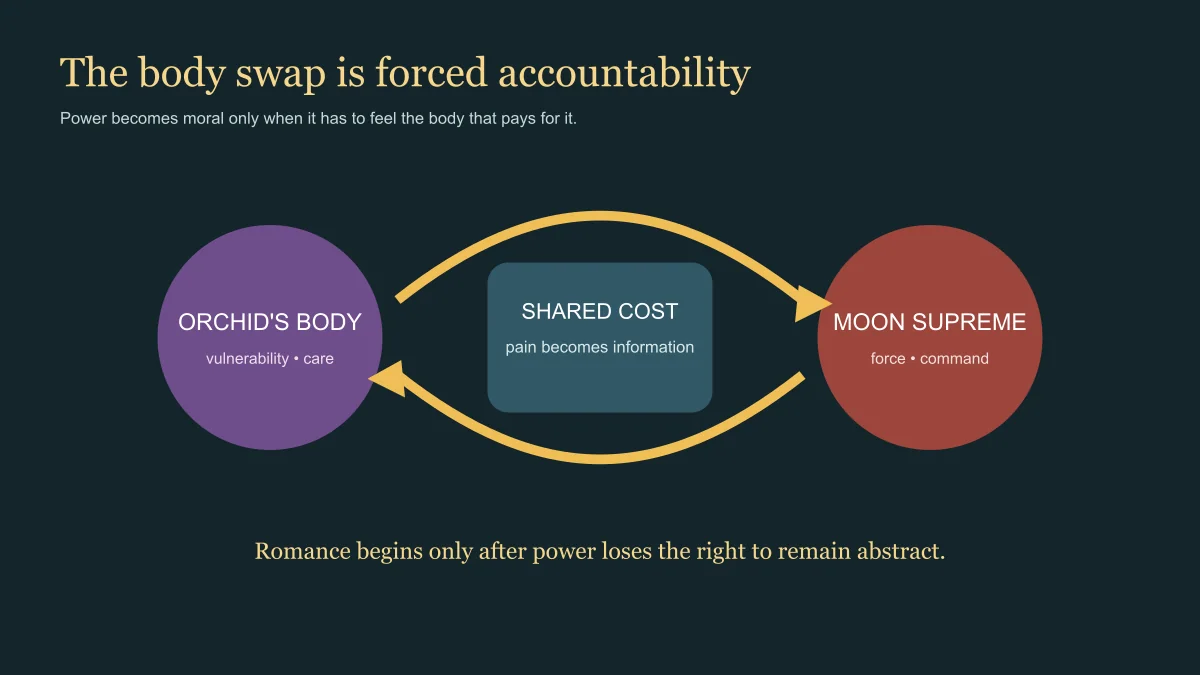
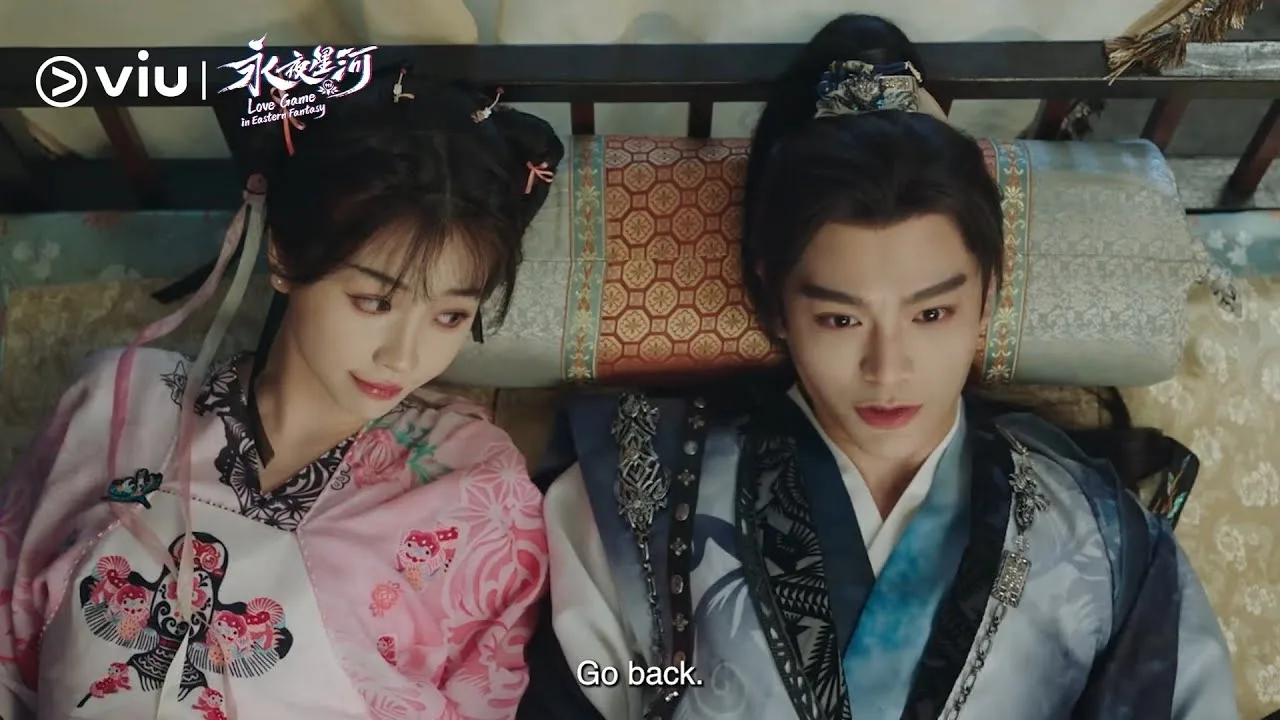
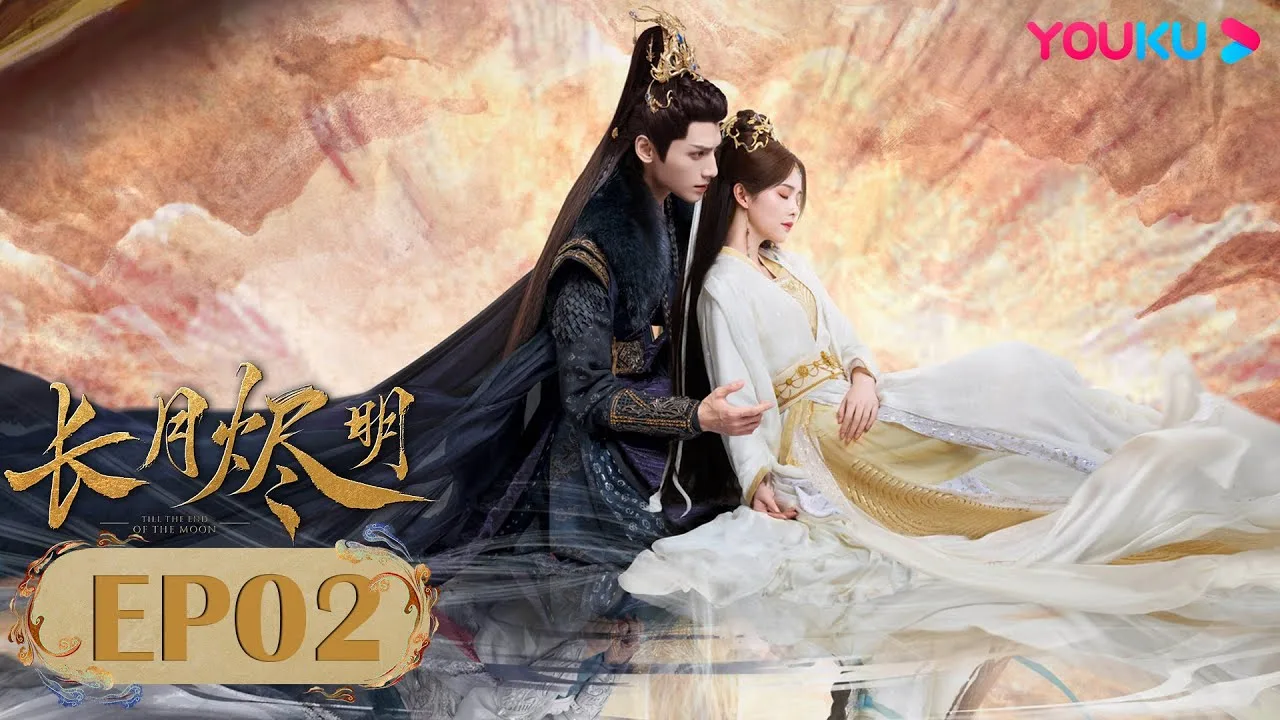
This matters because the viewer should judge each form by the right evidence. Love Between Fairy and Devil succeeds when a body-swap rule makes empathy physical, not when its costumes resemble a dynasty. Till the End of the Moon should be challenged on whether repeated suffering grows from moral choices or is manufactured by music, blood and delay. Love Like the Galaxy uses family neglect, marriage and political consequence to pressure a young woman who was never properly known at home. My Journey to You turns architecture, beauty and suspicion into a controlled spatial system. The same adjective—beautiful—describes all four and explains almost nothing.

Use costume as a question generator. What does a sleeve restrict or conceal? Who may cross the threshold? Which seat, title, hair ornament or form of address changes a person's safety? Then verify any historical claim outside the drama. I enjoy production design more when I do not force it to certify authenticity. A work can create a convincing emotional institution through invented details, and it can reproduce an expensive palace while saying nothing true about power. The camera must show how the system enters a body and a choice.

Episode 05 · Women reading power

Revenge feels good; the better drama shows who had to become legible to survive

Revenge drama gives an immediate pleasure: the humiliation returns to the people who caused it, preferably in public. The Double understands that appetite and wastes little time pretending otherwise. Yet public repayment is only one layer. The stronger question is what the heroine learned to read before she could answer back—rank, rumor, money, marriage, household labor, evidence, male protection and the danger of being seen too early. A satisfying reversal without that accumulated intelligence is a clip. A drama becomes memorable when survival changes the person delivering the reversal.

Empresses in the Palace remains formidable because the palace does not behave like a decorative obstacle course. Favor redistributes safety. Language has audiences inside audiences. Clothing, medicine, pregnancy, kinship and servants carry political information. Zhen Huan's transformation hurts because greater fluency in the system does not restore the self that entered it. Story of Kunning Palace uses a second life differently: knowledge offers strategic advantage, but memory cannot make earlier harm morally clean. Blossom also asks whether remembering produces different choices or merely more efficient control. These dramas are richest when intelligence has an emotional price.

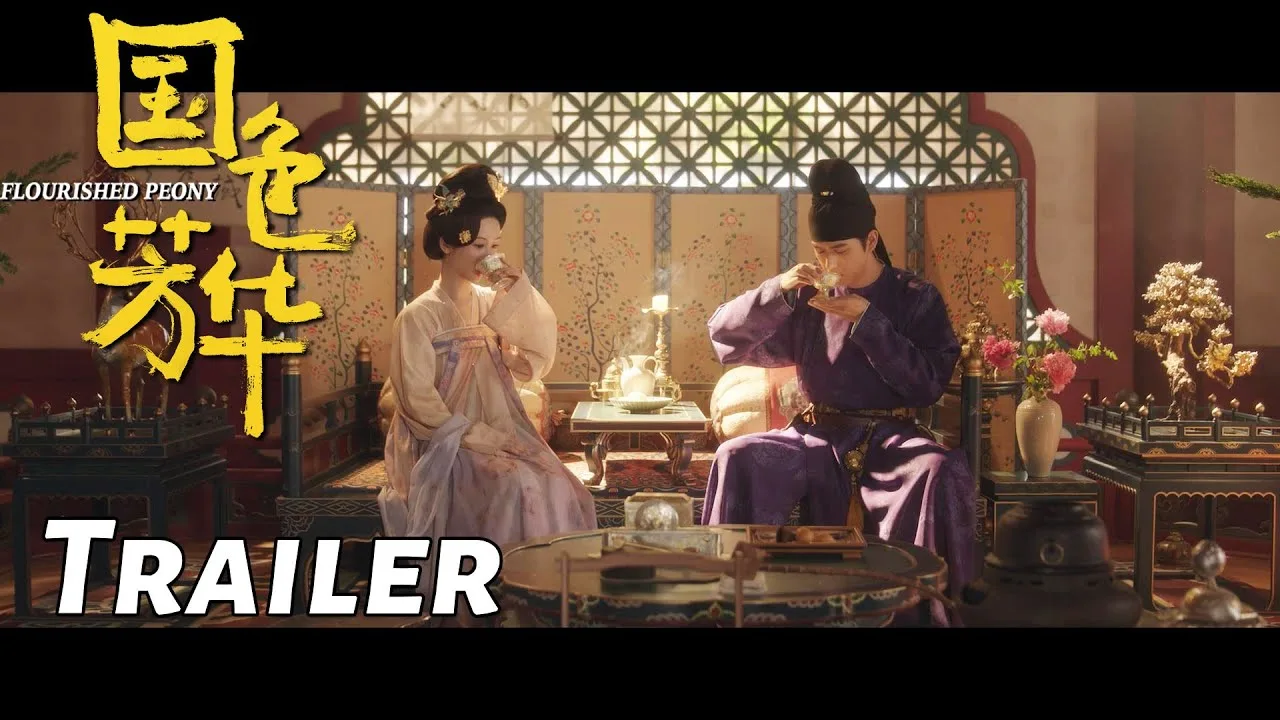
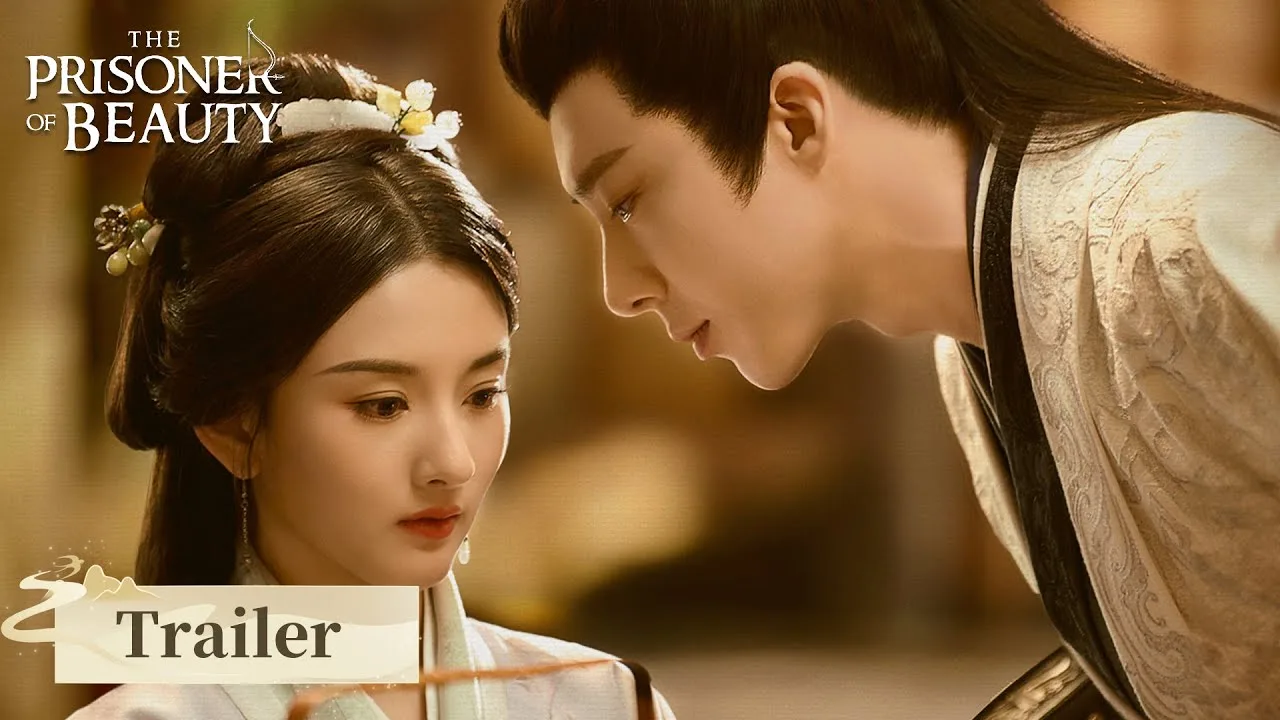
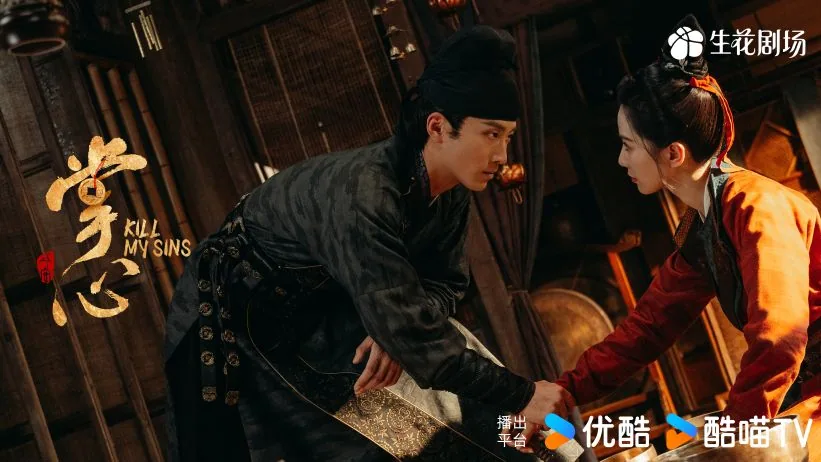
I am less interested in calling a heroine ‘strong’ than in seeing what she can now perceive and what perception costs. Does she gain real alternatives, or only become better at winning inside the same cage? Does another woman become a disposable villain so the lead can look liberated? Does marriage move power or simply rename dependence? Bring those questions to Flourished Peony, The Prisoner of Beauty and Kill My Sins. A woman standing in the center of the poster does not guarantee that the story understands her life.

Episode 06 · Fantasy and moral memory

Lore becomes meaningful only when the supernatural rule damages an ordinary need

Xianxia and fantasy dramas can overwhelm a first-time viewer with realms, clans, reincarnations, magical objects, transformed identities and names that change with status. Do not begin by memorizing the encyclopedia. Find the ordinary need trapped inside the rule: to be recognized, trusted, forgiven, free, remembered or allowed to choose. In Love Between Fairy and Devil, involuntary bodily connection matters because another person's pain can no longer remain abstract. In The Untamed, the fantasy world endures because loyalty and moral judgment must survive public naming, death and long memory. The rule is useful when it makes a human relation impossible to ignore.

I become impatient when a series treats suffering as an unlimited special effect. Three lifetimes do not automatically create three times the emotion. Sacrifice loses force when death is reversible but grief is still performed at maximum volume every arc. Cosmic stakes can make a relationship feel smaller rather than larger if the characters stop making choices and begin carrying prophecy from set piece to set piece. Till the End of the Moon is visually and morally fascinating precisely because it sometimes crosses that line: tragedy grows from fear and choice, then occasionally becomes a machine asked to manufacture more tragedy.

The cleanest fantasy test is causal. Remove the magical rule and ask whether the central relationship would still change in the same way. If yes, the lore may be decoration. If no, identify the exact decision the rule forces. Then ask who bears the cost. This keeps mythology connected to drama rather than using unfamiliar vocabulary as proof of depth. Viewers do not need to know every realm before feeling the work. The work must make one rule emotionally legible before demanding an entire cosmology.

Episode 07 · Strategy and consequence

A clever plot is not a pile of twists; it is a memory of who paid

Political and revenge dramas are often praised for being ‘smart’ when they simply hide information until a reveal. Real strategy is visible in retrospect. The audience may not predict the move, but once it happens we should understand the resources, risks, relationships and earlier sacrifices that made it possible. Nirvana in Fire is powerful because strategy serves restored memory rather than allowing the strategist to become an untouchable genius fantasy. The victory is never only that Mei Changsu knew more. It is that knowledge remains attached to bodies, loyalty and people who cannot be returned.

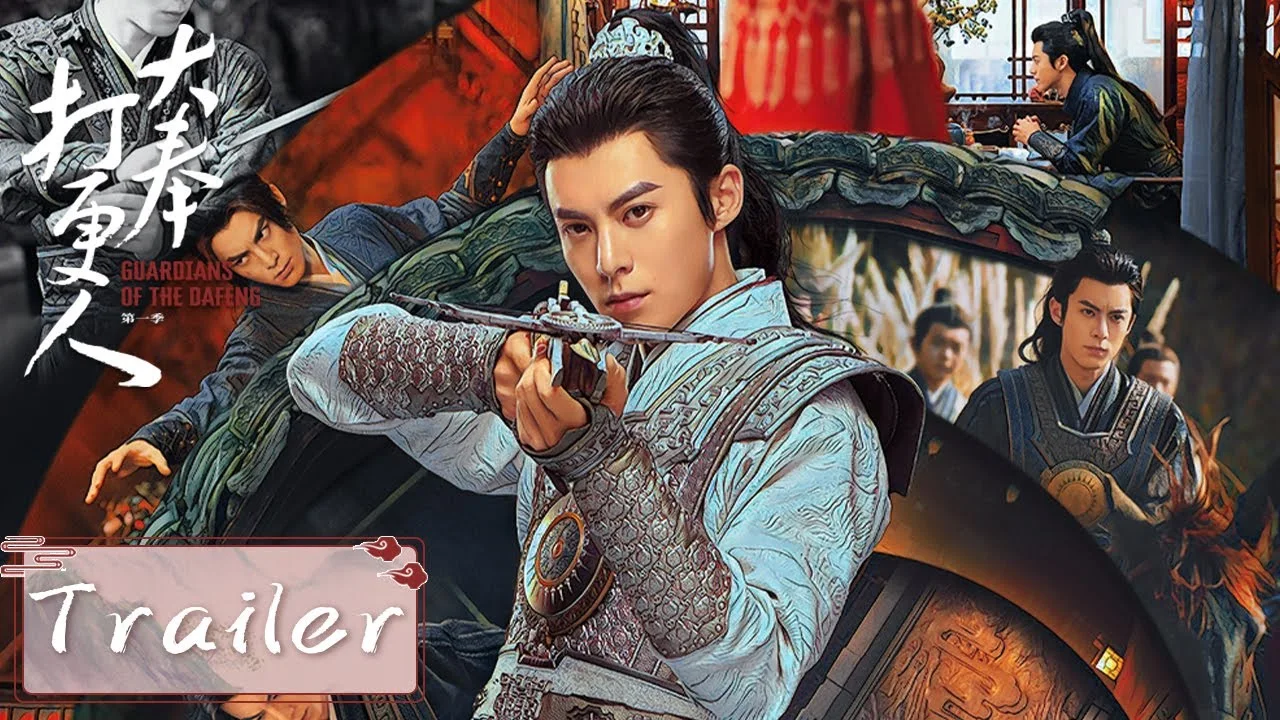
Guardians of the Dafeng uses another rhythm: comedy can expose a system quickly, but the joke must still solve something or change who holds authority. Kill My Sins moves through reversals with greater speed, yet its guilt makes revenge morally less clean. The question across all three is the same: when the plan works, who pays? If every loss belongs to a minor character and every gain confirms the hero's brilliance, the plot is not intelligent. It is protective packaging.

Keep a small evidence ledger while watching. Record the clue, the person who noticed it, the resource required and the consequence after the reveal. This turns ‘the plot is so clever’ into a claim another reader can test. It also exposes dramas that use editing and withholding to imitate complexity. A twist deserves respect when it changes our understanding of earlier choices, not merely when the soundtrack announces that we knew less than the screenwriter.

Episode 08 · Title, platform and return

Verify the drama before you watch—and return with the episode where it declared itself

Chinese drama discovery becomes confusing because one work can travel under a Chinese title, pinyin, an official English title and several fan translations. Search results mix complete series, official clips, recaps, reaction videos and unrelated short dramas with similar English names. Before watching, match four things: the Chinese title, lead cast, episode count and official distributor page. Then check your region, subtitle language, free or membership boundary and whether the listing is complete. Platform cards change, so a guide should date the access check rather than promise permanent availability.

WeTV's official catalogue makes part of this visible: genre labels, episode totals, language options and VIP boundaries appear alongside titles, while availability can still vary by territory and time. That evidence proves a route existed when checked; it does not prove subtitle quality, permanent access or artistic value. East Moment title pages therefore separate the viewing decision from the access decision. I can strongly recommend a drama and still tell you that the legal route is fragmented. I can verify a platform listing without pretending the platform's score is criticism.

When you return, do not post ‘I loved it’ and disappear. Bring the episode where the drama finally declared what it was. Name the scene, the decision, what promise it made or broke and whether the later payoff honored it. Mark spoilers. We will organize useful turning-point cards by modern romance, fantasy rule, historical power, revenge and political strategy. The reason to come back is not to defend a fandom. It is to leave the next viewer a precise point where attention became trust—or where trust ended.

The official catalogue can identify titles, genres, episode information, language options and membership labels visible on the reviewed route. It cannot prove permanent regional availability, subtitle quality, audience consensus or artistic value. WeTV official drama catalogue

East Moment Community

Bring the episode where the drama finally declared what it was.

Submit one turning-point card: episode number, exact scene, the promise it made or broke and whether the later payoff honored it. Mark spoilers; ratings and generic praise are not evidence.

Why return: We will group strong cards by romance, fantasy rule, historical power, revenge and strategy so the next viewer can decide where trust begins—and when to leave.

What should East Moment send you?

Find the Chinese Drama story you are looking for

Chinese Drama: choose the path that matches your question

Start with chinese drama, then move into the names, related questions and search intents that belong to each focused theme. Every visible path leads to a published East Moment page. A Chinese drama does not deserve forty hours because the cast is famous or the costumes are beautiful. By episode eight, the hook, human pressure and promised payoff must belong to the same story—or I leave without guilt.

The official plan documents television drama as a regulated production field with script, production, broadcast and quality systems; it does not decide which series deserves a viewer's time. China's National Radio and Television Administration: TV drama development plan
Make the long story earn your time

Enter through romance, fantasy rules, historical power, revenge or political memory

East Moment’s 29 finished Chinese drama guides are organized by the pressure each series asks you to live with, not by one anonymous score. Choose a first route, an ordinary modern relationship, a fantasy rule, a costume-world power system or a long political memory; every card opens a complete, indexable guide.

Collection 01 · best Chinese dramas and new Chinese drama

Choose a first Chinese drama without surrendering forty hours

2 published guides

Begin with a decision route rather than a ranked list, or inspect one current release through cast, premise, episode debt and the evidence available now.

Collection 02 · modern Chinese romance dramas and youth C-dramas

Modern romance must survive ordinary rooms

11 published guides

School corridors, apartments, workplaces, gaming rooms and sports venues test whether chemistry becomes behavior. These dramas succeed when two people alter daily life—not when the camera merely insists they look good together.

Collection 03 · xianxia dramas, fantasy C-dramas and Chinese costume fantasy

Fantasy works only when the rule wounds a person

5 published guides

Body swaps, demon identities, game systems, reincarnation and supernatural cases are not depth by themselves. Enter these worlds when the rule changes intimacy, guilt, sacrifice or the price of returning home.

Collection 04 · historical Chinese dramas, revenge dramas and costume romance

Costume, marriage and revenge put power inside the room

8 published guides

These routes follow women reading danger, marriages carrying public consequences and second lives that cannot erase the first. Costume creates the pressure field; it never proves historical truth by itself.

Collection 05 · classic Chinese dramas and Chinese historical drama masterpieces

Long memory, political intelligence and the classics that keep returning

3 published guides

These series endure because loyalty, strategy and survival cannot be reduced to one ship, one revenge reveal or one palace quote. They reward viewers who track who remembers, who pays and what power makes unsayable.