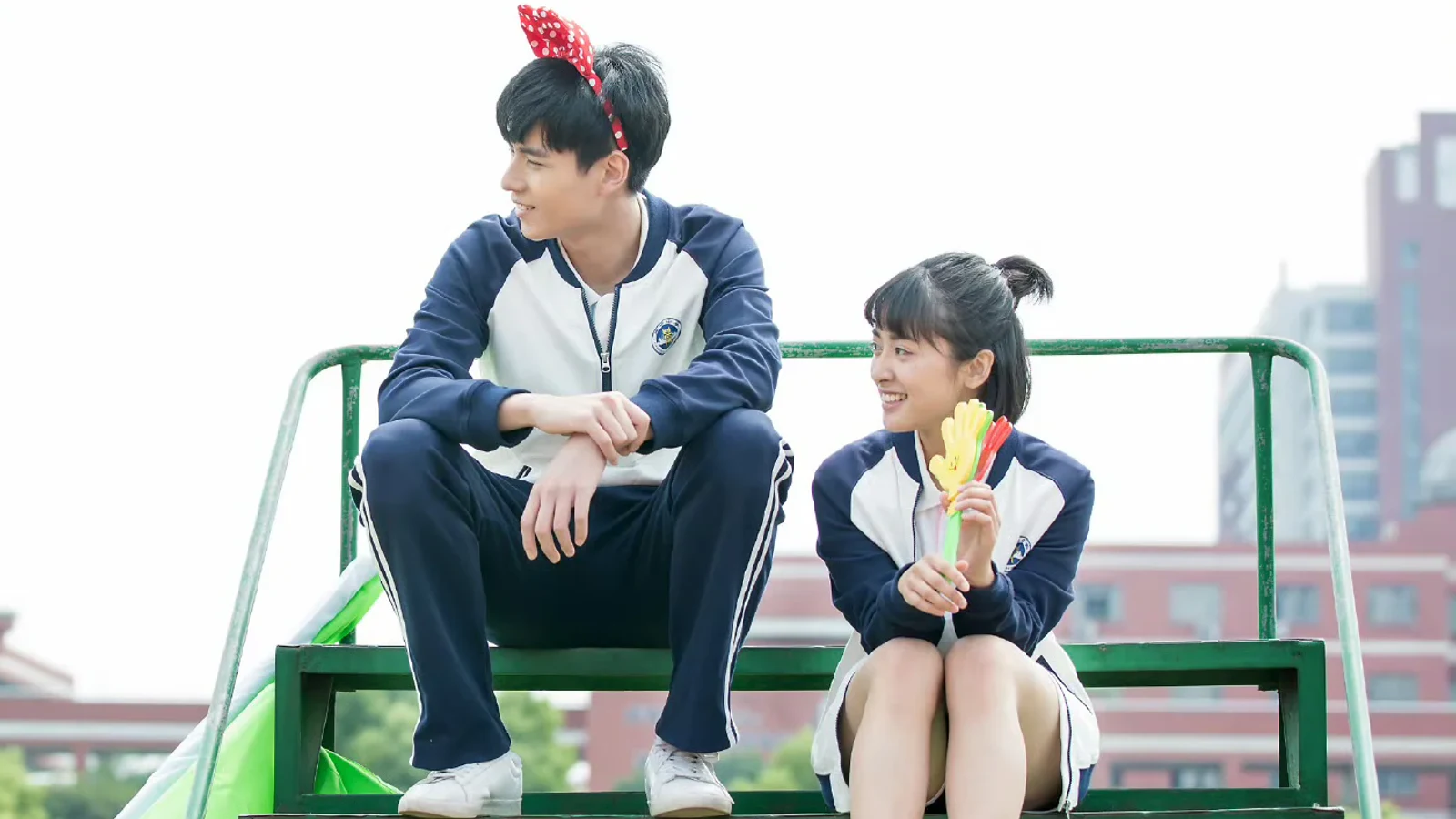
Meteor Garden is worth watching as a glossy, emotionally immediate gateway to Chinese youth drama, but the 2018 romance should not receive a free pass because the cast has chemistry. Shancai's refusal is the story's engine. Daoming Si earns the happy ending only when rejection changes how he behaves, not when wealth, persistence or suffering simply make his desire look larger.
Meteor Garden (2018) in 60 seconds
| Question | Short answer |
|---|---|
| Version covered here | The 2018 mainland Chinese series, Meteor Garden (流星花园) |
| Source story | Yoko Kamio's Japanese manga Boys Over Flowers |
| Episodes | 49 in the Netflix listing; regional cuts and numbering can differ |
| Leads | Shen Yue as Dong Shancai; Dylan Wang as Daoming Si |
| F4 | Daoming Si, Huaze Lei, Yan Ximen and Feng Meizuo |
| Basic plot | A working-class university student confronts four privileged campus stars and becomes entangled with their volatile leader |
| Best reason to watch | Shancai's resistance gives a familiar rich-boy fantasy real friction |
| Main problem | Aggression is too often photographed as intensity before growth has earned it |
| Ending | Happy for Shancai and Daoming Si; full spoilers below |
| East Moment verdict | Watch, but keep power—not chemistry—as your test |
Search results often mix different productions. This page covers Shen Yue and Dylan Wang's 2018 series, distributed internationally by Netflix. It is not the 2001 Taiwanese drama with Barbie Hsu and Jerry Yan, the Korean Boys Over Flowers, the Japanese Hana Yori Dango or the Thai F4 Thailand.
Which Meteor Garden version are you looking for?
| If you remember... | You probably mean... | Key leads |
|---|---|---|
| Jerry Yan, Barbie Hsu and early-2000s Mandopop | Meteor Garden (Taiwan, 2001) | Jerry Yan and Barbie Hsu |
| Lee Min-ho and a Korean high school | Boys Over Flowers (Korea, 2009) | Lee Min-ho and Ku Hye-sun |
| Dylan Wang, Shen Yue and a university setting | Meteor Garden (mainland China, 2018) | Dylan Wang and Shen Yue |
| Bright Thai styling and an explicit social-media update | F4 Thailand (Thailand, 2021) | Bright Vachirawit and Tu Tontawan |
They share the same central adaptation DNA, but tone, setting and the treatment of bullying differ. A remake is not merely the same romance in new clothes. It reveals what each production thinks must be softened, modernized or preserved for its audience.
VIZ Media's official Boys Over Flowers series page anchors the source-story relationship. The manga banner proves the accountable original property, not that any television version reproduces a scene, design or moral emphasis exactly.
Should you watch all 49 episodes?
Watch the first four episodes and apply two tests.
- Does Shancai remain a person with priorities beyond choosing between two men?
- When Daoming Si crosses a boundary, does the story require changed conduct or reward the size of his feeling?
Continue if the friction makes you want to inspect how both characters change. Stop if aggressive pursuit already destroys the romantic premise for you. Later vulnerability supplies context, but it does not retroactively make every early action acceptable.
The long episode count is the real commitment. The series repeats separation, rescue, family pressure and misunderstanding more often than its central idea requires. Viewers who need tight plotting will feel that repetition. Viewers who enjoy prolonged attachment to a cast may experience the same excess as immersion.
The cast works because each body carries a different kind of privilege
- Shen Yue as Dong Shancai: compact, direct and quick to brace herself; refusal reads through the whole body before dialogue catches up. Her actor page follows that ordinary-scale timing beyond the school role instead of treating Shancai as a complete career.
- Dylan Wang as Daoming Si: physically expansive and emotionally immediate; he occupies space before he understands another person's right to it.
- Darren Chen as Huaze Lei: quieter and less invasive, making restraint itself attractive even when emotional distance limits the relationship.
- Caesar Wu and Connor Leong as Ximen and Meizuo: turn F4 from a single romantic obstacle into a social unit with its own loyalty and insulation.
The useful triangle is not “which handsome man is better?” It is a comparison between visible force and controlled distance. Shancai's choice matters only if she is not reduced to the prize that certifies one style of masculinity.
Shancai is not attractive because she is poor
The class contrast supplies the fantasy, but poverty is not a personality. Shancai becomes compelling through practical attention: she works, notices humiliation quickly and refuses to treat status as moral authority. Her resistance is sometimes stubborn to the point of narrative repetition, yet that stubbornness protects the story from becoming a simple reward system for Daoming Si.
The most revealing Shancai scenes are not glamorous confrontations. Watch what happens after pressure: how quickly she rebuilds ordinary activity, whether she asks for help and what she refuses to explain. Those actions preserve a self outside romance.
Daoming Si must unlearn possession
Daoming Si's first language is control. He can change the scale of a room, a trip or a conflict through money and social position. Desire therefore arrives as command before it can become care.
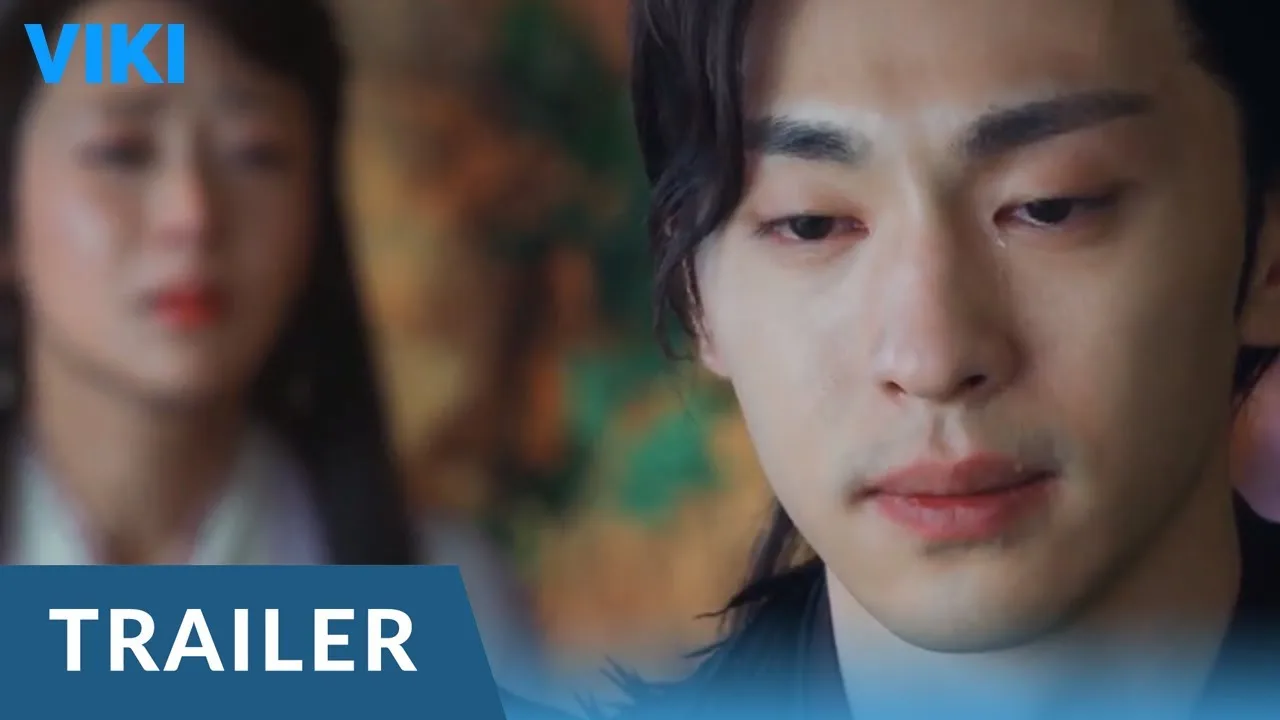
The official Netflix trailer represented by the opening image makes the attraction legible in seconds: he can loom, pull, protect and declare. A complete series has a harder task. It must show him stop using access as entitlement.
This is why suffering alone is not redemption. Family opposition, separation and loneliness can make Daoming Si sympathetic, but pain does not automatically make him safer. The stronger evidence is behavioral: listening after a refusal, allowing Shancai to make a decision he dislikes and accepting that rescue does not create ownership.
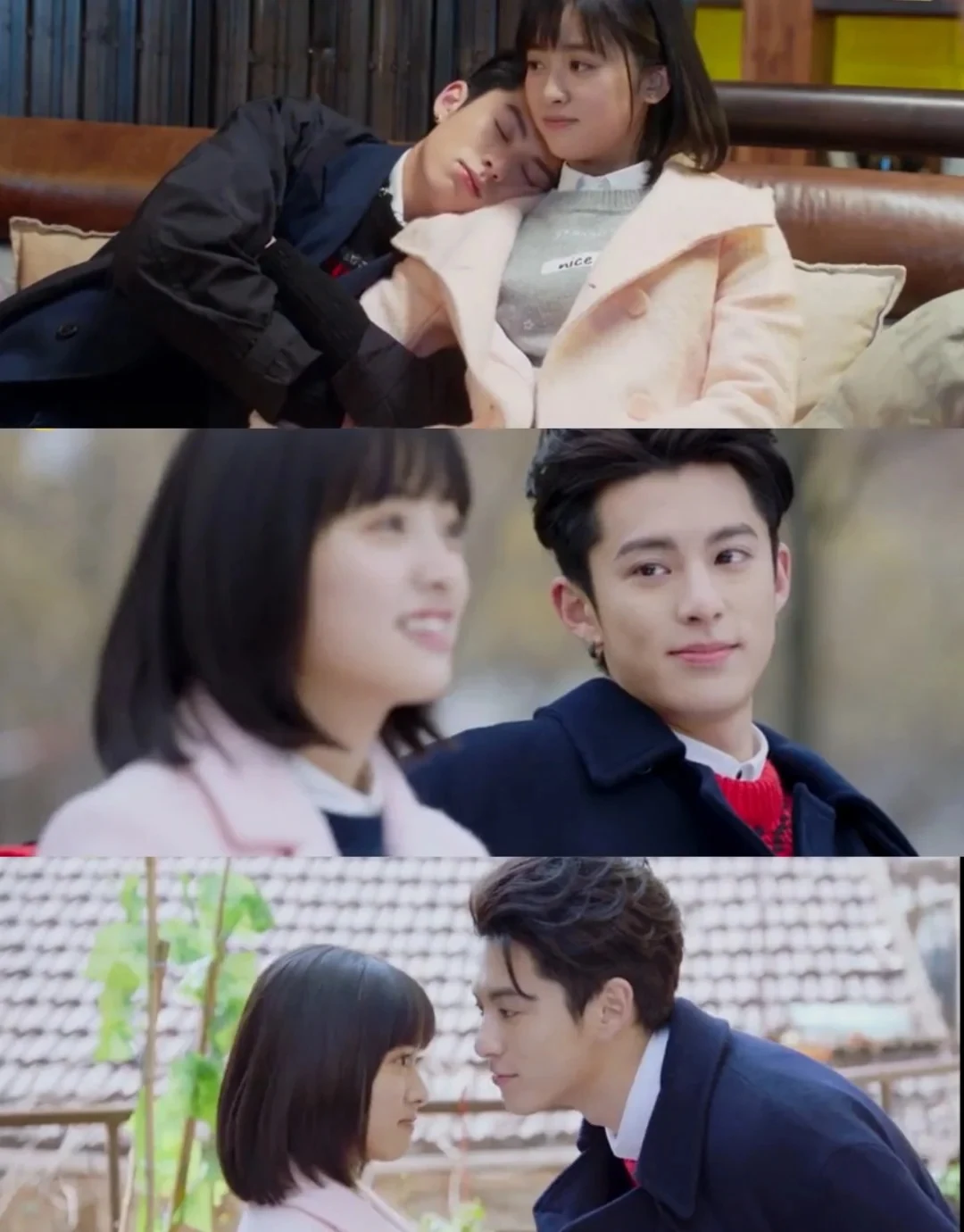
Three romantic moments can make the relationship feel repaired before we have checked what changed. A look, an embrace and close physical framing prove attraction and accumulated familiarity; they do not prove consent, apology or surrendered control. That distinction is exactly where nostalgia becomes dangerous. I can love the chemistry and still ask the unromantic question: after each beautiful frame, does Shancai possess more freedom to say no? If the answer is no, proximity is not character growth.
For Dylan Wang, this is the raw early version of a screen instrument later used with more control. Compare the full Dylan Wang role guide and then Love Between Fairy and Devil, where authority is given a cleaner transformation structure.
Huaze Lei is a limit, not merely a second choice
Lei's narrative function is to show that gentleness and distance can coexist. He does not press into every silence, which makes him feel safer. But safety without availability is not automatically a complete relationship.
That distinction improves the triangle. Shancai is not choosing between cruelty and perfection. She is learning the difference between the person who creates emotional space and the person who may eventually learn not to dominate it.
Why the 2018 remake remains an effective gateway
The production is bright, internationally legible and built around faces that read quickly in close-up. University rather than high school reduces one source of discomfort, while contemporary phones, travel and fashion make the world easy to enter without extensive cultural explanation.
Its Chinese context is clearest in the pressure surrounding family authority, economic legitimacy and public relational duty. The wealthy parent is not merely a private villain; she embodies a system in which marriage protects status and family decisions can overrule individual feeling. The drama exaggerates that system, but the conflict travels because the underlying question is familiar: who is allowed to choose a relationship when money organizes everyone around it?
Meteor Garden ending explained
Full spoilers begin here.
Shancai and Daoming Si receive a happy ending. After prolonged family opposition, separation and a deliberately disorienting final sequence, the couple marry. F4 and the people around them participate in the celebration, and the series closes the central romantic promise rather than leaving the pair unresolved.
The emotional answer is clear; the presentation is less disciplined. Dreamlike staging and apparent reversals make viewers question what is happening at the moment when the drama should convert 49 episodes into clean consequence. The ending supplies celebration, but it does not fully resolve every objection raised by the path there.
My verdict: the marriage is satisfying only if you have already seen Daoming Si replace possession with partnership. A wedding cannot perform that change on his behalf.
The best viewing route after Meteor Garden
- Choose Put Your Head on My Shoulder if you want a romance where shared domestic space replaces status warfare.
- Choose Hidden Love if you want quieter reaction acting but still want to test life-stage boundaries.
- Choose Love Between Fairy and Devil if Dylan Wang's presence interested you and you want to see it given a more coherent transformation arc.
- Browse the Chinese television guide when mood and conflict level matter more than cast familiarity.
The useful next step is contrast. Do not follow a turbulent rich-boy romance with three near-identical variants and mistake repetition for understanding.
Final verdict
The 2018 Meteor Garden is excessive, uneven and still unusually effective at introducing international viewers to the serial pleasures of C-drama: attachment to a cast, emotional escalation, family pressure and a romance stretched until every decision feels public.
Its best idea is Shancai's refusal. Its greatest risk is treating Daoming Si's intensity as sufficient proof of love. Watch the series when you are willing to argue with it. The argument is part of the value.
Meteor Garden cannot be separated from its adaptation history
The 2018 Meteor Garden is not an isolated Chinese romance. It belongs to a long East Asian adaptation line beginning with Yoko Kamio's manga Boys Over Flowers, including the enormously influential 2001 Taiwan series and later Japanese and Korean versions.
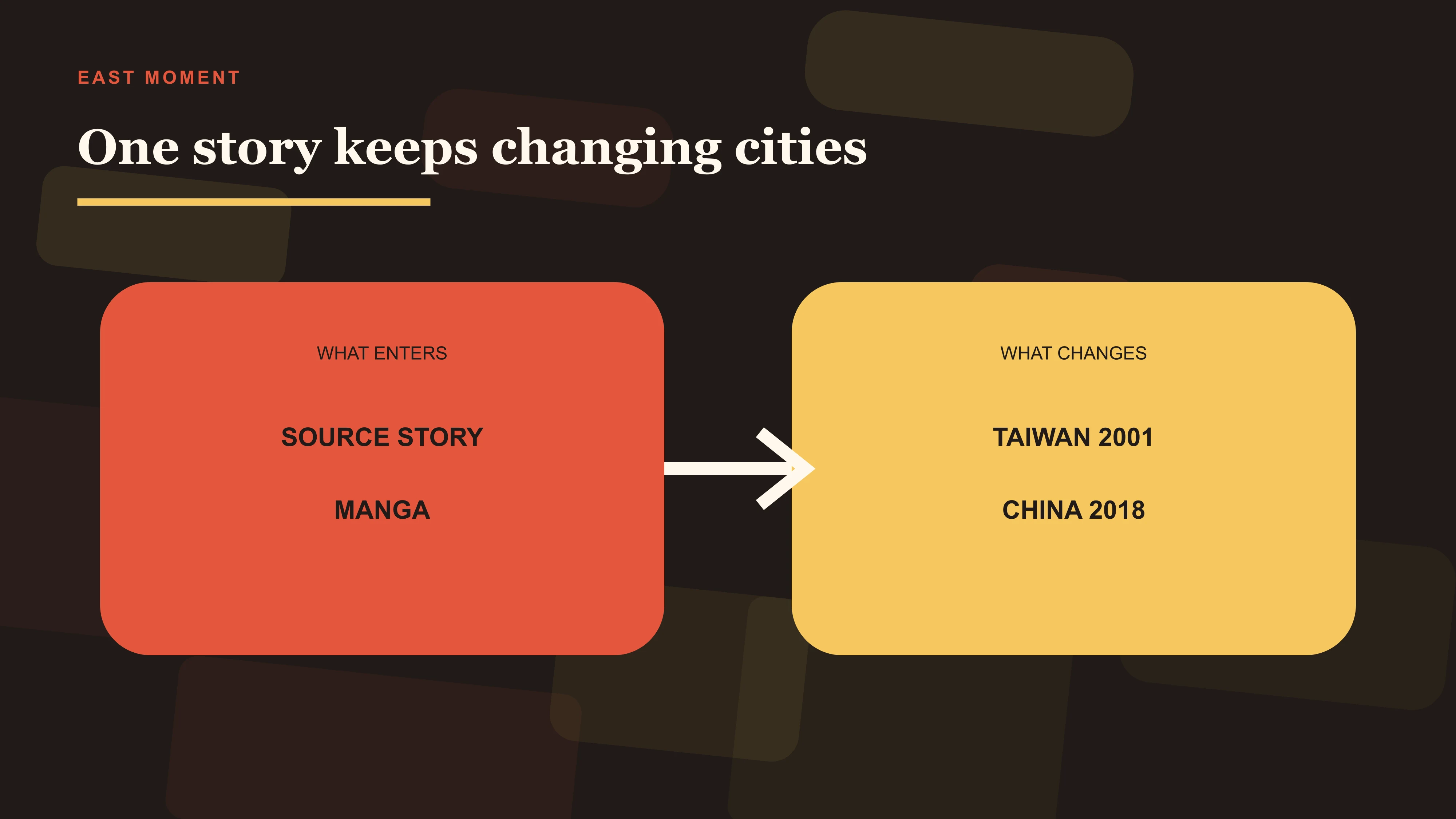
That lineage explains why viewers arrive with memories before the first episode. A scene can feel nostalgic, corrected or weakened depending on which version taught the viewer the story's emotional rules.
The romance begins inside a power gap
Dao Ming Si's money, status and group power are not decorative obstacles. They determine whose humiliation becomes entertainment and who can leave without consequence.
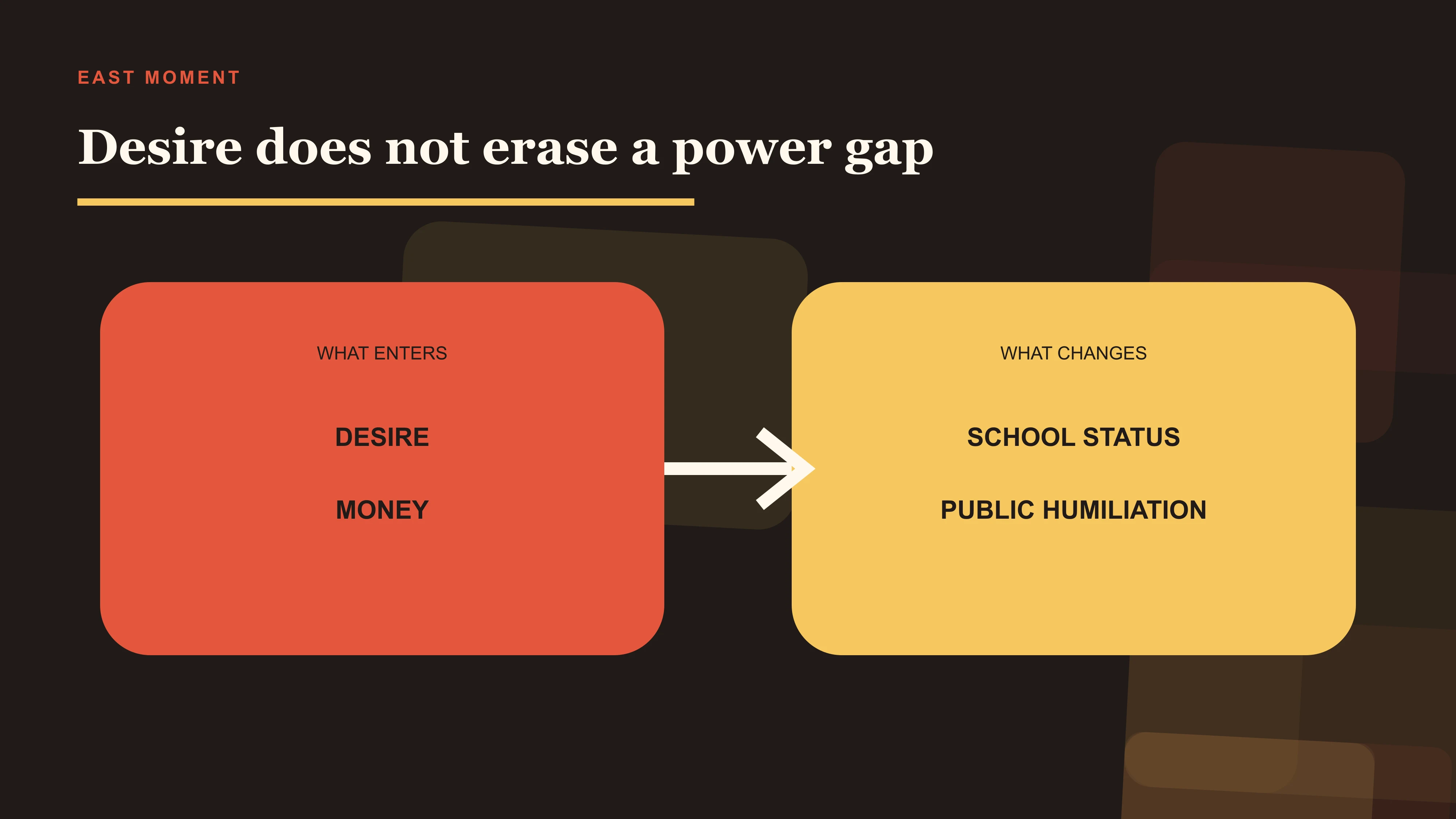
The story asks viewers to believe that aggression can be transformed by attachment. That transformation must be proved through apology, changed behaviour and surrendered control. Attraction alone cannot repair coercion.
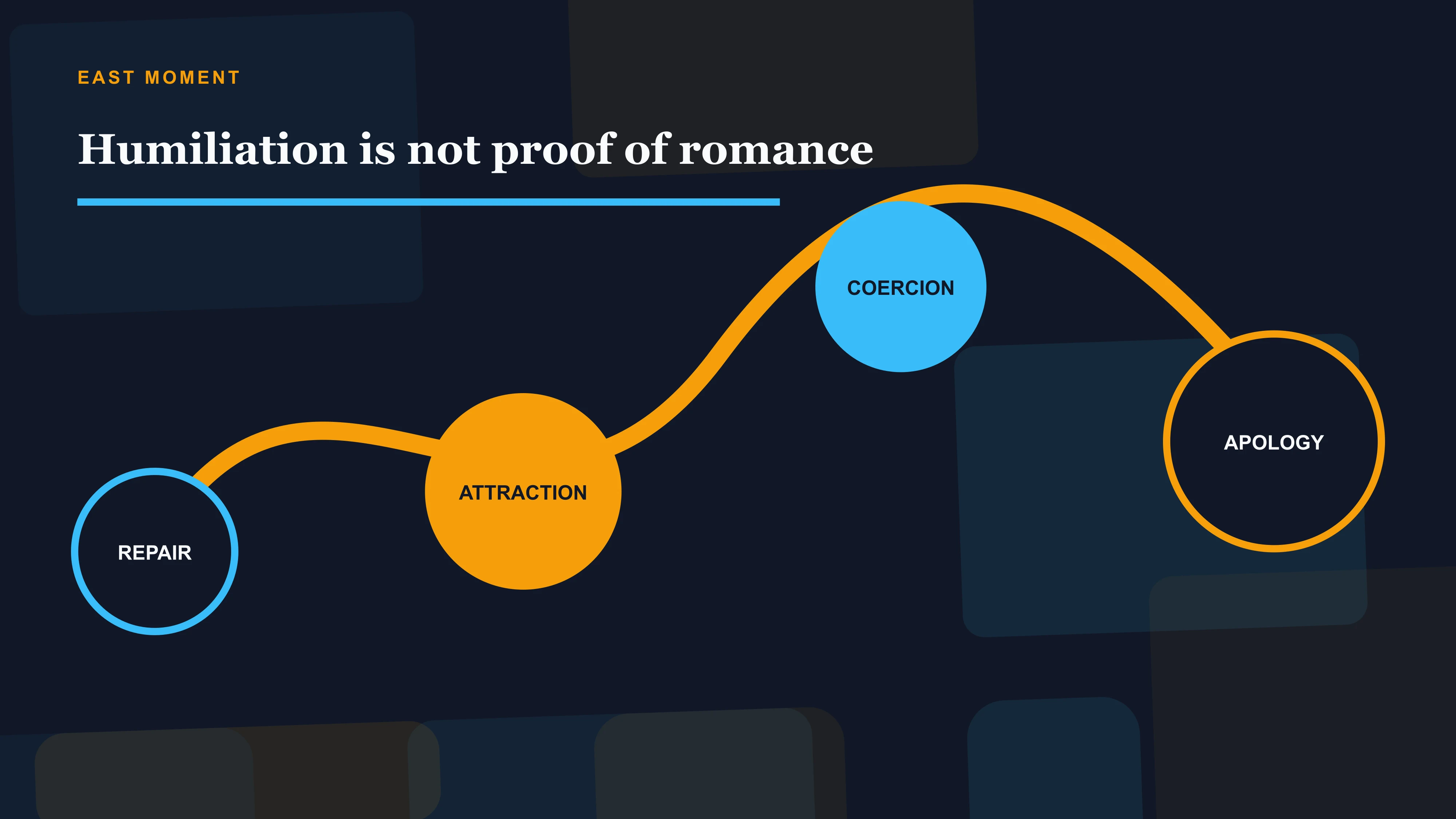
I understand why the fantasy remains powerful. Shancai refuses a social order designed to make her small, and the heightened world lets resistance become spectacular. But nostalgia should not erase the behaviour the adaptation still asks us to romanticise.
What Dylan Wang's debut energy gives the role
The performance has raw force that suits a character unused to limits. The roughness can make volatility believable; it can also flatten transitions when anger substitutes for thought. Shen Yue's grounded resistance is therefore essential. Without her refusal, the star-making vehicle loses its counterweight.
The limitation is not that old tropes must be banned. It is that a new adaptation must know what time has changed. The VIZ Media series page establishes the manga source. Each screen version remains responsible for how it reframes violence, class and consent.
My verdict: watch Meteor Garden as an adaptation argument, not a relationship manual. Compare one scene with the 2001 Taiwan version and ask what power has changed. Then follow Dylan Wang to see how a debut image becomes material he later has to outgrow.
Nostalgia cannot be the only defence
Many viewers met this story at a formative age, so music, uniforms and names can reopen an entire period of life. That feeling is real and worth preserving. It still does not turn humiliation into care.
The adaptation survives when it lets Shancai's refusal change the powerful people around her rather than merely proving she deserves access to them. A love story should redistribute consequence, not reward endurance with entry into the same hierarchy.