Bruce Lee Explained: Why Adaptation Matters More Than Style
Meet Bruce Lee, choose his best movies, understand Jeet Kune Do and turn 'be water' from a quote into a practical way to watch, think and adapt.
Read the deep guide
Role · body · reaction · career consequence
Chinese actors profiled through roles, craft, career choices and their place within changing film, television and global audience cultures.
Follow the performance, not the rumor45 published guides across 6 core paths.
Watch the reaction after the line
Chinese actors become visible in the second after the dialogue: who keeps listening, whose body stiffens, who lets embarrassment remain and who can make stillness feel dangerous. I care about the scene that changed how we saw a person, then the career choices that either deepened or wasted that possibility.
Institutional film preservation and records anchor screen history while each profile returns to credited roles and specific performance choices. China Film Archive
Published guides, organized by intent
A collection page must do more than list recent posts. Choose the question that brought you here, open a focused guide, then keep moving through works, people and related cultural context without returning to search.
5 published guides
Bruce Lee's stillness, Jackie Chan's collision with objects, Michelle Yeoh's authority, Jet Li's speed and Donnie Yen's compression are different screen languages. Compare the dramatic job of movement, not imaginary tournament rankings.
Meet Bruce Lee, choose his best movies, understand Jeet Kune Do and turn 'be water' from a quote into a practical way to watch, think and adapt.
Read the deep guide
Which Jackie Chan movie should you watch first? A personal guide to his best films, stunt comedy, props, pain, age and changing screen legacy.
Read the deep guide
Meet Michelle Yeoh, choose her best movies and see how Hong Kong action, Crouching Tiger and Everything Everywhere built a uniquely physical actor.
Read the deep guide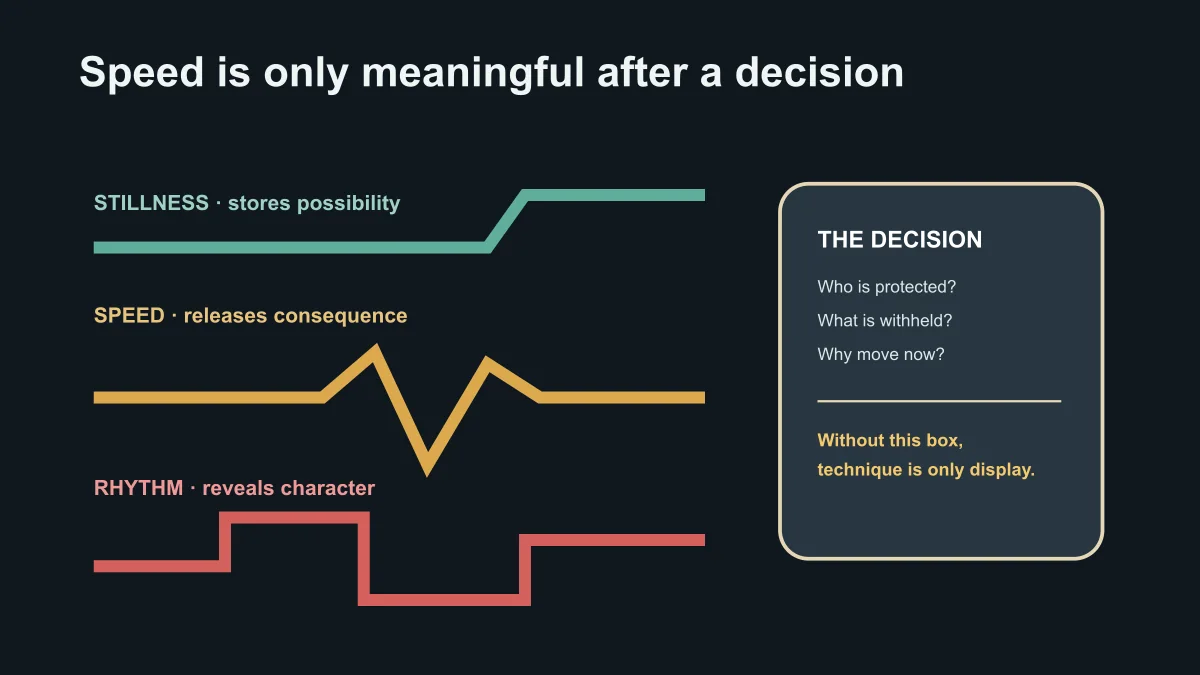
Meet Jet Li, choose his best movies and understand how competitive wushu, Hong Kong cinema, Hollywood and aging changed his screen movement.
Read the deep guide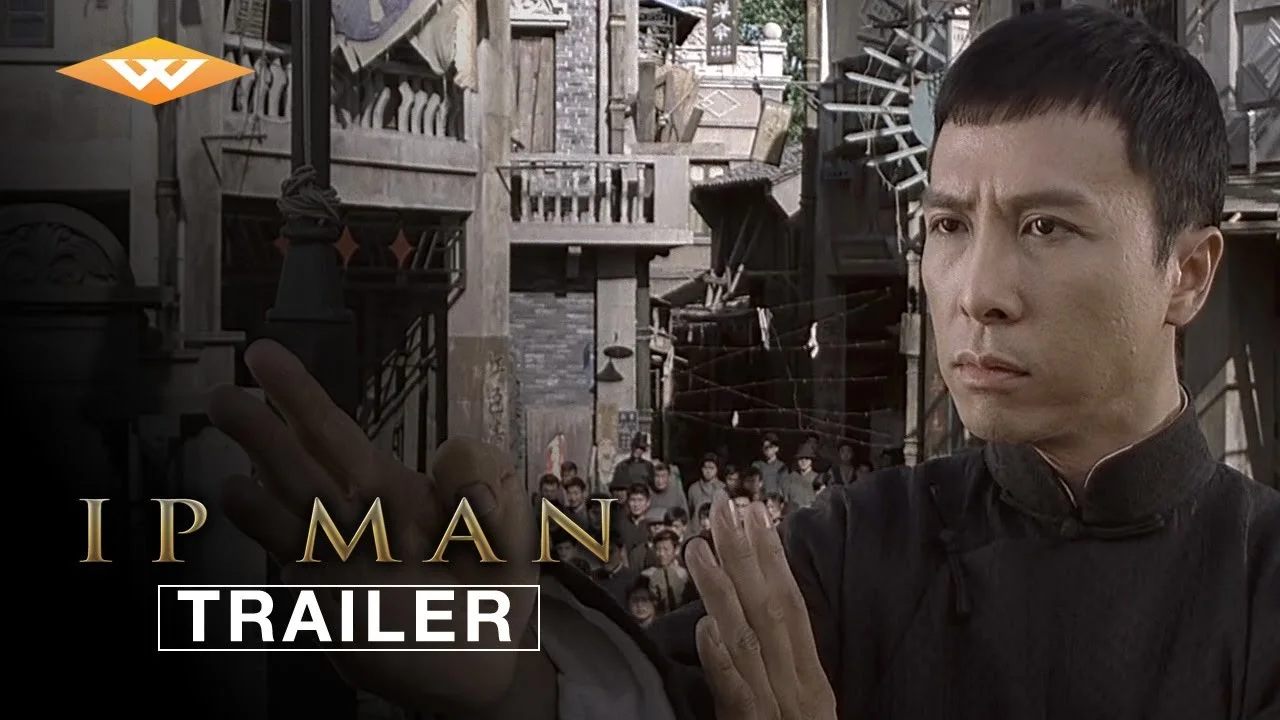
Which Donnie Yen movies should you watch first? A personal guide to Ip Man, Flash Point, SPL and John Wick 4, and how his screen fighting creates character.
Read the deep guide6 published guides
Chow Yun-fat, Tony Leung, Maggie Cheung, Gong Li, Zhang Ziyi and Stephen Chow made charisma, silence, comic failure and stubborn survival impossible to separate from the films around them.
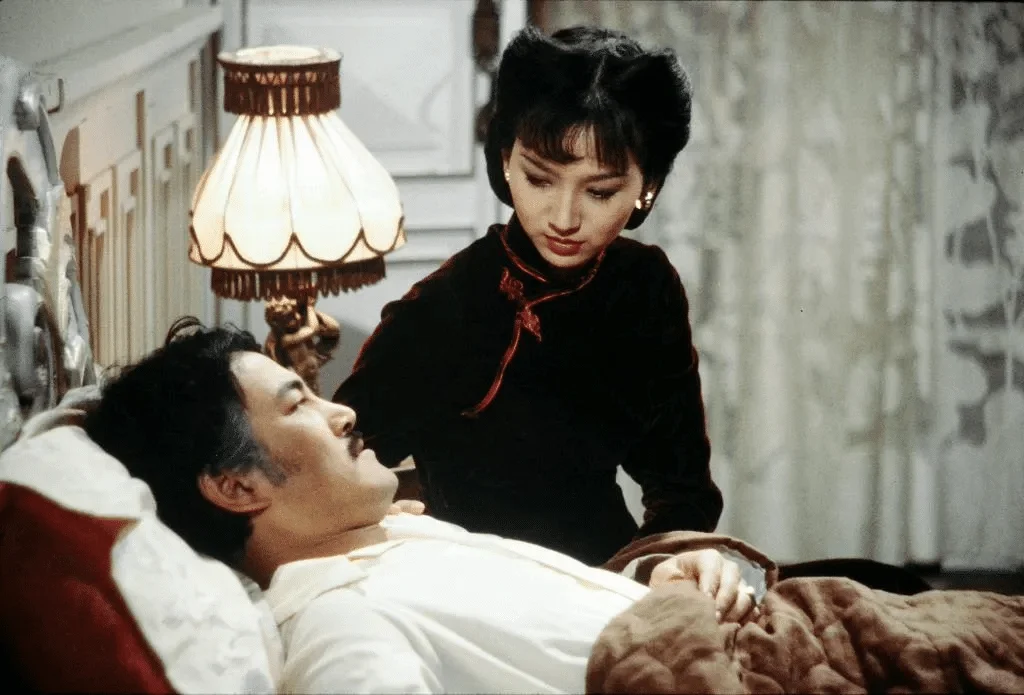
Understand Chow Yun Fat through A Better Tomorrow, The Killer and Crouching Tiger Hidden Dragon, with a practical best-movies viewing route.
Read the deep guide
Discover Tony Leung Chiu-wai's best movies and acting method through In the Mood for Love, Chungking Express, Hero and his Wong Kar Wai collaborations.
Read the deep guide
A film-by-film Maggie Cheung guide through In the Mood for Love, Center Stage, Comrades and Irma Vep, with a clear account of her acting method.
Read the deep guide
Discover Gong Li's best movies and acting method through Raise the Red Lantern, Farewell My Concubine, Zhang Yimou collaborations and international roles.
Read the deep guide
Who is Zhang Ziyi, and which movie should you watch first? Compare Crouching Tiger, Hero, Memoirs of a Geisha and The Grandmaster through her acting choices.
Read the deep guide
Understand Stephen Chow through Shaolin Soccer, Kung Fu Hustle and mo lei tau comedy. Find his best movies and see why humiliation gives the jokes meaning.
Read the deep guide6 published guides
Wang Yibo, Xiao Zhan, Yang Mi, Zhao Liying, Dylan Wang and Jackson Yee arrive with enormous visibility. These profiles ask the harder question: which role, reaction and career decision makes attention feel earned?
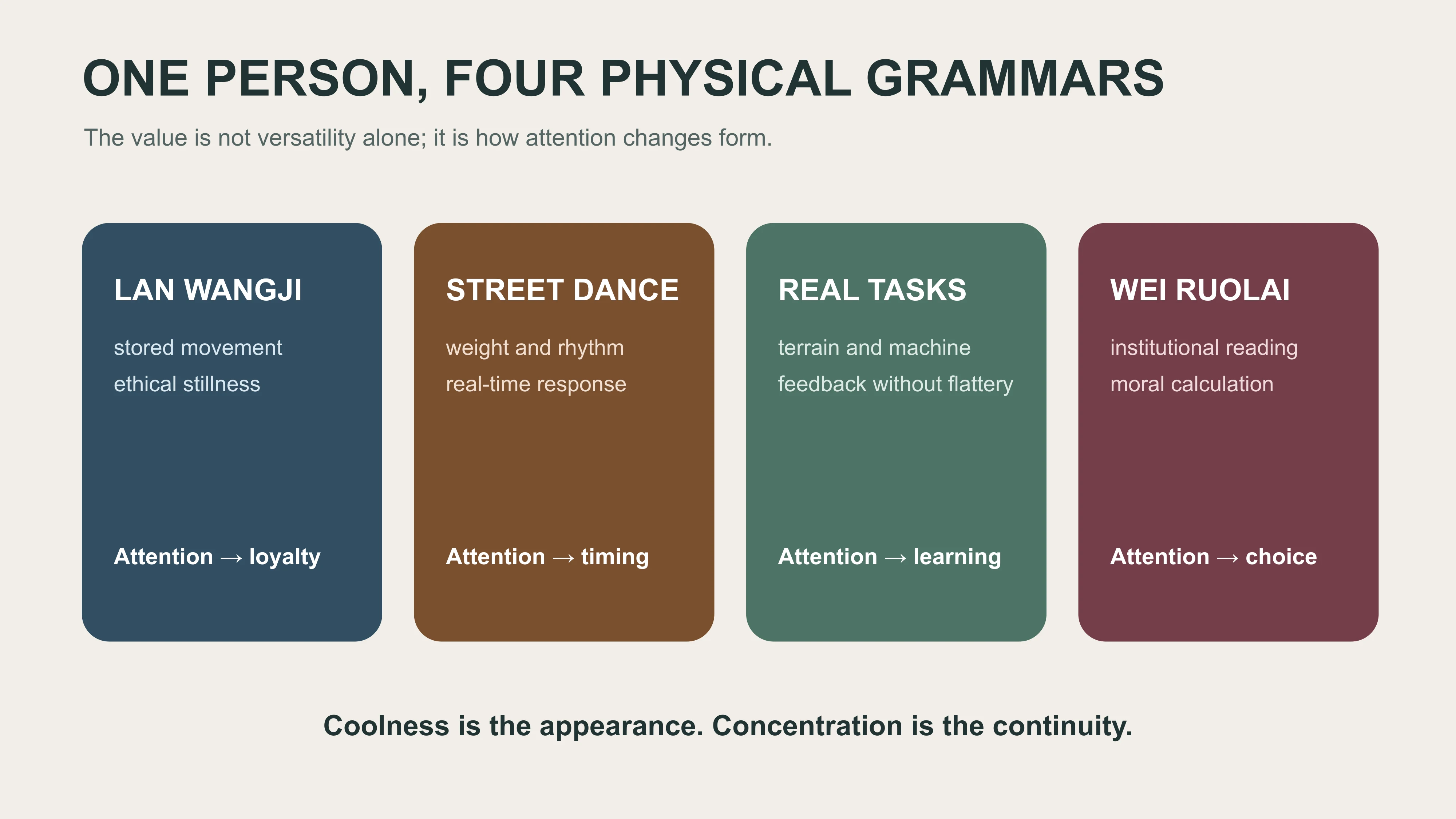
Who is Wang Yibo beyond The Untamed? A grounded guide to his acting, street dance, music and real-world curiosity, with the best place to start.
Read the deep guide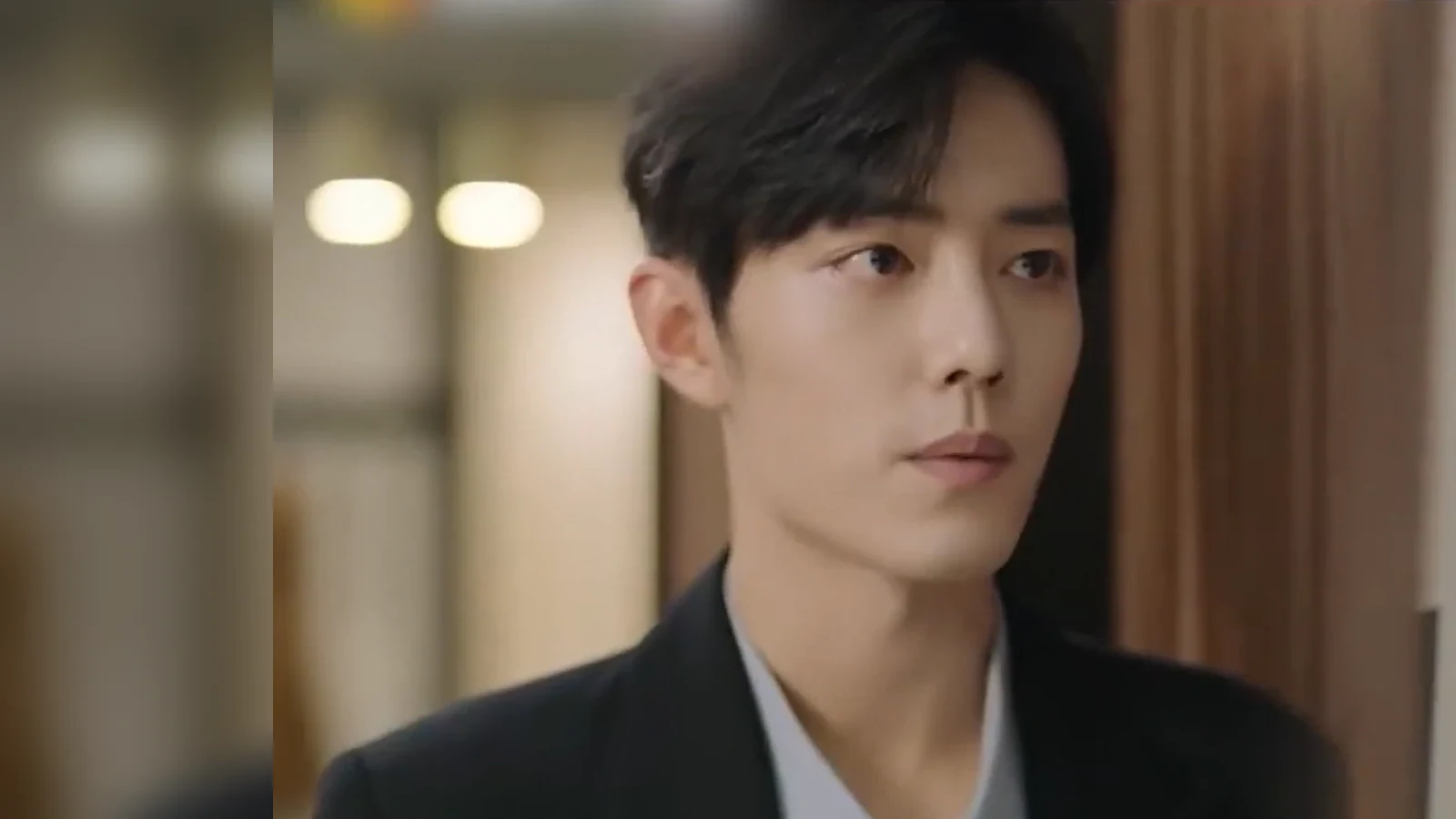
A grounded Xiao Zhan guide across The Untamed, later dramas, film and music, with a clear route for judging his growth beyond Wei Wuxian.
Read the deep guide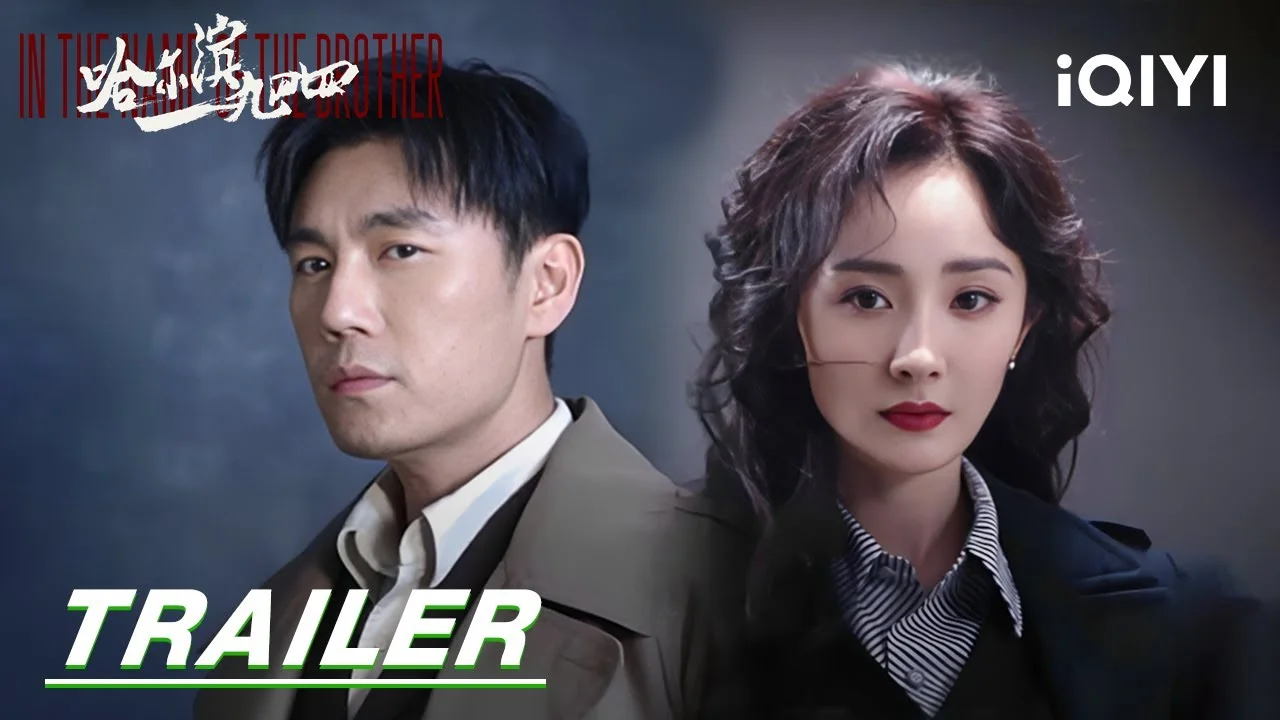
Who is Yang Mi, and which drama should you watch first? A critical guide to Eternal Love, Harbin 1944, This Thriving Land and her long star career.
Read the deep guide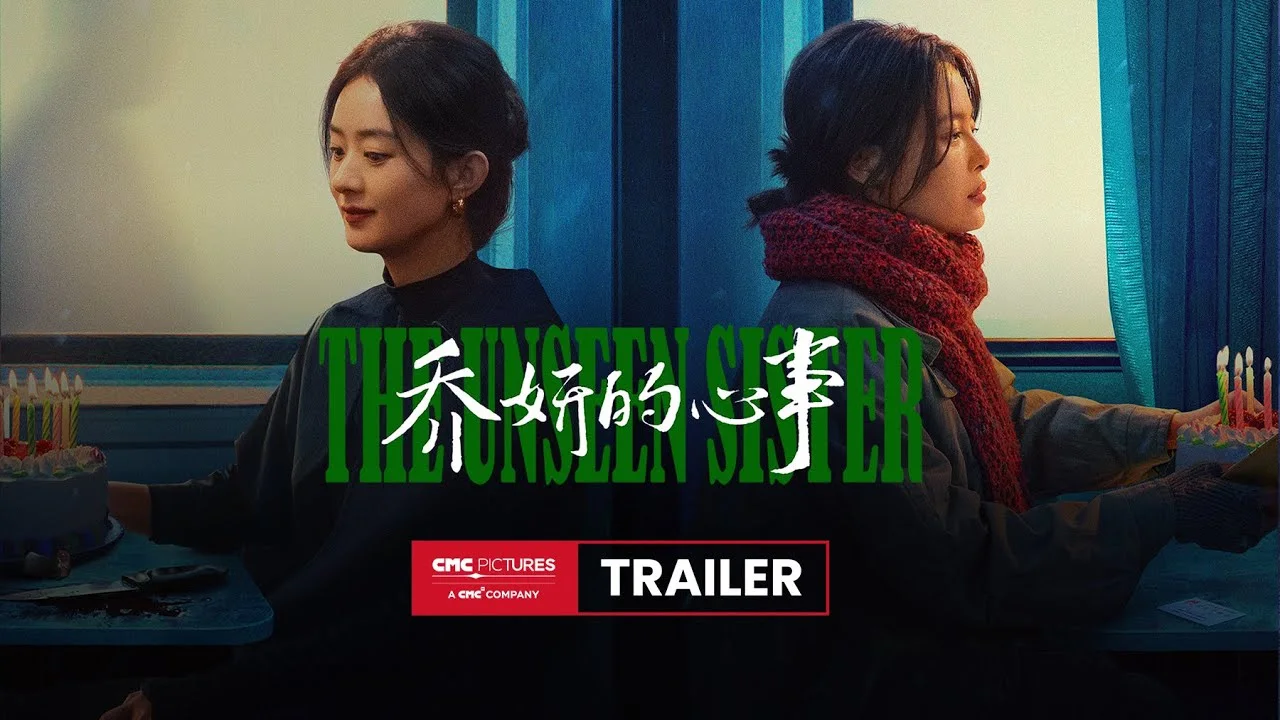
Who is Zhao Liying, and what should you watch first? Follow her from Ming Lan and Wild Bloom to Article 20, The Unseen Sister and mature film roles.
Read the deep guide
A personal, critical guide to Dylan Wang's dramas, movies and TV shows, basketball, rap and variety work, from Meteor Garden and Love Between Fairy and Devil to Guardians of the Dafeng and Xianyu Feisheng.
Read the deep guide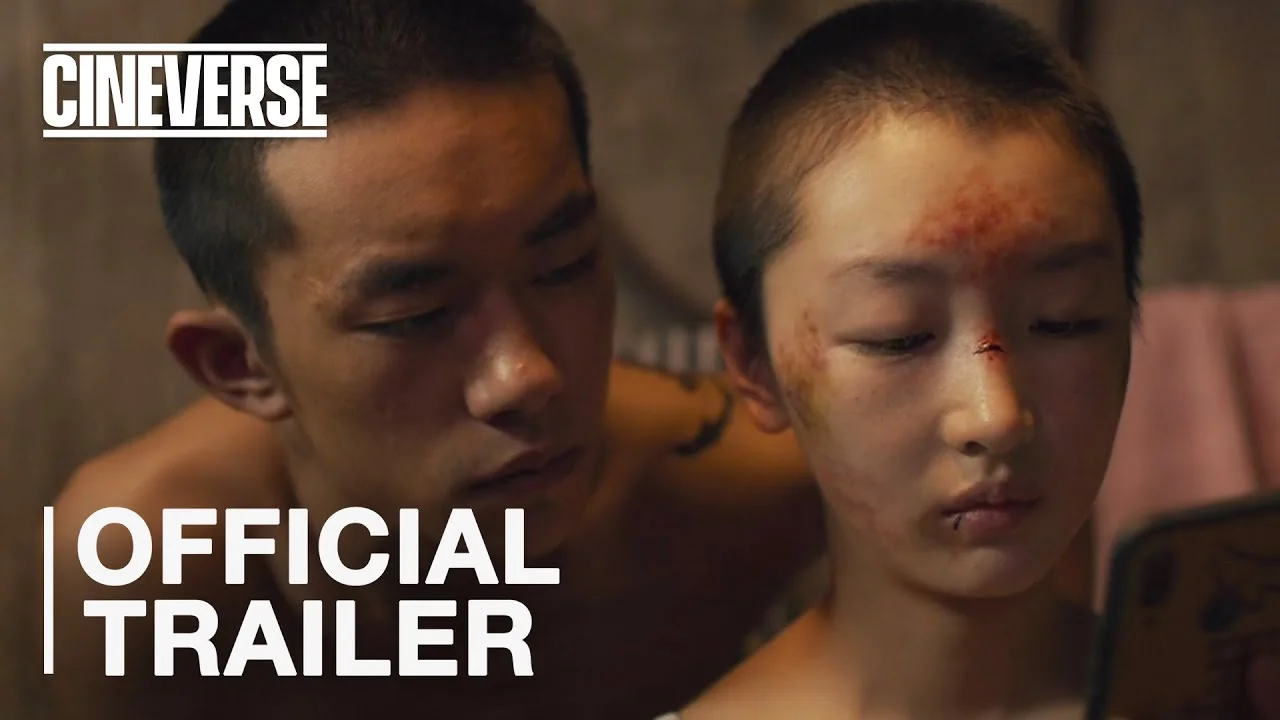
Who is Jackson Yee? A critical guide to Yi Yangqianxi's TFBOYS years, dance, songs, Better Days, Full River Red and Big World, with a clear watch route.
Read the deep guideReaction after the line
A Chinese actor page should never read like a résumé with adjectives. Acting happens in time: breath before speech, posture under pressure, the reaction after another person finishes a line, the body accepting or resisting costume, genre and camera distance. East Moment follows the scenes that made audiences see someone differently, then asks whether later choices deepened that capacity or turned it into a repeated brand. Fame may lead us to the face; craft decides whether we stay.
The most revealing moment is often not the line but the receiving of it. Tony Leung can keep conflicting intentions alive through stillness. Maggie Cheung can let posture, costume and pace register years of social change. Michelle Yeoh turns physical competence into character because action remains connected to attention and decision rather than detached stunt display.
Reaction prevents acting analysis from becoming face worship. A beautiful close-up can be created by lighting, lens, music and editing. The actor's contribution becomes clearer across the whole exchange: whether thought appears to arrive, whether the body changes after new information and whether silence opens ambiguity instead of merely delaying the next line.
I would rather defend one difficult reaction than call someone versatile without evidence. Versatility is not a count of genres. It is the capacity to reorganize rhythm, body and relation so the audience does not receive the same person in different clothes.
Use preservation and historical records to anchor credited screen history; performance interpretation remains tied to complete scenes and films. China Film Archive
Jackie Chan's comic action works because objects, pain, improvisation and timing create personality. Bruce Lee's directness changed screen presence as much as technique. Jet Li's clarity, Donnie Yen's speed and Michelle Yeoh's precision create different dramatic bodies. Lumping them together as martial arts stars erases the way each performer organizes danger.
A stunt can be astonishing and emotionally empty. The scene becomes acting when fear, pride, loyalty, fatigue or restraint changes how the body moves. Camera and choreography are collaborators: a wide shot may establish continuity, a close shot may expose reaction and an edit may either clarify consequence or hide the physical relation.
My rule is that the body must remember the story. After impact, does the character change? Does injury alter timing? Does victory cost anything? Action earns meaning when the next scene cannot pretend the fight never happened.
Chinese television and streaming drama give actors many hours to build habit, intimacy and change. That duration can reveal small adjustments impossible in a film. It can also reward repeated gestures, romantic projection and editing patterns that make chemistry appear before character has earned it.
For current performers, I watch an early hook, a middle episode under sustained pressure and a late scene after consequences have accumulated. Wang Yibo should not be reduced to The War of Faith or The Untamed; dance discipline, variety-stage presence and his interest in lived experience enlarge the performance question. Jackson Yee's strongest work matters because physical and emotional choices challenge the idea that popularity alone carried him into film.
A fandom can identify valuable details, but it can also make every scene a defence brief. Affection should sharpen looking. If a role repeats a comfortable image, say so. If a performer risks awkwardness, fatigue or moral difficulty, explain exactly where the risk appears.
Start with the role that made the actor legible to you. Write down what the scene requires and how the actor meets it. Then choose a work asking for the opposite: stillness after action, comedy after tragedy, contemporary speech after costume drama or ensemble listening after star-centered spectacle.
Compare collaborators. Directors and scene partners change performance. Tony Leung with Wong Kar-wai is not explained by Tony Leung alone; Chow Yun-fat's heroic presence depends on John Woo's movement, editing and moral world; Stephen Chow's acting cannot be separated from the comic system he directs around himself.
Return when a new role changes the conclusion. That is the reason these pages remain living profiles rather than fixed rankings. A career is not a staircase toward prestige. It is a sequence of choices, pressures, repetitions and unexpected capacities. The actor earns depth when the page is willing to revise its own judgment.
A useful Chinese actors guide should not begin by ranking beauty, fame or awards. Begin with pressure. If you want to see a body solve danger in real time, follow Jackie Chan, Michelle Yeoh, Jet Li or Donnie Yen and compare how each performer makes action reveal a different temperament. If you want withheld feeling, begin with Tony Leung or Maggie Cheung and watch the pause after the line. If you want a long television transformation, choose a performer whose character must survive forty episodes of family, romance or institutional power. The question is not who is best. It is which acting problem makes you look harder.
This method also protects younger actors from being trapped inside one viral pairing. Wang Yibo becomes more interesting when dance control, motorcycle attention, variety-show experimentation and several screen rhythms remain in the same portrait. Jackson Yee should be judged through the growing weight and discomfort he permits a role to carry, not through childhood fame alone. Zhao Liying and Yang Mi deserve career readings that compare early screen image, long-form consistency, commercial expectation and the scenes where polish finally breaks open. A full person emerges when the career contains friction rather than a clean promotional ascent.
Start with one complete scene and write down the objective before judging emotion. Who wants what? What changes after the other person speaks? Where does the body tighten, retreat, attack or soften? Then watch a contrasting scene from another period. This is slower than consuming clips, but it is the only route that separates an actor's decision from lighting, music, editing and fan expectation. East Moment's profiles are arranged to make that comparison possible. Each one should leave you with a scene to test, not an adjective to repeat.
Actor pages age badly when they are written as finished verdicts. A new role can expose comic timing, vocal control, physical hesitation or moral ugliness that an earlier screen image never allowed. It can also confirm a limitation: the same gaze, the same romantic rhythm, the same action beat carried from project to project. East Moment treats the profile as an argument that must move when the work moves. We return for evidence, not for every publicity cycle. A poster adds a credit; a completed performance may alter the person we thought we understood.
Criticism belongs inside that living portrait. Loving Chow Yun-fat's open-hearted loyalty in A Better Tomorrow does not require pretending every later film uses him well. Admiring Stephen Chow's comic timing does not erase the cruelty or loneliness that gives the laughter an edge. Tony Leung's melancholy close-up is powerful precisely because the best films build a room, partner and moral pressure around it. The sharper the affection, the less useful empty praise becomes. A profile earns trust when it can name where a familiar strength becomes a repeated mannerism.
The return path is therefore specific. After reading, choose one scene that supports the page and one that resists it. Describe the reaction, gesture, line reading or physical consequence—not the actor's supposed private personality. When a new role arrives, revisit the same test. That creates a record of changing craft rather than a pile of news. It also gives disagreement somewhere productive to land: another viewer can bring a better scene, correct the context or show that a career turn we dismissed has become more convincing with time.
Collaboration is the final check. A screen performance is built with a partner, director, camera, editor, costume and sound. Compare how the same actor changes when the scene partner refuses the expected rhythm or when the director holds a reaction instead of cutting toward a flattering close-up. Then distinguish charisma from control. Charisma makes attention arrive; control decides where it travels. Some performers dominate a frame beautifully and leave no room for the relationship. Others make the partner more legible and the entire scene grows. That generosity is craft we can actually observe, not a private virtue inferred from publicity.
Genre should create another test rather than another résumé line. Comedy requires an actor to expose embarrassment and surrender dignity at the exact pace a scene can bear. Melodrama asks emotion to remain specific under music and heightened circumstance. Historical or fantasy costume changes posture, gesture and speech but cannot manufacture authority by itself. Contemporary realism removes some protective distance and makes false behavior easier to see. The actor who crosses genres successfully does not carry one prestigious seriousness everywhere; they discover which part of the body, voice and relation each world demands.
Finally, keep role and person apart. A convincing villain does not expose private cruelty; a gentle interview does not prove range; a dangerous stunt does not certify every story told about courage. Confusing the actor with the role may feel emotionally intense, but it weakens both criticism and respect. We can care deeply about what a performance awakened while remaining exact about where our knowledge ends. That boundary gives the actor room to surprise us again.
Casting is part of the evidence too. A familiar star may arrive with audience memory the film can use, challenge or merely exploit. An unknown performer may create discovery because no established image enters first. Ask what the role requires and what the casting contributes before the scene begins. Then watch whether the performance escapes that expectation. The most exciting career turns do not simply prove hidden range; they reorganize what directors and viewers now believe the actor can carry.
Reader-built field guide
Name the actor, work and scene. Describe what changed in breath, gaze, posture or timing while another person held the words.
What this builds: We will connect strong notes across roles and revisit profiles when a new performance truly changes the career argument.