Diagnose the result from the variable that controls it
Change one variable at a time instead of adding more sauce to hide a failed texture.
| Technique family | Controlling variable | Common failure |
|---|---|---|
| Stir-fry | Cut size, dry surface, batch load, preheated pan and rapid sequence. | Maximum flame alone produces wok hei. |
| Steam | Piece size, steam strength, condensation, rack position and carryover heat. | Gentle appearance means timing is forgiving. |
| Braise | Browning, liquid ratio, aromatic extraction, covered heat and reduction stage. | More time always makes meat softer or sauce deeper. |
| Ferment and preserve | Salt, temperature, oxygen, container hygiene, time and expected aroma are controlled. | Traditional or homemade means a process is safe. |
Cut size is a cooking-time decision
Uniform pieces reach doneness together. Thin shreds cook quickly and distribute a small amount of meat through vegetables. Cross-grain slicing changes tenderness. Scoring increases surface and alters how sauce enters. Decorative cuts are not merely visual; they can control curling, contact and texture.
A recipe that says ‘slice’ without thickness, direction or target texture leaves the hardest decision unstated. Photograph the cut beside a familiar object or provide a measurement. Good mise en place is not restaurant theatre. It is how fast Chinese techniques make accuracy possible.
Water is the enemy of browning until it becomes the tool
Wet vegetables and chilled meat cool the pan. Crowding traps steam. Sauce added too early boils the surface before aroma develops. Dry ingredients, preheat, cook in batches and add components according to the time they need. Then water or stock can deliberately deglaze, steam or form a sauce.
This is the mechanical truth behind dramatic restaurant fire. A home burner can still produce excellent stir-fry when the pan is appropriately sized and the load is controlled. I would rather teach a repeatable two-batch method than tell readers their kitchen is too weak to cook Chinese food.
Velveting, starch and oil are not cheats; they are controlled interfaces
Marinades, egg, starch and oil can protect meat, change surface friction and help sauce cling. Blanching in water or oil sets that surface before the final stir-fry. The exact method depends on protein, dish and kitchen. Calling every tender restaurant slice ‘chemicals’ ignores technique; calling every soft texture good ignores over-treatment.
Explain the function of each addition and give the reader a checkpoint. The coating should be thin, the pieces separate and the final sauce should not become glue. Once the function is visible, a cook can adjust rather than follow a mystery tablespoon.
Soy sauce, vinegar, bean paste and sesame oil do different jobs
Salt, color, fermentation depth, acidity, aroma and finish should be separated. Light and dark soy labels vary by market; black vinegars differ by place and production; chili bean paste brings salt, fermented beans and chili rather than heat alone. Sesame oil is usually an aroma finish, not a neutral frying oil. Brand substitution changes concentration and sweetness.
Taste the condiment alone in a tiny amount, then record what it contributes. Add strong fermented products incrementally and reduce other salt. I reject pantry lists that encourage buying twelve bottles without teaching a single function. A smaller pantry understood deeply cooks better food.
Microbial craft requires more control, not more romance
Commercial soy sauce, vinegar, bean pastes, pickles and preserved foods emerge from controlled systems and standards. A home ferment introduces variables of salt, temperature, oxygen and contamination that a short cultural article cannot make universally safe. Describe established practice and visible failure signs, but use validated food-safety guidance for recipes that depend on microbial growth.
The word ancient is never a safety instruction. If a process cannot state ratios, temperatures, sanitation and expected changes, it is not ready to guide a beginner. Respect for fermentation begins with respect for consequences.
Cook the same dish three times and change one decision
First establish a baseline. On the second attempt, change cut, load or heat—not all three. On the third, change seasoning timing or sauce thickness. Photograph the pan before sauce and the finished texture. This makes failure comparable and turns a recipe into a personal technique record.
My conclusion is firm: Chinese cooking is learnable when instruction reveals cause. Exotic language and frantic motion make good video, but they keep the reader dependent. East Moment should leave the cook able to diagnose the next pan without us.
Moist heat is precise even when the equipment looks gentle
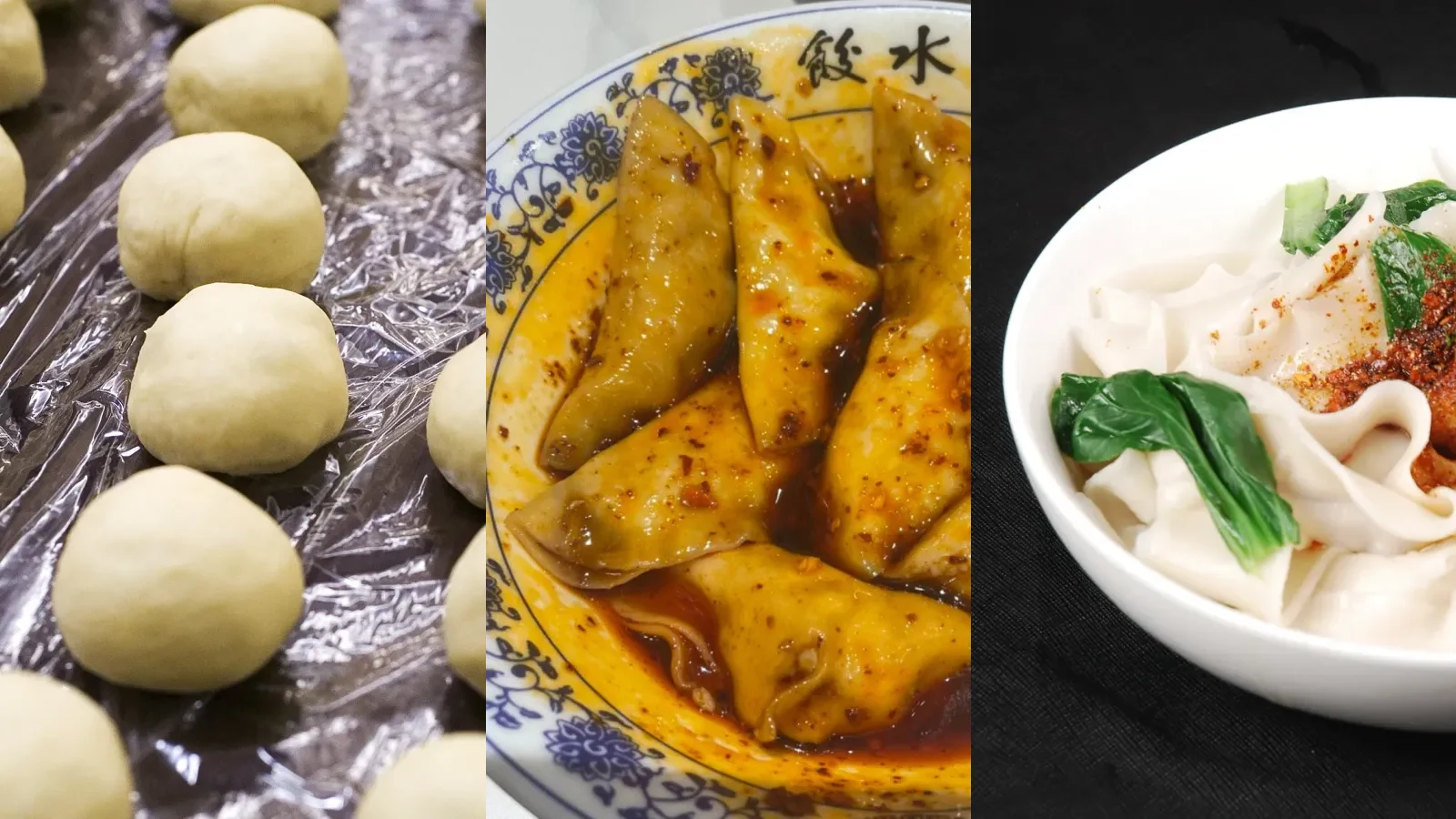
A steamer must reach full steam, leave space for circulation and prevent condensed water from destroying the surface. Plate material, food thickness, starting temperature and stacked levels change timing. Opening the lid repeatedly releases the system the recipe depends on. For buns and dumplings, resting after heat can matter as much as the minute the burner turns off.
Blanching and poaching demand another kind of control. Water volume, salinity, return to temperature and removal point decide color and texture. The boil is not a universal setting. Learn what the ingredient should look and feel like at the moment it leaves the water.
A wok is useful because of geometry, not because it grants authenticity
Round or flat base, carbon steel or another material, handle form and burner contact change heat distribution and movement. A flat-bottom carbon-steel wok can be practical on a home stove; a skillet can outperform an oversized cold wok for a small batch. Seasoning protects carbon steel and supports release, but burnt residue is not seasoning.
Choose the pan that can preheat, hold the batch without crowding and be moved safely. Then learn its recovery time after food enters. I do not care whether the silhouette looks like a restaurant photograph if the tool cannot perform in the kitchen where it actually lives.
Name the broken texture before changing the recipe
Soggy surface points toward water, crowding or weak recovery. Tough meat points toward cut, overcooking or insufficient protection. Gluey sauce points toward starch concentration or boiling time. Flat flavor may be salt, acidity, aroma timing or simply too much water. Each failure has a shorter list of causes than ‘the recipe did not work.’
Write the symptom, inspect the stage where it appeared and change one cause. This diagnostic habit is the difference between copying Chinese recipes and learning Chinese technique. It also makes community comments useful because another cook can compare a real variable instead of offering encouragement without an answer.