Read festival foods through action rather than superstition
Meaning becomes credible when a food is tied to who makes, gives or shares it.
| Festival food | Living action to document | Simplification to reject |
|---|---|---|
| New Year foods | Family menu, regional staples, reunion timing, offerings and gift exchange are named. | Every Chinese family eats the same lucky dishes. |
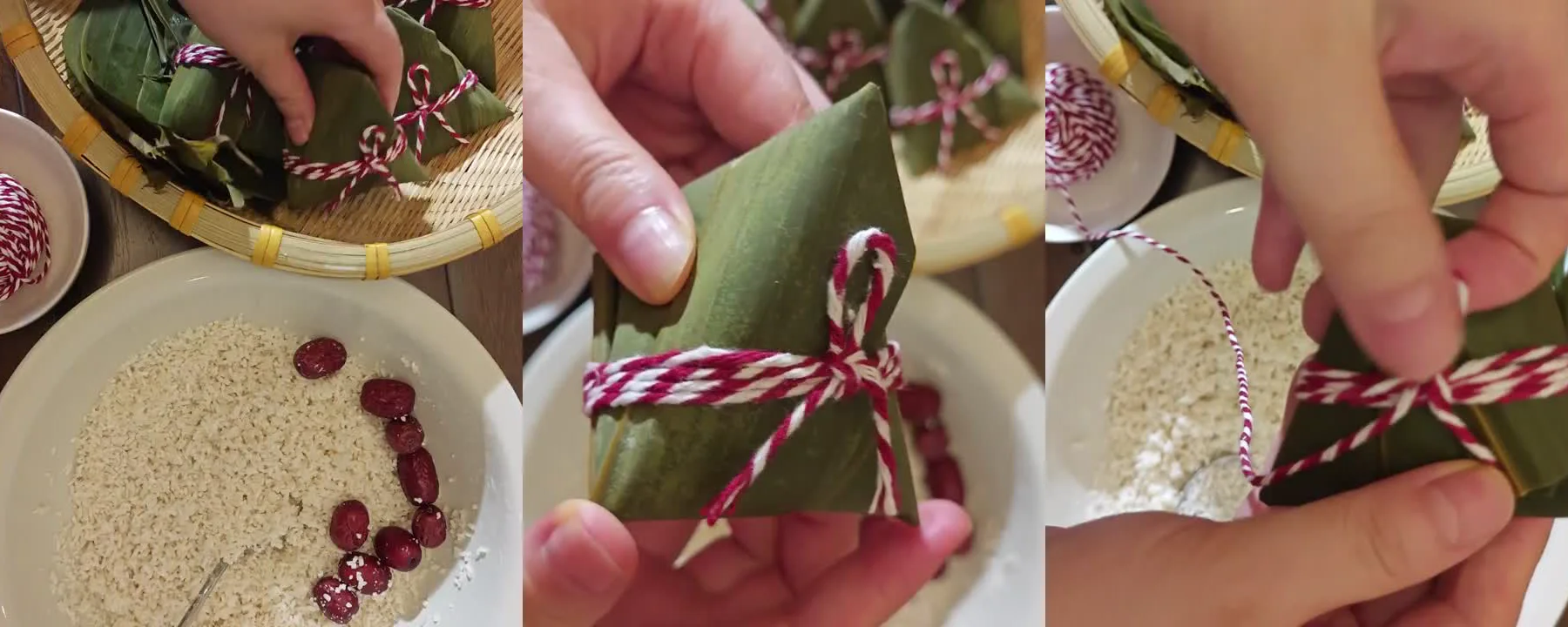
| Zongzi | Leaf, fold, grain, filling, tie and boiling method reveal regional and household practice. | One sweet-versus-savory argument explains all zongzi traditions. |
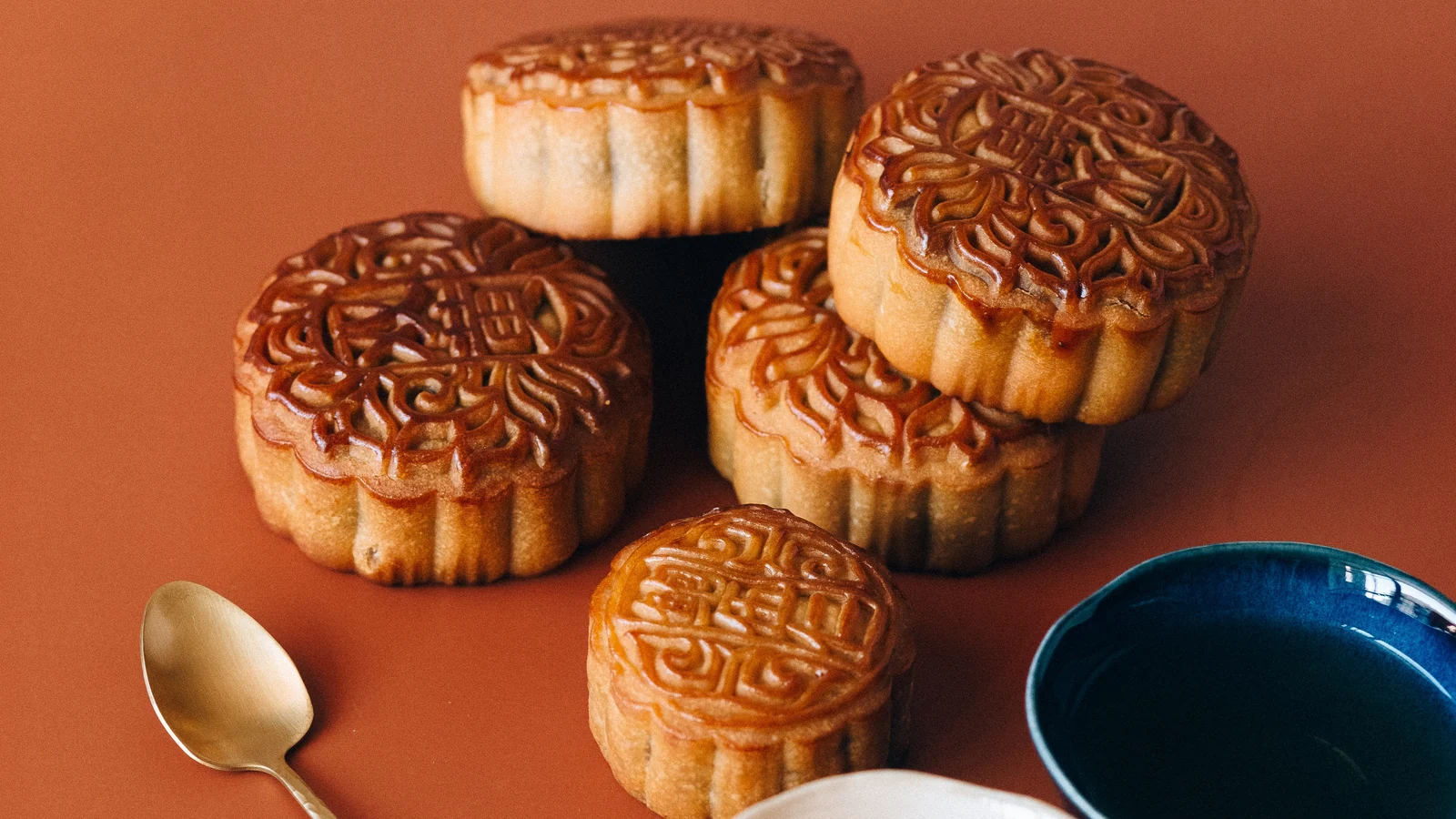
| Mooncakes | Crust, filling, mold, sharing and gift context distinguish styles and modern products. | A round shape makes every mooncake ancient or universally loved. |
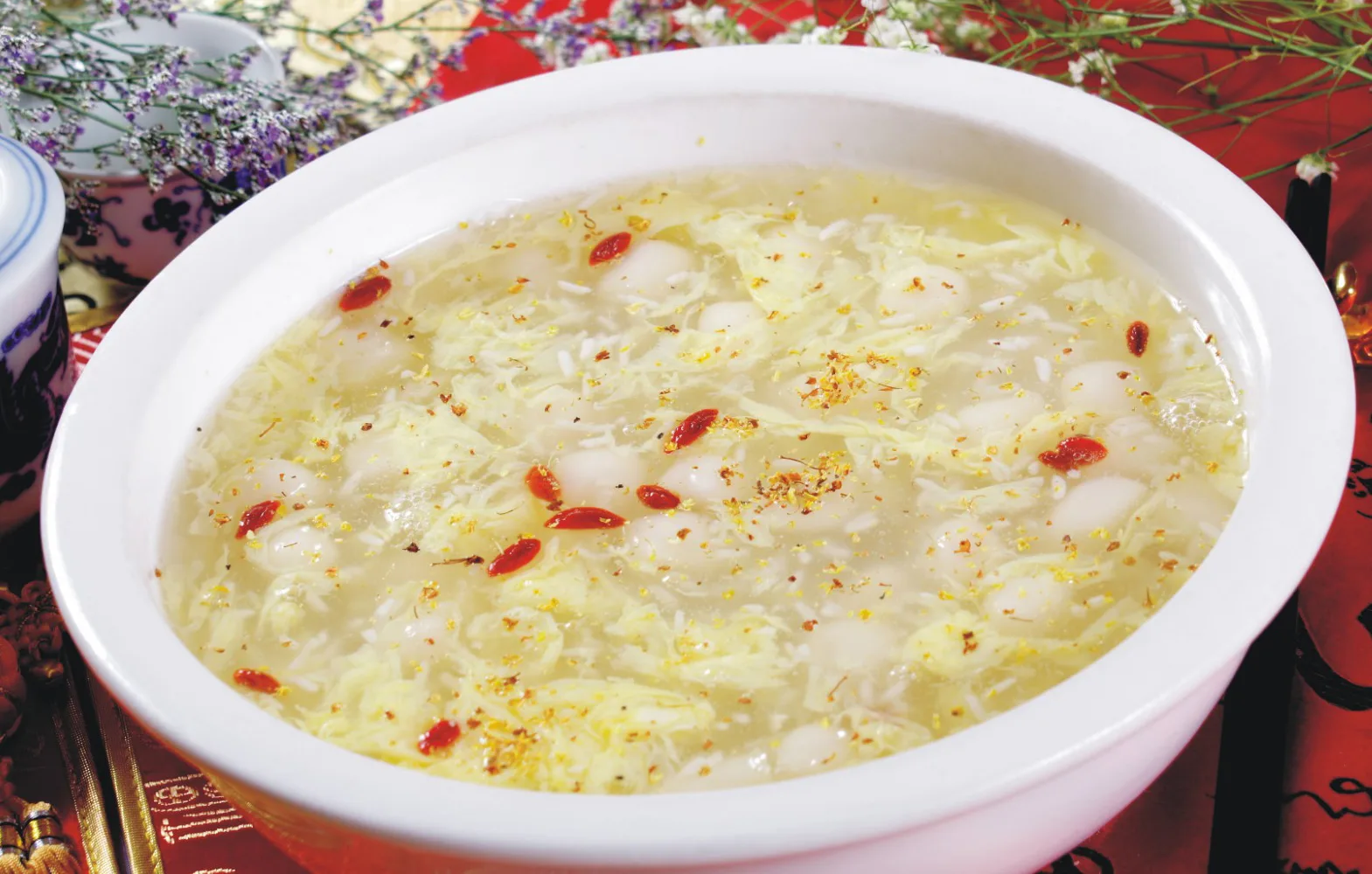
| Tangyuan | Glutinous-rice skin, filling, cooking, dialect name and festival context are recorded. | Tangyuan and yuanxiao are identical everywhere. |
A festival dish matters because someone expects it
The emotional force of festival food comes from repetition under pressure. Trains are crowded, gifts must be carried, several generations want different textures and the kitchen has limited burners. Someone still buys the familiar fish, shapes dumplings or cuts fruit because the table would feel wrong without it. That expectation is more revealing than a dictionary claim that one ingredient ‘means prosperity.’
Write the expectation precisely. Which side of the family serves it? Is it made or purchased? Who learned the technique? Who complains but eats it anyway? When did the recipe change? These questions turn symbolism into social evidence. They also make room for families who celebrate differently, live abroad or cannot return home.
Reunion dinner is a negotiation disguised as abundance
A northern household may center dumplings; another table may require whole fish, chicken, cured meats, hot pot, rice cakes or regional dishes. Names and shapes can carry auspicious associations, but the meal also balances elders, children, dietary needs, travel schedules and family hierarchy. The cook is not arranging a symbol chart. They are trying to make reunion physically possible.
My strongest New Year memory is not a claim that one dish brings luck. It is the certainty that food makes absence visible. When a person who always folded dumplings or carved the chicken is gone, the same dish changes meaning. A warm guide can say that directly. Human grief and affection are not less useful to a searcher than a list; they explain why the food survives.
Zongzi is a construction problem before it is a symbol
Leaves need soaking or cleaning, the cone or fold must hold, rice expands, fillings shift and the tie must survive cooking without crushing the parcel. Red date, bean, pork and salted egg-yolk versions create different moisture and seasoning problems. Real process images—leaf direction, fold, fill level and tied shape—teach more than a perfect final pyramid.
The sweet-versus-savory debate is enjoyable because preference carries region and childhood, but it becomes stupid when treated as a cultural border. People move, families marry and supermarkets stock both. I am happy to be partisan about the filling I love; I will not pretend my appetite defines China.
Mooncakes expose the tension between affection, status and waste
Mid-Autumn mooncakes move between bakeries, workplaces, relatives and clients. Packaging can become heavier and more expensive than the food, while recipients pass boxes onward or struggle to finish rich fillings. The gift still carries reunion and courtesy, but the modern system can also produce obligation and waste. A serious page must hold both truths without hiding behind nostalgia.
Cut the cake and show the cross-section. Name the crust and filling. Compare size, sweetness, oiliness and sharing portions. Ask whether the recipient actually enjoys the style. My position is simple: a modest mooncake chosen for a person is more meaningful than a luxury box chosen for display.
Tangyuan and yuanxiao should not be flattened into one English ball
Both use glutinous rice and round forms, but production methods, regional naming and textures can differ. Tangyuan are commonly wrapped around filling from a dough; yuanxiao can be built by repeatedly rolling filling in dry flour. The distinction is a practical process difference, not merely two spellings. Regional usage still varies, so a guide should describe method and local name together.
Roundness invites reunion symbolism, but the pot also contains ordinary risk: skins crack, fillings leak and crowded pieces stick. Showing those failures respects the maker more than an immaculate bowl does. Festival culture lives in repair—pinching a split, lowering the boil, saving a batch—not only in the finished photograph.
Keep the symbol only when the people remain visible
A symbol can orient a newcomer, but it must not replace region, recipe and relationship. Ask who performs the action and what changes if the food is absent. If the answer is only a homophone copied from a list, the page is not deep enough. If the answer includes a person, a process and a consequence, culture has entered the room.
I want readers to finish this collection able to cook or choose more carefully, ask a relative a better question and recognize that another family’s menu can be equally Chinese. Festival food is not valuable because it never changes. It is valuable because people keep using food to make time, memory and belonging tangible.
Commercial food can carry tradition, but the label must show its compromise
Many families now buy mooncakes, zongzi, tangyuan and New Year dishes because time, distance and skill have changed. Purchase does not cancel meaning. A trusted bakery or neighborhood maker can become part of family continuity. Industrial versions can also make a regional food accessible far from home. The important question is what was standardized for shelf life, transport, price and scale.
Read the ingredient list, production date, storage and serving instructions. Compare the product with the family preference it claims to represent. I do not demand that everyone hand-wrap a leaf. I demand honesty about what the factory preserved, what it changed and whether the recipient will actually want to eat it. A gift that becomes waste has completed the social obligation and failed the food. That practical failure deserves to be named clearly. Edibility matters more than ceremony.