What is Chinese music? The honest answer is a field of different musical lives
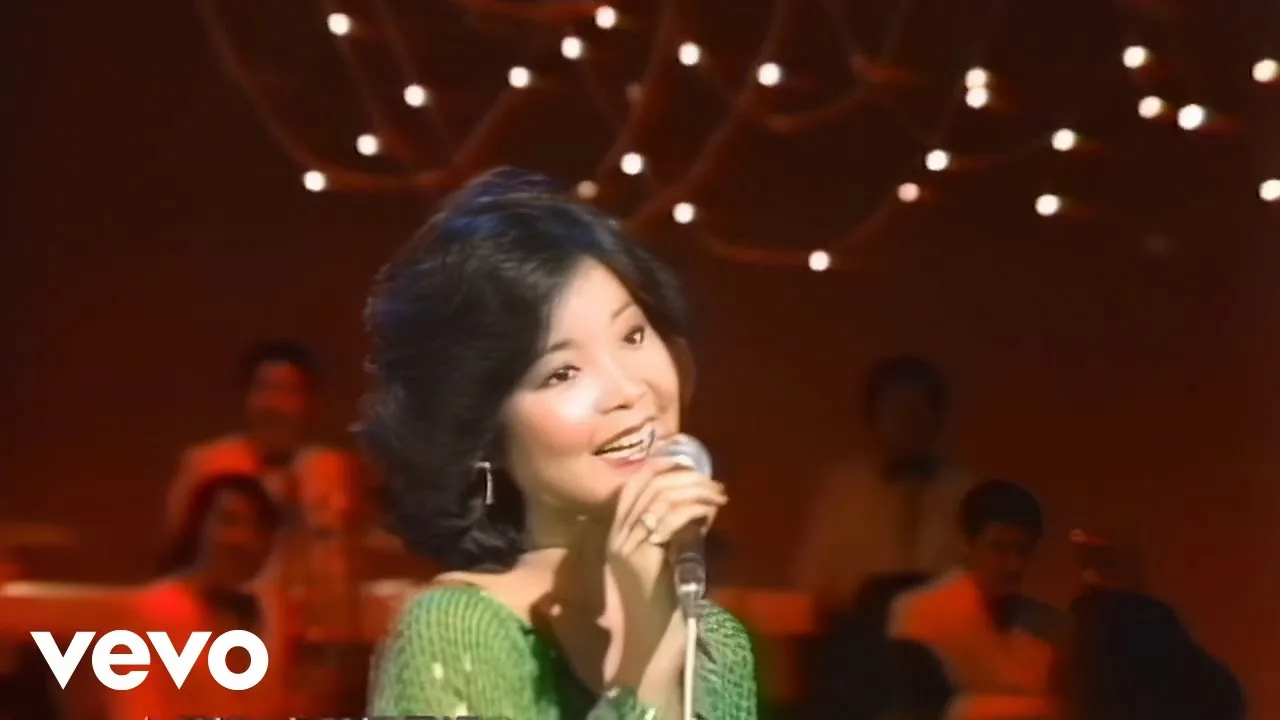
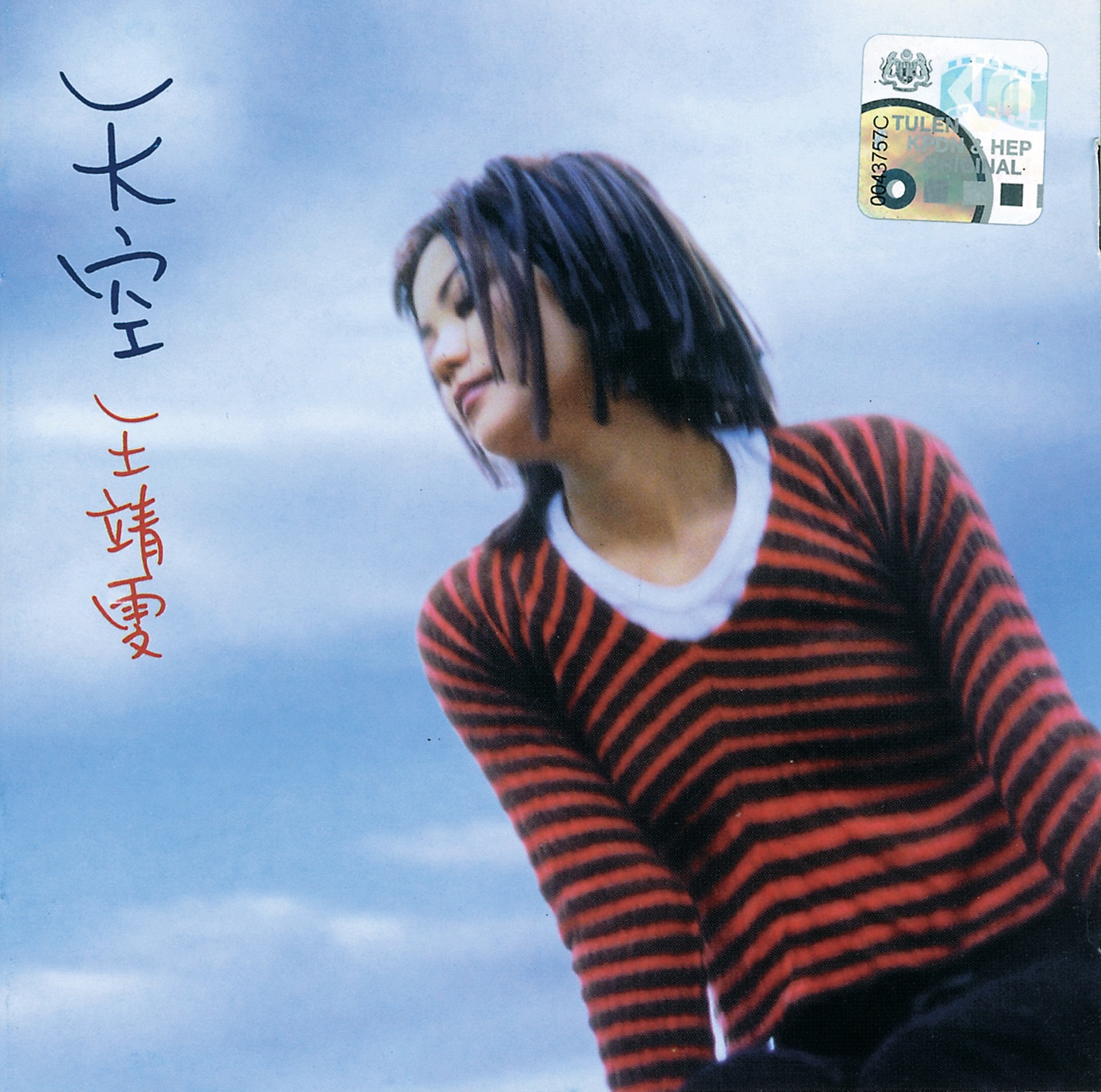
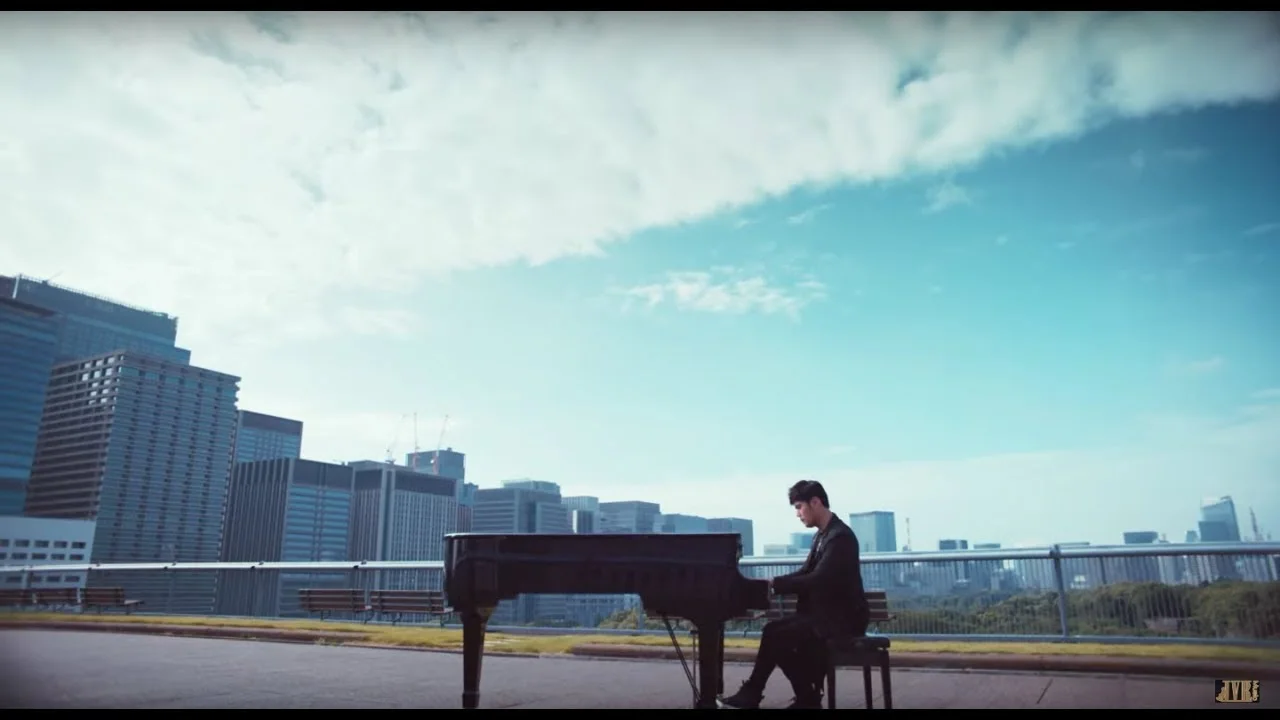
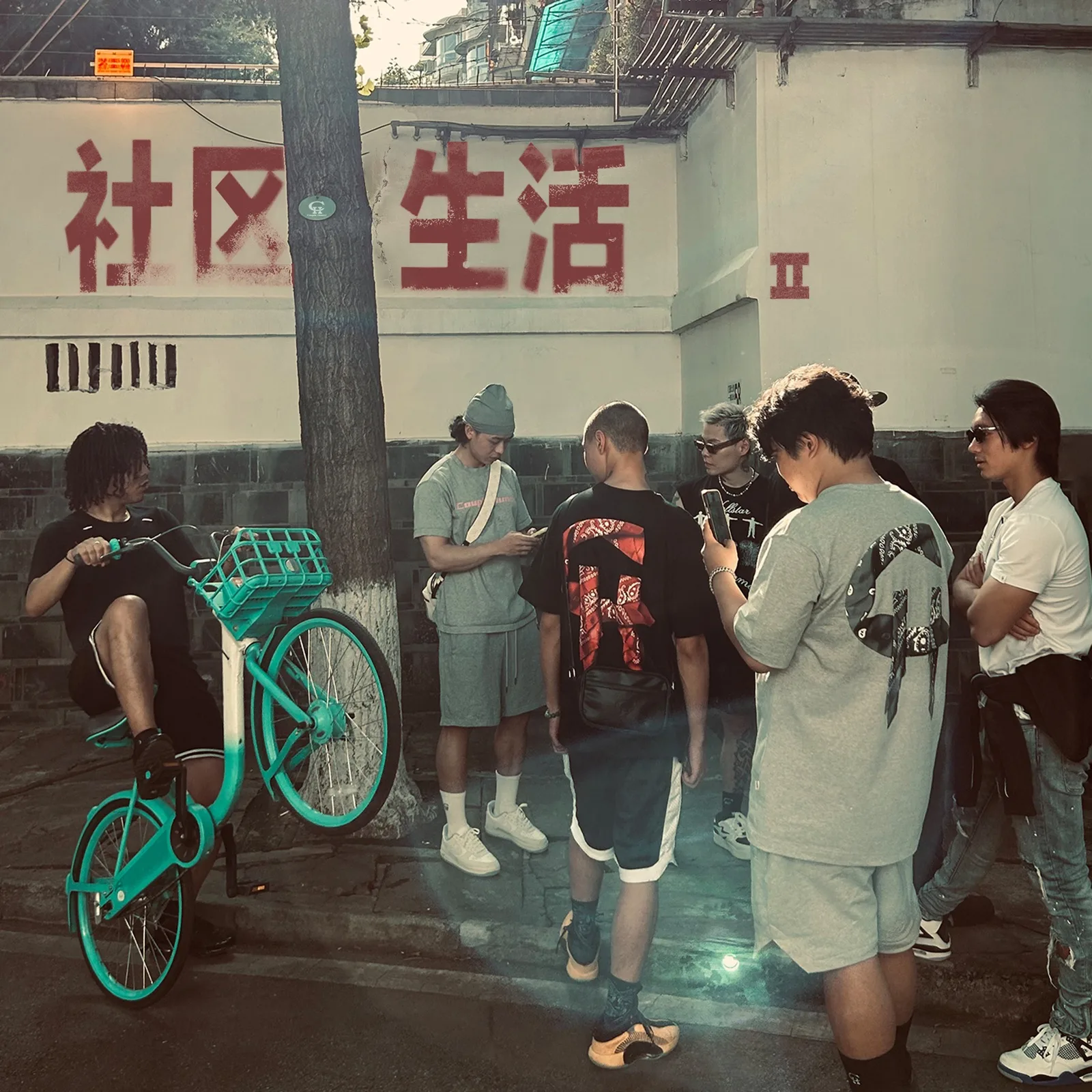
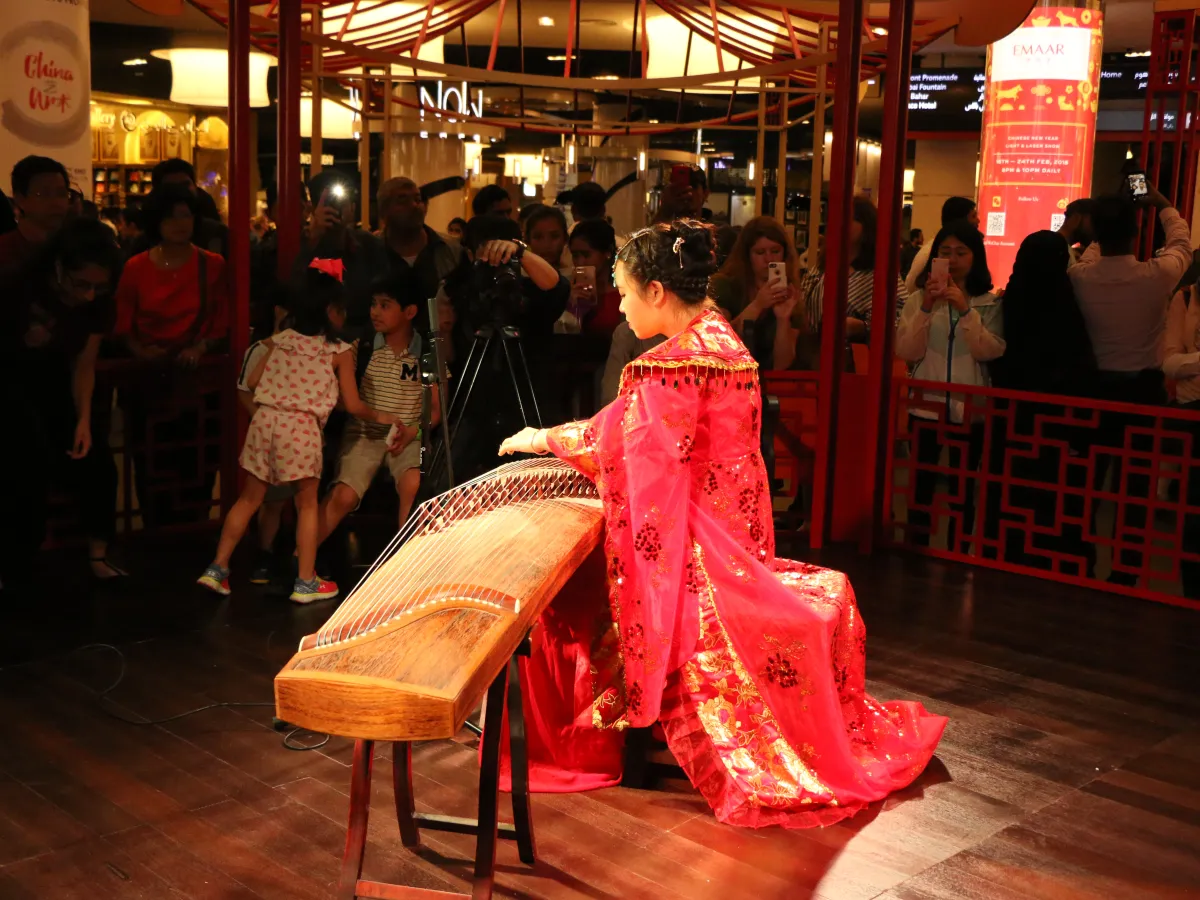
Chinese music includes classical and folk traditions, regional opera, ritual sound, instrumental solo practices, Mandarin and Cantonese popular music, rock, electronic production, hip-hop, film songs, television stages and music made by Chinese communities far beyond the mainland. That breadth is not a polite disclaimer. It changes how a listener should begin. A guqin performance, a Teresa Teng ballad, a Faye Wong recording, a Jay Chou track and a Chengdu rap cypher do not become variations of one national sound because the people making them are Chinese. They answer different rooms, technologies, histories and emotional needs.
I become impatient with the question ‘What does Chinese music sound like?’ because it asks a country to behave like a genre. No one expects all American music to share one rhythm, yet Chinese work is still packaged overseas as though an erhu line, a pentatonic melody or a red stage were sufficient proof of identity. Those devices can be meaningful; they can also be decoration. The stronger question is specific: what is this musician doing with voice, language, structure, instrument and audience? Once you ask that, the music stops performing nationality for an outsider and starts revealing an artist.
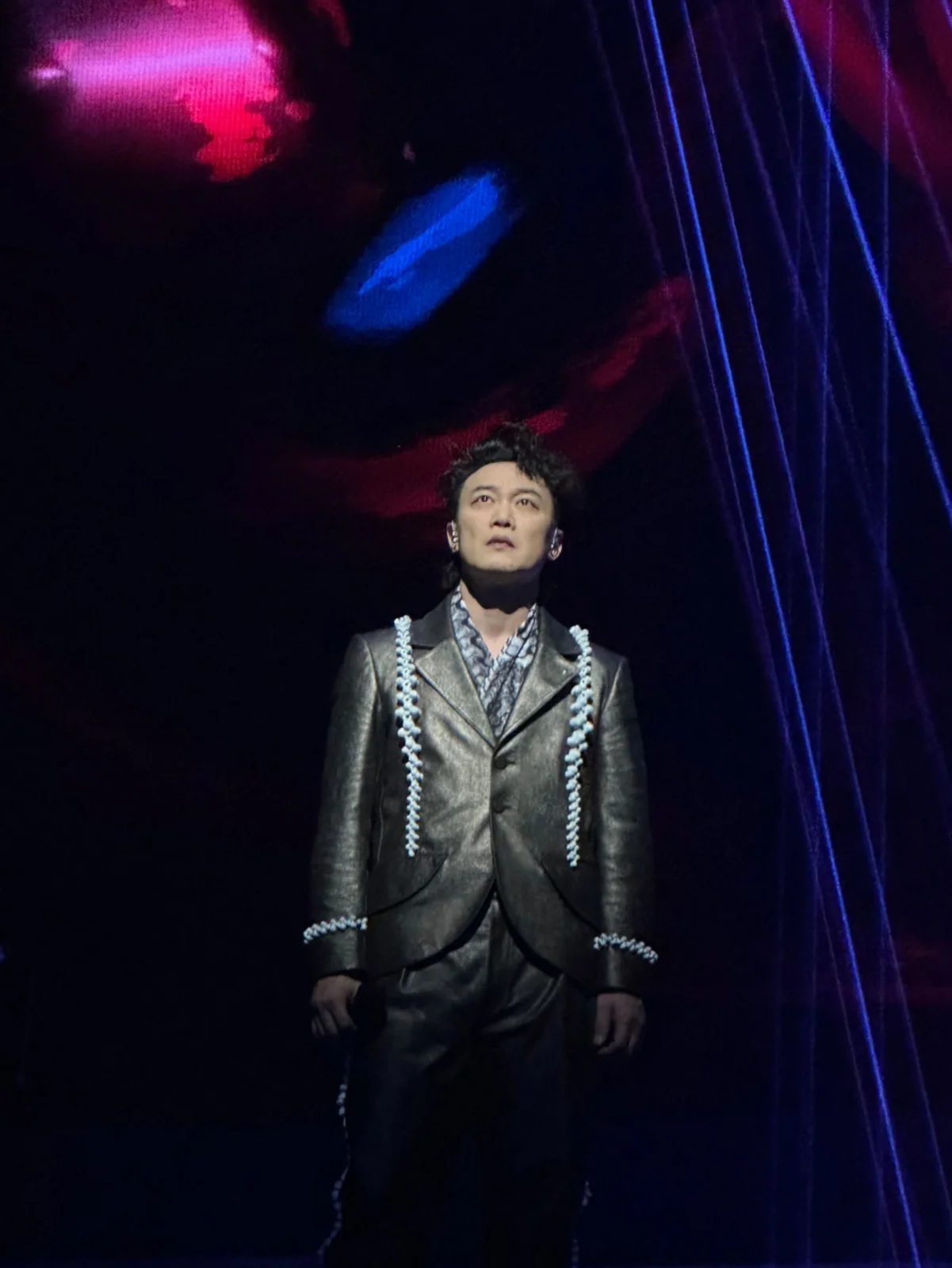
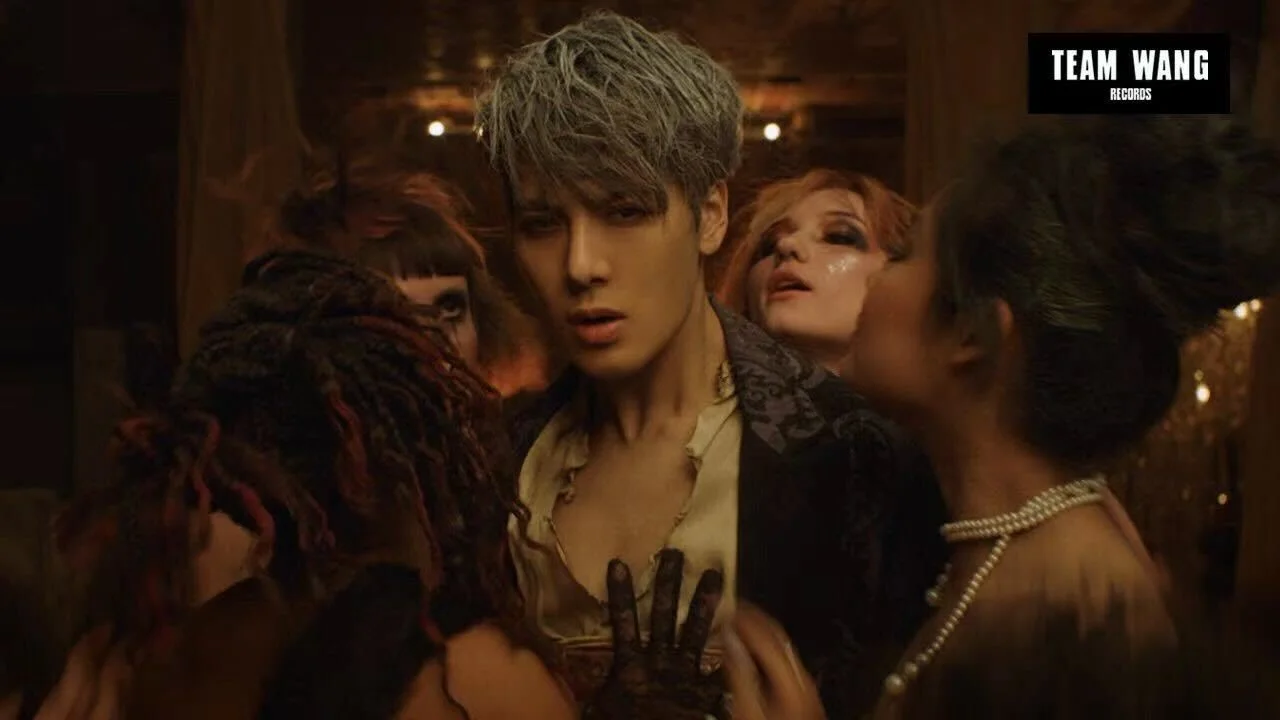
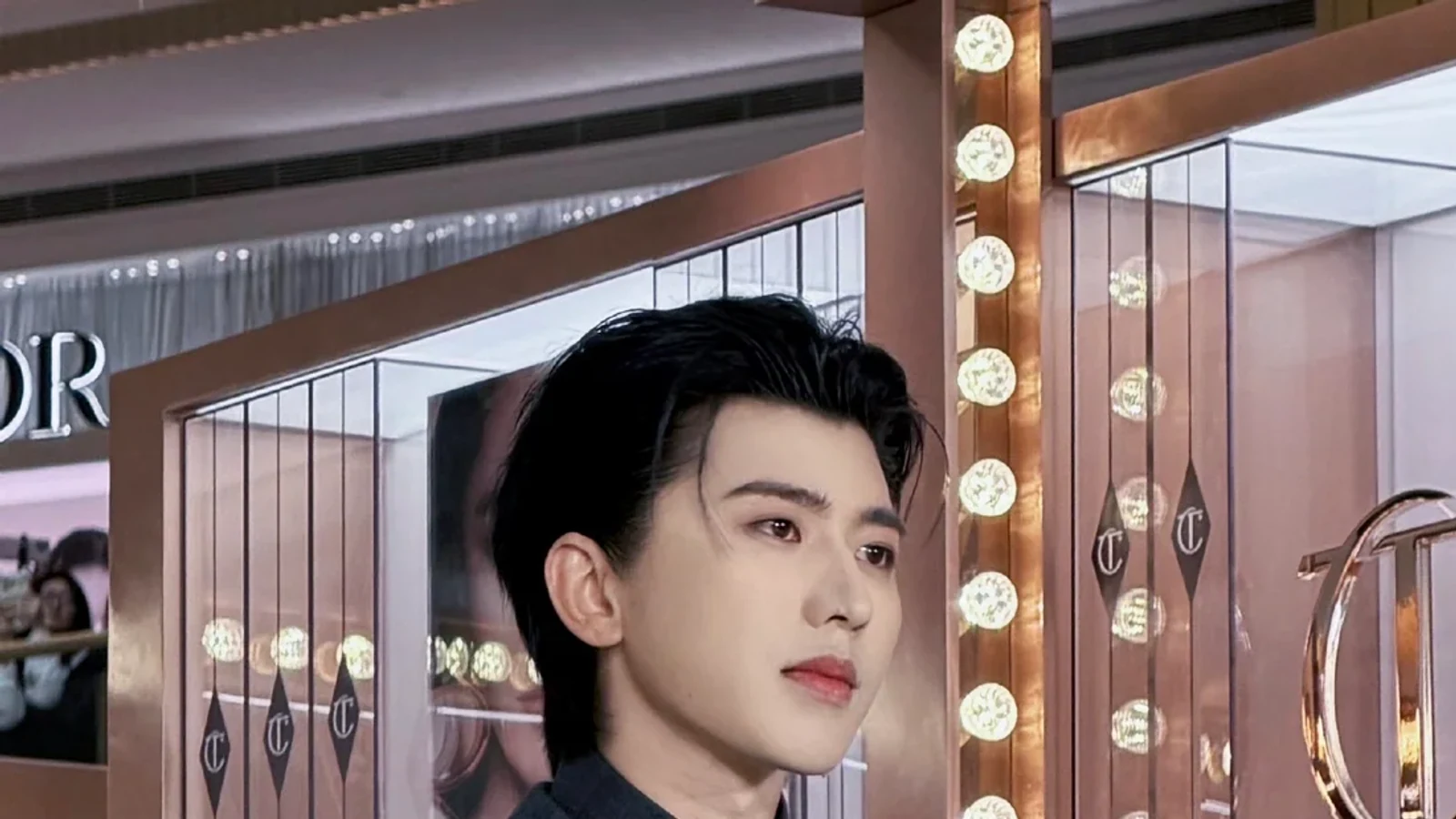
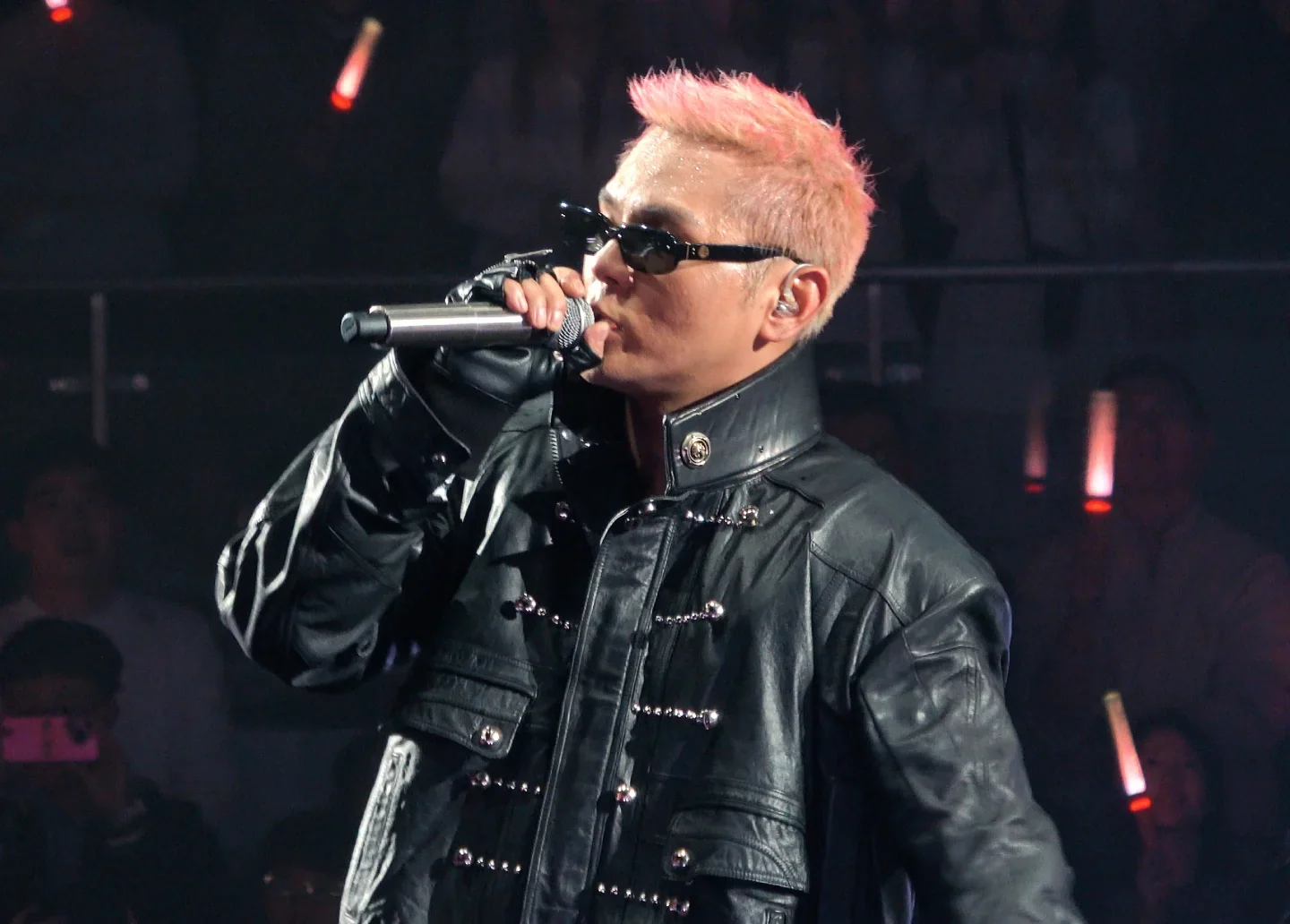
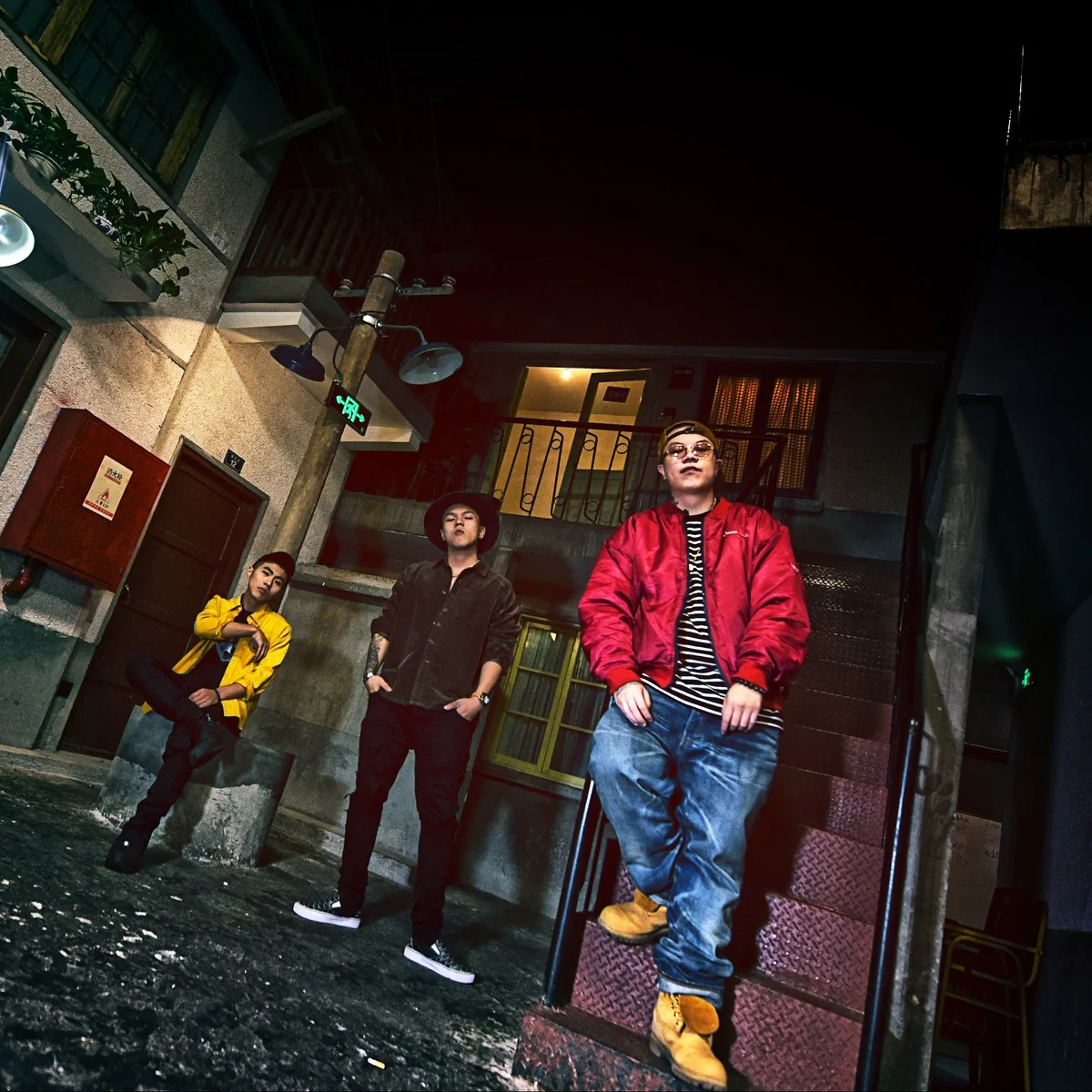
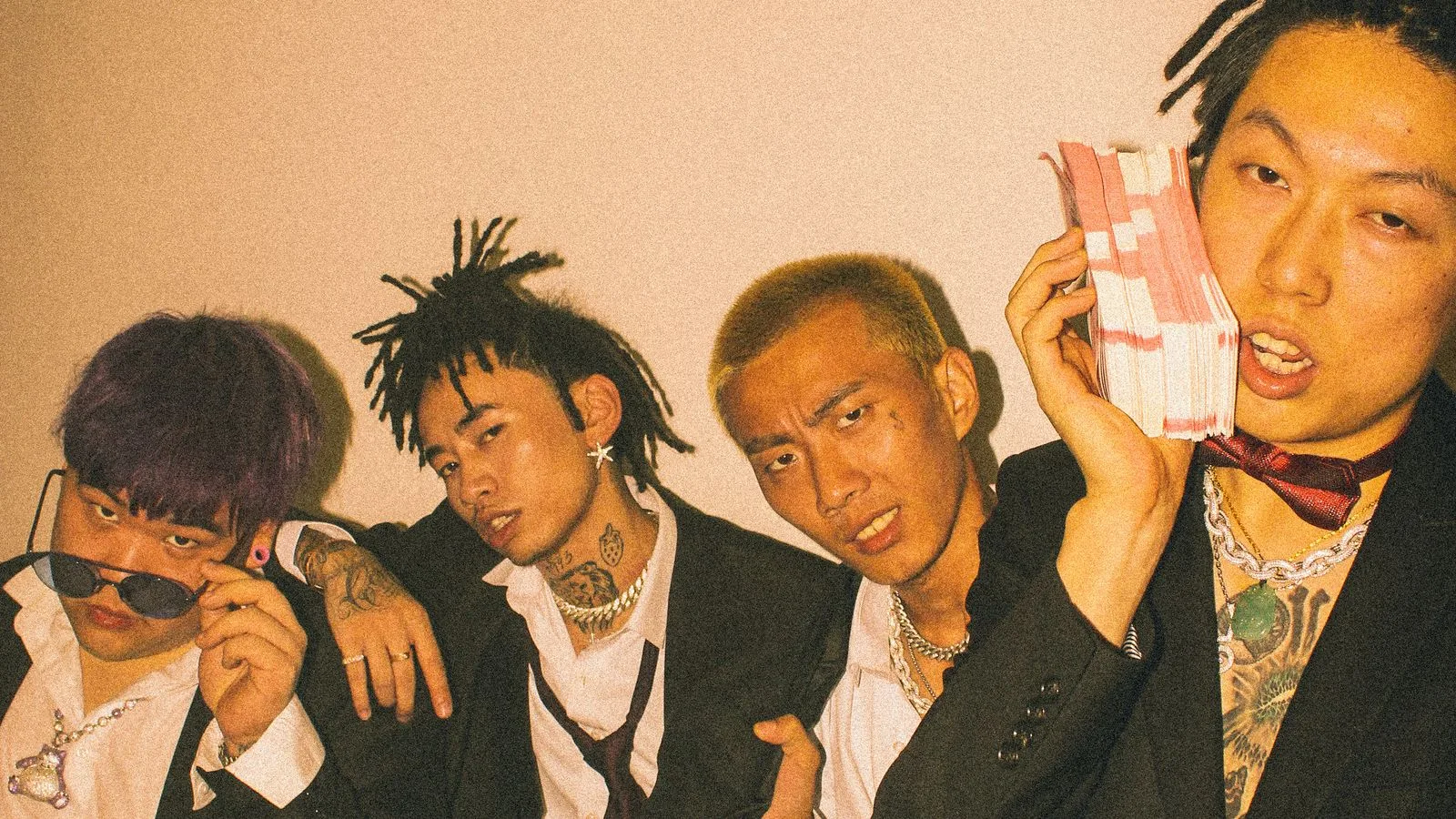
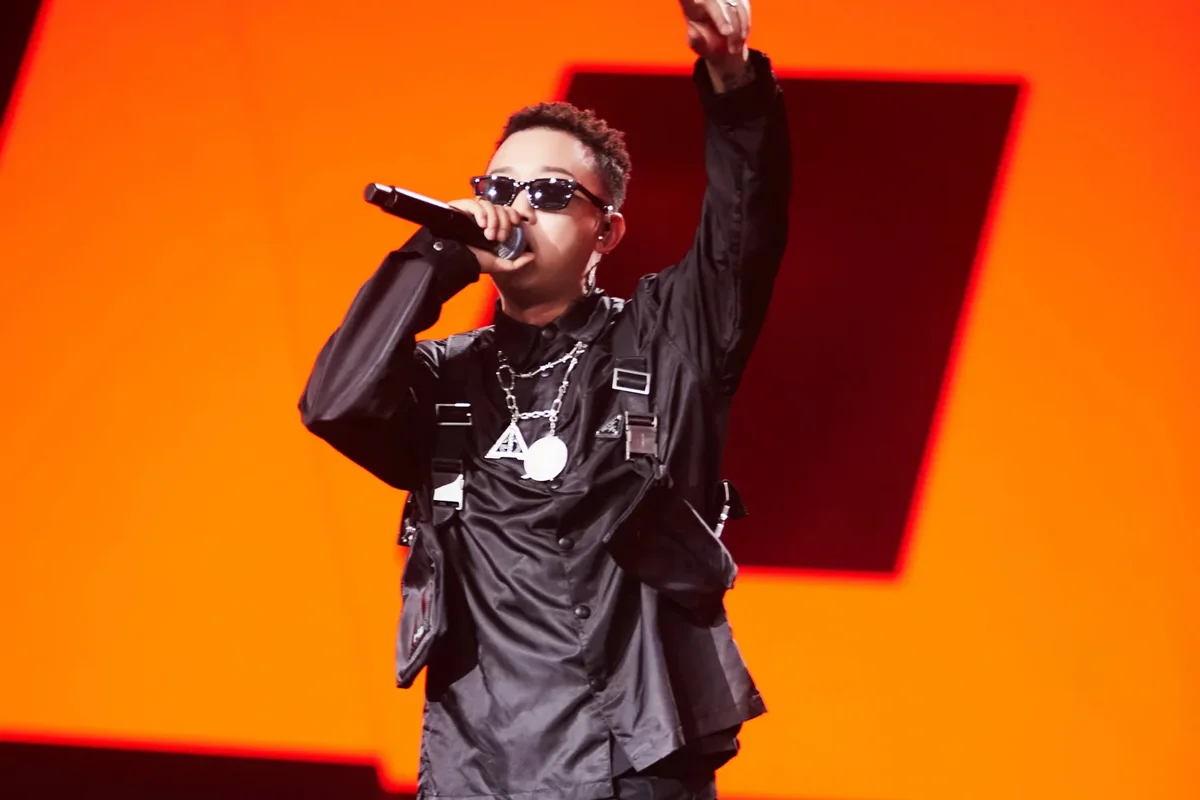
East Moment therefore does not offer a ranked list pretending to settle the field. Our published library is currently strongest in singers, C-pop careers and Chinese hip-hop. I would rather state that boundary than hide it behind six generic genre labels. The collection below lets you enter through voices across generations, regional rap maps, major artists and the deeper crew network. Traditional music, rock, indie and electronic scenes belong on this page too; they will receive the same depth as their finished guides arrive, not empty cards created merely to make the directory look complete.