Pharaoh is easiest to misunderstand when only one version of him is visible. Hear the fast delivery and he becomes a technician; see the hard-core reputation and he becomes a purist; meet the jokes and he becomes a comedian. I reject every one-label reading because none survives a full album.
His real signature is collision. Aggression sits beside tenderness, elaborate fictional worlds beside ordinary family memory, and absolute rap seriousness beside a willingness to make the rapper himself look ridiculous. Pharaoh does not protect one stable image. He lets incompatible characters fight for control of the record.
I love Pharaoh most when the technical armor cracks and an embarrassingly ordinary person walks out. I reject the fan habit of treating speed as the final proof of seriousness. I also reject the opposite shortcut that praises every joke merely because it punctures masculinity. The joke must alter the authority of the verse; the vulnerable line must cost the persona something; the story must remain alive after the rhyme scheme has been admired.
I insist on that standard because Pharaoh's range deserves harder listening, not softer judgment. My favorite turn is never simply “hard song, then emotional song.” It is the instant one voice contaminates the other: tenderness makes the attack sound defensive, or absurdity reveals how badly the speaker wanted to be believed. That friction is the artist. A playlist that sorts him into neat moods destroys it.
Pharaoh rapper in 60 seconds
| What you want to know | The short answer |
|---|---|
| Real name | Sun Quan, 孙权 |
| Hometown | Haining, Zhejiang |
| Scene connection | Shanghai independent hip-hop and Living Dead history |
| Early technical influence | Fast, forceful hard-core delivery, with Eminem often cited as an early reference |
| What makes him distinctive | Technique, narrative, absurd comedy and emotional detail in the same catalog |
| Start with | Nameless, Little River 1952, Escape School Dragon and Science Fiction |
| Essential projects | Science Fiction, Ebb Tide and Jianjiang Mixtape |
| The common mistake | Treating the comic songs as a break from the “real” serious rapper |
Apple Music's Chinese editorial biography identifies Pharaoh as Sun Quan from Haining and describes an early route through bar singing, factory work and studio apprenticeship. Those details matter less as hardship mythology than as an explanation for why his stories rarely sound observed from a distance.
The joke is part of the hard-core method
Hard-core rap often builds authority by eliminating doubt. The rapper is strongest, most disciplined and least vulnerable. Pharaoh can perform that voice convincingly, then destroy it with a skit, a childish character, an intentionally cheap punch line or a title too long to fit comfortably on a screen.
That sabotage is not a lack of seriousness. It is a way of preventing technique from becoming a monument. When the listener begins to admire the machine, Pharaoh inserts a human being who is insecure, sentimental, embarrassing or simply bored.
This is why his comedy is easy to underrate. A novelty rapper makes jokes around the music. Pharaoh often uses humor to question the social role of “the serious rapper”: who gets to decide what counts as real hip-hop, how fans turn artists into teams, and how quickly underground credibility becomes another costume.
Five songs that explain Pharaoh
1. Nameless: dignity without turning poverty into scenery
Nameless (无名之辈) is built around people who remain socially unseen. Pharaoh's narrative instinct appears in the selection of ordinary detail rather than a dramatic announcement that the song is important.
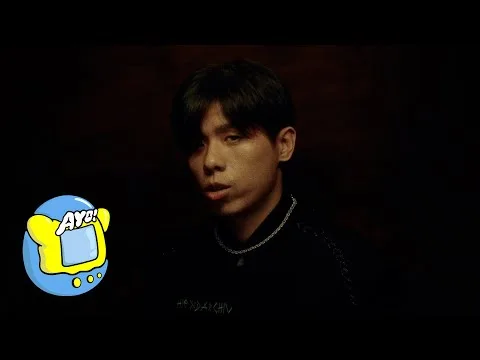
The official video for Nameless belongs here because it keeps the human subjects in view instead of using hardship as an abstract badge of authenticity.
Listen for the difference between pity and recognition. The song does not ask the listener to admire a rapper for noticing ordinary people. Its strongest passages reduce the distance between narrator and subject.
2. Little River 1952: history enters through a folk melody
Little River 1952 (小河淌水1952), featuring Gong Linna, places a familiar folk-cultural voice inside a modern narrative frame. The year in the title turns the song away from timeless “Chinese style” decoration and toward historical memory.
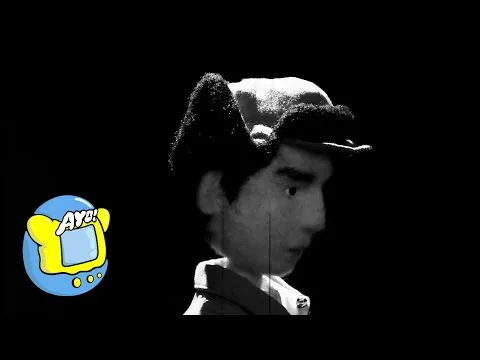
The official AYO! video makes the musical contrast visible: rap narration does not replace the older vocal language; it has to negotiate with it.
For an overseas listener, the key is not merely “rap plus tradition.” Gong Linna's voice carries performance history and regional-folk associations. Pharaoh uses that weight to make memory feel inherited rather than sampled.
3. Escape School Dragon: the rapper becomes a school-film character
Escape School Dragon (逃学威龙) borrows the Chinese title of a famous Stephen Chow comedy and turns school rebellion into playful rap theater. The record understands that nostalgia is not always solemn. For many Chinese listeners, film titles, classroom jokes and internet culture belong to one shared language.
The delivery remains controlled, but the status game changes. Instead of standing above the scene as a hard-core authority, Pharaoh plays inside a familiar comic world. The ability to lose dignity without losing rhythm is one of his rarest strengths.
4. Science Fiction: a genre title becomes an album architecture
The title track Science Fiction (科幻小说), featuring Ice Paper, opens a project full of skits, genre detours and invented situations. Science fiction here is less about futuristic production than permission: a rapper can construct worlds in which every voice does not need to be autobiographically consistent.
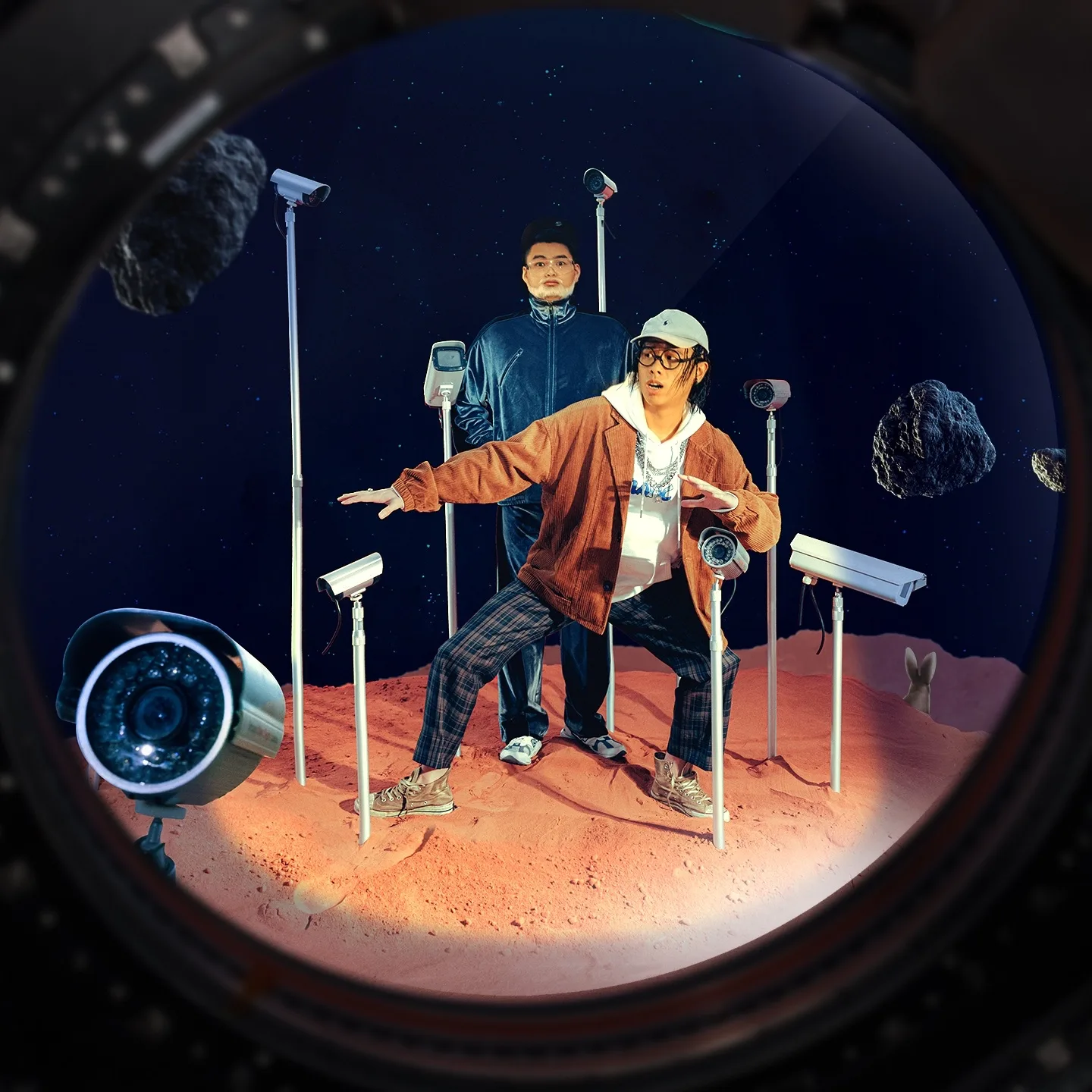
The 2020 Science Fiction album is the best place to hear Pharaoh as an album-maker rather than a collection of contradictory singles.
The skits ask whether a song has groove, heart or hard-core legitimacy. That repeated questioning turns fan arguments into part of the fiction. Pharaoh knows his own audience wants to classify him, so he makes classification one of the album's comic subjects.
5. Jianjiang: exaggeration as fan participation
Jianjiang (健将) is intentionally excessive. The word literally suggests a strong or capable figure, but in online usage around the song it became a flexible comic identity. Pharaoh amplified the joke rather than treating meme circulation as contamination.
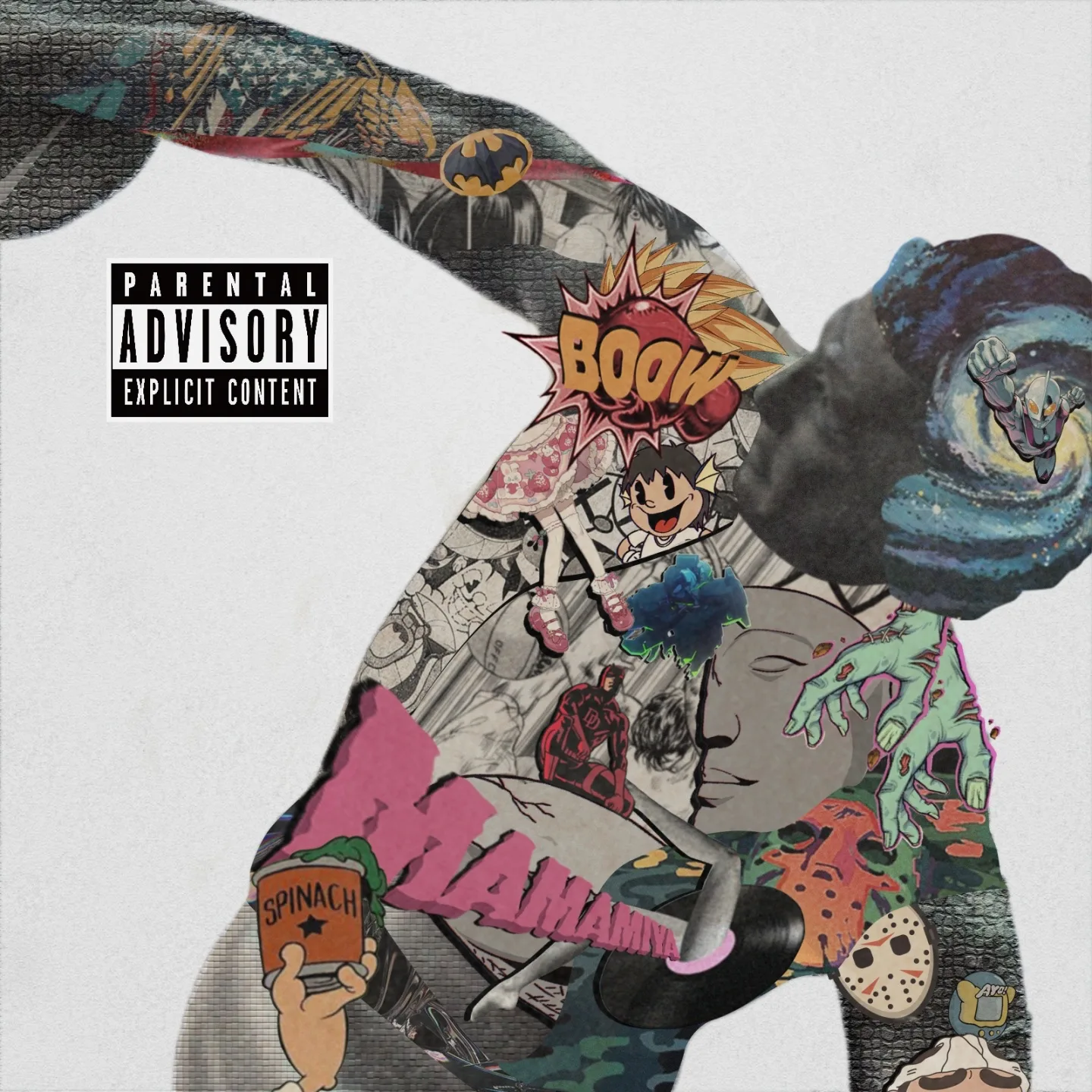
The 2022 Jianjiang Mixtape shows how Pharaoh can let internet humor reorganize an entire project without abandoning rap craft.
The risk is obvious: a joke that belongs to a moment can age faster than a narrative song. The reward is equally real. Fans do not only receive the character; they repeat, modify and extend it. The boundary between artist world and audience language becomes unusually porous.
Science Fiction is the key album
Many artist profiles divide Pharaoh into “hard-core” and “soft” songs, as if he changes masks between tracks. Science Fiction offers a better model. It treats the catalog as one unstable story world in which aggression, parody, romance and melancholy are neighboring genres.
The album includes mock arguments about rhythm and authenticity, a fan-culture satire, comic collaborations, the school-film world of Escape School Dragon, and more inward songs such as Room 13 and The World in the Pupil. The sequence does not resolve the contradiction. It teaches the listener how to enjoy it.
That is the album's durable achievement. It answers a familiar pressure placed on rappers: choose whether you are technically credible, emotionally accessible or entertaining. Pharaoh's answer is that the demand itself lacks imagination.
Ebb Tide removes some of the armor
Ebb Tide (退潮) arrived in 2022 with a more openly reflective frame. The title suggests what remains when water withdraws: debris, exposed ground and things previously hidden by movement.
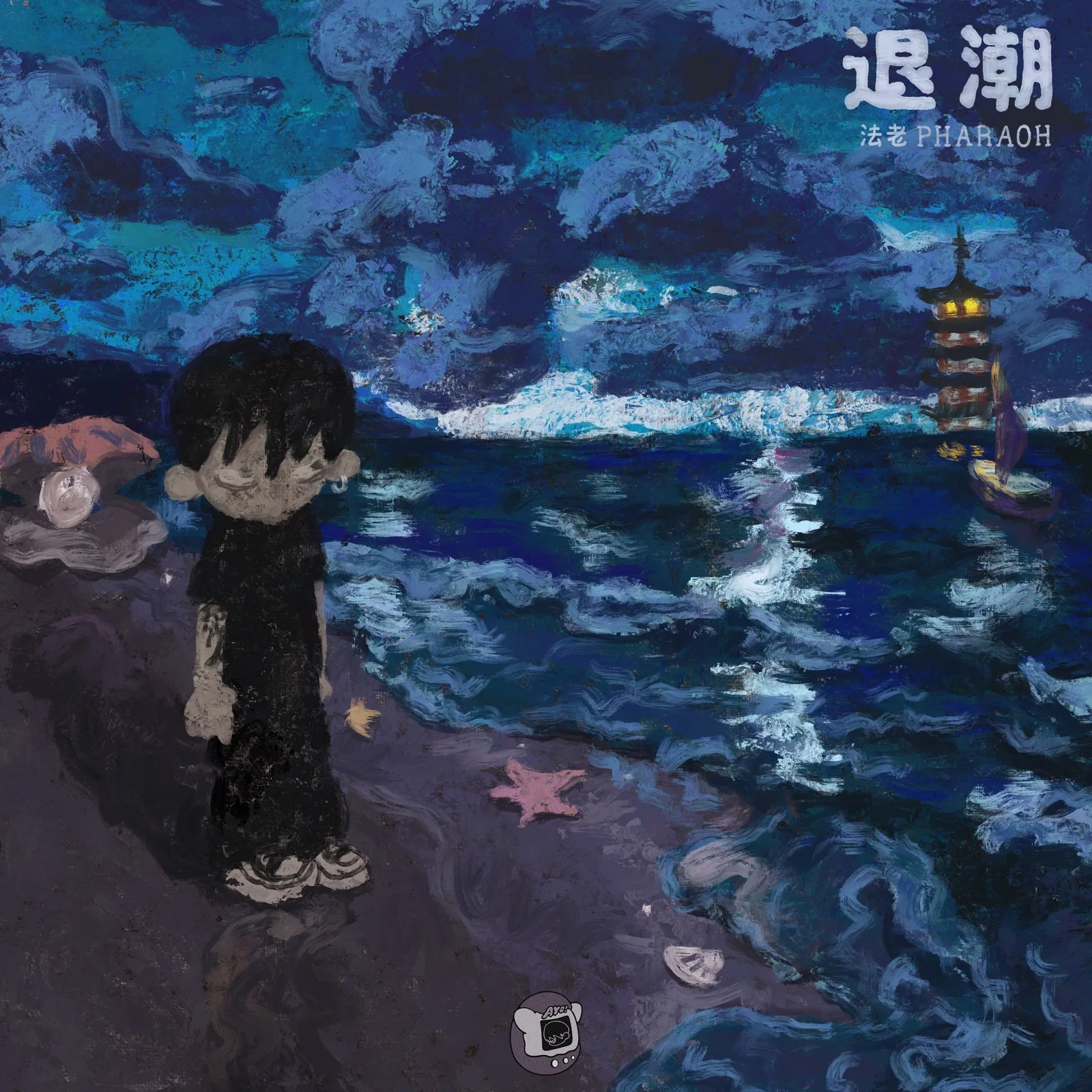
On Ebb Tide, story songs and collaborations carry more emotional space without erasing Pharaoh's appetite for tonal interruption.
The project contains Nameless, Little River 1952, romantic writing, a sequel to Home and songs with very different vocal textures. It is not simply the “mature” album after youthful comedy. That description would make growth sound like becoming less strange. Instead, the record shows that the strange voices can coexist with greater patience.
Haining is not Shanghai, and both matter
Pharaoh is often placed inside Shanghai hip-hop because the city's independent network and Living Dead history are central to his public career. But he comes from Haining in Zhejiang. Keeping both locations visible improves the music reading.
Haining gives the catalog a small-city and regional memory that is different from a Shanghai-born metropolitan identity. Shanghai provides a larger scene in which crews, live performance, recording networks and competitive rap could develop. One is personal origin; the other is creative infrastructure.
The distinction also prevents the usual city-brand shortcut. Our Shanghai cultural guide explains a city shaped by circulation and reinvention, but Pharaoh's stories cannot be reduced to Shanghai cool. They repeatedly return to family, hometown memory and people outside metropolitan glamour.
Living Dead is context, not the whole explanation
Living Dead, written 活死人, is indispensable to Pharaoh's history. The name signals confrontation, collective identity and an underground scene built before every successful rapper needed a television storyline.
Yet crew membership should not replace listening. The most useful connection is artistic: cyphers and collective competition sharpened his technical reputation, while the solo catalog kept testing what that reputation could contain.
Current organizational details can also change. Public cyphers and historical releases establish a strong association, but they do not justify inventing private contract status. The music gives us enough to say without pretending access to the business paperwork.
Current listener searches resist reducing Pharaoh to one technical feat. Hard-performance clips sit beside a long Escape School Dragon stage, his official tour recording and discussions of autobiographical writing. That contrast matters more than any isolated speed count. My conclusion is that the hard-core mask creates pressure, but the catalog earns depth when narrative patience, humor or a plain sentence breaks it. The mask is a delivery system, not the complete identity.
Break the persona before deciding who he is
Start with the hardest technical track on the page, then play the most emotionally exposed one. Do not ask which is the “real” Pharaoh. Ask what changes in sentence length, breath, humor and production when the armor comes off. The distance between those records is the artist.
Comedy deserves serious listening. A ridiculous image can release tension, sabotage macho certainty or make the next sincere line more dangerous. It can also become an escape from consequence. Notice whether the joke changes the song's argument or merely interrupts it. The strongest records let absurdity and pain contaminate each other.
Album sequence is therefore more useful than a playlist of fast verses. Listen for characters that return, tones that break and moments when technical excess becomes part of the narrative. My judgment is that Pharaoh matters because contradiction is not a side effect of the catalog. It is the method that prevents hard-core identity from becoming a cage.
Use the voice as a character map. A deliberately exaggerated attack, a suddenly plain sentence and a comic change of tone can belong to different narrators even when one person performs them. Note who appears to be speaking and what the mask permits. The exercise stops humor from being treated as a break between the “serious” songs.
Then ask whether vulnerability changes the technique. If the flow remains armored while the lyric claims openness, the confession may be only another costume. When pacing, volume and rhyme density change with the emotional risk, the album has actually allowed the persona to break.
That fracture is more revealing than another display of speed because it proves the technique can serve a person, not only a reputation.
Pharaoh's masks work when the writing exposes them
Pharaoh is compelling because he can make listeners care about rap technique and then expose how silly the surrounding status rituals can be. His best projects reward fans who notice recurring characters, fake arguments, genre references and emotional callbacks.
The weakness follows from the same abundance. Not every skit earns its length, not every internet joke survives its moment, and a sprawling project can feel as if selection lost to enthusiasm. Listeners who want a clean, consistent mood may find the interruptions exhausting.
But editing him into a tasteful, serious storyteller would remove the reason the serious songs hit. Tenderness carries more weight because it emerges from a catalog that has refused solemnity as a permanent pose.
Move from provocation to narrative discipline
Use this route:
- Nameless for narrative empathy.
- Escape School Dragon for comic character writing.
- Science Fiction for the album architecture.
- Little River 1952 for historical and folk-cultural conversation.
- Ebb Tide for the wider emotional range.
Then return to the Chinese musicians collection and choose the next voice by writing method: KEY.L Liu Cong treats scenes as evidence, Jony J works through a more controlled reflective register, and MC HotDog shows an earlier method of turning local speech and comedy into Mandarin rap authority.
Why Pharaoh matters
Pharaoh expanded the emotional permission of Chinese hard-core rap without asking the genre to become polite. He kept the attack, speed and collective competitiveness, then added family memory, invented worlds, pop-cultural comedy and embarrassing characters.
The result is more than versatility. It is an argument about authenticity: a rapper may be most truthful not when maintaining one credible persona, but when admitting how many incompatible people are speaking through the same microphone.