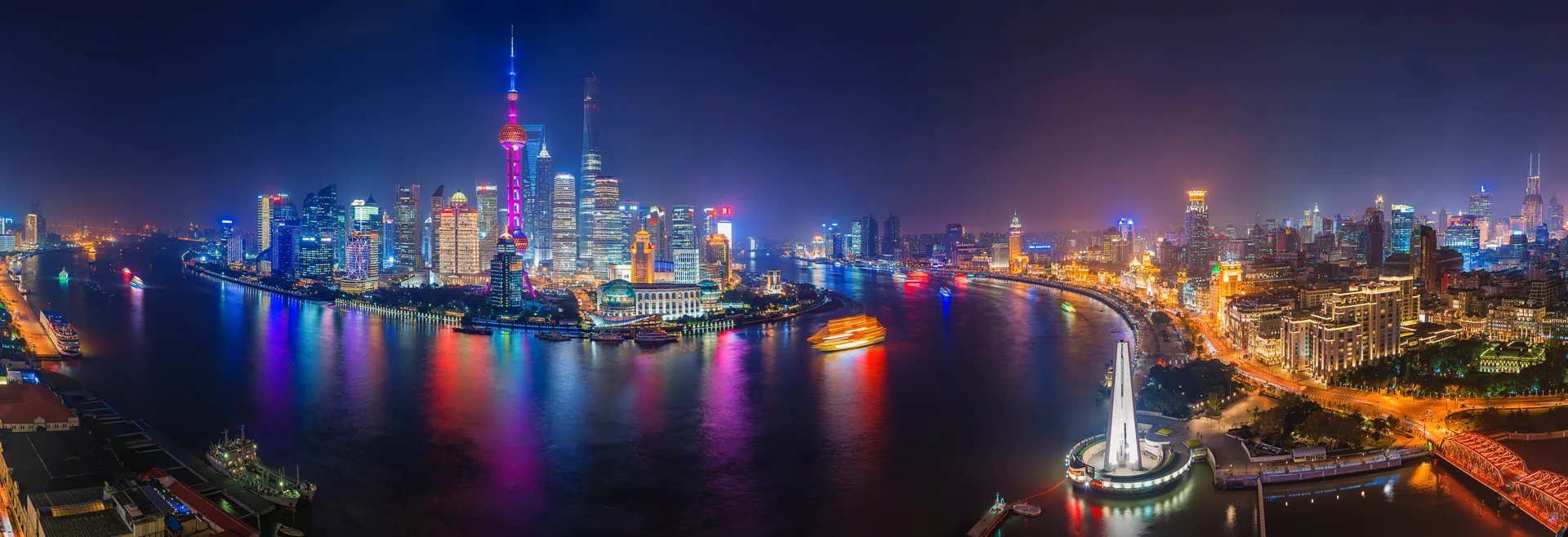
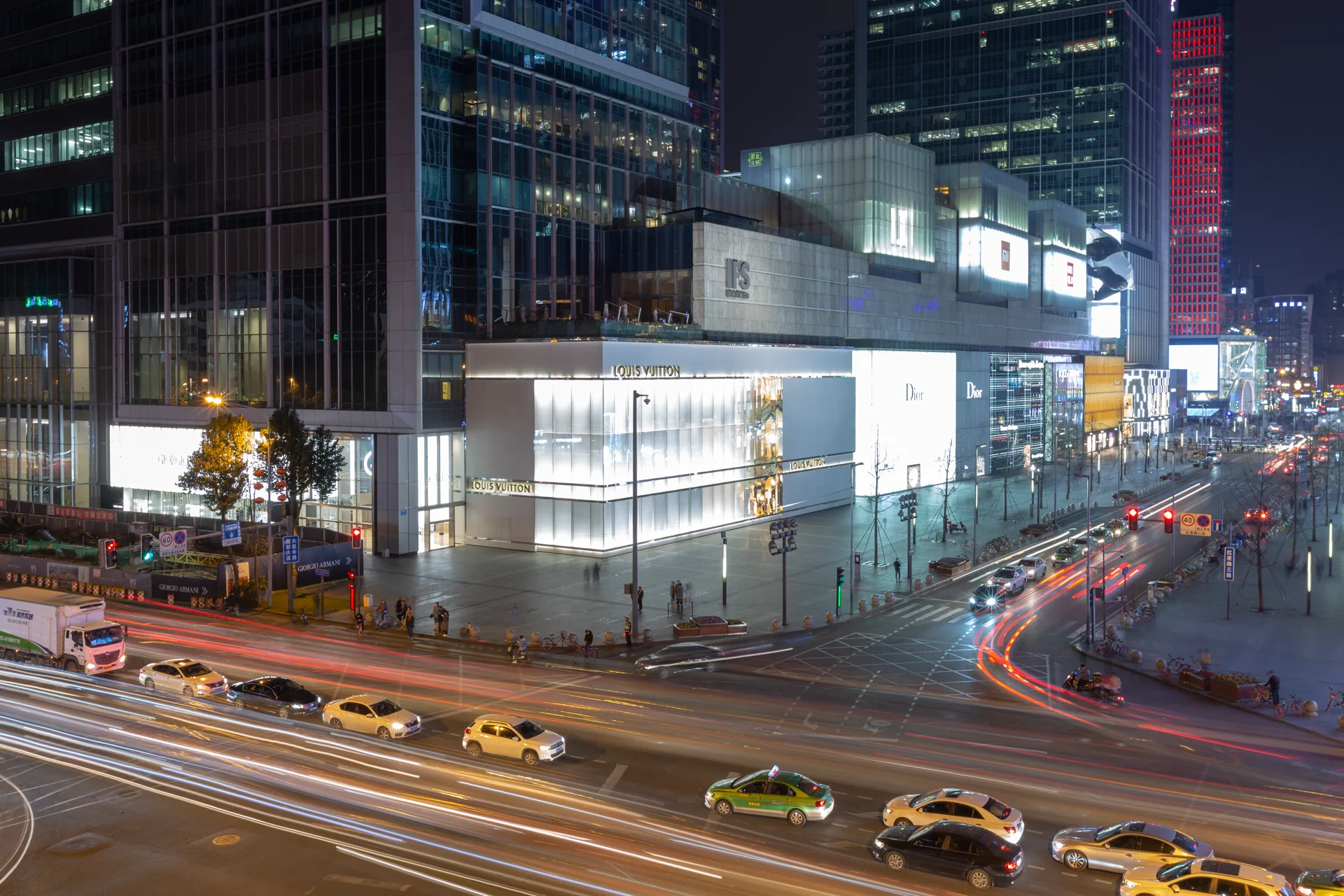
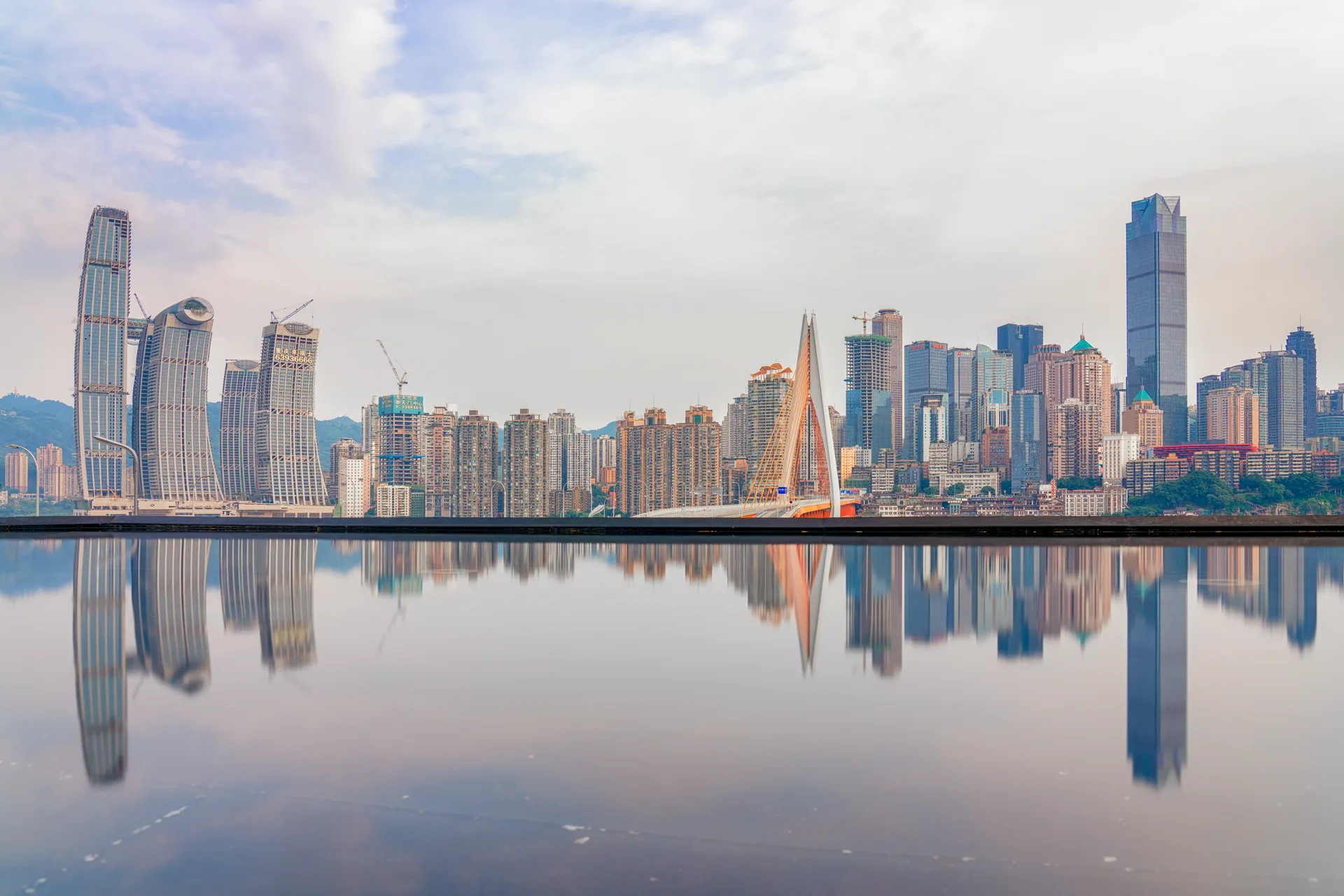
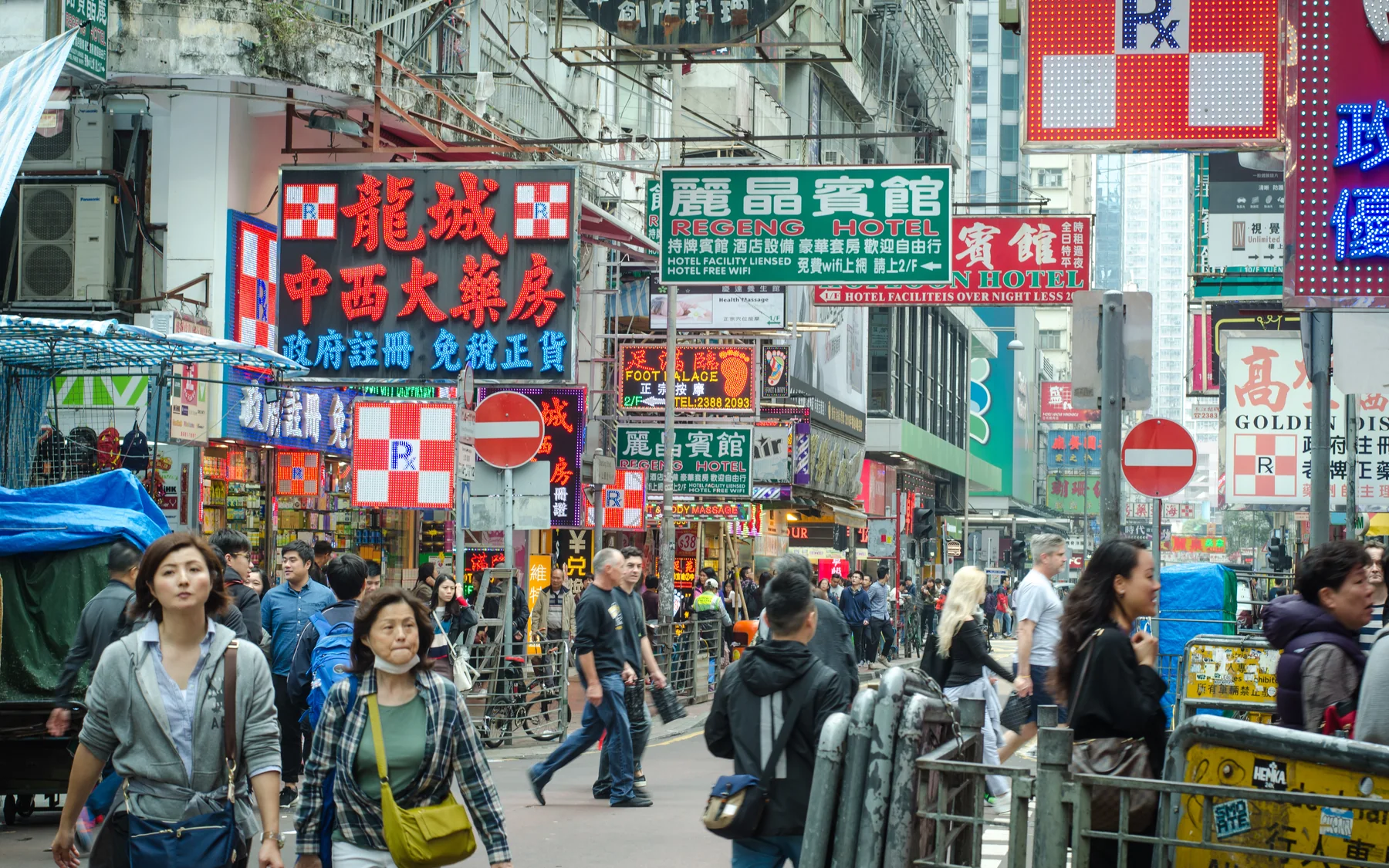
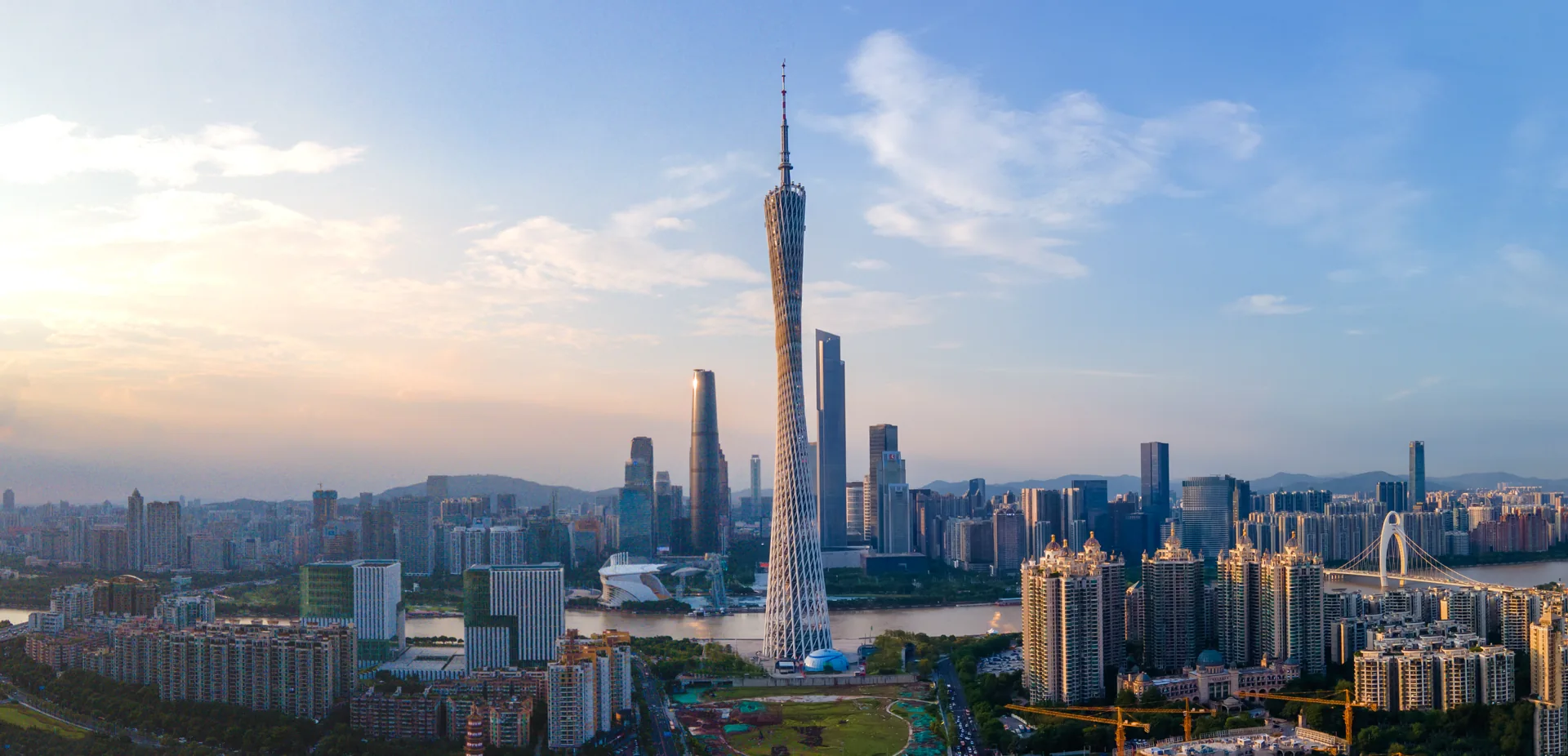
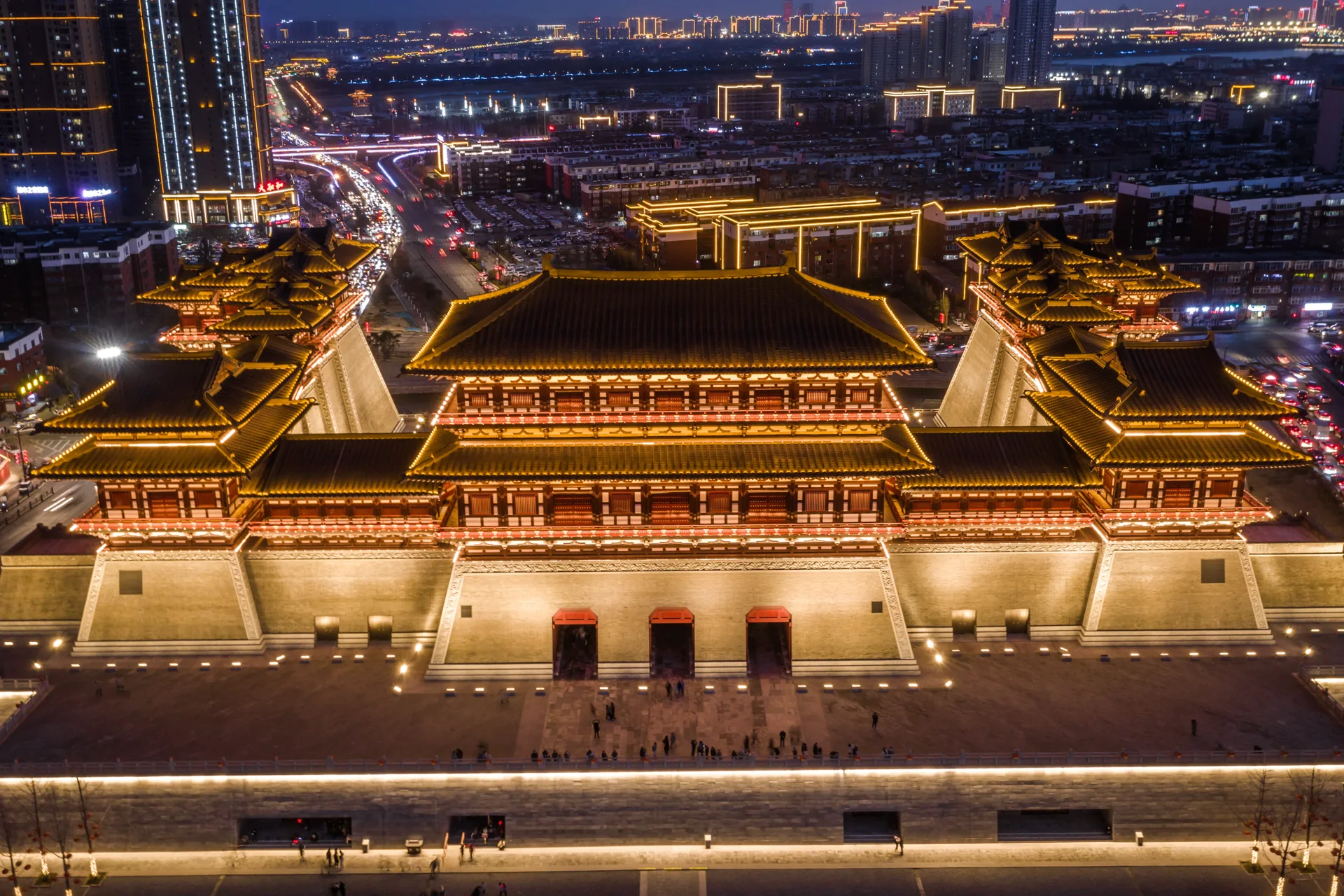
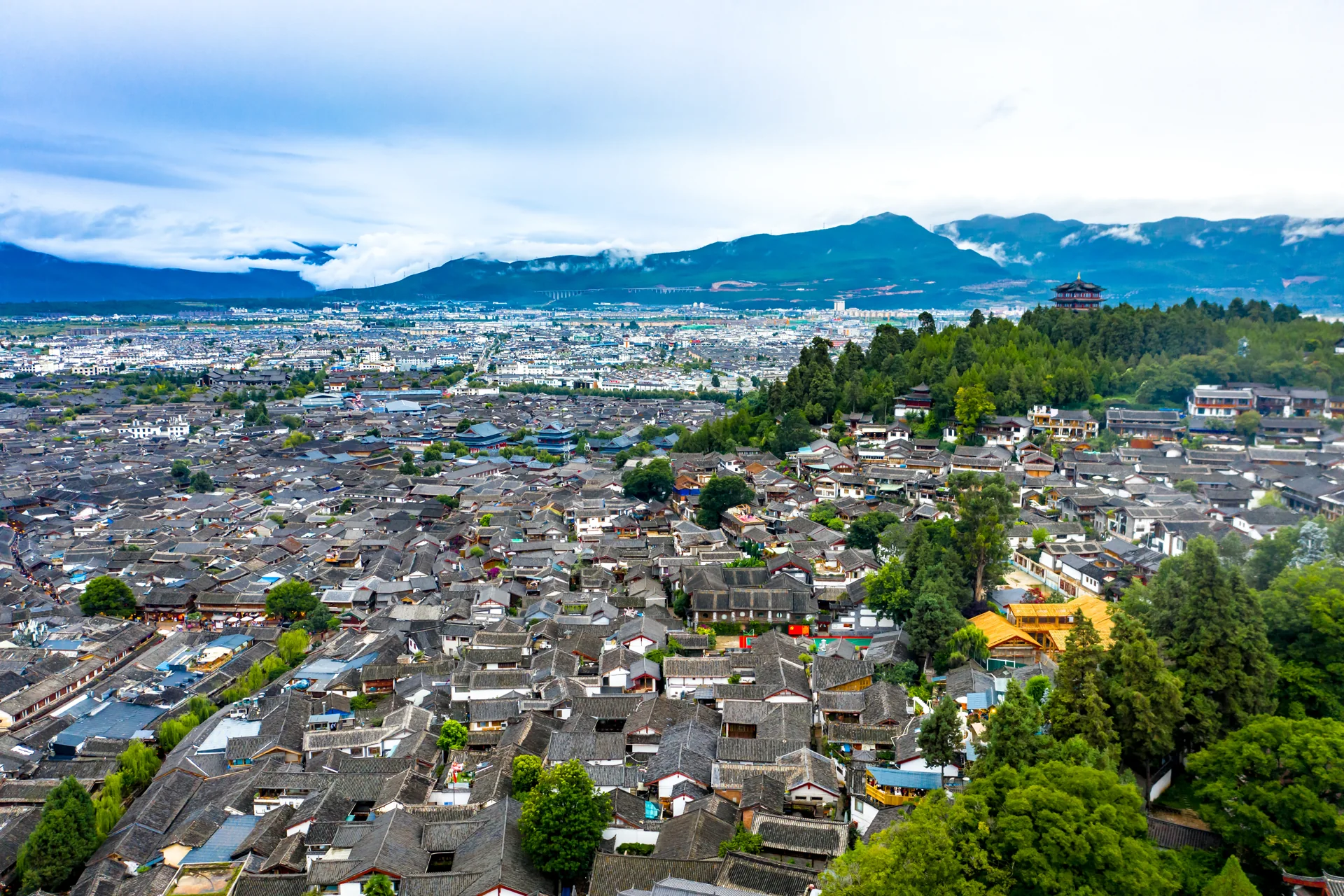
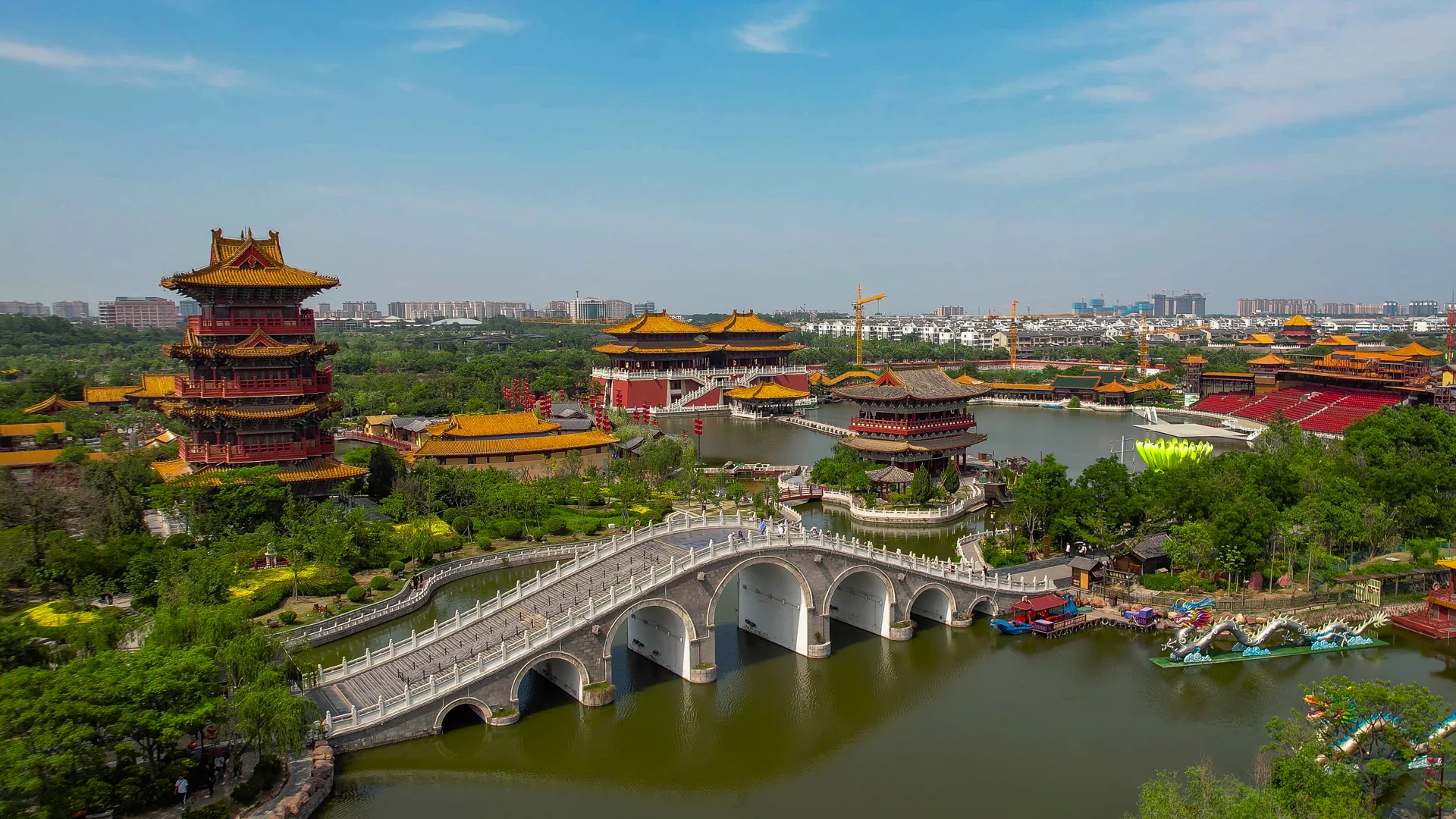
The fastest way to misunderstand Chinese cities is to collect their famous nouns: Forbidden City, the Bund, pandas, hot pot, West Lake. Those places matter, but the city begins after the photograph. Listen to breakfast orders, watch how people occupy a park, notice which dialect survives on a shopping street and stay outside after the tour buses leave. That is where one Chinese city stops resembling another.
For a country-scale comparison of urban size, read our guide to the most populous cities in China. It keeps municipality, built-up area and metropolitan region separate, so a population table does not pretend to describe the same city experience everywhere.
Chinese cities: choose the daily life before the landmark
The UNESCO World Heritage list for China identifies places of exceptional protected significance. It cannot choose a city for you. That decision should begin with the kind of ordinary day you want to enter: slow public time, vertical terrain, continuous food life, coastal trade memory or the friction between imperial scale and neighborhood routine.
A landmark tells you what a city has protected, promoted or learned to sell. Ordinary life tells you how the city actually works.
Beijing is not only imperial scale. It is also bicycles cutting through a hutong, old neighbors using a lane as shared space and a breakfast shop serving regulars before the museum doors open. Shanghai is not only Pudong's skyline. It is the speed of a pedestrian bridge, the reuse of an old building and the confidence with which a tiny room becomes a cafe, studio or bar. Chengdu is not only pandas. Its real argument appears in the amount of public time people are willing to spend together. A hutong matters not because it looks old, but because one narrow lane can still carry transport, domestic life, small business and neighborhood memory at the same time.
Five signals reveal more than a city checklist:
- Breakfast: what is eaten quickly, what requires sitting down and what people order without reading a menu.
- Public space: whether social life gathers in parks, malls, riversides, tea houses, markets or late-night streets.
- Local speech: which accents and dialects remain audible, and when people switch into standard Mandarin.
- Night behavior: whether the city eats, walks, shops, performs, drinks or simply stays outside after dark.
- Ordinary movement: how stairs, bicycles, trams, scooters, subways, ferries and walking distances shape daily patience.
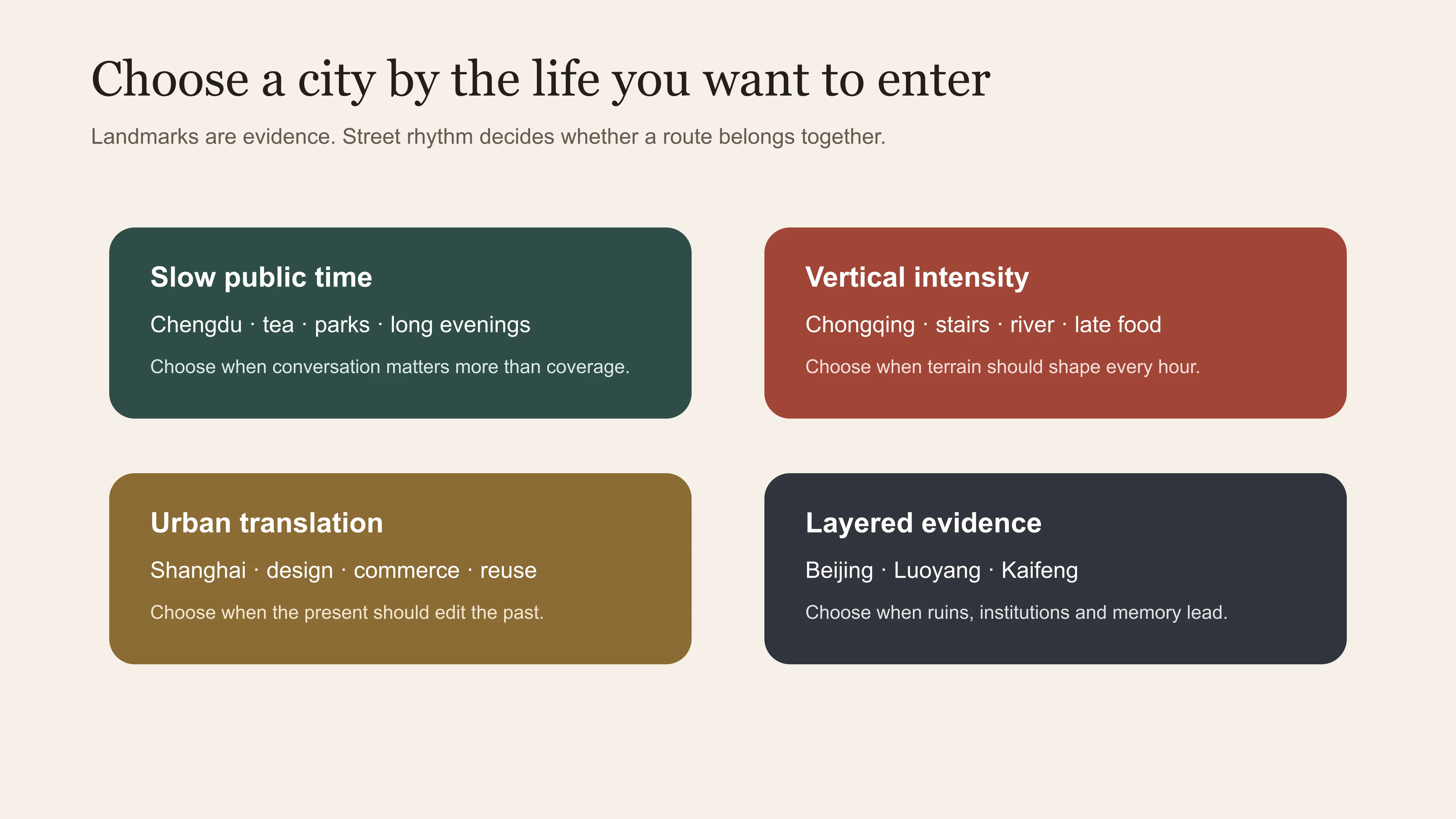
This is why choosing a Chinese city by fame is weak planning. Choose the kind of life you want to enter.
Choose the life you want to enter
The wrong city is rarely boring. It is simply wrong for the trip you wanted. A traveler chasing night streets, live music and new restaurants will read a quiet heritage town differently from someone who has spent all year wishing for a lake, a bicycle and an early night.
After four decades of living in China, I plan by contrast. Put a city of monumental space beside one built around intimate public life. Put a northern wheat city beside a southern rice city. Put a vertical city beside one that moves along water. The route becomes a story instead of a collection of airport codes.
| City | The life to notice | Best for | Give it at least |
|---|---|---|---|
| Beijing | Courtyard lanes beneath monumental state scale | Museums, hutongs, political and imperial geography | 4 days |
| Shanghai | Riverfront movement, adaptive reuse and designed consumption | Architecture, nightlife, contemporary culture | 3 days |
| Chengdu | Shared public time around food, parks and tea | Neighborhood life, Sichuan food, a slower social rhythm | 4 days |
| Chongqing | Stairs, bridges, rail lines and meals built for intensity | Urban movement, night streets, hot pot, photography | 4 days |
| Changsha | Museum depth followed by media energy and a late dinner | Mawangdui, Yuelu Academy, Hunan food, youth culture | 3 days |
| Hong Kong | Trams, slopes, ferries and compressed Cantonese street life | Film memory, hiking, density, harbor geography | 3 days |
| Guangzhou | Morning dining, trade instincts and subtropical neighborhood life | Cantonese food, Lingnan culture, design and commerce | 3 days |
| Zhengzhou | Breakfast, railway movement and archaeology under a working metropolis | Henan Museum, Shang city walls and a Central Plains base | 2-3 days |
| Luoyang | Carved Buddhist cliffs, soup mornings and factory neighborhoods | Buddhist art, archaeology and industrial memory | 2 days |
| Lijiang | Mountain light, water lanes, contested beauty | Landscape, Naxi heritage, slow mornings | 3 days |
| Kaifeng | A buried capital heard in opera and tasted at night markets | Song history, historical imagination and street food | 2 days |
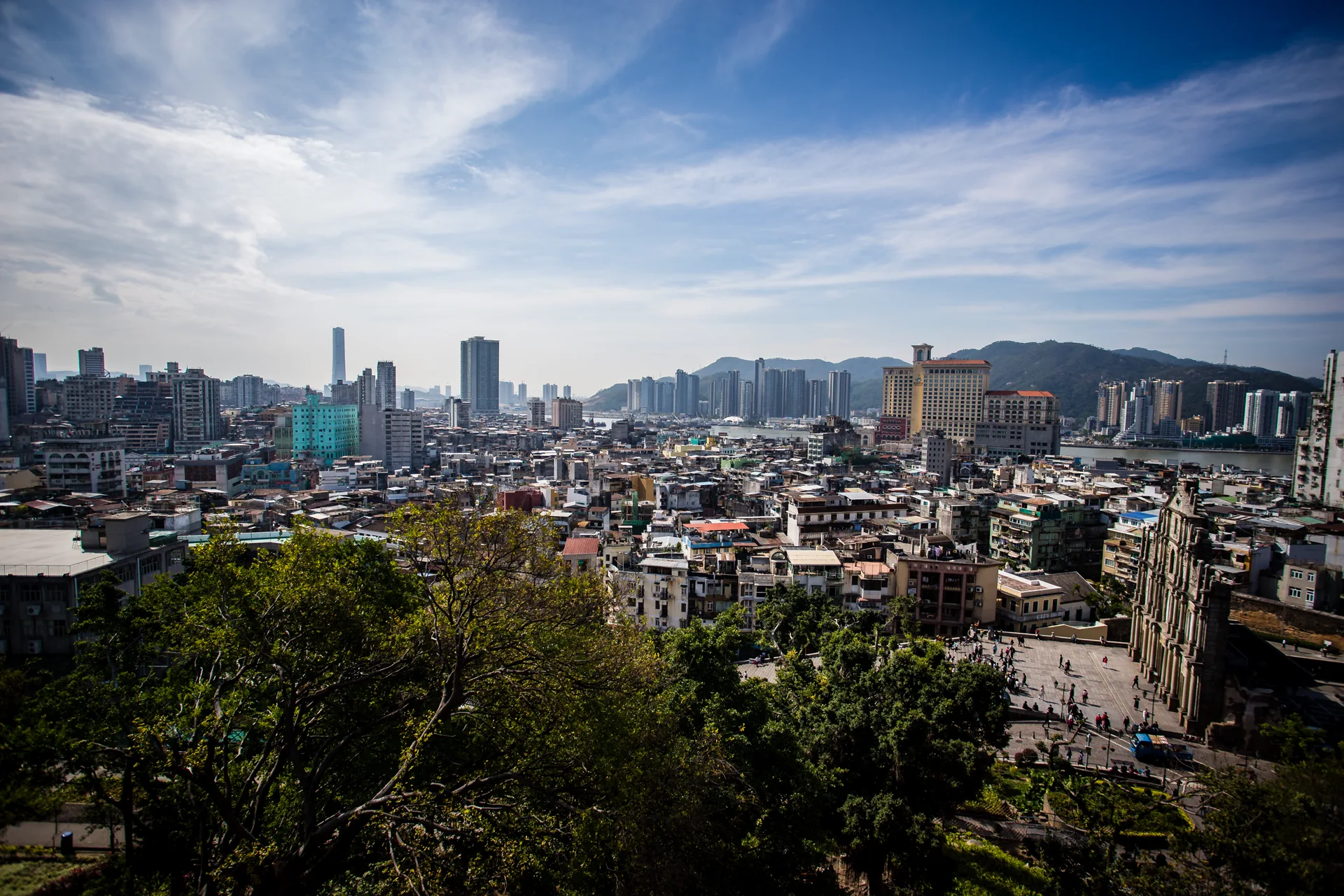
| Macau | Lusophone, Cantonese, theatrical | Layered architecture, food, compact walking | 2 days |
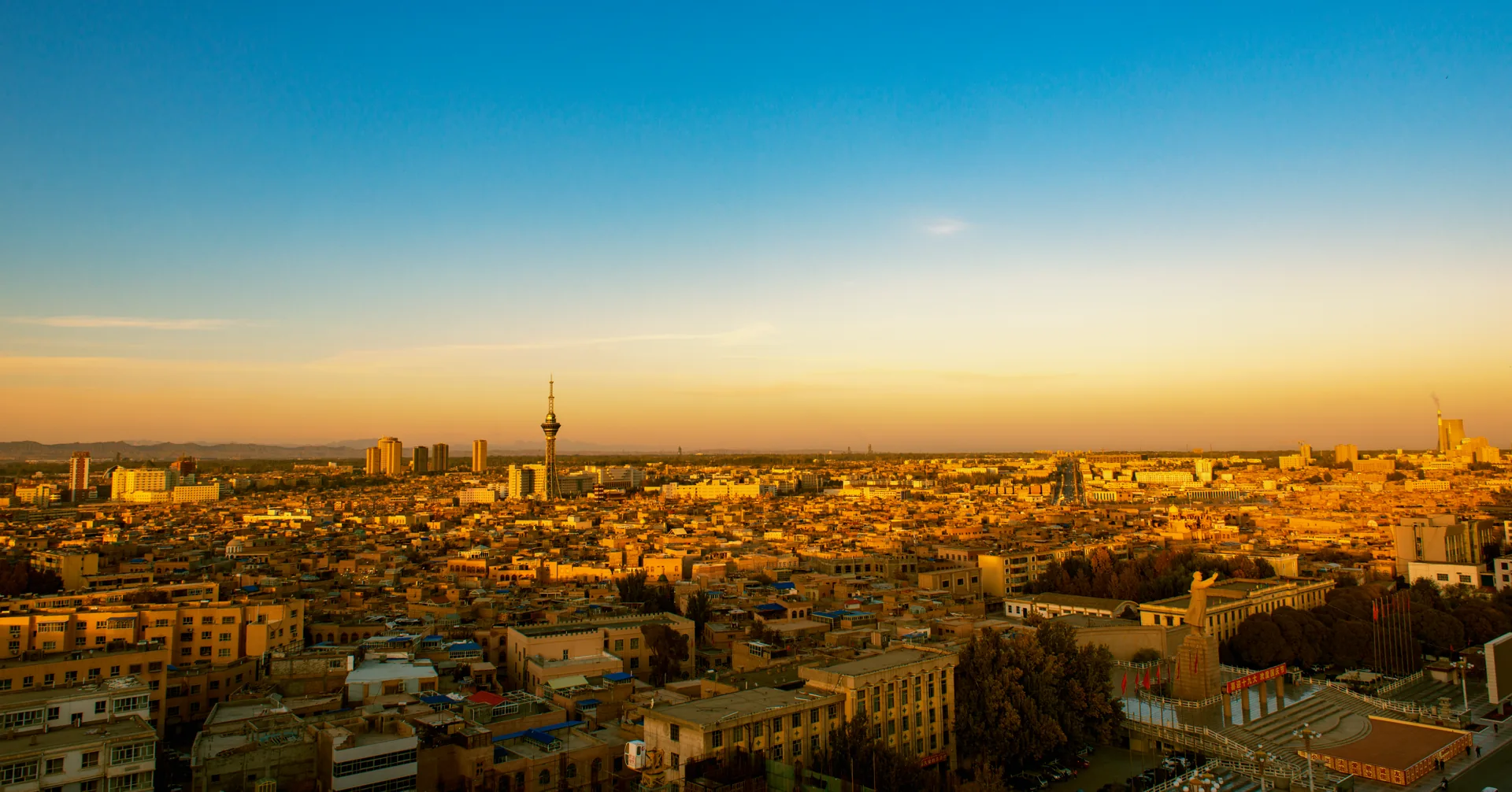
| Kashgar | Uyghur, oasis-born, deeply local | Markets, foodways, Silk Road context | 3 days |
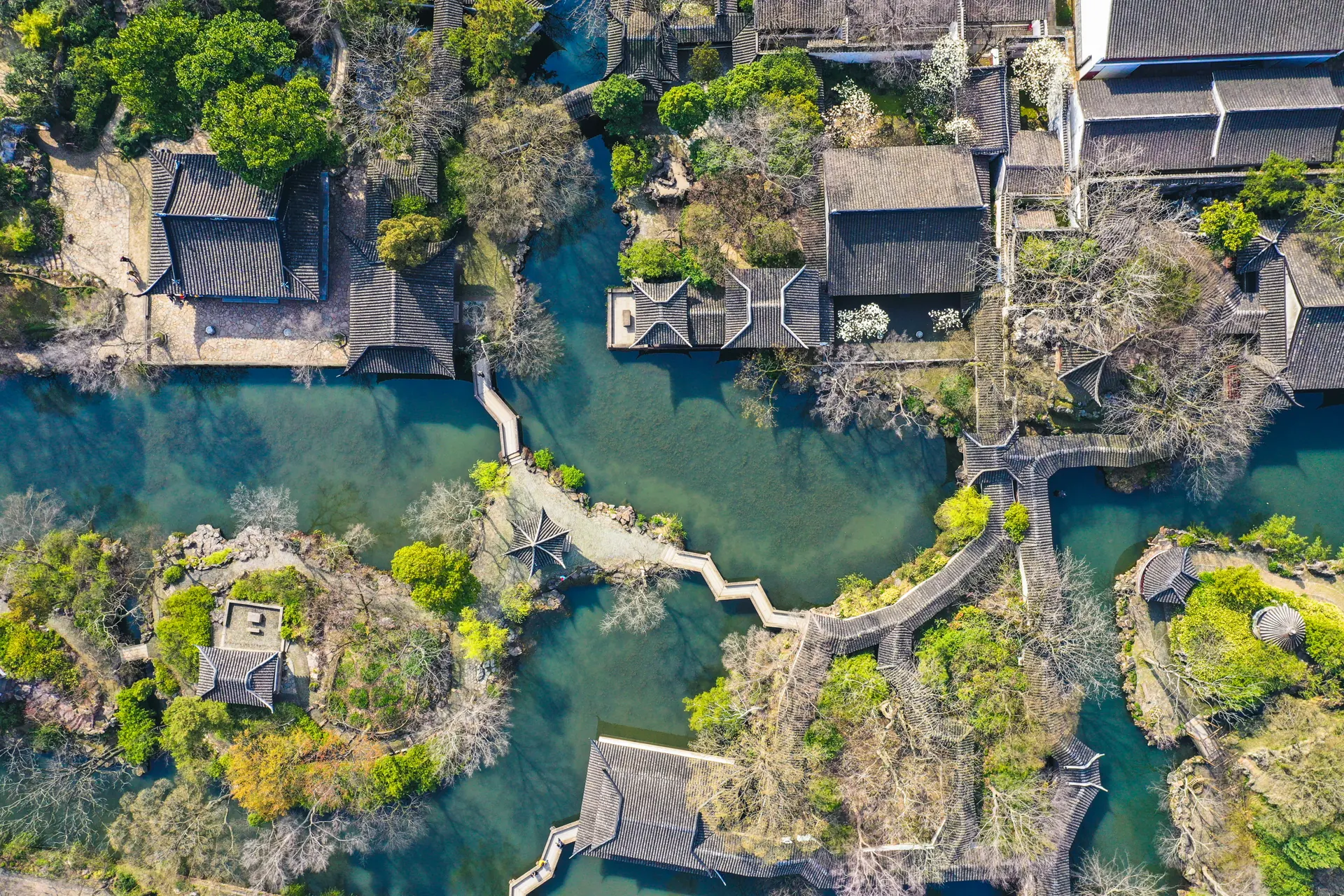
| Suzhou | Composed, watery, detail-minded | Gardens, craft, Jiangnan aesthetics | 2 days |
| Quanzhou | Maritime, devotional, multilingual in memory | Port history, temples, mosques, living ritual | 3 days |
| Dali | Lake settlements, Bai culture and highland tourism pressure | Erhai, Cangshan, village routes, slower movement | 4 days |
The city reveals another personality after dark
If you go back to the hotel after dinner, you have only met half the city.
Nightlife is not a side category for travelers who drink. It is the clearest test of how a city uses free time. Watch where people gather, how late kitchens remain busy, whether music lives in a polished venue or spills into the street, and whether strangers occupy public space comfortably after dark. A bar can matter, but the stronger story is the ecosystem around it: noodles before the first drink, live music upstairs, taxis outside and breakfast beginning before the previous night has completely ended.
This is why I refuse to rank Chinese nightlife with a generic “top ten bars” list. Individual venues open, move, rebrand and close. Districts reveal a more durable city character.
| City | Its night personality | Where to read it |
|---|---|---|
| Chengdu | Social, loose and willing to let one drink become a long conversation | Jiuyan Bridge riverside bars, live music, late Sichuan food and neighborhood drinking |
| Chongqing | Visually intense, physically restless and powered by heat | Guanyinqiao, night-food streets, live venues, hillside roads and river views |
| Shanghai | Designed, international and divided into many small scenes | Jing'an and Xuhui bars, live music, cocktail culture and adaptive-reuse spaces |
| Changsha | Loud, young and still hungry at 2 a.m. | Jiefang West Road, late Hunan food, clubs, comedy and live performance |
| Hong Kong | Two nights compressed into one city | Central, Sheung Wan and Wan Chai drinking versus Kowloon markets and late street food |
| Beijing | Creative when intimate, spectacular when commercial | Gulou-area live music and neighborhood bars versus Sanlitun's large-scale nightlife |
Chengdu is my strongest starting point for a traveler who wants nightlife without feeling that the night must become a performance. Around Jiuyan Bridge, drinking, conversation, music and the river can belong to the same slow evening. The city is good at extending social time. You do not need the most famous club; you need friends, a table and no urgency to leave.
Chongqing does the opposite. Its nightlife hits the body before it becomes a plan. A short distance on a map can involve stairs, steep roads, elevators and multiple street levels. Guanyinqiao gives you a concentrated commercial night; smaller food streets and live venues show the local appetite beneath the spectacle. The correct order is hot pot, a long walk, music or drinks, then one more bowl you did not intend to eat.
Shanghai gives the widest range. A carefully made cocktail, a small live set, a design-led room and a late walk through former industrial or residential fabric can all belong to one night. Changsha is less controlled and more immediately extroverted: late food, clubs, comedy and media culture create a city that treats sleep as negotiable. Hong Kong contains a sharper split. Hong Kong Island can feel polished and international; cross the harbor and Temple Street makes the night denser, cheaper and more public. Beijing works best when you resist treating Sanlitun as the whole answer. The city's more interesting evenings often come from a small performance, an old neighborhood and a conversation that outlasts the venue.
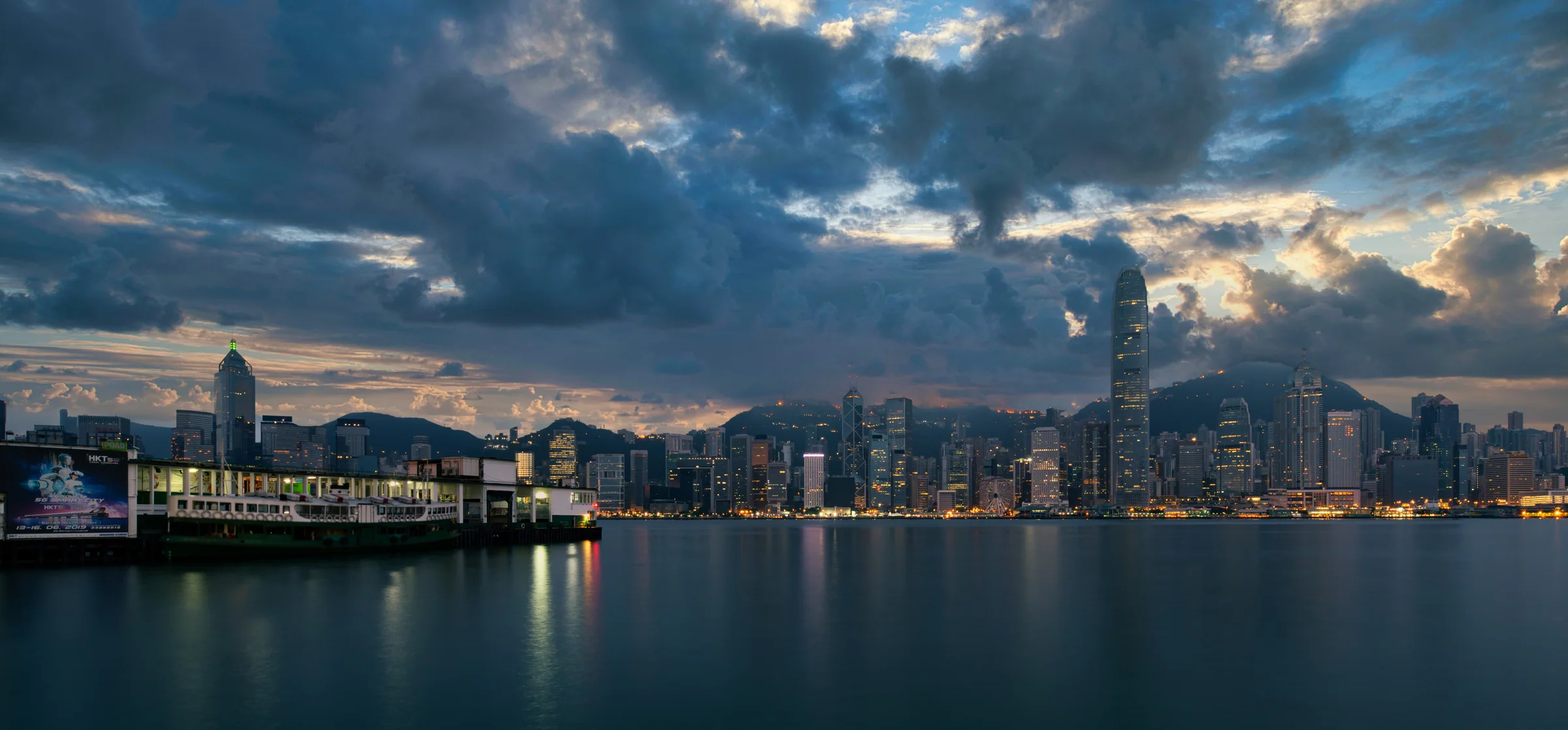
Hong Kong changes character across a short transit ride. Temple Street turns nightlife into a public mix of eating, shopping, bargaining and watching the city remain awake.
Six rules for a better night out
- Check the final metro before the first drink. Closing times vary by city, line and station. Save the route in advance and keep ride-hailing as the backup, not the plan you invent at 1 a.m.
- Carry valid identification. Hotels and some nightlife venues may ask for an original passport. Keep it secure, and never hand it to an unofficial promoter or stranger.
- Set up payment and ride-hailing before dark. Alipay, WeChat Pay and app-based car services are much easier to troubleshoot in daylight with stable internet.
- Use price to choose the scene. Hotel bars and destination cocktail rooms can approach major international-city prices. Beer, food streets and neighborhood venues can cost far less. Expensive does not mean more local.
- Do not mistake residential life for an entertainment set. Keep voices down in lanes and apartment courtyards, and ask before taking close photographs of people.
- Choose a district, then leave room to improvise. Confirm current opening hours on the day. One good street, one performance and one late meal will reveal more than crossing the city to collect five famous addresses.
Nightlife should change your itinerary. Give Chengdu and Chongqing four nights each because their cities become more legible after dark. In Shanghai and Hong Kong, stay near transport instead of paying for a famous nightlife postcode. In Changsha, protect the next morning from your own optimism. In Beijing, pair one commercial night with one smaller neighborhood or live-music night. The point is not to drink more. The point is to see what the city does when work releases its grip.
Start with Chengdu and Chongqing
My strongest first-city pairing is not Beijing and Shanghai. It is Chengdu and Chongqing.
They are close enough to connect efficiently by high-speed rail, yet they refuse to become one southwestern stereotype. Chengdu spreads social life across tea tables, parks, small dishes and long conversations. Chongqing makes the body work harder. You climb, descend, cross water, enter a building at one street level and exit somewhere that feels like another floor of the city.
The difference is visible before any historical explanation arrives.
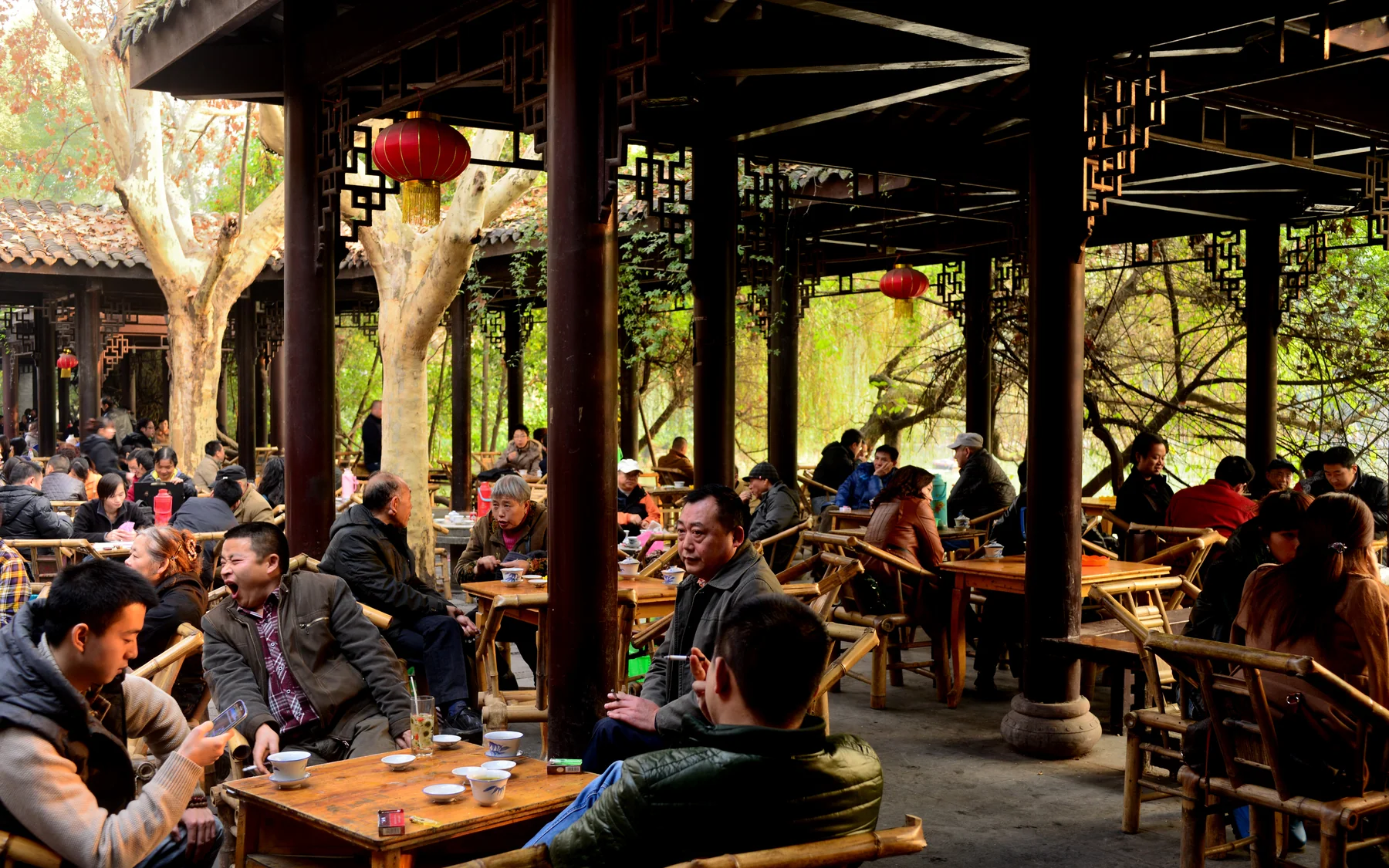
Chengdu's tea house matters because public time remains ordinary and shared. The scene is not staged cultural performance; it is a working social space.
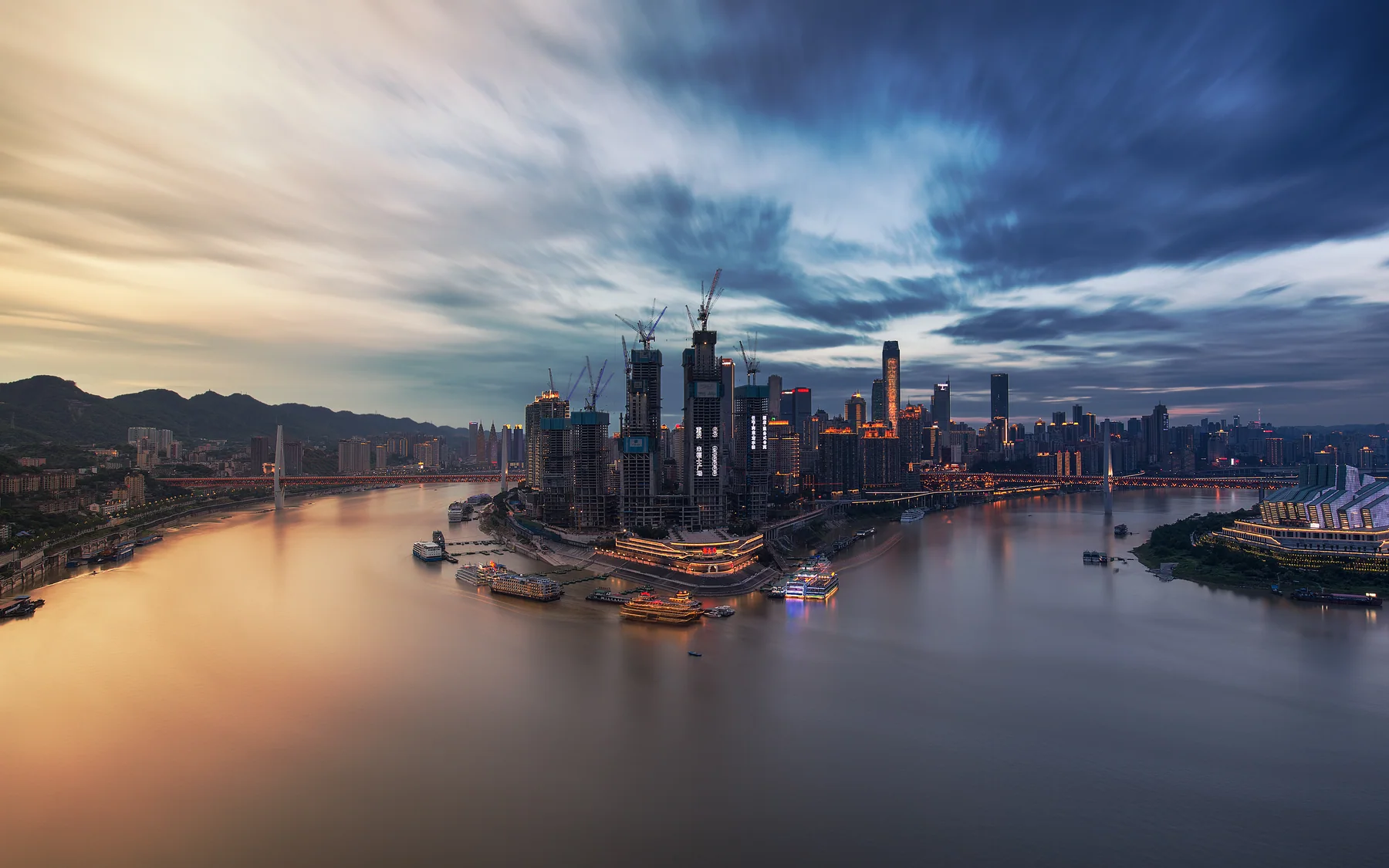
Chongqing's verticality is not a skyline effect. It changes the route home, the location of shops, the meaning of “ground floor” and the physical rhythm of a day.
Food sharpens the contrast. Chengdu rewards a meal assembled from many textures and small decisions. Chongqing hot pot is collective commitment: the table enters one broth, one heat and one escalating appetite. Night also behaves differently. Chengdu can let an evening expand; Chongqing turns bridges, river reflections, elevated rail and hillside buildings into movement.
Give each city four days. Read the Chengdu culture guide before choosing tea houses and museums, use the Chengdu food guide to avoid reducing Sichuan cuisine to hot pot, then let the Chongqing travel guide explain why a flat map cannot prepare you for the city.
This pair teaches the central lesson of Chinese urban travel: geographic neighbors can organize daily life around completely different instincts.
Ten days is not a city-collecting contest
Trying to visit four or five major Chinese cities in ten days is a bad trip. You will remember stations, security lines, hotel check-ins and the same hurried photograph taken in different weather.
China's transport is fast. Attention is not.
Every transfer consumes more than the train time. You pack, check out, cross a huge station, arrive before the room is ready, learn another metro system and restart your sense of direction. The cost is not only exhaustion. The cost is losing the evening when you would have returned to a neighborhood and finally recognized it.
| Trip length | Strong structure | What to reject |
|---|---|---|
| 7 days | One major city plus one nearby contrast or day trip | Three distant headline cities |
| 10 days | Two principal cities with four nights in each | A four-city national checklist |
| 14 days | Two principal cities plus one regional stop | Crossing China twice for famous photographs |
| 21 days | Three or four cities connected by one cultural or geographic argument | Treating every open day as space for another flight |
A spare afternoon is not wasted itinerary space. It is when a wet market, riverside walk, record shop, neighborhood restaurant or second tea house becomes possible. That unclaimed time is where a city turns from content into memory.
Before paying for a route, verify entry rules against the travel document you will actually carry. The National Immigration Administration's official transit notice explains the mainland transit framework, while the Hong Kong Immigration Department publishes its own visitor requirements. These links do not choose a city and their conditions can change; they stop an editorial itinerary from pretending that Hong Kong and mainland entry are one interchangeable procedure.
Four routes with actual plots
City rhythm: Chengdu and Chongqing
Choose this first. The train connection is easy; the contrast is immediate. Tea-house time meets vertical intensity, many-dish Sichuan dining meets Chongqing hot pot, and two strong local speech cultures make Mandarin-only ideas of China feel incomplete.
Power and reinvention: Beijing and Shanghai
Beijing makes state power, imperial planning and historical memory visible at enormous scale. Shanghai reveals trade, migration, finance, fashion and architectural reuse. The pair still works, but only when you leave time for a hutong morning and a Shanghai street after the skyline view.
Two Cantonese urban worlds: Guangzhou and Hong Kong
Guangzhou and Hong Kong share language and food histories without producing the same city. Guangzhou's morning dining, wholesale instincts and urban villages belong to a vast Pearl River Delta metropolis. Hong Kong compresses housing, hills, trams, ferries, finance and street commerce into a far tighter physical argument.
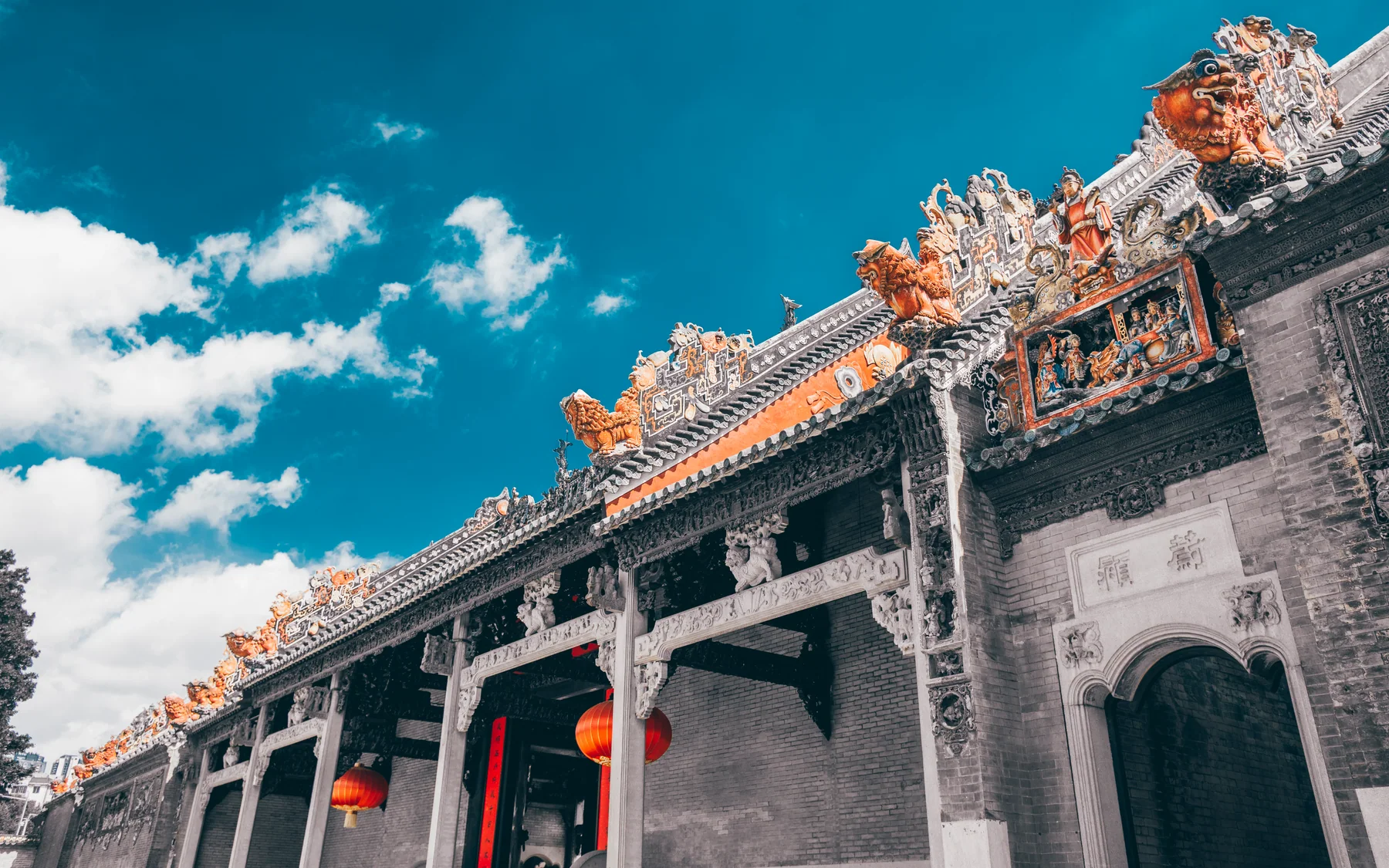
The useful Guangzhou contrast is not simply old versus new. Dense village fabric and high-rise development remain part of the same working metropolis.
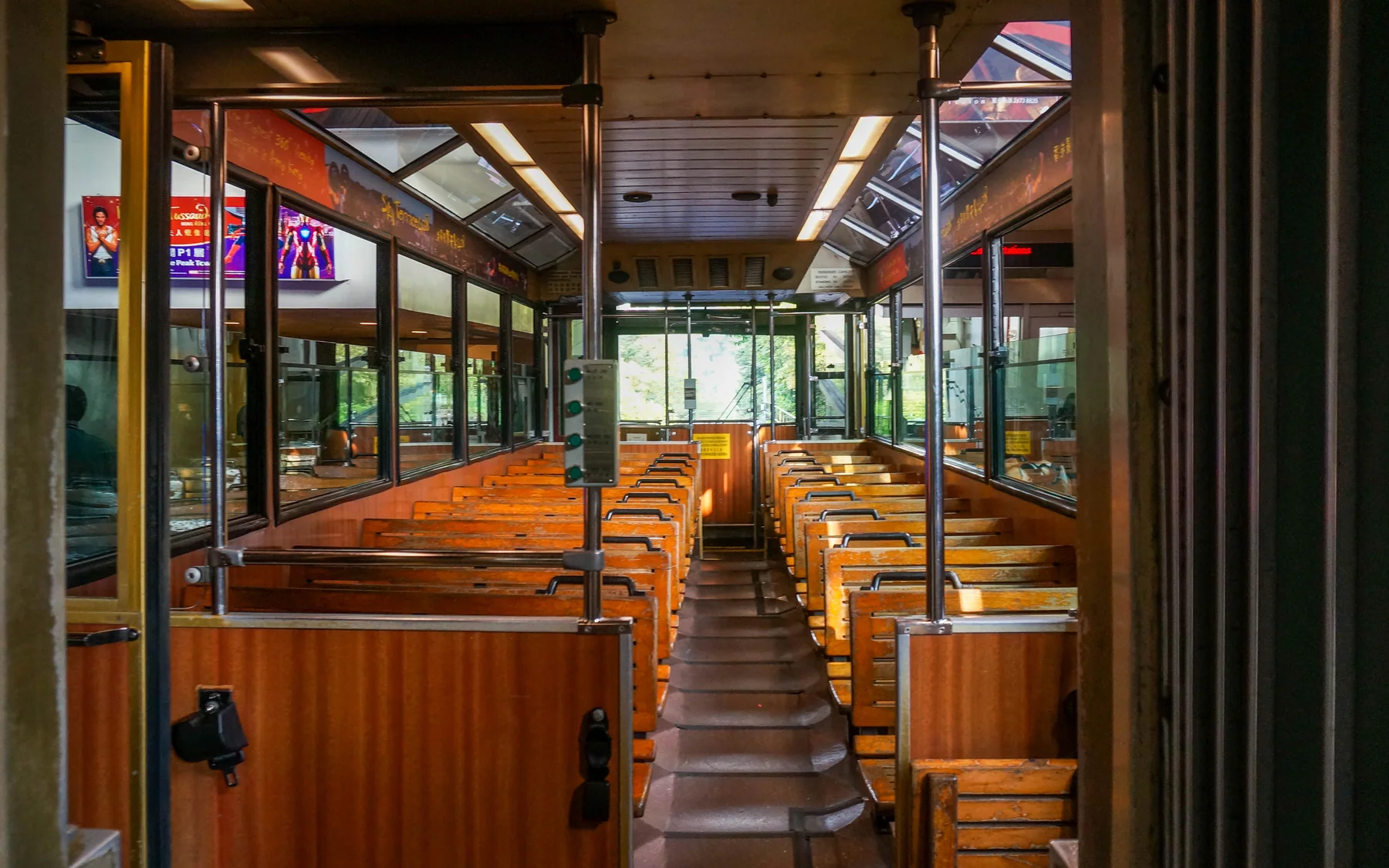
Hong Kong's density becomes legible at street level: signs compete vertically, pedestrians negotiate narrow space and small businesses remain visible beneath residential towers.
Use the Guangzhou food guide before morning tea, then read the Hong Kong travel guide for the border, currency and transport distinctions that make this more than a simple two-city mainland route.
Henan beyond the ancient-capital postcard: Zhengzhou, Luoyang and Kaifeng
Start in Zhengzhou rather than treating it as the station between two famous capitals. The Shang earthworks and the railway city explain two kinds of movement; Henan food makes the province recognizable at breakfast. Then give Luoyang at least two days for Longmen, a soup morning and the industrial city behind the illuminated gates. Give Kaifeng two more for its museum, surviving pagoda, Xiangfu opera tradition and a night market you do not mistake for a preserved Song street.
These cities should not be reduced to three examples of "ancient China." Zhengzhou's transport work and childhood bowl of huimian, Luoyang's peonies, beef-soup mornings, carved stone and machinery, and Kaifeng's Bao Gong Shrine, chrysanthemums, soup dumplings, buried capital and performed memory make three different answers to the question of what a Henan home contains. For someone returning from overseas, allow a meal or a family street to interrupt the monument schedule. Familiarity is part of the journey, not a failure to sightsee.
I also have a very private Kaifeng map. During university, my girlfriend and I walked through every street we could find, not as a sightseeing challenge but as a way of learning the city's scale by foot. Autumn was the season when Kaifeng felt most itself to me: chrysanthemums appeared everywhere, and an ordinary lane could suddenly become part of the city's flower calendar. That memory is why I describe Kaifeng through walking and repetition, not only through the Song-capital label.
For Henan families living in the United States, this route can work as a homesickness map. Read Zhengzhou's city guide with the Henan cuisine guide first; follow the archaeological wall with the food that Lijun has eaten since childhood. Move to Luoyang's culture guide and its food guide for peony season, beef soup and the Water Banquet. Finish in Kaifeng, where four years of university life, Bao Qing Tian memory, Water Margin's Bianjing and the city's contemporary chrysanthemum and dumpling culture sit on top of a buried Song capital. The pages are connected, but they are not interchangeable: each city gives homesickness a different shape.
| City | First taste or memory | The question to carry |
|---|---|---|
| Zhengzhou | Hulatang at breakfast, huimian later in the day | How does a transport hub feed the people who keep moving through it? |
| Luoyang | Peony season and a small morning bowl of beef soup | How can a city hold carved Buddhist stone, industrial labor and an ordinary breakfast at once? |
| Kaifeng | Soup dumplings, chrysanthemums and the Bao Gong story | How does a buried capital survive through fiction, food, performance and personal memory? |
Xuchang asks a fourth, different question. Its municipal account of the hair-products industry points toward factories, design, export work and the people behind a product sold far from Henan. The city also has a retail story worth examining on its own terms. Do not bolt it onto the three-city heritage route as another quick photo stop: industry and service culture require different evidence and more time than a city-name checklist allows.
Use three guides instead of demanding one perfect page
A city cannot be explained responsibly by one mega-guide. East Moment separates three reader needs so history does not bury the practical answer and logistics do not flatten the city's culture.
| Guide layer | The question it answers | Example |
|---|---|---|
| Culture | Why does this city behave and imagine itself this way? | Chengdu culture |
| Food | What does the table reveal about region, class, work and social rhythm? | Chengdu food |
| Travel | How should a visitor handle entry, transport, payments, timing and a realistic route? | Travel to Chengdu |
Use the same method elsewhere. Read Changsha culture with Changsha food, Guangzhou culture with its food guide, and Lijiang culture with the practical Lijiang travel guide.
The split is deliberate. A culture page explains the city's logic. A food page gets close to the table. A travel page prevents payment, transport or timing problems from consuming the experience.
The city is not waiting to perform for you
The phrase “real China” creates bad travel behavior. A residential lane is not more authentic because it is poorer, older or less prepared for visitors. A market worker, worshipper or person drinking tea is not decorative proof that you escaped tourism.
Look carefully without turning ordinary people into exhibits. Ask before taking close portraits. Follow photography restrictions in museums and religious spaces. Buy something when a small shop has given you time. Learn enough context to know when a scene is public, private, sacred, commercial or simply somebody's working day.
The best city experience is not hidden behind a secret door. It appears when you stay long enough to notice repetition: the same breakfast crowd, the same park entrance, the same route after dark. Recognition is the beginning of understanding.
Use the Travel to China guide for entry rules, payments, trains, connectivity and practical etiquette. Then choose fewer cities. Return to one street twice. Let the famous landmark open the conversation, but never let it have the final word.
Frequently asked questions about Chinese cities
Which Chinese cities are best for a first visit?
Chengdu and Chongqing form East Moment's strongest first contrast: two nearby southwestern cities with radically different terrain, pace, public life and night energy. Beijing and Shanghai remain the clearest route for first-time visitors focused on national history, architecture and metropolitan scale.
How many cities should I visit in ten days?
Two principal cities, with one nearby day trip or short regional stop, usually create a richer ten-day journey than four distant cities. China is large, and transfers consume both time and attention.
Are Hong Kong and Macau the same travel experience as mainland Chinese cities?
No. Both have distinct histories, currencies, border procedures, transport systems and language environments. They belong in a wider story of China, but should not be treated as interchangeable with mainland destinations.
Which Chinese cities are best for a first visit?
Chengdu and Chongqing form my strongest first contrast: two nearby southwestern cities with radically different terrain, pace, public life and night energy. Beijing and Shanghai remain the clearest route when national history, architecture and metropolitan scale matter more than neighborhood intimacy.
How many Chinese cities should I visit in ten days?
Choose two principal cities and, at most, one nearby day trip or short regional stop. Four distant headline cities turn ten days into a sequence of luggage, security lines and hotel check-ins. China can move you quickly; it cannot give hurried attention back.
Are Hong Kong and Macau the same travel experience as mainland Chinese cities?
No. Both have distinct histories, currencies, border procedures, transport systems and language environments. They belong in a wider story of China, but treating them as interchangeable mainland stops erases the very differences that make either city worth visiting.