To travel to Beijing is to meet a city that speaks in walls, axes and distances, then discover that its real intimacy lives in parks, breakfast counters and conversations held beneath old trees.
Why travel to Beijing deserves more than a monument checklist
Beijing is often introduced through nouns heavy enough to bend a map: the Forbidden City, Tiananmen Square, the Great Wall. They matter. Yet the capital becomes human when an elderly man carries a caged bird into a park, when bicycles slip through an alley at dusk, or when the smell of sesame bread interrupts a solemn morning.
I have returned to Beijing in different seasons and different stages of life. It never feels finished. Imperial planning, socialist architecture, global ambition and neighborhood memory occupy the same horizon, sometimes elegantly and sometimes with all the grace of relatives arguing at dinner.
If Beijing is one stop in a wider trip, compare it with the Chinese cities collection before deciding how many days the capital deserves. If the real choice is Beijing versus Shanghai, Xi'an, Chengdu or Guangzhou, use the best cities in China for first-time visitors guide to build one deliberate contrast instead of collecting famous names.
Who should visit Beijing
Beijing is ideal for a first-time visitor interested in Chinese history, politics, museums, architecture and the scale of a northern capital. It also rewards contemporary-art travelers, serious eaters and anyone willing to wake early for public life.
Two rushed nights will mostly introduce you to Beijing's entrances, queues and traffic. Distances are large, security and ticket procedures add time, and the city reveals itself slowly.
| Beijing at a glance | What it means for your trip |
|---|---|
| Best for | History, museums, architecture, contemporary art and large-scale urban contrasts |
| Ideal first stay | Four full days, including one Great Wall day |
| City pace | Fast in transit, slow inside parks and neighborhoods |
| Best way to move | Metro for distance, walking within one chosen district |
| Do not miss | One early park morning and one contemporary cultural evening |
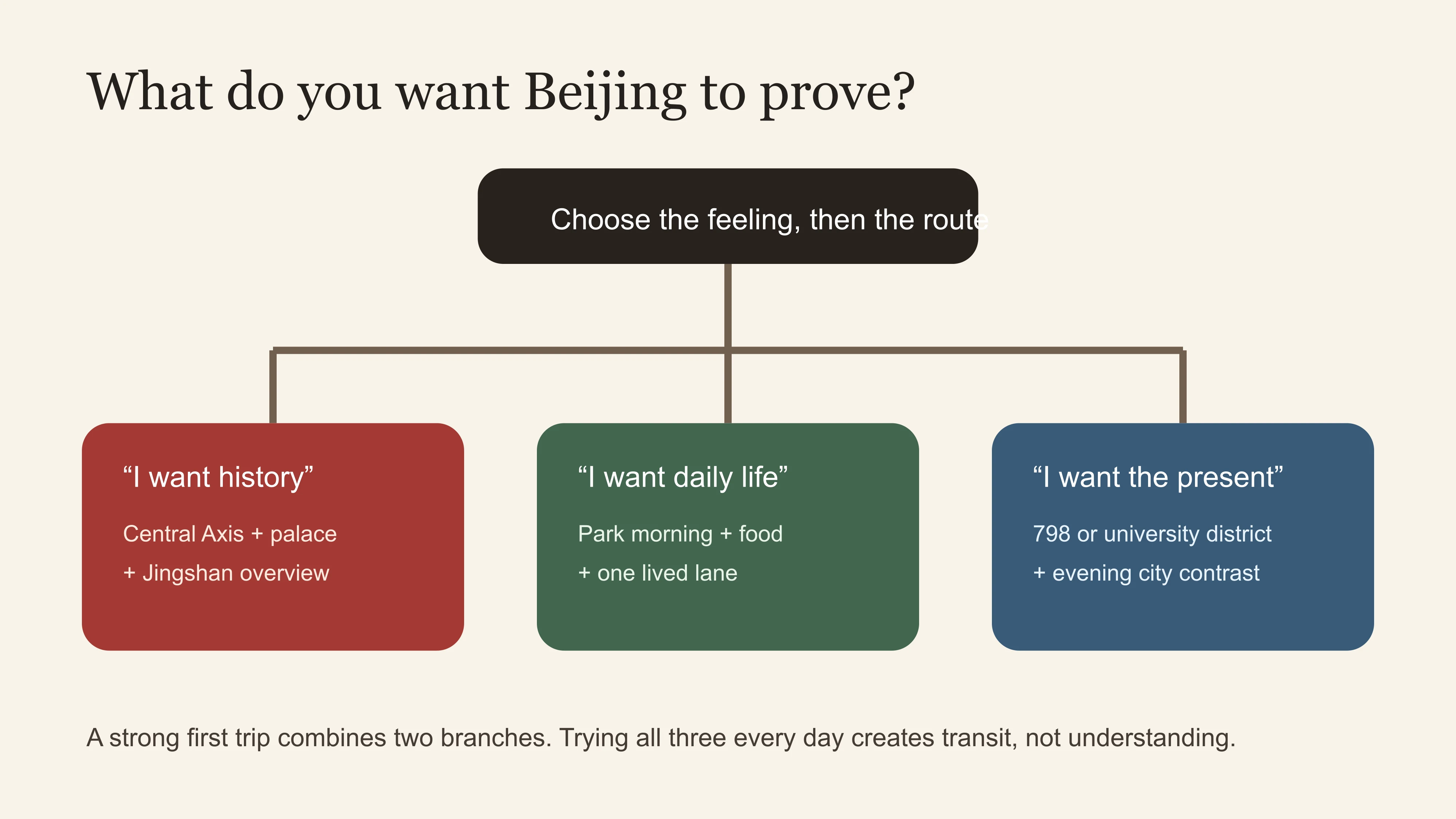
Choose your route through this guide
| If you need... | Start with... |
|---|---|
| A first-time itinerary | The essential experiences and four-day sequence |
| Forbidden City planning | The central-axis route and museum strategy |
| Neighborhood life | Hutongs, parks and breakfast streets |
| Great Wall advice | The section-selection table and weather tradeoffs |
| Contemporary Beijing | 798, reused industry and the CBD contrast |
Let geography win the argument
Beijing is not difficult because attractions are hidden. It is difficult because monumental space, security boundaries, broad roads and long transfers make apparently simple days physically expensive. A map that places the Forbidden City, Temple of Heaven and Summer Palace within one screen does not show the walking inside each site or the time needed to reach the correct entrance.
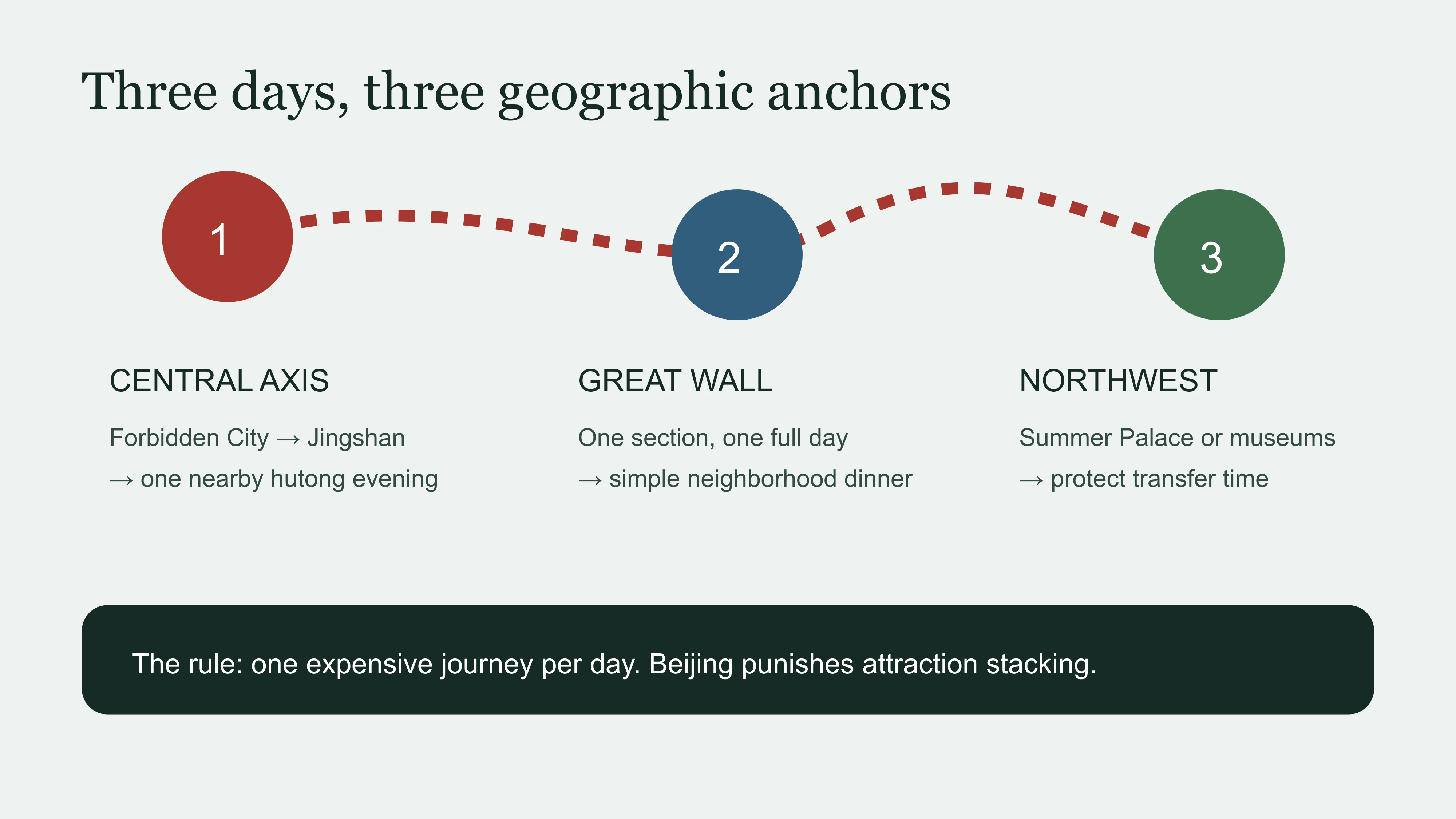
Build each day around one geographic anchor. Keep the Forbidden City, Jingshan and nearby Dongcheng streets together. Give the Temple of Heaven its own early park morning, then continue south or toward one museum instead of challenging the ring roads to a duel. Reserve the Summer Palace for a separate half or full day. Treat the Great Wall as a regional excursion, not an appetizer before another monument.
Beijing's central axis is useful for orientation but should not become a demand to walk everything in one line. The imperial city used gates, walls, courtyards and distance to express hierarchy. Modern Beijing adds secured zones, traffic infrastructure and large public spaces. Moving through this system is part of the historical experience, but it requires rest.
Learn the four scales of Beijing
Beijing becomes legible when you alternate among four scales: the ceremonial axis, the courtyard neighborhood, the public park and the metropolitan district. Spend an entire trip at only one scale and the city becomes distorted. Palaces alone make it feel frozen; hutongs alone turn it into nostalgia; the CBD alone makes it generic.
Use each day to compare two scales rather than collect many sites. A palace morning and hutong evening work because enclosure changes meaning. A Temple of Heaven morning and contemporary-art afternoon compare public ritual with cultural reuse. A Great Wall day should end with a simple neighborhood meal, not another performance of grandeur.
The essential Beijing experiences
The central axis and imperial city
The Forbidden City is not merely a collection of ornate halls. Its sequence of courtyards makes hierarchy physical. Book timed tickets through the current official channel and bring the identity document connected to the reservation. Continue toward Jingshan Park for a view that turns the palace plan into something the eye can understand.
Enter with a question rather than a list of halls. Follow how gates repeatedly restrict and release the view. Compare the vast outer-court spaces associated with state ceremony with the tighter residential courtyards farther north. Notice where visitors cluster and where a side route restores enough quiet to study rooflines, stone bases, drainage and painted surfaces.
The palace is too large for every room to remain memorable. Select one exhibition or side complex based on current access, then protect time for the northward exit and Jingshan. The hilltop view is not just a skyline photograph: it reveals the palace as an ordered field inside a much larger city.
For the palace itself, use our Forbidden City guide to choose what to notice after the main ceremonial halls.
The Temple of Heaven offers a different order: ritual architecture surrounded by a public park where singing, exercise and conversation return monumental space to everyday life.
Arrive when the park is active, not only when the famous hall photographs well. Residents exercising, practicing music or meeting friends show how a former imperial ritual landscape has gained civic uses. Keep distance from groups and do not turn private exercise into close-up content without permission.
The Temple of Heaven works best as a park morning, not an isolated photo stop.
Hutongs without nostalgia
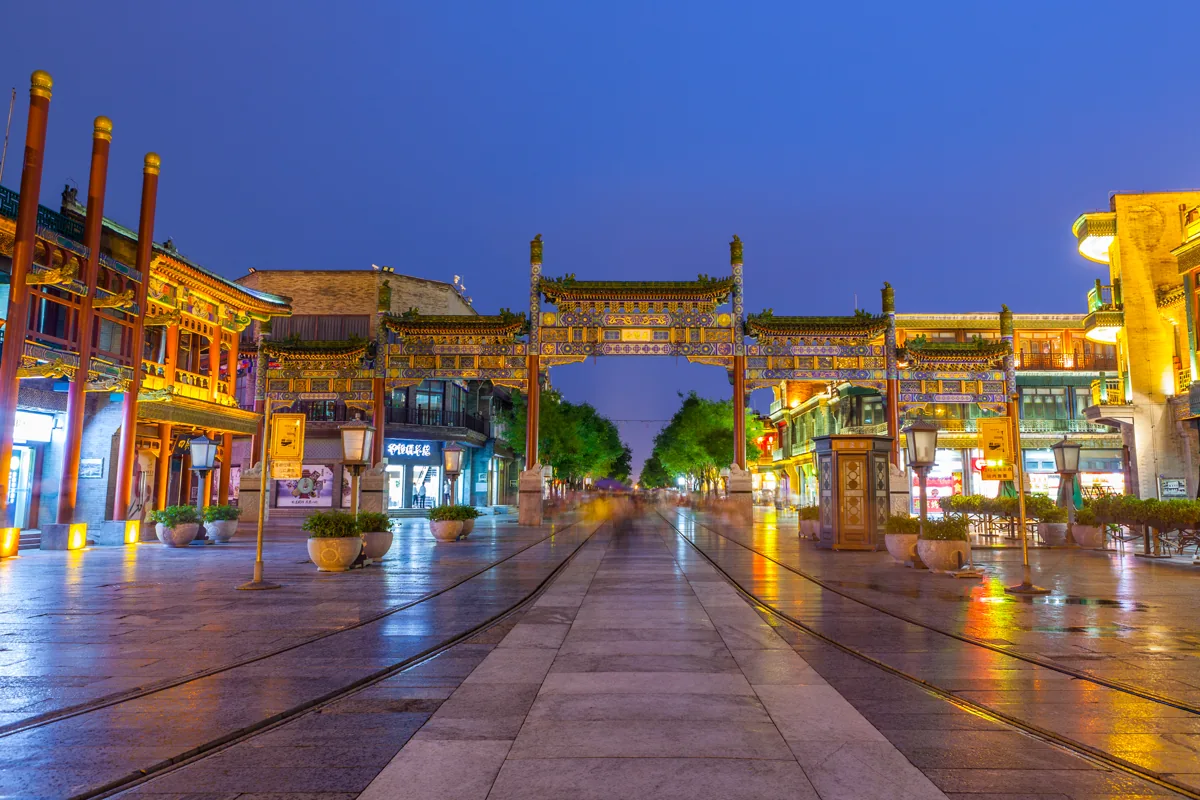
Hutongs are living neighborhoods, not an open-air costume set. Walk around Shichahai or quieter parts of Dongcheng, but remember that doors conceal homes. Avoid pointing cameras into courtyards or treating residents as period decoration.
The word hutong describes a lane form, not a guarantee of untouched architecture or a particular lifestyle. Some areas retain long residential continuities; others include renovated hotels, bars, offices and visitor businesses. Toilets, parking, heating, deliveries and accessibility reveal the practical difficulty of maintaining low-rise neighborhoods in a modern capital.
Choose one north-south or east-west walk and follow it slowly. Observe how a broad commercial lane feeds smaller alleys, how doorways manage privacy and where public life gathers beneath trees. Avoid pedicab routes that promise access to "real local families" unless the arrangement and consent are transparent.
Read the neighborhood ethics in our hutong guide before pointing a camera through anyone's doorway.
Parks make imperial Beijing socially readable
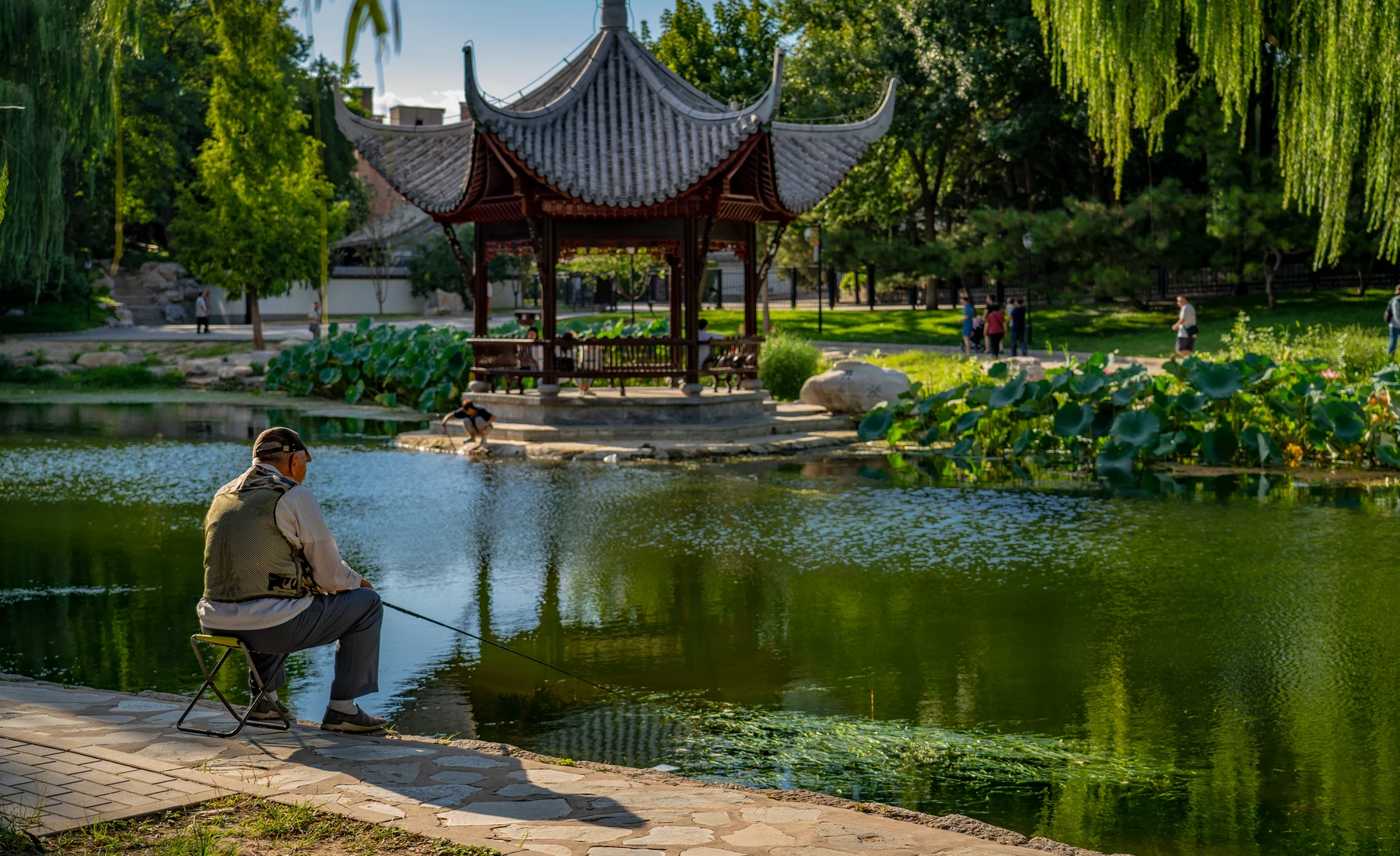
Jingshan, the Temple of Heaven grounds and neighborhood parks are not empty buffers around monuments. They are among the clearest places to observe how residents use inherited landscapes. Morning exercise, dance, music, card games and quiet sitting convert formal space into repeated daily practice.
Visit one park without an attraction checklist. Walk a loop, sit for twenty minutes and notice how sound and movement organize the space. This is not permission to photograph everyone. The point is to experience public life without requiring it to perform for you.
The Great Wall as landscape
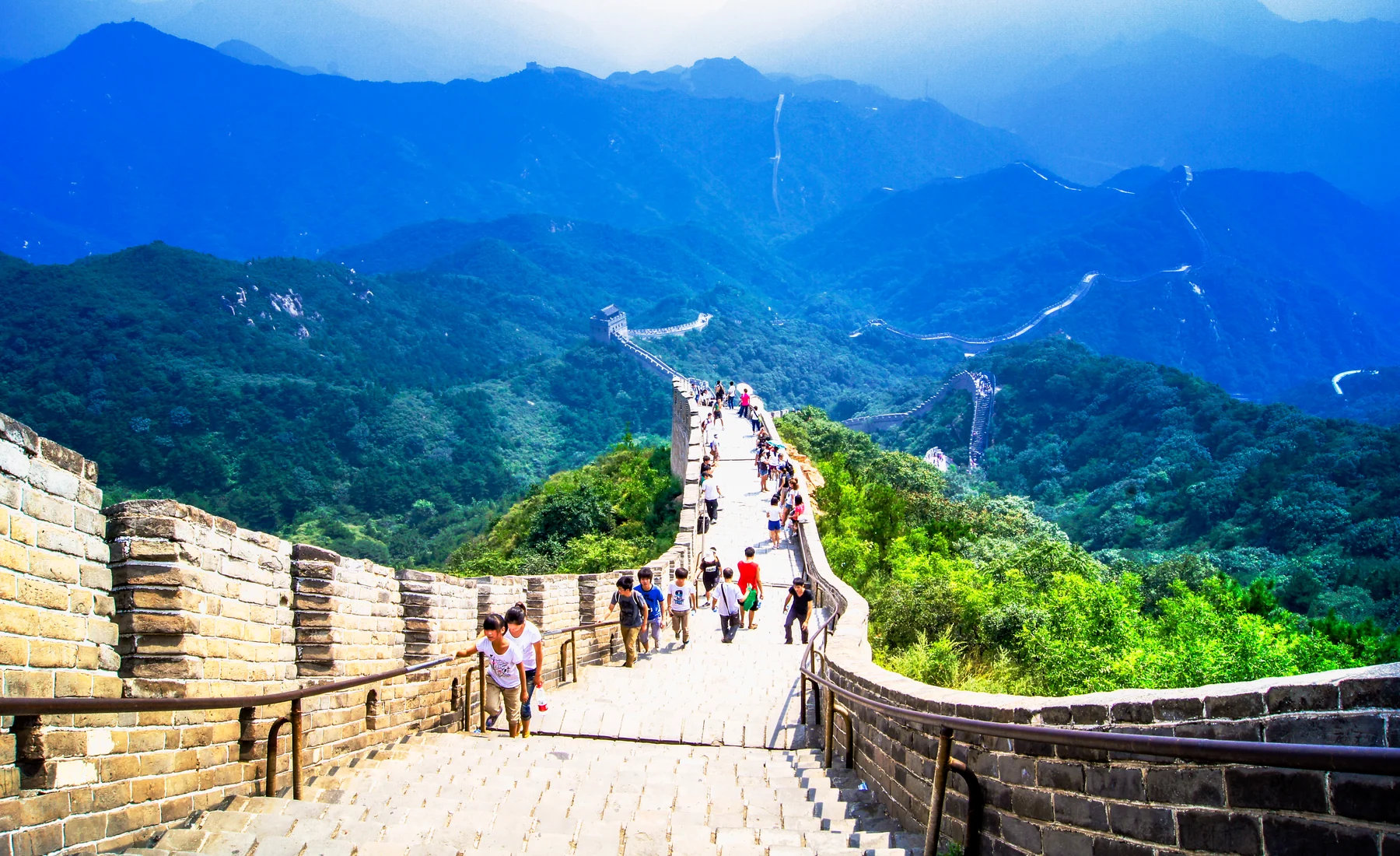
Choose a section according to mobility, time and tolerance for crowds. The wall is most powerful when seen as a structure negotiating ridgelines rather than a background for a heroic pose. Weather can change the experience sharply; bring water, traction and layers.
| Great Wall priority | Better planning choice | Main tradeoff |
|---|---|---|
| Easiest first visit | A well-served, restored section with clear transport | Higher visitor pressure and more visible infrastructure |
| Longer walking | A section offering an extended ridge route | More stairs, exposure and return-route planning |
| Photography | Early departure and a section matched to sunrise direction and season | Weather can erase the expected view |
| Mobility support | Confirm cableway, shuttle and accessible-path status directly | Not every tower or ridge will be reachable |
Do not choose a section from one dramatic photograph. Confirm transport operator, entrance, closing time and whether the route is point-to-point or returns to the same place. Independent transport can provide flexibility, while an organized day can remove language and ticket friction. Either can be good if the actual walking plan is clear.
The Great Wall is the day when subtraction matters most: choose one section, accept the transfer and let the landscape be the event.
The Summer Palace needs a water-and-hill decision
The Summer Palace can consume most of a day because the lake, long corridors, hills and gates create several possible routes. Decide whether architecture, landscape design or a long walk matters most. Starting at one gate and exiting another may be efficient only if transport is planned at both ends.
The lake is not spare space between buildings. It controls distance, reflection and the relationship among islands, bridges and hills. A boat can reduce walking when operating, but it also changes which sequences are experienced on foot. Check current conditions rather than assuming seasonal service.
The Summer Palace deserves its own half day because the experience is walking around water and terrain, not merely reaching a famous building.
Contemporary Beijing
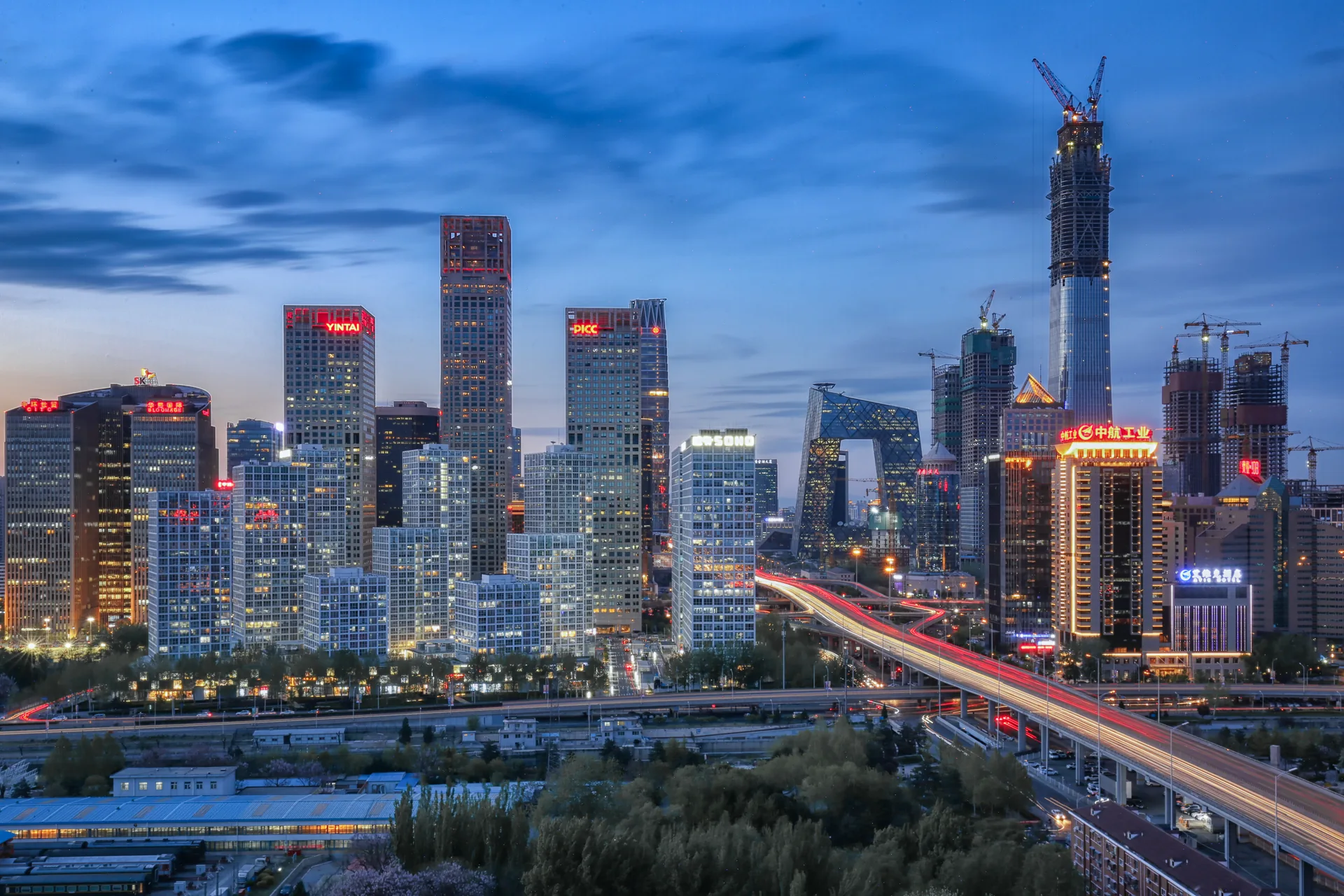
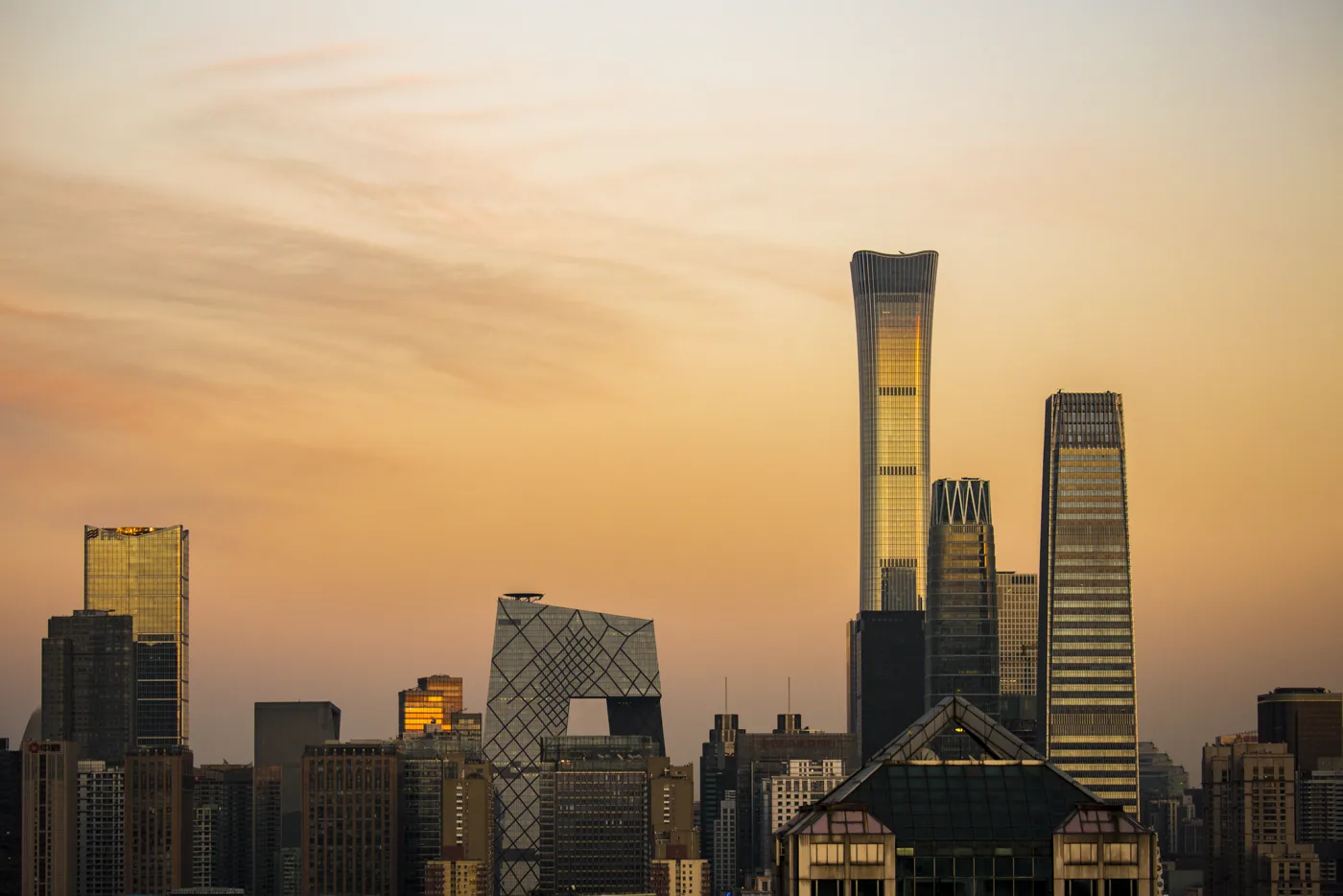
Leave space for 798 Art District, independent shops, live music or the architecture around the Central Business District. Beijing's cultural authority does not end at the palace gate. The city produces fashion, games, film, comedy and digital culture with the same argumentative energy it brings to history.
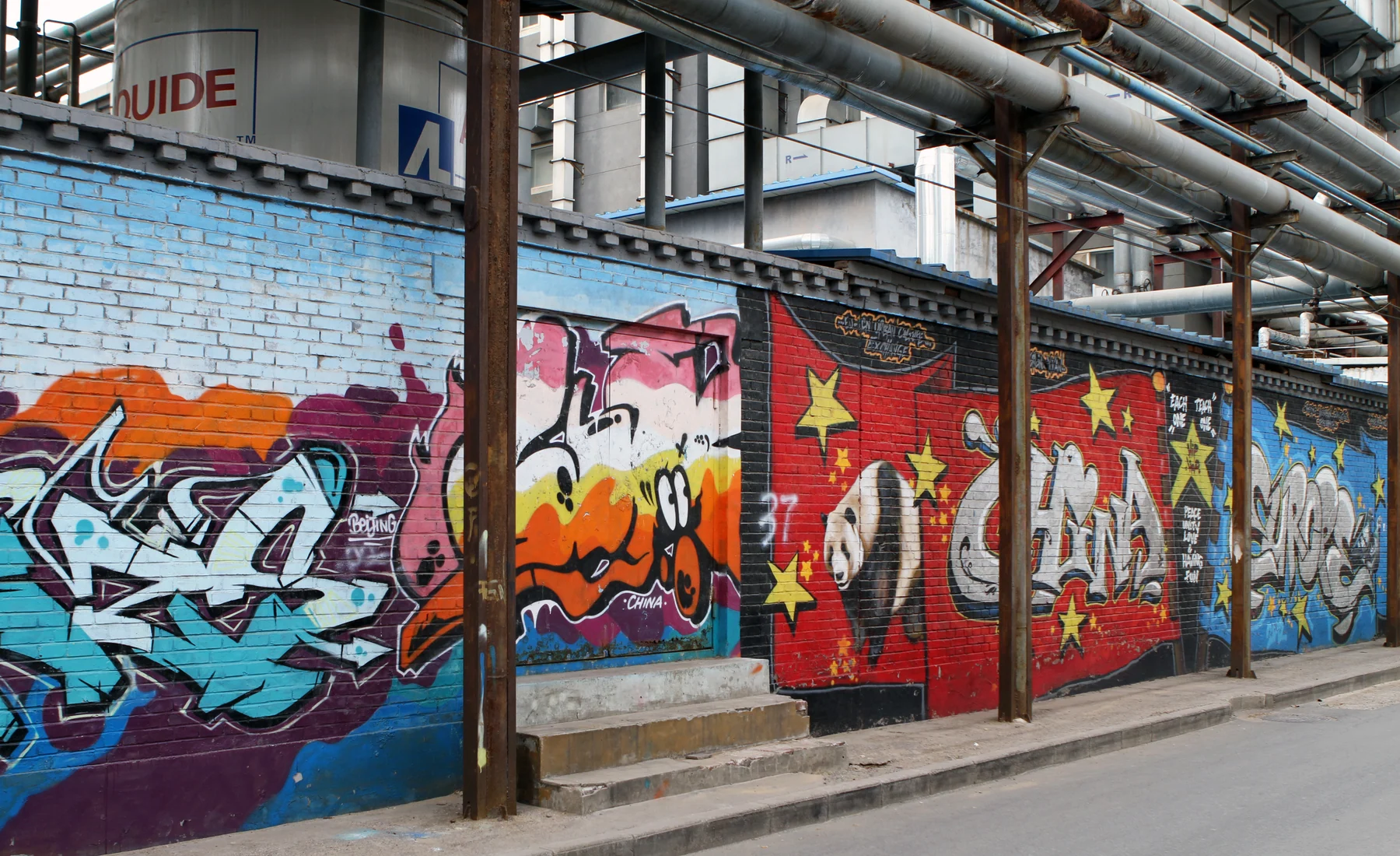
Young Beijing is not one cool neighborhood
The capital's younger culture refuses to stay inside one “cool neighborhood.” It moves among art schools, music venues, comedy rooms, design studios, bookstores, gaming communities and enormous digital platforms. Put several forms of Beijing in the same day and the city stops looking like a heritage itinerary with a modern district attached.
Begin with the 798 Art District, where former electronics-factory architecture became a major contemporary-art environment. The area is commercial and uneven, but that tension is useful: experimental work, global galleries, public sculpture, cafes and retail now negotiate the same industrial shell.
Then cross into present-day Chaoyang or the CBD. Here youth culture appears less as heritage and more as work, consumption and display: fashion launches, live performance, animation, social video and late-night restaurants beneath buildings designed to announce a national future.
A modern Beijing half-day
| Time | Experience | What to notice |
|---|---|---|
| Early afternoon | 798 exhibitions and industrial architecture | Which factory elements remain, and which histories have been polished away |
| Late afternoon | Bookstore, design shop or cafe used by local students and workers | Young Beijing as ordinary social life, not a performance for tourists |
| Evening | Live music, comedy, contemporary theater or a neighborhood dinner | Check current programming; venues change faster than monuments |
Beijing's future does not replace its past. It repeatedly occupies, edits and argues with it.
If an evening performance interests you, choose it as a performance rather than a compulsory heritage checkbox. The Peking Opera guide helps you follow body, percussion and costume before you book; the Beijing culture guide explains why the capital cannot be understood as an itinerary at all.
Beijing rewards subtraction
What most guides get wrong
They treat imperial monuments as a set that can be completed and hutongs as the relaxing space between them. Both are complex urban systems, and both become meaningless when rushed. Remove one major attraction from each day and use the recovered time for a park, meal or repeat walk.
Beijing is best for travelers willing to accept scale. Four days is a strong minimum because one belongs to the Great Wall, one to the imperial center, one to another landscape or museum route and one to contemporary and neighborhood life. Five or six days allow weather flexibility and prevent history from becoming physical punishment.
The city can feel formal, secured and exhausting. It can also feel remarkably intimate once a traveler stops measuring success by landmark count. The decisive experiences are often transitions: leaving a palace through its northern gate, entering a breakfast shop from a cold street or watching monumental architecture become ordinary background for a park morning.
This is also why Beijing should not be reduced to “ancient China.” Universities, media, technology, art, comedy and music continually argue with the authority concentrated here. The visitor who sees only imperial red walls misses the present city using history as workplace, reference point and material for debate. Give one evening to a current performance or ordinary neighborhood rather than another illuminated monument.
What to eat in Beijing
Roast duck has earned its fame, but a Beijing food day might begin with douzhi if curiosity is stronger than caution, or more gently with soy milk, youtiao and sesame flatbread. Try zhajiangmian, lamb hot pot, jiaozi and seasonal northern vegetables.
Our Beijing food guide goes deeper into flavor and neighborhood context. Shared dishes are normal; let the table accumulate a conversation rather than ordering one main dish per person by habit.
Use the Beijing food guide to build meals around format and appetite instead of repeating roast duck near every landmark.
Breakfast deserves its own planning. Soy milk, fried dough, steamed buns, sesame breads and savory soups appear at different shops and hours. A famous dinner cannot replace the experience of a neighborhood breakfast counter where ordering is quick and seating may be shared.
Northern flavors can be salty, fermented, rich or strongly aromatic. Douzhi is a genuine local taste but not a compulsory test of courage. Order a small portion, pair it with the foods commonly served beside it and accept that cultural respect does not require pretending to enjoy everything.
A three-day Beijing itinerary
| Day | Morning | Afternoon | Evening |
|---|---|---|---|
| 1 | Tiananmen area and Forbidden City | Jingshan and nearby hutongs | Dongcheng dinner and an evening walk |
| 2 | Temple of Heaven park | Museum, 798 or contemporary architecture | Roast duck or lamb hot pot |
| 3 | Great Wall excursion | Return and rest | A neighborhood restaurant near your hotel |
Add a fourth day for the Summer Palace, deeper museum time or a slower hutong morning.
A stronger four-day sequence
- Forbidden City, Jingshan and a restrained Dongcheng evening.
- Temple of Heaven at park hour, one museum or neighborhood route, then Beijing food beyond roast duck.
- A Great Wall section matched to weather and mobility, followed by rest.
- Summer Palace or 798 and contemporary Beijing, depending on whether landscape or current culture matters more.
Add a fifth day for the route not chosen on day four. Do not place the Great Wall immediately after a late arrival if jet lag or winter conditions will reduce physical judgment.
Where to stay and when to visit
Dongcheng gives the most direct relationship to the historic core, but "near the Forbidden City" can still involve inconvenient gates, blocked crossings or long walks to a metro. Choose a hotel by an exact station exit, realistic luggage route and the direction of your first two mornings.
Chaoyang suits contemporary art, nightlife, international dining and business travel, while western or northern districts can make the Summer Palace or university areas easier. No base is central to everything. Changing hotels rarely saves enough time to justify the disruption on a four-day trip.
Spring and autumn usually support long walks, but wind, dust, rain and holiday crowds remain possible. Summer heat and thunderstorms can make exposed palace courtyards tiring. Winter offers sharp light, fewer visitors and occasional snow, alongside dry cold and icy surfaces.
Winter changes footing, daylight, queue tolerance and appetite. Treat it as a different trip, not an off-season copy of autumn.
Air quality and weather vary. Check current official forecasts rather than assuming a season guarantees clear skies. Bring sun protection in every season, layers for long outdoor days and a mask if personal health needs make it useful.
Getting around Beijing
The metro is extensive and usually the most predictable choice. Station exits can be far apart, so match the exit number to the destination. Taxis and ride-hailing help with luggage or late evenings; save the address in Chinese and check the pickup point.
Beijing is flatter than many visitors expect but far larger. Walking from one famous pin to the next may involve broad roads, underpasses and secured entrances. Protect your energy instead of proving something to your step counter.
Reservations, documents and museum reality
Many major Beijing sites use timed, real-name reservation systems. Availability, foreign-document handling, weekly closure days and release windows can change, so old screenshots are not dependable instructions. Build the trip around the hardest confirmed booking rather than buying every other ticket first.
Keep the passport or identity document connected to each reservation accessible. Allow time for security screening and for finding the correct entrance; arriving at the wrong side of a palace wall can create a long detour. Save official Chinese names, booking confirmations and hotel details offline.
Museums vary enormously in scale. The National Museum, Palace Museum collections and specialist institutions can each consume hours. Choose one question or collection rather than attempting an encyclopedic day. Closure fatigue is not evidence that the museum failed; it usually means the itinerary demanded too much attention without rest.
Accessibility must be checked site by site. Monumental courtyards may appear flat but include thresholds, uneven paving and long distances. Wall routes, historic towers and hill parks add stairs. Current accessible entrances, wheelchairs, shuttles and companion policies should be confirmed directly with the responsible institution.
The Beijing trip should contain one unscheduled morning
Weather, tickets and fatigue will eventually disrupt a rigid plan. Protect one half-day that can absorb a missed museum, repeat a favorite park or become a neighborhood breakfast and bookstore route. In a city organized through control and distance, unscheduled time is not inefficiency. It is what allows the traveler to notice Beijing rather than merely obey it.
For current entry, payment and train preparation, use our Travel to China guide.
Frequently asked questions about travel to Beijing
How many days do I need in Beijing?
Four full days is a comfortable first visit, especially if one day is reserved for the Great Wall. Three days can cover the essential city sights but will feel tightly scheduled.
What is the best area to stay in Beijing?
Dongcheng is convenient for historic Beijing and central sights; areas near a useful metro interchange simplify wider travel. Choose an exact station and walking route, not only a district name, because Beijing distances are large.
Is Beijing easy to navigate without Chinese?
The metro and major attractions have substantial English signage, but saved Chinese addresses and a translation app remain valuable for taxis, restaurants and smaller sites.