Beijing (北京) is where imperial planning, neighborhood memory, national history and contemporary urban life occupy the same immense city. Come for the Forbidden City and the Great Wall, but leave time for parks at dawn, hutong lanes, student districts, independent art, noodles and the ordinary rituals that make the capital feel human.
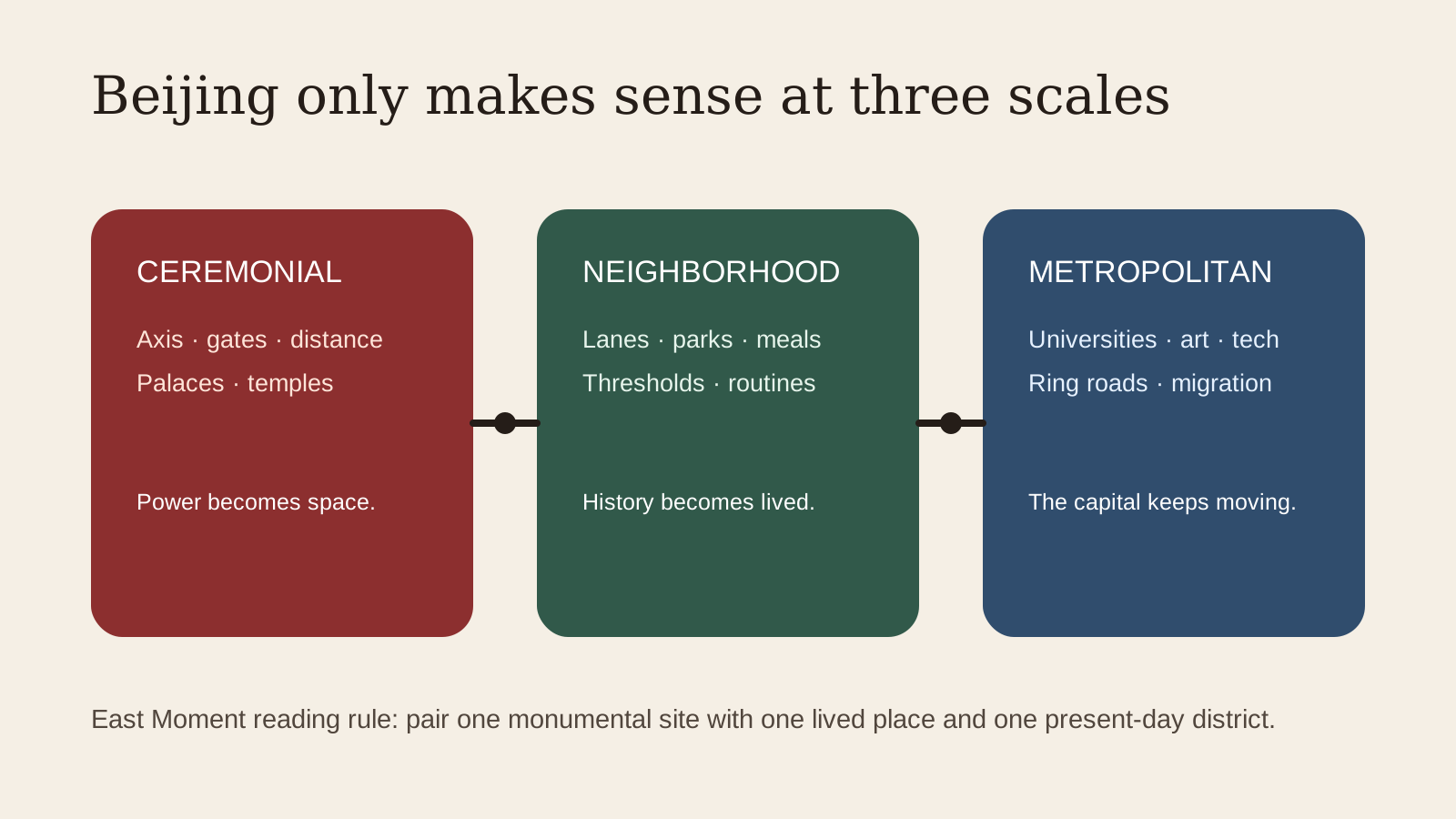
I reject the red-wall checklist that makes Beijing look grand and leaves it emotionally empty. The capital becomes honest only when ceremonial order and ordinary improvisation remain in the same frame.
Beijing culture guide at a glance
| Question | Short answer |
|---|---|
| Core tension | A capital built to project order, inhabited through improvisation |
| Imperial grammar | Axis, threshold, courtyard, rank and controlled approach |
| Neighborhood grammar | Hutong doors, shared walls, park routines and direct speech |
| Performance grammar | Peking Opera turns status and distance into body, costume and sound |
| Everyday appetite | Wheat, sauce, mutton, breakfast and migration beneath roast-duck ceremony |
| Present tense | Universities, art, music, media and technology still argue over cultural authority |
Choose the Beijing you want to meet
| If you care most about | Read this evidence | Add this contrast |
|---|---|---|
| Power | Central Axis, Forbidden City and Temple of Heaven | Compare the ceremonial route with a side courtyard or park morning |
| Architecture | Palace thresholds, hutong enclosure and the Summer Palace landscape | Ask what each space permits a body to do |
| Food | Zhajiangmian, roast duck, copper-pot mutton and breakfast | Separate occasion food from repeated appetite |
| Performance | Peking Opera body, percussion, makeup and costume | Watch one action before decoding the symbol |
| Young Beijing | Universities, 798, music, publishing, comedy and digital work | Notice pressure and instability, not only polished “creative” districts |
Beijing is easy to photograph as authority and harder to understand as a living city. This culture guide follows the friction between the official map of gates, halls and avenues and the human map of breakfast shops, shaded courtyards, rehearsal rooms and speech that refuses to stay ceremonial.
Why Beijing feels unlike any other Chinese city
Beijing has been shaped by successive regimes, migrations and rebuilding, but the capital's strongest visual idea remains order. Gates frame other gates. Courtyards lead into deeper courtyards. Roads and ceremonial spaces repeatedly return the eye to a north-south line. The city teaches power through distance, symmetry and controlled approach.
Yet Beijing is also a city of improvisation. Courtyard houses have been divided, repaired, commercialized and inhabited in changing ways. Old industrial sites have become galleries. Regional restaurants serve communities from across China. Young people move between libraries, universities, music venues, technology companies and family homes inside a city still carrying the geometry of empire.
I insist on that friction because it is the reason to stay longer than a landmark tour. Historic Beijing is not sealed away from modern life. It keeps negotiating with it.
The central view is not only photogenic. Repeated gates, raised halls and enclosed courtyards turn movement into a lesson about hierarchy and access.
Read Beijing through its central axis
The Beijing Central Axis is the clearest way to understand the capital as a designed political landscape. Running north to south through the historic core, it connects ceremonial, imperial and civic spaces whose relationships matter as much as the individual buildings.
Do not experience it only as a list of stops. Notice how space changes your body. Large squares slow the crossing. Gates compress movement. Elevated halls make visitors look upward. Jingshan then reverses the experience: from above, the roofs and courtyards that felt endless become a legible composition.
The axis also extends beyond palace history. Drum and Bell Towers once organized urban time. Neighborhoods grew beside imperial walls. Later civic spaces added new meanings. UNESCO's Beijing Central Axis record inscribed it on the World Heritage List in 2024 as an urban ensemble rather than one isolated monument.
The Forbidden City: look beyond the red walls
The Forbidden City (故宫, Gugong) is essential, but its scale can overwhelm first-time visitors. The best approach is to follow the main axis long enough to understand the public sequence, then move into side courtyards where architecture becomes more intimate. The Palace Museum's official site is the authoritative place to confirm the institution and collection before a visit.
Look for three things:
- Thresholds: every gate controls what can be seen and who could historically proceed.
- Materials: glazed roof tiles, painted brackets, stone terraces and bronze objects communicate rank as well as beauty.
- Empty space: courtyards are active parts of the design, creating ceremony, distance and anticipation.
The palace should not become shorthand for all Chinese culture. It represents court power, specialized labor and an imperial worldview. The homes, temples, markets and working neighborhoods outside its walls tell different stories. Read our Chinese architecture guide for the larger building traditions that palace imagery alone cannot contain.
Season changes the palace. Blossom, rain, dry summer light, autumn leaves and snow each reveal a different relationship between architecture and time.
The Temple of Heaven: architecture as cosmology
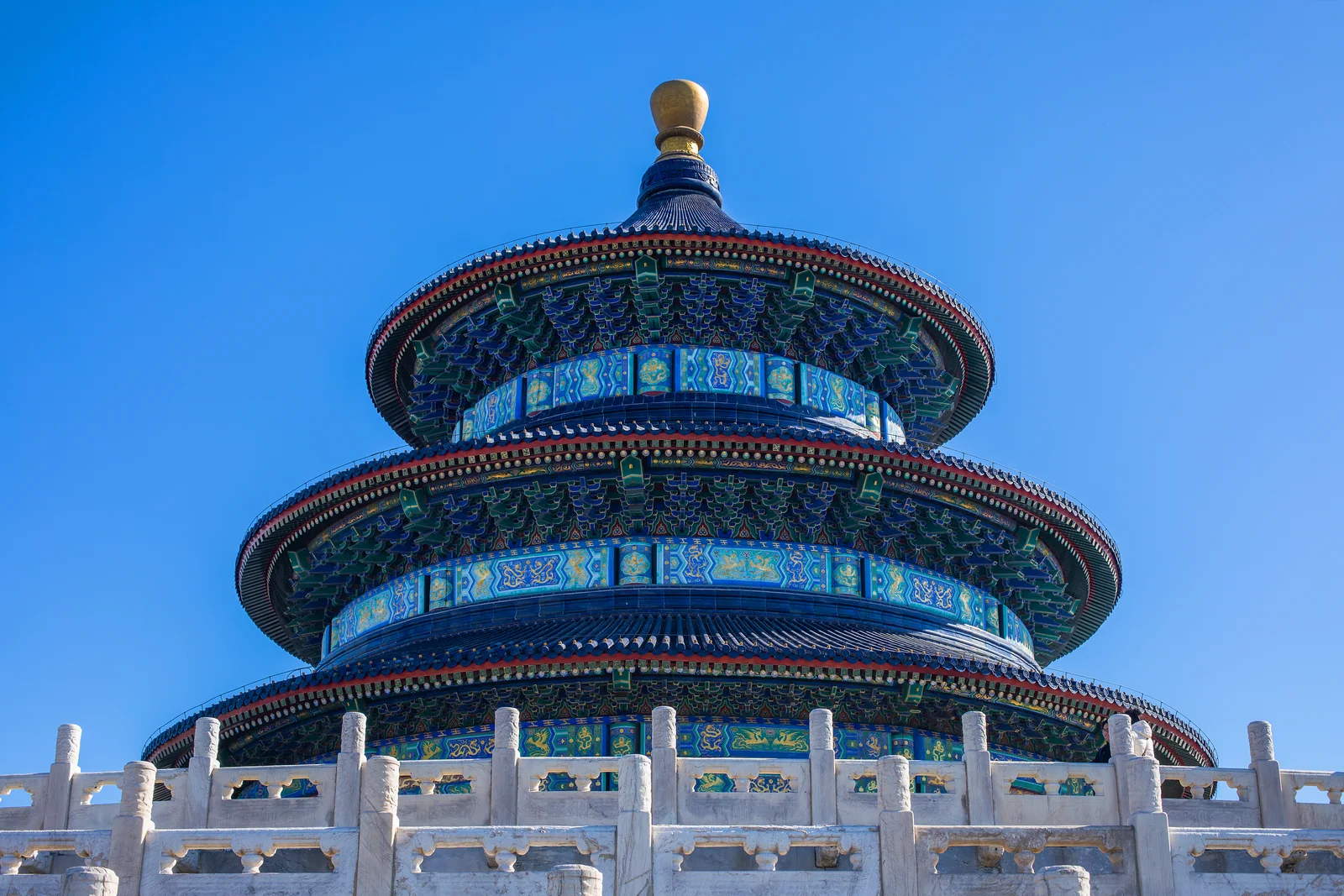
The Temple of Heaven (天坛, Tiantan) is one of Beijing's strongest examples of architecture carrying a theory of the universe. Its circular and square forms, colors, platforms and processional spaces were connected to imperial rites concerning heaven, harvest and political legitimacy.
The Hall of Prayer for Good Harvests is the visual icon, but the larger experience matters. Walk the raised ceremonial route, observe how trees contain the monumental buildings, and compare the stillness of ritual architecture with the social life of the surrounding park.
Arriving early adds another layer. Local residents may be walking, exercising, singing or practicing movement nearby. The encounter is not a staged cultural performance; it is a public park doing what Beijing parks do, allowing historical space and everyday health routines to coexist.
The Great Wall is a landscape, not one attraction
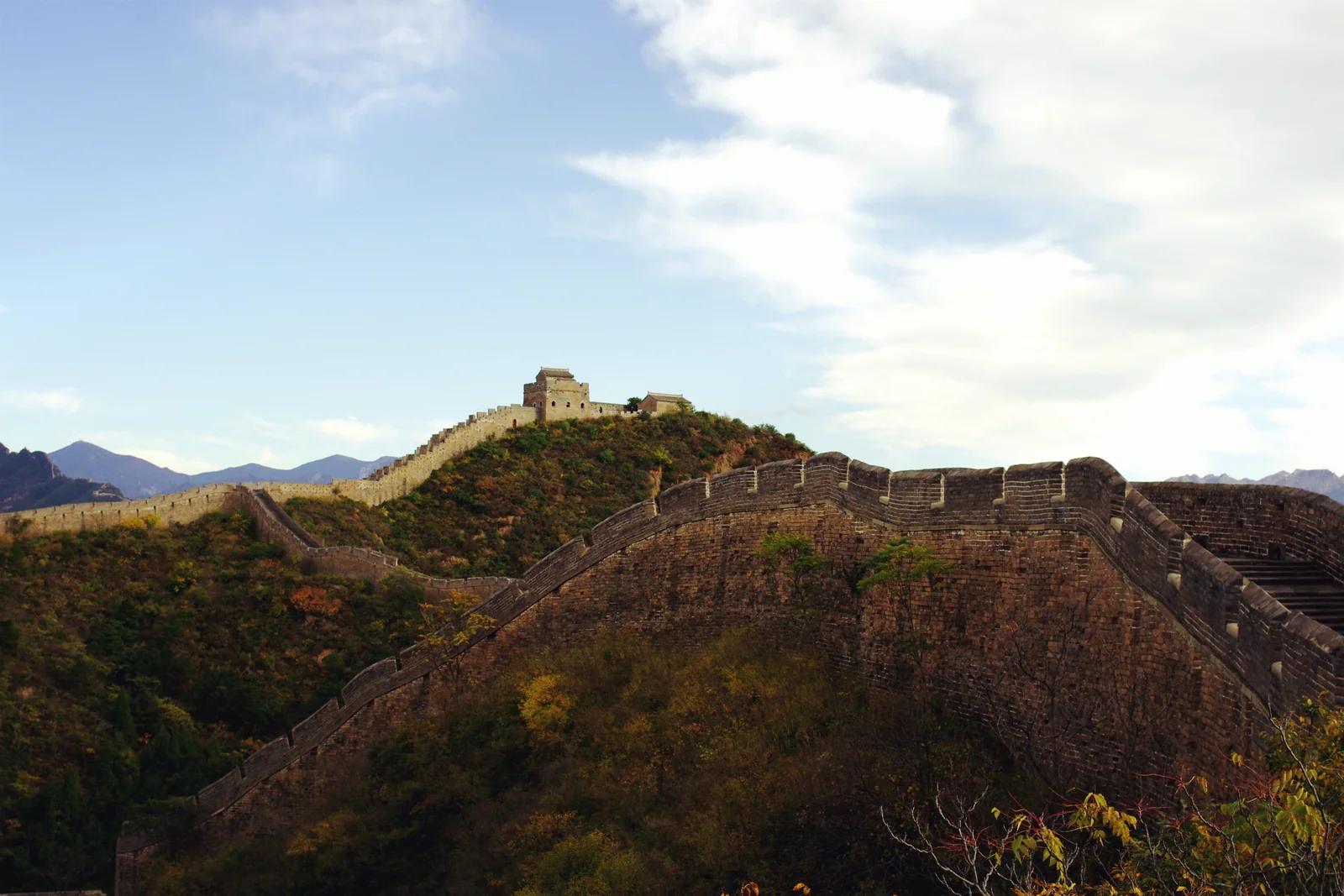
The Great Wall near Beijing should be understood as a system of fortifications across mountains, not as a single wall beginning at one ticket gate. Different sections offer different balances of restoration, accessibility, crowds and physical challenge.
For a first visit, choose according to experience rather than reputation. A highly restored section can be easier for limited time or mobility. A more distant section may offer quieter walking but demand more transport planning and stronger footwear. Weather changes the route quickly, and steep stone can be tiring even when the distance looks short on a map.
Most importantly, look outward. The wall's meaning lies in terrain, communication and defense. Watch how it follows ridgelines, links towers and turns mountains into part of the structure.
Hutongs: Beijing at human scale
Hutong (胡同, hutong) refers to lanes associated especially with the courtyard neighborhoods of northern Chinese cities. In Beijing, hutongs can be homes, heritage zones, commercial streets, quiet alleys or heavily visited destinations. They should not be romanticized as an unchanged old city.
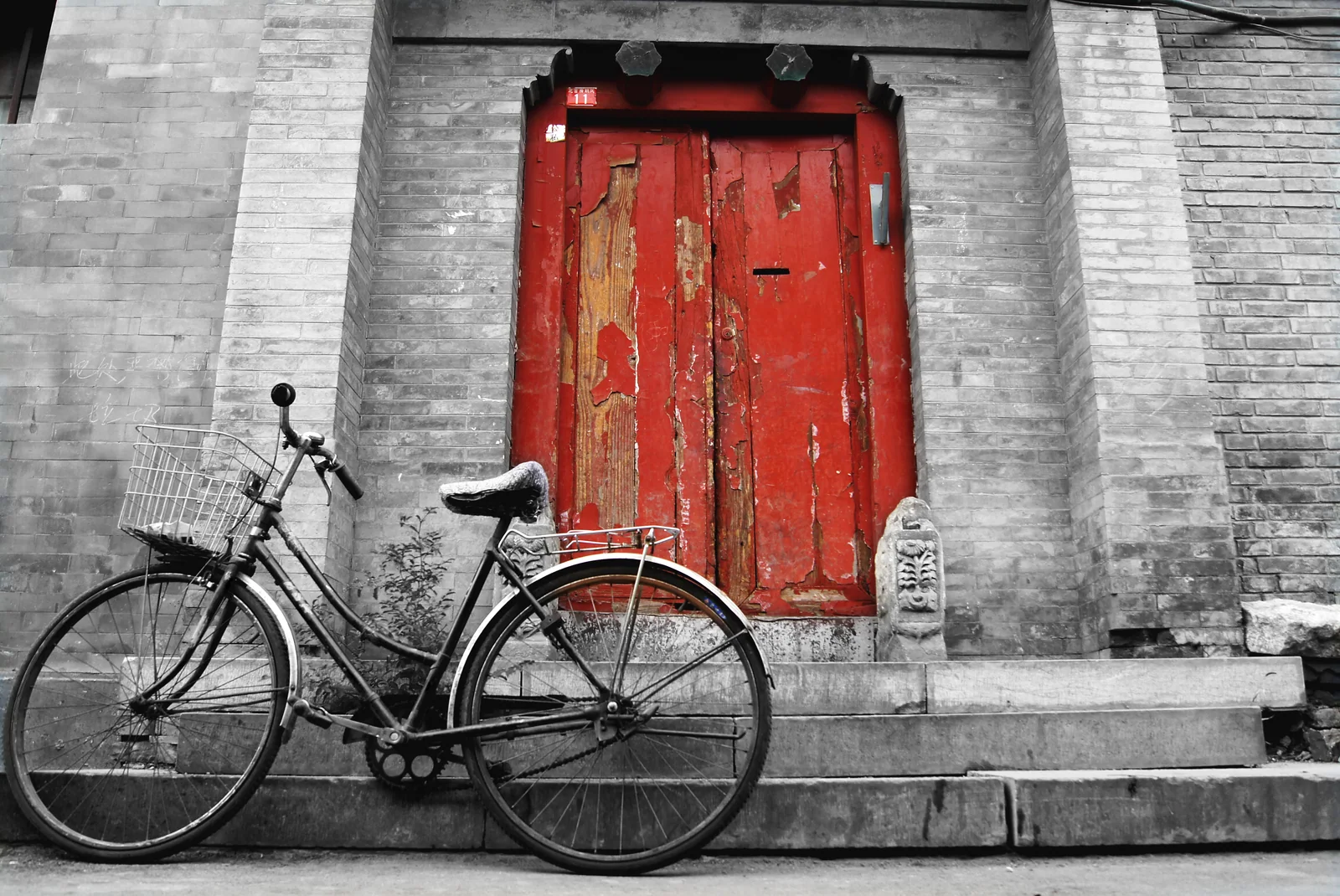
The area around Gulou, the Drum Tower, offers a useful starting point because the monumental tower and lower neighborhood fabric can be read together. Walk slowly enough to notice doorways, shared walls, bicycles, deliveries, trees and the small adjustments people make to old structures.
Remember that photogenic lanes remain residential space. Avoid pointing cameras through doors, photographing residents at close range without consent or treating ordinary homes as open exhibits. A respectful walk pays attention without claiming access.
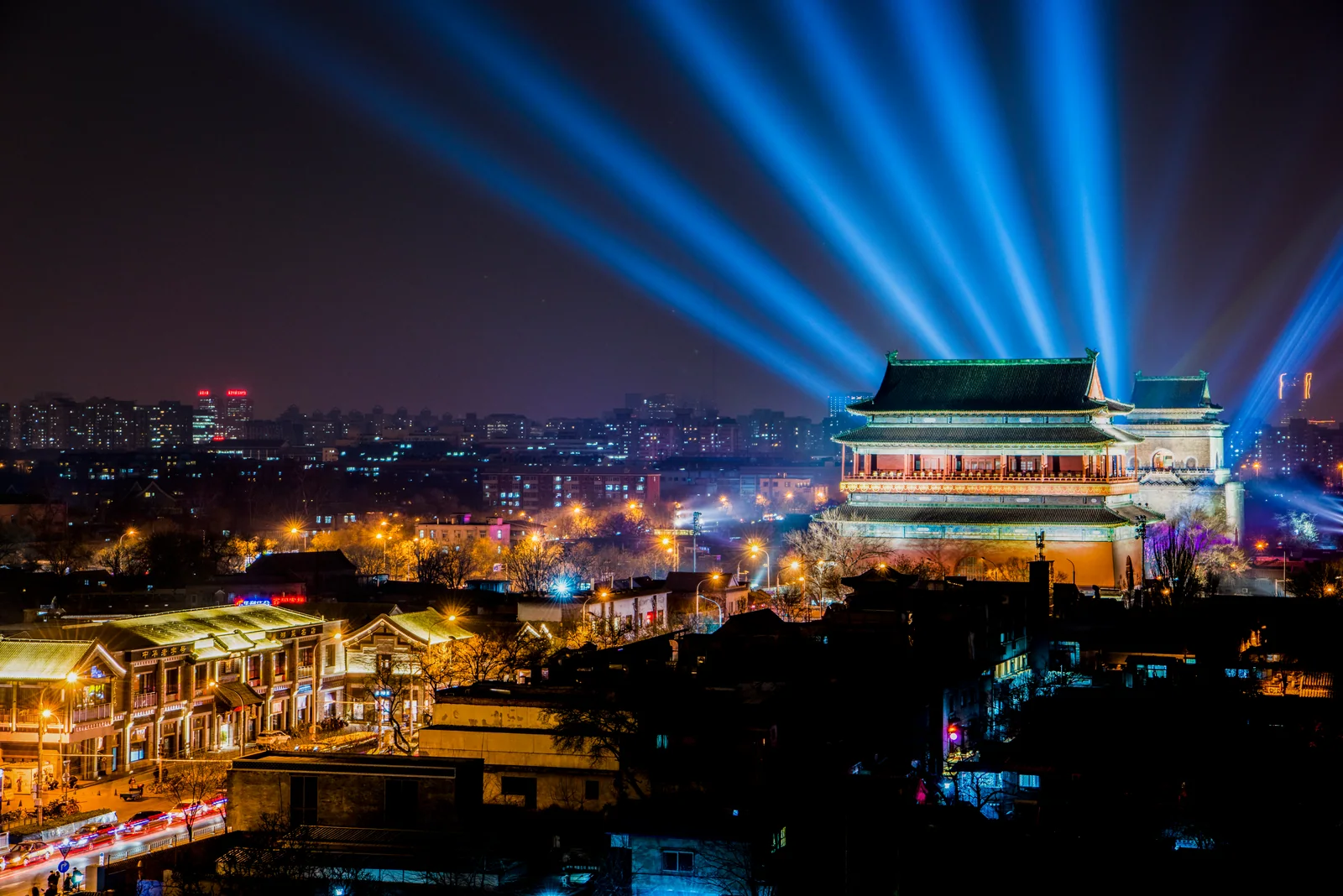
Hutongs are not frozen sets. Bicycles, scooters, repairs, small businesses and adapted courtyards show how old urban fabric continues to absorb modern life.
Parks reveal how Beijing is lived
Some of Beijing's most instructive cultural experiences cost little and begin early. In parks, people walk backward, stretch, dance, sing, practice calligraphy with water, play shuttlecock or gather around music and games. Activities vary by place and season, but the larger pattern is important: public space supports repeated social routines.
Jingshan is valuable because it joins this everyday park culture to one of the city's great views. The Summer Palace works at a larger landscape scale, combining hills, water, architecture and imperial garden design. It is not simply a collection of pavilions; it choreographs distance, framed views and movement along the lake.
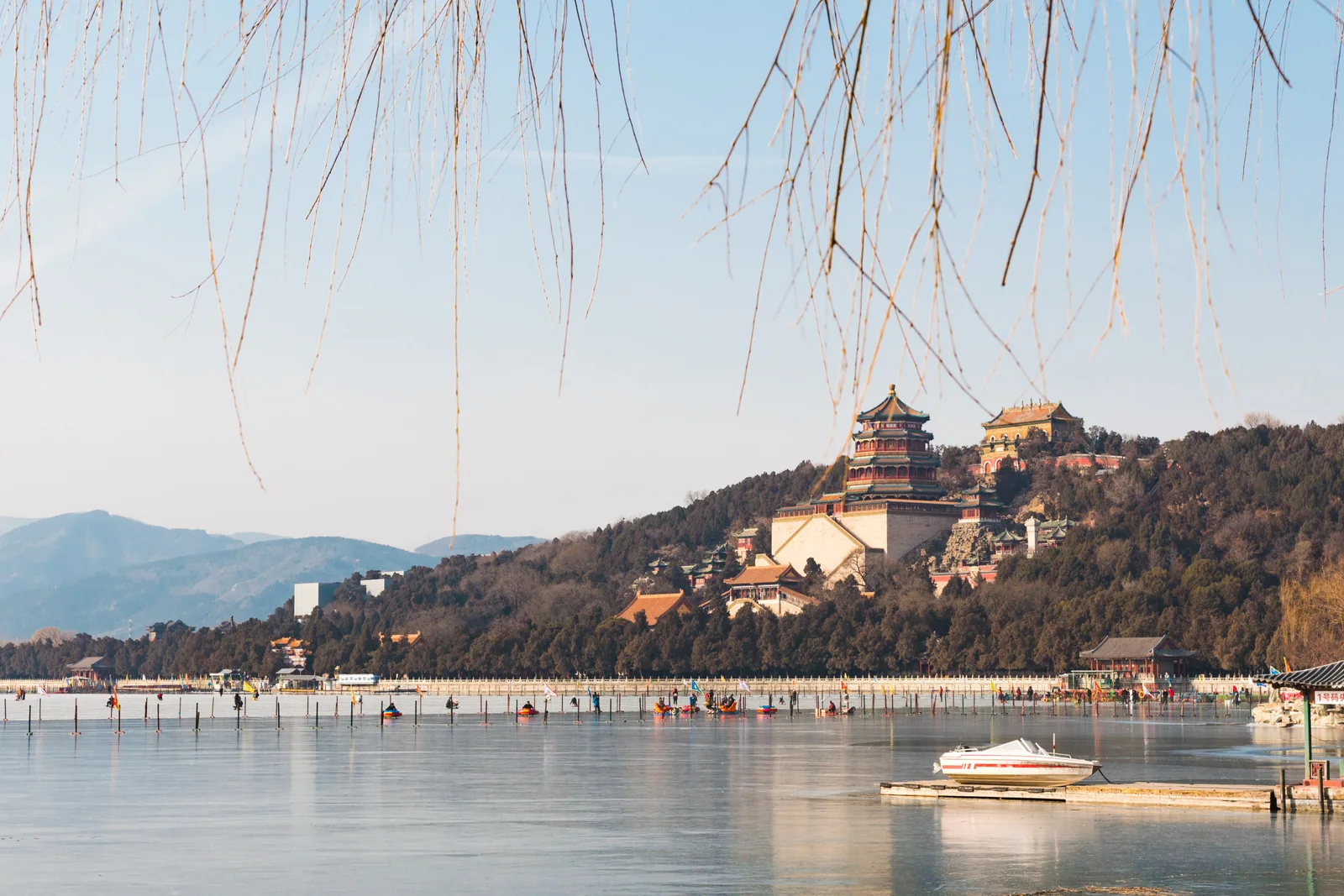
Explore the Chinese gardens guide to understand why borrowed scenery, changing viewpoints and controlled routes matter more than decorative objects alone.
Beijing food: ceremony and ordinary appetite
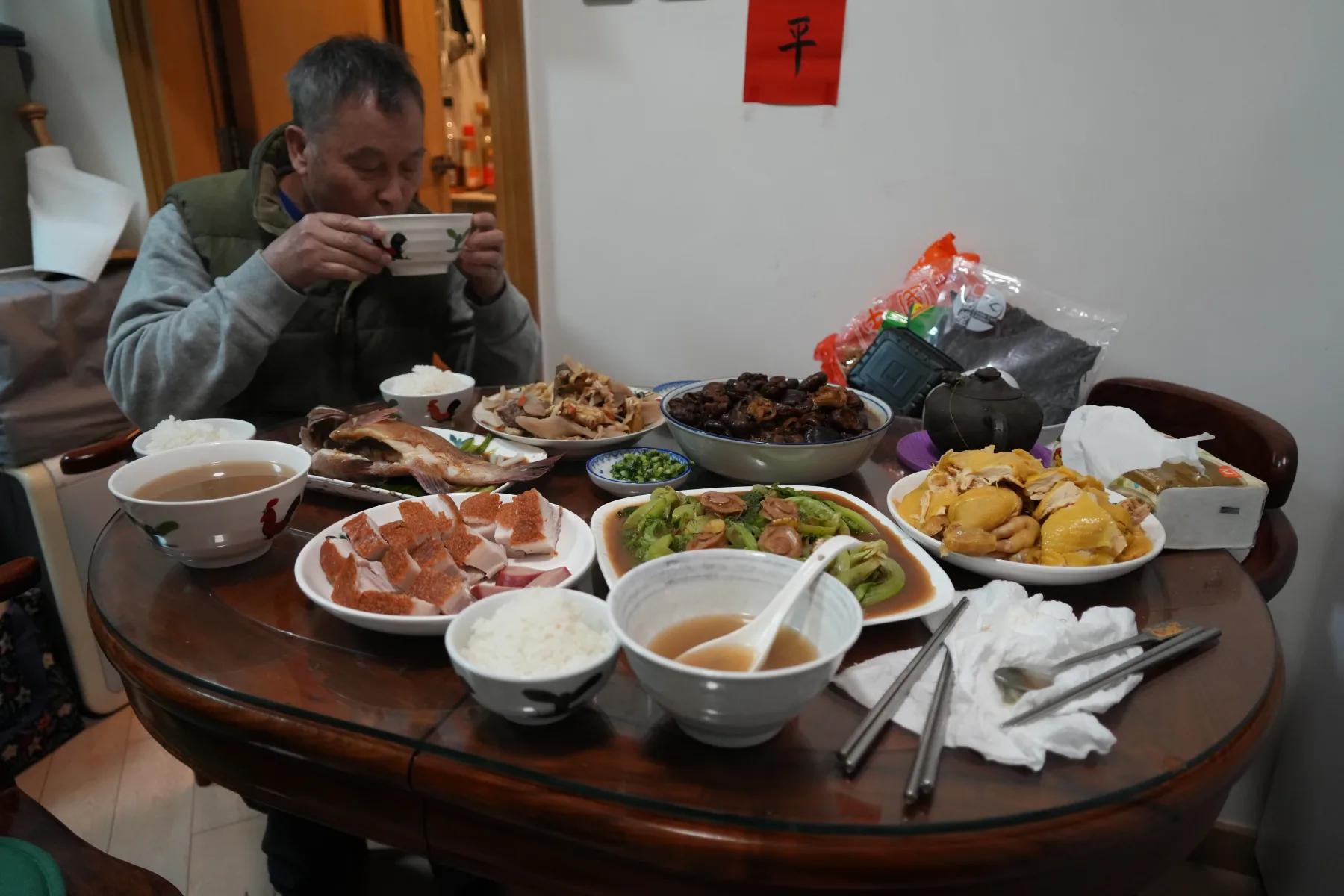
Roast duck is the city's most famous dish, but a useful meal plan moves between ceremony and repetition. Try duck for craft and restaurant theatre; zhajiangmian for wheat, sauce and everyday proportion; copper-pot mutton for winter sociability; and breakfast foods for the city's working rhythm.
Food is the quickest way to feel how a capital absorbs many Chinas at once. Our dedicated Beijing food guide separates ceremonial roast duck from the noodles, buns, mutton and snacks that carry everyday appetite.
Beijing food also carries Shandong influence, Hui Muslim traditions, court cooking and generations of migration. Modern Beijing contains restaurants from every region of China, which means the most honest answer to "what do people eat in Beijing?" is larger than a list of local specialties.
Use our full Beijing food guide to distinguish famous dishes from ordinary meals and to approach strongly local snacks without turning them into a test of bravery.
Peking Opera turns the capital into movement
The palace teaches order with walls. Peking Opera can establish rank, distance and danger on an almost empty floor. A measured entrance claims space. A whip makes a horse present. A sleeve stretches an emotion beyond the hand. Percussion tightens the second in which a character decides to act.
That relationship is more revealing than the tourist shorthand of “painted masks.” Beijing's culture has long cared about how authority is made visible: who enters first, who waits, who occupies the centre and whose movement must remain controlled. Jingju carries that grammar into the body, then gives performers room to make it comic, wounded, violent or tender.
The blunt truth is that a face-colour chart is the least interesting way into the form. Start with one scene and keep the full body in view. Watch the feet, eyes and pause before the turn. Listen for the drum cue that changes the pressure in the room. Our Peking Opera guide explains the role families, makeup, orchestra and costume without reducing the stage to a souvenir.
This is also why Peking Opera belongs in a Beijing culture guide even though China has many other opera traditions. Beijing gave jingju a capital-city network of patrons, institutions, performers and audiences; it did not give the form a monopoly on Chinese theatre. The distinction matters. A capital can amplify one tradition until outsiders mistake visibility for totality.
Beijing speech can be warm, sharp and impossible to translate cleanly
The sound of Beijing is not limited to textbook Mandarin. Local speech has its own rhythm, vocabulary and social temperature. The famous erhua sound is only the most audible marker. More important is the conversational posture: quick teasing, compressed references, apparent bluntness and a talent for turning complaint into performance.
Foreign-language descriptions often turn this into a list of pronunciation curiosities. That misses the social work. Tone tells you whether a line is affectionate, dismissive, theatrical or genuinely confrontational. A phrase that looks severe in subtitles may function as intimacy between people who know each other well; a polished sentence may carry distance.
Beijing humour also has a strong relationship with status. The joke can puncture someone who is acting important, including the speaker. This self-deflation keeps capital-city seriousness from hardening completely. It is one reason Beijing conversation, comedy and performance can feel related even when their forms are different: language is used to test who controls the room.
Do not imitate an accent after hearing three clips. Listen for what the speaker is doing with it. Is the sentence protecting face, inviting familiarity, mocking bureaucracy or refusing sentimentality? Our Chinese language collection gives the larger linguistic context; Beijing speech is one local life inside it, not the default voice of all China.
Contemporary Beijing produces culture under pressure
Beijing's universities, publishers, studios, theatres, music venues, technology companies and art schools attract people who want proximity to national institutions and to one another. That concentration produces ambition, collaboration and argument. It also produces rent pressure, long commutes, institutional caution and the recurring feeling that a creative scene can disappear between two subway stops.
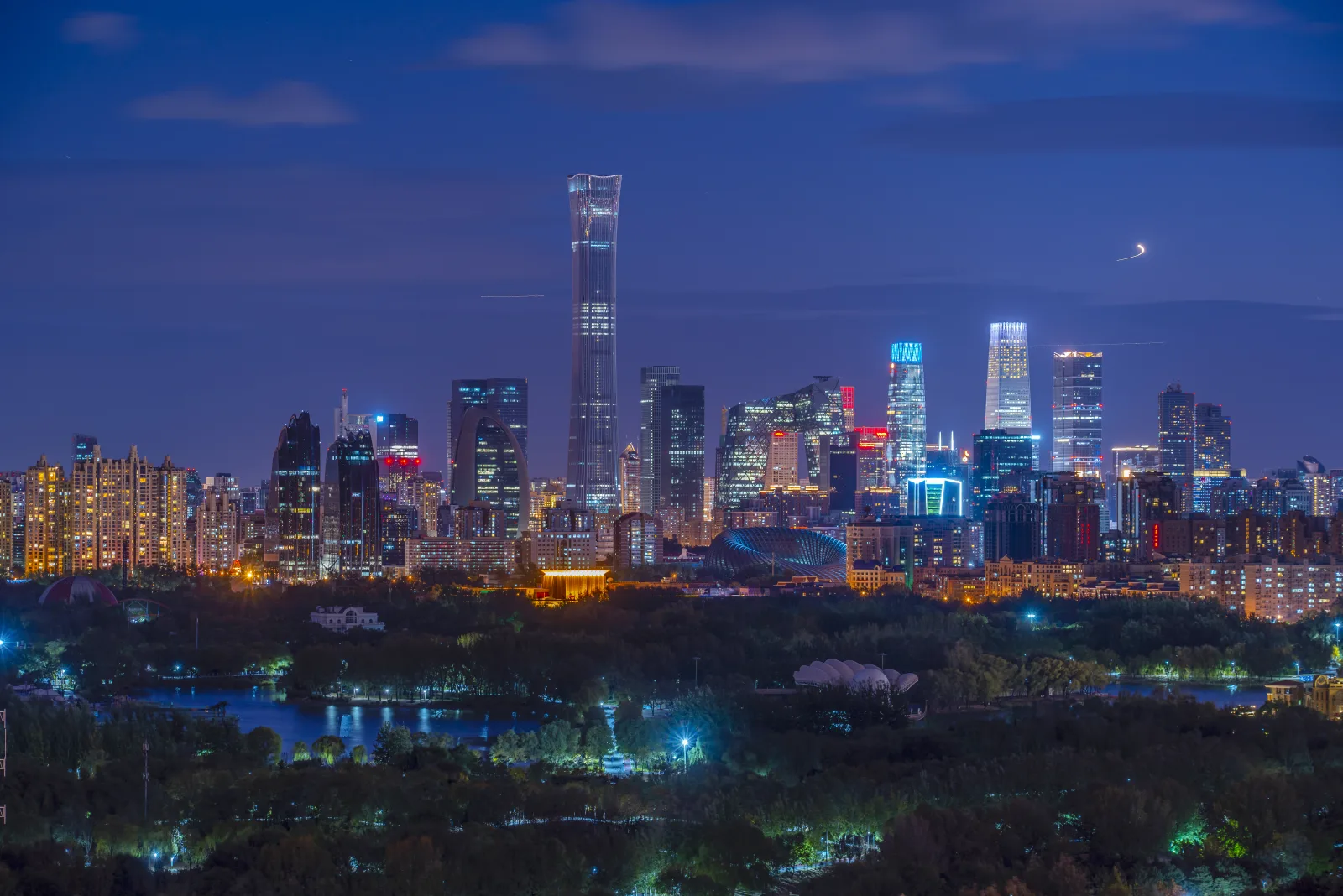
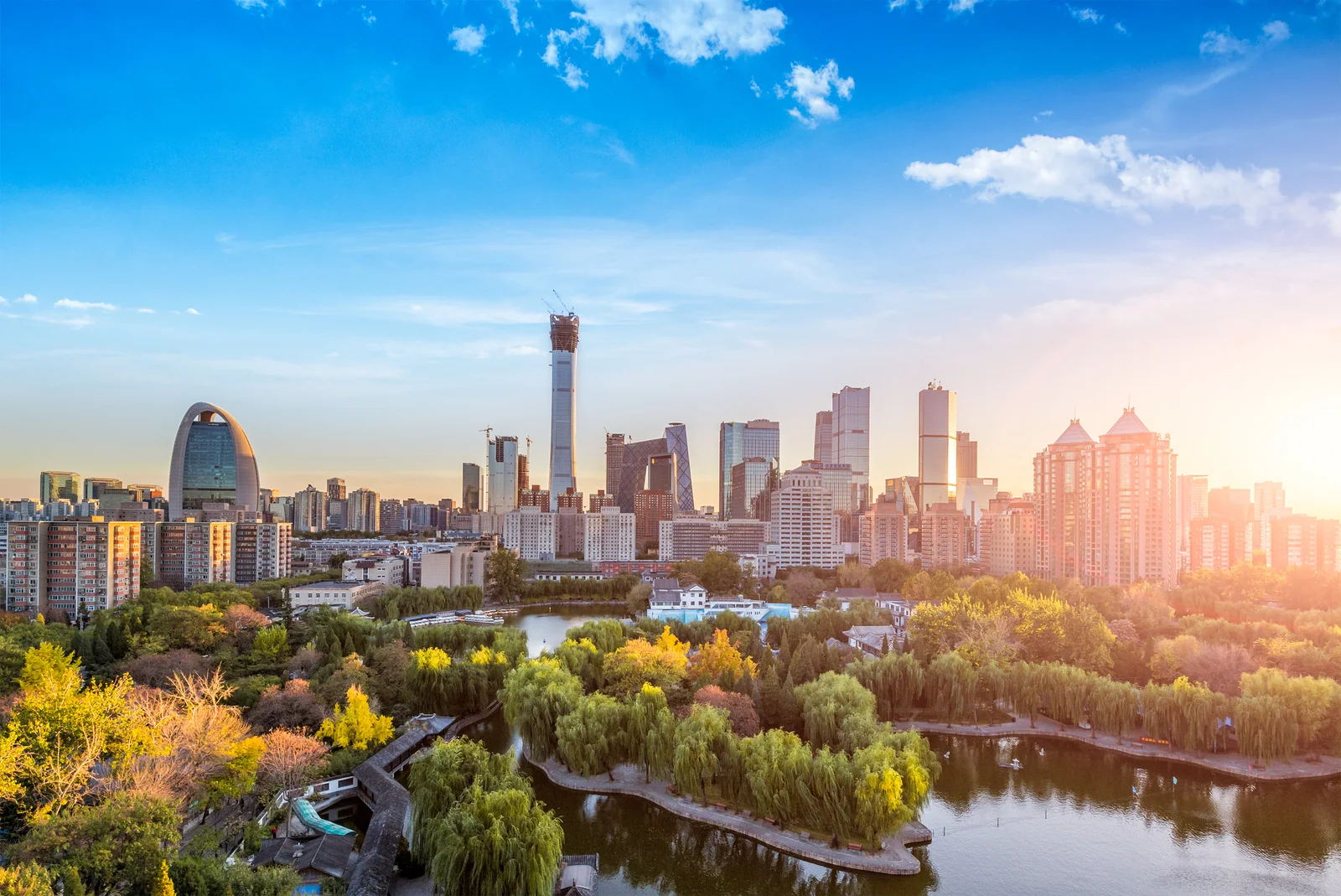
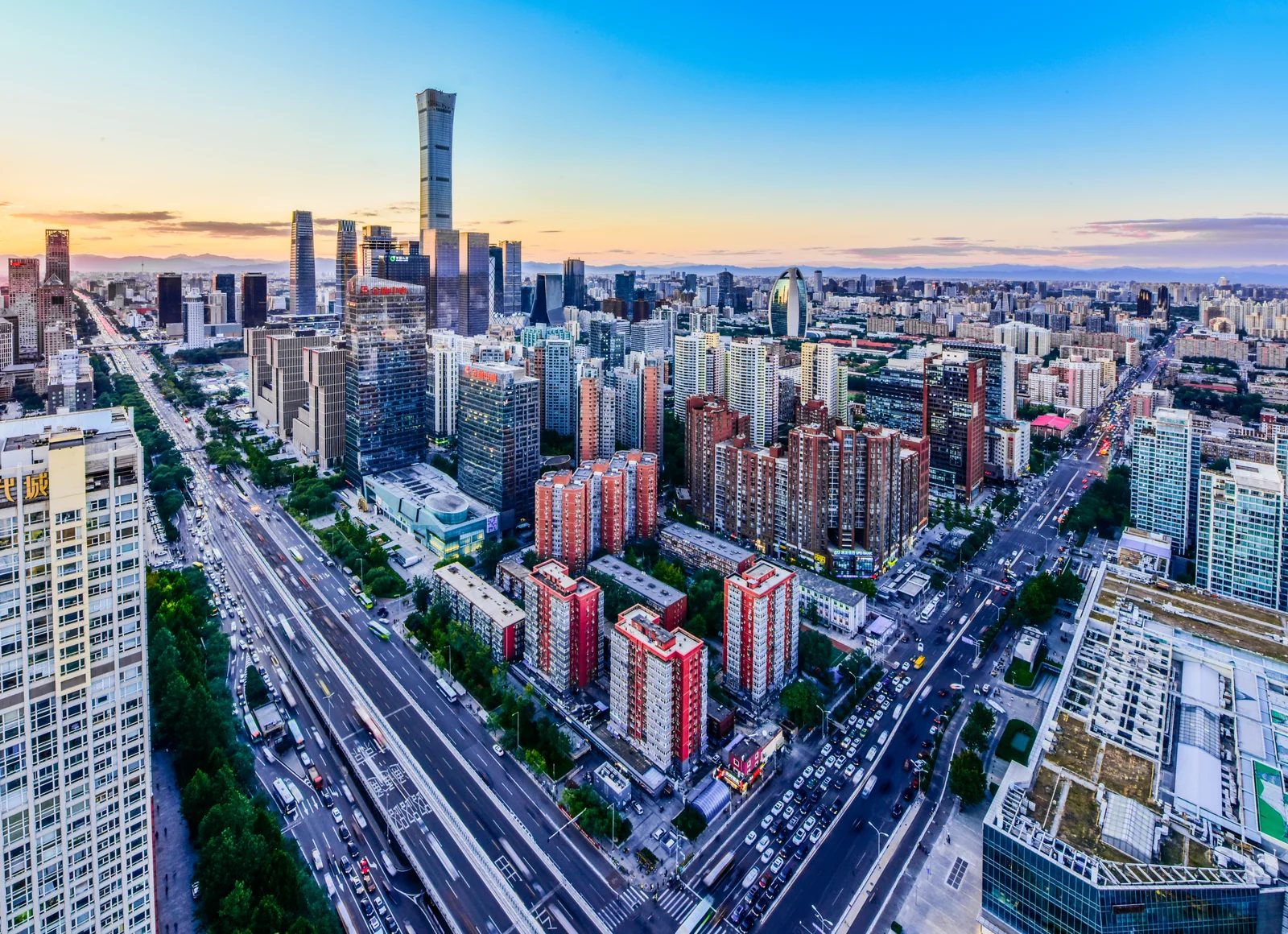
After dark, towers, housing, roads and older urban layers become one continuous field. Contemporary Beijing is not an appendix attached to the imperial city; it is the argument happening around it.
The city's contemporary culture is strongest when it refuses to become a decorative “creative district.” A converted factory can host serious work and expensive lifestyle retail on the same afternoon. A live-music venue can matter intensely to one generation and close before the next guidebook notices. A university neighbourhood can be intellectually alive without looking glamorous on camera.
This instability is not a footnote. It explains why Beijing culture often feels provisional even when the city projects permanence. Imperial architecture says the centre has been fixed. Contemporary makers know that their room, audience, platform and permission can change. The friction creates work with urgency—and sometimes with too much coded cleverness for its own good.
Use the dedicated Travel to Beijing guide for hotels, route planning, reservations, seasons and transport. Those practical questions deserve exact answers. This page has a different job: to show why the capital's scale, speech, performance and daily negotiations continue to produce a culture that cannot be reduced to red walls.
Travel respectfully: look without turning life into scenery
Beijing rewards curiosity, but curiosity needs boundaries. Ask before photographing people closely. Keep voices low in temples and memorial spaces. Treat hutongs as neighborhoods rather than film sets. Learn the difference between an original structure, a restoration and a modern reconstruction when interpretation makes that information available.
The most respectful traveler is not the one who performs expertise after two days. It is the one who notices contradictions, asks better questions and allows several versions of Beijing to remain true at once.
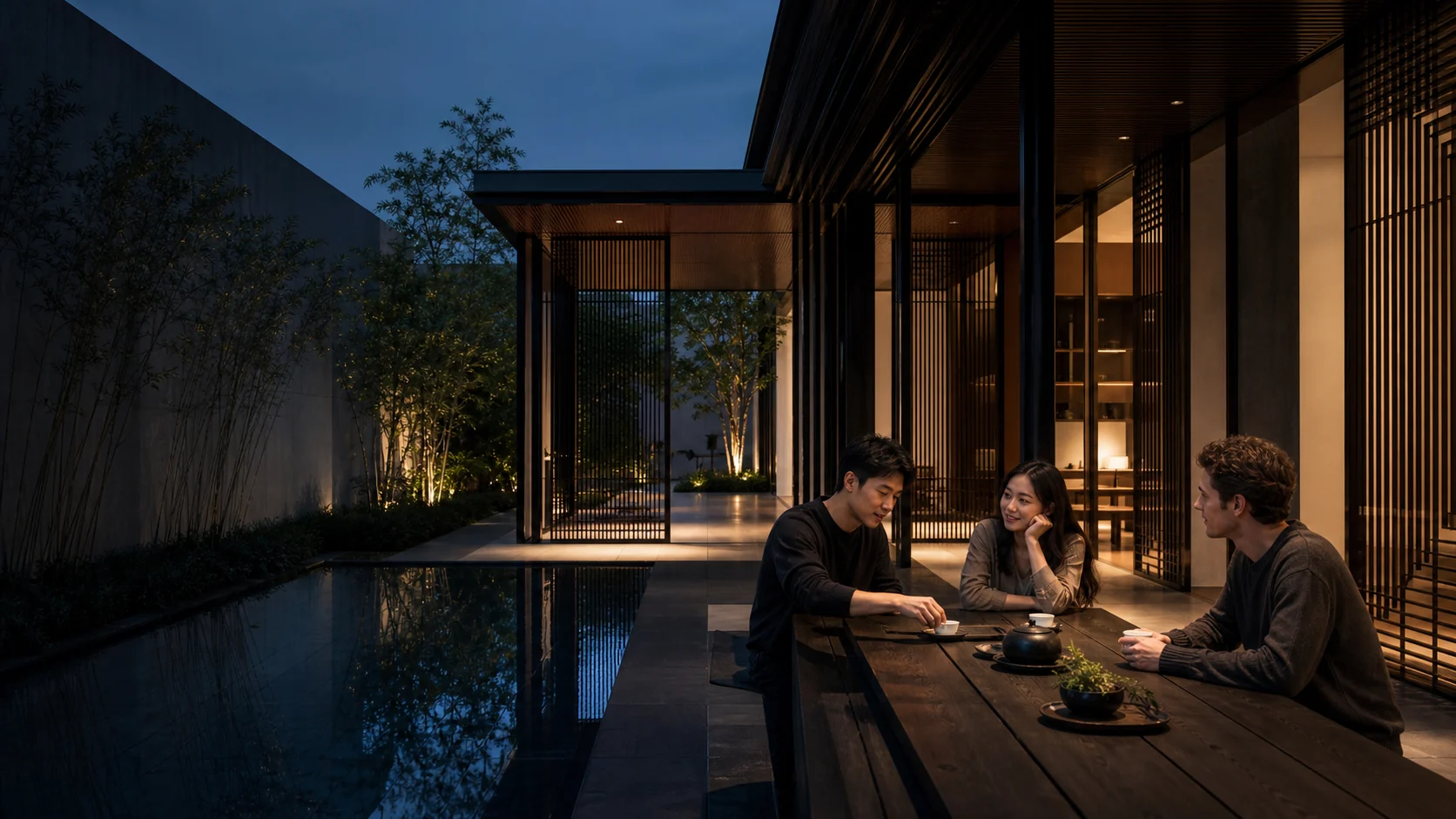
The city is never only its heritage zone. At night, the same capital that protects ceremonial sightlines also fills ring roads, towers, universities, venues and late meals with contemporary life.
Frequently asked questions about Beijing
What makes Beijing culture distinctive?
Beijing culture is shaped by the tension between capital-city order and neighborhood improvisation. Imperial axes, public parks, hutong speech, northern food, national institutions and experimental art all compete to define the city.
Is Beijing culture only imperial culture?
No. The palace and central axis explain how authority was staged, but parks, hutongs, food, Peking Opera, universities, music and contemporary art show how the city is inhabited and repeatedly remade.
Why are hutongs important to Beijing culture?
Hutongs bring Beijing down from ceremonial scale to the scale of doors, shared walls, deliveries, trees and neighborhood negotiation. They are living urban fabric, not untouched museum sets.
How does Peking Opera express Beijing culture?
Peking Opera turns rank, distance and emotion into voice, percussion, costume and controlled movement. It carries some of the capital's concern with order onto an almost empty stage, while remaining a living performance tradition rather than palace decoration.
Where should I find practical Beijing travel advice?
Use East Moment's dedicated Travel to Beijing guide for itineraries, reservations, transport, seasons and accommodation. This page concentrates on understanding the city's cultural character.
Beijing is larger than its symbols
Beijing's landmarks deserve their fame. Few cities can offer architecture and urban planning at this scale. But the capital becomes memorable when the symbols stop floating alone: when the palace is connected to the craftsmen who built it, the axis to the neighborhoods beside it, the park to the people using it, and the famous meal to the ordinary breakfast that follows.
That is the Beijing worth traveling for: not a finished image of China, but a city where history still shapes the route and contemporary life keeps changing the destination.
Return to Chinese culture, explore Chinese architecture, or continue with the full Beijing food guide.