Chinese Language and Culture AP: Explain a Culture, Not a Slogan
Prepare for AP Chinese with the 2026–27 course changes, concrete cultural examples, language practice and a method for explaining what people actually do.
Read the deep guide
Voice · writing · relationship · translation
Language, writing, literature and reading guides that make translation choices and historical context visible.
Follow meaning into context8 published guides across 5 core paths.
Listen for the relationship dictionaries cannot hold
Chinese is not Mandarin plus decorative characters. Spoken varieties, tones, writing, names and forms of address carry different histories; relationships decide what a sentence means in the room. Learn the system, then keep listening when real speech refuses the phrasebook.
Unicode documents encoded characters and cross-reference data; it cannot replace pronunciation, relationship or the regional life of a spoken sentence. Unicode Unihan Database
Published guides, organized by intent
A collection page must do more than list recent posts. Choose the question that brought you here, open a focused guide, then keep moving through works, people and related cultural context without returning to search.
1 published guide
A character can be encoded, a tone can be marked and a sentence can be translated, yet meaning still changes with region, relationship and situation. This route starts with the system and refuses to stop at a phrasebook equivalent.
4 published guides
Calligraphy turns writing into pressure and rhythm; the Analects tests what translation does to compact ideas; bat imagery shows sound becoming visual luck. Together they reveal why Chinese meaning never lives in vocabulary alone.
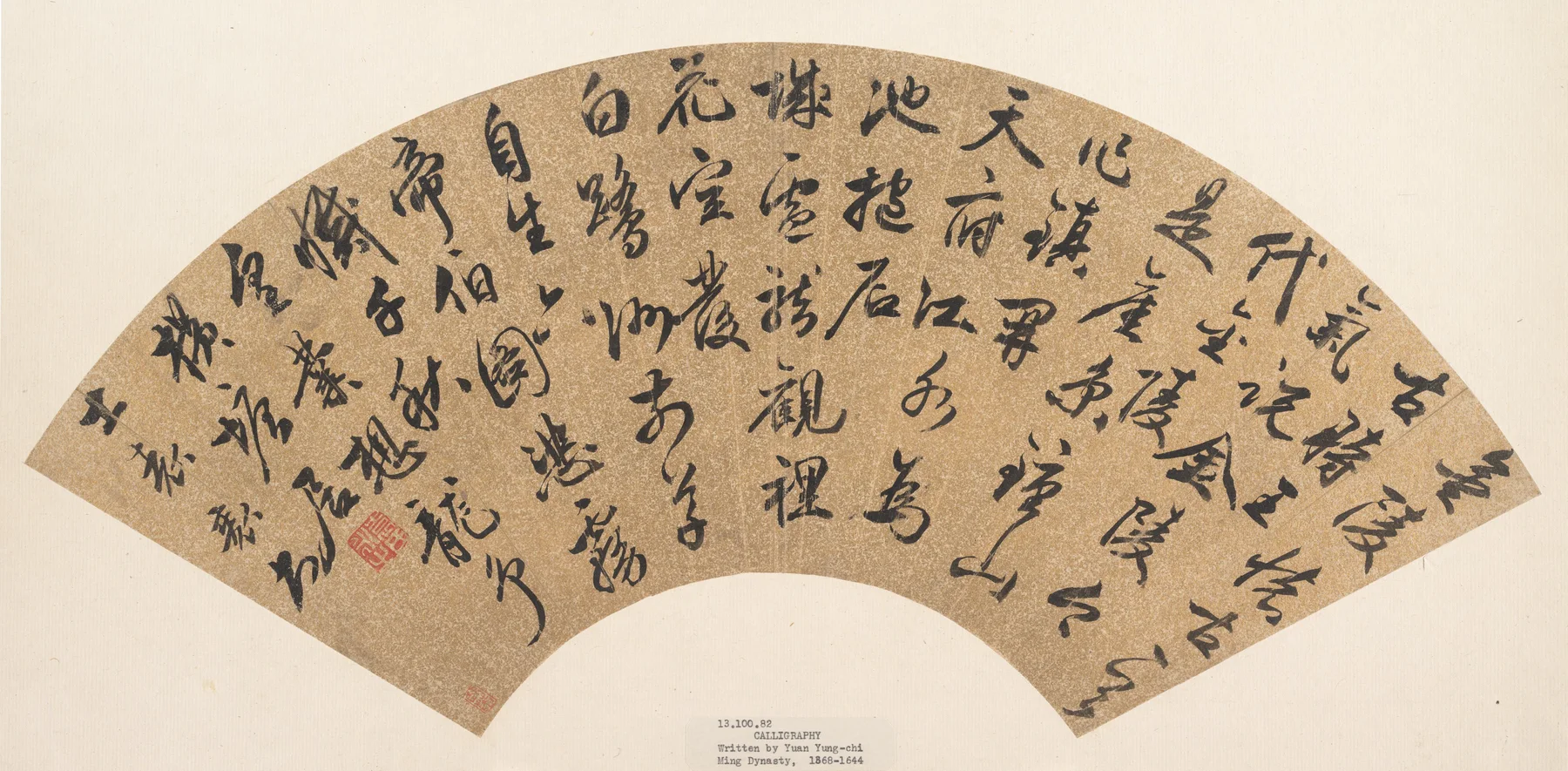
Understand Chinese calligraphy through five script styles, brush pressure, rhythm, language and a practical method for looking beyond decoration.
Read the deep guide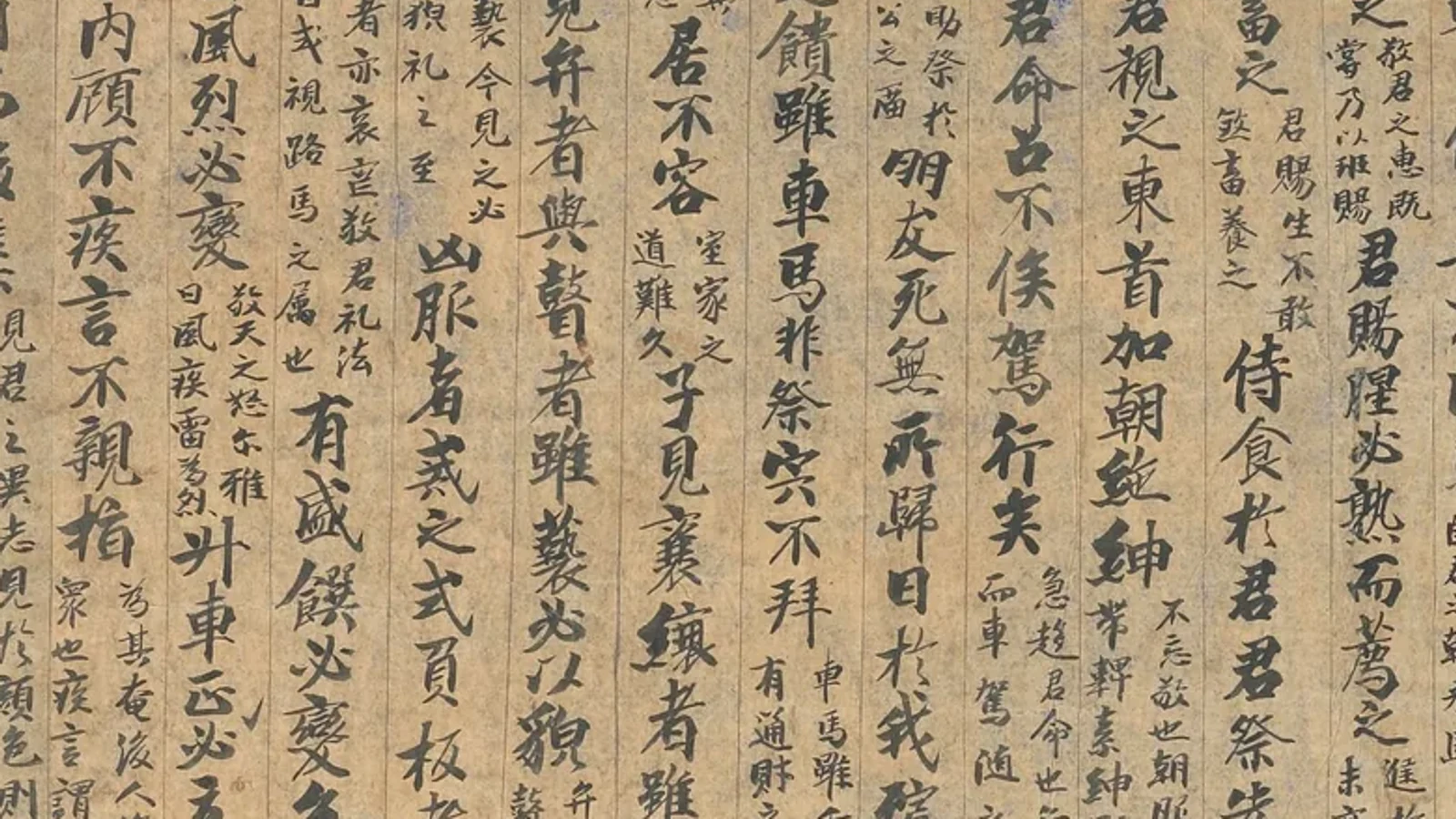
Read the Analects of Confucius as a layered classroom: identify speakers, compare tailored answers, test translations and follow a practical route through all 20 books.
Read the deep guide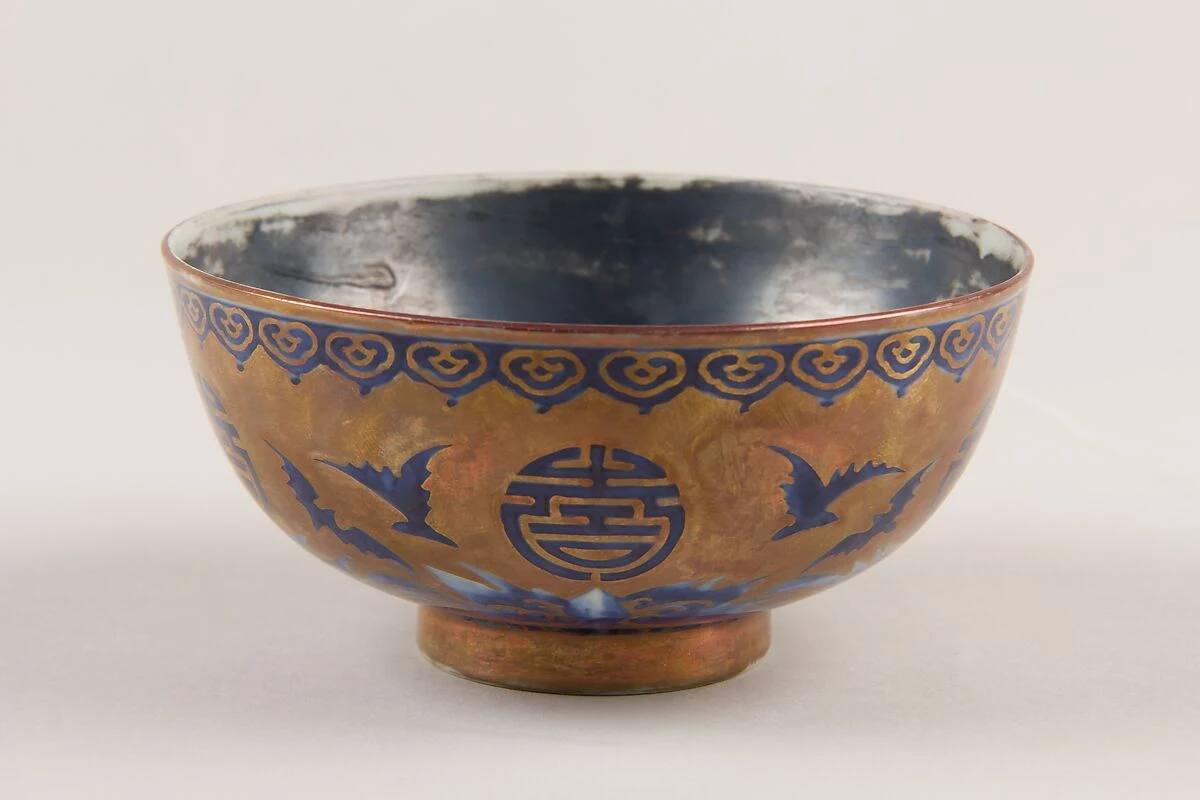
Understand bat symbolism through the Chinese fu homophone, Five Blessings, shou characters, peaches, red bats, porcelain, textiles and modern tattoos.
Read the deep guide
Understand Chinese culture symbols through sound, season, placement and use, from red and dragons to lotus flowers, bats, fish and lucky numbers.
Read the deep guideUnderstand the Chinese language through Mandarin, regional languages, tones, characters, names, translation and the everyday context that gives words their meaning.
The Chinese language teaches humility very efficiently. You learn a useful sentence, pronounce every syllable with care and receive a warm answer containing none of the words you prepared for. This is not failure. It is the moment language stops being a phrasebook and becomes another person.
Chinese language can mean Standard Mandarin, the many related Sinitic languages spoken across China and the diaspora, or the long written tradition built with Chinese characters.
These meanings overlap but are not identical. Mandarin and Cantonese are not simply accents of one spoken language in the way American and British English are. Shanghainese, Hokkien, Hakka and other varieties have their own sound systems, vocabulary and histories. Speakers may share written Chinese while not understanding one another's everyday speech.
That complexity is not an inconvenience to remove from the story. It is the story.
I have spent decades speaking Chinese imperfectly. The language has given me friendships, misunderstandings, jokes that arrived several minutes late and the useful knowledge that fluency is not a certificate. It is a relationship repeatedly repaired.
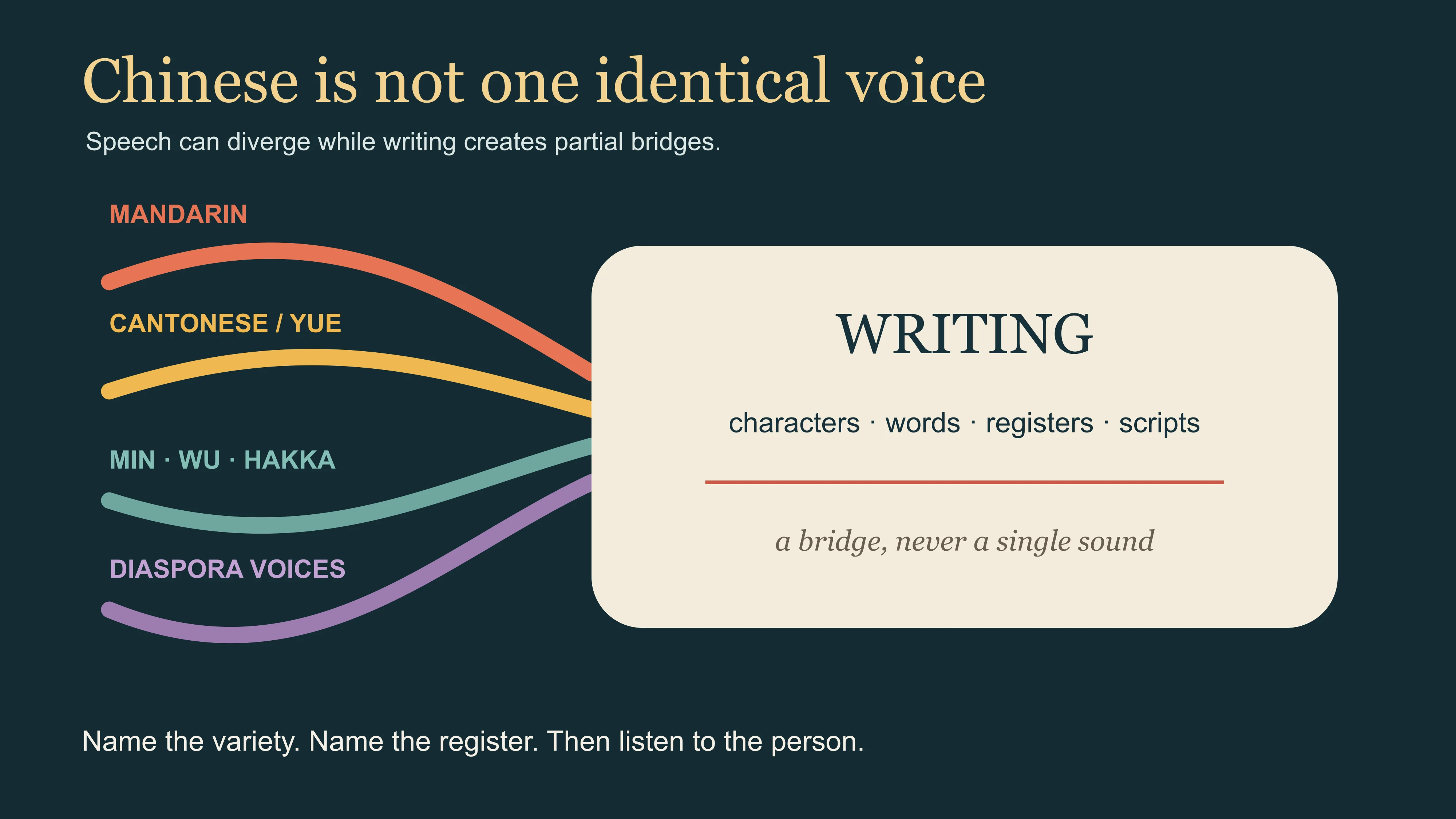
The diagram keeps two truths in view at once: spoken Chinese branches into distinct systems, while writing can still create partial common ground. It is a reading aid, not evidence that every variety maps neatly onto one written standard or that all speakers share the same literacy history.
| Term | What it usually means | What it does not mean |
|---|---|---|
| Chinese | A broad cultural-linguistic category or, in context, Standard Mandarin | One identical spoken form used by every Chinese person |
| Mandarin | A large branch of Chinese varieties; internationally, often Standard Mandarin | The only Chinese language with culture or literature |
| Putonghua | The standard spoken language promoted in mainland China | The home language of every mainland household |
| Guoyu | “National language,” commonly used for Mandarin in Taiwan and some historical contexts | A completely different language from Putonghua |
| Huayu | A term for Chinese language used especially in parts of Southeast Asia | A single regional accent |
| Cantonese | A major Yue Chinese language associated with Guangdong, Hong Kong, Macau and diaspora communities | Informal or incorrect Mandarin |
| Pinyin | A romanization system for Standard Mandarin pronunciation | Chinese written entirely in English letters |
| Hanzi | Chinese characters | Pictures that can be guessed reliably without study |
Names change with place and politics. A respectful writer notices which term a community uses instead of correcting everyone toward one supposedly neutral label.
Standard Mandarin is based largely on northern Mandarin varieties, with pronunciation associated with Beijing and a standardized grammar and vocabulary. It is used in national education, government, media and communication among people with different home languages.
If your immediate question is which English or Chinese term to use, the dedicated Mandarin vs Chinese guide separates the wider category from Mandarin, Putonghua, Guoyu and Huayu without treating every speaker as a terminology problem.
Its reach makes it practical. It also creates pressure. Children may grow fluent in Standard Mandarin while speaking a regional language less confidently than their grandparents. Migration and schooling can accelerate language shift within one generation.
The solution is not to treat Mandarin as a villain. A shared language enables communication across a vast country. The important cultural question is what happens alongside that success: which local words disappear, which return in music and social media, and which families decide to teach both.
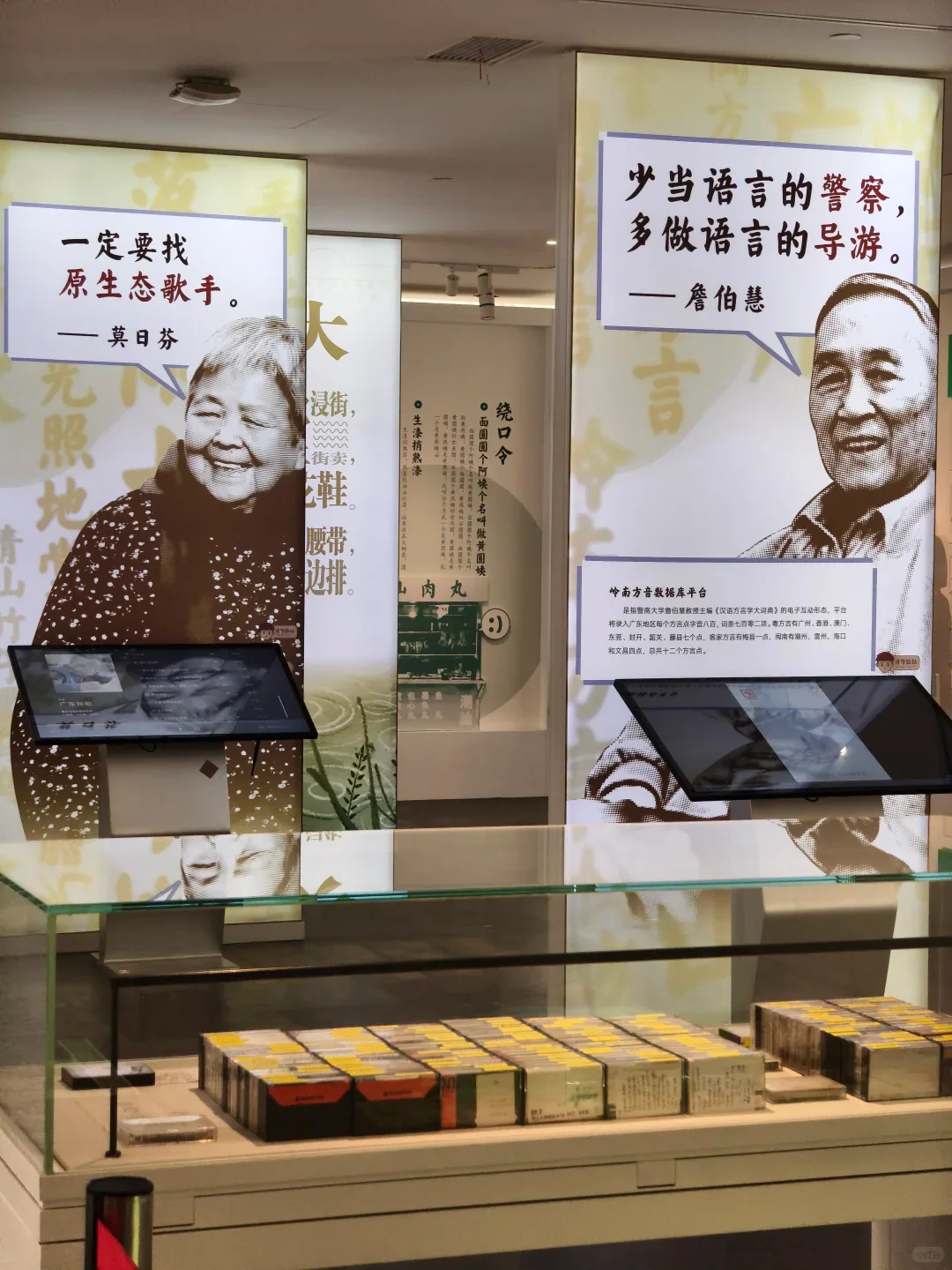
A dialect archive needs speakers, recordings and context—not merely a list of unusual words. Portrait, headphones and tape shelves make the chain of human transmission visible. Authorized museum field photograph.
China's Ministry of Education built its language-resources protection project around field investigation, recording and multimedia archives. That work is necessary. It is not sufficient. I reject the comforting idea that recording a dialect has saved it. A dialect preserved only in a database has survived as evidence, not as daily life. The decisive scene is still a dinner table where a child can answer a grandparent without switching the relationship into another language. I insist that this answer—the living reply, not the archived sample—is where language survival becomes human.
The following groups are broad orientations, not a complete linguistic map.
| Language or group | Areas strongly associated with it | A note on identity and variation |
|---|---|---|
| Mandarin varieties | Northern, southwestern and many central regions | Includes major internal variation beyond Standard Mandarin |
| Yue, including Cantonese | Guangdong, Guangxi, Hong Kong, Macau and diaspora communities | Cantonese has influential media, opera and global community traditions |
| Wu | Shanghai, southern Jiangsu, Zhejiang and nearby areas | Shanghainese is one prominent variety within a diverse group |
| Min | Fujian, Taiwan, Hainan, eastern Guangdong and global diaspora | Hokkien, Teochew and other varieties have long maritime histories |
| Hakka | Communities across southern China, Taiwan and the diaspora | Closely connected to histories of migration and community identity |
| Xiang | Hunan and neighboring areas | Contains varieties with different degrees of Mandarin influence |
| Gan | Jiangxi and nearby regions | Internally diverse and often overlooked in international summaries |
| Jin | Shanxi and surrounding areas | Classified separately by many linguists, though sometimes grouped with Mandarin |
China is also home to many non-Sinitic languages, including Tibetan, Uyghur, Mongolian, Zhuang, Korean, Kazakh and numerous languages spoken by smaller ethnic communities. “Languages of China” is therefore broader than “Chinese languages.”
Continue to languages spoken in China for the fuller landscape, including why mutual intelligibility, family use and community identity do not always produce the same language label.
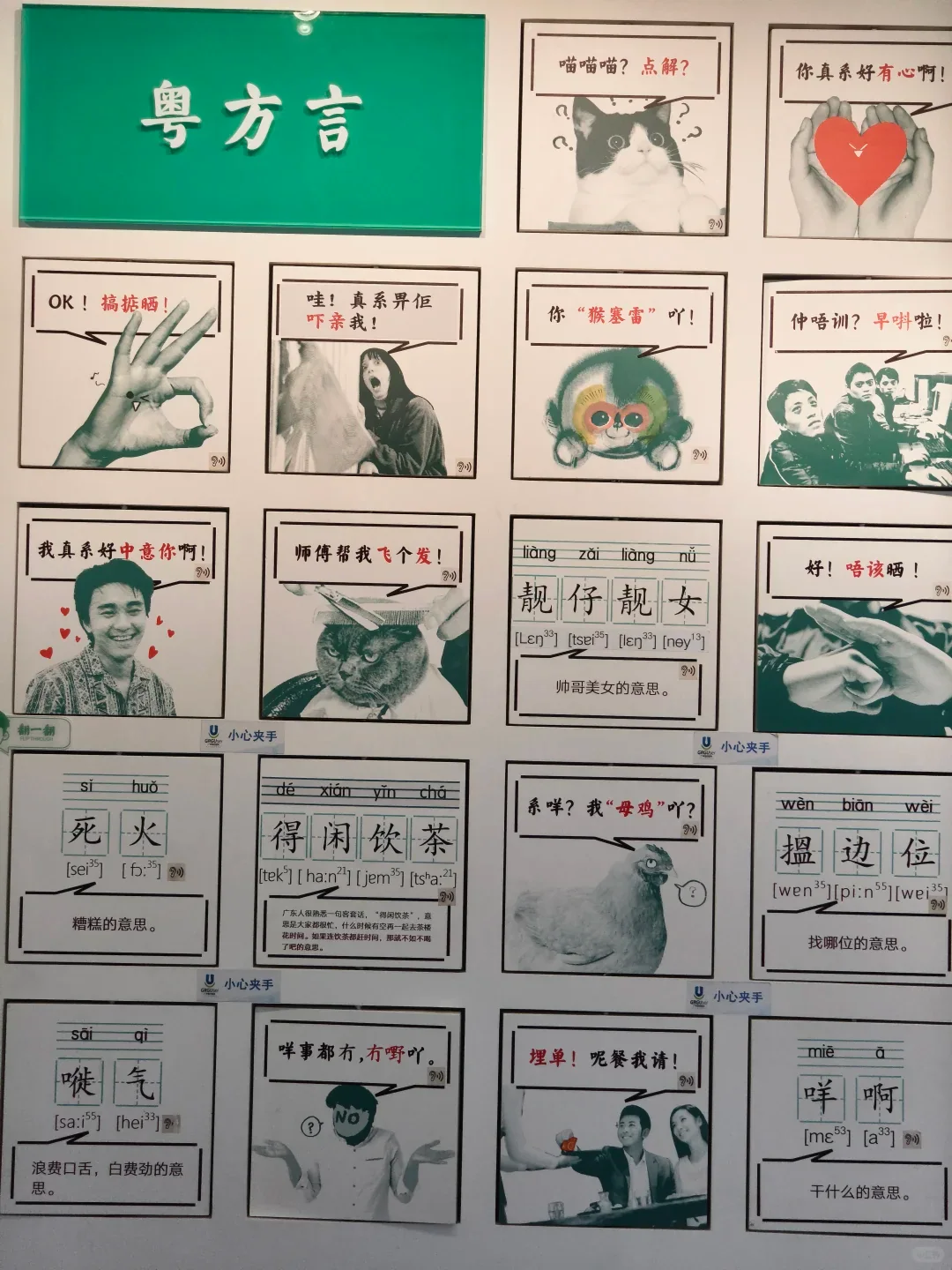
Regional speech becomes legible when expression, character and social scene stay together. A dictionary equivalent cannot carry the full tone of the exchange. Authorized museum field photograph.
In Mandarin, pitch pattern helps distinguish words. The syllable commonly written ma can carry different meanings with different tones. Cantonese and other Chinese languages organize tone differently and may distinguish more categories.
Learners often treat tone as decoration added after the consonants and vowels. Native listeners do not. Tone belongs to the syllable.
This does not mean one imperfect tone destroys every conversation. Context is generous, and listeners are skilled. But relying on context forever asks the other person to do all the work.
The best tone practice is physical and social: listen, imitate short phrases, record yourself, notice rhythm and accept correction without turning it into a small tragedy.
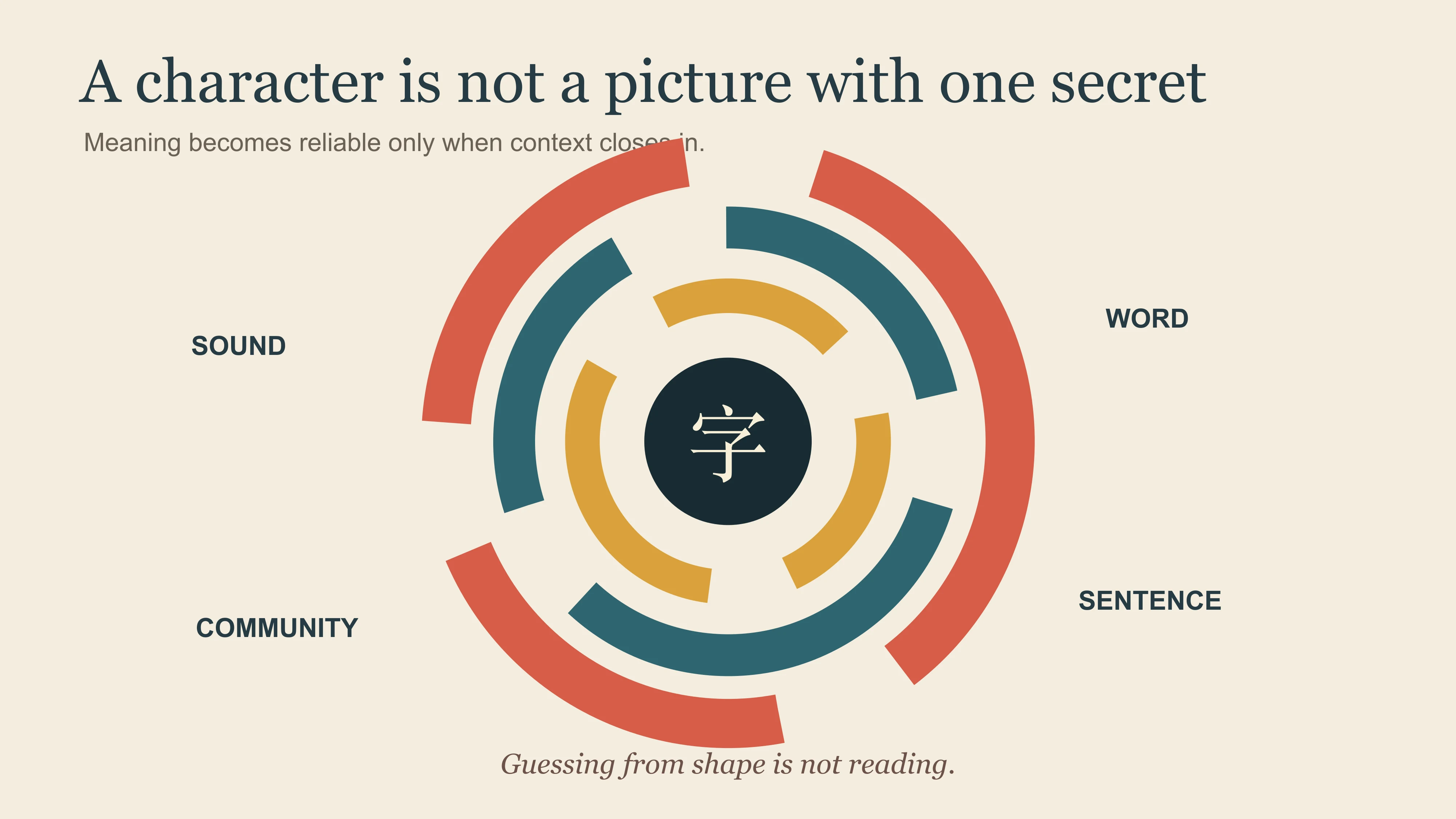
Chinese characters developed through long historical processes and combine sound, meaning and conventional form in complex ways. Some early characters visibly resemble objects, but most ordinary reading does not involve guessing pictures.
Many characters contain components that offer clues. A semantic component may suggest a field of meaning; a phonetic component may hint at pronunciation. The clues are imperfect because languages and character forms changed over time.
The Chinese writing system guide turns that principle into a practical component-reading method and explains why pictograms are memorable but unrepresentative.
This is much more interesting than the popular claim that every character contains an ancient philosophy. Sometimes a component is there because it helped represent sound. Not every grocery list is a cosmological manuscript.
Characters create continuity across spoken difference, but the relationship is not magical. Readers need education, shared vocabulary and conventions. Cantonese writing can represent specifically Cantonese words; classical texts require training; modern communities use characters differently.
The Unicode Consortium's Unihan database makes another point visible: a character participates in a large technical and linguistic system of readings, sources and encoded forms. It is not a mystical picture waiting for an English speaker to guess its secret.
Simplified Chinese character forms are standard in mainland China and Singapore. Traditional Chinese forms are standard in Taiwan, Hong Kong and Macau and remain important across many diaspora communities.
Simplification did not invent the idea of abbreviated writing. Historical handwriting and printed variants already contained many reduced forms. Twentieth-century standardization selected and systematized forms on a large scale.
| Question | Simplified Chinese | Traditional Chinese |
|---|---|---|
| Main official use | Mainland China and Singapore | Taiwan, Hong Kong and Macau |
| What changes | The written form of some characters | Preserves more complex standard forms for those characters |
| Spoken language | Can represent Mandarin and other varieties | Can represent Mandarin and other varieties |
| Cultural value | Modern literacy, education and publishing traditions | Historical continuity and contemporary regional identity |
This should not become a competition over which readers are more authentic. Many people learn to recognize both. Literature, subtitles, family messages and travel regularly cross the boundary.
Hanyu Pinyin represents Standard Mandarin pronunciation with Roman letters and tone marks. It supports early education, dictionary use, international teaching and computer or phone input.
Pinyin is precise only when used precisely. The letter q does not sound like English q; x does not sound like English x. Reading pinyin as English spelling creates a confident new language understood mainly by the speaker.
Tone marks matter during learning. Numbers such as ma3 are a practical typing substitute, but ma without tone is incomplete pronunciation information.
Pinyin also shapes how Chinese names appear internationally. Older romanization systems and regional spellings explain familiar forms such as Peking, Taipei, Taoism and Sun Yat-sen. A different spelling may contain migration history rather than error.
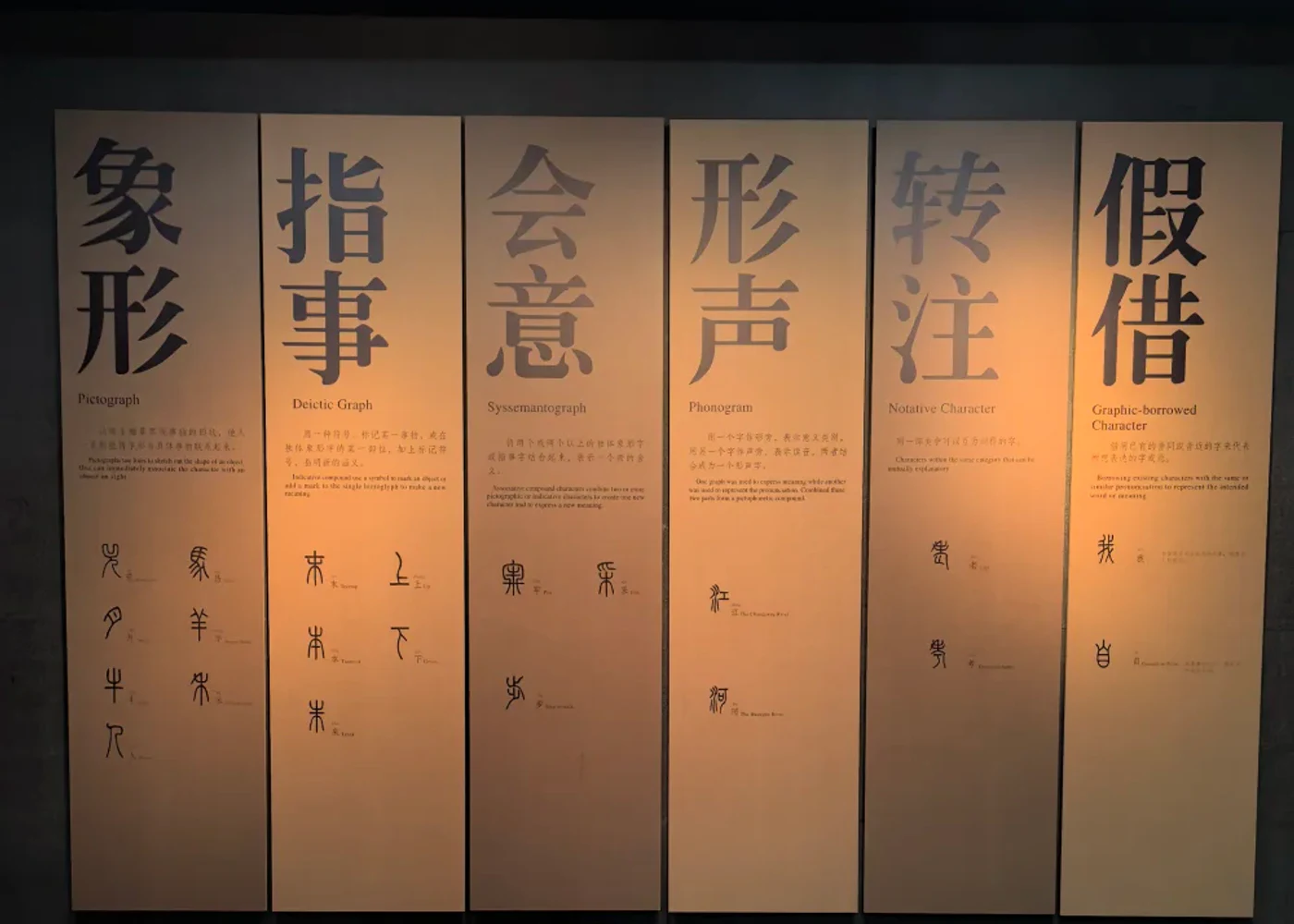
The museum panels make a more useful point than another mystical character anecdote: Chinese writing contains several formation logics. A visible resemblance explains only part of the system. Sound clues, semantic components, historical borrowing and convention do far more everyday work than the internet's favorite picture puzzles admit.
Mandarin verbs do not conjugate for person in the way many European languages do. Nouns lack grammatical gender, and plural marking is limited. These features feel merciful.
Then come aspect particles, measure words, topic-comment structures, result complements and sentences whose omitted subject is obvious to everyone except the learner.
Chinese grammar depends heavily on word order and context. Time may be established once and then carried across several clauses. A small particle can change completion, experience, mood or expectation. Translation word by word often produces a sentence that is technically assembled and socially lost.
The lesson is pleasant: grammar is not only rules. It is what a community expects a sentence to make visible.
Numbers and demonstratives commonly appear with measure words or classifiers: a person, a book, a sheet, a cup, a matter. Some classify shape or function; others are conventional companions learned through use.
The general measure word ge can rescue a learner often, but overusing it flattens expression. More specific classifiers reveal how language groups the world.
They also reveal that categorization is not objective destiny. The same object may take different measure words depending on what the speaker notices about it.
Chinese family names normally come before given names in Chinese order. A person named Wang Xiaoming belongs to the Wang family and has the given name Xiaoming. Overseas, individuals may reverse the order, adopt an English name or maintain several forms for different settings.
Do not assume which part is the surname from length alone. Ask.
Forms of address carry relationship. Family terms may extend beyond literal kin. Professional titles, elder-younger language and affectionate nicknames position people socially. Calling someone by a full name can feel neutral, formal, intimate or alarming depending on context and tone.
Language is not a label attached to a relationship. It helps make the relationship.
Chinese is rich in compact idioms, classical allusions, parallel phrases and poetic references. Four-character expressions are especially visible in writing and public speech.
Their compactness tempts translation into motivational wisdom. Context disappears, certainty grows and Confucius receives another quotation he never said.
A responsible translation names the source when known and explains the situation in which a phrase works. Literal meaning, historical allusion and modern use may differ.
Poetry creates another challenge. Sound, rhythm, grammar, image and ambiguity cannot all cross languages unchanged. Multiple translations are not evidence that one translator failed. They show the choices hidden inside understanding.
The page also records afterlives. Text, brush movement and red seals do not belong to one instant: later owners and viewers physically entered the object's history. Reading can leave a visible social record around writing.
Migration changes language through school, work, intermarriage, discrimination, media and the need to speak with several generations at once.
A family may use Cantonese with grandparents, English among siblings and Mandarin at weekend school. A restaurant name may preserve an older romanization. A child may understand a home language but answer in the national language of the country where they live.
Heritage-language loss can carry grief, but shame is a poor teacher. Relearning begins more effectively with purpose: a family recipe, a song, a voice message, the correct pronunciation of a name.
Diaspora Chinese is not broken Chinese. It records where people traveled and what they needed to become understood.
Translation does more than replace words. It decides how much context a reader receives, whether a title sounds familiar or strange, and which ambiguity survives.
Should li be translated as ritual, propriety, rites or appropriate conduct? Each choice illuminates something and hides something. Should dao become way, path or remain Dao? Sometimes keeping the Chinese term protects complexity; sometimes it merely makes ordinary language look mysterious.
East Moment uses pinyin and Chinese characters when they help readers identify a term, then explains it in direct English. Foreignness should not be used as artificial depth.
Even before translation begins, handwriting asks for judgment: where one stroke ends, which form is conventional and whether visual rhythm belongs to meaning or presentation. The broader Chinese symbols guide is useful precisely because it separates readable writing from motifs that carry other visual histories.
The first goal is not to sound impressive. It is to make one exchange slightly more accurate and generous than it was yesterday.
If your next task is an AP cultural presentation or a close reading of how address, register and translation create a social scene, continue to Chinese Language and Culture AP. This page owns the language system; that page owns the evidence method for interpreting culture through language.
Chinese characters are beautiful, but Chinese language does not live only on paper. It lives in interruptions, regional jokes, a parent's chosen nickname, a market price called too quickly and the silence before someone finds a kinder sentence.
The Language and Texts hub will expand into characters, poetry, classical texts, names, idioms, translation and the languages of Chinese communities worldwide. The purpose is not to turn culture into vocabulary cards. It is to let words keep the people who use them visible.
One useful question
Which Chinese word, name, tone or form of address changed meaning when the relationship or region changed?
Loading the conversation…
Reader-built field guide
Record one Chinese expression with its speaker, listener, variety and the meaning a dictionary misses.
What this builds: Return after another speaker adds a regional pronunciation, relationship or correction that changes how your phrase should be heard.
These sources verify institutional records, protected traditions and claims that benefit from direct evidence. They support the story; they do not replace Lijun's judgment.