Seven regional routes that explain more than a prestige ranking
The checkpoints are recurring forces, not stereotypes. Every route contains internal disagreement and movement.
| Regional route | Forces to follow | Stereotype to reject |
|---|---|---|
| Sichuan and Chongqing | Named compound flavors, preservation, basin ecology, chili and peppercorn, street and restaurant systems. | Every dish is numbingly hot or Chengdu and Chongqing are one table. |
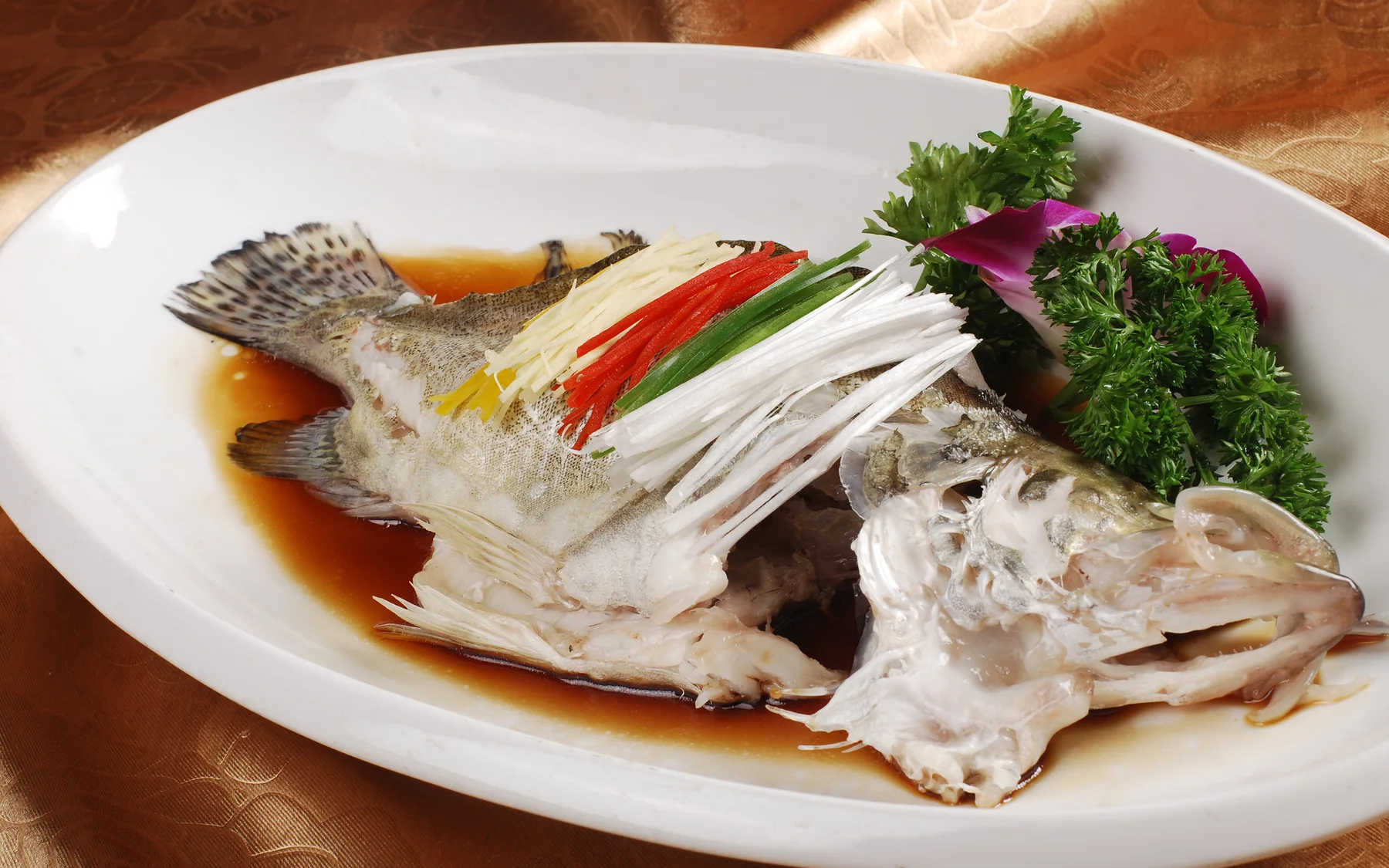
| Cantonese, Hong Kong and Chaoshan | Ingredient condition, steaming, roasting, dim sum, port movement and separate Chaoshan technique. | Light means bland, or every southern Chinese dish is Cantonese. |
| Jiangnan | Lower-Yangtze water, rice, wheat, freshwater produce, season and distinct Shanghai, Jiangsu and Zhejiang cities. | All dishes are sweet, delicate and interchangeable. |
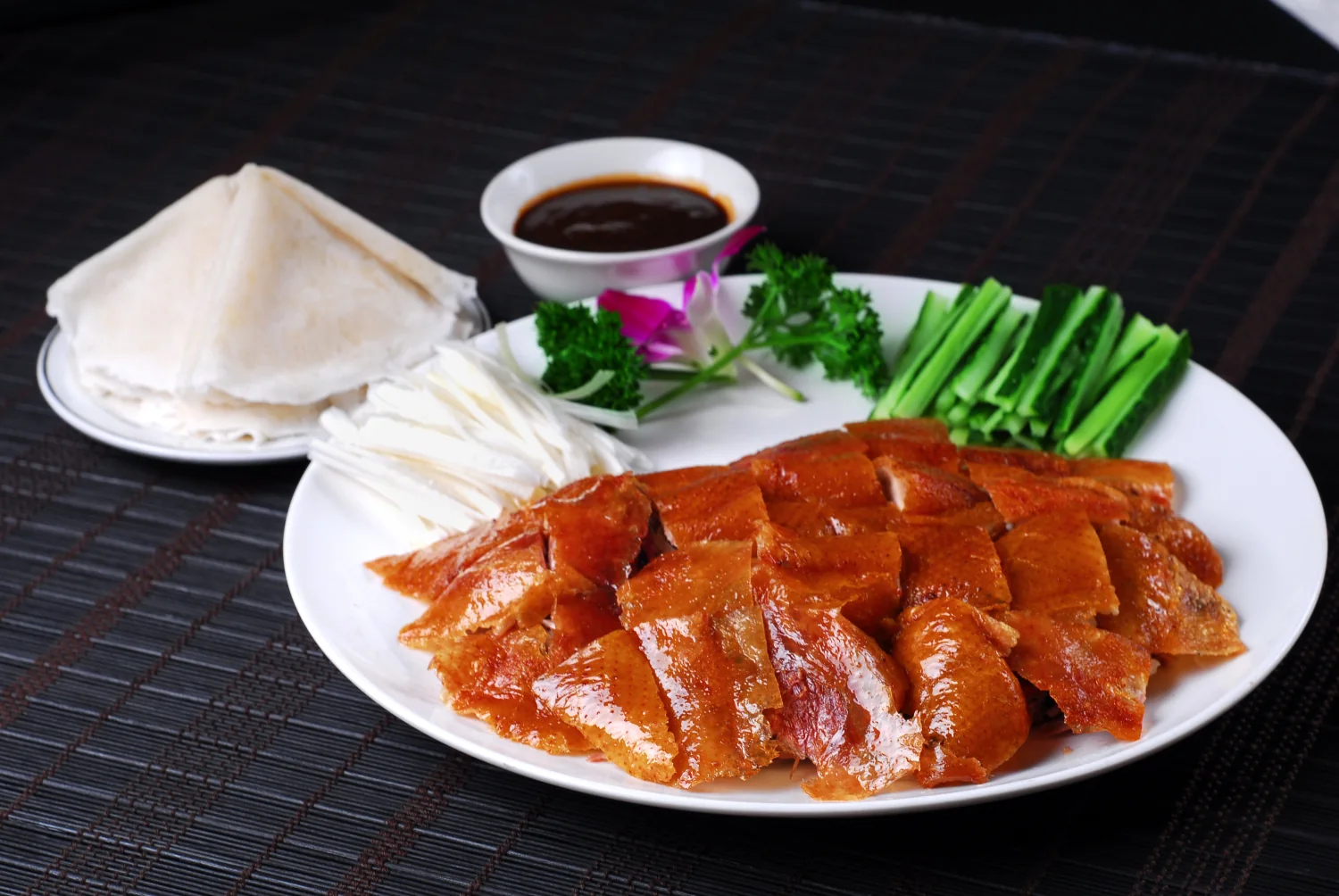
| Beijing and northern China | Dryland grain, winter, court and migrant capital tables, Shandong technique and Muslim foodways. | Northern food is only dumplings, noodles and heavy salt. |
| Northwest and Hui foodways | Wheat, lamb and beef, pastoral exchange, Silk Road histories, qingzhen trust and named communities. | A generic Silk Road story can replace religious and local identity. |
| Fujian and the coast | Mountain-sea ingredients, soups, fermentation, ports and migration toward Southeast Asia. | One banquet dish or one overseas noodle represents the province. |
| Yunnan and southwest | Altitude, biodiversity, mushrooms, herbs, rice and the knowledge of named ethnic communities. | Minority food is exotic scenery available without attribution. |
A canonical list is a historical selection, not the border of Chinese taste
The Eight Great Cuisines usually name Shandong, Sichuan, Cantonese, Jiangsu, Fujian, Zhejiang, Hunan and Anhui traditions. The framework helps readers recognize influential restaurant and elite classifications, and it reflects real bodies of technique. The trouble begins when a list created through particular historical and institutional processes is presented as a complete natural map. Beijing, Shanghai, northeastern China, Xinjiang, Yunnan, Guizhou, Hui foodways and countless city systems then appear secondary or disappear.
Keep the eight as one shelf in the library. Beside it place climate, staple crops, water systems, religious practice, migration routes, urban labor and household preservation. The map immediately becomes more accurate. It also becomes more human: food regions are not colored blocks; they are arguments carried by cooks, markets and families.
Rice north, wheat south is a classroom shortcut that breaks at the first real city
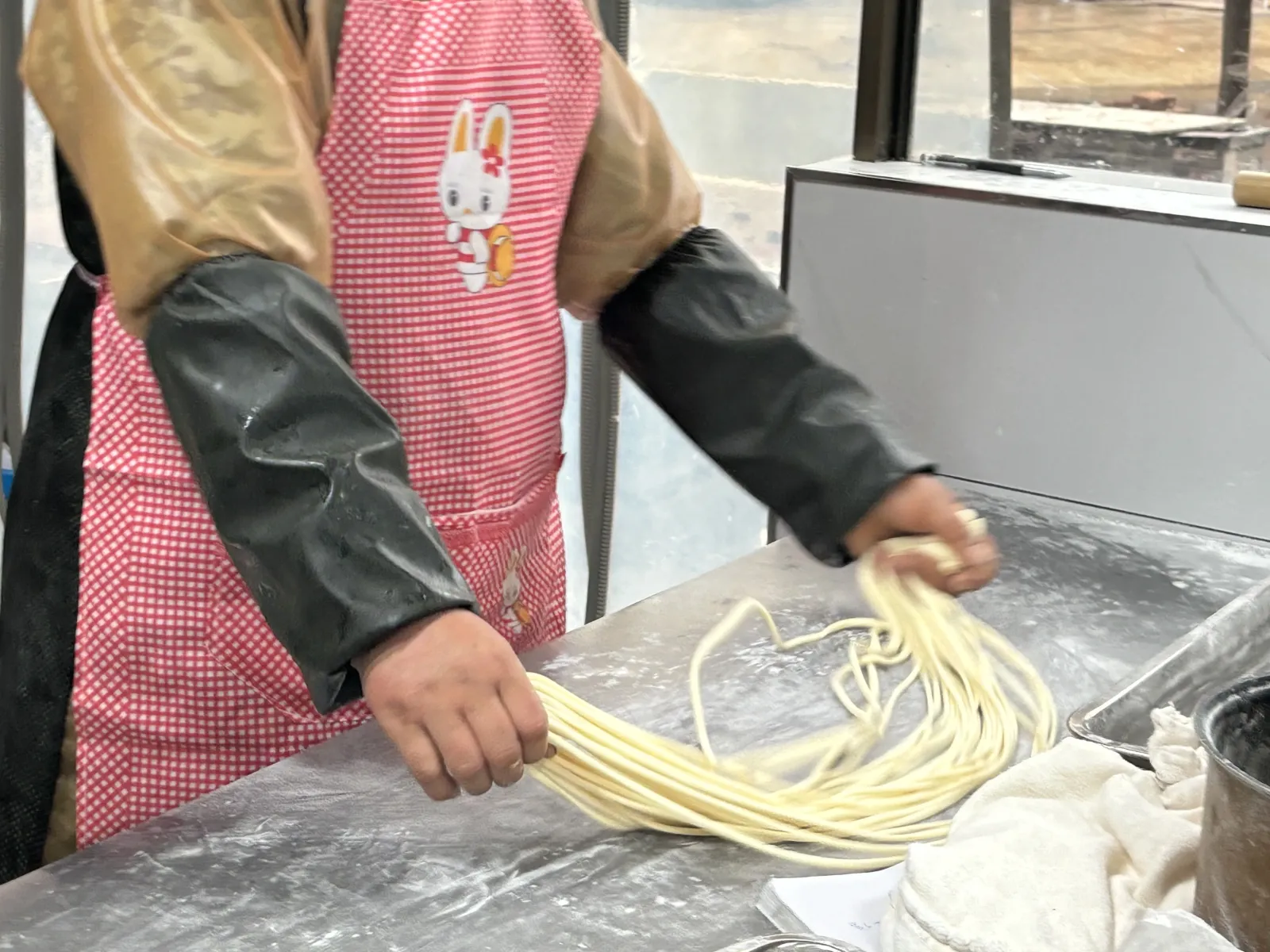
Climate and agriculture created broad differences in staple grains, but no clean line divides bowls. Northern and northwest regions hold deep wheat traditions—noodles, breads, buns and dumplings—while rice dominates many southern systems. Yet Jiangnan cities eat both rice and refined wheat foods; rice noodles thrive in multiple southern and southwest forms; migration places Lanzhou noodles in coastal cities and Cantonese rice rolls far beyond Guangdong.
Ask which grain, which form and who made it local. A staple enters breakfast, ritual, labor and class differently. The map should show fields and milling, then follow the restaurant worker and family cook who moved the food. Geography explains possibility; people explain the menu in front of us.
Humidity, winter and distance remain visible in smoke, pickle, salt and fermentation
Hunan smoked meat, Sichuan pickles, Cantonese dried seafood, northeastern sour cabbage, Yunnan cured products and coastal ferments answer different ingredients and environments. Refrigeration changed necessity but did not erase appetite or memory. Preserved food can bring a rural season into an urban apartment and connect migrant families to trusted hometown suppliers.
Do not turn preservation into vague ancient wisdom. Salt, moisture, microbial control, storage and cooking matter. A dark color or strong smell does not prove artisanal safety. Name the product, region, maker and handling when known. The emotional truth of a family jar is powerful precisely because the factual boundary remains clear.
Chili arrived from abroad and became fiercely local
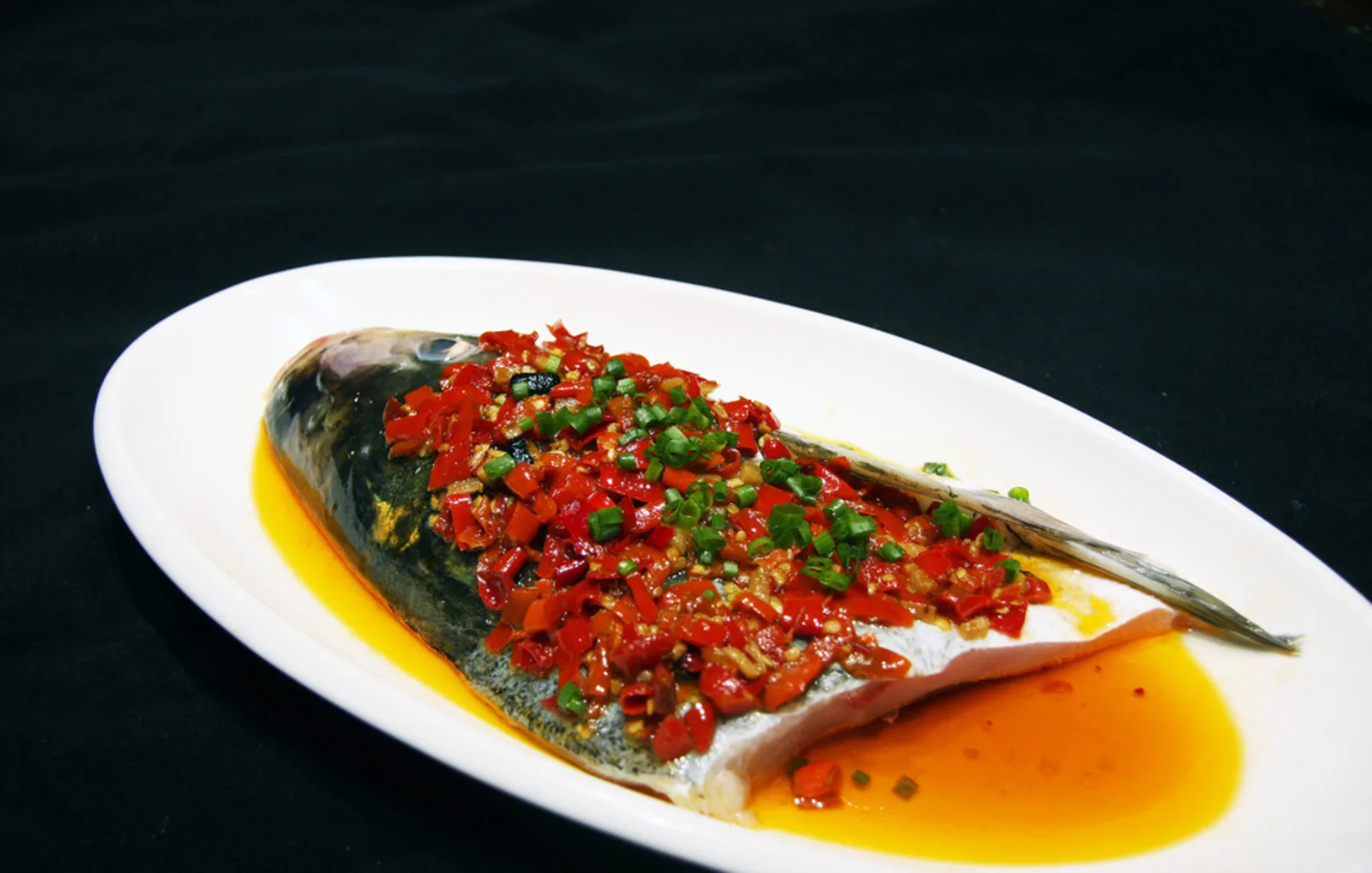
Chili is not ancient to China, yet Sichuan, Chongqing, Hunan, Guizhou and other regions transformed it into identities no one experiences as borrowed decoration. Sichuan often pairs chili with peppercorn and named flavor profiles; Hunan emphasizes fresh chili, smoke and sour preservation; Guizhou builds fermented and sour-hot systems of its own. Similar ingredients do not erase difference.
The lesson is larger than spice. Authenticity is not a frozen inventory from one dynasty. A region absorbs crops, technology and migrants, then develops techniques and memories around them. The honest page dates the movement and respects the local system that followed. It does not call every change foreign corruption or every popular dish timeless tradition.
Regional cuisine does not stop at the coastline
Guangzhou, Chaozhou, Xiamen, Quanzhou, Shanghai and Hong Kong were shaped by trade, migration and changing access to ingredients. Overseas Chinese communities carried techniques outward and sent tastes, money and expectations back. Soy sauces, canned goods, bakery forms, cafe dishes and restaurant institutions record these exchanges. A province-only map misses the routes that made the province legible abroad.
Diaspora food is not a failed copy waiting to return home. It is regional history continuing under new law, labor and appetite. Name the city and community where a form developed. Then link it to ancestral routes without claiming the relationship is unchanged. This gives overseas readers a place in the story instead of using them only as evidence of Chinese influence.
A province may supply the vocabulary, but the city changes the sentence
Chengdu teahouse snacks, Chongqing hot pot, Guangzhou yum cha, Hong Kong cha chaan teng, Shanghai benbang dishes, Xi'an Muslim Quarter food and Changsha night markets have specific service rhythms and urban identities. City pages can connect a dish to transport, neighborhood, film, music and manufacturing in ways a provincial cuisine label cannot. That is why East Moment treats cities as relationship hubs rather than footnotes.
The city lens also prevents romantic rural generalization. Supply chains, rents, delivery platforms, tourism and social media change what survives and what becomes famous. A queue may show demand while hiding local indifference; a heritage sign may preserve a name while the technique weakens. We record the friction instead of calling every old-looking storefront timeless.
Choose one market, one breakfast and one family-style meal
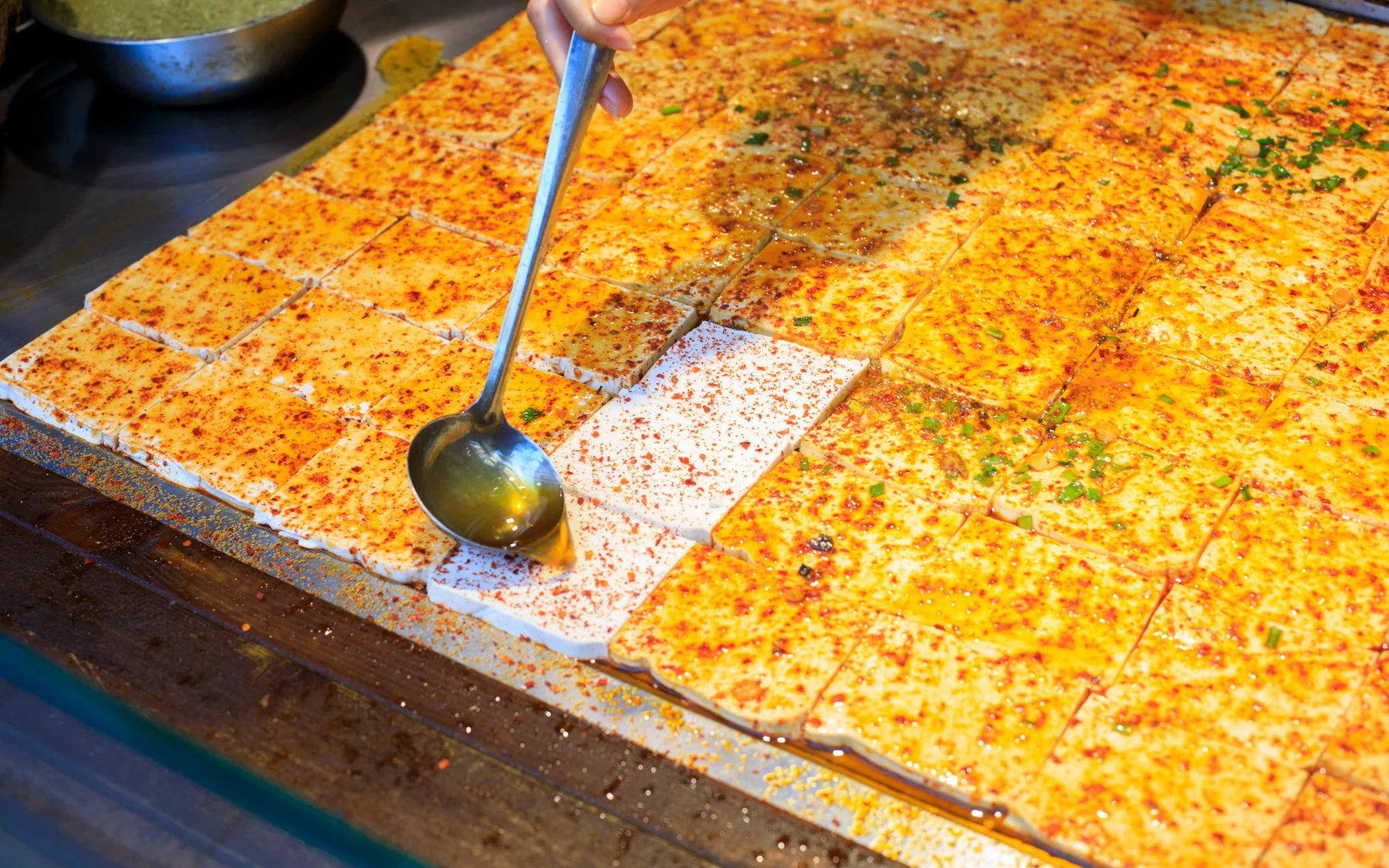
A traveler learns little by chasing only famous banquet dishes. Visit a market to see ingredients and season, eat breakfast where the city is moving, and share a meal where dishes can interact. Add one specialist shop—a roast counter, noodle maker, dim sum room, tofu stall or tea house—whose craft is visible. This route creates four kinds of evidence without turning the day into a checklist.
Ask before photographing people or workspaces. Record Chinese names, neighborhood, price, portion, cooking method and what locals actually order. Leave room for disappointment. A famous dish can be poorly made; an unknown bowl can become the memory that survives. My regional rule is blunt: the itinerary should follow living appetite, not a ranking written before arrival.
The best regional map keeps borders porous and claims precise
Every regional label should declare its scope and its limits. Sichuan is not Chongqing; Chaoshan is not simply Guangzhou; Jiangnan crosses administrative boundaries; Hui foodways cannot be reduced to northwest geography; Yunnan's ethnic food knowledge must be attributed to named communities. Precision does not fragment China. It reveals the connections that a national summary hides.
Use this page as a departure board. Choose the ecology or city that answers your curiosity, then move to a focused guide. Return when another dish crosses the boundary. Chinese cuisine is not difficult because it lacks categories; it is difficult because the food is more alive than the categories. That is exactly why the map is worth rebuilding.
Ethnic-minority food knowledge must not become anonymous regional color
Yunnan, Guizhou, Xinjiang, Inner Mongolia, Guangxi and other regions contain the food knowledge of many named peoples. Ingredients, fermentation, ritual and land management cannot be lifted into a generic exotic southwest or frontier table. Identify the community, location and source when the evidence allows. If it does not, narrow the claim instead of inventing intimacy.
Tourism often rewards the most colorful costume and dramatic dish while hiding labor, land rights and ordinary home food. East Moment should photograph and write with consent, attribution and context. Admiration without authorship is extraction. A regional map becomes more accurate when the people who maintain the knowledge remain visible.
Environment explains constraints, but cooks create choices
Cold winters encourage storage; humid climates shape drying and fermentation; rivers supply aquatic foods; highlands create different crops and trade limits. These forces matter, but they do not mechanically generate a cuisine. Technology, policy, wealth, religion, markets and personal preference mediate every ingredient. Two neighboring communities can respond to the same landscape differently.
Use ecology to ask better questions, not to write deterministic captions. Which crop was available, who controlled it, how was it preserved, and what changed after roads or refrigeration arrived? The answer restores history and agency. Landscape provides conditions; people make flavor.
Travel across three pages: region, city, then one dish
Start with a regional collection to understand broad forces. Move to a city page where market, migration and daily rhythm become specific. Finish with one dish guide that explains material and technique. Then travel backward through the links: how does the dish complicate the city, and how does the city challenge the regional label? This loop creates understanding instead of accumulating facts.
Do not open twenty tabs and call it depth. Follow one claim until the ingredient, place and person align. Our internal links should make that movement irresistible. The website earns return visits when each page closes one question and opens the next with purpose.
That route also protects search intent. The collection owns the map, the city owns lived place and the dish owns material technique; none must repeat the others to appear comprehensive.