Read Sichuan and Chongqing food through flavor systems
Named systems explain more than a one-to-five spice scale.
| System | What creates it | What it is not |
|---|---|---|
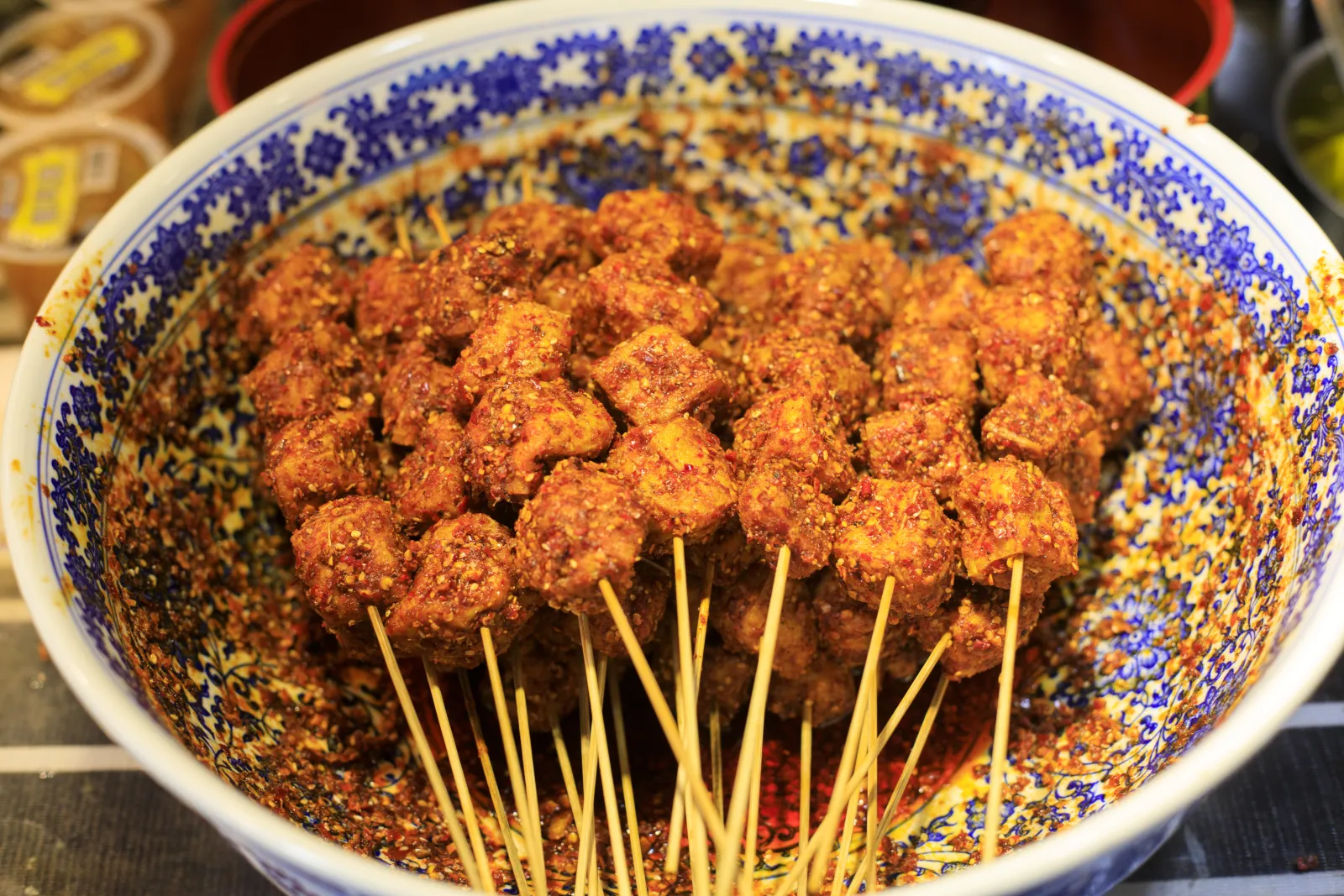
| Mala | Chili heat and Sichuan pepper numbing are balanced with salt, aroma and the main ingredient. | The hottest possible dish or one universal ratio. |
| Yuxiang | Pickled chili, aromatics, vinegar, sugar and savory seasoning create fish-fragrant structure without fish. | A sweet bottled sauce or seafood flavor. |
| Guaiwei | Sweet, sour, salty, spicy, numbing and aromatic notes coexist in deliberate tension. | Random complexity or proof that every note must be equally loud. |
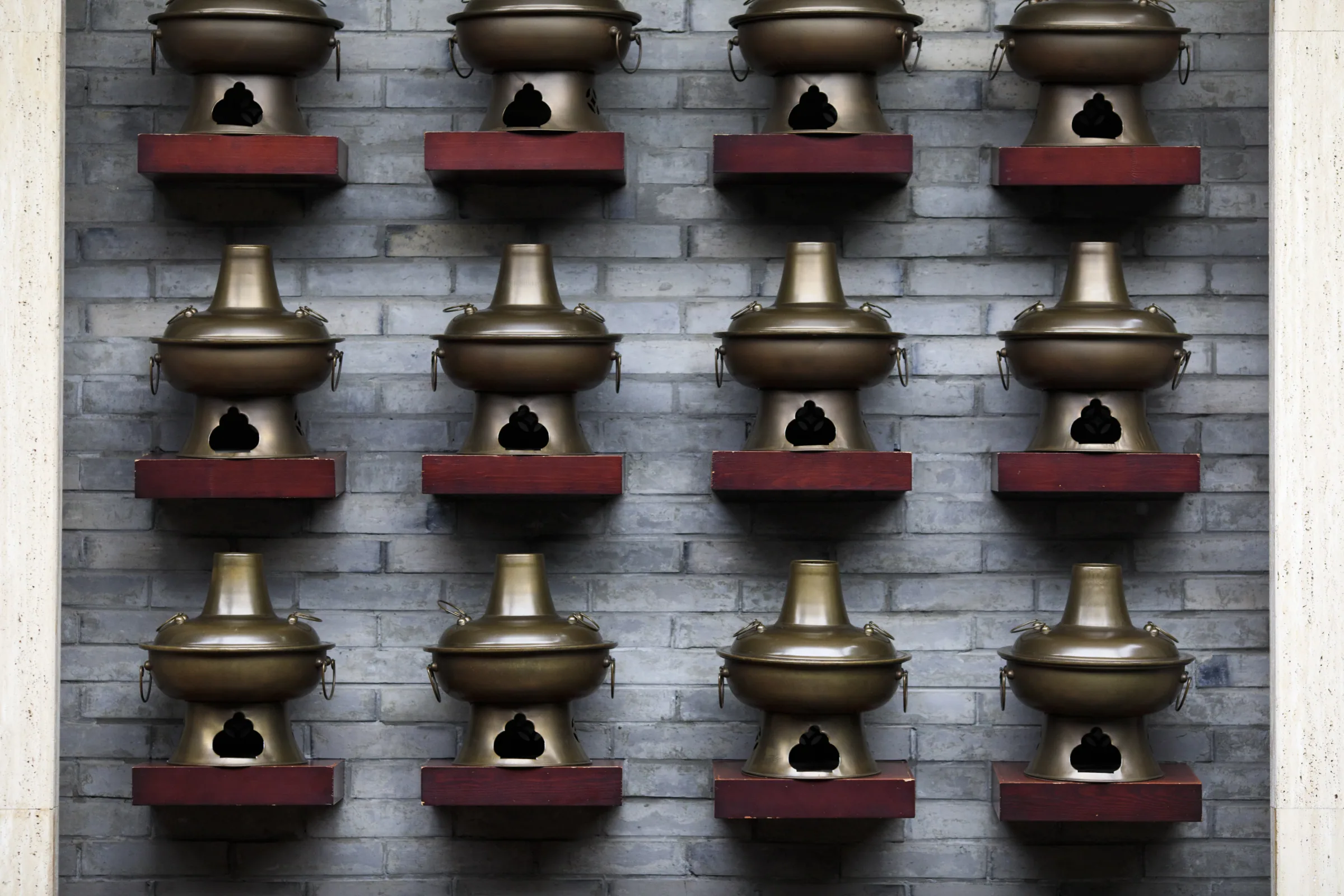
| Chongqing hot pot | Rendered fat or oil, dried chili, peppercorn, aromatics and communal cooking create a specific urban system. | Every red broth is Chongqing style or every diner wants maximum heat. |
Sichuan cuisine is plural at the level of the sauce
Classical descriptions emphasize many flavor types because the cuisine combines a relatively stable pantry in different proportions and sequences. Garlic sauce, sesame paste, fermented bean paste, pickled chili and clear broth can lead to dishes with no resemblance to a red-oil stereotype. A visitor who orders only mala dishes has not sampled the cuisine; they have repeated one setting.
UNESCO identifies Chengdu as a major center of gastronomy and emphasizes the variety created from sweet, sour, bitter, spicy and salty. That official framing supports diversity, not the internet shorthand that Sichuan food equals chili challenge.
Numbing should carry citrus, wood and lift—not stale dust
Sichuan pepper is not a pepper in the black-pepper sense. Different red and green forms can bring floral, citrus, resinous and numbing qualities. Freshness matters because aromatic oils fade. Toasting can wake aroma but burns quickly; grinding too far in advance wastes the very character the ingredient is meant to contribute.
Photograph husk condition and color, then smell before cooking. The visual cannot prove origin or absence of adulteration, but it can expose excessive seeds, dust and age. Buy small quantities and protect them from air and light. Prestige place names mean little when the bag smells silent.
Fermented broad-bean paste is a base note, not red food coloring
Pixian-style doubanjiang contributes salt, chili, fermented beans and deep savor. It is fried in oil to release color and aroma in many dishes, but burning makes bitterness. Different products vary in age, salt, texture and added ingredients. A recipe must name the style or provide adjustment cues.
I judge the paste by what it builds behind the dish. If every bite tastes only of salty paste, the cook has used a famous ingredient without understanding proportion. Fermentation should create depth that supports the main material.
Neighboring cities share a conversation without becoming one cuisine page
Chengdu’s snack culture, teahouse pace and broad restaurant ecology produce one rhythm. Chongqing’s steep urban geography, xiaomian, jiugongge hot pot and direct heat produce another public personality. The border is porous; people, dishes and businesses move. Still, naming the city changes what details the reader should look for.
East Moment keeps the friction. Chengdu can feel layered and leisurely without being mild. Chongqing can feel forceful without being crude. Stereotypes become useful only when the page tests them against actual dishes, streets and techniques.
Build contrast into the table before the first red dish arrives
Order one numbing-hot dish, one non-spicy or gently seasoned vegetable, one textural cold dish, a starch and a clear or sour element. Ask for spice level, but understand that reducing chili can also change balance. Do not demand that a specialist dish become flavorless; choose another dish designed around a different system.
My table rule is firm: heat must not bully every guest. A shared meal becomes better when intensity has somewhere to land and the next bite can reset the mouth. Variety is not compromise; it is the cuisine showing its full intelligence.
The best Sichuan dish makes one ingredient more itself
Mapo tofu should reveal tender tofu inside a fermented, numbing sauce. Kung pao chicken should preserve chicken texture, toasted nuts and a sharp sweet-sour line. Boiled fish in chili should remain fish, not become a spoon for oil. This is the test beneath the vocabulary.
I am partisan here: a dish that destroys its main ingredient for spectacle is bad cooking, however famous the restaurant or red the photograph. Sichuan food deserves defense from the caricature because its real power is precision under pressure.
Tea, soup, vegetables and mild dishes belong beside the red oil
Chengdu life includes teahouses, sweet or savory snacks, steamed dishes, clear preparations and seasonal vegetables. Banquet and household repertoires cannot be reconstructed from the dishes that travel best on social media. The camera favors gloss, chili and dramatic steam; ordinary balance often sits outside the frame.
This matters to cultural accuracy and to the diner. Someone who dislikes numbing heat can still encounter real Sichuan technique rather than asking every signature dish to become unrecognizable. Choose from the cuisine’s range instead of treating reduced spice as the only form of hospitality.
Spice tolerance is personal, and pain is not cultural competence
Capsaicin intensity, Sichuan pepper numbing, alcohol and oily richness affect people differently. Ask for a lower level, stop when the body says stop and never pressure a guest to prove respect. Repeated exposure may change tolerance, but the page should not turn discomfort into a contest.
I say this sharply because challenge culture cheapens the cuisine. The point is to perceive layers, not to lose sensation. A cook who calibrates heat so the table can still taste has shown more skill than a performer chasing tears.
Reduce batch size before blaming the burner
Restaurant wok stations recover heat quickly; home stoves often do not. Cook protein and vegetables separately, prepare sauce before heating and return everything for a short final toss. This preserves surface texture without requiring fire to climb the wall.
Use a smaller pan load and fresh ground peppercorn near the end when aroma matters. The home version need not imitate restaurant spectacle. It should preserve the flavor relationship and teach the cook what each stage contributes. Deliberate control always beats empty imitation.