A Sichuan cuisine guide should not begin by asking how much chili you can survive. It should ask what the next bite is supposed to do: numb, perfume, sour, ferment, cool, soften, crunch, wake the appetite or give the table a reason to stay longer.
I have eaten enough Sichuan food to reject the international shortcut that turns the cuisine into a heat challenge. Chili matters. Sichuan pepper matters. But the cuisine's real intelligence is its ability to build contrast from a deep pantry. A good meal can move from fermented depth to clear broth, from crisp cucumber to tender tofu, from a small noodle bowl to a table of shared dishes without losing its regional accent.
Sichuan cuisine guide: start with flavor relationships
The word mala combines ma, the tingling sensation associated with Sichuan pepper, and la, chili heat. They are partners, not synonyms. A cook may emphasize one, both or neither. Green peppercorns can bring a fresh citrus-like fragrance; dried chilies bring aroma and heat; fermented broad-bean paste adds savory depth; vinegar and sugar reshape the finish.
| Flavor family | Common tools | What to notice |
|---|---|---|
| Mala | Sichuan pepper, dried or fresh chili, chili oil | Tingling, heat, aroma and the length of the finish |
| Fish-fragrant | Pickled chili, garlic, ginger, scallion, sugar and vinegar | A layered sweet-sour-savory structure; no fish is required |
| Strange-flavor | Sesame, chili, sugar, vinegar, garlic and soy | Sweet, savory, sour and spicy notes arriving in tension |
| Garlic and fermented | Garlic, broad-bean paste, soy, preserved vegetables | Depth that can survive without maximum chili |
| Pickled and sour | Pickled chilies, mustard greens, sour vegetables and vinegar | Appetite, brightness and relief from rich dishes |
| Clear and gentle | Stock, fresh vegetables, tofu, eggs and restrained seasoning | Texture, freshness and the meal's recovery rhythm |
The labels are teaching tools, not rigid boxes. Household cooks and restaurants combine them differently.
The diagram is useful because it stops “spicy” from becoming the only adjective. A dish can be hot but flat, or gentle but structurally complex. When I taste Sichuan food, I first ask what the seasoning is doing to the ingredient. Is it opening aroma, extending the finish, cutting richness, or making a soft texture feel more vivid?
Chengdu turns regional technique into small decisions
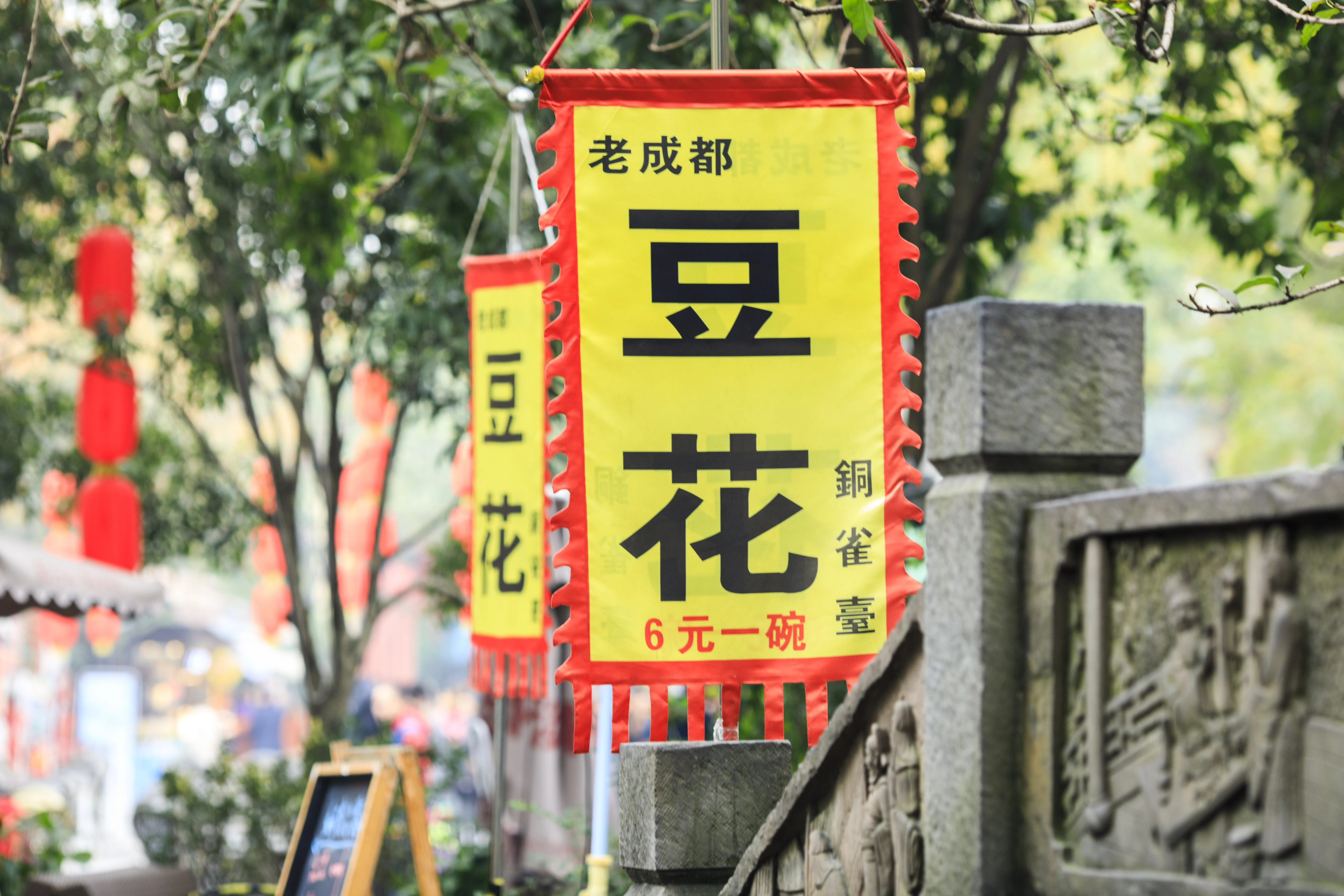
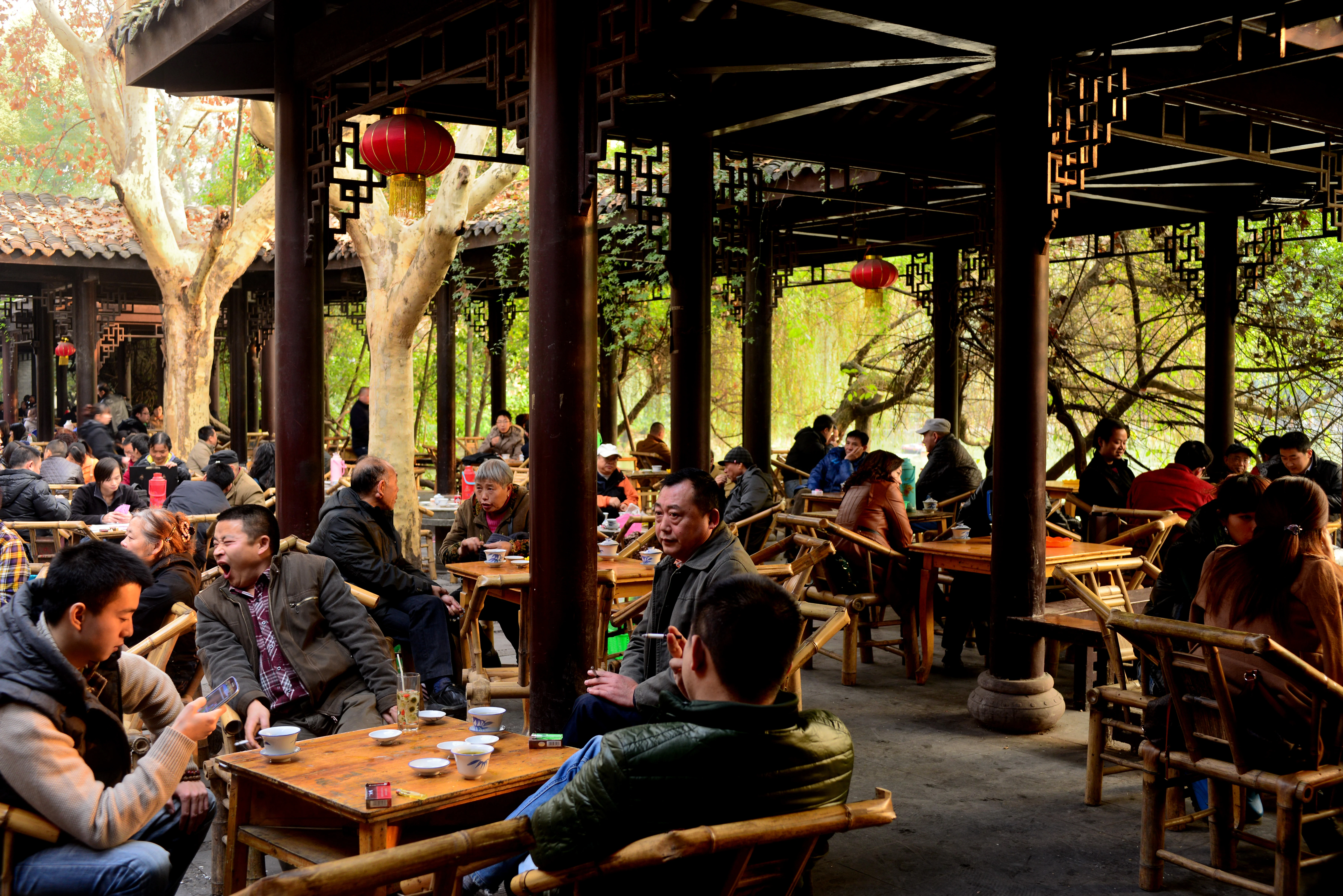
The Chengdu food guide owns the city's snack route: dan dan noodles, chaoshou, Zhong dumplings, sweet-water noodles, douhua, skewers and tea-house pauses. Chengdu's contribution is not that every famous Sichuan dish originated there. It is that the city gathers cooks, customers, markets, migrant tastes and restaurant formats into a dense eating culture. UNESCO's Chengdu Creative Cities profile is a useful institutional boundary for the city's gastronomy identity; it does not replace the taste and ordering decisions a visitor still has to make.
Small bowls make comparison possible. One noodle dish can reveal sauce proportion; a dumpling can reveal wrapper texture; douhua can show what happens when soft tofu meets pickles, garlic and chili. A visitor who orders six large spicy plates at once has lost the advantage of Sichuan's range.
My eating rule is the same one I use when editing a page: every section needs a new question. Pair hot, rich, crisp, soft, sour and clear. Stop before the table becomes one repeated flavor note.
Chongqing belongs in the comparison, not under the same label
The Chongqing food guide follows another city logic: mountain-city movement, small noodles, strong hot-pot identity and a sharper relationship between street food and urban geography. The two traditions overlap because people, ingredients and restaurant businesses move. They still produce different expectations.
| Tendency | Chengdu and wider Sichuan | Chongqing |
|---|---|---|
| International symbol | Snacks, mapo tofu, noodles, tea houses and Sichuan restaurant dishes | Red-broth hot pot, small noodles and mountain-city food |
| Meal formats | Small bowls, cooked dishes, shared meals and tea-table snacks | Hot pot, noodles, late-night street food and robust shared meals |
| Useful question | Which flavor family and texture should come next? | How does heat, broth and city terrain shape the table? |
| Boundary | Shops borrow freely across the region | Address alone cannot settle culinary identity |
Do not turn the comparison into a competition. The point is to stop a global menu from flattening both cities.
Sichuan dishes worth ordering by purpose
Mapo tofu needs rice and contrast
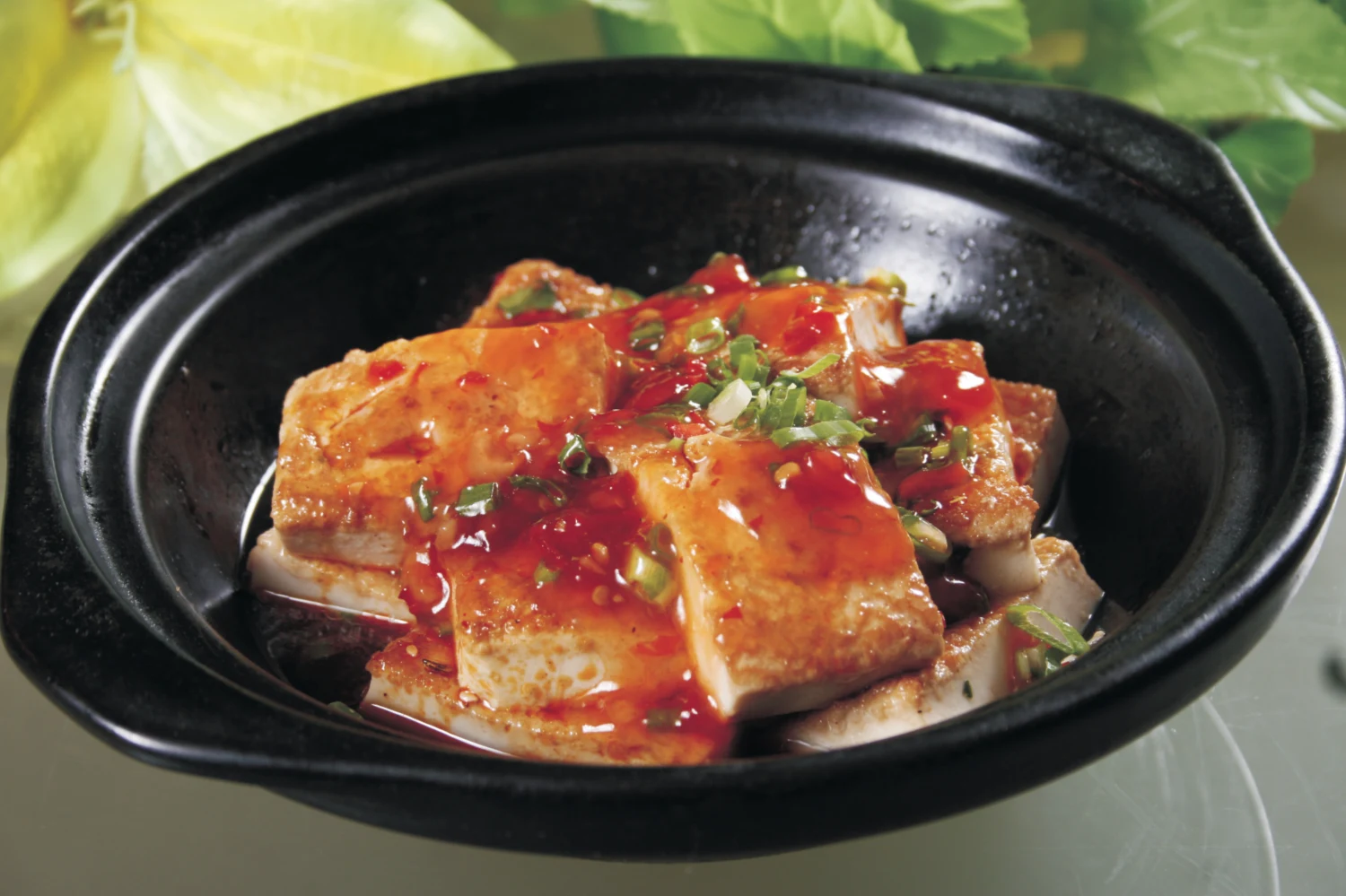
Mapo tofu succeeds through proportion. Tender tofu, fermented bean paste, minced meat, oil, chili and Sichuan pepper must support one another. Rice is not an emergency absorber; it is part of the architecture. Add a vegetable or clear soup so the table can read the dish instead of drowning in salt and oil.
Dan dan noodles are a sauce-and-texture test
Dan dan noodles vary by shop. Look for a concentrated sauce, preserved vegetable, minced topping, sesame or nutty aroma and noodles that remain distinct after mixing. A large soup bowl with one heavy peanut flavor may be enjoyable, but it is not the only model.
Fish-fragrant does not mean fish
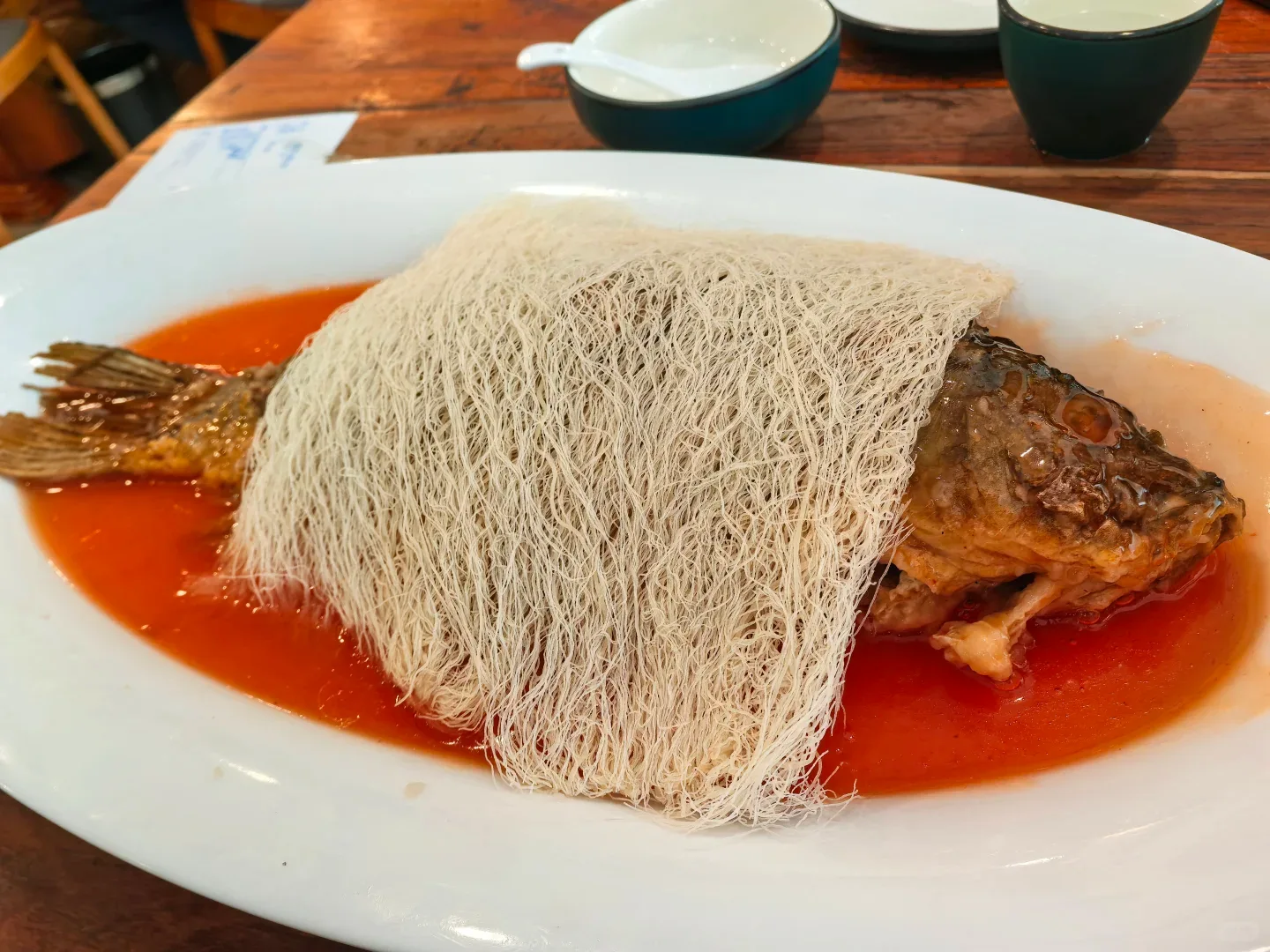
The “fish-fragrant” family uses a seasoning structure associated with fish dishes but does not require fish in the plate. Pickled chili, garlic, ginger, sugar, vinegar and soy create a sweet-sour-savory arc. The name is a translation problem, not a seafood guarantee.
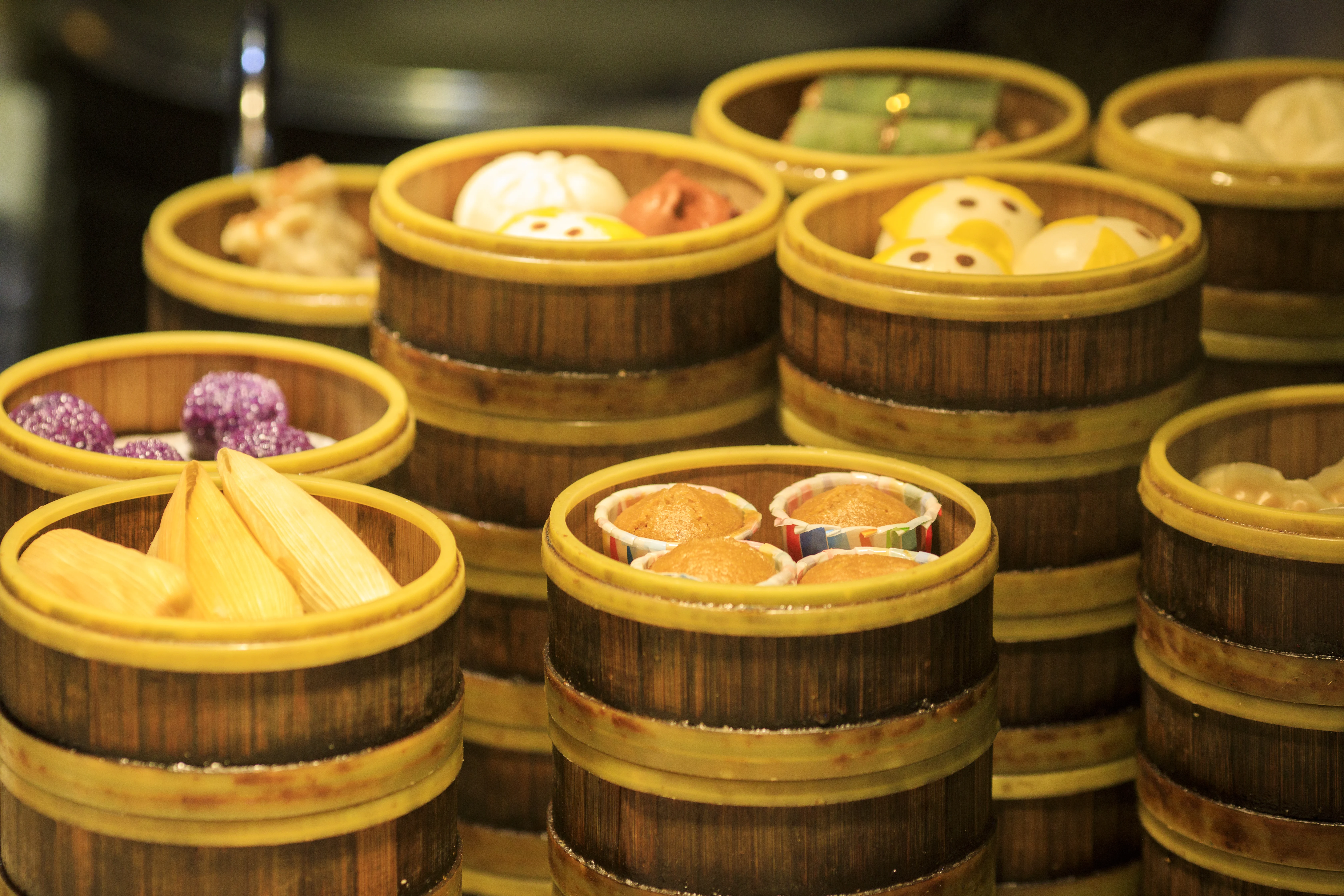
This is also why dish format matters. A noodle bowl gives the sauce a different job from a shared stir-fry. A cold dish carries aroma without the heat of a wok. Tofu exposes whether the seasoning has depth or is only loud. A visitor who understands format can order with curiosity instead of ordering every famous name at once.
Cold dishes protect the meal's rhythm
Cucumber, sliced meats, bean sprouts, tofu and other cold dishes can carry chili, sesame, vinegar and aromatics while changing temperature and texture. They are not filler before the hot dishes. They keep the meal from becoming a single steaming red sequence.
Hot pot is a table system
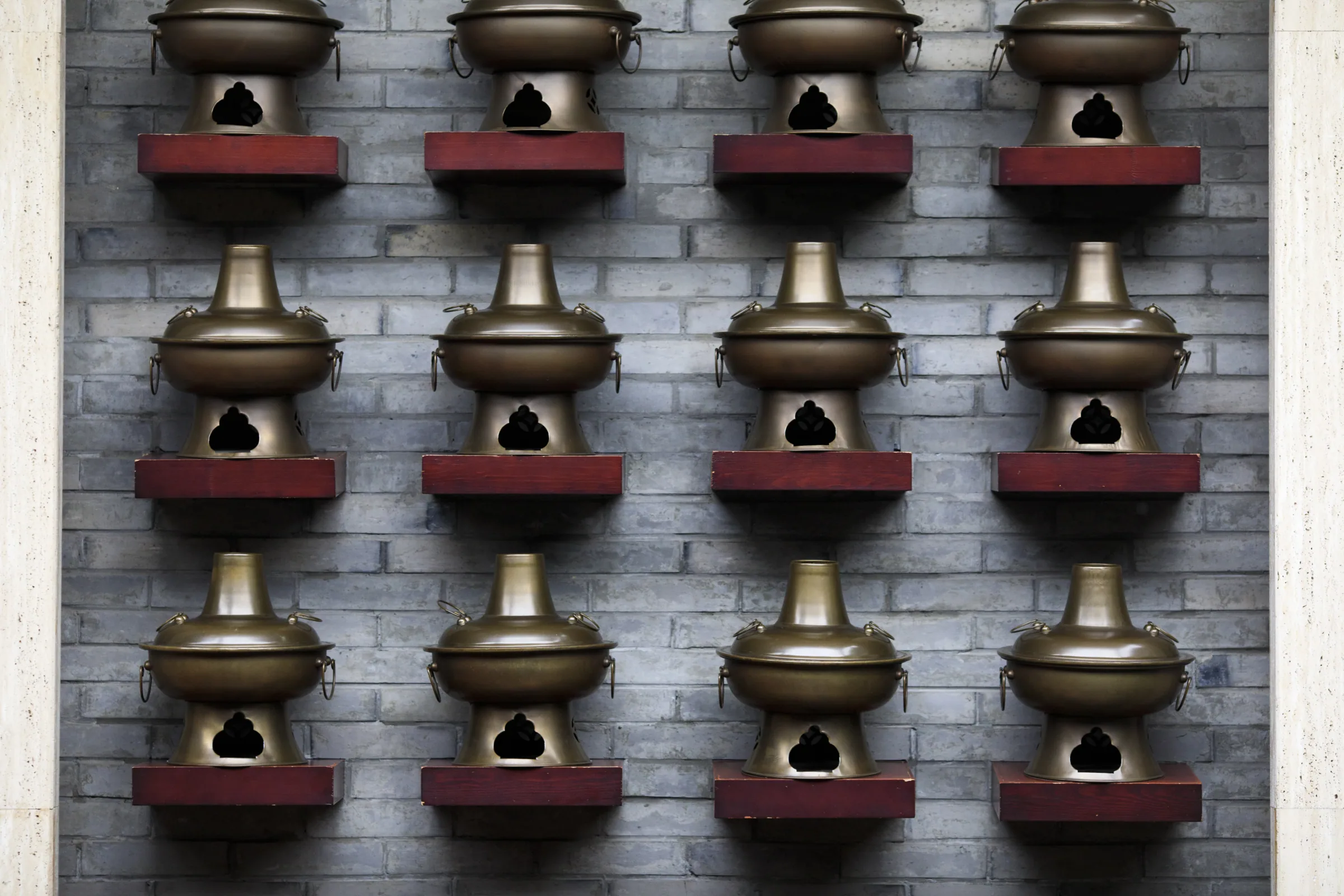
The Chinese hot pot guide compares regional broth systems. In Sichuan and Chongqing, offal, tofu, vegetables and quick-cooking cuts matter because the broth, timing, dipping sauce and conversation work together. Start with small batches. A crowded pot destroys texture and makes the shared meal harder to manage.
The hot-pot photograph at the top of the page is useful precisely because it is not a glamorous overhead table shot. Rows of pots show the practical side of the meal: heat is repeated, portions are controlled and the kitchen is built around keeping conversation moving. When I explain Sichuan hot pot to someone abroad, I start with this working rhythm before discussing how much chili they can tolerate.
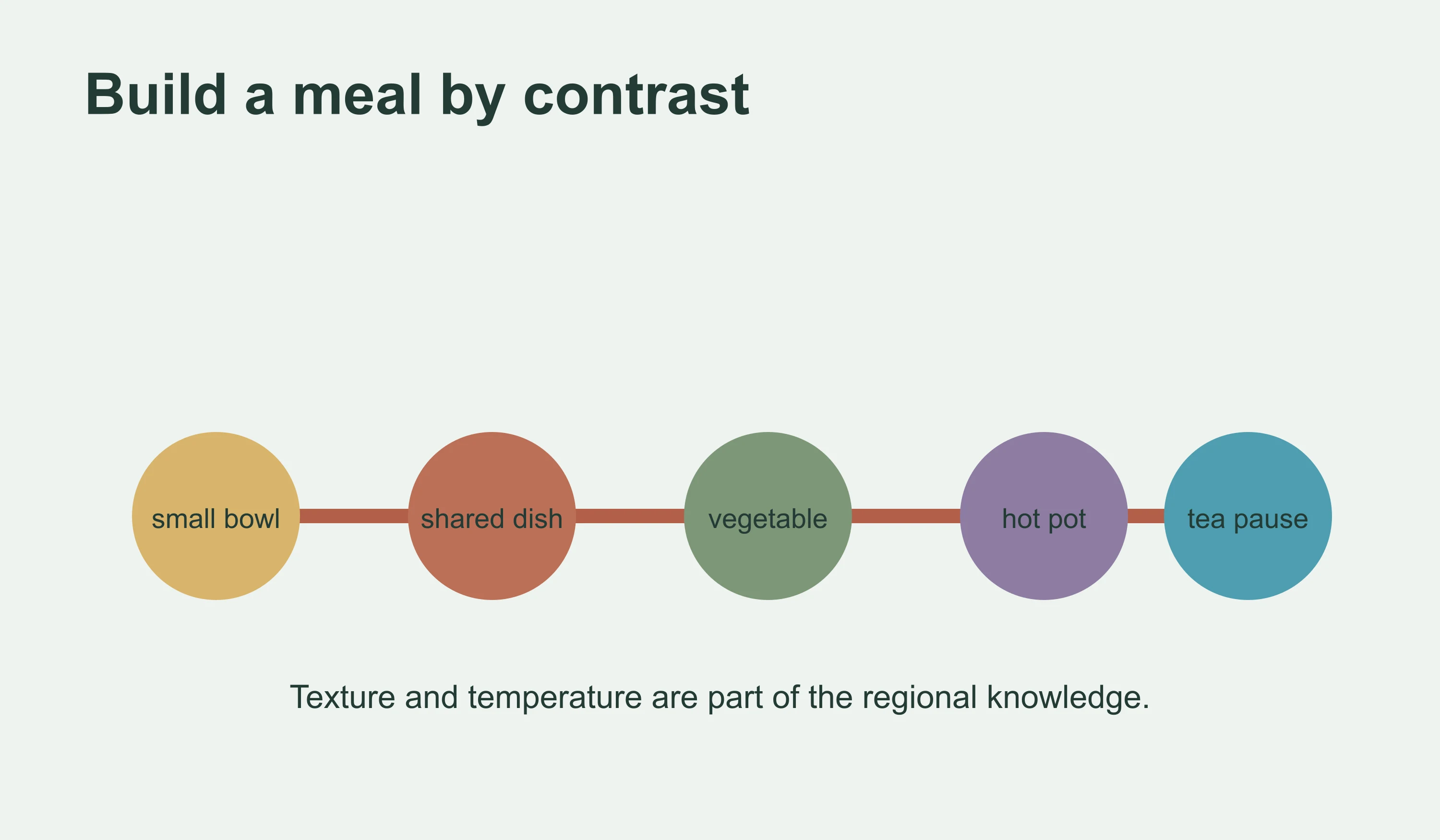
This first-party diagram makes the meal rhythm explicit without pretending one photograph can represent every Sichuan table. It explains sequence and contrast; it does not prove a fixed regional menu or restaurant practice.
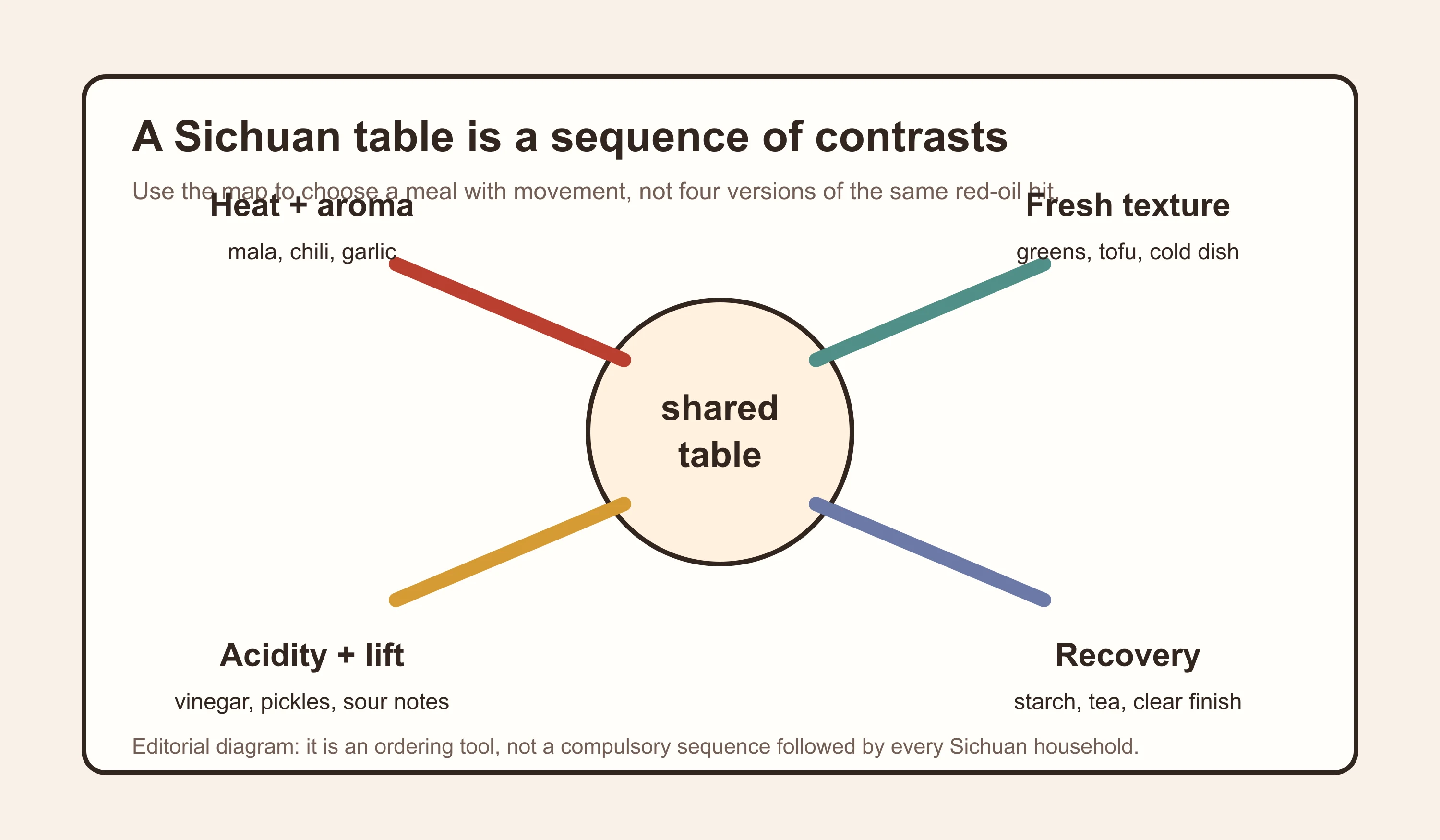
This second ordering diagram gives the reader a practical test: if every dish lands on the same red-oil axis, the meal has lost contrast. It is an editorial tool for planning a table, not a claim that every Sichuan family or restaurant follows one fixed sequence.
Southern and northern Sichuan deserve space
Sichuan food is often written as if Chengdu were the province. Southern cities such as Luzhou, Yibin and Zigong carry their own food memories, river economies and banquet patterns. Salt, preserved ingredients, river products and baijiu culture change the way a table is assembled.
Northern Sichuan and mountain areas introduce different ingredients, climates and cultural routes. The correct food guide does not force every dish into a Chengdu snack taxonomy. It asks which place, season, household and market made the dish legible.
This is also why Sichuan baijiu belongs in the cluster. Food and drink are not identical, but they meet in banquet order, toasting behavior, regional industry and the way a meal stretches beyond hunger. For the wider parent map, use the Sichuan and Chongqing regional cuisine hub; the hub gives the boundary, while this page argues for the flavor grammar inside it.
How to order without performing authenticity
- Order one dish that tests the flavor family you want to understand.
- Add one vegetable, tofu or cold dish for contrast.
- Choose a starch or rice before the table becomes too rich.
- Ask about both chili heat and numbing pepper.
- For hot pot, decide the broth and cooking rhythm before filling the table.
- Treat rabbit head, offal or fermented flavors as options, not entrance exams.
“Authentic” is often used to pressure diners into discomfort. That is bad hospitality. A visitor with allergies, dietary restrictions or low spice tolerance can still understand Sichuan cuisine by asking precise questions and choosing dishes whose structure remains visible.
What Sichuan food teaches an overseas reader
The cuisine corrects two common misunderstandings. First, regional food is not a list of dishes detached from geography. Second, intensity is not the same as heat. Fermentation, pickling, texture and shared ordering are forms of knowledge that survive even when a restaurant adapts ingredients abroad.
Overseas Sichuan restaurants also create their own histories. Local produce, regulations, labor and customer expectations change the table. That does not make the food fake. It makes comparison possible. Ask what has changed, what remains and what the restaurant is trying to preserve.
Build a Sichuan meal in a deliberate sequence
The easiest way to understand the cuisine is to stop treating ordering as a popularity contest. Begin with one dish that introduces a flavor family, then add a change in temperature or texture. A cold dish can reset the mouth before a hot stir-fry. Tofu can show whether a sauce has fermented depth. A noodle or rice dish gives the meal a stable base. A clear soup or tea can create a final pause instead of another hit of oil and chili.
For two people, I prefer one concentrated dish, one vegetable or tofu dish, one starch and one cooling or lightly seasoned component. For four or more, add a second protein only after the table has a clear contrast. This sounds obvious, but it prevents the common overseas mistake of ordering four versions of the same red-oil intensity and then deciding that Sichuan food has no range.
The sequence is not a ritual that every family must follow. It is a reading tool. It helps a first-time diner see how the cook has arranged appetite, texture and recovery.
Sichuan food outside Sichuan still deserves a fair reading
An overseas Sichuan restaurant works under different conditions: local chilies may replace Sichuan varieties, produce arrives through another supply chain, regulations change offal service, and diners may ask for less oil or less pepper. Those adjustments should be named rather than hidden behind an impossible authenticity claim.
I judge an adaptation by what it preserves. Does the dish still have contrast? Does the fermented element remain audible? Does the pepper bring aroma rather than only pain? Is the texture controlled? A milder dish can be a serious Sichuan interpretation when the structure survives. A very hot dish can still be poor when heat is used to cover weak ingredients or careless timing.
This matters for readers in the United States and elsewhere who are homesick for a specific meal. The right question is not “Is this exactly the same as Chengdu?” It is “Which part of the memory is this restaurant trying to keep: the pepper aroma, the noodle texture, the shared table, the late-night rhythm or the relief of a familiar flavor?”
Lijun's Sichuan food conclusion
The best Sichuan meal is not the one that leaves you unable to speak. It is the one that makes you notice more after the first excitement passes: a pepper aroma behind the heat, vinegar lifting a sauce, tofu holding a broth, a cold dish resetting the mouth, a tea-house pause restoring the evening.
Sichuan cuisine is a system of controlled contrast. Start with mala if you like, but do not stop there. Follow the links to Chengdu, Chongqing, hot pot and baijiu, then build a meal that lets each one answer a different question.
In the comments, name the flavor that changed your mind about Sichuan food. Then add a Sichuan food note to Moments with the dish, city, texture and one claim you refuse to make from a single photograph.