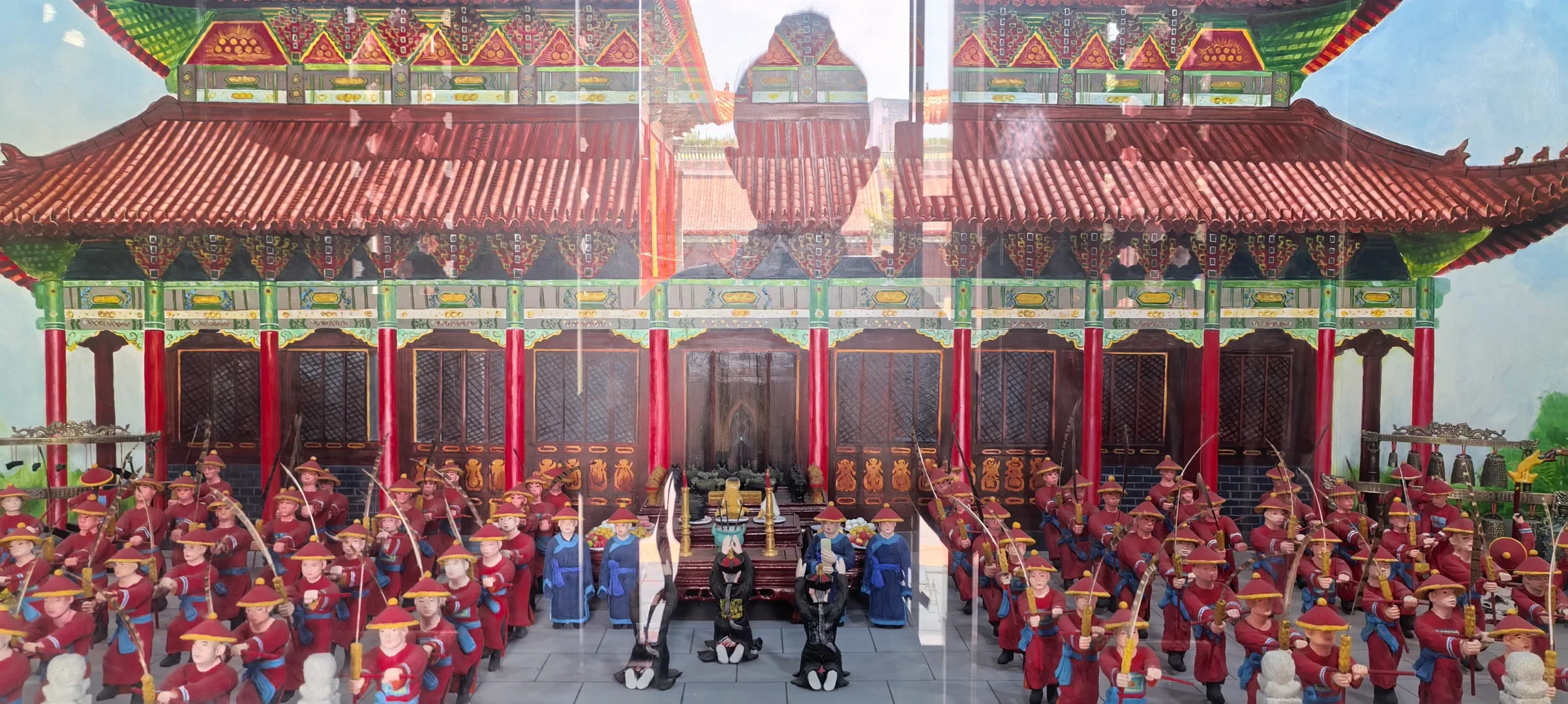
Confucianism: A Relationship Ethic That Must Survive a Power Test
Understand Confucianism through ren, li, learning and reciprocal responsibility, with a power test separating humane ethics from one-way obedience.
Read the deep guide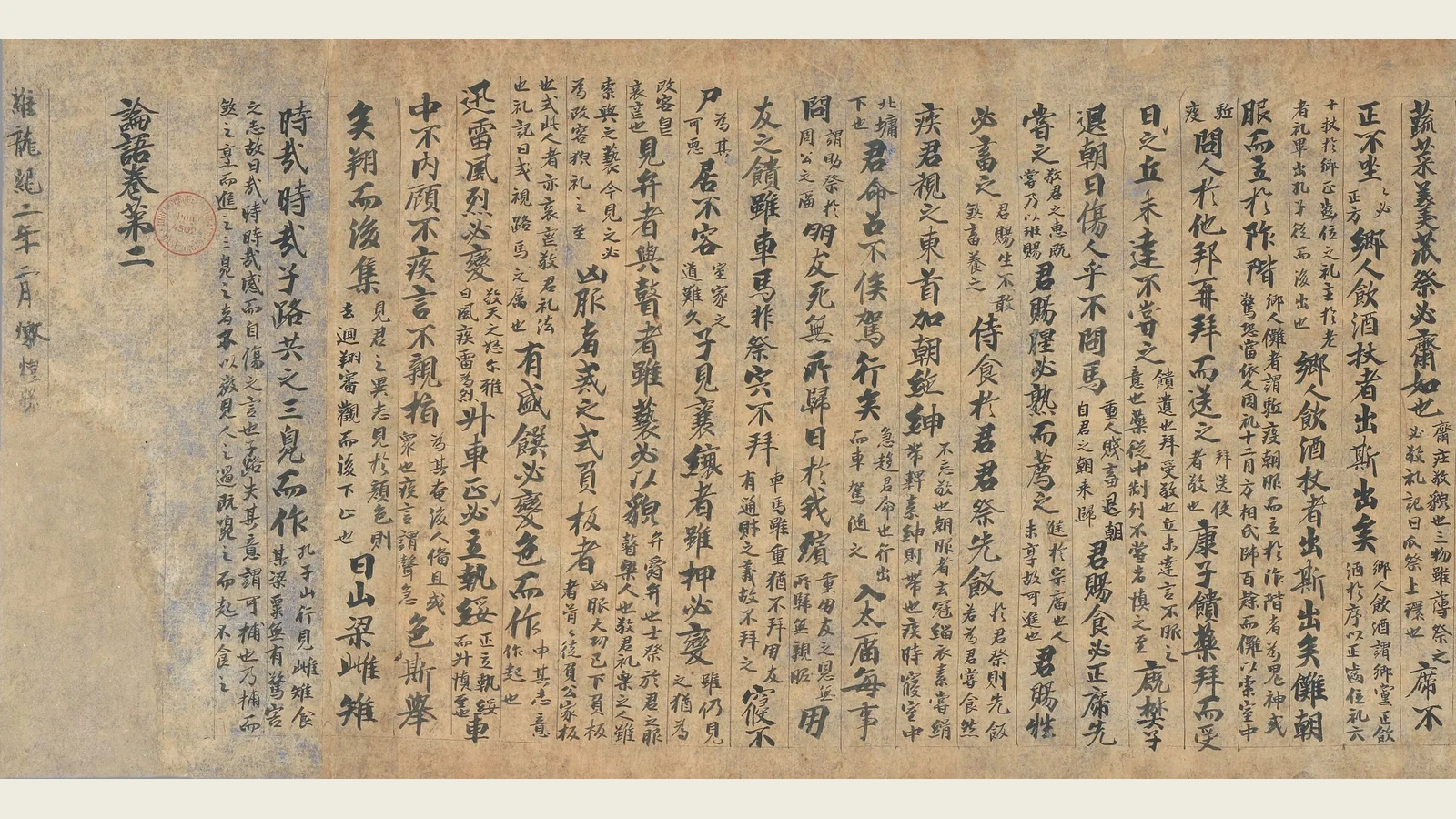
Text · relationship · practice · disagreement
Confucian, Daoist, Buddhist and popular traditions considered through texts, history and everyday decisions.
Enter through a human question17 published guides across 6 core paths.
Put the idea under pressure in a human relationship
Chinese philosophy becomes useful when an idea survives contact with power, grief, family obligation, education and the stubborn person standing across from us. Confucian reciprocity, Daoist non-forcing, yin-yang change and religious practice are not interchangeable wisdom quotes. Read the text, name the historical layer, then ask what the idea permits a human being to do.
The Stanford Encyclopedia gives a scholarly map of texts, traditions and interpretive problems; the ideas still have to be tested against history and lived relationships rather than repeated as timeless Asian wisdom. Stanford Encyclopedia of Philosophy on Chinese philosophy
Published guides, organized by intent
A collection page must do more than list recent posts. Choose the question that brought you here, open a focused guide, then keep moving through works, people and related cultural context without returning to search.
6 published guides
Humaneness, ritual, learning and family responsibility become meaningful only when duties move in more than one direction. These routes separate the historical teacher, layered texts and later institutions, then test harmony against dignity and unequal power.
Understand Confucianism through ren, li, learning and reciprocal responsibility, with a power test separating humane ethics from one-way obedience.
Read the deep guide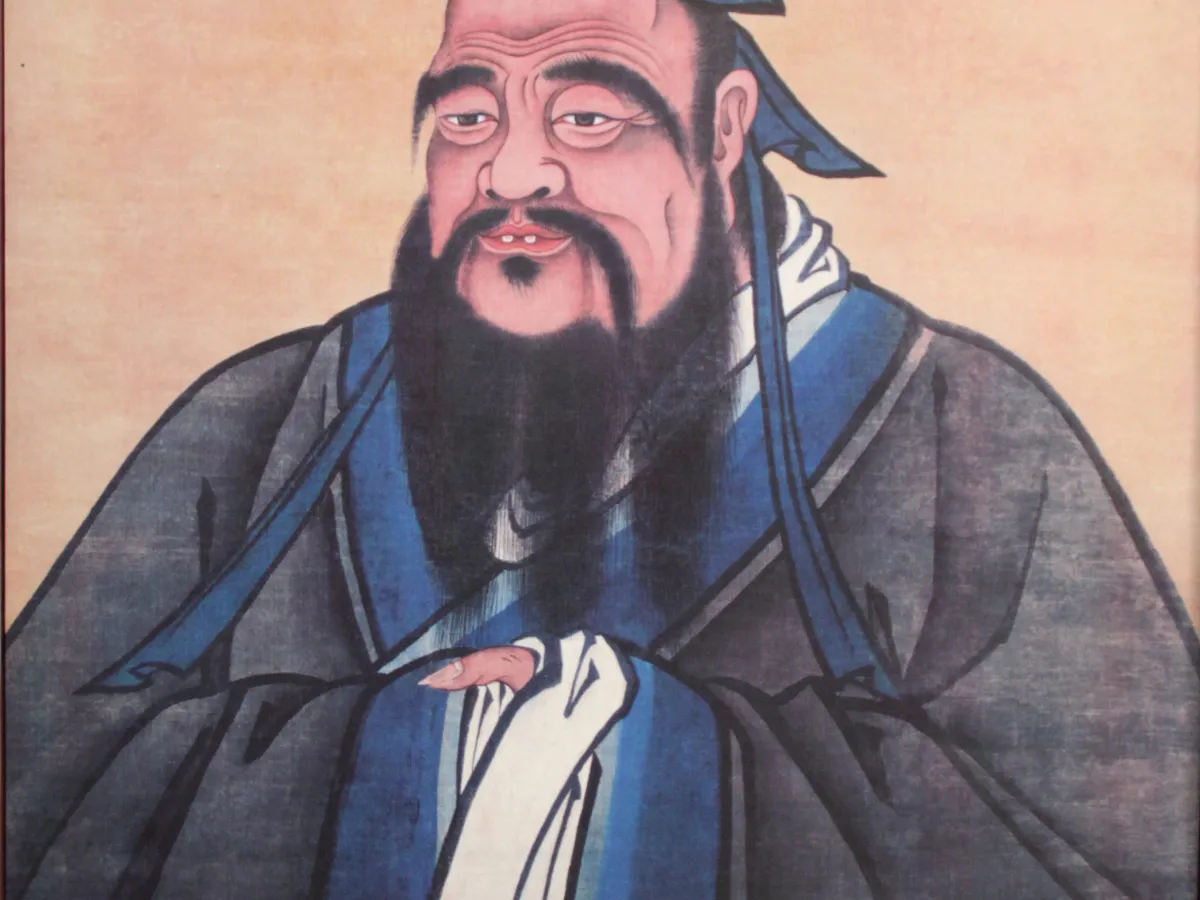
Meet Confucius as a frustrated political reformer and exacting teacher—not a flawless statue. Understand his life, teaching method, core ideas and later cultural shadow.
Read the deep guide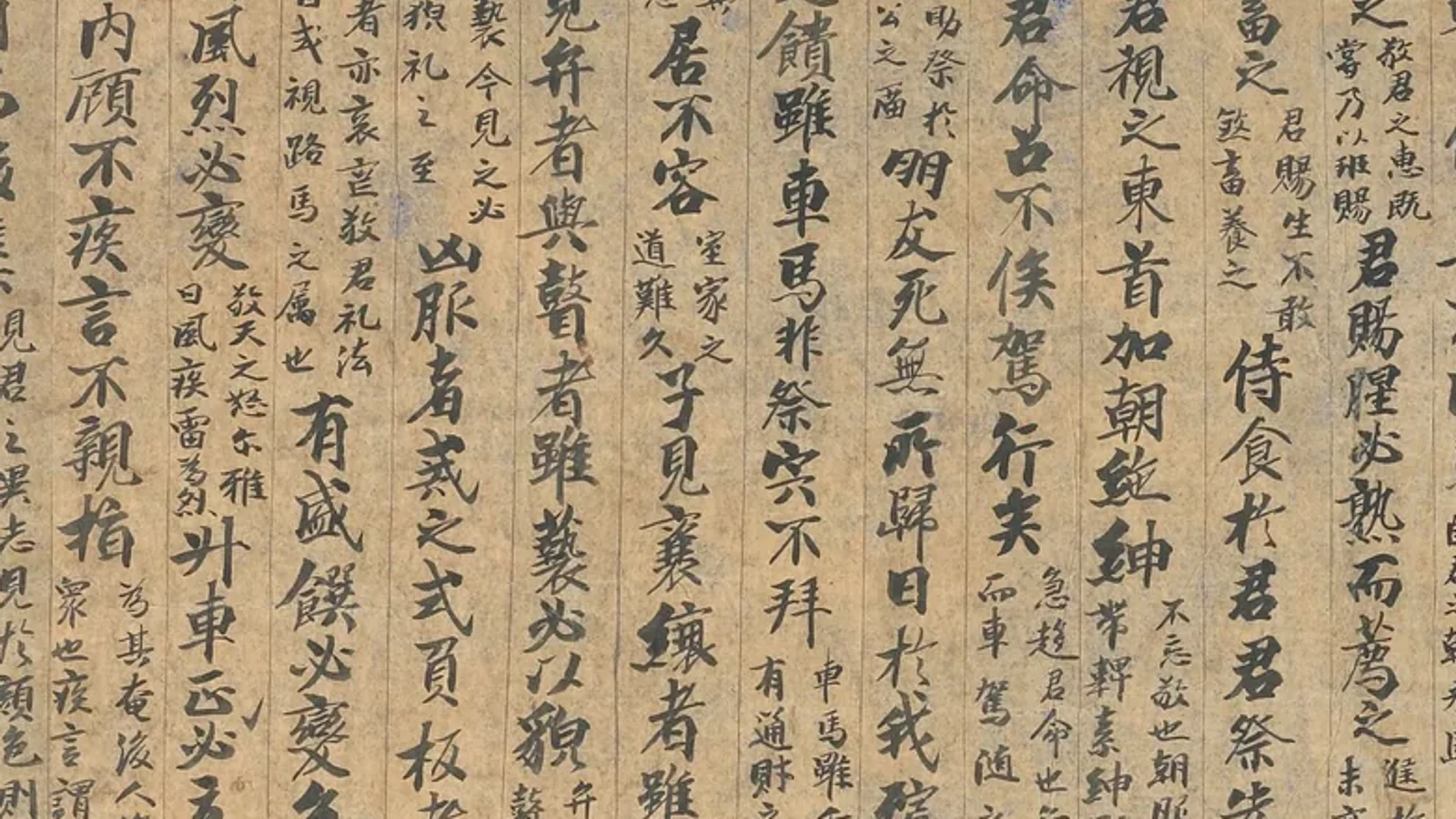
Read the Analects of Confucius as a layered classroom: identify speakers, compare tailored answers, test translations and follow a practical route through all 20 books.
Read the deep guide
Filial piety is more than obeying parents. Learn how Confucian traditions connect care, gratitude, correction and family responsibility—and where its limits matter.
Read the deep guide
Read 10 Confucius quotes with Chinese text, Analects references and plain-English context. Learn how to spot paraphrases and false attributions.
Read the deep guide
A Confucius temple is more than a shrine. Learn how ritual, education and civic memory meet in its gates, courtyards and halls—and what to notice when you visit.
Read the deep guide8 published guides
Classical texts, non-forcing action, temples, ritual lineages, deities and modern translations belong to related but different historical layers. Follow each layer without turning a living religious world into minimalist lifestyle advice.

Understand Taoism through the Dao, wu wei, naturalness, classic texts, religious practice and everyday Chinese life, with clear history and comparisons.
Read the deep guide
Taoism and Daoism name the same Chinese tradition. Learn why the spellings differ, how to pronounce Dao, when to use each term and what neither spelling tells you.
Read the deep guide
Wu wei does not mean doing nothing. Learn how this Taoist idea distinguishes skilled, timely action from coercion, avoidance and self-defeating effort.
Read the deep guide
Understand Taoist beliefs about the Dao, gods, ethics, the body, immortality and death without flattening diverse texts, lineages and temples into one creed.
Read the deep guide
A clear history of Taoism from early Daoist texts and Celestial Masters communities to Quanzhen temples and modern practice, without a false single-founder story.
Read the deep guide
Learn what Taoist temples are, how their gates, halls and ritual spaces work, and how to visit respectfully without mistaking every Chinese temple or symbol for Daoist.
Read the deep guide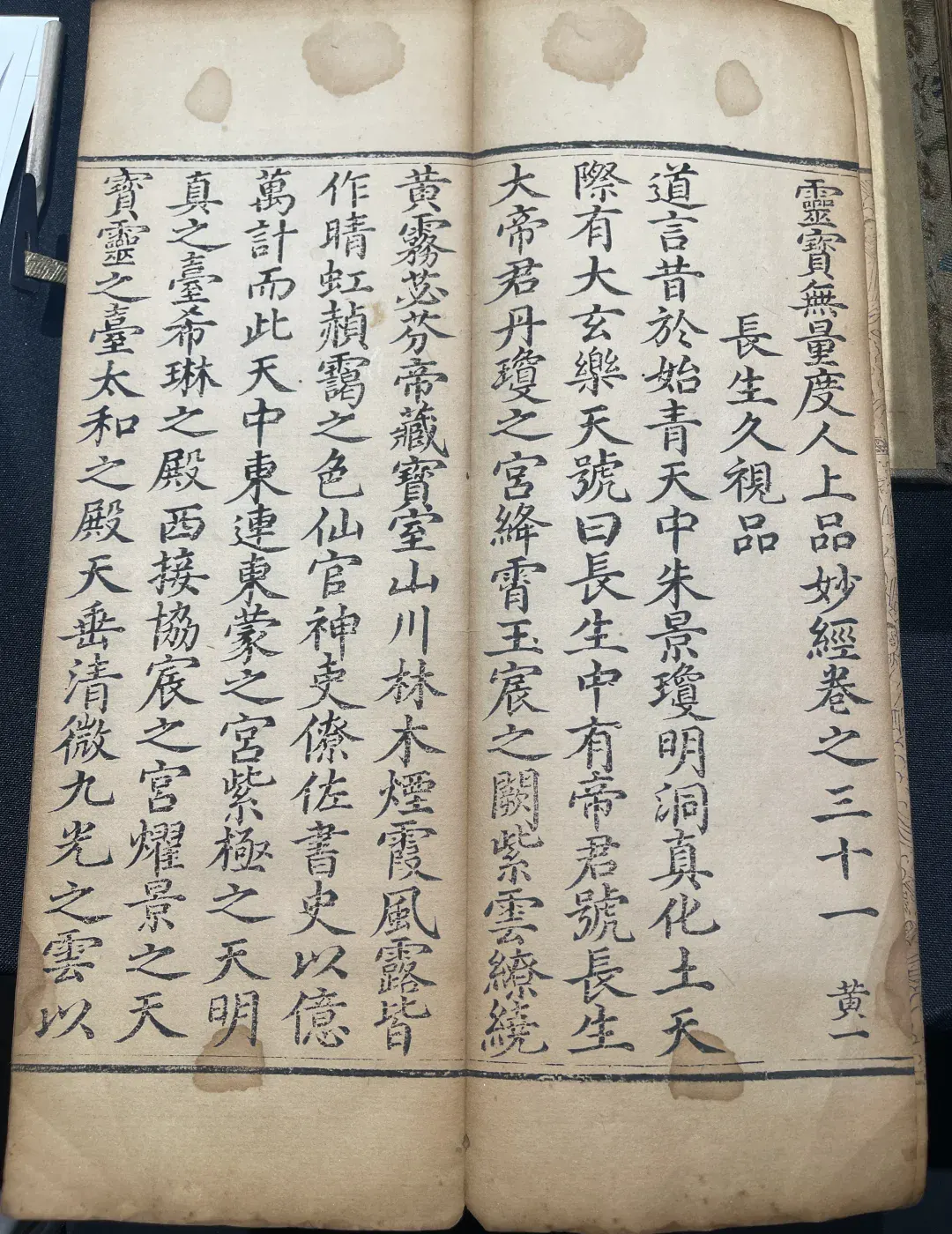
A practical reading map for Taoist texts: start with the Daodejing and Zhuangzi, then see why the Daoist Canon, revelation and ritual texts change the picture.
Read the deep guide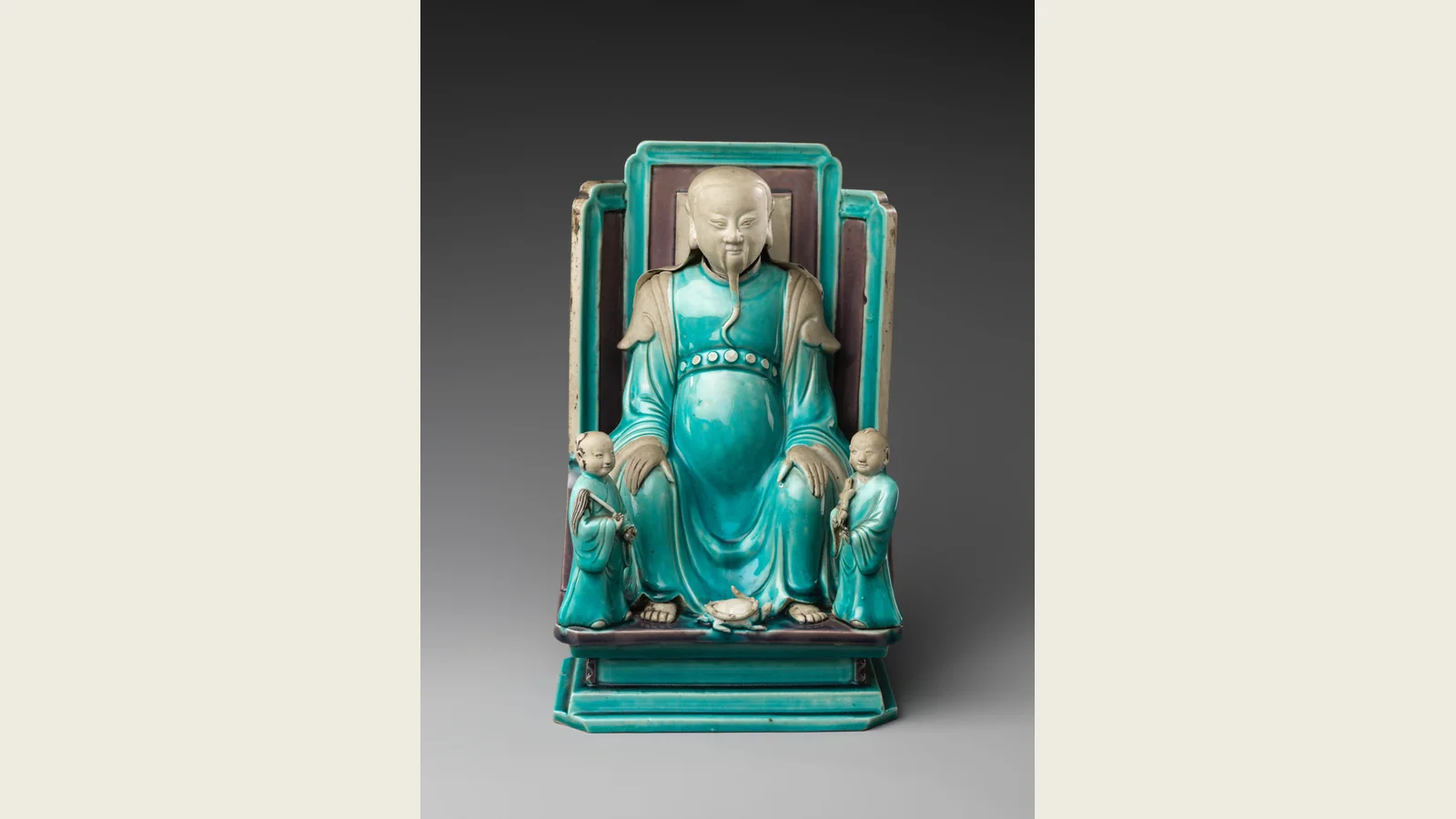
Identify Taoist symbols through documented use, named deities and context. Learn why yin-yang, trigrams, dragons and clouds are not automatically Taoist.
Read the deep guide3 published guides
Traditions often meet inside one life without becoming identical. Compare the question each framework asks, the kind of practice it creates and what happens when a neat contrast collides with history, family or institutional power.

Compare Taoism and Confucianism through their shared questions about action, relationships, learning and public life—without reducing either to freedom versus rules.
Read the deep guide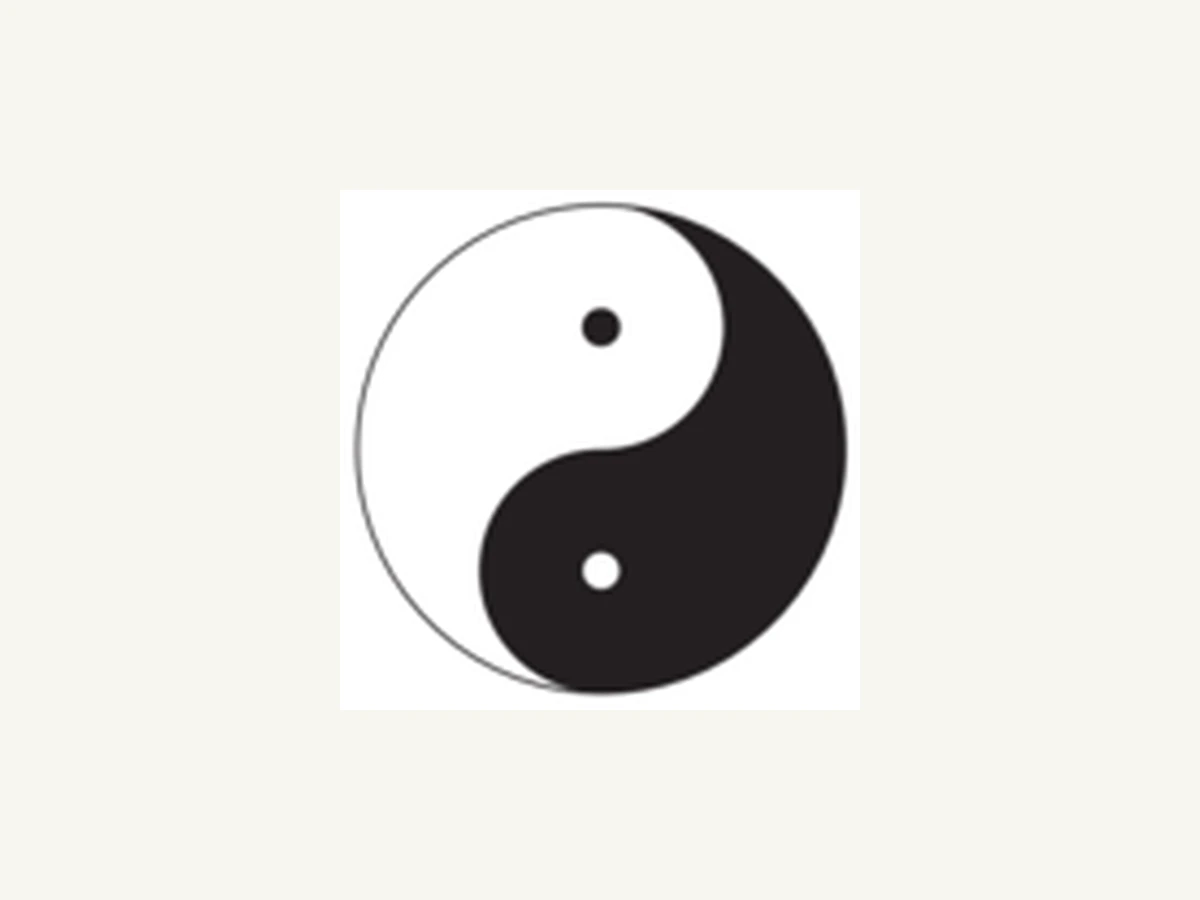
Understand yin and yang as a Chinese framework for relationship, balance and change, with history, everyday examples and clear cultural boundaries.
Read the deep guide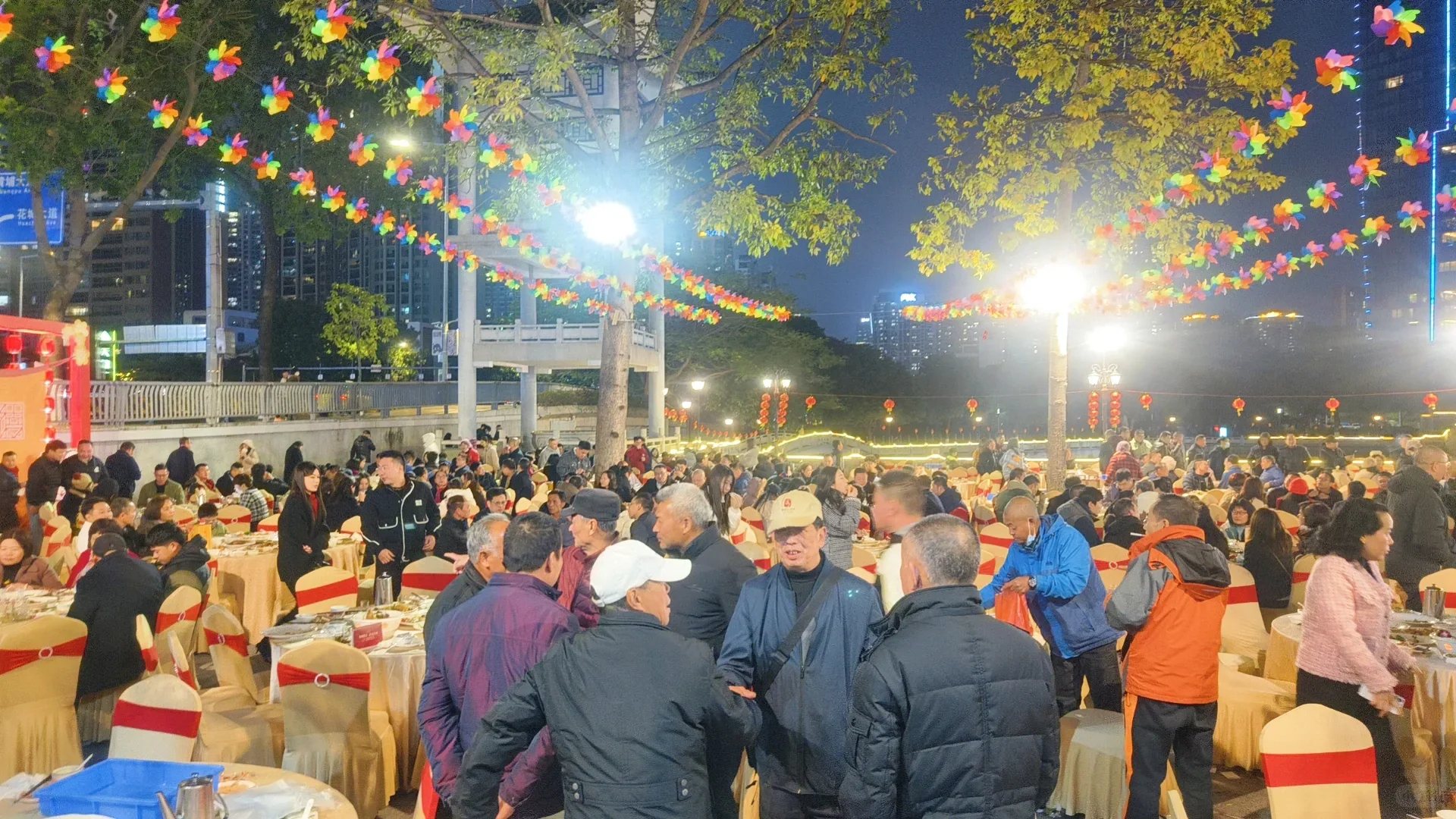
Chinese culture beliefs and traditions become meaningful in real decisions about care, ritual, learning and change—not as one national creed or personality list.
Read the deep guideIdeas under human pressure
Chinese philosophy is often flattened into a shelf of soothing quotations: Confucius for discipline, Laozi for flow, Buddhism for calm, yin and yang for balance. That arrangement is neat and almost useless. These traditions argued about obligation, power, language, desire, ritual, suffering and the limits of deliberate control. I read them as demanding instruments, not mood boards. The test is whether an idea changes how we act when a parent is difficult, a leader is unjust, grief will not leave, ambition turns cruel or certainty becomes a way of avoiding another person.
Chinese philosophy includes competing and overlapping traditions developed across different periods: Confucian debates about cultivated relationship and public order, Daoist challenges to rigid naming and forced action, Buddhist accounts of suffering and attachment, Mohist arguments about care and merit, Legalist thinking about institutions and power, and later syntheses that reorganized older texts for new political and religious worlds. They share vocabulary at times, but shared vocabulary does not make them one answer.
The word philosophy can also hide a translation problem. Some traditions were organized through lineages, commentaries, ritual institutions, temples or state education rather than through the modern university category. Calling all of this philosophy is useful if it opens careful comparison; it becomes harmful when religion, ritual and popular practice are treated as embarrassing leftovers from a pure abstract system that never existed.
My position is simple: disagreement is the most respectful entrance. Confucian ritual and Daoist suspicion of imposed order do not cancel each other; their tension gives a reader something to think with. Chinese philosophy becomes alive when we can hear one text objecting to another, one commentator revising a predecessor and one generation discovering that an inherited answer no longer fits its institutions.
Use the scholarly map to distinguish traditions, texts and interpretive problems before turning any phrase into timeless cultural consensus. Stanford Encyclopedia of Philosophy: Chinese Philosophy
Confucian writing is frequently summarized as obedience, yet its sharper question is how people become capable of reciprocal, humane conduct inside unequal relationships. Parent and child, ruler and minister, elder and younger, teacher and student are not merely roles to submit to. Each role carries expectations, correction and moral exposure. A title without cultivated conduct is an empty claim, even when institutions protect it.
Filial piety reveals the conflict. Caring for parents can contain gratitude, memory, exhaustion, money, resentment and love in the same week. A slogan about respect cannot solve the burden of elder care or the pain of a harmful family. The useful Confucian question is not whether duty exists; it is what kind of conduct lets duty remain humane when affection is strained and power is unequal.
I reject both caricatures: the Western cliché of unquestioning submission and the promotional fantasy of perfectly harmonious Chinese families. The tradition matters because it names relationship as moral work. It also needs criticism wherever hierarchy silences the vulnerable. A living philosophy can withstand that criticism. A cultural slogan cannot.
Wu wei is routinely translated as doing nothing and sold as permission to drift. That reading removes the skill. Non-forcing is closer to action so attentive to conditions that it does not waste energy proving its own control. The cook, craftsperson, ruler or ordinary person still acts. The difference is whether action follows the grain of a situation or breaks it merely to display will.
This is why Daoist writing can feel liberating and dangerous. It punctures rigid categories, heroic self-importance and institutions that mistake regulation for life. Yet effortless language can also become an excuse for privilege: the person with power calls withdrawal natural while someone else absorbs the work. A responsible reading asks who is allowed to let go and who must keep the household, workplace or community functioning.
I value Daoism most when it makes certainty less violent. It teaches suspicion toward names that pretend to contain reality and plans that cannot adjust. It does not absolve us from responsibility. The best non-forcing action is often highly trained, precisely timed and humble enough to change when the world answers back.
Yin and yang describe patterned relationship and transformation. They are not moral teams, fixed gender boxes or a guarantee that every conflict settles into equal halves. The familiar diagram becomes intellectually useful only when movement remains visible: fullness turns, conditions alter, one tendency contains the possibility of another and context decides which description matters.
Buddhist traditions address suffering, attachment, impermanence, ethics and liberation through different schools and practices. When Buddhism entered China, translation and institutional life changed both vocabulary and emphasis. Those developments cannot be reduced to mindfulness. Temples, monastic communities, devotional practices, texts and images all belong to the historical field.
I keep these systems separate because the internet rewards fusion. A yin-yang icon beside a meditation pose creates an attractive surface while erasing the questions each tradition asks. Connection is valuable after distinction. Before distinction, connection is simply blur with good branding.
Start with a question you actually have: how to correct someone with power, how to care without surrendering the self, how to act when control makes a situation worse, or how to live with change that cannot be reversed. Choose one primary text and a responsible translation. Read the surrounding passage, then compare a commentary or scholarly guide that explains the historical dispute.
Keep three columns in your notes: what the text says, what a commentator thinks it means and what happens when you apply it to the human problem. This prevents interpretation from masquerading as quotation. It also leaves room for disagreement. If the idea protects one person by making another invisible, write that down. If a translation makes the sentence smoother but removes an ethical tension, write that down too.
Return after living with the question. Philosophy deserves rereading because the reader changes. I do not want East Moment to hand out ancient answers like fortune cookies. I want these pages to make a reader more exact about obligation, freedom, grief and power—and more willing to let a difficult text challenge the version of themselves they hoped to preserve.
A translated quotation feels wise because it arrives without the argument that made it difficult. Put the context back. Who is speaking, to whom, inside which political and educational problem? Which term has competing translations? What practice or relationship does the passage demand? Confucian reciprocity, Daoist non-forcing, Buddhist analysis and yin-yang change cannot be folded into one calm Asian worldview. They diagnose different failures and carry different historical institutions.
Test the idea where agreement is costly. Filial responsibility becomes serious when care, obedience and remonstrance conflict. Wu wei becomes serious when intervention feels urgent but force would destroy feedback. Ritual becomes serious when form either protects mutual regard or preserves domination. A concept that works only in a motivational example has not survived life. I want the stubborn relative, unfair superior, exhausted caregiver and divided community inside the philosophical question.
Translation should expose friction. Ren, li, dao, de and xiao have semantic histories no single English word can contain. Leaving the Chinese term unexplained creates mystique; choosing one English equivalent and forgetting the rest creates false clarity. Use the translation needed for the sentence, name what it emphasizes and keep the competing pressure visible. Precision makes the idea more usable, not less beautiful.
A classical text, later commentary, temple institution, household ritual and modern self-help interpretation may share a name without making the same claim. The history between them matters. Daoism as philosophy, organized religion and popular practice cannot be reduced to a spelling debate. Confucian learning has included personal cultivation, family ethics, examination systems and state power. Buddhism in China changed through translation, institutions and local forms. Name the layer before declaring what Chinese people believe.
The limitation is equally important: intellectual traditions do not explain every Chinese person's behavior. They can shape vocabulary, institutions and inherited expectations while people resist, remix or ignore them. Culture is not a hidden operating system making a billion individuals predictable. A philosophical page should widen interpretation and reduce stereotype at the same time.
Bring one difficult situation and one passage or concept that genuinely changes the available action. Explain where the idea helps and where it fails. We will connect strong cases to texts, temples, beliefs and contemporary life, then return when a better translation or counterexample moves the conclusion. Philosophy remains alive because application produces disagreement, not because quotations produce agreement.
Comparison across traditions should begin with one shared problem, not a table of slogans. How should a person respond to a failing ruler, an overcontrolled family or a plan producing worse results with every intervention? Different texts may disagree about role, withdrawal, education, ritual or emptiness. Keep that disagreement active. A blended answer can be personally useful, but it should not be projected backward as one harmonious Chinese mind.
Modern use creates responsibility. A manager quoting Daoism to avoid a decision, a parent invoking filial piety to silence a child or a productivity coach turning cultivation into optimization has changed the concept through power. The page must examine that consequence. Ancient vocabulary is not automatically humane in a new room. An idea deserves authority only after the people subject to it can answer back.
Reader-built field guide
Bring a passage, translation and the relationship or decision it complicates. Tell us where the idea helped—and where it became insufficient.
What this builds: We will connect strong notes to texts, translations and later responses so the argument grows instead of ending in a quotation.