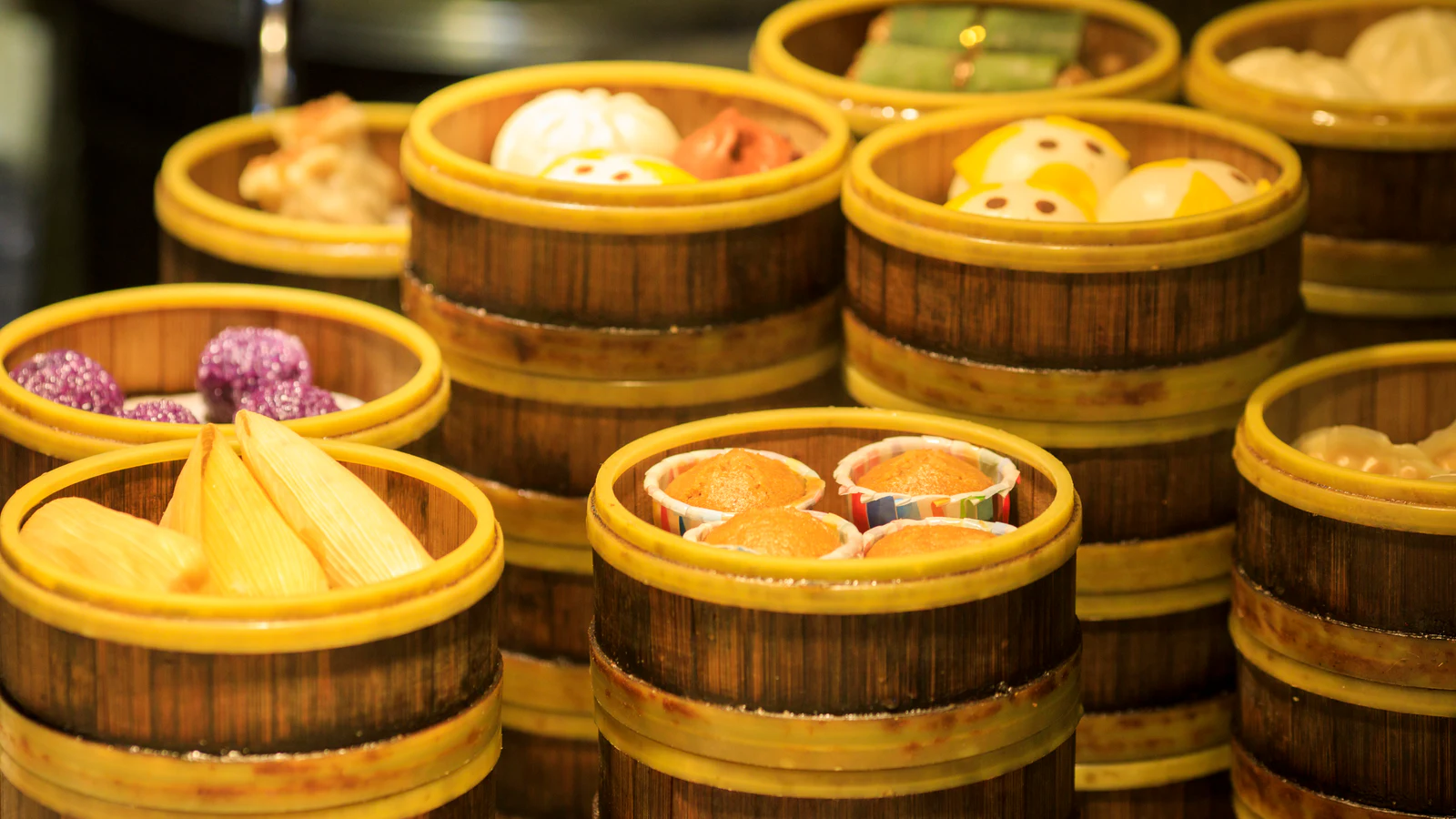
Six doors into Chinese foodways
Choose the door that matches the reader’s real question instead of mixing history, health, recipes and symbolism into one answer.
| Reader’s question | Best starting path | What that path must not claim |
|---|---|---|
| How did it develop? | Follow ingredients, tools, texts, trade, migration and dated evidence. | One origin legend explains a living dish. |
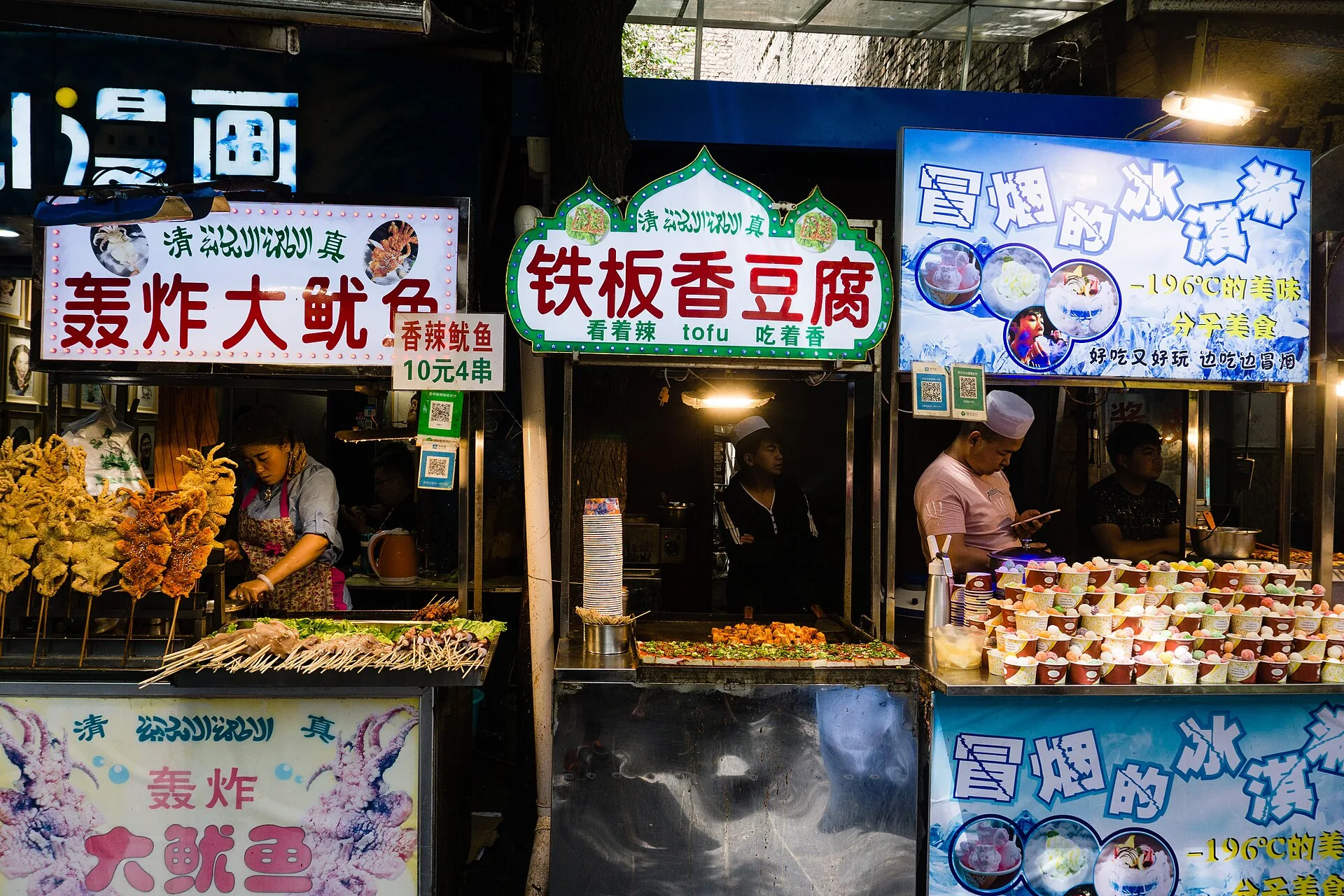
| What do people eat daily? | Follow breakfast, work, home meals, stalls and changing city time. | Tourist-famous snacks represent national daily life. |
| Why is it eaten now? | Name festival, region, family action, gift or memory. | A lucky-symbol list explains the household. |
| How is it cooked? | Trace knife work, heat, water, microbes, seasoning and sequence. | A translated recipe name teaches the technique. |
| Can I eat it? | Separate religion, ethics, allergy, intolerance and personal preference. | Cuisine labels guarantee ingredients or medical safety. |
A Chinese food map begins with land, water and movement
Northern wheat systems, southern rice landscapes, coastal fisheries, pastoral borders, mountain preservation and river transport create different possibilities. Cities gather those systems, while migration carries them elsewhere. A regional name should therefore open questions about crops, climate, trade and population—not close the discussion with a stereotype such as north equals noodles or Sichuan equals heat.
The useful image is not a political map painted with one dish per province. It is a network: grain moving to a mill, vegetables entering a market, workers bringing lunch, families relocating, cooks adapting to a new fuel or customer. Foodways explains the connections that a plate photograph cannot.
The verb often teaches more than the dish name
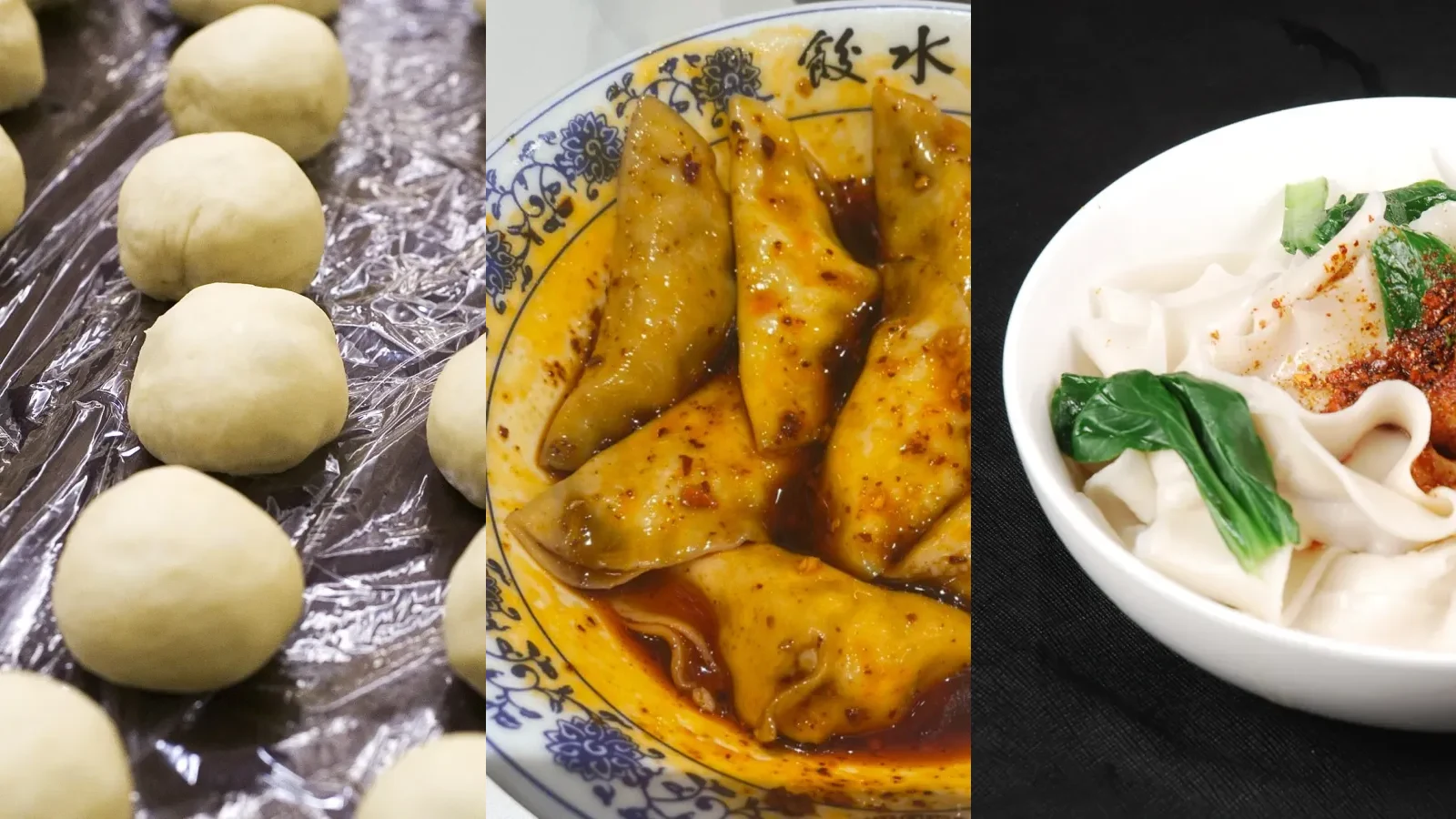
Steam, blanch, red-braise, dry-fry, velvet, smoke, pickle, ferment, hand-pull and cleaver-cut are decisions about texture, timing and available material. The same ingredient becomes another food when the sequence changes. A recipe that translates ingredients but hides heat level, cut size, order and sensory cues leaves the reader with a shopping list, not knowledge.
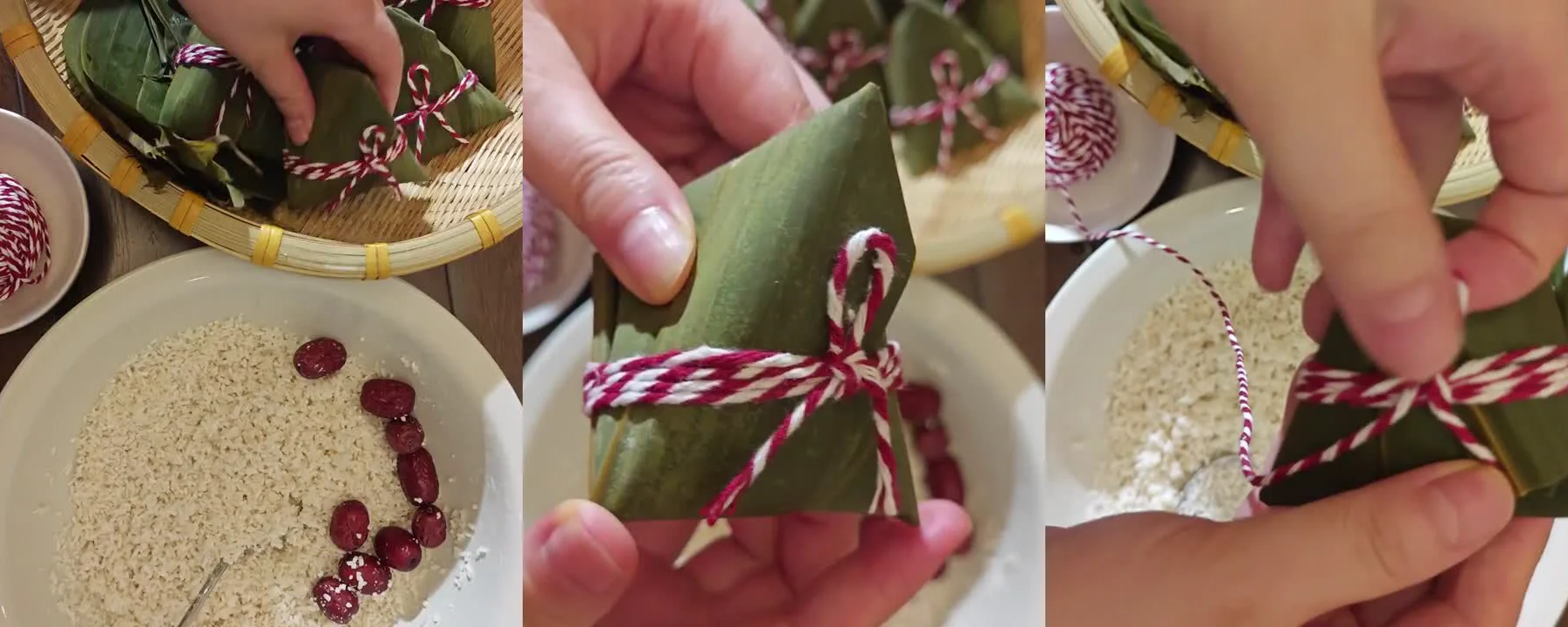
I want readers to see the cook’s intervention: when water stops boiling, when oil separates, when dough relaxes, when a filling becomes too wet, when a ferment smells wrong. Those thresholds are where professional and household experience live. They also make visual evidence useful because a photograph can show a stage rather than decorate a paragraph.
Sharing food is not automatically harmonious
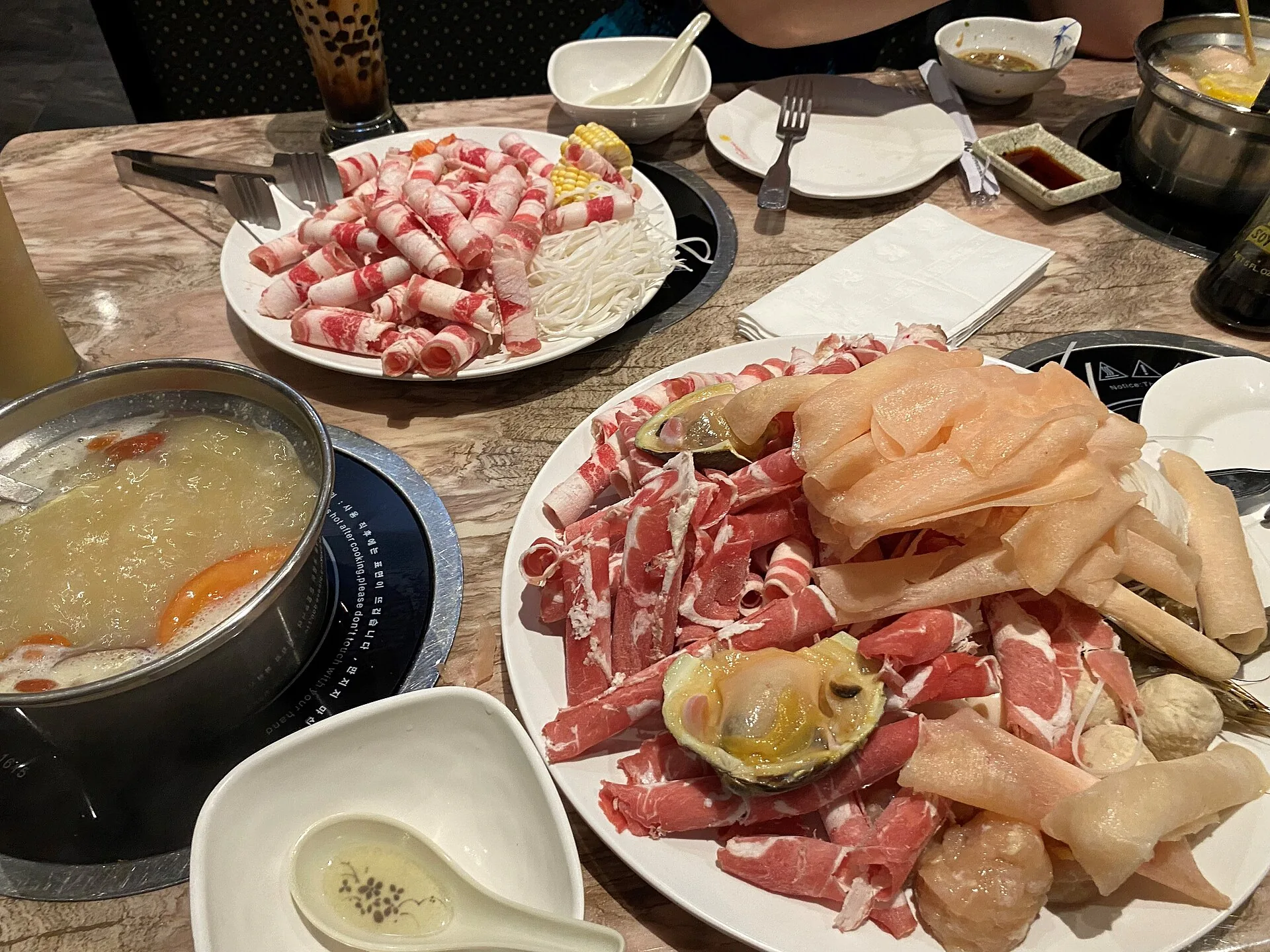
Shared dishes can express generosity and make variety affordable, but they also reveal hierarchy, care and conflict. Who orders, who receives the best piece, who serves elders, who tracks allergies, who eats last and who washes up are part of the foodway. A banquet photograph shows abundance while often hiding the labor that produced it.
Our writing keeps that labor visible. Hospitality should not pressure a guest to drink, overeat or ignore a restriction. Respect is not proved by suffering through a dish. The strongest shared table makes room for clear refusal and still lets everyone belong.
A tradition survives by being repeated, argued over and adjusted
Families change oil, sugar, portion, equipment and ingredients. Restaurants standardize a dish for service. Migrants substitute what is available and eventually create a new local classic. None of this automatically destroys tradition. The question is whether people still recognize the technique, taste, occasion or relationship that matters—and whether the page names what changed.
I reject both extremes: everything old is authentic, and anything adapted is fake. The first hides invention; the second insults survival. Good editorial work traces the consequence of change and lets the community that made it speak in a specific voice.
Use social emotion to find the human question, then verify the fact elsewhere
A fierce argument about zongzi filling, a photograph of a breakfast queue or a memory of a mother’s soup reveals what people care about. It can guide our attention to region, childhood, labor or loss. It cannot by itself establish origin, national prevalence, nutritional effect or food safety. Those consequential claims need standards, institutions, records or qualified review.
This division makes the writing warmer and more reliable at once. Lijun can state the emotional judgment directly—what feels like home, what marketing cheapens, what practice deserves respect—while the page keeps dates, health boundaries and protected identities accountable to evidence.
Follow one question until it reaches a person and a process
Start broad only long enough to choose a path. If the reader wants to order dinner, move to dish families and menu language. If the reader wants history, move to an ingredient, object or dated record. If the reader wants to cook, move to technique. If the reader has a dietary restriction, move to ingredient verification and professional safety advice where needed.
My verdict is that a collection page earns indexation only when it can make that decision. A grid alone is not a guide. This page must stop the reader from asking ‘What is Chinese food?’ and help them ask the sharper question that East Moment can answer with people, evidence and conviction.
Every urban bite begins in a managed landscape
Rice terraces, wheat fields, tea forests, river fisheries, vegetable belts and livestock systems are not picturesque backgrounds to cuisine. They determine season, labor, biodiversity, water use, price and what knowledge a community must pass on. FAO’s agricultural-heritage records are valuable because they connect crops to land management, social organization and livelihoods rather than presenting a famous ingredient as if it appeared in a market by magic.
A food page should follow that chain when the claim depends on origin. Who grows or gathers the material? What landscape makes it possible? What threat—urbanization, climate, labor loss, overharvest or market standardization—changes the taste and access? We cannot praise heritage while ignoring the people required to maintain it.
Chinese foodways continue wherever Chinese communities build a life
A restaurant in California, Kolkata, Mauritius, Singapore or Melbourne responds to a different migration history, law, customer base and ingredient network. The result belongs to Chinese food history and to the place where it developed. It should not be measured only by resemblance to a mainland restaurant menu.
Our diaspora map names the community, country and period. It preserves adaptation without declaring every hybrid identical. That is the same discipline used inside China: place, people, process and consequence before a broad label.