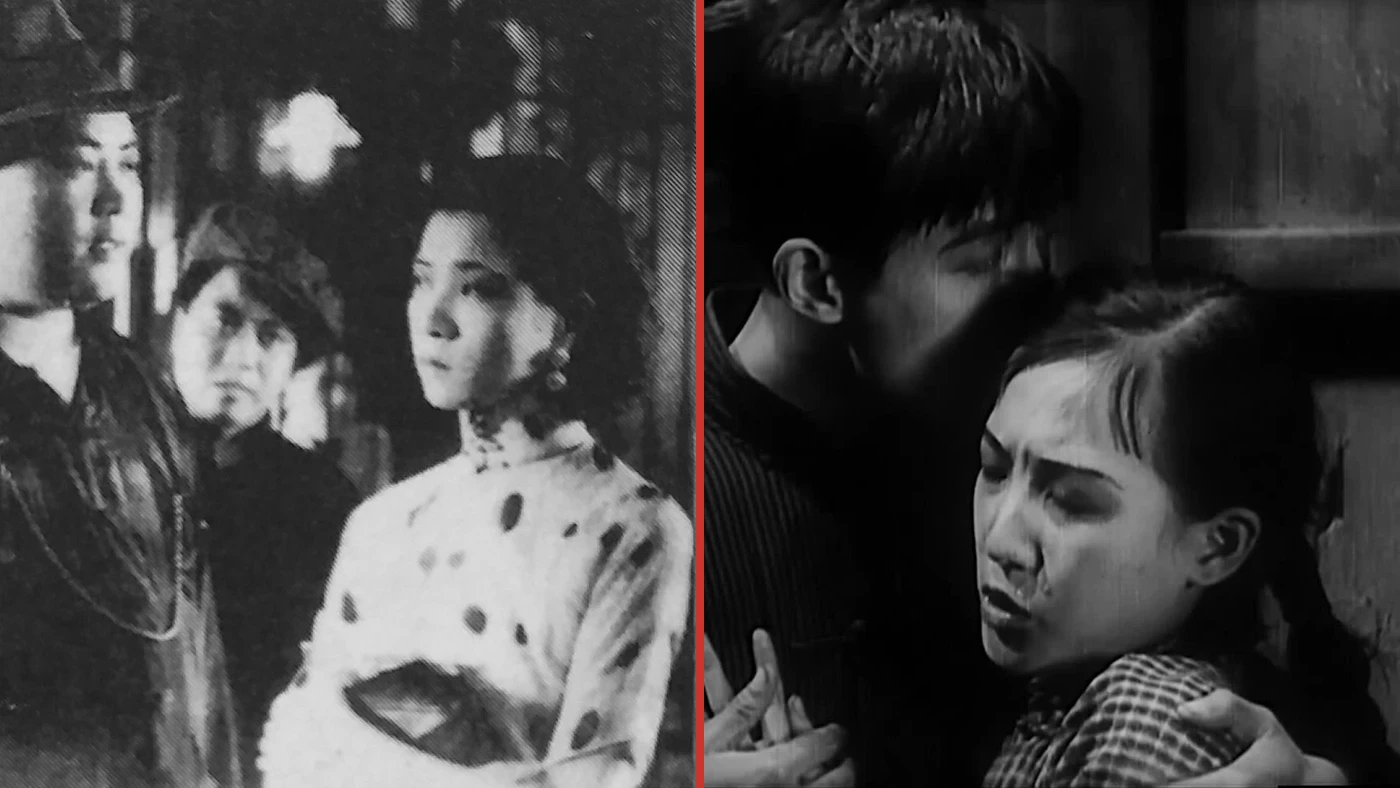
Best Chinese Movies: A Personal Route Through Martial Arts, Memory and Modern China
Find the best Chinese movies by mood and search intent, from In the Mood for Love and Hero to Kung Fu Hustle, Ne Zha 2 and The Wandering Earth.
Read the deep guide
Work · creator · route · human return
Chinese entertainment is bigger than C-dramas, celebrities or one streaming chart. Enter through movies, television, music, donghua and games, then follow the actors, musicians, directors, artists, platforms and audience memories that give each work a second life.
Choose your route176 published guides across 6 core paths.
Choose the work—or the person who shaped it
The first five doors begin with the work you want to watch, hear or play. The next five begin with craft and public influence. Celebrity is deliberately last: visibility matters only after the work and the people who made it remain attached.
China’s official regulator documents the enormous scale of broadcast and network-audiovisual circulation; scale still cannot tell us which work deserves attention or why a person remembers it. NRTA 2025 industry statistics
A complete screen, sound or play route: each door helps you choose by experience before a famous name or popularity score takes control.
Profiles return attention to acting, voice, direction, materials and career consequence. The celebrity route exists for influence—not gossip.
Browse the finished work, not a popularity feed
East Moment’s entertainment library is arranged as a decision surface, not a reverse-chronological feed. Begin with a medium, open one complete work, or follow a creator whose choices changed the result. Every visible card leads to a published guide.
5 published guides
Five practical first doors keep the decision with the audience: choose the feeling you want from a film, the pressure you will live with in a drama, the scene you want to hear, the animation contract you will follow or the kind of play you want to learn.
Find the best Chinese movies by mood and search intent, from In the Mood for Love and Hero to Kung Fu Hustle, Ne Zha 2 and The Wandering Earth.
Read the deep guide
The best Chinese dramas for different moods: The Untamed, Hidden Love, Love Between Fairy and Devil, The Double, Nirvana in Fire and what to watch next.
Read the deep guide
Discover 20 essential Chinese rappers through their best songs, cities and crews. This listening guide maps Chengdu, Chongqing, Changsha and routes beyond.
Read the deep guide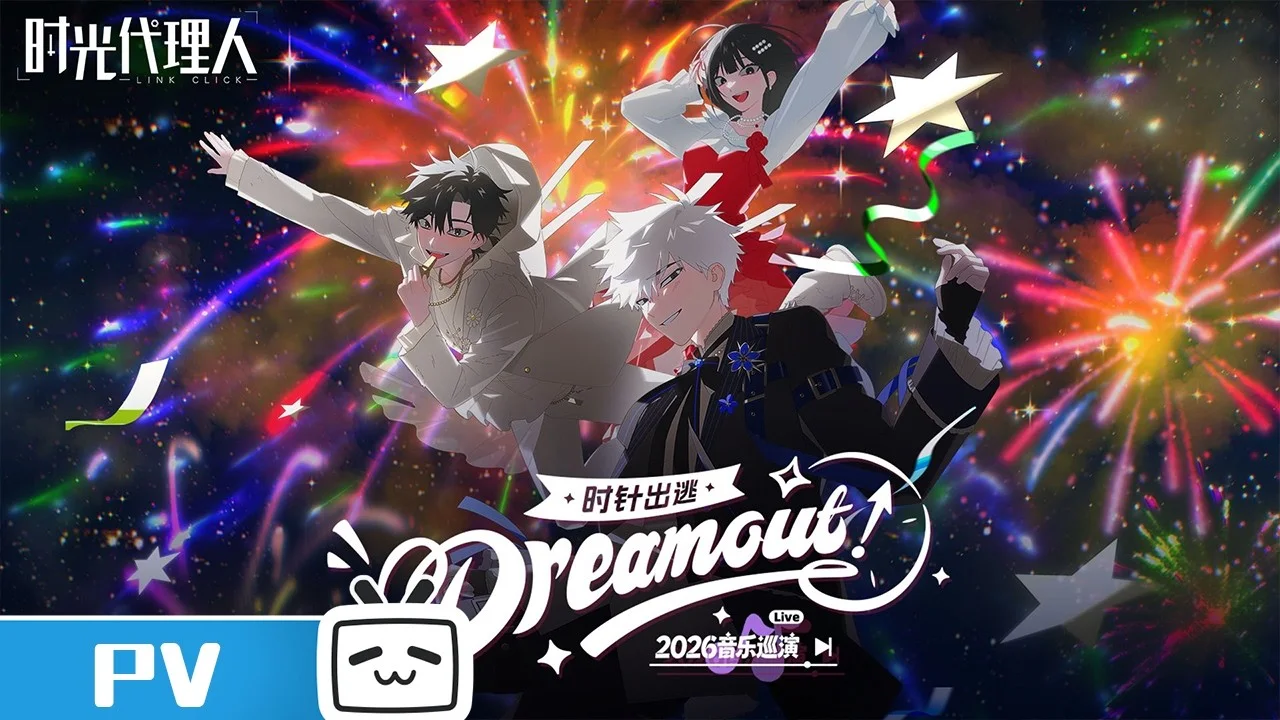
Find the best Chinese anime for your taste: Link Click, Fog Hill, Soul Land, Mo Dao Zu Shi, cultivation donghua, completed series and 2026 picks.
Read the deep guide
Find the right Chinese board game to learn first. Compare xiangqi and mahjong through boards, decisions, social rhythm and beginner-friendly ways to join a real table.
Read the deep guide6 published guides
A collection becomes useful when it leads into finished work rather than stopping at an industry label. These routes move from private urban memory and palace pressure to animated suspense, martial motion and mythology made playable.
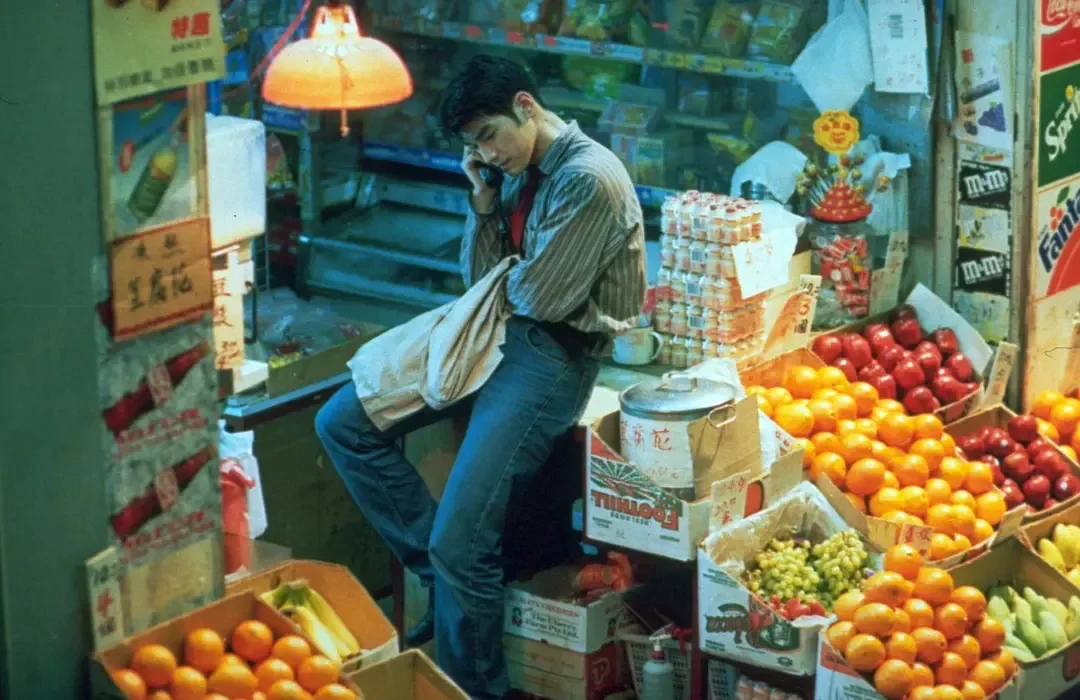
Why does Chungking Express have two stories? Understand its plot, objects, music, Hong Kong setting and endings through a clear scene-based guide.
Read the deep guide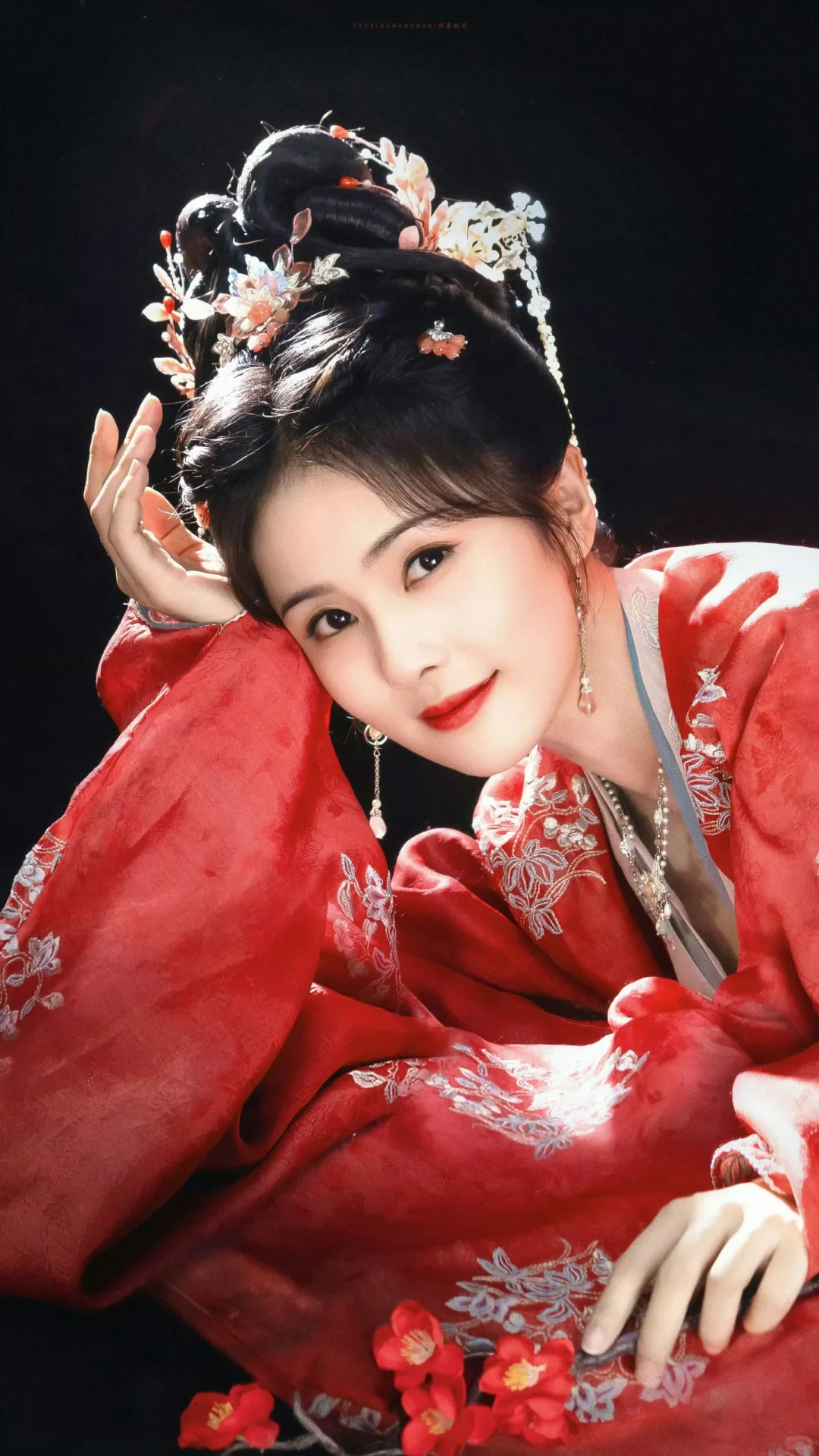
Is Story of Kunning Palace worth watching? My verdict on Jiang Xuening, Xie Wei, the cast and the happy ending, with spoilers clearly marked.
Read the deep guide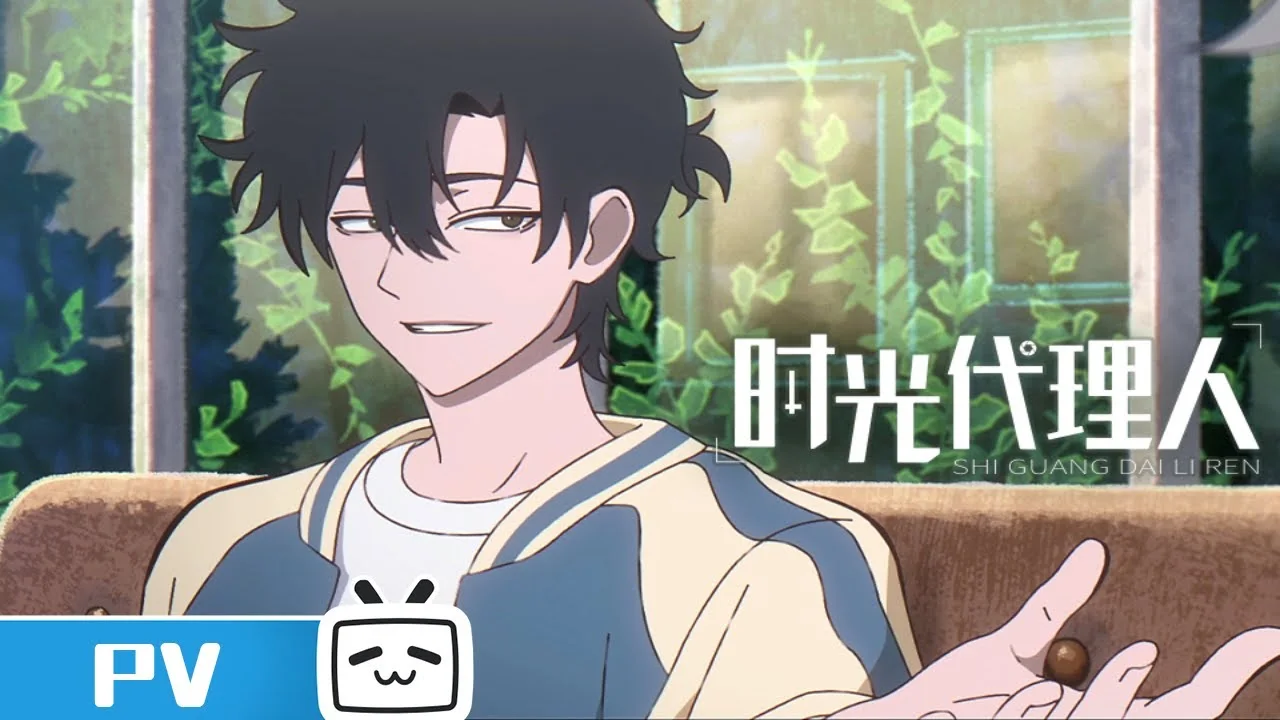
Understand Link Click through Cheng Xiaoshi, Lu Guang, its photo-diving rules, emotional cases, season order and current official season 3 status.
Read the deep guide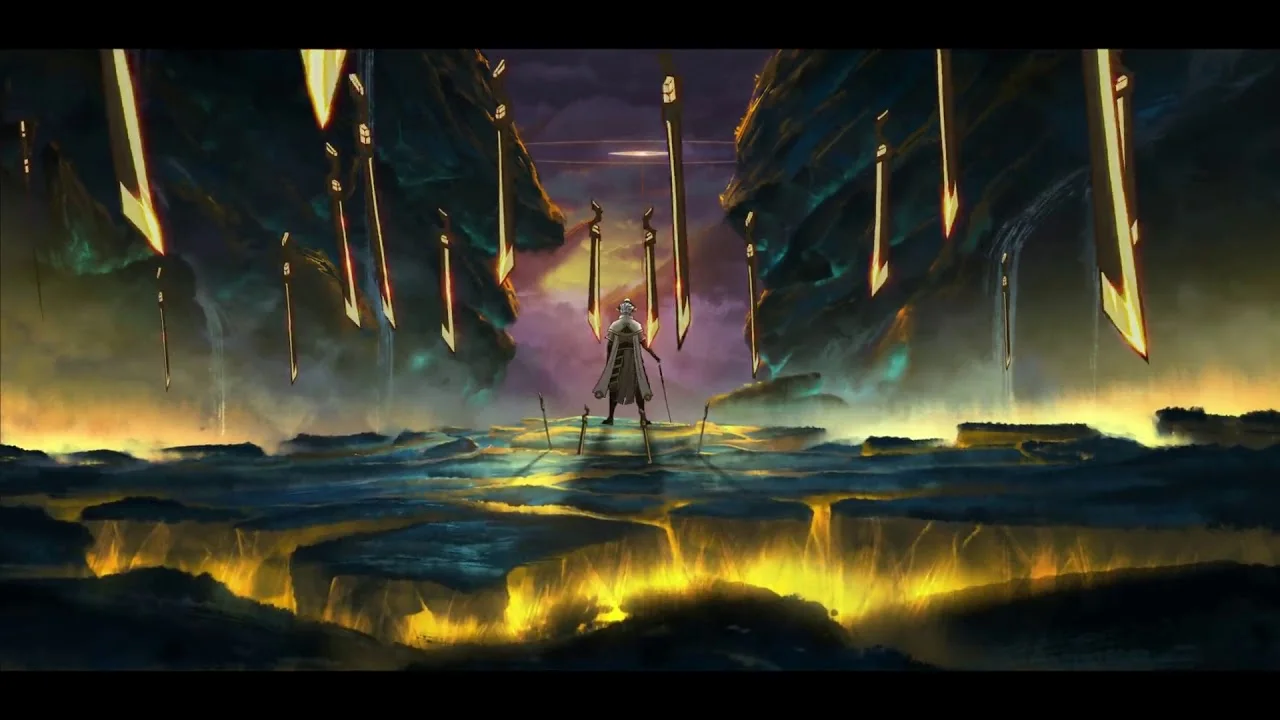
Is Fog Hill of Five Elements worth watching? Get the donghua watch order, episode count, Wenren Yixuan, ink-brush action and honest verdict.
Read the deep guide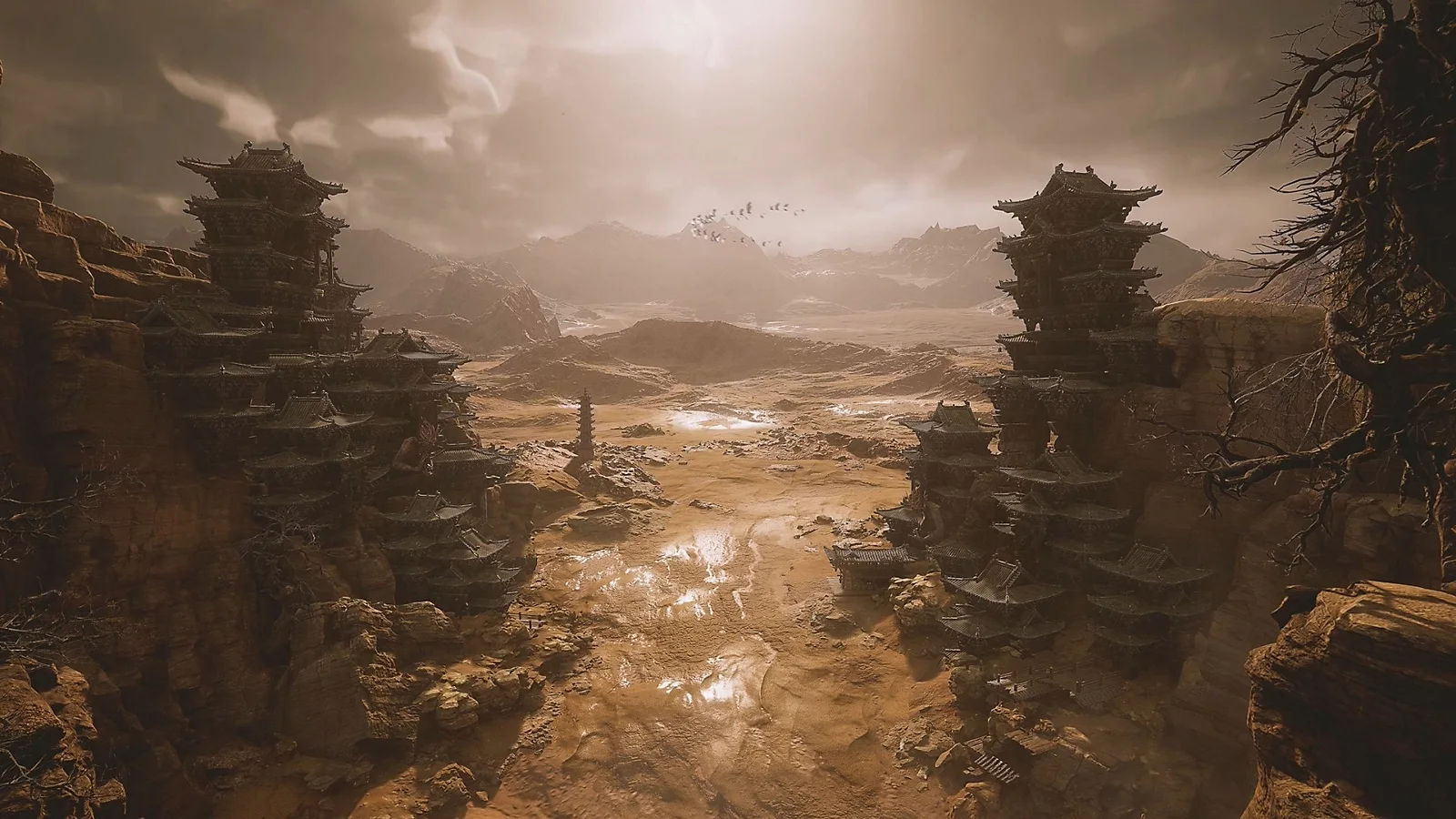
Understand Black Myth Wukong through Journey to the West, the Destined One, yaoguai, Shanxi temples and the question hidden beneath its combat.
Read the deep guide
Decide whether Where Winds Meet suits you through its wuxia movement, tenth-century world, combat, exploration, solo and multiplayer structure, and cultural detail.
Read the deep guide5 published guides
Celebrity is deliberately downstream from the work. These profiles return attention to musical phrasing, responsive acting, repeated directorial choices and the material decisions through which a designer builds authority.
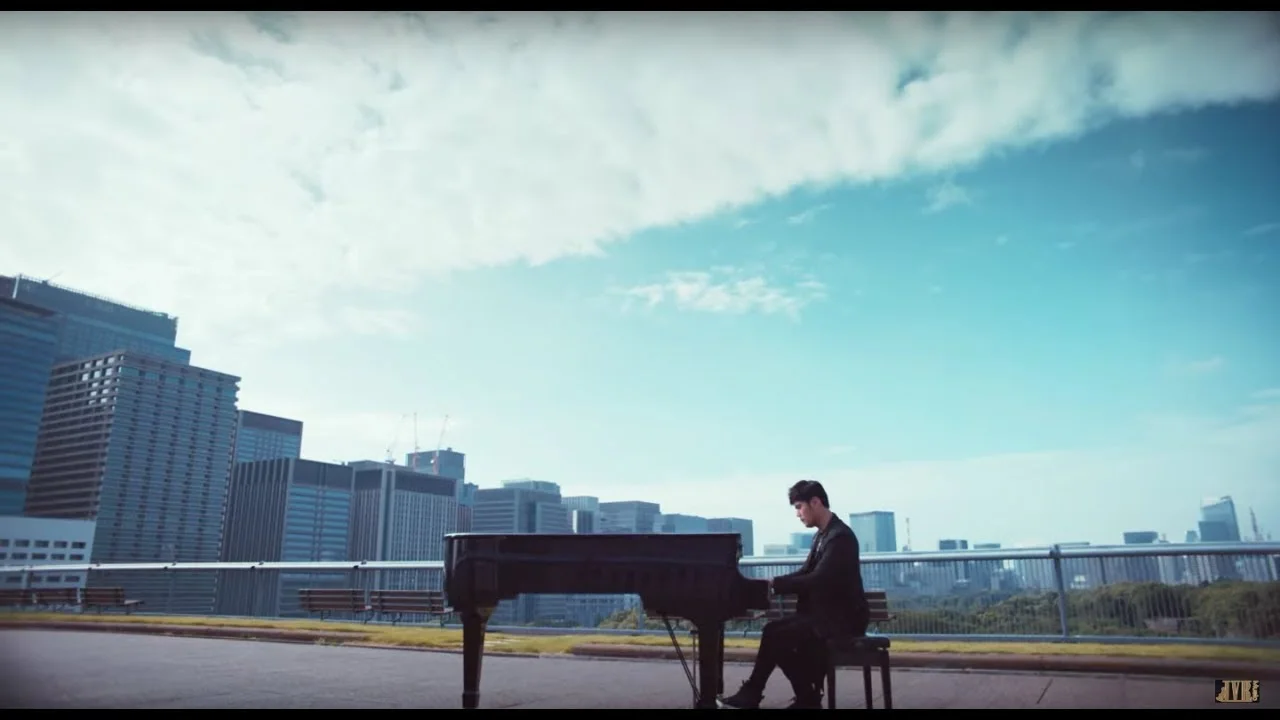
A deeply personal Jay Chou guide covering songs, hip-hop influence, films, variety shows, basketball, tennis and the memories that began with an eleven-year-old listener.
Read the deep guide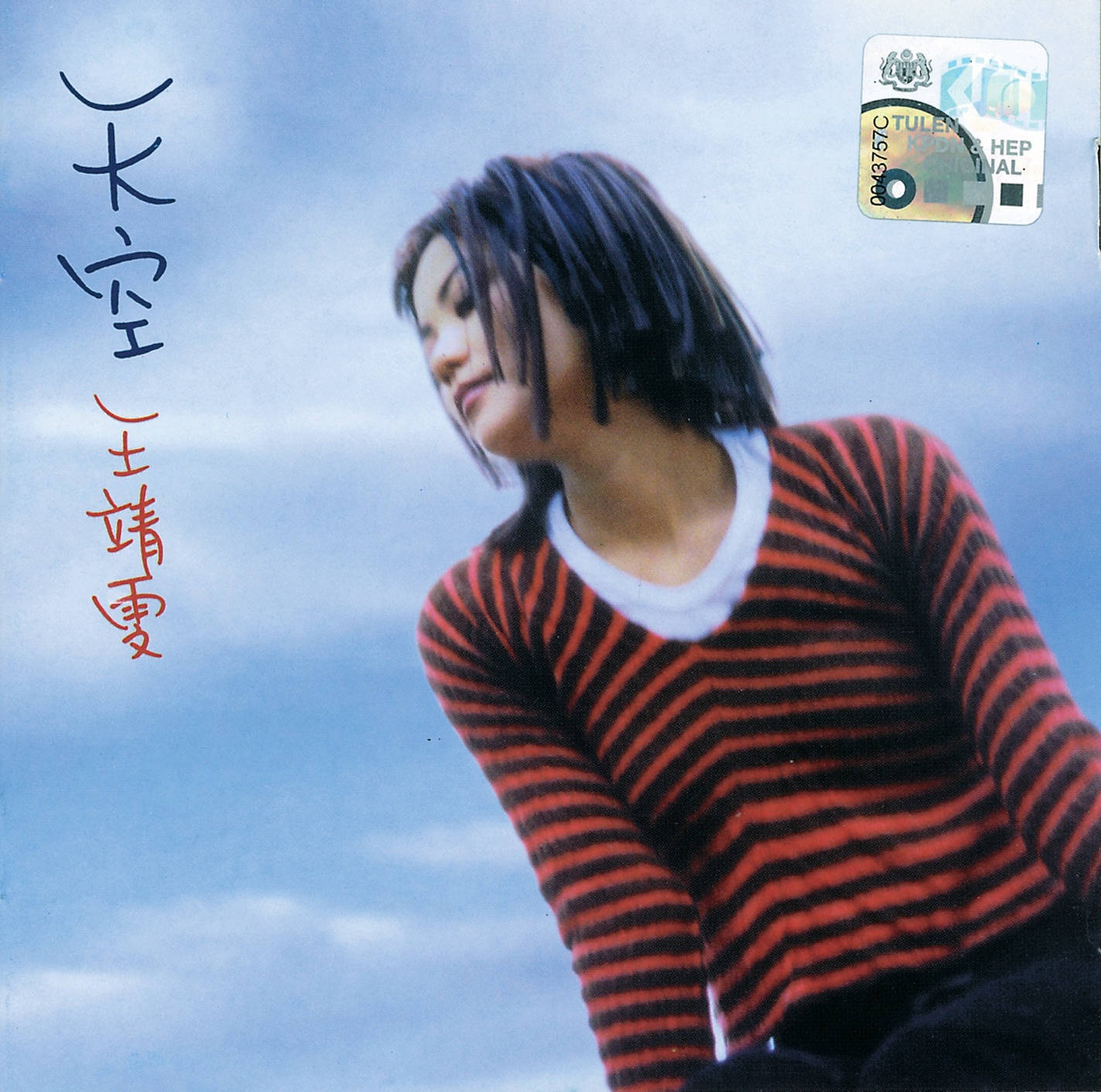
A listening guide to Faye Wong's voice, phrasing, artistic independence and screen image, with a practical route through her songs and albums.
Read the deep guide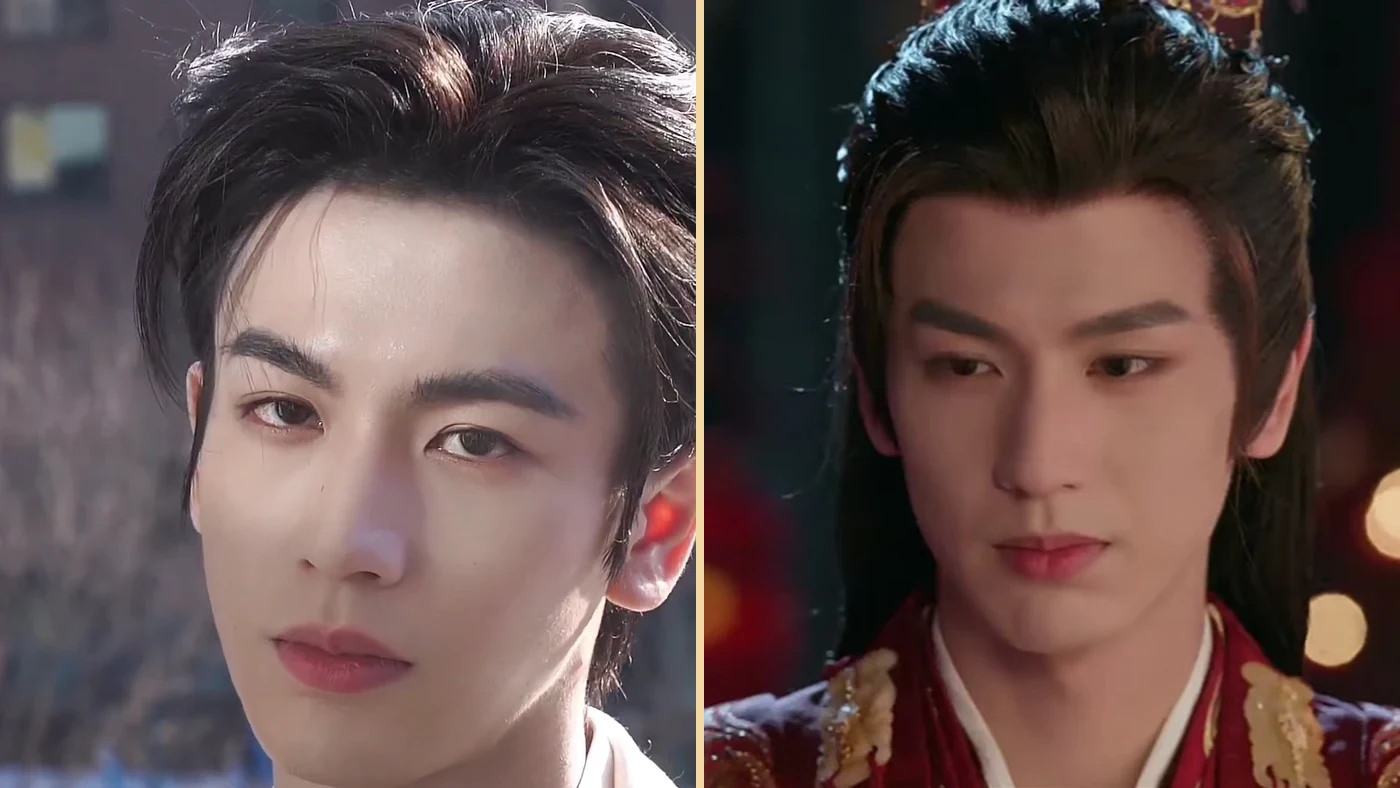
Who is Zhang Linghe, and which drama should you watch first? Compare Pursuit of Jade, Story of Kunning Palace and My Journey to You through the acting beneath his imposing screen image.
Read the deep guide
Understand Wong Kar Wai's movies and style through time, repetition, Hong Kong space and collaborators—with a practical route from Chungking Express onward.
Read the deep guide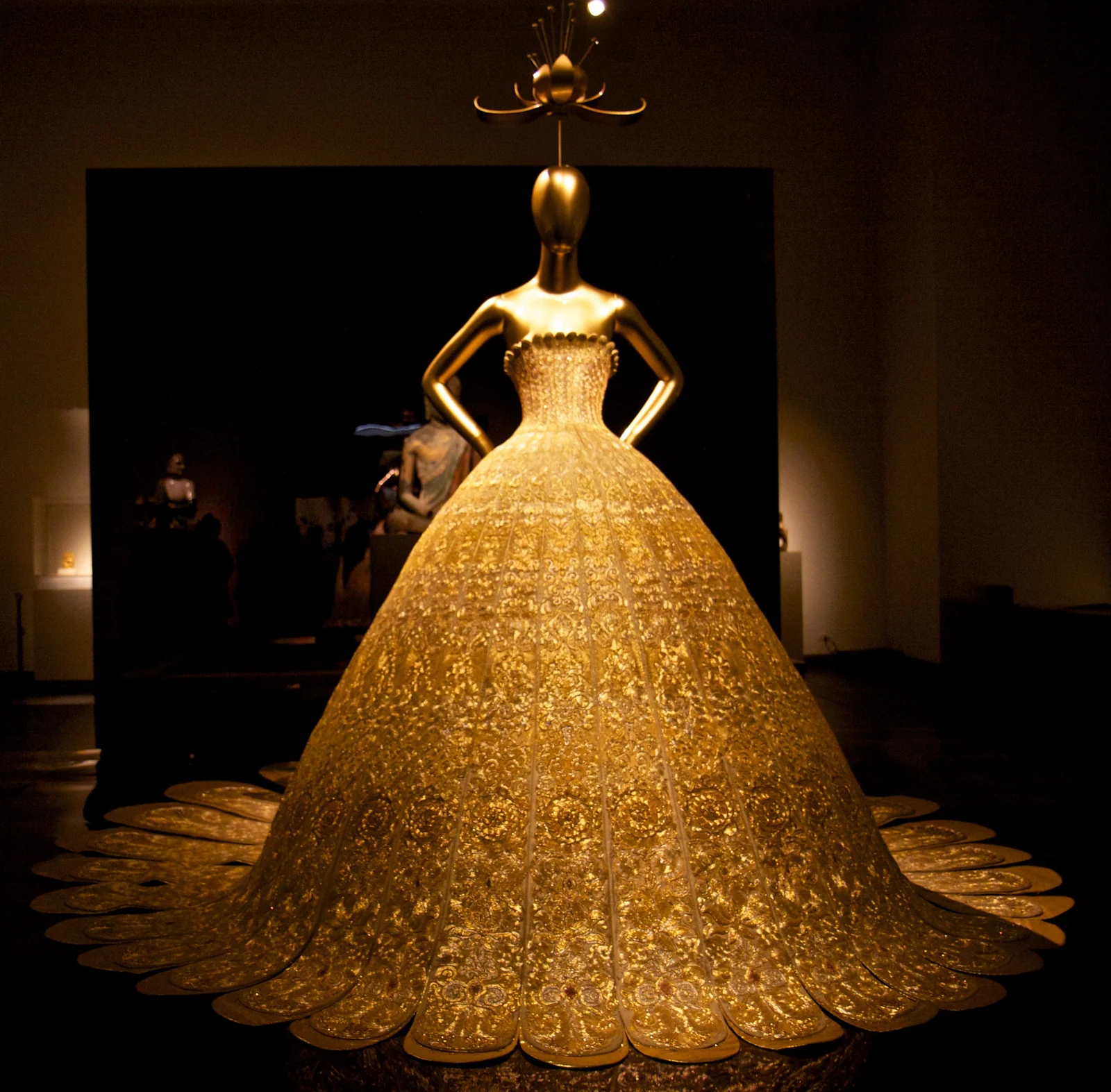
A close guide to Guo Pei: the engineering, embroidery, weight and cultural imagination behind her couture, beyond Rihanna's famous yellow cape.
Read the deep guideA circulation loop, not a celebrity feed
Search for Chinese entertainment and the results usually collapse into a celebrity list, a platform catalogue or a breathless claim that one industry is conquering the world. I refuse all three shortcuts. Entertainment becomes worth following when a specific creative choice survives distribution: a line enters daily speech, a song escapes the headphones, a character gives someone courage, or a game mechanic makes an inherited story physically legible. This page connects movies, television, music, donghua, games and the people behind them without pretending they are one genre or one market.
Chinese entertainment includes movies, television and streaming drama, music, animation and donghua, traditional and digital games, live performance, variety formats, online video and the creators and audience communities moving among them. That list is a map, not a definition. Chinese-language cinema includes mainland, Hong Kong, Taiwan, diaspora and transnational productions with different histories. A C-drama and a short-form web series ask for different kinds of time. A guzheng performance, a Chengdu rap track and a Jay Chou chorus do not become one sound because they share a country. Mahjong and Black Myth: Wukong are both Chinese games, but one lives through a table and local rules while the other turns literary inheritance into player action.
The useful definition is relational. A work is made by particular people under particular production conditions. It reaches an audience through cinemas, broadcasters, labels, publishers, streaming catalogues, clips, fan translation and recommendation. The audience then gives it another life through memory, repetition, argument, cosplay, edits, jokes, criticism and return viewing. Chinese entertainment is the whole circuit. Remove the work and the page becomes gossip. Remove distribution and global access becomes fantasy. Remove the audience and culture becomes an industry brochure speaking to itself.
East Moment currently has ten finished entrance collections beneath this page: five work worlds—movies, television, music, anime and games—and five creator routes—actors, musicians, directors, artists and celebrities. Those routes overlap, but they are not interchangeable. Start with the medium when you want to choose what to watch, hear or play. Start with a person when you want to understand craft, career change and public influence across works. Every route below is a real published hub. I would rather show ten honest doors than decorate this page with fifty empty themes.
Entertainment coverage becomes intellectually lazy the moment a face substitutes for a body of work. Search results repeat birthdays, heights, relationship rumours, brand appearances and follower counts because those facts are easy to rearrange. None explains why Tony Leung can hold a scene through withheld speech, why Faye Wong’s attack and release create distance without emptiness, why Wong Kar-wai makes corridors and missed timing feel like emotional architecture, or why a performer’s public image changes after one role exposes a capacity the audience had not seen. A person page must return to choices that can be watched or heard.
This is why East Moment separates actors, musicians, directors and artists even when one person crosses categories. An actor profile should trace roles, physical presence, voice, collaboration and the risks taken across a career. A musician page should tell the reader what to hear, how language and production shape the voice and where the music entered ordinary life. A director page should connect recurring formal decisions across films rather than collect awards. An artist page must stay close to materials, process and the conditions of looking. The celebrity collection has a narrower purpose: explain public influence and the machinery of attention without allowing that machinery to erase the work.
My rule is severe because admiration makes weak writing easy. If I love someone, I am more responsible for naming the limits. A charismatic performance can rescue a thin scene without making the script deep. A beloved singer can release a forgettable song. A director’s signature can become self-imitation. Clear criticism does not betray affection; it proves the work has been encountered closely enough to resist publicity language. The person becomes fuller when the page holds contradiction—craft and compromise, private feeling and public scale, past work and present risk—without dissolving everything into a neutral résumé.
A global viewer does not meet Chinese entertainment in the abstract. The meeting happens through a route: a cinema programme, a streaming licence, an official YouTube channel, a translated title, a subtitle track, a short clip, a fan edit or a friend’s message. Each route changes the object. A platform can separate seasons, hide an original title behind an inconsistent English alias, place bonus episodes beside the main story or make the legally available version invisible to a person in another region. A brilliant work with a broken discovery route is not globally accessible merely because a press release calls it international.
This is why our viewing guides distinguish title identity, region, subtitle availability and episode order. They also state the limits of that evidence. An official catalogue can prove that a title was listed on the route we checked; it cannot promise permanent access in every country or guarantee subtitle quality. A trailer can identify cast, style and release framing; it cannot prove the entire performance or adaptation. Platform facts age. The page must be useful today without pretending today is permanent.
Clips create another distortion. A twenty-second scene may become more culturally visible than the series that produced it. Sometimes that fragment is an honest doorway: a comic rhythm, a dance break or a line reading contains the work’s real energy. Sometimes it is a false promise manufactured by editing. I do not blame the audience for entering through a clip. I insist that the page reconnect the clip to the complete work, the creator and the consequence. Discovery is allowed to be accidental; understanding cannot remain accidental.
The regulator records the immense scale of television, IPTV, OTT, internet video and short-video circulation in China. Those figures establish infrastructure and reach; they do not identify artistic value, international availability or individual audience feeling. NRTA 2025 broadcast and network-audiovisual statistics
I do not experience entertainment as a release calendar. I remember the mobile-phone ringtone that made a song impossible to contain inside an album, the chorus repeated in milk-tea shops until a commercial hit became part of the street, the drama theme that makes a generation see one hairstyle and one silhouette before the first lyric finishes, and the film scene that returns whenever two people stand on a rooftop with a choice between loyalty and survival. These memories are not decoration around criticism. They tell us how culture actually travels.
A work can enter life in quiet ways. Someone borrows a character’s sentence because direct confession feels too exposed. A child imitates a comic gesture before understanding the reference. A family replays a festival programme because the repeated ritual matters more than novelty. A gamer recognizes a temple roof after hours spent moving through a fictional version. None of these reactions proves universal importance. Together they reveal the forms of attachment that audience measurement cannot explain: repetition without instruction, recognition before recall, private feeling carried by a public object.
This is also where personal judgment must remain visible. I can say a famous ending failed me because the work abandoned the pressure it had taught me to trust. I can defend a sentimental song because its simplicity gave thousands of ordinary spaces a shared emotional language. I can dislike a character while admiring the performance that made the dislike precise. East Moment does not hide behind ‘some viewers believe’ when the judgment is mine. The page states the feeling, shows the scene or sound that produced it and leaves enough evidence for the reader to disagree intelligently.
Chinese entertainment becomes most legible when one story crosses forms. Journey to the West can be a novel, opera episode, childhood television memory, silent-film experiment, animated character, comedy, game boss and tourist image. The repeated name does not make those versions equivalent. Film controls duration and viewpoint. Television turns companionship and repetition into part of the experience. Animation can detach bodies from physical possibility. Games make the audience perform timing, failure and choice. Each medium reveals one capacity and sacrifices another.
Wuxia and xianxia expose the same need for precision. Wuxia is not simply flying martial arts, and xianxia is not a costume filter plus glowing power levels. Jianghu depends on obligation, reputation, wandering and unofficial moral order. Cultivation stories organize time, discipline, hierarchy, resources and transformation. When those structures travel from novel to drama, donghua or game, adaptation quality depends on what the new medium makes concrete. A visual effect can display scale; it cannot replace a rule. A long episode count can display effort; it cannot create earned growth.
Cross-media comparison protects readers from two bad habits: worshipping fidelity and praising novelty for its own sake. Literal fidelity can produce lifeless work. Radical change can expose a truth the earlier form held only implicitly. I ask what problem the adaptation chose to solve, what human pressure survived and what the new medium made possible. That approach lets a reader move among our movie, television, anime and game hubs without reading the same franchise summary four times.
Choose Chinese movies when you want a complete encounter in one sitting and are willing to let visual rhythm carry meaning without dozens of episodes of explanation. Begin with intimate cinema if longing and social pressure attract you; choose martial arts or crime when bodies, loyalty and action must make the argument; choose animation or science fiction when scale and imagined systems matter. Do not begin with an anonymous ‘best’ list. Begin with the aftertaste you want and the time you actually have.
Choose Chinese television when sustained relationship, political strategy or fantasy rules justify a longer commitment. Run an episode-eight test: has the hook become human pressure, and is the series paying back the attention it demanded? Choose Chinese music when you want the shortest route into language, memory and a particular voice. Choose donghua when motion, visual systems and long-form cultivation worlds attract you, but verify access and episode order first. Choose games when you want the cultural question to become action, reply and consequence under your own hand.
Choose a creator route only after one work has made you curious. Start with the actor whose performance changed the role, the musician whose phrasing survived translation, the director whose decisions repeat without becoming formula, or the artist whose materials demand closer looking. The famous name should deepen the work, not replace it. This order also protects discovery from fandom warfare: you can admire a person intensely while still asking whether the next project earns your time.
This hub is broad, but it is not complete. Chinese variety shows have shaped celebrity careers, music discovery, comedy rhythm and fan participation; they need more than a paragraph attached to a television page. Stand-up, sketch comedy, opera, dance, livestreaming, short drama and concert culture each create different relationships among performer, platform and audience. Production crews, subtitlers, stunt teams, voice actors, editors, composers and fan translators also remain underrepresented whenever coverage focuses only on the visible face.
I am naming those gaps because an interface can lie more elegantly than a sentence. A grid of empty categories suggests authority that no finished page supports. East Moment will not publish a thin hub simply to occupy a keyword. The next branch must have a real search task, distinct evidence, an editorial argument, useful internal paths and images that prove something rather than repeat the same decorative cover. Until that work exists, absence is more honest than scale theatre.
The collection also needs continuous correction as rights and platforms change. A viewing route can disappear. A new translation can make an older guide obsolete. A creator can move into a different medium and reveal a pattern we missed. That is why the reason to return is specific: the page is a living map of completed routes, not a finished encyclopedia. New doors will appear only when the room behind them is ready.
Do not tell the community only that a work was amazing. Bring the precise moment that followed you into life. Name the film scene, drama episode, sung phrase, animated movement or game decision. Tell us where it reached you—a cinema, dorm room, family television, bus ride, milk-tea shop, livestream, fan edit or late-night recommendation—and what changed afterward. Did you call someone, repeat a line, learn a rule, search for the performer or abandon the series because its promise broke? Specificity turns feeling into a usable cultural record.
We will organize strong submissions by the route the moment travelled: screen to memory, song to street, character to self, game rule to relationship, or fandom to friendship. That archive will not claim to represent every audience. Its value is the opposite: each contribution keeps a person, place, medium and consequence attached. Return later to see which moments remain private and which begin connecting strangers across languages.
Reader-built field guide
Submit one precise cultural carryover: the work, exact moment, where it reached you and what you did or felt afterward. Generic praise and popularity numbers are not enough.
What this builds: We will connect contributions by route—screen to memory, song to street, character to self, rule to relationship and fandom to friendship—so you can return to see what keeps travelling.