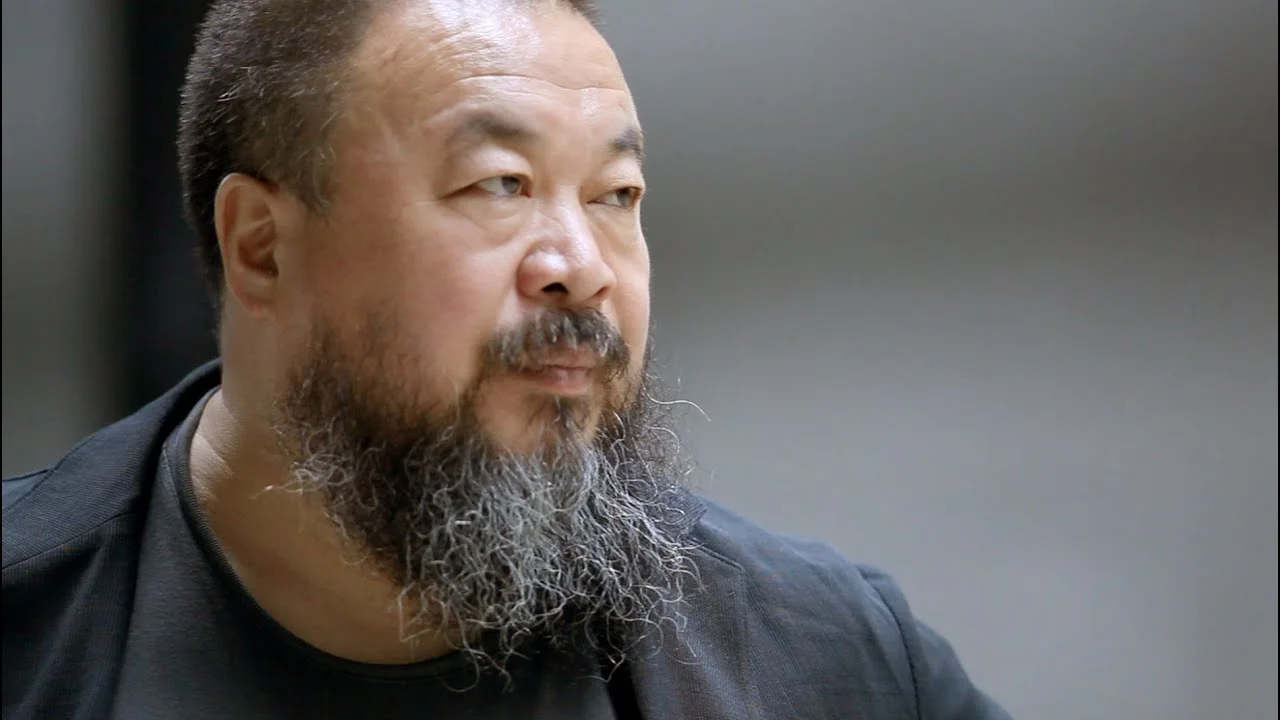
Ai Weiwei Makes Scale Feel Like a Moral Problem
Understand Ai Weiwei through Sunflower Seeds, Dropping a Han Dynasty Urn and his use of scale, repetition, labor and public evidence.
Read the deep guide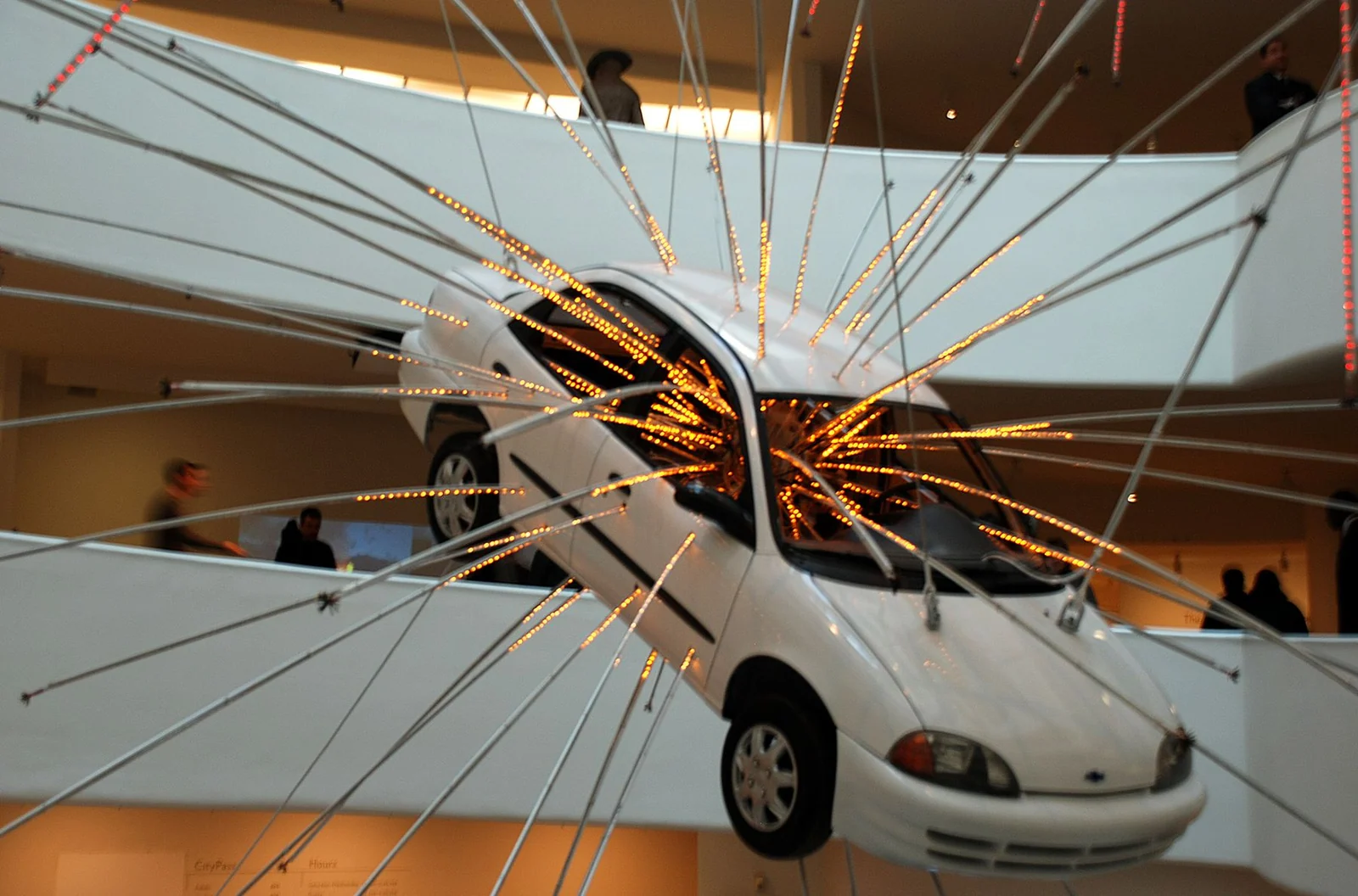
Material · method · refusal · public space
Chinese artists, illustrators, photographers and designers explored through their practices, materials, questions and working environments.
Stand with the work before the label9 published guides across 6 core paths.
Let material interrupt the identity label
Chinese artists must be met at the work: seeds covering a floor, gunpowder becoming light, paint refusing a national border, laughter becoming a mask, embroidery taking architectural weight. I will not use Chinese identity as a shortcut around material, method and consequence.
Museum collection records provide object, maker and exhibition context for modern and contemporary visual culture. M+ collections
Published guides, organized by intent
A collection page must do more than list recent posts. Choose the question that brought you here, open a focused guide, then keep moving through works, people and related cultural context without returning to search.
4 published guides
Ai Weiwei, Cai Guo-Qiang, Zao Wou-Ki and Yue Minjun work through seeds, gunpowder, paint and repeated laughter. The material is not decoration around an identity statement; it is where the argument becomes physical.
Understand Ai Weiwei through Sunflower Seeds, Dropping a Han Dynasty Urn and his use of scale, repetition, labor and public evidence.
Read the deep guide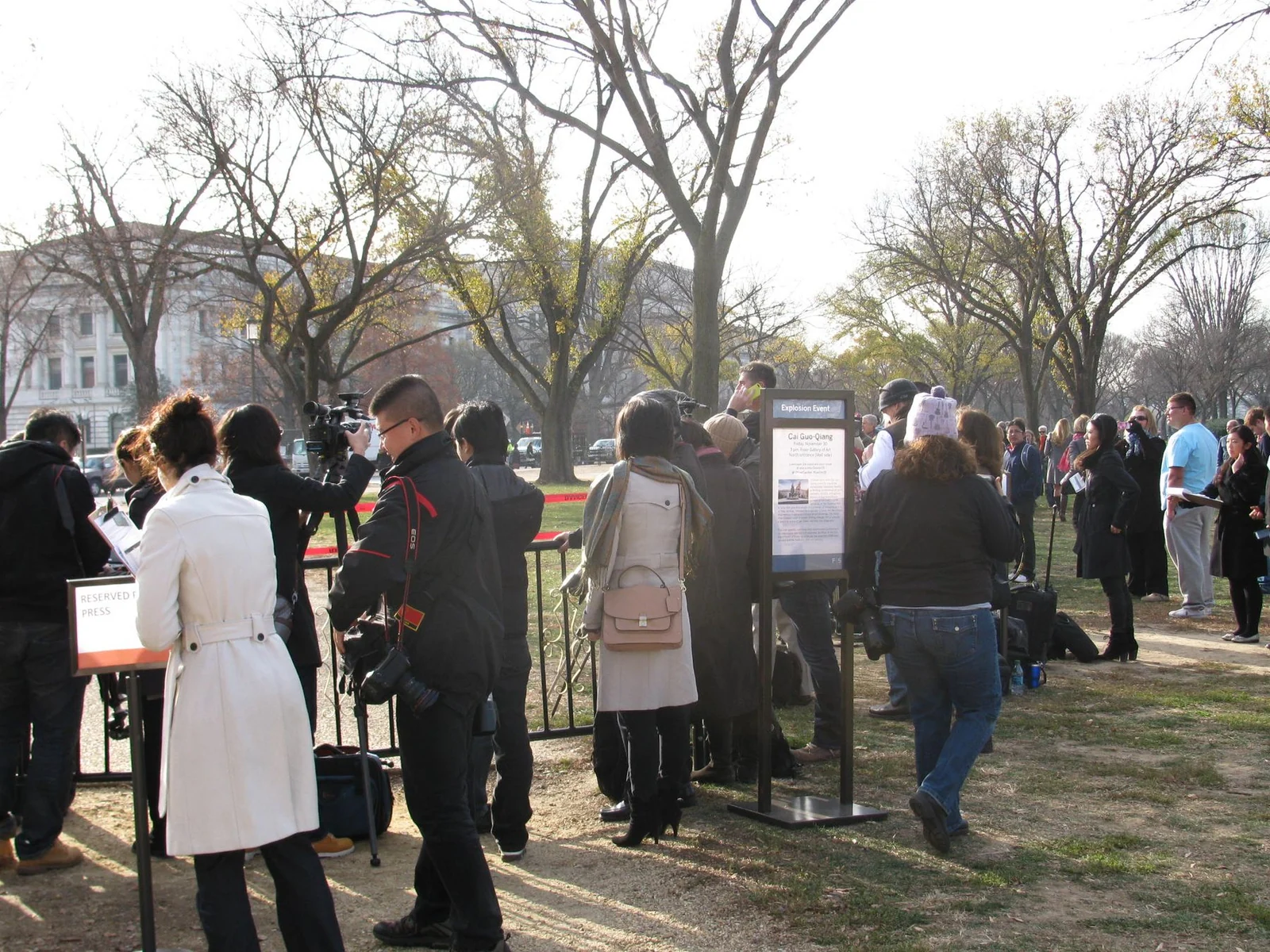
A close guide to Cai Guo-Qiang: why gunpowder, explosions, failed control and public spectacle make his art more than beautiful fireworks.
Read the deep guide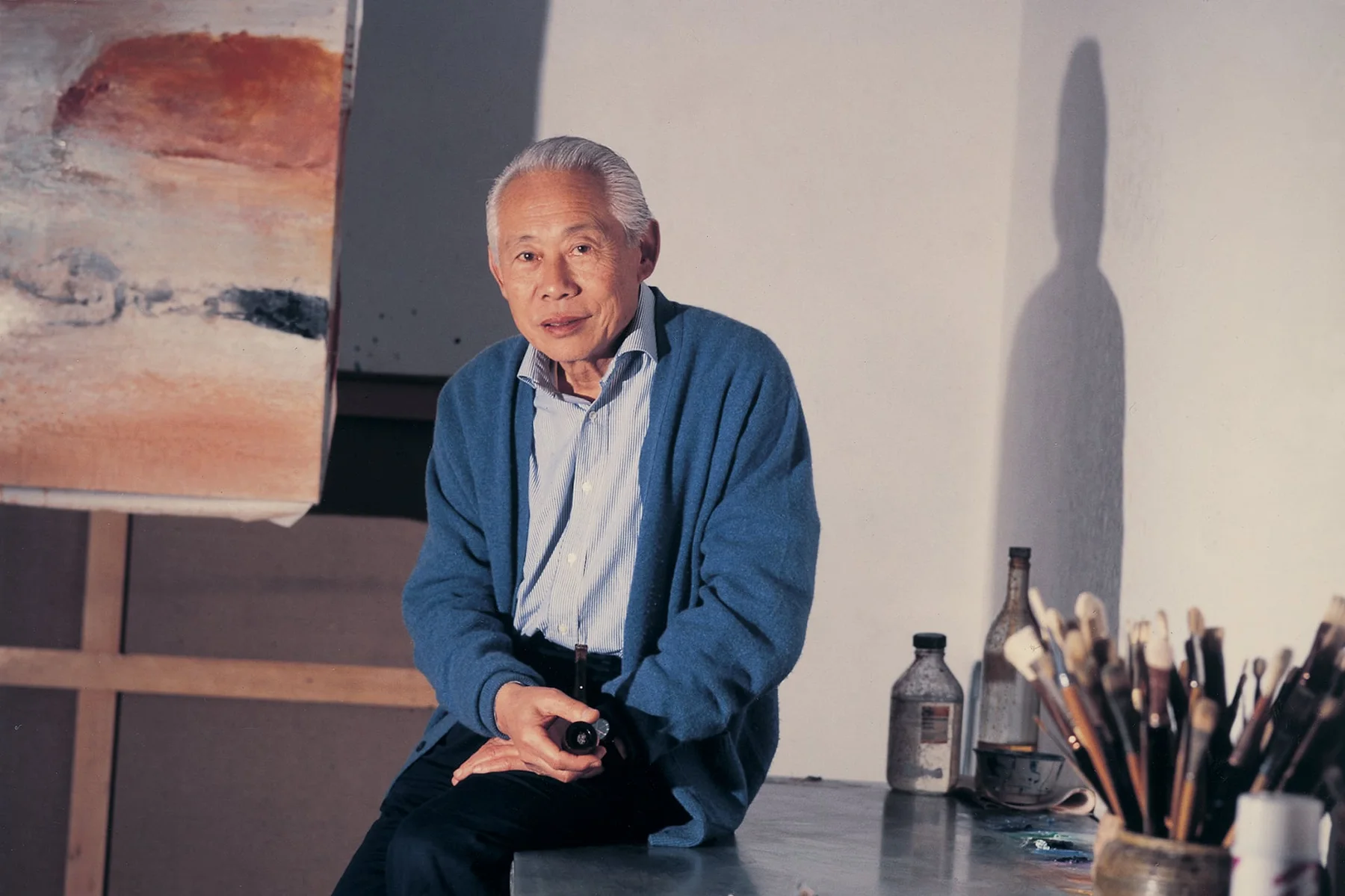
Understand Zao Wou-Ki through Wind, ink, triptychs and the pressure inside his empty space—plus key works and a practical first-viewing route.
Read the deep guide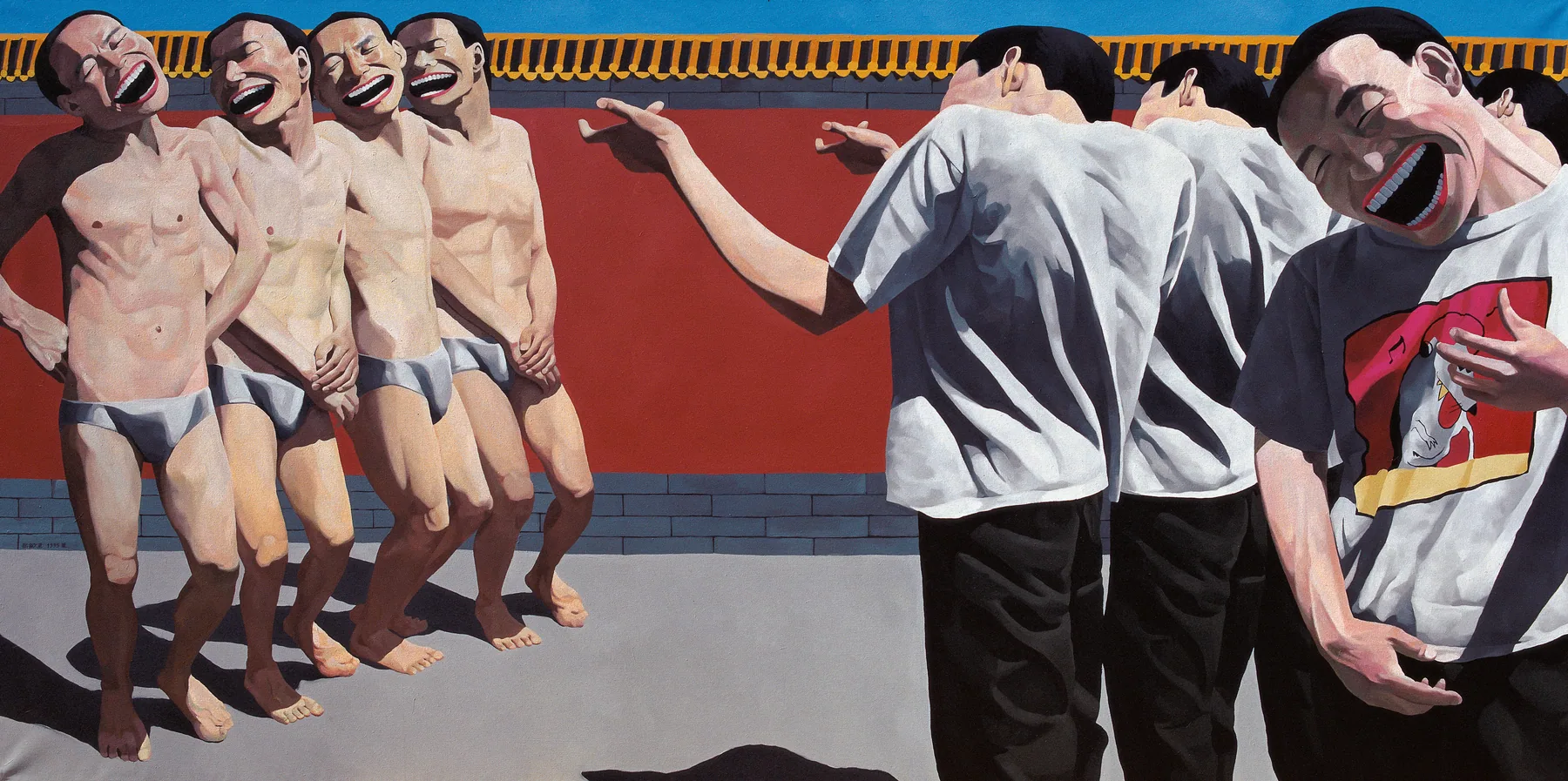
Understand Yue Minjun through his closed-eye laughing figures, repeated self-image, Cynical Realism, public sculpture and the risk of becoming a brand.
Read the deep guide3 published guides
Xu Bing tests the authority of writing, Cao Fei keeps fantasy answerable to factories and platforms, and Zhang Xiaogang turns family-photo order into an uneasy structure of relation. Each page teaches a different looking method.
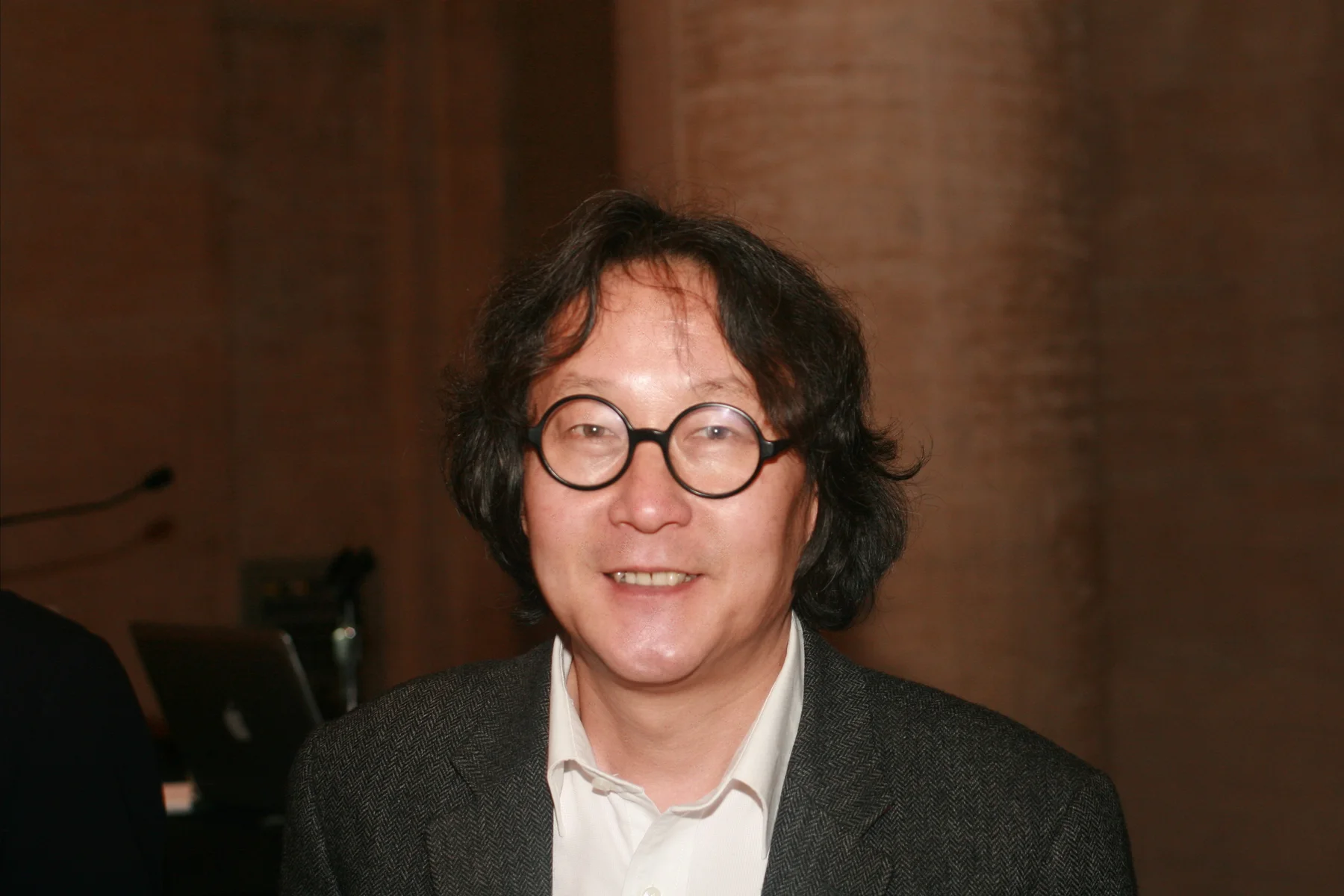
Understand Xu Bing through Book from the Sky, Square Word Calligraphy and Phoenix: how writing, authority and learned reading shape what we trust.
Read the deep guide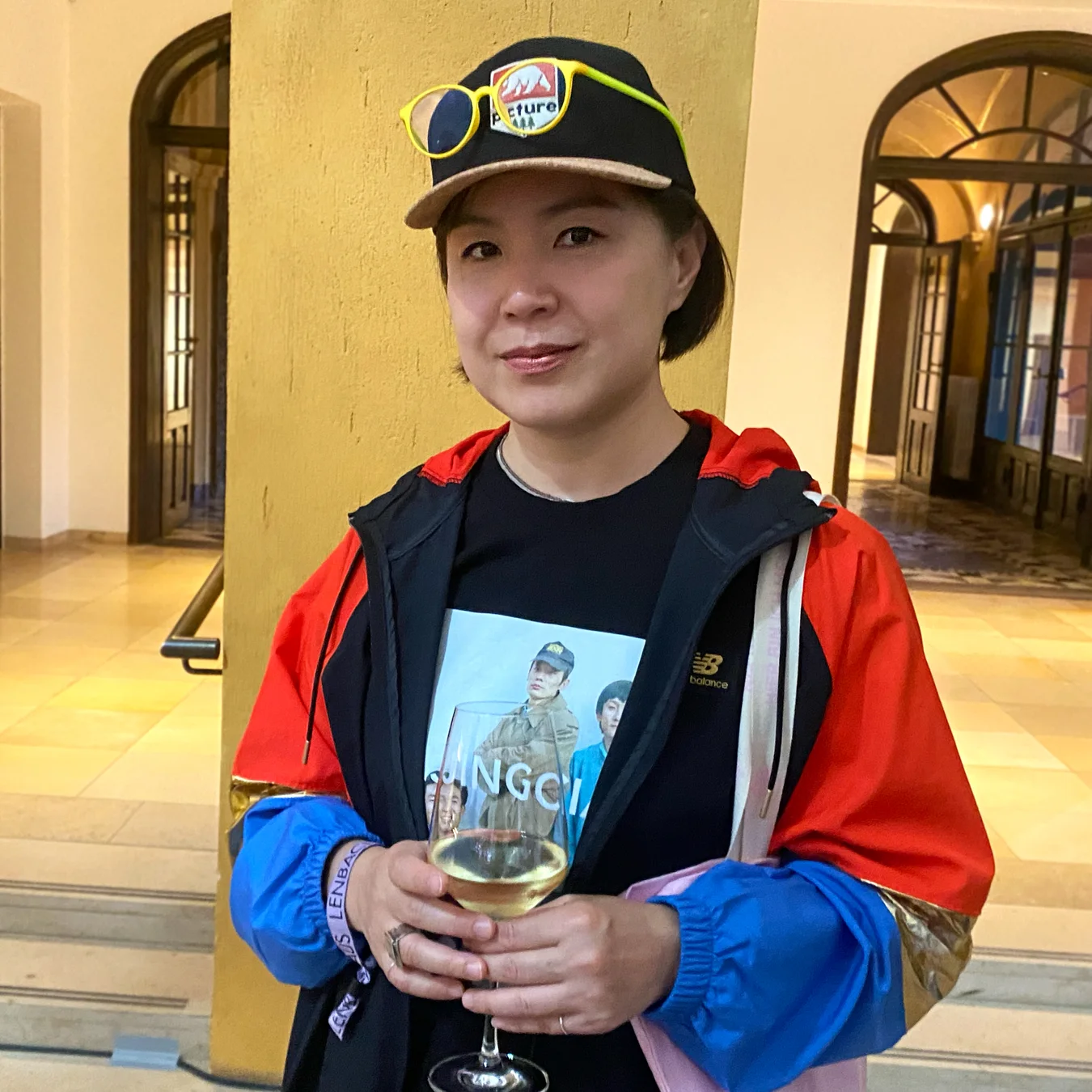
Understand Cao Fei through Whose Utopia, RMB City and Asia One: how fantasy reveals workers, platforms, automation and changing Chinese cities.
Read the deep guide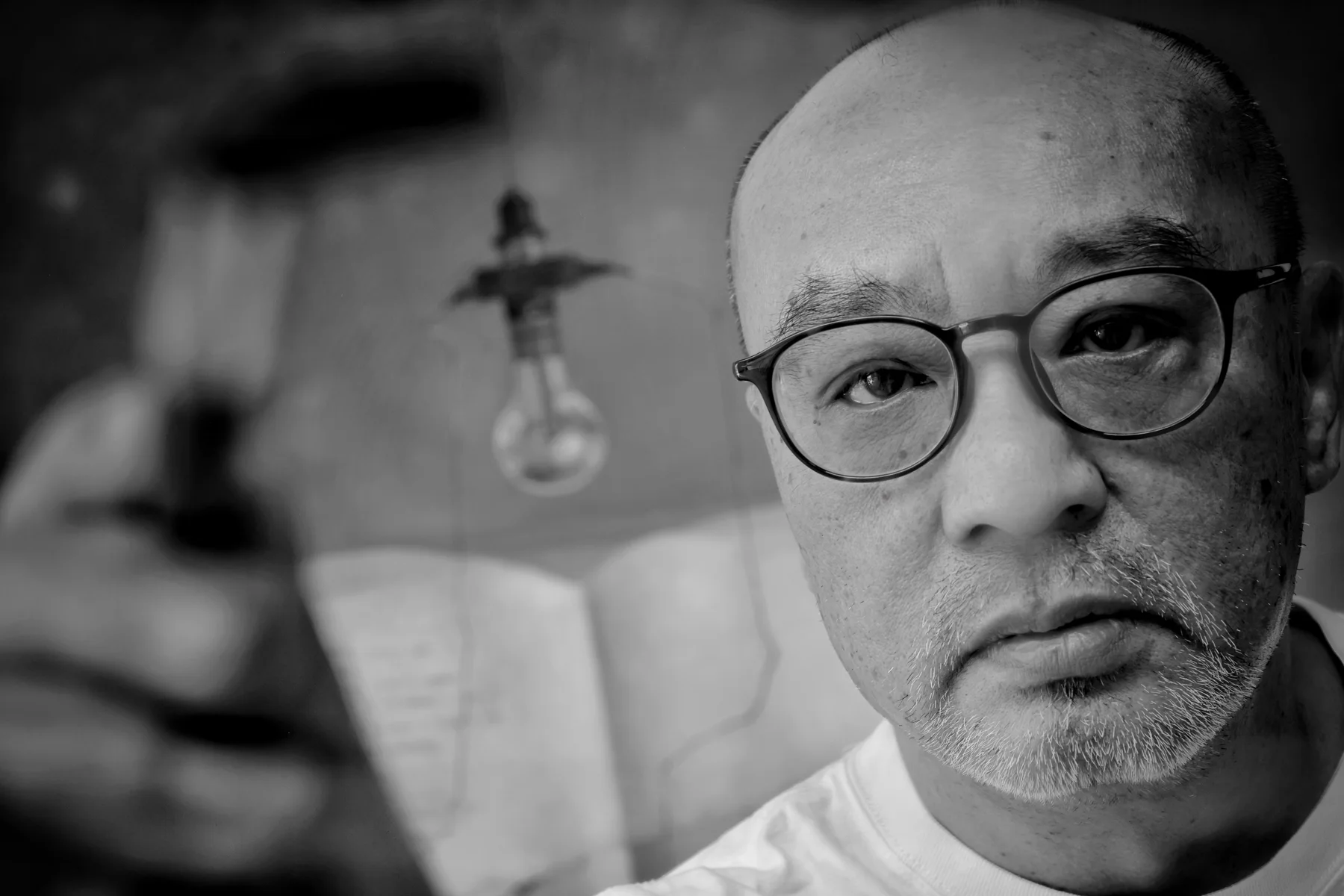
Understand Zhang Xiaogang and the Bloodline—Big Family paintings through family-photo order, red lines, color patches, memory and individuality.
Read the deep guide2 published guides
Guo Pei builds garments with architectural weight; Liu Wen changes how a body moves through global fashion systems. Craft, labor, casting and public image belong inside the artistic question.
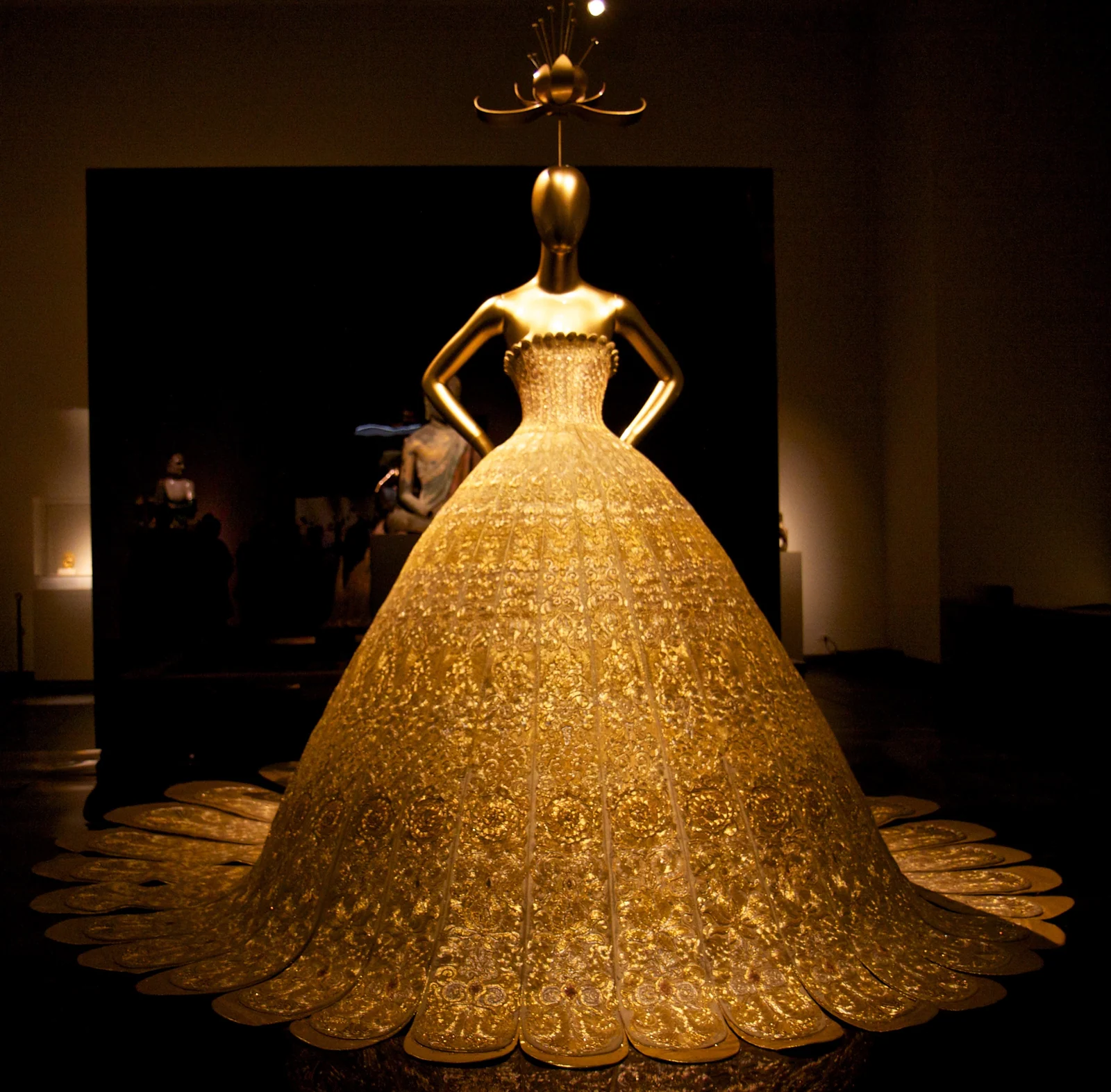
A close guide to Guo Pei: the engineering, embroidery, weight and cultural imagination behind her couture, beyond Rihanna's famous yellow cape.
Read the deep guide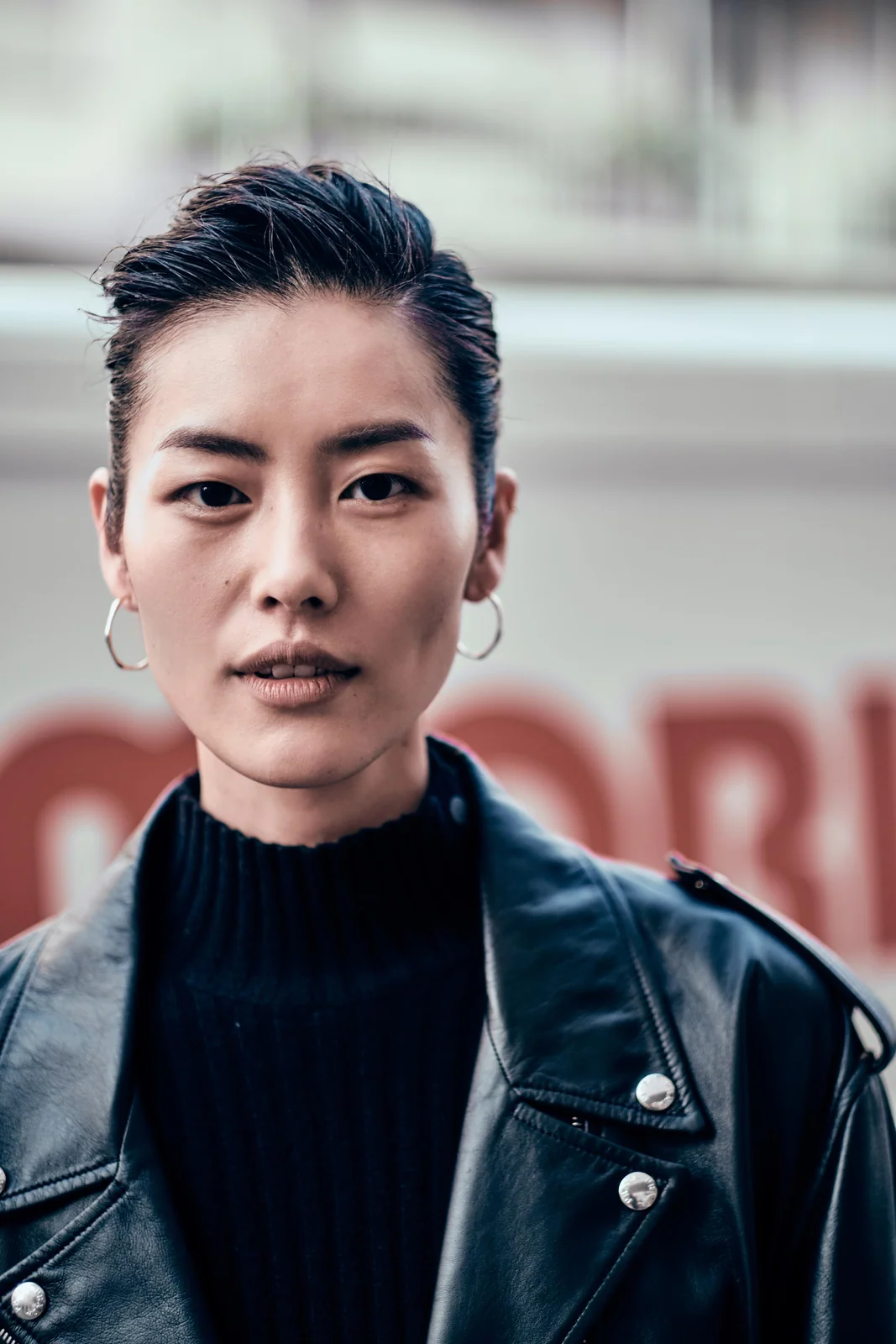
A close guide to Liu Wen: how runway movement, garment intelligence, repeatability and street style made the Chinese model internationally legible.
Read the deep guideMaterial before identity
A close reading built from cut, construction, use and feeling—not national costume shorthand.
Chinese artists are too often asked to illustrate China for an outside viewer: tradition, censorship, rapid change, collective identity. Those histories matter, but identity is not a substitute for looking. East Moment begins with what the work physically does. Millions of porcelain seeds change scale and authorship. Gunpowder turns image-making into risk and duration. Paint crosses language and national categories. Embroidery becomes architectural. Repeated laughter becomes a mask. Material and method give cultural interpretation something solid enough to resist cliché.
The field includes artists working across mainland China, Hong Kong, Taiwan, diaspora and international institutions, with careers shaped by different education, markets, political pressures and languages. Painting, sculpture, installation, performance, photography, fashion and digital work do not become one aesthetic through nationality.
Historical Chinese art and contemporary practice are connected through material, citation, institution and argument—not through automatic cultural essence. A ceramic object may invoke kiln history while being fabricated through a modern industrial chain. Ink can be medium, reference or expectation to resist. A dragon or character may be sincere, ironic, commercial or all three depending on the work.
I begin with the object because it slows identity language down. What is present? How was it made? What scale and duration does it demand? Who labored, who owns it, where is it shown and what can the photograph not prove? Those questions create room for cultural meaning without allowing it to arrive prewritten.
Museum records provide object, maker and exhibition context; interpretation must still remain tied to the particular work and its material history. M+ Collections
A field of porcelain sunflower seeds looks first like abundance and then like an argument about repetition, handwork, industry, individuality and spectatorship. The work's force depends on number, fabrication and the institution holding it. One photographed seed cannot prove the experience of the installation; the installation cannot erase the people who made each object.
Ai Weiwei's public identity and political history are inseparable from how many viewers approach the work, but biography should not replace material description. Furniture alteration, ceramics, architecture, documentation and digital circulation create different questions. Calling all of it dissent is as flattening as calling it all Chinese tradition.
My standard is to let the work complicate the public image. If the artist's fame makes every object appear brave before we look, criticism has stopped. The work deserves the risk of being specific enough to disappoint the myth around it.
Gunpowder is not simply an exotic Chinese material. It burns, stains, detonates, fails and leaves residue. The method puts planning beside unpredictability. In explosion events, the audience waits for something that cannot be repeated in exactly the same form. Documentation becomes necessary and insufficient at once.
Museum installations change the relation again. Suspended objects, architecture and visitor movement turn impact into spatial sequence. A photograph may establish scale and arrangement while flattening duration and sound. The page must state what the image proves and what the absent event still requires from testimony or official record.
I value Cai most when spectacle contains uncertainty rather than merely enlarging itself. Fire is easy to admire. The harder question is whether the material changes how we understand violence, celebration, control or memory. Scale must earn meaning after surprise.
Zao Wou-Ki's painting crosses Chinese and European art histories without settling into a comfortable fusion label. Brush movement, field, density and spatial ambiguity must be looked at before biography turns every mark into cultural synthesis. Movement between places does not make the painting a diplomatic metaphor.
Yue Minjun's repeated laughing faces create another problem. Recognition arrives immediately; interpretation should not. Laughter can become mask, commodity, political ambiguity or self-repetition depending on work and context. The familiar motif risks becoming its own brand, which makes variation and exhaustion part of the critical question.
Placed together, the artists expose why identity language is insufficient. One is often praised for transcultural abstraction, the other recognized through a figurative sign. Both demand visual evidence: surface, repetition, scale and the relation between individual work and career pattern. The label Chinese artist begins the context and never completes the reading.
Xu Bing begins before meaning. An unreadable printed character can still command respect; an English word can look foreign until the eye learns a different order. His material is not a vague meeting of East and West but the trained trust through which writing becomes authoritative.
Cao Fei keeps a factory, platform or automated workplace visible while someone dances, builds an avatar or imagines a relationship inside it. Fantasy matters because it reveals what the operating system could not fully describe. A futuristic image without the worker, rule or platform is only atmosphere.
Zhang Xiaogang starts with another ordering technology: the formal family photograph. Alignment, repeated clothing and frontal gaze make belonging coherent; red lines, color patches and unequal scale keep difference from disappearing. The viewer must describe those devices before diagnosing a face or reducing a family to one political symbol.
Together, the three artists make looking accountable. Read the sign twice, keep the system around the fantasy and inspect the portrait's arrangement before claiming to know its people. These are different methods, not one style of Chinese contemporary art.
Guo Pei's garments can operate at architectural scale through embroidery, weight, silhouette and runway staging. The work is not explained by calling it imperial or traditional. Construction, atelier labor, reference and the moving body determine whether spectacle has depth. A photograph reveals surface and proportion while concealing weight, interior structure and hours of making.
Liu Wen's field is different: modeling involves body, garment, camera, brand, runway and an industry deciding which face can circulate. Public influence is real, but authorship is distributed. The page must not confuse wearing with designing or visibility with complete control over the image.
These boundaries make the collection stronger. Chinese artists, designers and models can share a cultural network without becoming interchangeable creators. Ask who made the object, who performed it, who framed it and who profited from circulation. Precision gives each person more agency than a broad celebration ever could.
Digital circulation adds one more author. A runway clip, installation photograph or cropped portrait can become the work most people know, even when it suppresses scale, reverse side, duration and surrounding space. East Moment uses images as evidence only after naming that boundary. The image can prove a visible surface and relation; it cannot substitute for touch, movement, full exhibition context or the maker's complete intention.
A famous biography can make an artwork feel interpreted before we arrive. Resist that speed. Describe scale, surface, repetition, edge, weight, light and the route your body takes around the work. Name what is fabricated, found, painted, fired, performed or documented. Then ask which choice could not have been made in another medium. This is not formalism hiding from history. It is the discipline that prevents identity and politics from becoming labels pasted over an object we never actually saw.
Ai Weiwei's public history matters, but each work still has to organize material, labor and institution. Cai Guo-Qiang's gunpowder matters because combustion introduces time, risk and residue, not because the material sounds dramatically Chinese. Zao Wou-Ki's movement across places matters without turning every painted field into a diplomatic fusion. Yue Minjun's repeated laugh must be compared across works before recognition becomes interpretation. The artist deserves more than the story the market finds easiest to sell.
Photographs create another limit. They can establish visible form, scale relative to a room and a documented installation. They cannot restore sound, smell, reverse side, movement, duration or the exact relation among viewers. State that boundary, then use it. A good image should make the next sentence more precise. If the prose remains unchanged after replacing the artwork, the problem is not insufficient cultural background. The writer has not looked hard enough.
Large contemporary work can involve artisans, fabricators, engineers, assistants, curators, installers, photographers and institutions. Naming that network does not erase the artist. It reveals what the artistic decision actually coordinates and who carries its material risk. A field of handmade objects, an explosion event and an architectural garment distribute labor differently. The page should distinguish concept, making, performance, display and documentation instead of assigning every visible action to one famous name.
Public consequence also needs evidence. Exhibition attendance, controversy and market value can describe circulation but do not settle quality. Ask what later artists, institutions or viewers could do differently because the work existed. Did it change scale, medium, visibility or the language of a public problem? Did repetition deepen the question or become a brand? Influence becomes defensible when a pathway can be traced, not when praise grows louder.
Bring a close-looking note built from one material decision and one unresolved question. Another reader should be able to inspect the same image or object record and disagree with the interpretation. That possibility is essential. East Moment is not building a hall of approved meanings. We are building the habits that make looking specific enough for disagreement to produce more knowledge.
Market language needs the same resistance. Auction price can change an artist's working conditions and public visibility, but it cannot stand in for the work's formal or social consequence. Institutional inclusion also creates authority while reflecting curatorial priorities and collection histories. Record those systems when they matter, then return to the object. A painting does not become more spatially intelligent because its price rose; an installation does not become harmless because a museum collected it.
Digital artists make this boundary even more urgent. Code, platform, screen, interaction and ownership can all participate in the medium. A screenshot may preserve appearance while losing behavior. A token or edition record may establish a transaction while saying little about artistic necessity. Ask what the system makes possible, which dependency can disappear and how the audience changes the work. New media deserves specific looking, not automatic futurism.
Craft artists complicate the category in another direction. Repeated mastery of clay, glaze, textile, wood or metal may produce objects used in life, collected as art or sold through design markets. The boundaries are institutional, economic and historical—not measures of intelligence. Follow the decision and labor before deciding which label grants prestige. East Moment should connect artist and craft pages without forcing makers to abandon function in order to be taken seriously.
Reader-built field guide
Bring a work, object record or exhibition view. State what the material does, what labor is visible and what your image cannot prove.
What this builds: We will connect observations across artists, makers and institutions when better object records or new exhibitions change the reading.