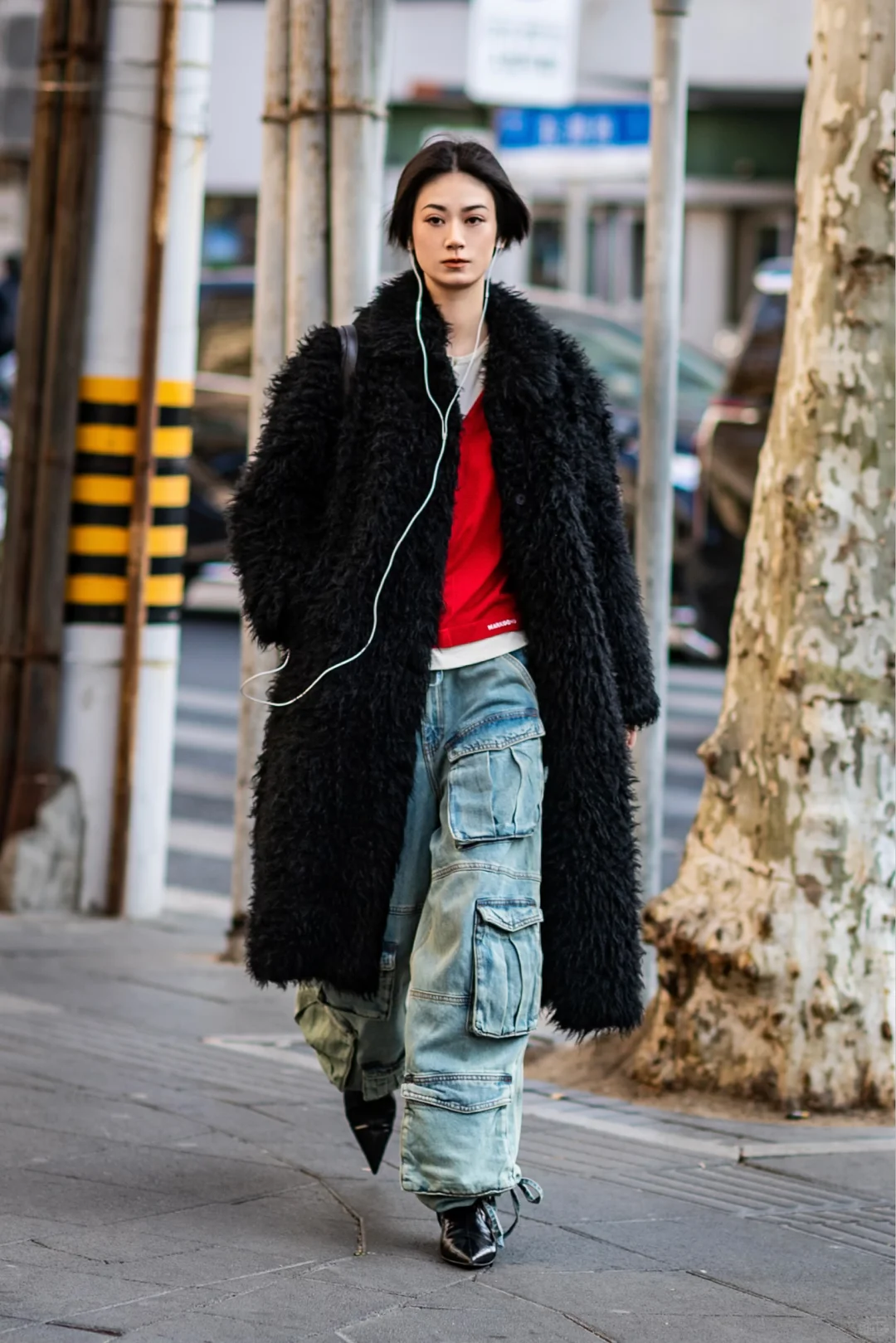
Chinese Street Style: Read the Outfit After the Pose
Read Chinese street style through proportion, movement, weather and city life—not viral stereotypes. A visual field guide to what real outfits are doing.
Read the deep guide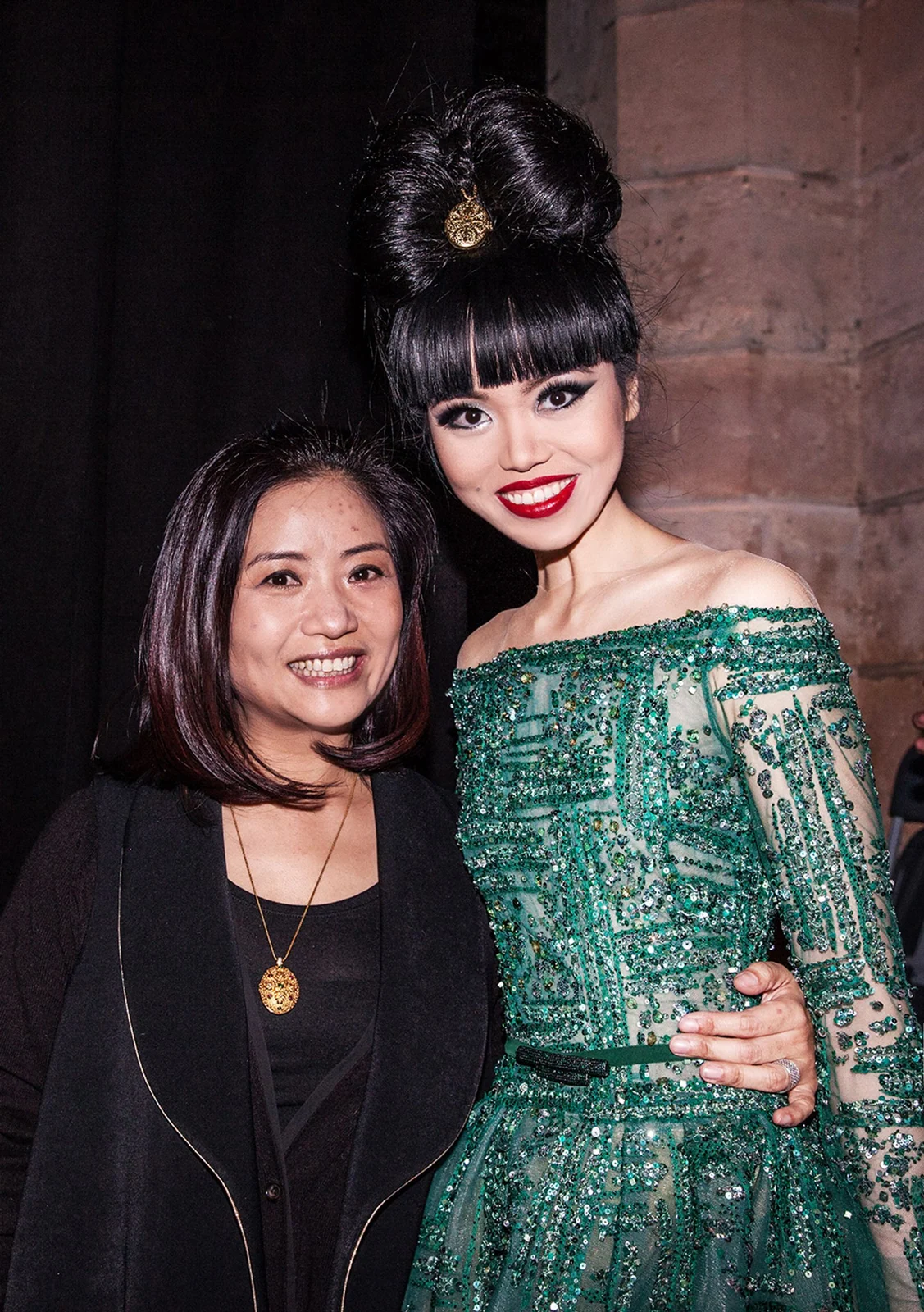
Cut · material · wearer · refusal
Chinese fashion, designers, street style, beauty and changing ideas of identity traced from material heritage into contemporary wardrobes.
Follow the decision in the garment10 published guides across 6 core paths.
Find the decision beneath the surface
Chinese fashion begins where the lazy costume label ends. A shoulder line, embroidered surface, runway choice or street combination carries a maker, wearer, historical reference and present risk. Precision makes the work more alive: name the garment and designer, then judge what their decision actually changes.
Museum-held garments and material records for checking period, construction and attribution. V&A China collection
Published guides, organized by intent
A collection page must do more than list recent posts. Choose the question that brought you here, open a focused guide, then keep moving through works, people and related cultural context without returning to search.
3 published guides
Begin with clothes moving through a real city, test whether cultural reference changes construction rather than packaging, then follow the repeated decisions that make a designer recognizable across collections.
Read Chinese street style through proportion, movement, weather and city life—not viral stereotypes. A visual field guide to what real outfits are doing.
Read the deep guide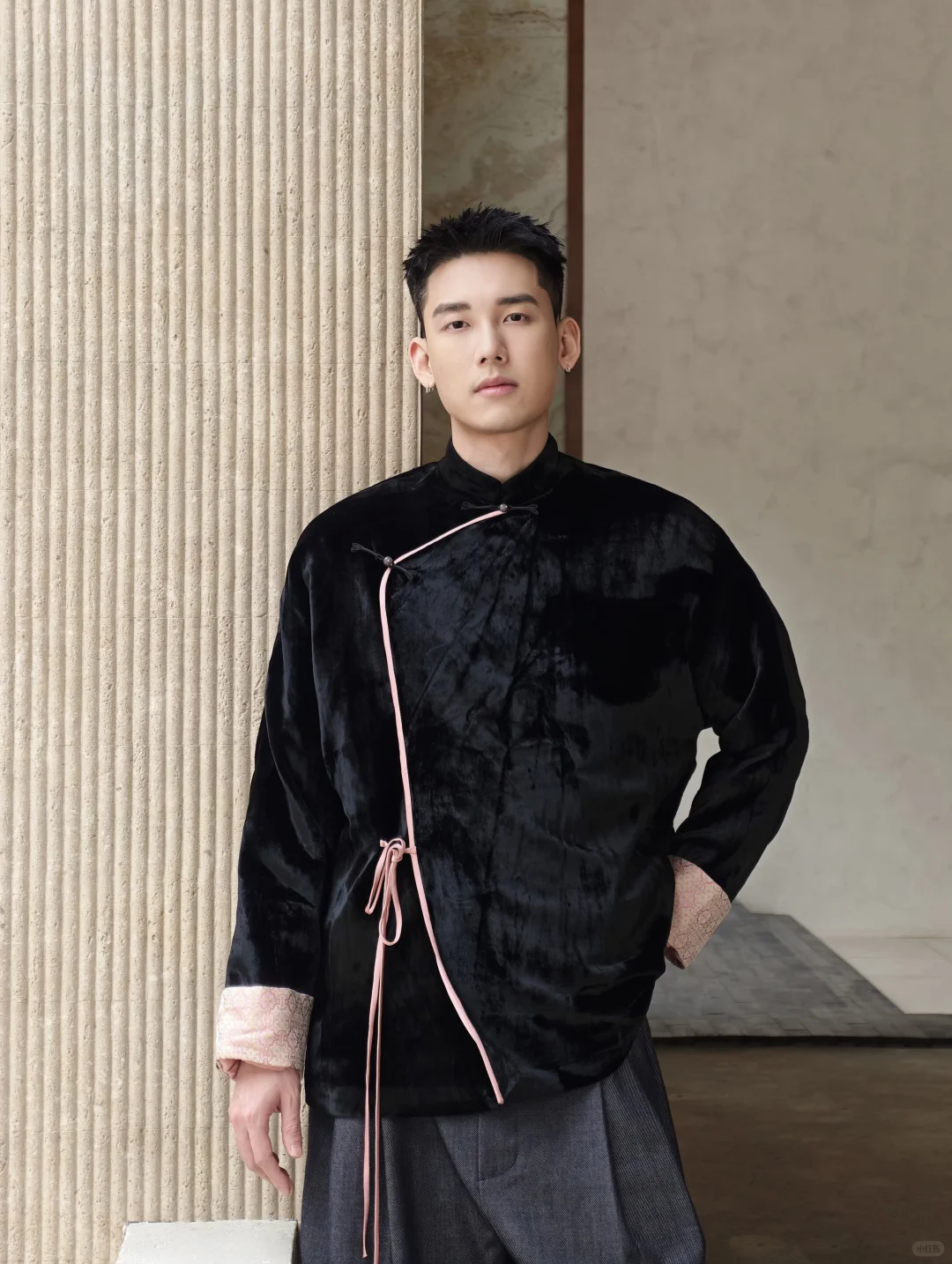
Understand Guochao fashion beyond dragons and red accents: how construction, material, proportion and use turn Chinese reference into contemporary design.
Read the deep guide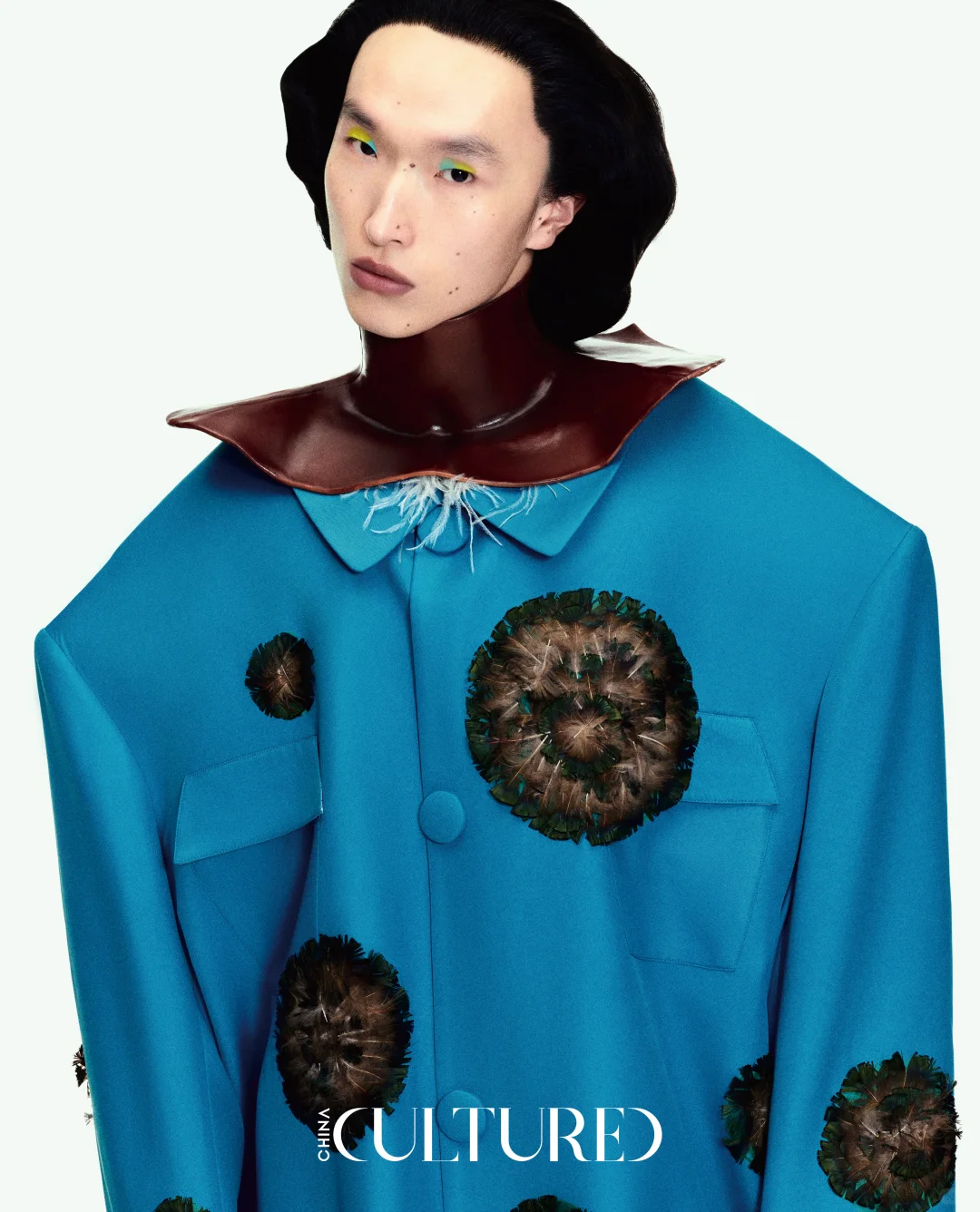
Discover Chinese fashion designers through repeated decisions in silhouette, body, construction and image—not a fame ranking or generic brand list.
Read the deep guide2 published guides
Guo Pei and Liu Wen enter global fashion through different forms of authorship, labor and visibility. Read the garment, career and institution together instead of treating either woman as proof that Chinese fashion has arrived.
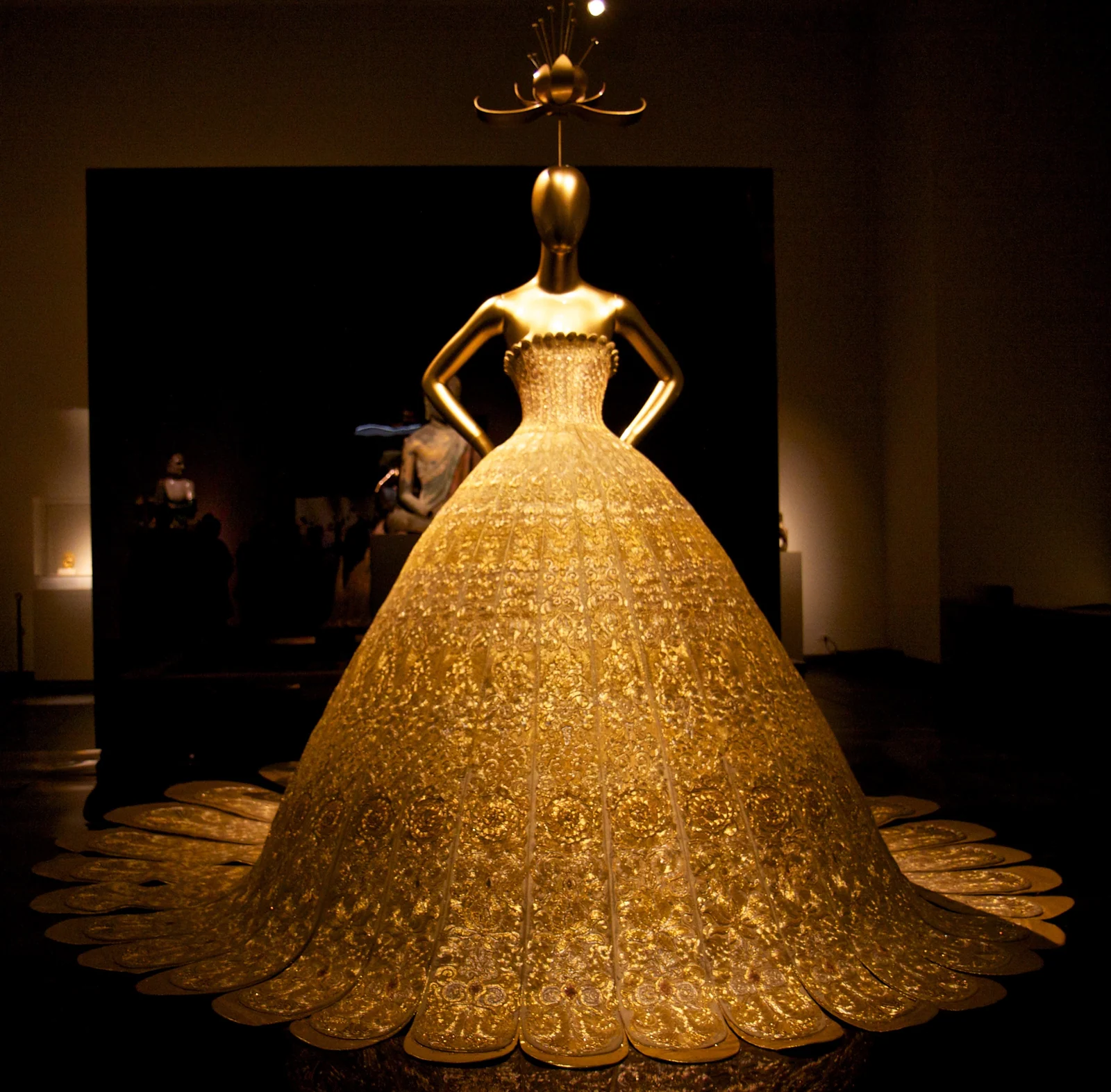
A close guide to Guo Pei: the engineering, embroidery, weight and cultural imagination behind her couture, beyond Rihanna's famous yellow cape.
Read the deep guide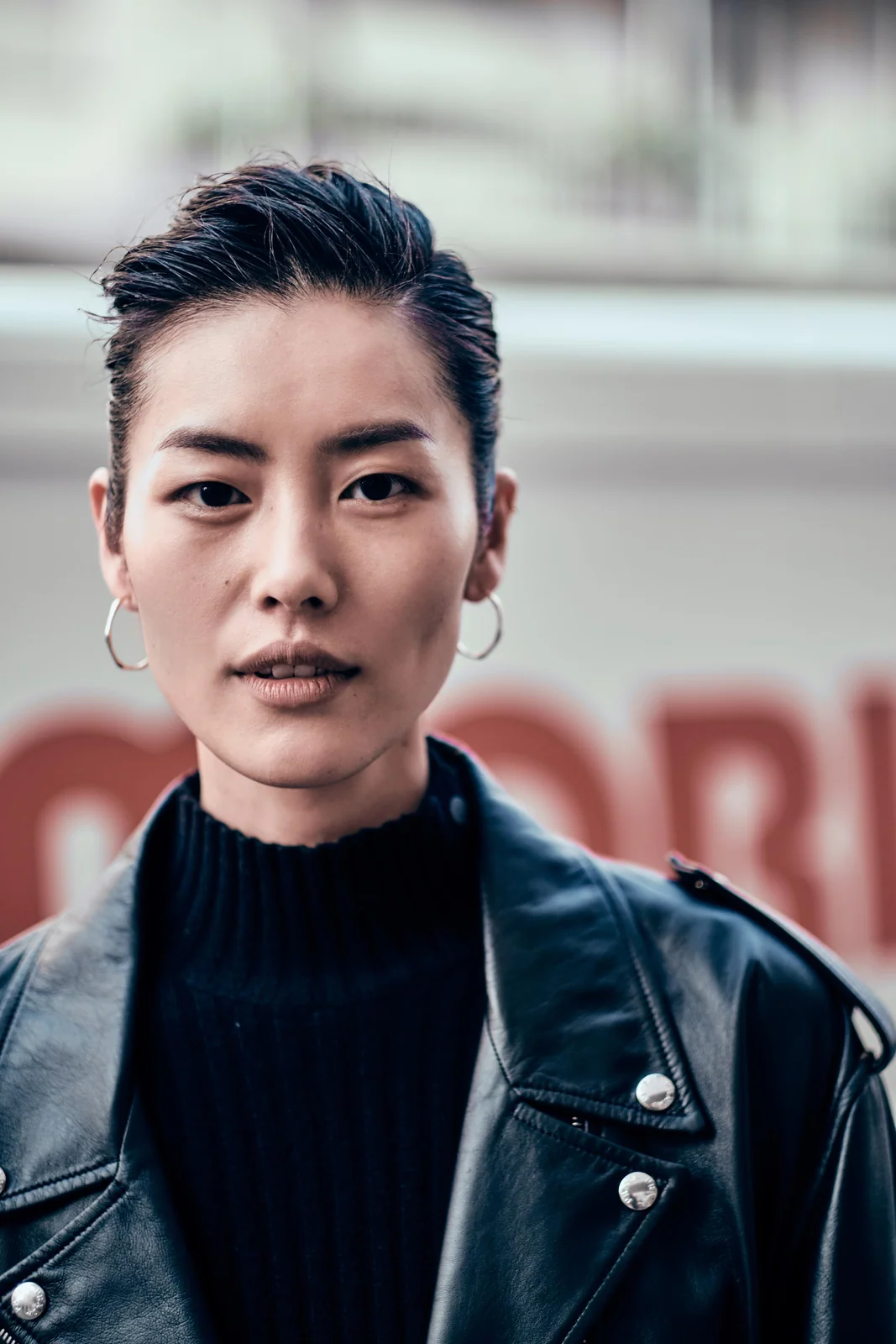
A close guide to Liu Wen: how runway movement, garment intelligence, repeatability and street style made the Chinese model internationally legible.
Read the deep guide5 published guides
Contemporary style can quote an old silhouette without becoming historically exact. These routes identify construction, period, gendered systems and ceremonial use so creativity gains context instead of losing it.
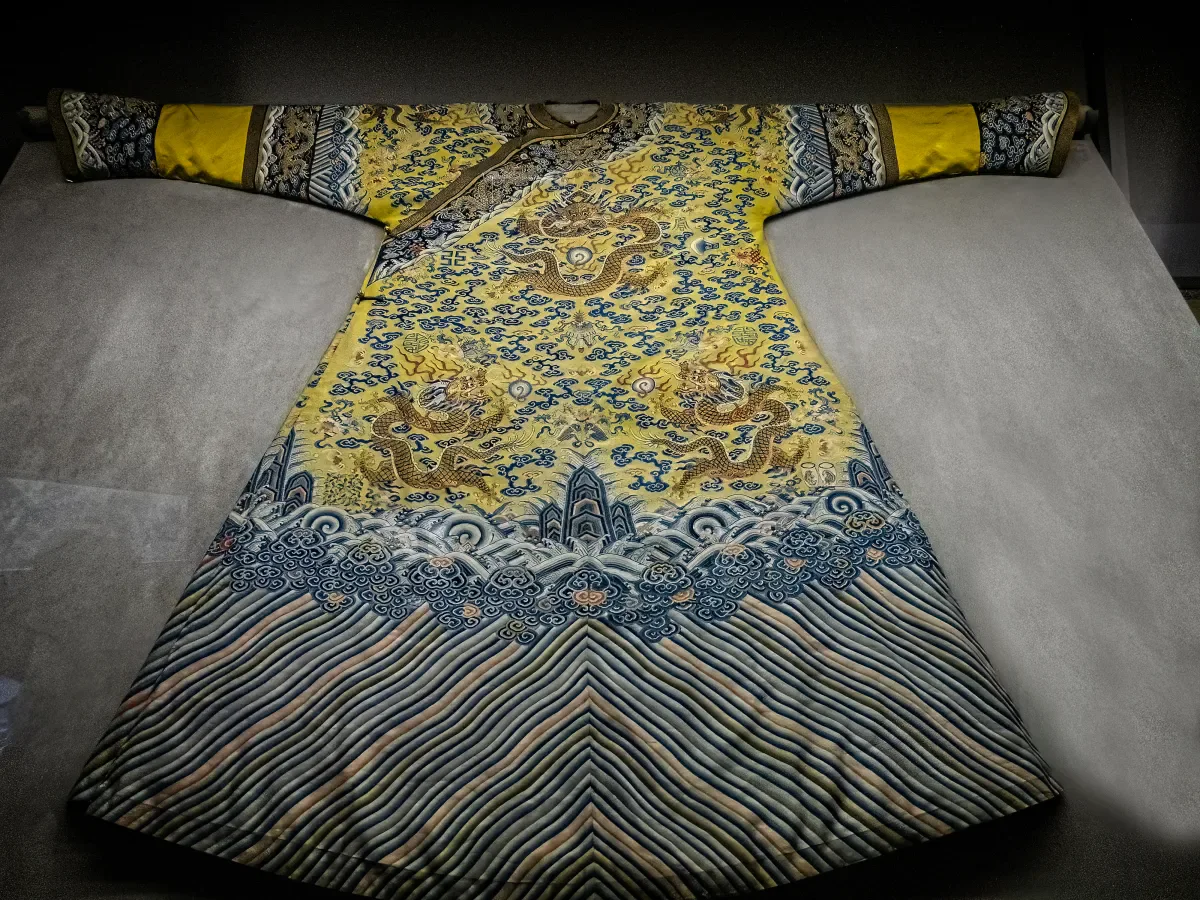
Explore traditional Chinese clothing through hanfu, qipao, changshan, textiles and ethnic dress, with historical context, comparisons and respectful guidance.
Read the deep guide
Understand hanfu as many historical Han Chinese clothing systems and a living modern practice. Learn how to name styles honestly and choose a first outfit.
Read the deep guide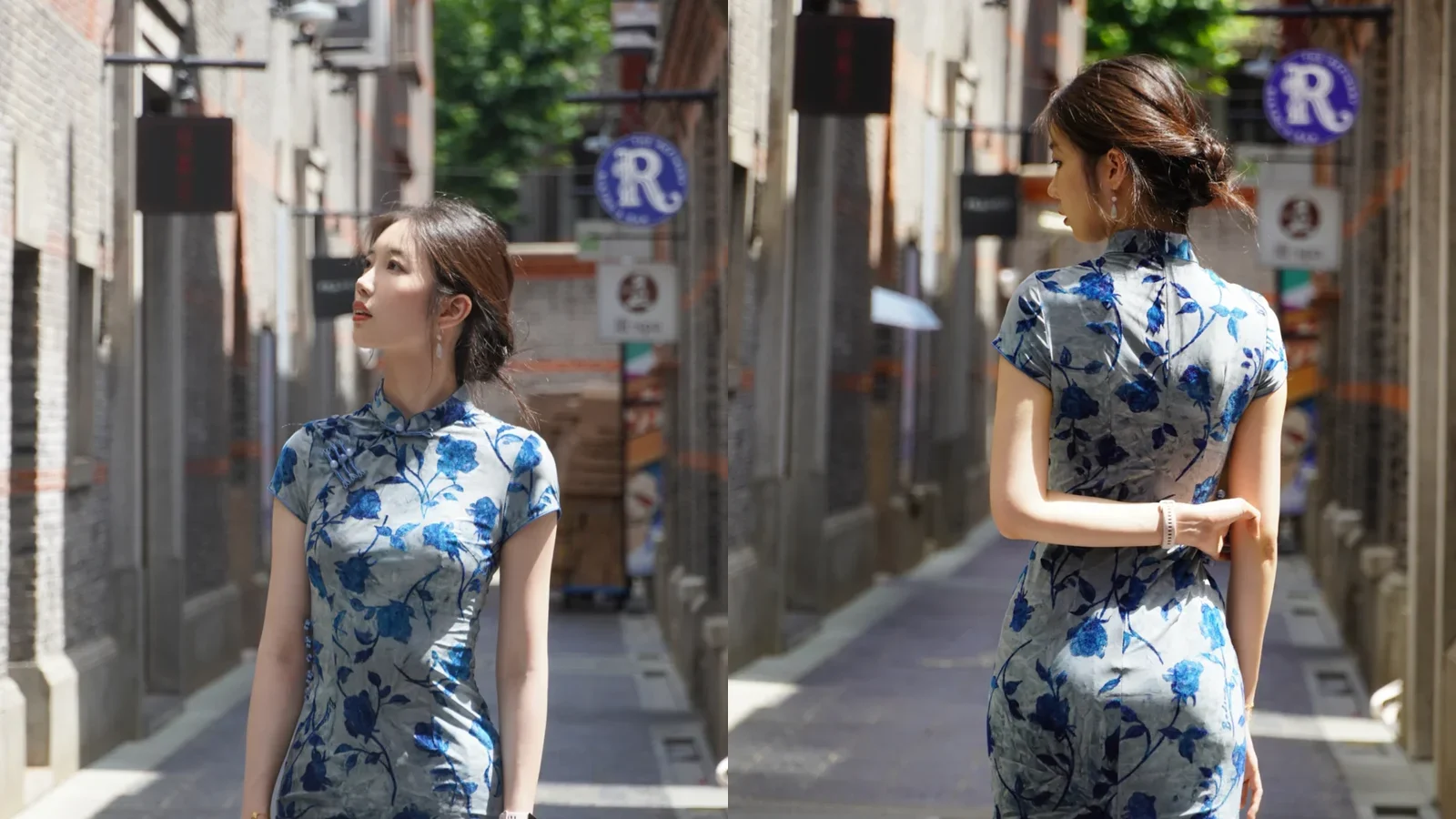
A clear guide to qipao and cheongsam: why the dress is not a generic ancient costume, how its silhouette changed, and how to wear or recognise it with context.
Read the deep guide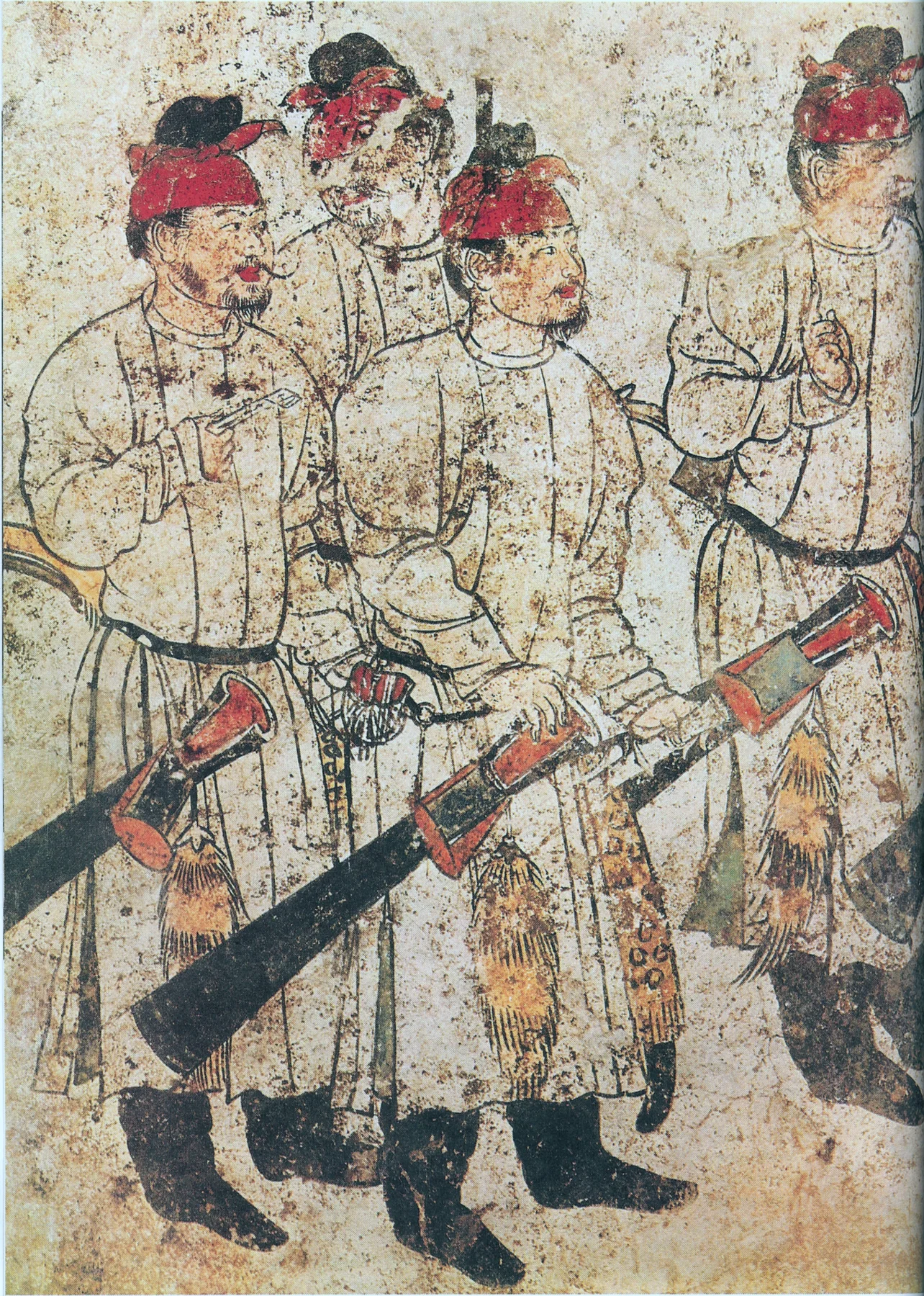
A practical guide to traditional Chinese men's clothing: hanfu, changshan, Tang suits and Zhongshan suits, with fit, fabric and occasion advice.
Read the deep guide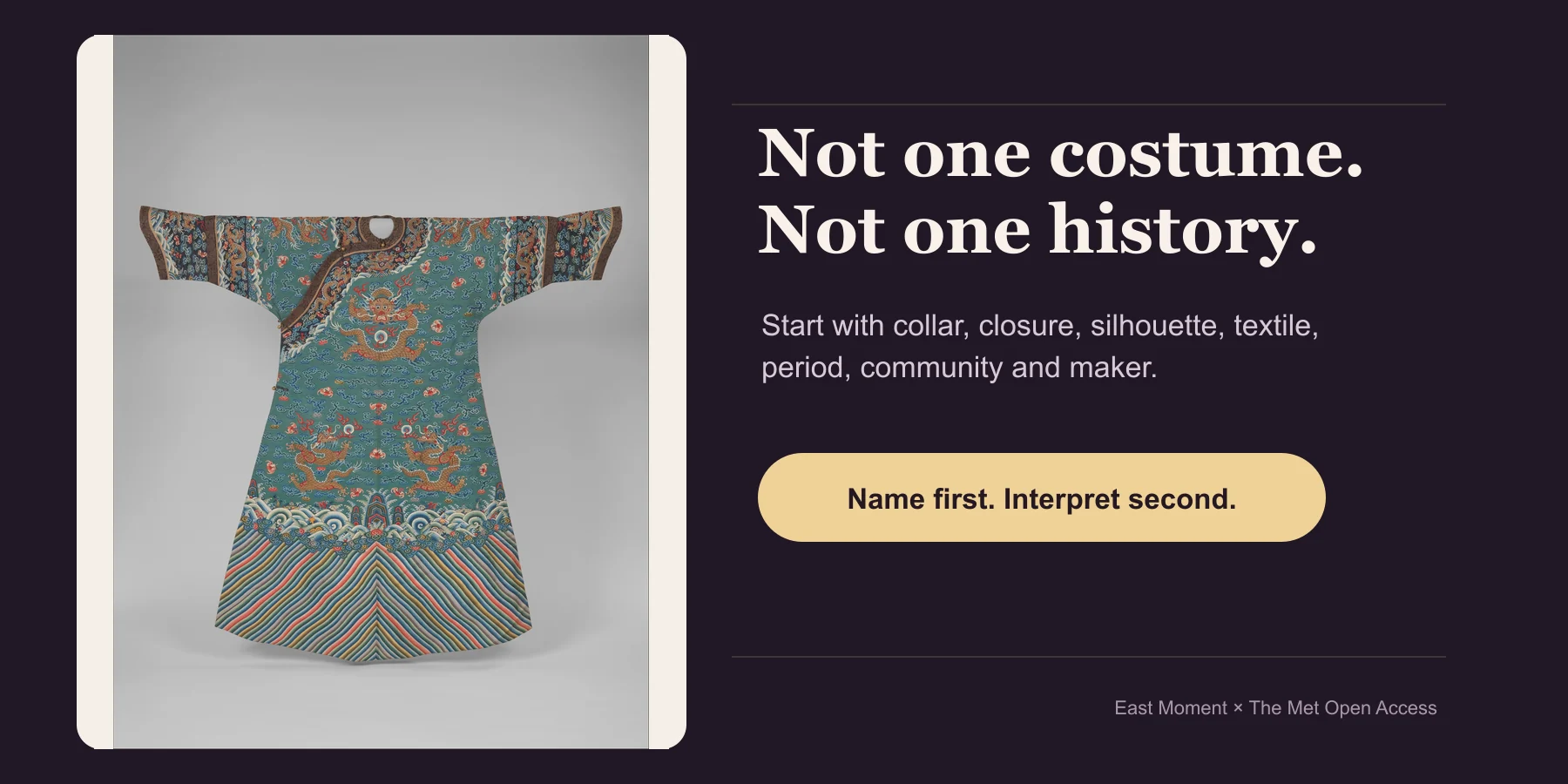
Identify traditional Chinese women's clothing, from hanfu and qipao to living textile traditions, and choose an honest look without flattening every dress.
Read the deep guideRead the garment outward
A close reading built from cut, construction, use and feeling—not national costume shorthand.
I lose interest the moment 'Chinese-inspired' means a red dress, a standing collar and a dragon pasted onto the surface. A garment deserves closer attention: how the shoulder sits, where the cloth carries weight, whether embroidery changes movement, what history is being cited and whether a real person can live inside it. Chinese fashion is not a museum cupboard or a mood board. It is a daily argument between memory, body, labour and confidence.
A garment can be historically informed and still feel dead. It happens when research becomes obedience: every detail is correct, but the wearer disappears beneath the lesson. The opposite failure is just as common. A designer borrows a collar or cloud motif, deletes its construction and calls the result modern China. I reject both. The interesting space is where historical intelligence meets a present body with a job, a subway ride, a phone, weather and an opinion.
This is why daily hanfu debates matter more than another spectacular photo shoot. People argue about authenticity because clothes carry belonging, but they also need pockets, washable cloth, safe hems and shapes that survive ordinary movement. Innovation is not automatically disrespect. Nor is every modern alteration intelligent. The test is whether a change understands what it is changing. A shortened sleeve can answer a life problem; a random motif can merely sell exotic recognition.
Fashion photographs train the eye to consume a finished surface. Material culture asks harder questions. Who dyed the cloth? Which stitch produces that edge? How long can a bead-heavy piece be worn? What happens at the back, lining and closure? Once I look there, craft stops being decorative heritage and becomes engineering, time and bodily cost. A couture gown can be magnificent and uncomfortable; saying both is more respectful than turning labour into romance.
China's textile history is immense, but historical abundance does not give every contemporary brand equal depth. Citation must be precise. 'Inspired by the Tang dynasty' is not evidence. Name the silhouette, object, painting, textile or technique. Show what was transformed. Credit the maker when a craft practice enters a luxury narrative. Museums such as the V&A help establish material records, yet a museum label cannot explain how a young wearer feels under public attention. The archive and the street need each other.
While editing East Moment's Guo Pei material, I kept returning to the photographs that publicity normally treats as secondary: the back, the fastening, the place where a train changes direction and the moment assistants must manage gravity. The front tells me the fantasy. The back tells me whether the fantasy has engineering. That small editorial habit changed my fashion judgment. I am now far less impressed by a symbolic motif than by a garment whose construction makes a body move differently and still lets the wearer remain a person rather than a pedestal.
Use collection records to check period, material and construction before making visual claims. V&A China collection
A person combining a loose jacket, sports shoe, inherited pendant and inexpensive online accessory may reveal more about contemporary Chinese taste than a campaign built to symbolize the nation. Street style is not pure spontaneity—it is shaped by platforms, work rules, body ideals and shopping systems—but it shows how people edit available meanings. They do not wear 'tradition' and 'modernity' as separate outfits. They make one morning decision.
That is also where beauty trends become political without needing a slogan. Skin filters, body proportions, gender presentation and the pressure to look effortless change who feels visible. A look can be playful and punishing at once. I want fashion coverage that admits desire: people dress to be admired, protected, mistaken for someone else or finally recognized as themselves. Remove that emotional risk and only product information remains.
The worst answer to cultural appropriation is a universal permission slip. The second worst is a universal prohibition. Clothes travel; power travels with them. I ask who is named, who profits, whether sacred or political meaning is being emptied, whether a stereotype replaces a living community and how the wearer responds when corrected. Those questions produce clearer judgment than treating every cross-cultural garment as identical.
Foreign wearers do not need to perform anxiety around Chinese clothing. They need curiosity and accountability. Learn the garment's name. Avoid inventing a dynasty story. Credit the designer or maker. Do not use a living culture as comic costume. And accept that Chinese people will disagree. Disagreement is not proof that context is meaningless; it is proof that culture belongs to people rather than a rulebook.
Describe the silhouette without nationality. Identify the fabric if you can. Look at seams, fastening, lining and weight. Find the historical reference rather than trusting the campaign. Then ask how the person moves and where the garment will be used. This order protects us from lazy symbolism. It also makes fashion more pleasurable because detail replaces vague admiration.
Chinese fashion is already plural: couture and factory speed, reconstructed history and street improvisation, global luxury and tiny studios, gender discipline and rebellion. I do not want to smooth those contradictions into a trend forecast. The field is compelling because people are deciding, in public and on their bodies, what inheritance must be protected, what can be cut apart and what deserves to be worn simply because it feels beautiful now.
The fastest way to flatten Chinese fashion is to identify a motif and stop looking. A dragon, cloud, standing collar or embroidered surface may carry a historical reference, but reference does not tell us whether the garment works. Follow the seam, closure, weight, volume and movement around the body. Ask who can sit, walk, work or perform inside it. A designer earns the cultural reference by transforming material and proportion, not by placing a familiar symbol on an otherwise generic silhouette.
This is why hanfu revival, qipao history, couture, street style and global runway careers need different evidence. Hanfu communities negotiate period knowledge, contemporary comfort and public identity. A qipao changes through cut, city, class, labor and twentieth-century modernity; it is not a timeless national uniform. Guo Pei's couture requires atelier labor and structural ambition. Liu Wen's work requires attention to performance, camera and the industry's distribution of authorship. The broad label connects them only after those distinctions remain intact.
I judge a look by the decision I can point to. Perhaps a shoulder refuses the expected softness, an embroidered field changes how the body occupies space, or a street combination makes an inherited garment ordinary enough to live in. 'Tradition meets modernity' explains none of this. The useful sentence names what was inherited, what was changed, who made the change and what the wearer can now do. Fashion becomes cultural knowledge when looking grows that precise.
Fashion now travels through a vertical screen before many people encounter the fabric. A pose can make a sleeve read clearly and hide how it behaves in motion. A crop can turn a complete outfit into one marketable detail. Lighting can create richness a textile does not retain in daylight. Digital circulation is not false, but it has its own authors: photographer, stylist, platform crop, filter, caption and recommendation. A responsible page names the visible evidence and refuses to invent touch, weight or comfort from pixels.
The same discipline improves discussion of appropriation. Respect is not produced by declaring admiration, and harm is not diagnosed by a single decorative element. Identify the garment or reference, understand its historical and community context, credit makers, avoid false claims of authenticity and listen when the use changes meaning for people connected to it. Context does not require cultural paralysis. It requires enough curiosity to stop treating China as a free visual texture library.
Return with an outfit whose construction changed your judgment. Show the front, side or movement if rights permit, name the visible decision and explain the context you can actually support. We will connect contemporary wear to textile, craft, artist and digital-culture routes when those connections add evidence. The goal is not another mood board. It is a wardrobe where every image teaches the eye something it can use next time.
Street style is especially valuable because it shows negotiation rather than a finished designer statement. Weather, commuting, workplace rules, body confidence, budget and peer recognition all interrupt the clean idea of a trend. One outfit can mix mass-market basics, local brands, vintage pieces and inherited references without asking to represent China. I want to know why the wearer made that combination work in that place. The answer is usually more intelligent than a seasonal label imposed from outside.
Global circulation creates a second negotiation. A Chinese designer may be rewarded internationally for the details that look most recognizably Chinese, even when quieter construction decisions matter more to the work. A model may widen representation while still moving inside a brand's authored image. Success deserves celebration and scrutiny at once. Ask what traveled, what was translated into an easy symbol and what creative control expanded afterward. That is influence with a mechanism, not a national victory headline.
Buying is another form of interpretation. Price, fiber content, finishing, fit, care and labor matter more than a romantic origin story. A garment that photographs as heritage may be poorly constructed; a mass-produced piece may still help a wearer explore identity honestly. The page should teach readers to inspect what they are paying for and what claim the seller is making. Cultural appreciation without material attention is easy to market and easy to disappoint.
Reader-built field guide
Bring a cuff, seam, fastening, textile or full look. Name what you know, what you are unsure about and how the garment changes movement.
What this builds: We will connect strong submissions to maker, material and historical guides so the archive grows from detail rather than trend repetition.