Hanfu: A Living Wardrobe, Not One Ancient Chinese Costume
Understand hanfu as many historical Han Chinese clothing systems and a living modern practice. Learn how to name styles honestly and choose a first outfit.
Read the deep guide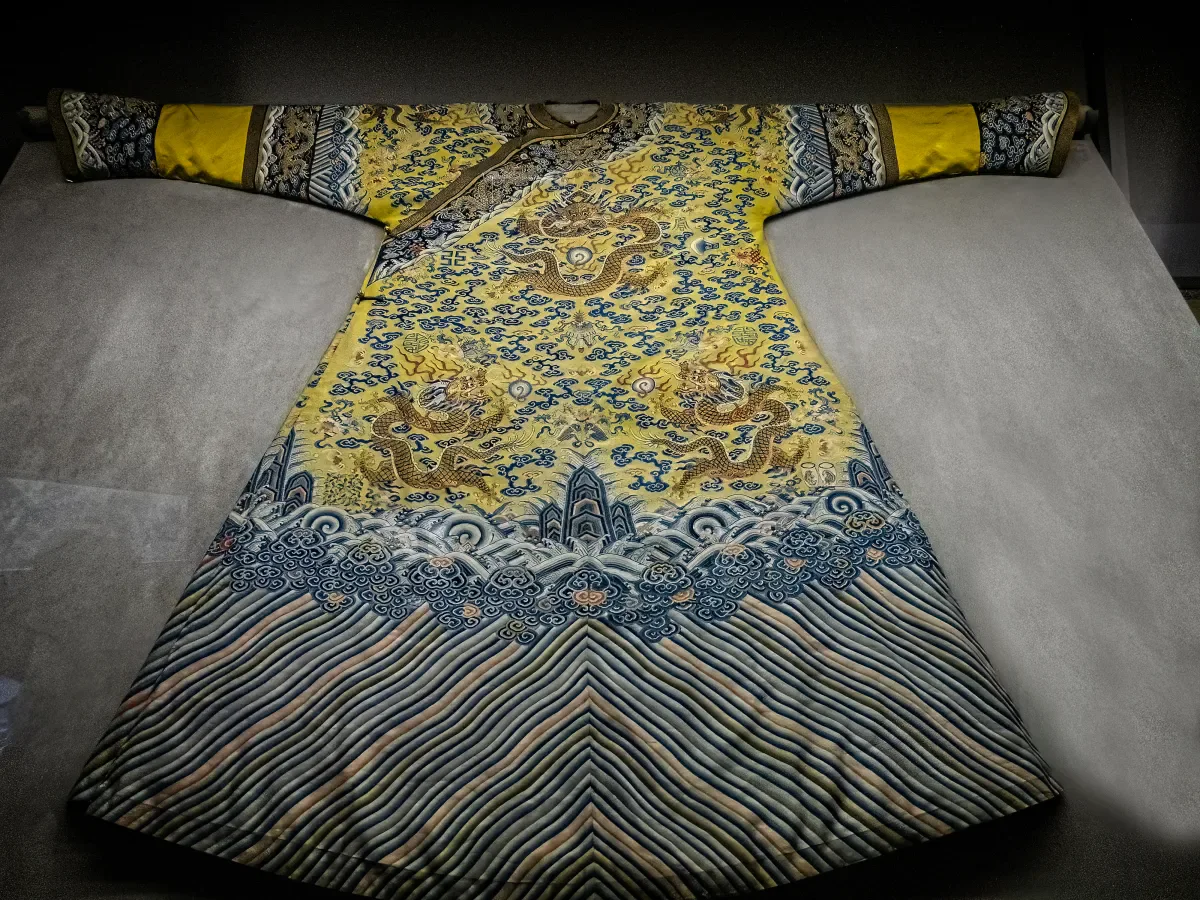
Garment · construction · period · wearer
Dress histories, textile construction and the meanings clothing acquires through ceremony, identity and global circulation.
Name the garment first8 published guides across 2 core paths.
Name the garment before performing identity
Traditional Chinese clothing is a wardrobe, not one national costume. Collar, closure, sleeve, textile, silhouette, period, community and occasion must agree before a garment earns a name. Respect begins with precise looking, not with declaring every embroidered robe timelessly Chinese.
Museum records can anchor garment names, dates, materials and object histories; they cannot decide how every contemporary wearer experiences identity. Victoria and Albert Museum fashion collections
Published guides, organized by intent
A collection page must do more than list recent posts. Choose the question that brought you here, open a focused guide, then keep moving through works, people and related cultural context without returning to search.
4 published guides
Hanfu and qipao come from different historical routes, silhouettes and social worlds. Begin with construction, period and occasion so admiration does not flatten every collar, sleeve and embroidered surface into one timeless costume.
Understand hanfu as many historical Han Chinese clothing systems and a living modern practice. Learn how to name styles honestly and choose a first outfit.
Read the deep guide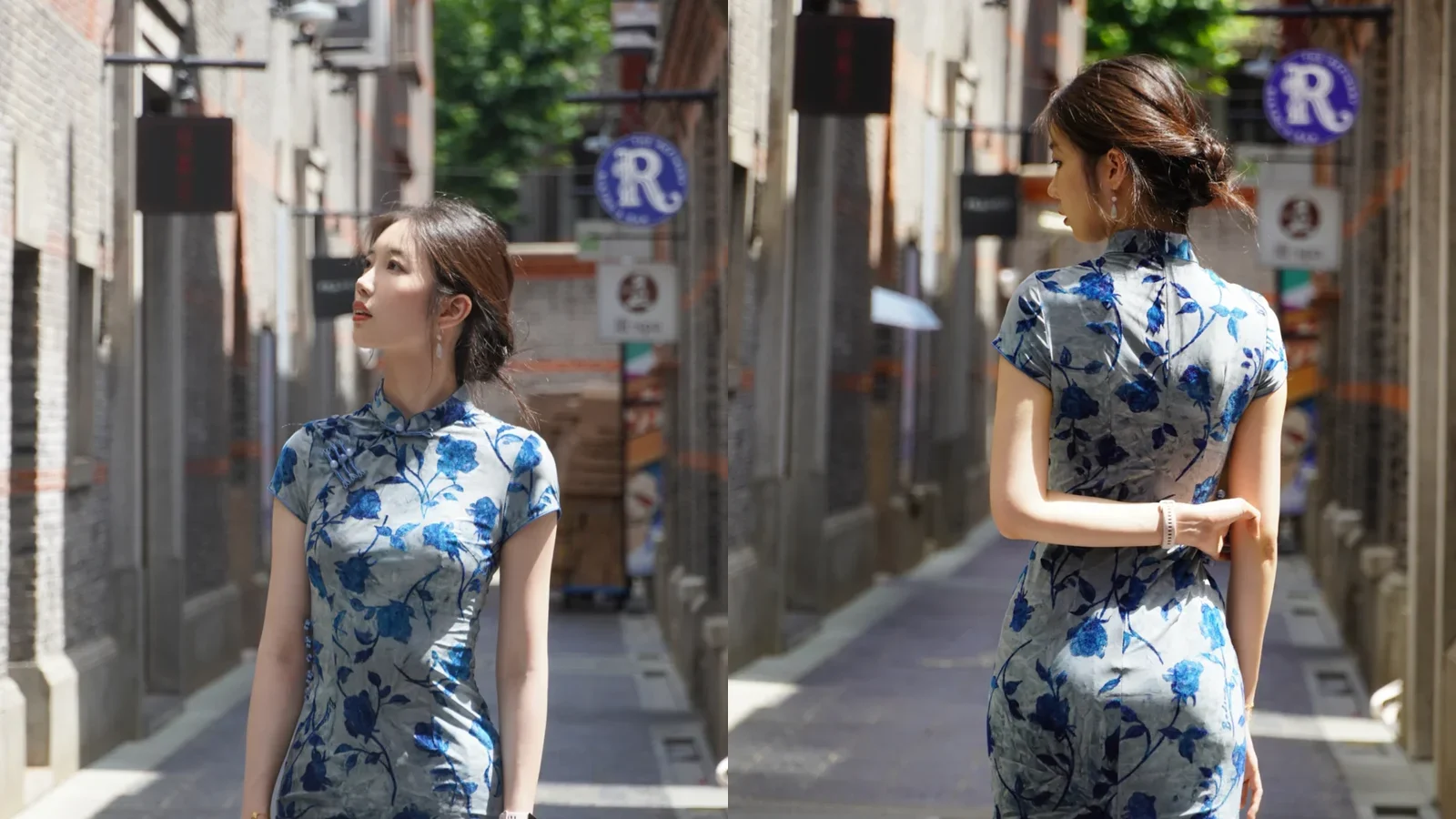
A clear guide to qipao and cheongsam: why the dress is not a generic ancient costume, how its silhouette changed, and how to wear or recognise it with context.
Read the deep guide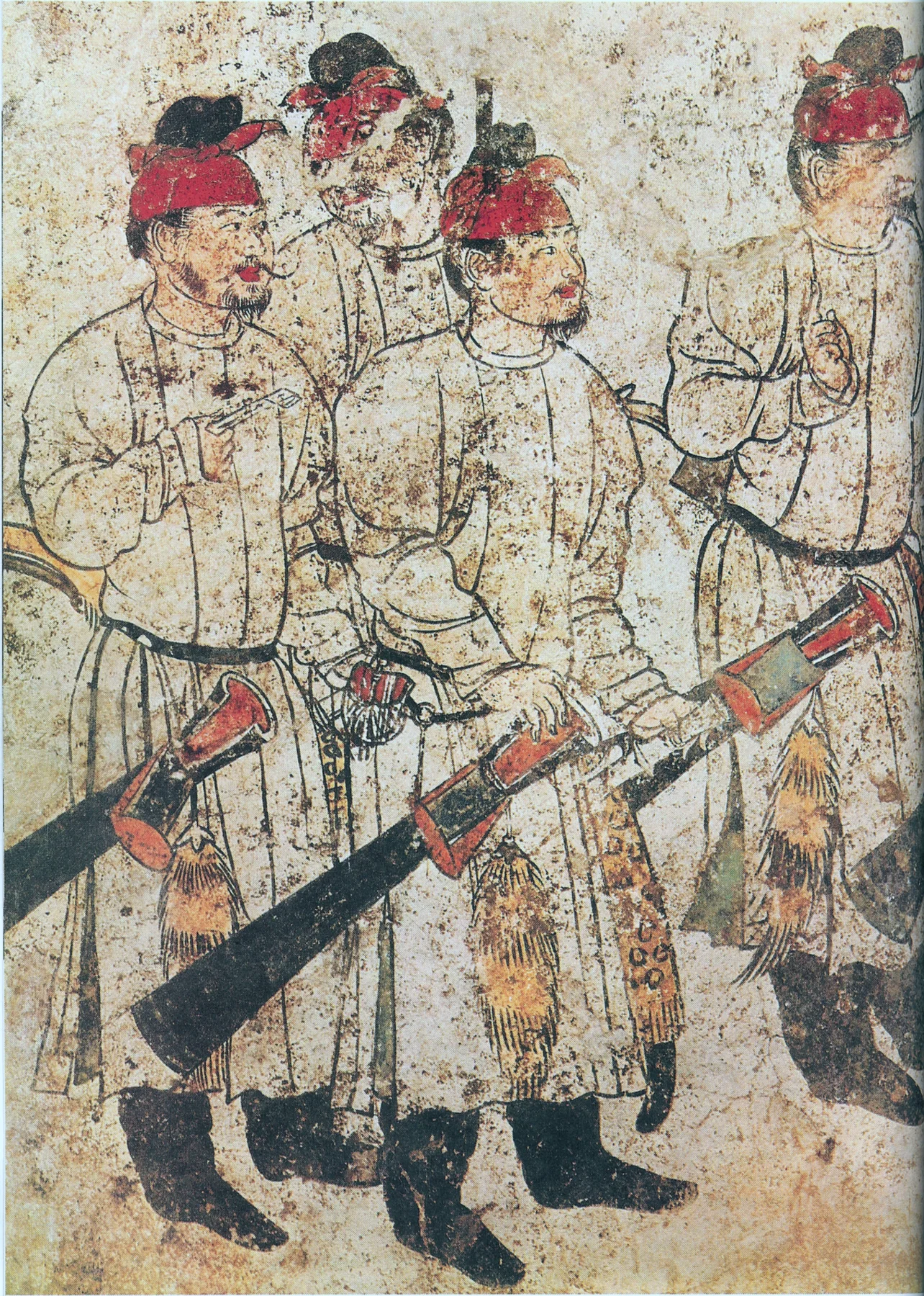
A practical guide to traditional Chinese men's clothing: hanfu, changshan, Tang suits and Zhongshan suits, with fit, fabric and occasion advice.
Read the deep guide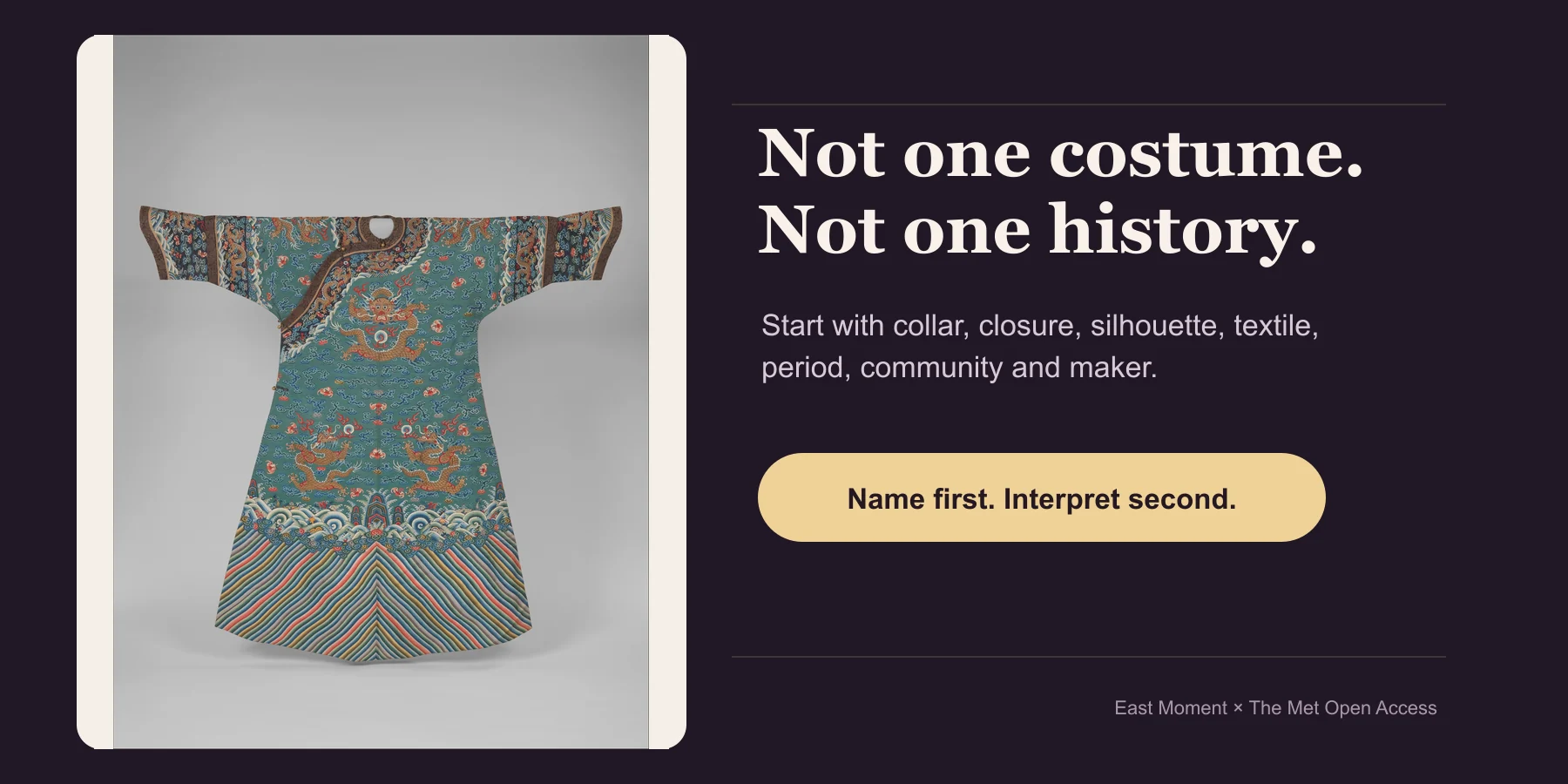
Identify traditional Chinese women's clothing, from hanfu and qipao to living textile traditions, and choose an honest look without flattening every dress.
Read the deep guide1 published guide
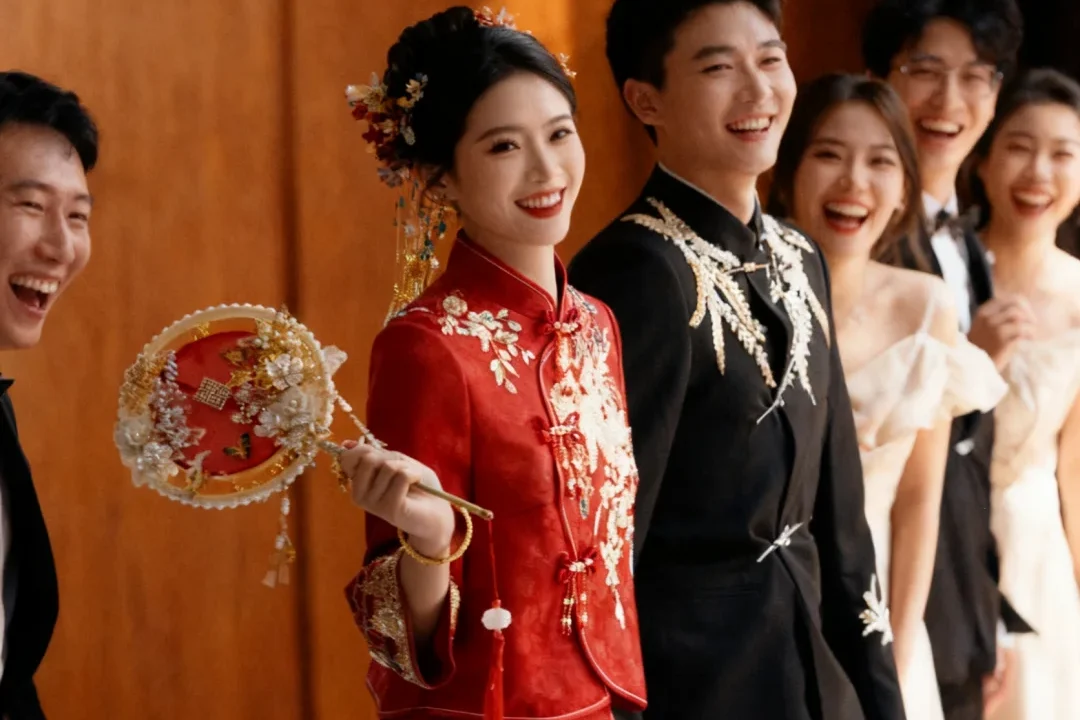
Wedding dress concentrates color, family expectation, regional custom and photography into one visible decision. Read the garment together with the ceremony and the people wearing it, not as a detachable red aesthetic.
3 published guides
Silk, embroidery and frog buttons answer different physical questions. Follow weave, added thread and working closure in that order so shine, symbolism and a decorative knot do not overrule how the garment was actually made.
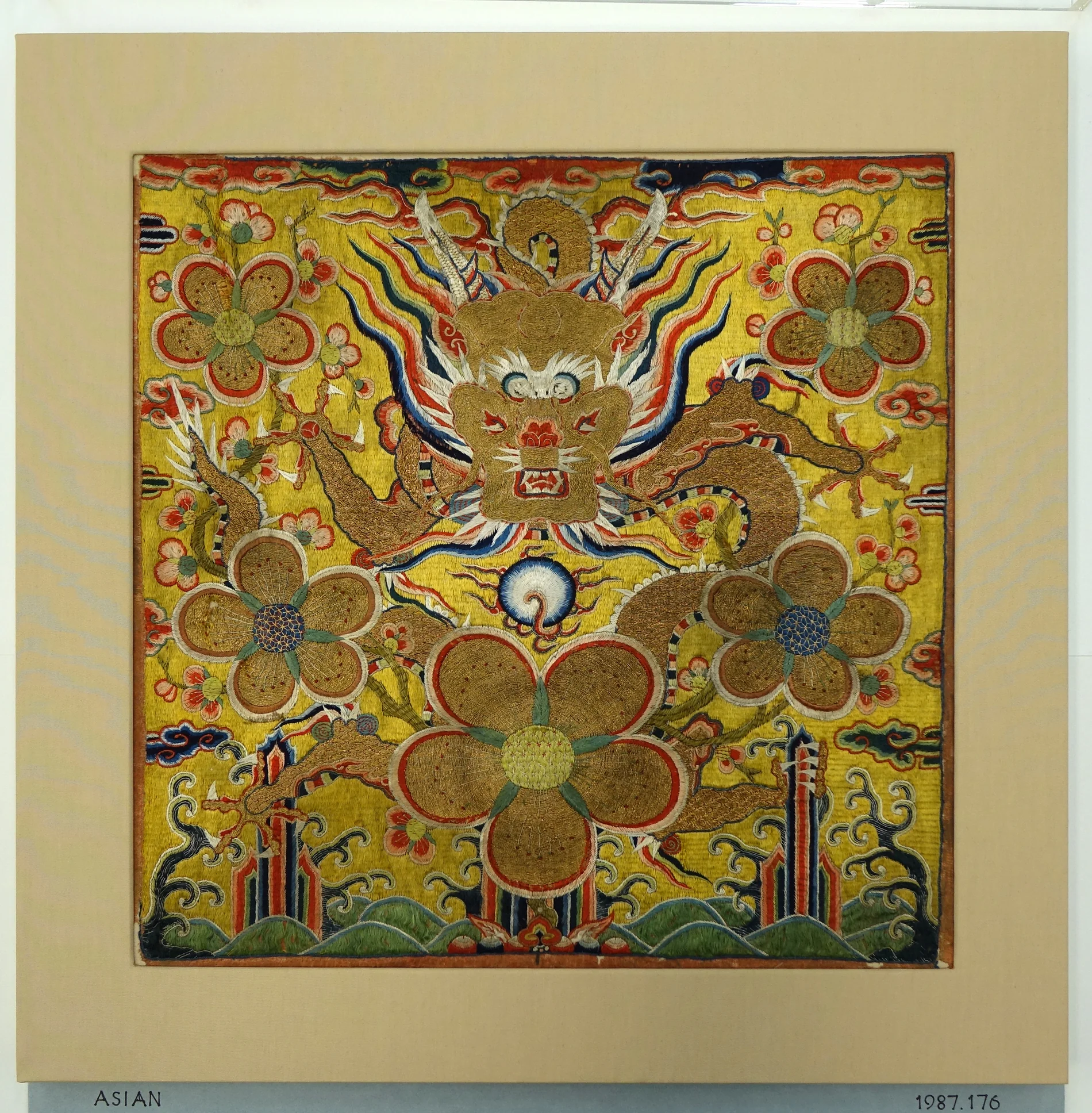
Learn to read Chinese embroidery through thread direction, stitch density, ground fabric, relief and object use before guessing a regional style or symbol.
Read the deep guide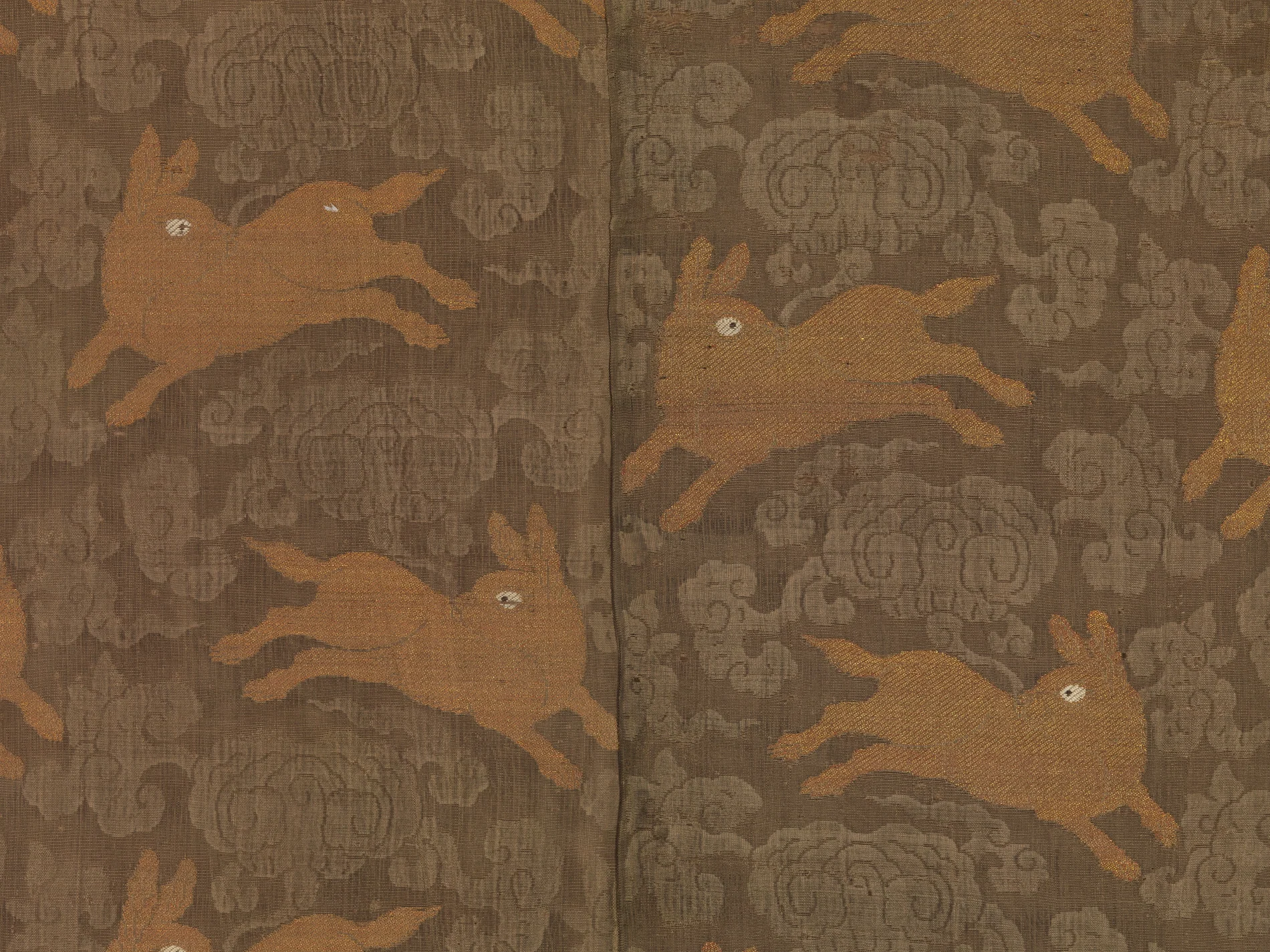
Read Chinese silk clothing through weave, weight, transparency, pattern structure and garment use, from gauze and satin to brocade and kesi.
Read the deep guide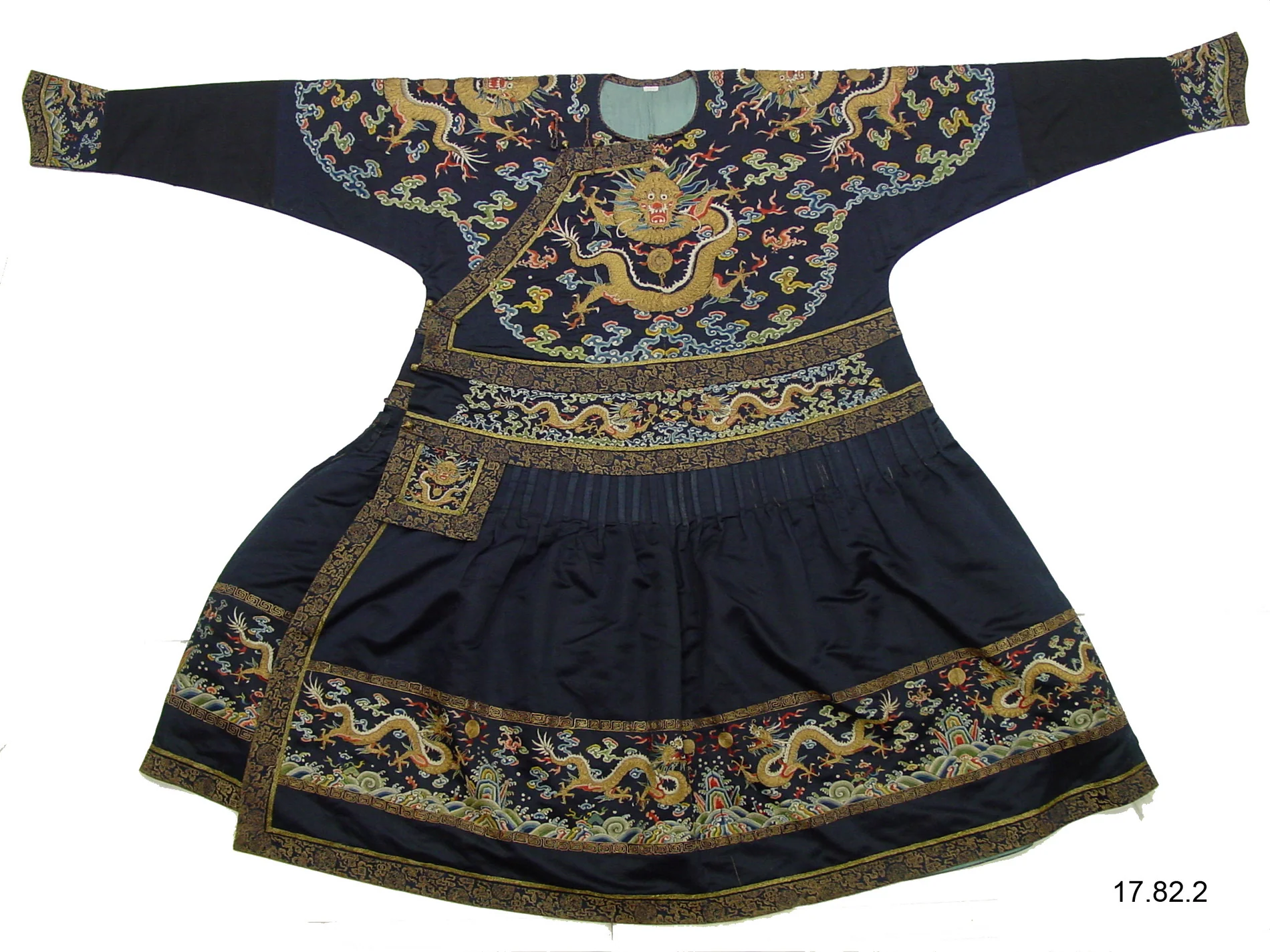
Understand Chinese frog buttons and pankou through knob, loop, anchor, opening and tension, from historical robes to modern qipao construction.
Read the deep guideExplore traditional Chinese clothing through hanfu, qipao, changshan, textiles and ethnic dress, with historical context, comparisons and respectful guidance.
Traditional Chinese clothing is not one costume. It is a long wardrobe shaped by dynasty, region, ethnicity, gender, occupation, climate, technology and fashion. Hanfu, qipao, changshan, court robes and ethnic dress belong to different histories. Putting them under one label is useful only if we open the wardrobe again.
History books favor reigns, wars and reforms. Clothing remembers quieter facts: how wide a sleeve could be before work became impossible, where a belt held weight, which fabric survived summer, who was permitted a color and how a collar changed the way a person carried the neck.
Look closely at an old portrait and the garment is doing more than covering a body. It arranges posture. It announces role. It turns silk, cotton, fur or hemp into a social sentence.
After four decades in China, I have seen “traditional clothing” appear in very different moods: solemn at a ceremony, joyful in wedding photographs, theatrical on stage, scholarly in a museum and unexpectedly casual on a young person taking the subway in hanfu. The train doors open; twelve centuries briefly check their phone.
China's political borders contain many peoples, languages and clothing systems. Even within Han Chinese history, garments changed across dynasties and regions. Court clothing differed from work clothing. A wealthy urban robe did not describe a farmer's day. Regulations could prescribe rank while ordinary wardrobes followed money, labor and weather.
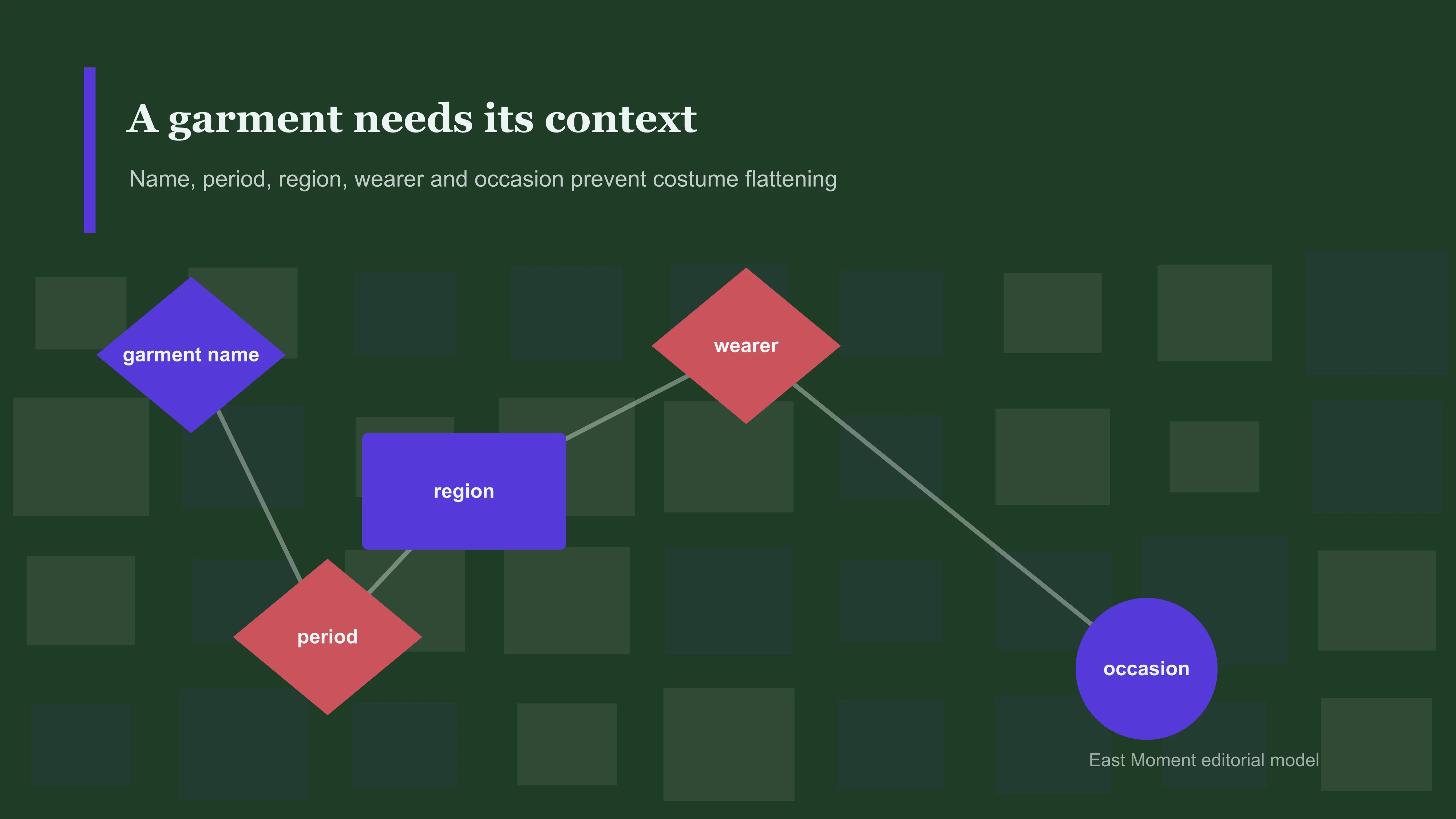
Modern photographs often flatten this complexity. A qipao, a flowing robe and a red jacket may all be labeled “traditional Chinese dress” as though they were variations from one rack. A more accurate approach begins with name, period and community.
| Garment or category | Historical relationship | Recognizable features | Important caution |
|---|---|---|---|
| Hanfu | Broad modern term for historical Han Chinese dress traditions | Crossed collars, wrapped fronts, robes, skirts and many period-specific forms | It is a family of clothing systems, not one timeless outfit |
| Qipao or cheongsam | Developed through Manchu robe heritage and twentieth-century urban fashion | High collar, side fastening, fitted or looser one-piece silhouette | The highly fitted modern form is not an unchanged ancient dress |
| Changshan or changpao | Long gown associated especially with late imperial and modern men's dress | Long body, side fastening, standing collar in many versions | Period, class and occasion affect construction |
| Tang suit or tangzhuang | Largely modern identity garment | Jacket with standing collar and knotted fastenings | The common modern style is not simply clothing from the Tang dynasty |
| Court and official dress | Regulated garments across different dynasties | Rank insignia, prescribed colors, hats, belts and robe forms | Rules changed by dynasty and office |
| Ethnic clothing traditions | Dress of communities including Miao, Tibetan, Uyghur, Mongol, Yi, Zhuang and many others | Distinct textiles, jewelry, headwear, construction and local histories | These are living community traditions, not decorative national variants |
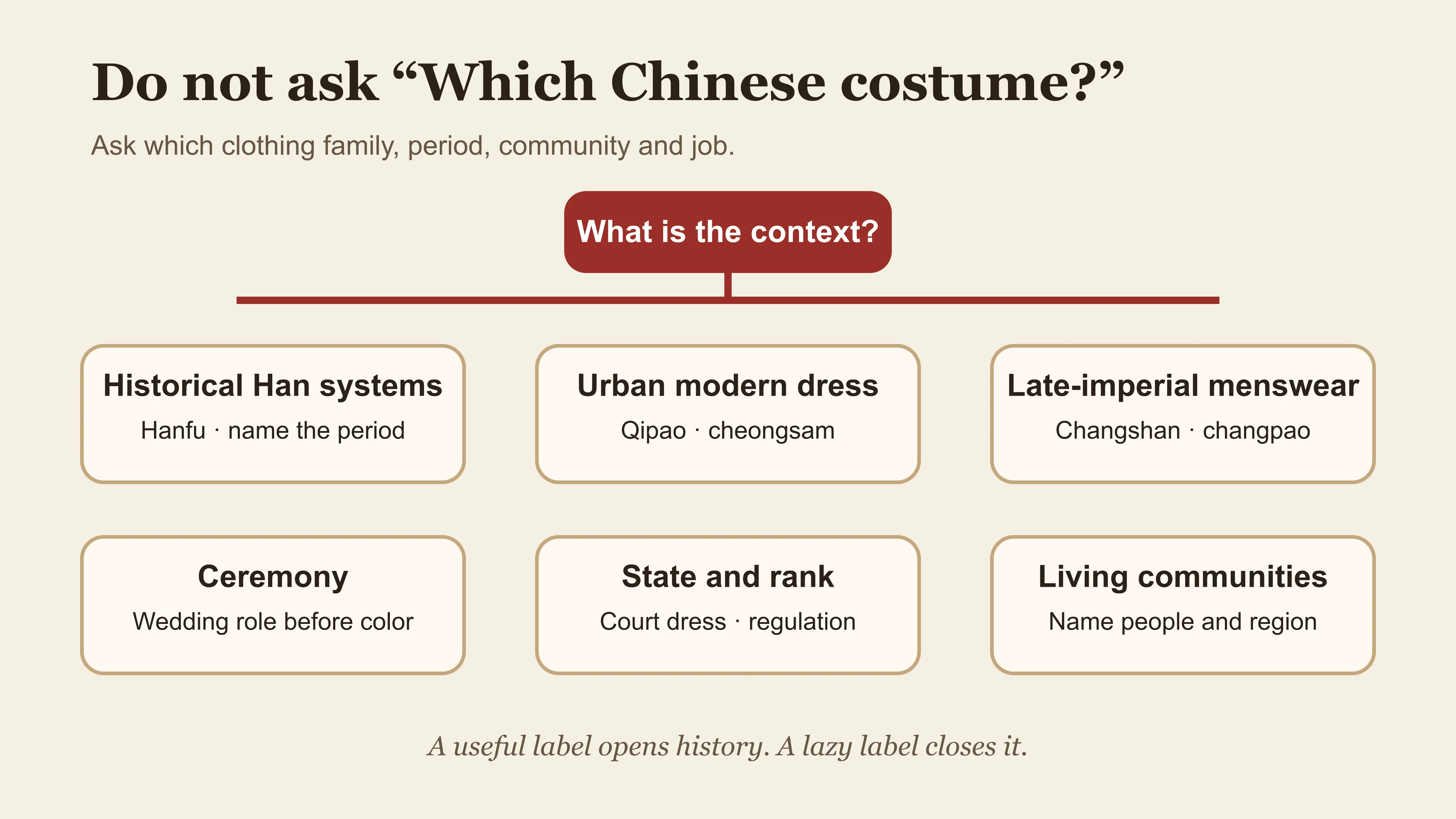
This is the route I use when a photograph arrives without a useful caption. First identify the clothing family. Then ask for period, region, community and occasion. Starting with embroidery is seductive because ornament photographs well, but ornament travels easily between rental shops, stage costumes and contemporary design. Construction is usually the more reliable witness.
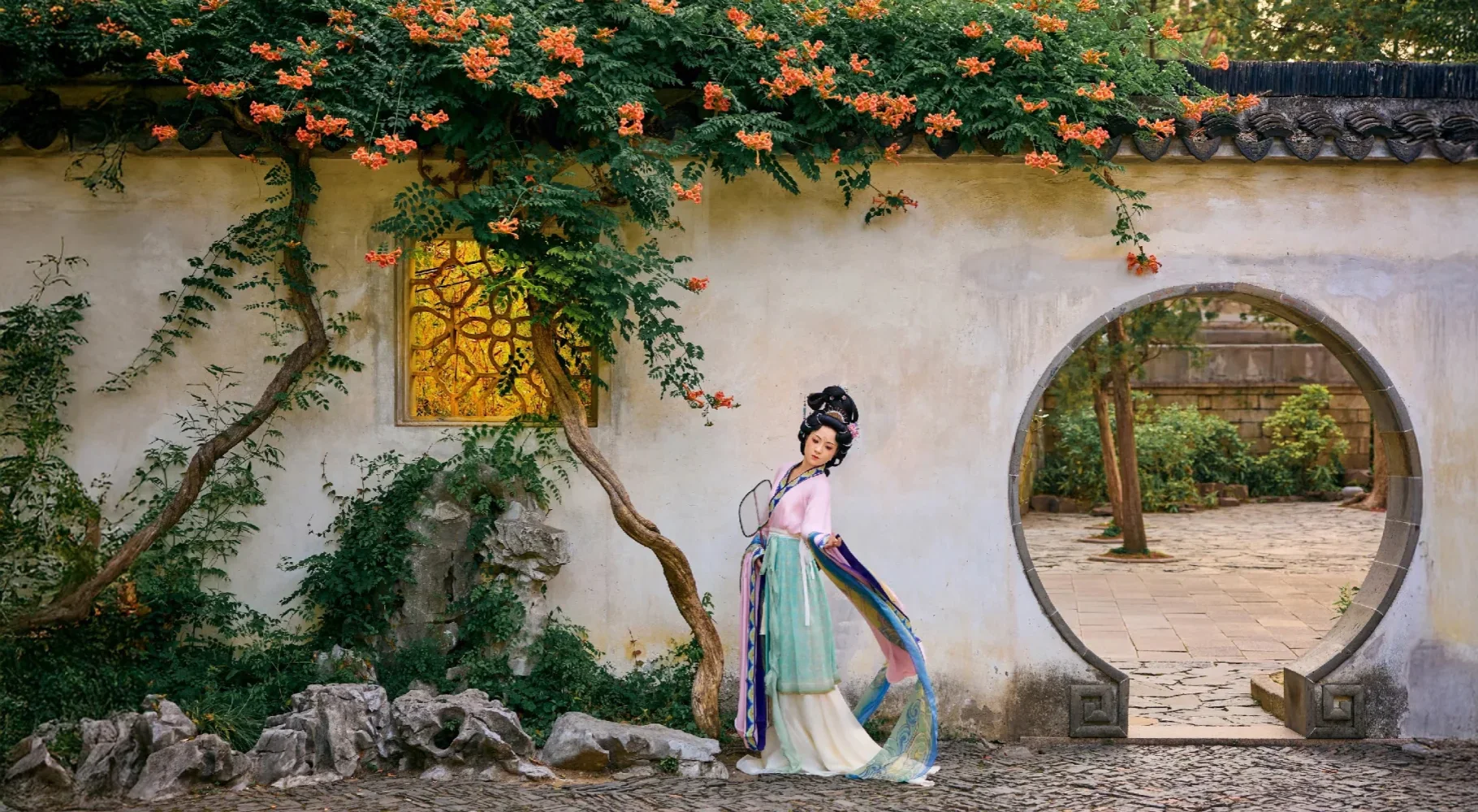
The word hanfu now commonly refers to clothing traditions associated with Han Chinese people before widespread adoption of Qing-era styles and later modern dress. Within that umbrella are many silhouettes, construction methods and periods.
Cross-collar robes, skirts, round-collar garments, layered jackets and formal court forms all enter the conversation. A Tang-period ensemble and a Ming-period ensemble should not look interchangeable. Archaeology, tomb paintings, surviving textiles, sculpture and written records help reconstruct what people wore, but reconstruction always involves choices.
The contemporary hanfu movement has made historical clothing visible in parks, campuses, festivals and social media. Some participants pursue close historical accuracy. Others enjoy a looser, fashion-led vocabulary. Both can be meaningful, but the labels should remain honest. “Inspired by” is not an insult; sometimes it is the most accurate seam in the garment. The dedicated hanfu guide begins with collar, closure and layer order rather than a dynasty mood board.
Hanfu is alive because people wear it, photograph it, redesign it and argue about it. The argument over accuracy is not a distraction from the movement; it is one of the forces shaping the movement.
The qipao, widely known as cheongsam in Cantonese-derived English usage, is often presented overseas as the traditional Chinese dress. Its history is more dynamic.
The name relates to the robes of Manchu banner people, while the garment recognized today developed through late Qing and especially twentieth-century urban fashion. Shanghai became central to its modern image. Tailoring changed the silhouette; hemlines, sleeves, collars and fit moved with taste, politics and ideas of the modern woman.
Early and mid-twentieth-century qipao could be relatively loose or sharply fitted. Later film, hospitality uniforms and global fashion narrowed public memory toward the most body-conscious version. That version is real, but it is not the entire biography.
The V&A's cheongsam collection is useful precisely because the surviving objects refuse one fixed silhouette: sleeves, lengths, closures, fabric and fit change across makers and decades. A museum search is not a complete social history, but it makes the variation impossible to dismiss.
The qipao is therefore neither a fossil nor merely a Westernized dress. It is clothing made in encounter: Manchu heritage, Chinese urban life, new tailoring, changing gender roles and international modernity stitched into one evolving form.
The qipao guide follows this changing silhouette through Shanghai, Southeast Asian Chinese wardrobes, cinema, tailoring and present-day fitting. That wider geography matters: migration, local taste and material exchange continued the garment's modern life long after any single fashionable decade ended.
The long gown known as changshan or changpao became closely associated with men's dress in the late Qing and Republican periods. Its long vertical line, side fastening and restrained surface can create an impression of timelessness, especially in old photographs.
But photographs record transition. Gowns appeared beside Western suits, hats, leather shoes and school uniforms. Clothing did not change in one clean national moment. A person might wear different systems for work, ceremony, politics or convenience.
That mixed wardrobe is important. Modern Chinese identity was not sewn by throwing every old garment away on the same morning.
Silk attracts attention because it carries luster, trade history and technical prestige. Yet Chinese clothing history also belongs to hemp, ramie, cotton, wool, fur and many local materials.
The dedicated Chinese silk clothing guide separates fiber from gauze, satin, brocade and kesi, because “silk” alone cannot tell you how a garment will hang, breathe or catch light. The Chinese embroidery guide follows a different operation: thread added to an existing ground, where direction, density and relief change the surface.
Fabric answers practical questions. Does it breathe in a humid summer? Can it survive labor? Can the household afford it? Is warmth more urgent than elegance? Weaving, dyeing, embroidery and finishing add another layer of regional knowledge.
Textile motifs can communicate rank, wishes or identity, but craftsmanship should not disappear behind symbolism. An embroidered surface is also hours of trained movement. The hand knows the pattern differently from the person who names it in a museum label.
Imperial states regulated some forms of dress, especially court and official clothing. Colors, insignia, hats and accessories could mark rank. The best-known Qing official rank badges used birds and animals to distinguish civil and military grades.
Regulation reveals the political power of appearance. It also reveals the gap between rules and life. Laws survive more easily than worn-out everyday clothing, so court systems can dominate the historical record. Most people were not walking around dressed like an emperor, however enthusiastically modern costume departments suggest otherwise.
Laid-flat court robes make regulation spatial. Dragons do not float as detachable logos; they occupy a field of waves, clouds, borders and sleeves designed to move around a ranked body. The object should be read as a complete political surface, never harvested as a bag of interchangeable lucky symbols.
Even a tiny closure belongs to that complete system. The Chinese frog buttons guide follows knob, loop, anchor and opening together, testing whether a visible pankou actually carries tension or merely borrows the look of one.
Clothing associated with China's ethnic minority communities is often displayed at festivals, museums and tourism sites. The visual richness can draw attention while erasing ownership. “Minority costume” is not a sufficient description.
Miao silverwork, Tibetan regional dress, Uyghur textiles, Mongol robes and the clothing of Yi, Zhuang, Dong and other communities emerge from distinct histories, environments, religious practices, trade routes and family knowledge. Even within one named group, local forms differ.
These garments are not colorful footnotes to Han clothing. They are living cultural systems. Accurate writing names the community, region, maker, use and date whenever possible.
Most people in China dress in globally familiar modern clothing for daily work and life. Historical and community dress appears in weddings, festivals, religious events, performances, graduation photographs, heritage work and personal fashion.
Revival does not simply restore the past. It creates new social situations. Hanfu enthusiasts organize gatherings and study construction. Designers combine historic forms with contemporary fabric and tailoring. Couples use the Chinese wedding dress guide to choose among qipao, qun kua, modern Xiuhe-style clothing, Western formalwear or several outfits for different parts of a wedding. Online arguments police accuracy with an energy once reserved for border disputes.
The debate itself shows that clothing matters. People are not only choosing fabric; they are negotiating who may represent history and how closely the present must resemble it.
“Traditional Chinese clothing today” is often a decision made between inherited visual language, available garments, photography and one family's occasion. The Chinese wedding dress guide therefore owns the bridal evidence and tests garments through tea, stairs, cars and family roles. A collection page should explain the borders between clothing systems; it should not steal the most intimate evidence from the wedding story.
| Question | Hanfu | Qipao | Modern tangzhuang |
|---|---|---|---|
| Is it one fixed garment? | No, it covers many reconstructed historical forms | A recognizable dress with substantial historical variation | Usually a jacket style with modern variations |
| Main historical frame | Han Chinese dress traditions across pre-Qing periods | Manchu robe heritage and twentieth-century development | Modern expression of Chinese identity |
| Typical construction signal | Wrapped or layered forms, varied collars and skirts | One-piece dress, standing collar, side fastening | Jacket, standing collar, knotted fastenings |
| Common use today | Festivals, photography, ceremony, fashion, study | Weddings, formal events, uniforms, fashion | Celebrations, formal occasions, public cultural events |
| Frequent mistake | Combining dynasties without naming inspiration | Calling every fitted Chinese-style dress ancient | Assuming it comes directly from the Tang dynasty |
Non-Chinese people can wear Chinese clothing. Respect does not require treating culture as untouchable glass. It requires attention.
Learn the garment's name and history. Buy from makers who understand its construction. Avoid turning sacred, ceremonial or ethnic dress into a joke or improvised costume. Do not claim that a modern fantasy garment is historically exact. If attending a wedding, temple event or community celebration, follow the host's level of formality.
The distinction between appreciation and appropriation is not solved by the wearer's good intention alone. Power, context, credit and commercial use matter. So does response: when someone from the relevant community explains that a garment carries obligations you did not know, curiosity is more elegant than defensiveness.
Begin with the body, even when no body is present. Where does the garment carry weight? How would the sleeve move? What posture does the collar encourage? Which surface shows wear?
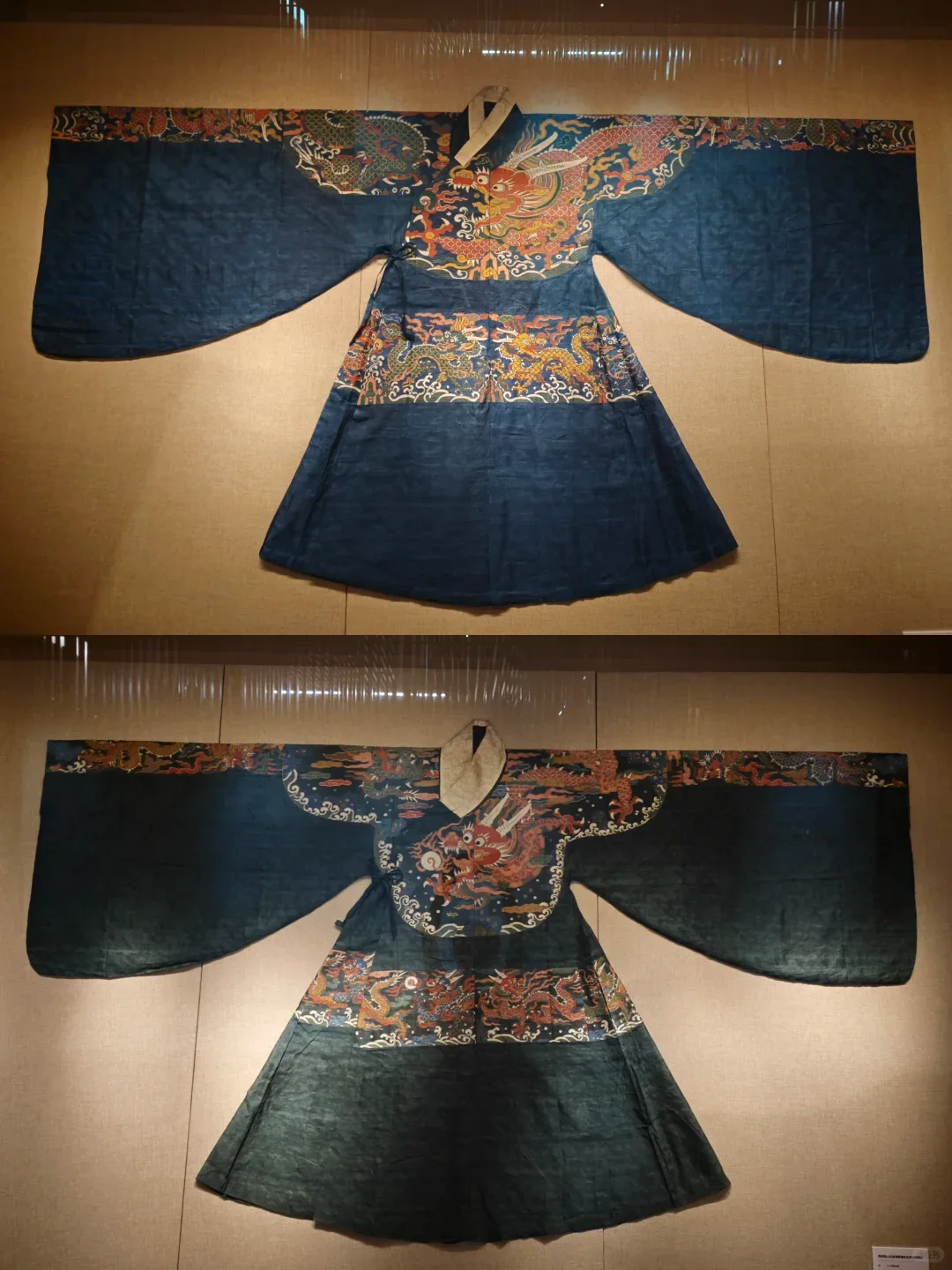
Front and back must be read together. Collar, sleeve width, hem, side construction and the placement of ornament are evidence; the red color alone is not an identification. Authorized museum field photograph.
Then read the label for period, region, community, material and maker. Notice what is missing. An unknown maker does not mean the object made itself. A court robe may preserve political symbolism beautifully while telling us little about an ordinary wardrobe.
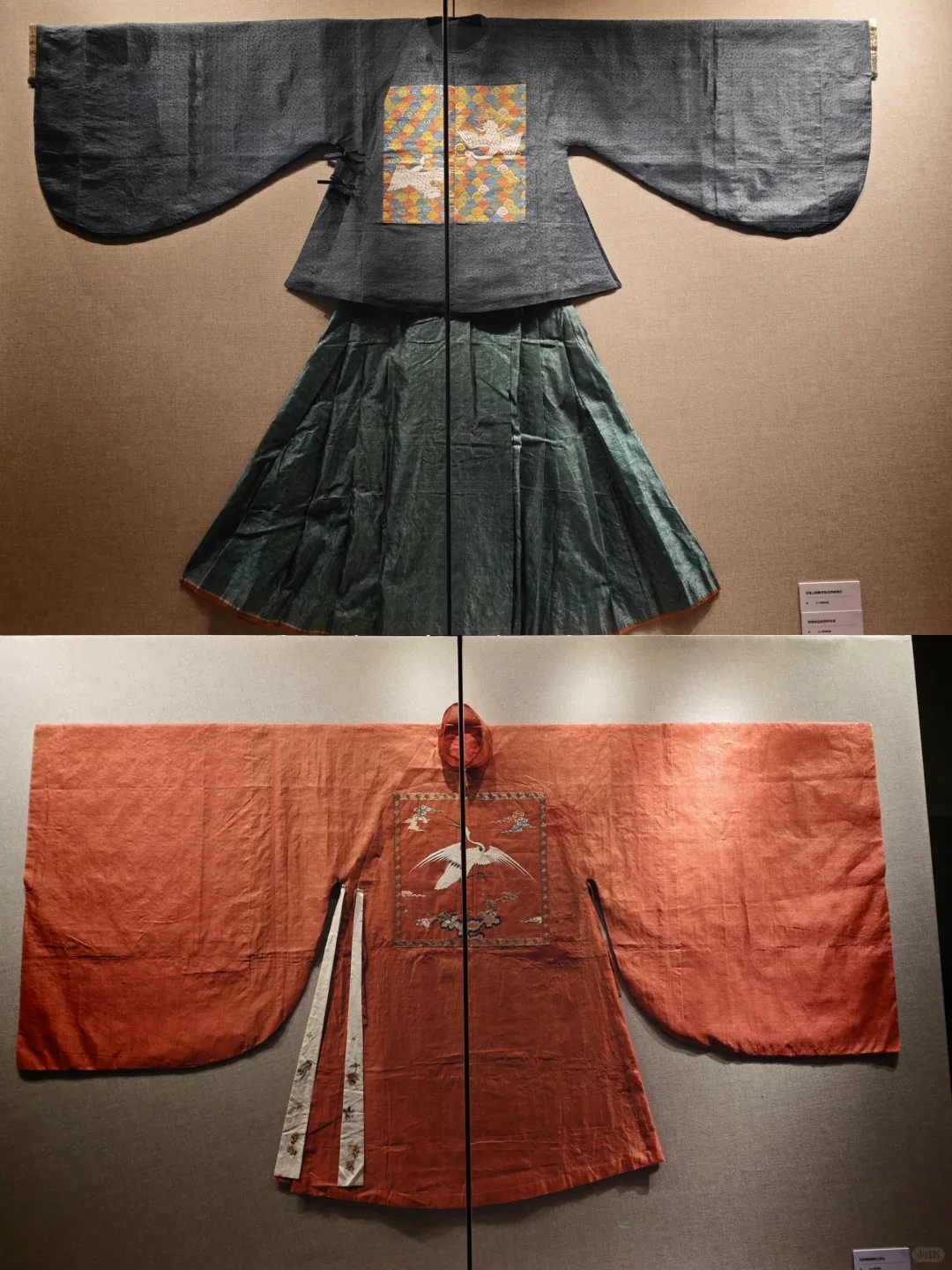
A full ensemble prevents one embroidered detail from swallowing the garment. Layer order, proportion and the relationship between upper and lower pieces carry the historical claim. Authorized museum field photograph.
The National Museum of China's costume exhibition deliberately combines paintings, figures and surviving garments because no single evidence type is enough. I agree with that method. Glass glare, old folds and flat mounting are frustrating for a camera, but they are still more honest than a frictionless costume mood board. The case forces us to inspect construction before fantasy.
Our Chinese Art guide follows the labor inside materials, while the broader Chinese culture guide places garments within changing institutions and daily life.
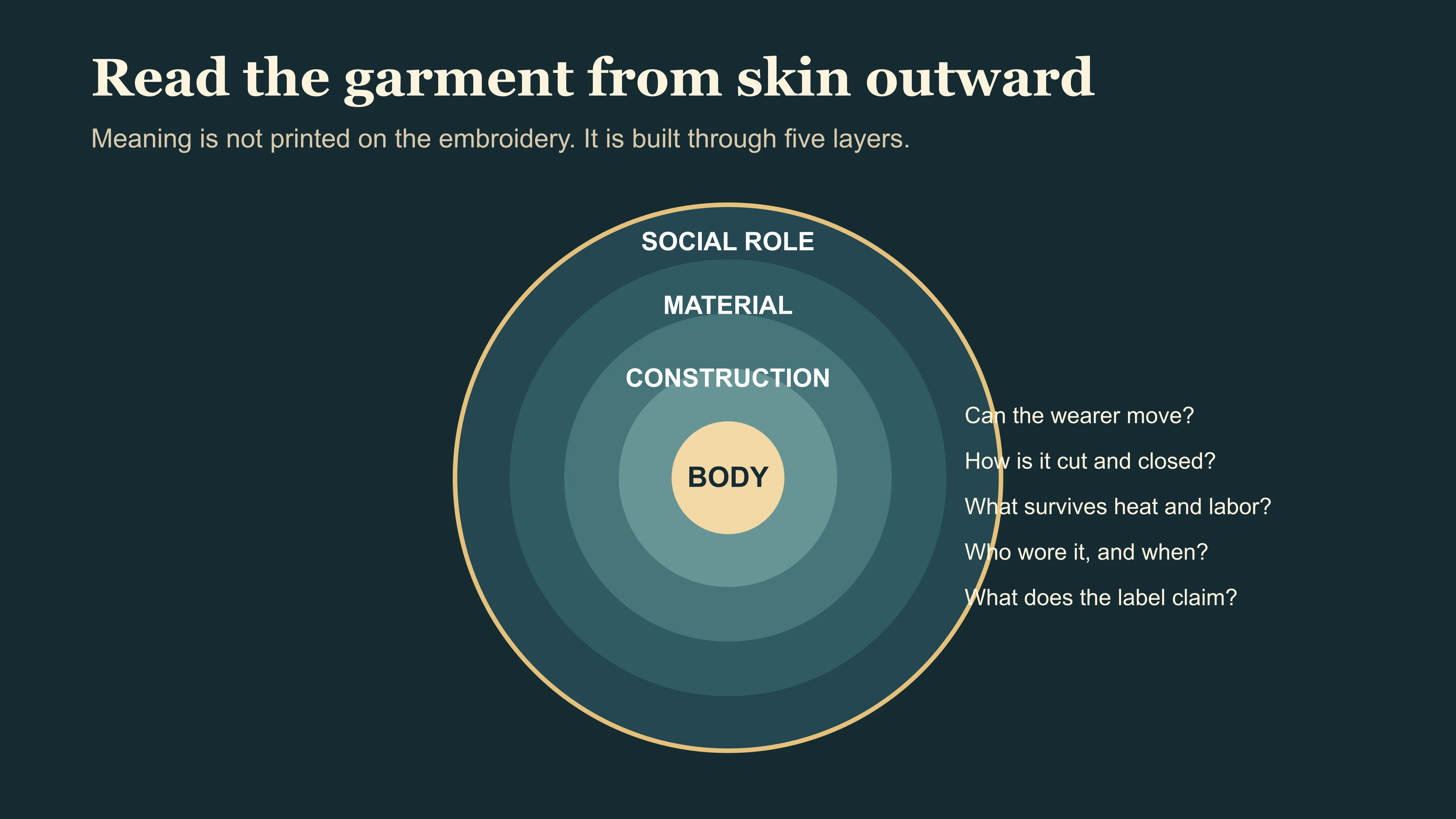
I read from the skin outward: body, construction, material, social role, historical claim. This order prevents a grand label from overruling physical evidence. If a supposed daily garment cannot bend at the elbow, if its fabric would make the claimed season unbearable, or if its fastenings belong to another system, the photograph is telling us to question the caption.
A garment carries large systems close to the skin: empire, gender, labor, climate, migration, technology and desire. Yet people rarely wake thinking, “Today I will embody the textile history of East Asia.” They wonder whether the collar sits correctly and whether they can still breathe after lunch.
That ordinary intimacy is why clothing survives as more than evidence. It allows the past to move. Fabric folds, sleeves lift, a fastening resists the fingers, and history briefly becomes the size of a body again.
In the comments, name the garment you see mislabeled most often and tell me which physical detail exposed the mistake. Then add one authorized photograph to East Moment's field-label thread: garment name, place, date or occasion, and one visible clue. I will return to the strongest submissions when this guide is updated, because a living clothing archive should become more precise as readers bring it real bodies and real contexts.
Continue with hanfu when the historical system is the question, qipao when urban modernity and fit are the question, or Chinese wedding clothing when the garment must carry a ceremony.
One useful question
Which garment have you seen mislabeled most often, and what detail—collar, closure, silhouette, material or occasion—revealed the mistake?
Loading the conversation…
Reader-built field guide
Share one authorized garment image with its name, place, date or occasion, and the physical detail that supports your identification.
What this builds: Return when a new collar, closure or occasion forces the clothing map to become more precise.
These sources verify institutional records, protected traditions and claims that benefit from direct evidence. They support the story; they do not replace Lijun's judgment.