Wong Kar Wai: Style Is a System of Wrong Timing
Understand Wong Kar Wai's movies and style through time, repetition, Hong Kong space and collaborators—with a practical route from Chungking Express onward.
Read the deep guide
Frame · rhythm · recurring choice · consequence
Chinese directors and their work considered through visual language, production context, recurring ideas and changing audiences.
Look for the decision behind the image7 published guides across 6 core paths.
Find the decision that keeps returning
Chinese directors reveal themselves by returning to a problem: suspended time, choreographed violence, saturated color, loyalty under pressure or a family trapped inside history. The useful profile compares complete films until the repeated decision becomes visible; one beautiful frame proves almost nothing.
Film preservation and institutional records establish historical context; stylistic claims remain tied to complete films and recurring directorial choices. China Film Archive
Published guides, organized by intent
A collection page must do more than list recent posts. Choose the question that brought you here, open a focused guide, then keep moving through works, people and related cultural context without returning to search.
4 published guides
Wong Kar-wai stretches longing, Zhang Yimou turns color and bodies into systems, John Woo makes loyalty explode through action, and Ang Lee tests desire against social form. Compare recurring decisions, not a greatest-ever list.
Understand Wong Kar Wai's movies and style through time, repetition, Hong Kong space and collaborators—with a practical route from Chungking Express onward.
Read the deep guide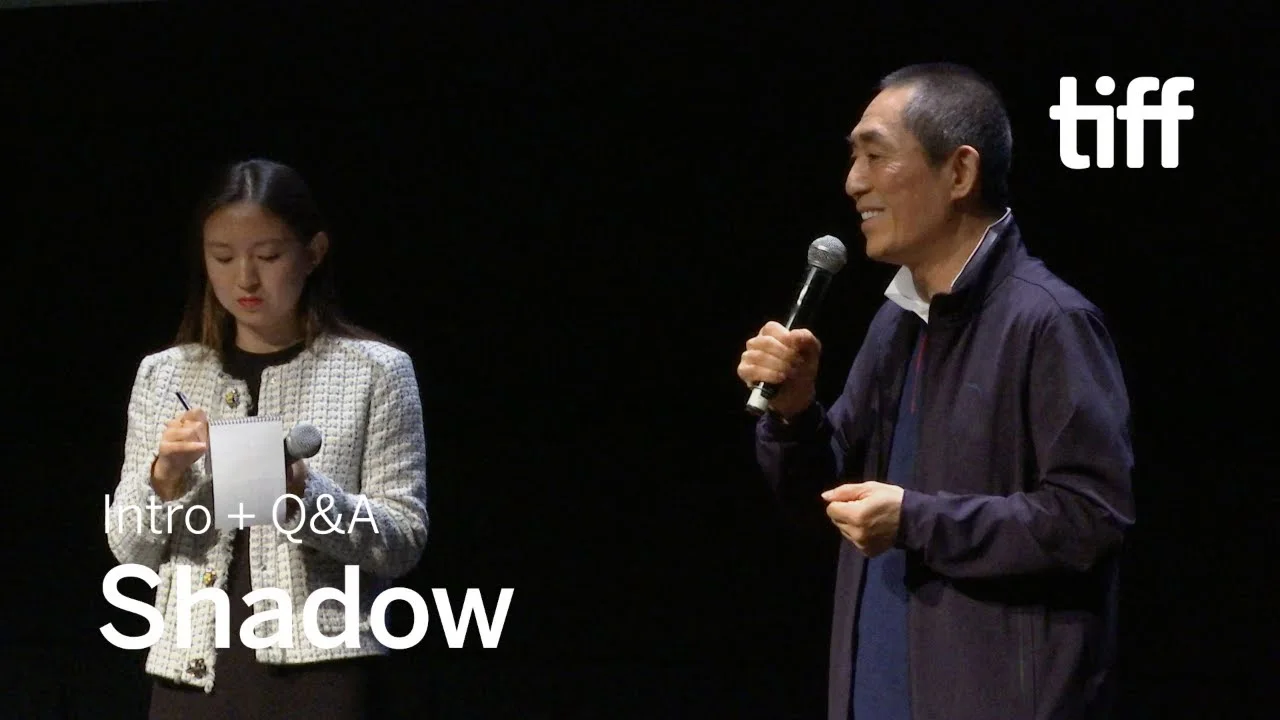
Understand Zhang Yimou through Red Sorghum, Raise the Red Lantern, To Live, Hero and Shadow: his visual method, contradictions and best viewing route.
Read the deep guide
Understand John Woo movies through A Better Tomorrow, The Killer, Hard Boiled and Face/Off. Learn what heroic bloodshed means and where to start.
Read the deep guide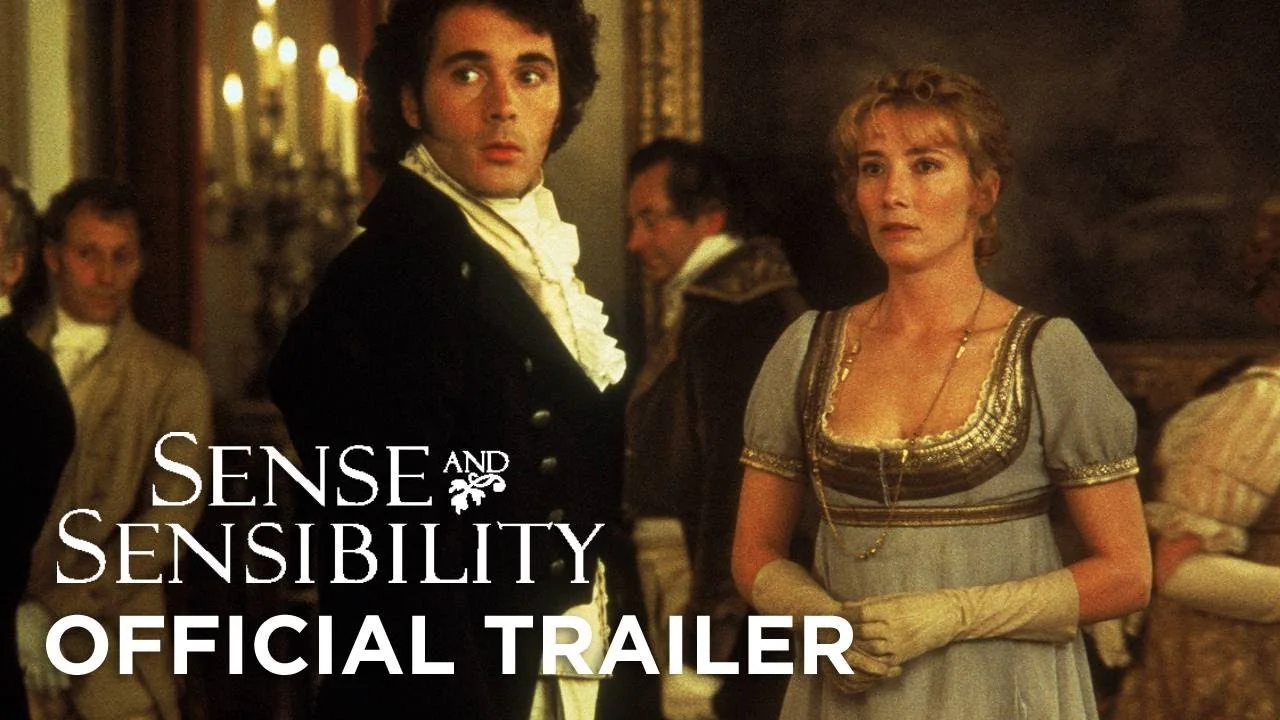
Who is Ang Lee, and which movies should you watch first? Follow his family films, Crouching Tiger, Brokeback Mountain and Life of Pi through one clear idea.
Read the deep guideThe returning decision
Chinese directors are often introduced with festival prizes, a visual adjective and three famous titles. That is not authorship; it is metadata. A director becomes visible when a problem keeps returning in different forms: bodies separated by architecture, violence organized as loyalty, color turned into political pressure, a family forced to speak through ritual, or time made painful through delay. East Moment compares complete films, collaborators and production contexts until that repeated decision becomes defensible—and then looks for the film that breaks it.
Mainland, Hong Kong, Taiwan, diaspora and transnational production histories create different industrial conditions, languages and audience relations. Generational labels can help organize film history, but they should not become personality types. A director works inside financing, censorship, technology, star systems, crews and distribution routes that change over a career.
The phrase Chinese director can therefore describe several relationships to place, language and industry. Ang Lee's work across Taiwan, Hollywood and international production cannot be understood through one national style. Wong Kar-wai's Hong Kong is not a generic urban China. John Woo's movement across industries changes how action, scale and loyalty operate. Zhang Yimou's career moves among intimate drama, spectacle and large systems of production.
I use the category as a bridge, not a box. Start with the film in front of you. Name its formal and industrial world. Then compare. The director becomes more specific as the national label becomes less explanatory.
Institutional film records and preservation context anchor history; authorship claims remain interpretations tested across complete films and credited collaboration. China Film Archive
Wong Kar-wai is easy to imitate at the surface: saturated color, slow motion, pop songs, corridors and beautiful loneliness. The deeper pattern is temporal. People occupy the same city while desire arrives too early, too late or in a form that cannot be spoken. Architecture divides and intensifies that delay.
Performance carries the structure. Tony Leung and Maggie Cheung do not simply look melancholy; their pauses and repeated pathways let social restraint accumulate. Christopher Doyle's cinematography is not an accessory to the director's signature. Collaboration is part of the authorship we are trying to describe.
The danger is self-parody. Once viewers expect longing, every hallway can become an automatic quotation. The best reading asks which film renews the problem and which merely repeats the recognizable surface. Admiration should make that distinction sharper.
Zhang Yimou's color is famous because it can be structurally forceful. Red may bind desire to social pressure; coordinated surfaces can make individual bodies part of ritual or state-scale spectacle. Yet reducing the career to color misses performance, landscape, sound and major changes in production ambition.
Compare an intimate scene with a mass composition. Ask who controls movement, whose body carries the cost and whether spectacle opens complexity or seals it. Large-scale beauty can expose power and can also seduce the viewer into accepting it. The ambiguity should remain available.
I am most interested when formal control meets human resistance. A composition becomes meaningful when one gesture refuses the order already built around it. That tension is more useful than praising every frame as painterly.
John Woo's action is remembered through guns, motion, doves and heroic bloodshed, but the emotional engine is loyalty. Choreography establishes who trusts whom, who sacrifices and how violence becomes an impossible language between men. A set piece without that relation is only expensive movement.
Ang Lee often works through social structure and emotional restraint. Families, manners, genre expectations and cultural translation organize what characters cannot say directly. His range across languages and forms is not proof that context does not matter; it shows how one director can keep asking related questions under radically different production conditions.
Placing them together is not a claim that their styles are similar. It reveals a shared analytical method: find the relationship the form is carrying. Woo accelerates it into impact; Lee may contain it inside a room, meal or gesture. Direction becomes visible because the emotional problem and cinematic choice remain connected.
Begin with an accessible film and write one authorship hypothesis: perhaps the director uses thresholds to control desire or turns group movement into political order. Choose a second film from another period. Record what repeats and what changes. Then choose the apparent outlier.
Credit collaborators. Compare cinematographer, editor, production designer, composer and recurring performers. If the visual pattern disappears with one collaborator, that is part of the story rather than an embarrassment. Auteur language should reveal creative relation, not turn the director into a solitary genius.
Finally, connect the film to its production and viewing history. Restoration, subtitle, censorship, festival circulation and streaming availability can alter what version reaches an international audience. The director page remains alive because access and interpretation change. Return when a new work forces the hypothesis to move.
Commercial success and artistic success also need separate sentences. A director may accept a larger budget, star vehicle or franchise grammar and discover a new scale; the same conditions may flatten the uncertainty that once made the work alive. I do not treat commerce as contamination or independence as automatic courage. I ask which decisions remain possible, which become safer, and whether the film uses its resources to enlarge perception or merely protect a recognizable name.
Failure belongs in the study. An uneven film can reveal the director's habits more clearly than a masterpiece because the signature continues after dramatic necessity has disappeared. Instead of deleting the weak work from a celebratory career story, compare it. Which collaborator is absent? Which rhythm has become automatic? Which ambition exceeds the form? A profile becomes trustworthy when it can explain why admiration does not apply equally to every title.
The auteur label becomes mythology when it erases cinematographers, editors, production designers, composers, stunt teams and performers. Direction is still real. It appears in the questions repeatedly asked of those collaborators: how long the camera waits, who controls movement, whether music confirms feeling or unsettles it, and which body carries the moral cost of spectacle. A signature is not a visual trick owned by one person. It is a pattern of decisions held across a changing crew.
Compare credits when the style changes. Wong Kar-wai's relation with cinematography and performers is part of the emotional architecture, not supporting trivia. John Woo's action depends on choreography, editing, stunt labor and actors who make loyalty visible under motion. Zhang Yimou's large compositions require enormous coordination; their beauty must still be tested against whose individuality disappears inside the design. Ang Lee's cross-industry range becomes clearer when social pressure and restrained feeling survive different languages and genres.
Then find the failure. A weak film can expose automatic habits more clearly than a masterpiece. The same color, slow motion or heroic gesture may return after necessity has gone. I do not exclude that film to protect a great career. I use it to locate the edge of the method. Admiration becomes serious only when it can explain why one repeated decision remains alive and another has hardened into self-quotation.
Begin with one complete film and phrase the hypothesis as a decision: the director uses thresholds to delay desire, group movement to visualize power, or action geography to make trust legible. Test it against a second film from another period. The hypothesis should grow more precise, not merely collect examples. Then choose the apparent outlier. If the theory cannot explain change or survive contradiction, it was a mood label.
Production and access belong in the comparison. A larger budget can enlarge formal possibility and can also make risk harder. Censorship, financing, star systems, festival circulation, restoration and subtitles shape the version an audience receives. These conditions do not excuse every result. They define the choices that were available and the costs attached to them. Criticism becomes fairer and sharper when constraint is named exactly.
Submit a directing hypothesis with three films, one collaborator and the scene that nearly disproves it. That is a better community object than a ranked filmography because another viewer can test the same pattern. We will revisit the argument when new work, restoration or stronger counterevidence arrives. A living director page should be capable of changing its mind without losing its standards.
Performance direction is the best safeguard against reducing authorship to pretty frames. Watch how two actors occupy silence, whether background bodies have objectives and how the camera responds when a character refuses the expected emotion. The same performer can appear transformed under a director who changes listening, rhythm and physical relation. That evidence links the director hub back to actors without assigning every success or failure to one side.
Genre offers another controlled test. A director entering action, melodrama, comedy or fantasy inherits promises the audience already understands. The work can fulfill, bend or betray them. Innovation is not simply avoiding convention; it is knowing which convention carries pleasure and which one blocks the question the film needs to ask. Compare the moment expectation is delivered with the moment it is interrupted. Direction becomes visible in that difference.
The director's public explanation is evidence and not a verdict. Interviews can identify intention, production difficulty and collaboration, but a film may accomplish more, less or something different from what its maker describes. Keep the statement beside the scene and let both remain visible. Respecting authorship does not require surrendering interpretation. It requires knowing when our reading departs from the documented aim.
Reader-built field guide
Name three films, the repeated formal choice, the collaborators involved and the scene that complicates your theory.
What this builds: We will revisit each hypothesis when restorations, new work or stronger counterexamples change the evidence.