Kung Fu Movies: Start With the Fight, Then Learn What It Is Saying
A high-value guide to kung fu movies, from Bruce Lee and Jackie Chan to Ip Man, Crouching Tiger and Kung Fu Hustle—what each film teaches you to notice.
Read the deep guide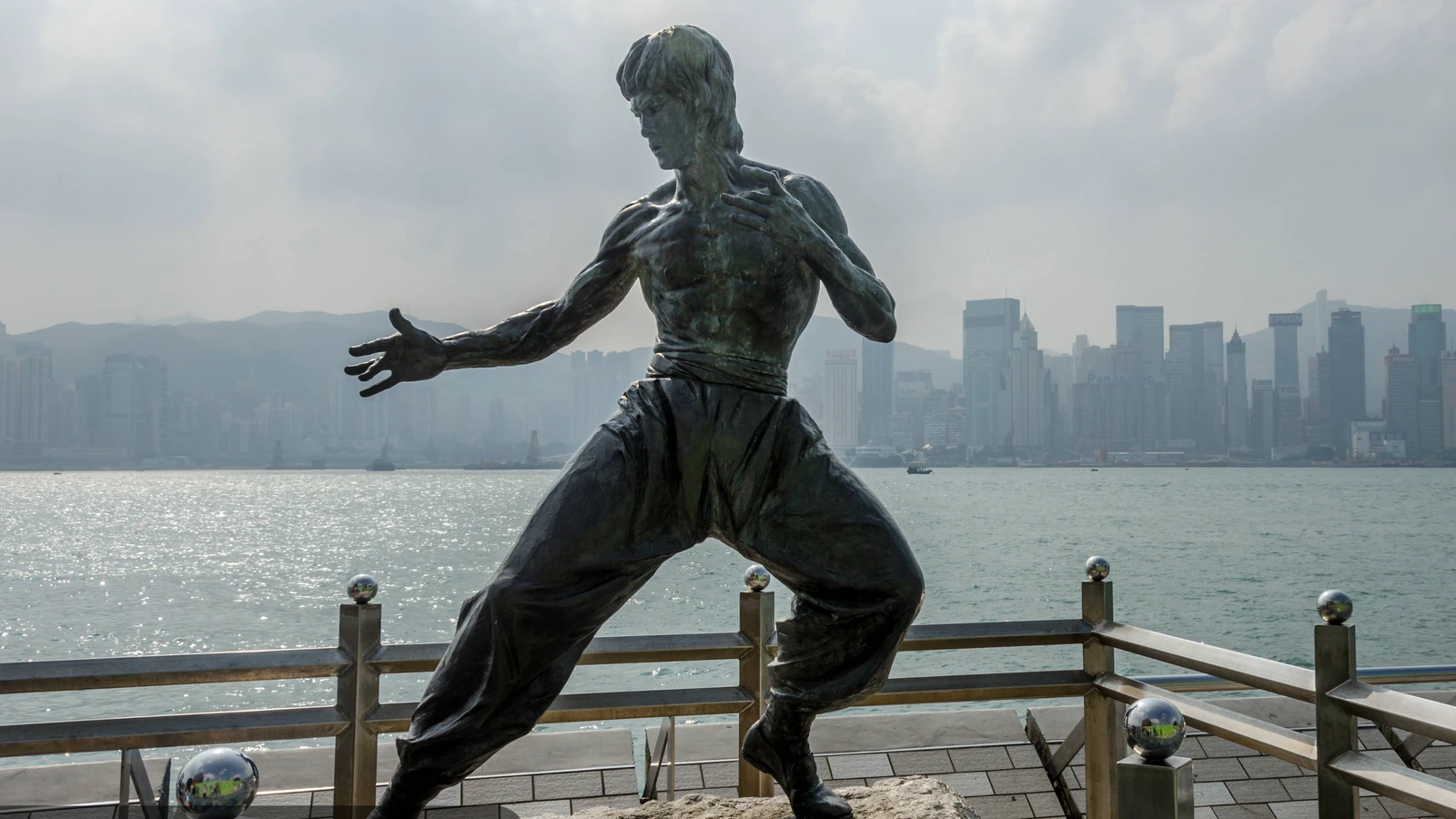
Scene · body · camera · public memory
Chinese film explored through genre, performance, direction, visual craft and the scenes that remain alive in audience memory.
Enter through the film language7 published guides across 5 core paths.
Watch the scene before summarizing the plot
Chinese film is the craft question beside the viewing question. Chinese Movies helps you choose a title and route; this collection asks how bodies, cameras, cuts, sound, genre and industry make a scene unforgettable. I refuse criticism that retells a plot and calls the retelling insight. Cinema begins where the summary becomes useless.
Preservation and institutional film records anchor screen history while East Moment's criticism remains tied to complete films and specific scenes. China Film Archive
Published guides, organized by intent
A collection page must do more than list recent posts. Choose the question that brought you here, open a focused guide, then keep moving through works, people and related cultural context without returning to search.
3 published guides
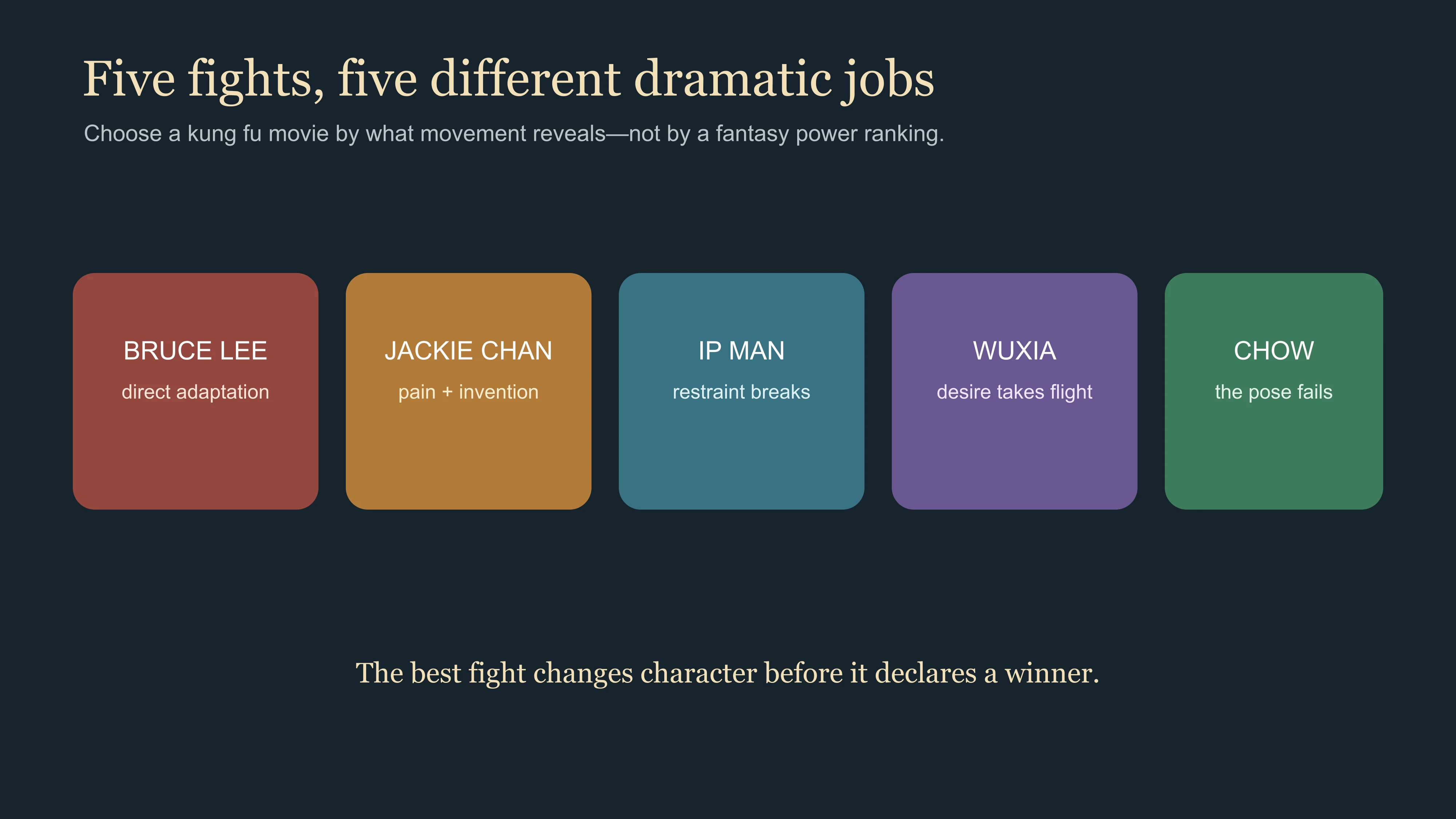
Bruce Lee's stillness, Jackie Chan's physical problem-solving and Stephen Chow's comic reversals prove that screen movement can reveal pride, fear, class and responsibility. Read the fight as drama, not a highlight reel.
A high-value guide to kung fu movies, from Bruce Lee and Jackie Chan to Ip Man, Crouching Tiger and Kung Fu Hustle—what each film teaches you to notice.
Read the deep guide
Is Kung Fu Hustle a Chinese movie, and what does its ending mean? Get a spoiler-light plot, character map, martial references and legal watch guide.
Read the deep guide
Understand Crouching Tiger Hidden Dragon: cast, wuxia movement, Green Destiny, character conflicts and the ambiguous ending in one practical guide.
Read the deep guide3 published guides
Wong Kar-wai, Zhang Yimou and John Woo cannot be reduced to color, beauty or gunfire. Follow how each director organizes time, space, loyalty and the performing body across complete films.
Understand Wong Kar Wai's movies and style through time, repetition, Hong Kong space and collaborators—with a practical route from Chungking Express onward.
Read the deep guide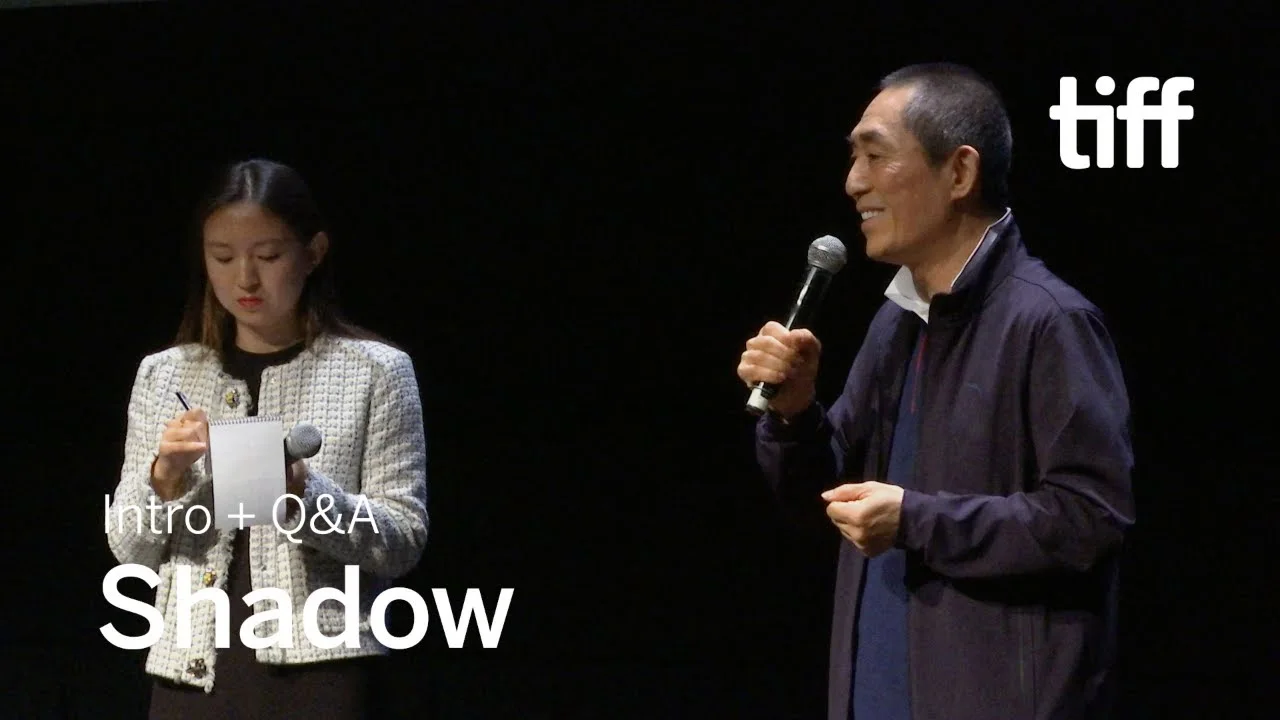
Understand Zhang Yimou through Red Sorghum, Raise the Red Lantern, To Live, Hero and Shadow: his visual method, contradictions and best viewing route.
Read the deep guide
Understand John Woo movies through A Better Tomorrow, The Killer, Hard Boiled and Face/Off. Learn what heroic bloodshed means and where to start.
Read the deep guide1 published guide
Farewell My Concubine makes opera training, gendered performance and political violence inhabit the same body. It belongs here because the actor's physical discipline carries what a synopsis cannot.
The scene, not the synopsis
Chinese film is not a nationality label attached to a watchlist. It is a wide field shaped by mainland, Hong Kong, Taiwan, diaspora and transnational production histories, different censorship and financing systems, regional languages, star traditions and audience memories. This collection is deliberately different from Chinese Movies. The Movies hub helps you choose what to watch. Here the question is how cinema works: why a body, cut, corridor, color, silence or burst of action keeps meaning after the story is known.
Mainland studio history, socialist cinema, reform-era experimentation and contemporary commercial production form one set of routes. Hong Kong developed powerful genre systems, star images and industrial rhythms under different historical conditions. Taiwan cinema built other relationships with language, memory and modernity. Diaspora and international co-production complicate any clean border further.
The point is not to memorize territories before enjoying a film. It is to stop using Chinese cinema as if it described one industry or aesthetic. A Wong Kar-wai corridor, a Zhang Yimou color field, a John Woo action exchange and an Ang Lee family meal emerge from different production worlds and directorial problems. Similarity must be demonstrated, not assumed by language or ancestry.
I recommend entering through the feeling you want, then widening the map. Watch one film closely enough to identify a formal decision. Follow the performer, director, genre or city behind that decision. The network becomes memorable because the first scene gave the history a pulse.
Institutional preservation and historical records anchor film history; critical claims still require complete films and scene-level evidence. China Film Archive
A strong fight scene is not merely fast. It establishes who can reach whom, what each person refuses to do and how the space changes as pressure rises. Bruce Lee's directness, Jackie Chan's comic use of objects, Jet Li's clarity, Michelle Yeoh's physical intelligence and Donnie Yen's speed do not perform the same dramatic function even when marketing calls all of it martial arts action.
Choreography becomes film language through camera distance, editing and sound. Too many cuts can hide physical relation; a wide frame can reveal skill but also flatten emotional detail. Impact sound may make a light contact feel decisive. Wire work can turn restraint or spiritual aspiration into impossible movement. None should be judged by realism alone. The question is whether the chosen grammar serves the scene.
I am impatient with action criticism that counts stunts but misses character. The best set piece changes a relationship. Loyalty is tested, fear becomes visible, comedy exposes arrogance or victory acquires a cost. When nothing changes except the number of defeated bodies, spectacle has replaced drama.
Tony Leung's power is frequently reduced to melancholy eyes, which is true and insufficient. The larger craft is attention: how a pause receives another person's line, how stillness holds conflicting intentions and how withheld speech creates pressure inside the frame. Maggie Cheung can make posture and costume record time. Gong Li can move from contained social performance to force without abandoning the character's history.
Performance is also created with the director, camera, editor and scene partner. A close-up does not simply reveal truth; it can imprison a face or invite projection. Repetition across takes shapes timing. Sound and silence decide whether breath is intimate or exposed. The actor deserves credit, but worshipping presence alone erases the collaborative conditions that made presence legible.
My test is the moment after the obvious line. Watch who continues thinking. A scene becomes deep when the reaction refuses to close the meaning already supplied by dialogue. That is where a familiar star can disappear into a person—and where a beautiful image proves it can carry consequence.
Wong Kar-wai returns to missed timing, interiors, music and bodies near one another but emotionally displaced. Zhang Yimou's color can organize power, ritual and spectacle, yet his career cannot be reduced to saturation. John Woo converts guns, movement and loyalty into operatic relation. Ang Lee repeatedly stages feeling inside social structure, moving across languages and genres without losing that pressure.
These summaries are hypotheses, not verdicts. Test them across several complete films. Ask when the pattern changes and whether the signature becomes self-imitation. A director's work is shaped by cinematographers, production designers, editors, performers, producers and industrial constraint. Authorship becomes more credible when collaboration remains visible.
I do not need every director page to prove greatness. I need it to teach the reader to see a choice. Once a viewer notices how a doorway divides a relationship or how music arrives before memory, the next film becomes richer. Criticism should return perception to the audience, not replace the film with admiration.
Choose one sequence and describe it without interpretation: shot distance, movement, cut, sound, color, bodies and duration. Then write what changed in your understanding. This order prevents theme from arriving before evidence. It also makes disagreement useful because another viewer can return to the same sequence and test the claim.
Context comes next. Read the production period, region, language, genre lineage and collaborators that alter what the choice means. Check restoration and subtitle versions when they matter. A streaming thumbnail can make access easy while concealing which cut or translation you are watching. Convenience should not erase the object.
Finally, keep the feeling. Formal analysis is not a machine for cooling emotion. It explains why emotion took this shape. The rooftop confrontation, the school comedy, the heroic-bloodshed oath or the corridor of missed desire remains powerful because craft organized our attention. Name that organization and the memory becomes more precise, not less personal.
Plot summary tells us what happened. Film language tells us what the event became. In a rooftop confrontation, the city below, the distance between two bodies, the wind around withheld speech and the cut toward or away from a reaction can make loyalty feel physically unstable. In a martial-arts sequence, wide space may preserve skill while rapid cutting may produce impact by hiding relation. In a domestic drama, a doorway can assign power before anyone speaks. These choices are not decoration around the story. They are the film's way of thinking.
Chinese film covers several histories that must remain visible: mainland studio traditions and later generations, Hong Kong genre industries, Taiwan cinema, Chinese-language co-productions, diaspora work and films circulating through festivals, restoration and streaming. One national adjective cannot explain their labor, censorship, financing, language or audience. The useful connection is the specific film problem. How does movement carry ethics? How does a family room hold political change? How does spectacle organize bodies? How does a city make longing possible and impossible at once?
A first-time viewer should choose by after-effect. Watch A Better Tomorrow if loyalty and masculine feeling must explode through action. Choose In the Mood for Love if missed timing and social restraint are the pressure. Enter Hero if color, choreography and political scale attract you, but keep beauty and ideology in the same conversation. Choose a Stephen Chow film when comedy, shame, desire and popular genre are allowed to collide. The page should help you choose a cinematic experience, then teach you how to see the evidence that produced it.
International viewers often meet Chinese cinema through whatever print, subtitle and title happens to be available. Color timing can alter the emotional temperature. Cropping can destroy spatial choreography. A subtitle can flatten kinship, rank, joke or political ambiguity into efficient English. Different cuts may reorder pressure or remove the pause that made a scene legible. Availability is therefore part of criticism. Before declaring a film slow, incoherent or visually crude, identify the version and the conditions under which it reached you.
Restoration does not automatically solve interpretation. An institution can establish provenance, format and preservation history; it cannot decide what every image means. A pristine frame may tempt us to worship surface while ignoring performance or social consequence. Conversely, a damaged surviving fragment can matter because it is the only evidence of a lost production world. East Moment links preservation facts where they change the viewing decision, then returns to the film. Technical authority should sharpen attention, not replace it.
The strongest return reason is a changed version or a changed eye. Rewatch the same scene after learning its city, genre convention or production constraint. Compare subtitles when a relationship turns on address. Notice whether a famous image remains persuasive once the complete sequence restores what came before and after. Bring that difference into discussion. Chinese film becomes a living field when viewers compare evidence, not when everybody repeats the approved list of classics.
Cinema also connects directly to place. Zhangjiajie's landscape can enter global imagination through Avatar associations, Hong Kong streets carry crime and romance memory, and Hengdian turns production infrastructure into a travel question. These links become useful only when the film and city point back to each other honestly. A location page should explain what the camera transformed; a film page should not pretend a fictional world is documentary geography. Following that gap teaches both cinema and travel better than a list of shooting locations.
Audience memory is the final archive. A television rerun, pirated disc, neighborhood cinema, festival restoration or streaming recommendation can make the same film belong to different generations in different ways. Those memories explain circulation but do not settle interpretation. Record how the film reached you, then return to the scene. Personal attachment becomes critical value when it sharpens what you notice rather than demanding that everybody feel the same.
Reader-built field guide
Name the film, timestamp and formal decision. Tell us what the frame, cut, sound or performance changed after the plot was already clear.
What this builds: We will connect strong scene readings across directors, performers and genres so later viewers can test them against the film.