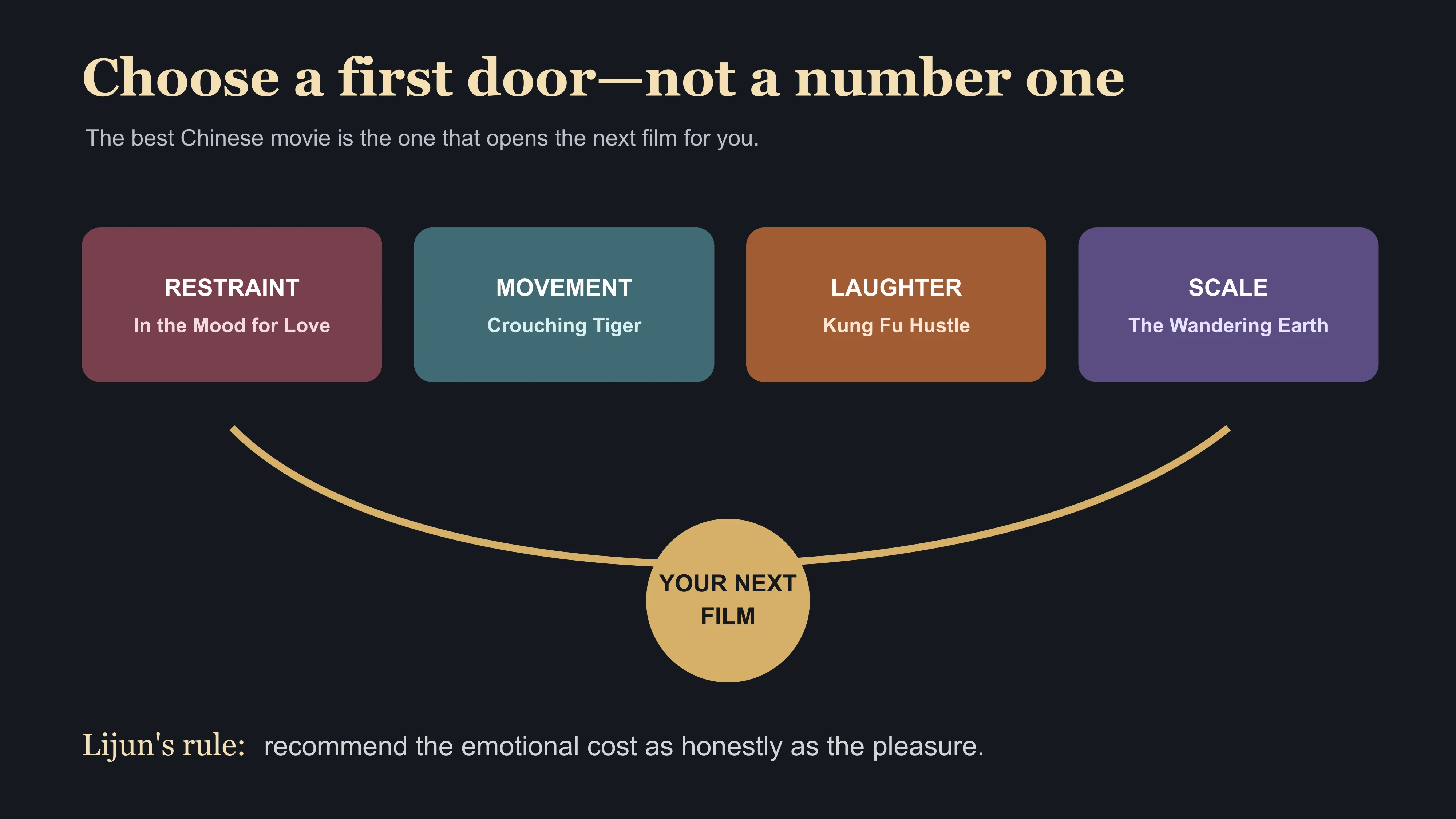
The best Chinese movies are not one ladder. A quiet hallway in In the Mood for Love, a wire suspended above bamboo, a schoolyard joke in Kung Fu Hustle and a child arguing with destiny in Ne Zha 2 ask completely different things from the person watching. My job here is not to declare one winner. It is to give you the right first door.
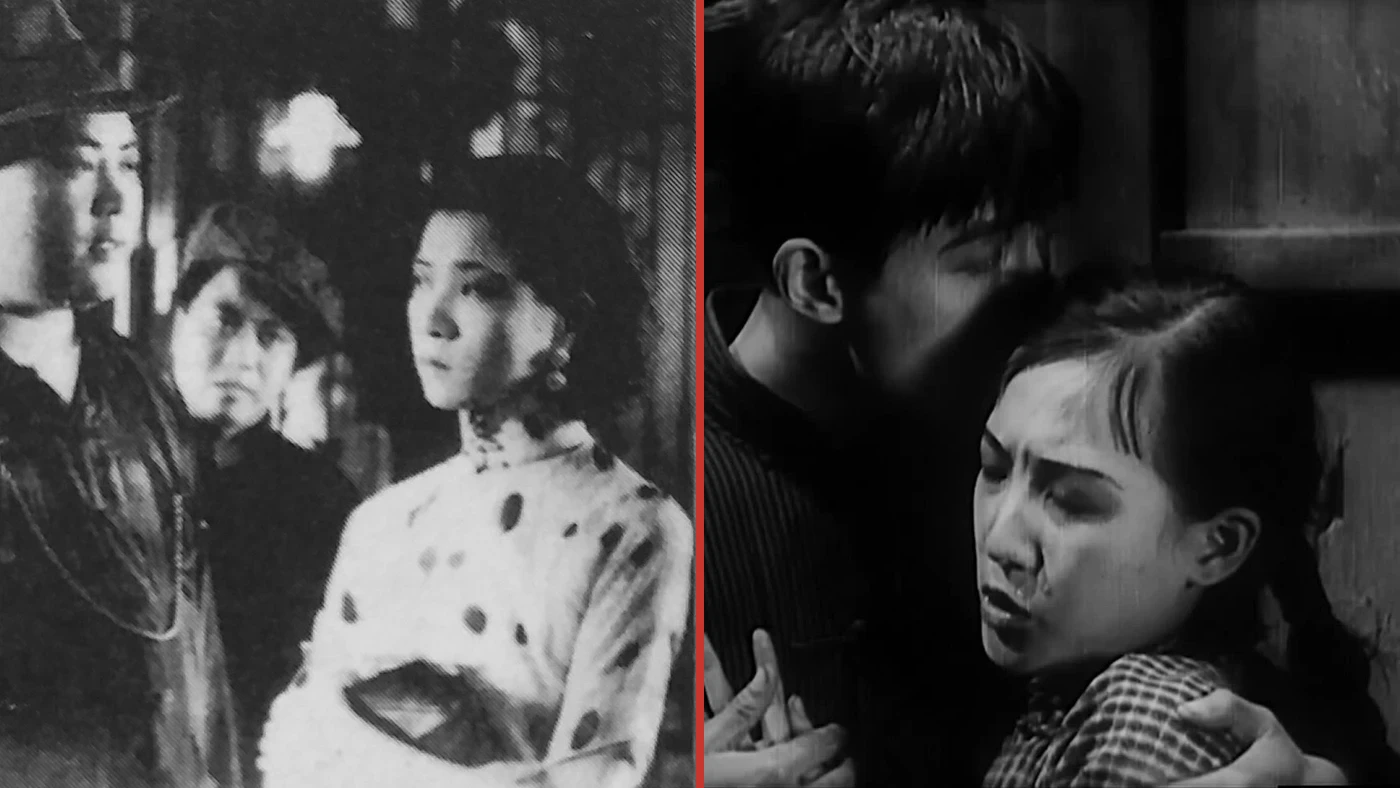
The cover begins before the familiar export canon: a surviving scene from Wu Yonggang's The Goddess (1934) and a public-domain frame from Yuan Muzhi's Street Angel (1937). These images prove that Chinese cinema already held city pressure, performance and intimate human damage in the frame before today's streaming lists existed. They cannot nominate one “best” film or stand in for later regions, languages and genres.
The best Chinese movies begin with the feeling you want to carry home
If you search this phrase because you are new to Chinese cinema, do not begin with a list sorted by prestige. Begin with a mood and a tolerance for commitment.
Use the Chinese movies collection when you want the full genre map. This page owns the practical decision: which individual film should open the door tonight.
| If you want… | Start with… | What the film asks from you |
|---|---|---|
| A beautiful, restrained heartbreak | In the Mood for Love | Patience with silence, repetition and feelings that remain unspoken |
| Martial-arts movement with moral weight | Crouching Tiger, Hidden Dragon | Attention to what freedom costs when duty has become a habit |
| A large historical canvas | Hero | Willingness to question whether beauty can make political violence look inevitable |
| Comedy that grows a bruised heart | Kung Fu Hustle | Readiness to let slapstick turn into a memory of childhood and loss |
| Opera, desire and historical trauma | Farewell My Concubine | Nearly three hours of concentrated performance and emotional damage |
| War strategy and collective responsibility | Red Cliff | Time for alliances, terrain and people rather than one invincible hero |
| A contemporary family-and-myth spectacle | Ne Zha 2 | Watch the first film first; the sequel assumes that emotional history |
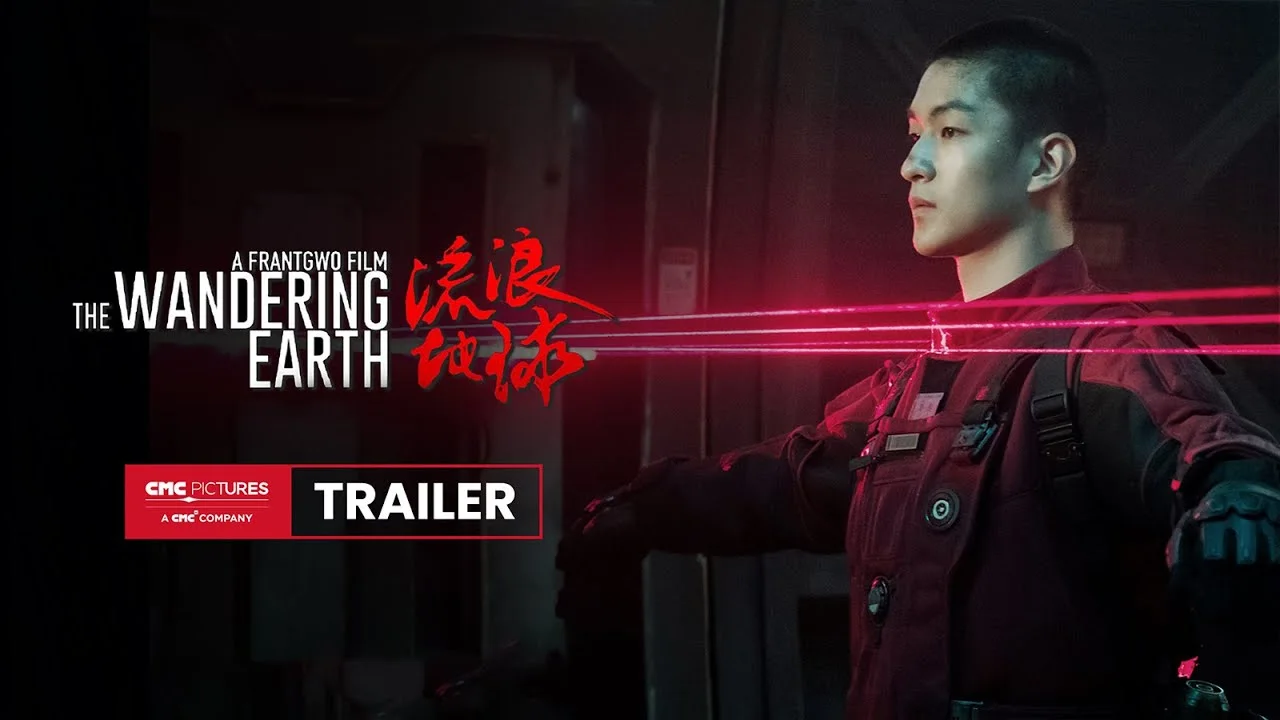
| Science fiction about home under pressure | The Wandering Earth | Comfort with engineering scale and a story that makes survival collective |
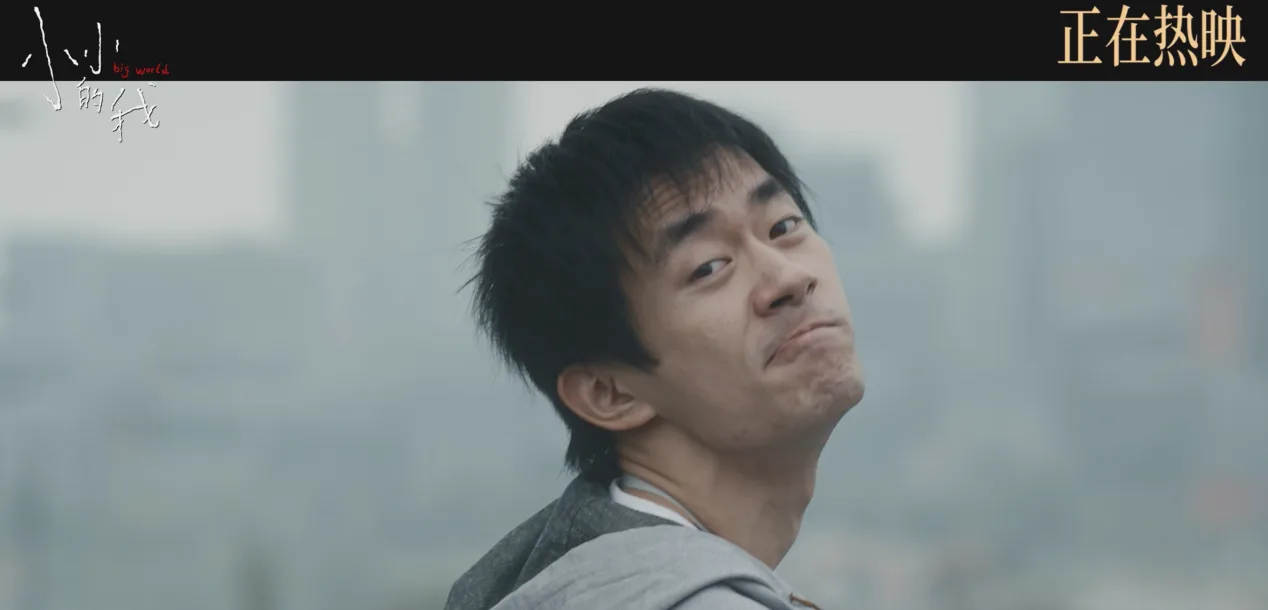
| A contemporary adulthood story that refuses easy inspiration | Big World, then compare Jackson Yee and Liu Haocun beyond this film | Notice whether Liu Chunhe is allowed desire, anger and difficult choices—not only courage, and how the relationship changes both performances |
| A formal satire about a woman fighting her public classification | I Am Not Madame Bovary through the Fan Bingbing guide | Patience with circular framing, repetition and a star deliberately denied normal visual scale |
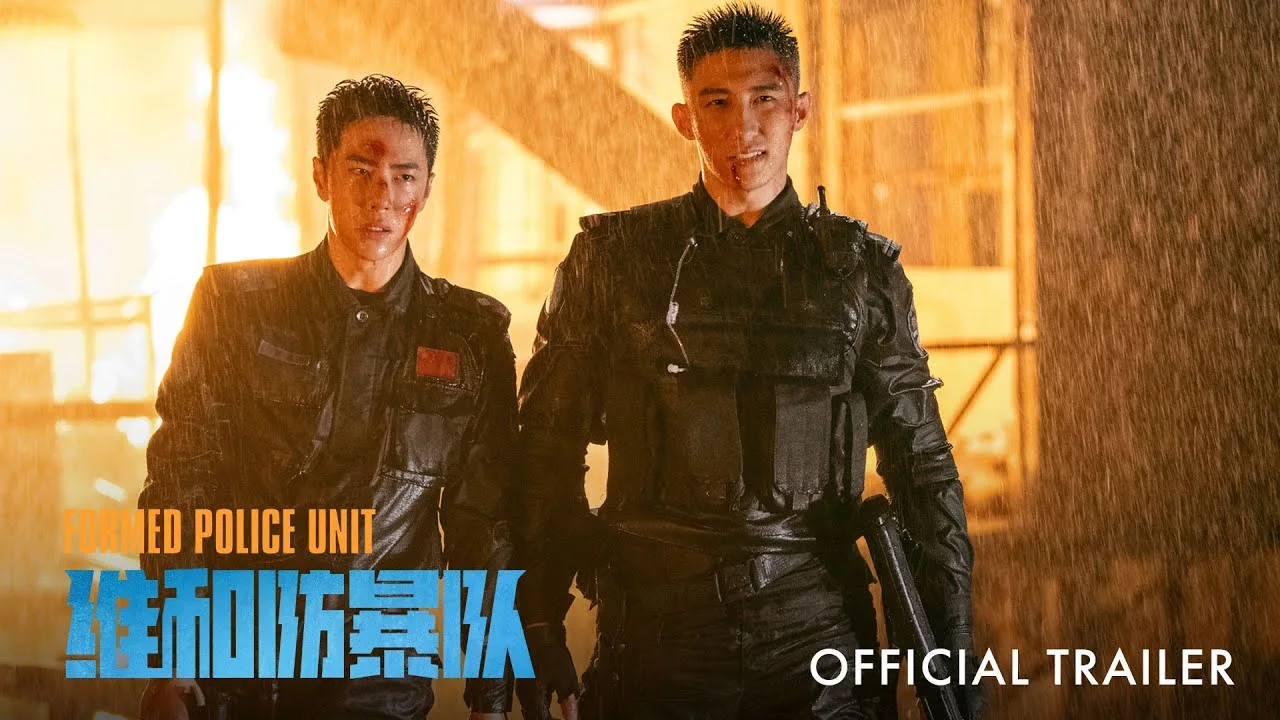
| Star-led institutional action you are willing to argue with | Formed Police Unit | Separate bodily teamwork from spectacle, and fiction from real UN peacekeeping procedure |
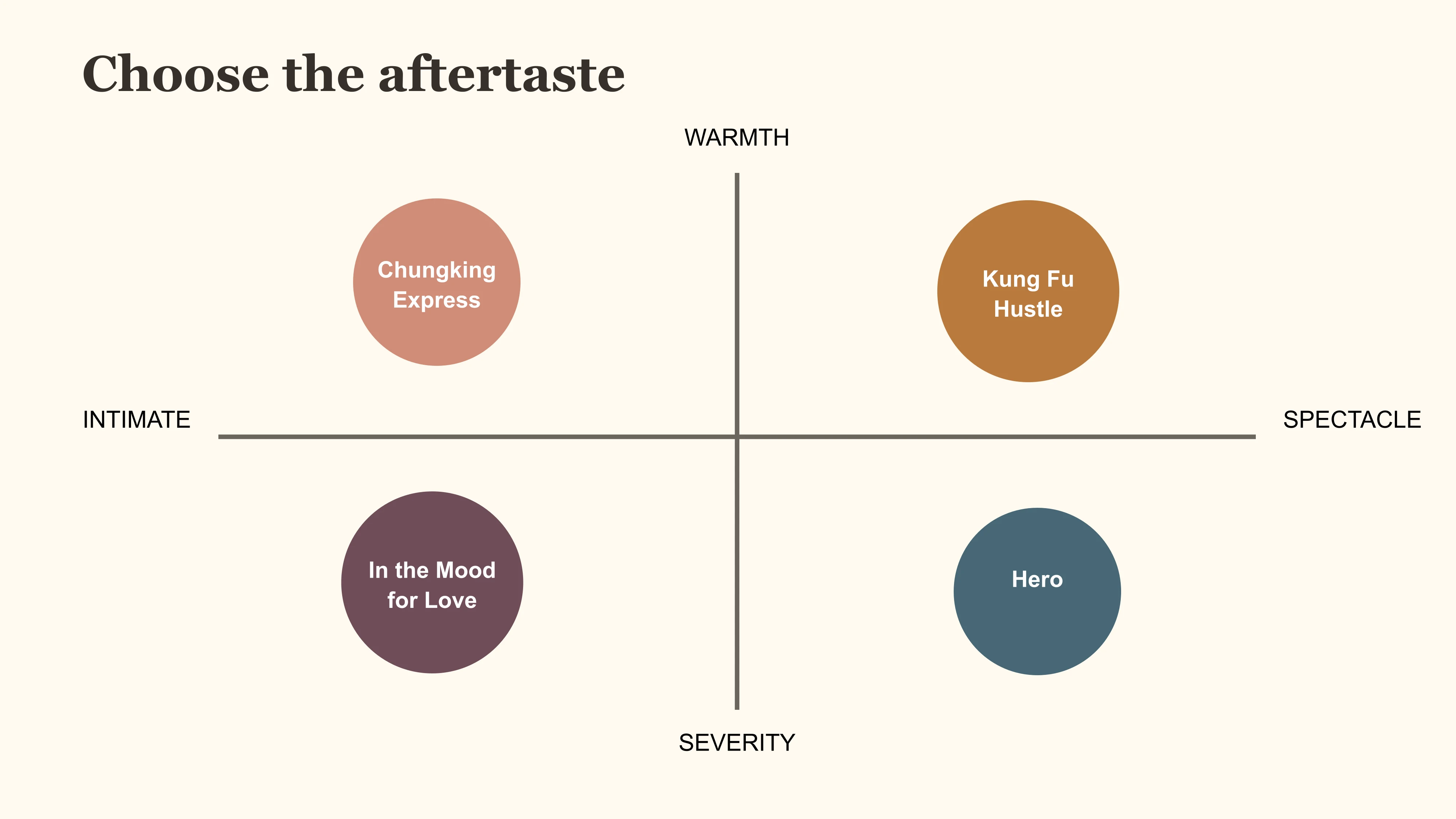
This is why “best” lists frustrate me when they mix a two-hour art film, a trilogy and a long action epic as if they were identical products. A recommendation is a promise about your next evening. It should tell you the cost as honestly as the pleasure.
Do not begin Chinese cinema in the 1990s
The two faces on this page’s cover are a refusal. The Goddess and Street Angel were made in Shanghai in the 1930s, yet neither feels like a museum label once a woman has to negotiate rent, hunger, work, motherhood or the violence hidden behind respectable language. Ruan Lingyu in The Goddess can hold fear and calculation inside one still face. Zhou Xuan’s singing in Street Angel carries warmth into a city that keeps converting poor people into entertainment, labor and rumor.
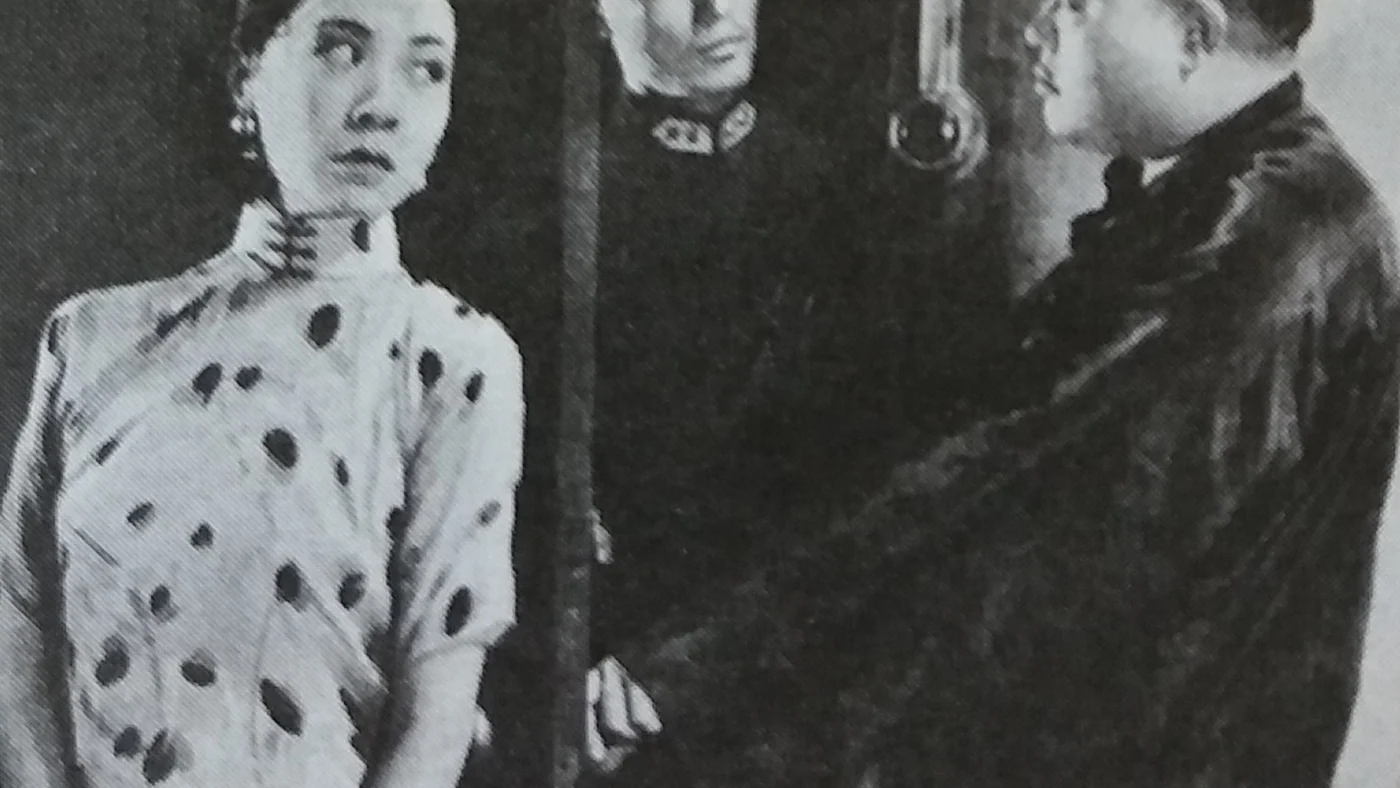
Look at the street before you look at the star. The crowd closes around Ruan Lingyu's character, and the frame gives her almost no private space. That is evidence of the film's social pressure, not a decorative “old Shanghai” mood. A best-movies list that skips this image loses the argument that Chinese cinema was examining urban survival, gendered judgment and performance decades before the export canon.
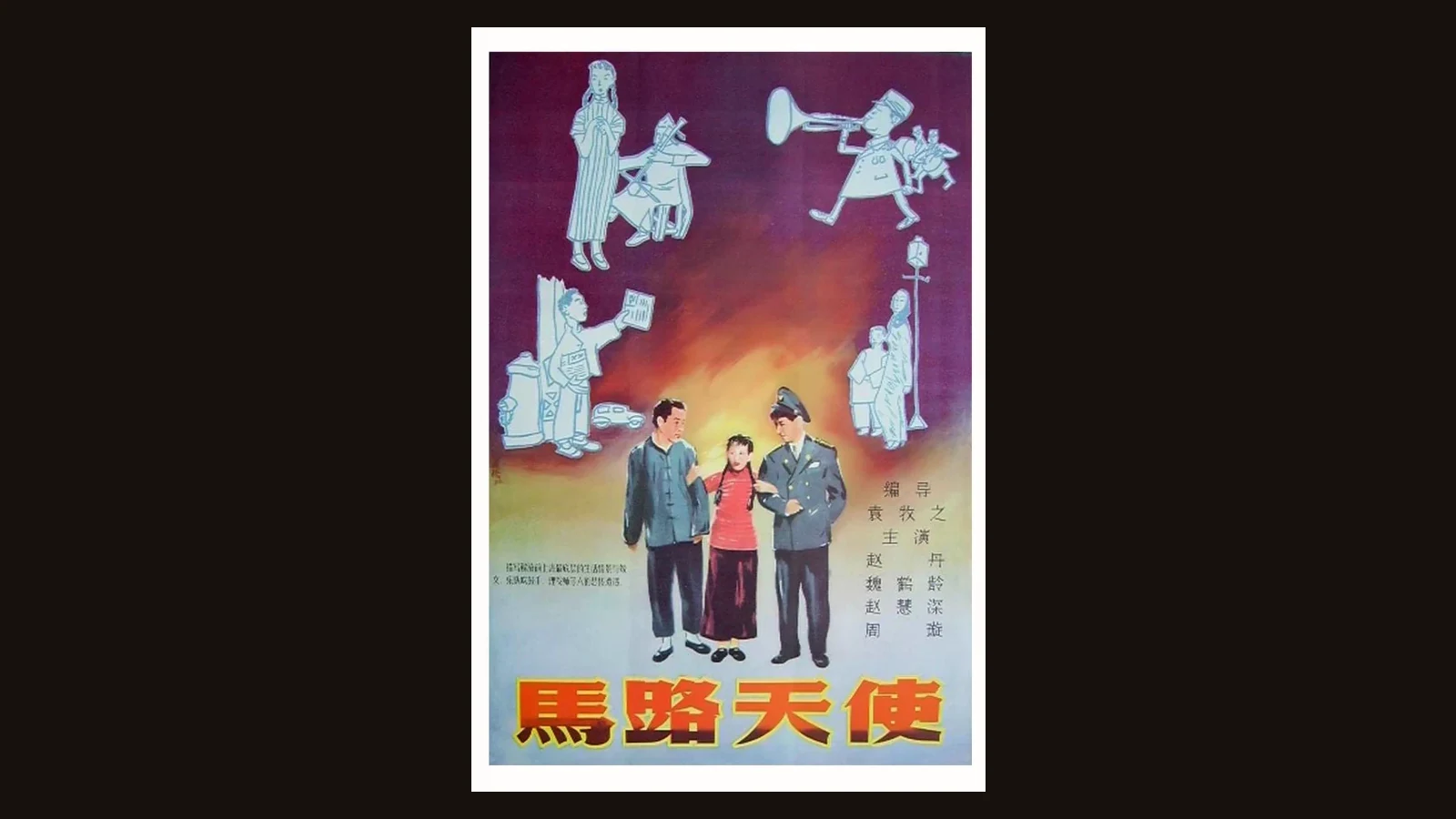
The Street Angel poster sells music, comedy and recognizable city characters in the same rectangle. It cannot prove the film's emotional complexity, but it does prove that popular accessibility and serious social observation were never opposites. That is why I refuse the lazy split between “important classics” and “films ordinary people can enjoy.”
I am sharp about this because international “best Chinese movies” lists often begin when Chinese cinema became easy to export. That chronology mistakes foreign availability for cultural birth. Watch one surviving early film and the later canon changes shape: Wong Kar-wai’s city loneliness no longer floats without ancestors, performance in Farewell My Concubine gains another historical echo, and contemporary stories about precarious women stop looking newly invented. The prints can be rough and the subtitles uneven. That friction is worth accepting. A damaged image with a living human gaze tells me more than a pristine list that quietly erases half a century.
Start with In the Mood for Love if you want a film to move slowly inside you
Wong Kar-wai's In the Mood for Love is the first film I give to someone who believes romance must be explained through confession. Mr. Chow and Mrs. Chan discover that their spouses are involved with each other. They do not simply become a new couple and solve the betrayal. They rehearse conversations, share noodles, pass one another on stairs and build an ethical boundary around desire.
The hallway scenes are not decorative pauses between plot points. They are the plot. Narrow corridors, repeated dresses and Michael Galasso's score make time feel like a room the characters keep entering without permission. Every encounter carries the knowledge that one careless gesture could turn private pain into a public imitation of the people who hurt them.
It is not the best first film for someone who needs a clear plot engine or a happy romantic payoff. It is perfect for the viewer who wants to understand how a film can make absence physical. The Criterion Collection edition page is the stable reference I use for the film itself; streaming catalogs are temporary and should never decide whether this door remains on the list.
Choose Crouching Tiger or Hero when action needs a moral argument
Ang Lee's Crouching Tiger, Hidden Dragon is often introduced through wire-fu: bodies floating across rooftops, bamboo leaves bending beneath impossible weight. The movement is gorgeous, but the film's ache comes from a young woman, Jen Yu, who has been taught that freedom is a fantasy available only to people already allowed to choose.
The bamboo duel is not a demonstration that gravity has been defeated. It is a conversation between two people who understand the same discipline and want different lives. Shu Lien carries responsibility like a second skeleton. Jen treats skill as the one language no arranged marriage can confiscate. Their blades make the disagreement visible.
Zhang Yimou's Hero is more severe. Its colors and symmetrical compositions turn competing versions of history into visual arguments. The Nameless swordsman does not simply ask whether one ruler deserves to live. The film asks whether a person can trade personal revenge for a political future, and whether that trade is noble or merely a beautiful way to surrender.
My judgment is that Hero is a magnificent film about the danger of magnificent stories. It can make unification look inevitable. Watch its surfaces, then ask who disappears behind them.
Kung Fu Hustle is the gateway for people who think classics will be homework
Stephen Chow's Kung Fu Hustle begins with a failed gangster, a shabby neighborhood and jokes that move faster than the plot. Then an old landlady, a quiet landlord and a child who remembers kindness reveal that the comedy has been carrying a martial-arts memory all along.
The film works overseas because its physical jokes are immediately readable, but its affection is local and specific. The slum is not merely a set waiting to be destroyed. It is a community of eccentric adults whose ordinary survival becomes more impressive than the Axe Gang's performance of power.
This is the film I use when someone says Chinese cinema sounds too serious. Laugh first. Then notice the small boy, the hands that remember kung fu and the final decision to protect rather than dominate. The film's warmth is not separate from its absurdity; the absurdity makes the warmth possible.
Farewell My Concubine is performance turning into a life sentence
Chen Kaige's director guide helps explain why Farewell My Concubine follows two Peking Opera performers across decades of political change, love, betrayal and institutional violence. Cheng Dieyi's devotion to the role of Concubine Yu is not a costume he can remove after the applause. The stage gives him a language for desire and then traps him inside the expectations attached to it.
The film is devastating because history does not arrive as a clean chapter break. Costumes, rehearsal habits, famous lines and childhood discipline keep following the characters into streets, marriages and political campaigns. Art offers survival and becomes another instrument through which power can demand obedience.
For a first-time viewer, the emotional scale can feel overwhelming. Give it the full evening and do not reduce it to “a sad gay love story” or “a film about Peking Opera.” It is also about training, national memory, gender performance, friendship and the cruelty of asking art to remain pure while society changes around it.
For a quieter route into modern China, follow the Jia Zhangke guide and begin with Still Life. Its demolition sites, searches and long waits ask you to measure change through distance rather than plot speed.
Red Cliff makes strategy feel like a group activity
John Woo's Red Cliff is a good correction to the idea that historical Chinese cinema is only a parade of heroic men. Its pleasure comes from coordination: weather, river terrain, intelligence, boats, diplomacy and the ability to make another person's confidence useful.
The battle feels satisfying because the film lets preparation remain visible. Zhou Yu and Zhuge Liang are not magical answer machines; they are skilled at arranging other people's strengths. That makes the movie a natural companion to Chinese chess: not because warfare is a board game, but because position, patience and sacrifice become legible through movement.
Ne Zha 2 and The Wandering Earth bring the family argument into the present
The newest gateway in this list is Ne Zha 2. Its mythic language is ancient; its emotional question feels immediate: can a child refuse the label adults have prepared for him? The film is loud, funny, visually enormous and most moving when cosmic destiny shrinks back to a parent trying to protect a child from being classified as a problem.
Watch the first Ne Zha before it. The sequel's speed assumes you already understand the family history. The official A24 trailer is a free visual entry; paid versions and regional catalogs vary.
The Wandering Earth makes the family unit planetary. Earth is moved because the species chooses an impossible collective engineering project rather than abandoning its home. It is not subtle about scale, but its scale has a human reason: people keep building because leaving everyone behind is unacceptable.
What to watch on Netflix, and what not to assume
Searches for “Netflix Chinese movies” often mean “Which titles can I legally watch tonight?” The answer changes by country and month. Netflix catalogs are not a reliable definition of the best Chinese cinema, and a title leaving the service does not make its cultural value disappear.
Use the film's official distributor, a licensed regional service or a cinema/curated platform such as MUBI or the Criterion Channel where available. Check subtitles, runtime, cut and payment before starting. Do not confuse a trailer, a fan upload or a short clip with the full film.
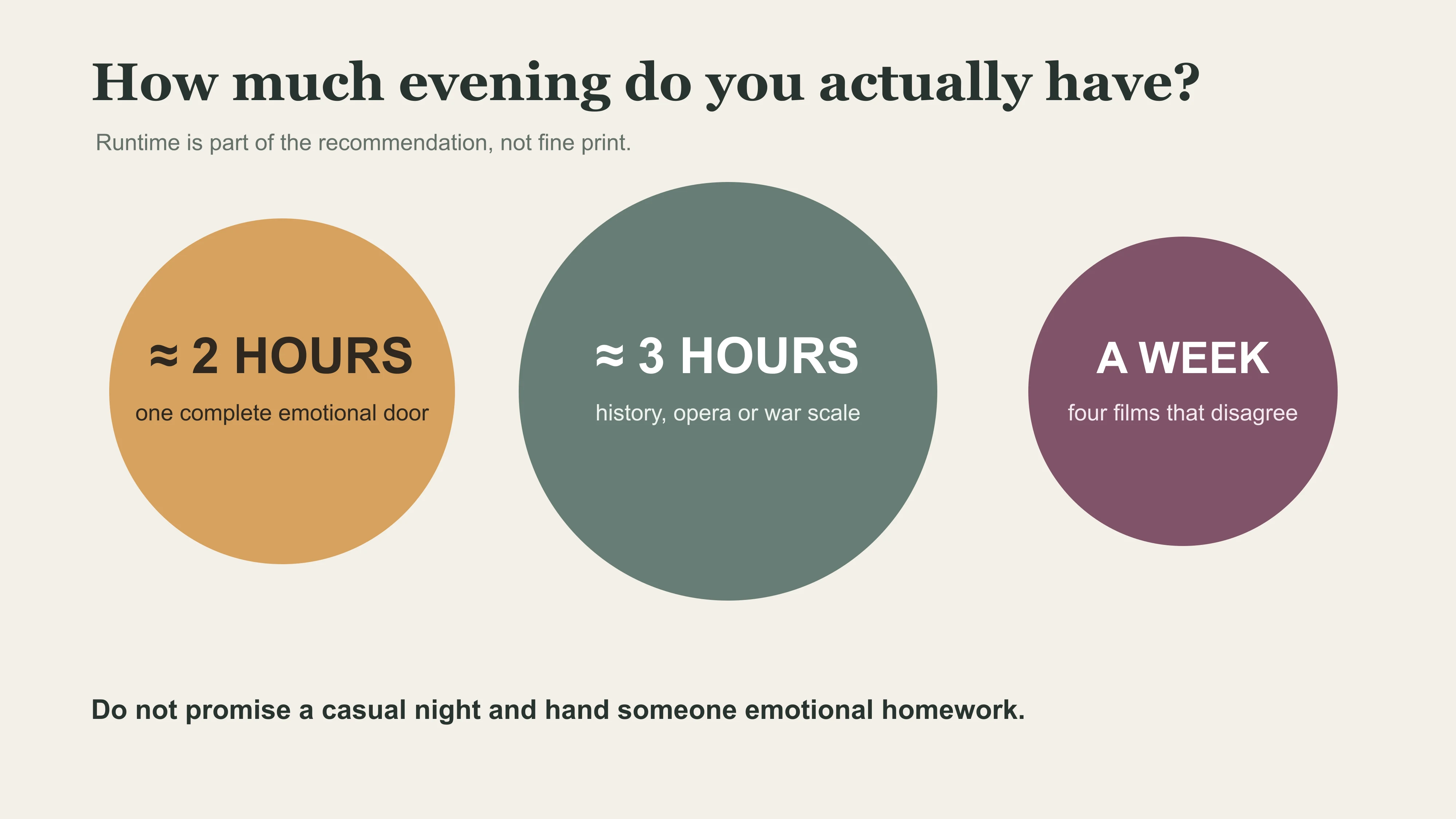
For a compact first week, I would choose Kung Fu Hustle, In the Mood for Love, Hero and Ne Zha 2 in that order. Comedy opens the door, restraint changes the temperature, history complicates admiration and myth brings the present back into the room.
My verdict: the best list is the one that changes your next choice
No ranking can replace the moment a scene becomes yours. I still remember the sound of a phone speaker carrying “告白气球” through an ordinary shop; movies work on me in the same way, attaching a place and a season to an image I thought I had already understood.
If you want movement, start with our Chinese martial-arts film route. If you want Hong Kong city feeling, continue to Chungking Express and In the Mood for Love. If animation is your doorway, use the best Chinese anime guide and then take the shorter route through Ne Zha 2.
Bring one scene to the East Moment community: name the film, describe the image or sound that stayed with you and tell us who you would recommend it to. I would rather read one precise memory than another five-star ranking.