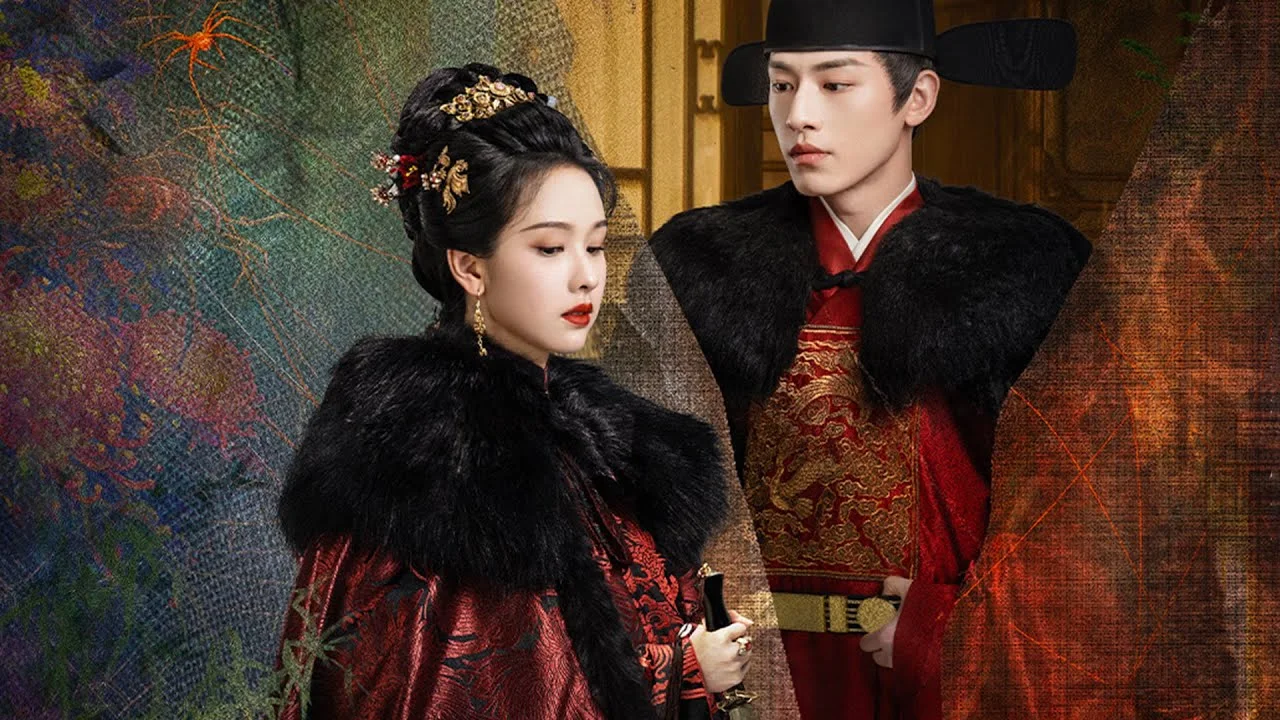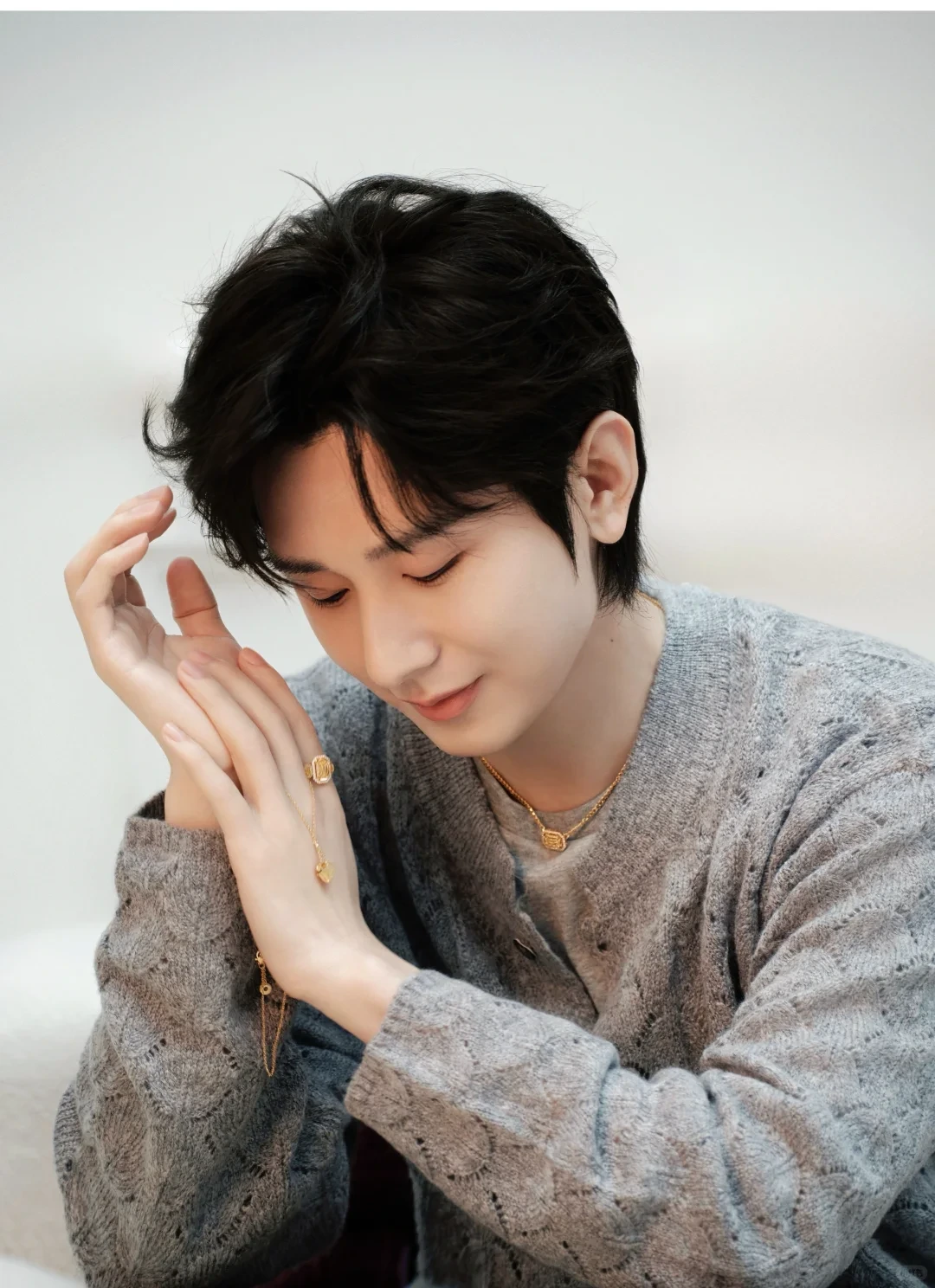
Jackson Yee became interesting when the control that made him a dependable idol stopped being the finished product. Dance taught him where every limb was. Film became useful when directors asked him to let dirt, fatigue, another actor and an inconvenient body interfere with that control.
Jackson Yee changes when composure becomes pressure
| Reader question | Direct answer |
|---|---|
| Who is Jackson Yee? | Jackson Yee is the established English name of Yi Yangqianxi (易烊千玺), a Chinese singer, dancer and actor who debuted nationally as a member of TFBOYS. |
| What is he best known for overseas? | Better Days, the 2019 youth-crime drama in which he plays Xiaobei opposite Zhou Dongyu. |
| What are his best movies? | Start with Better Days, then A Little Red Flower, Full River Red and Big World. Each asks a different question of his body and attention. |
| Does he still make music? | Yes. His solo work matters because it is one of the few spaces where rhythm, image and withholding belong to him rather than to a character. |
| Why was dance important? | It built isolation, timing and physical memory. Those skills become acting only when the body reacts to a person or task, not when it merely looks controlled. |
| East Moment verdict | He is not compelling because an idol “proved everyone wrong.” He is compelling when trained composure remains visible enough for a role to damage it. |
The easy version of this career is a victory montage: child performer, TFBOYS, dance captain, respected film actor. It is neat, flattering and almost useless.
The better question is what had to be unlearned? An idol learns to arrive prepared, find the camera, preserve the face and complete a movement cleanly. A screen character may need to miss the camera, fail to finish a sentence or let another person's presence reorganize the body. Jackson's best work sits inside that conflict.
TFBOYS built visibility; dance built a private instrument

YOUKU's full program material identifies Jackson as a dance-team leader under competitive pressure. It cannot prove that a television edit captures every decision or that dance skill automatically becomes acting skill.
TFBOYS made Jackson visible while he was still growing into the face the public expected to see. That early scale matters. It teaches a young performer to be exact in front of noise: mark the movement, hit the lens, share formation, keep expression readable and do it again.
On Street Dance of China, the useful part is not celebrity reaction shots. Watch how he gives weight to the beat before a move begins, how a shoulder or pause can make the next acceleration feel larger, and how he reads several bodies at once. Dance makes timing spatial.
But dance also creates a danger. Precision can look complete before a scene has changed anybody. The actor's task is not to display command. It is to allow an interruption to matter.
That difference is easy to test. Watch him complete a phrase on the dance floor, then watch Xiaobei stand beside Chen Nian in Better Days. The dancer controls where the energy lands. The actor has to let another person decide when the energy moves. I trust Jackson most when I can see both impulses at once: the trained body wants to close the shape, while the character has not yet understood what the other person needs.
This is why the idol-versus-actor argument bores me. It treats training as either contamination or proof of genius. Training is only material. Sometimes it gives him extraordinary economy; sometimes it leaves a scene looking beautifully managed. The result depends on whether a co-star, prop, room or unwanted thought is permitted to ruin the plan.
The music keeps a colder, stranger version of him alive

Overrun does not ask for the warm accessibility of group-idol performance. Its severe visual space, held gaze and controlled release let him treat restraint as design. That distinction matters: songs and concert work preserve an authored performance body even as films repeatedly ask him to surrender it.
For a new listener, do not approach the songs as biographical clues. Listen for how the voice sits inside arrangement and silence. The same performer who can cut a beat physically often uses vocal understatement. The tension between those two energies is more revealing than a playlist of “most popular Jackson Yee songs.”
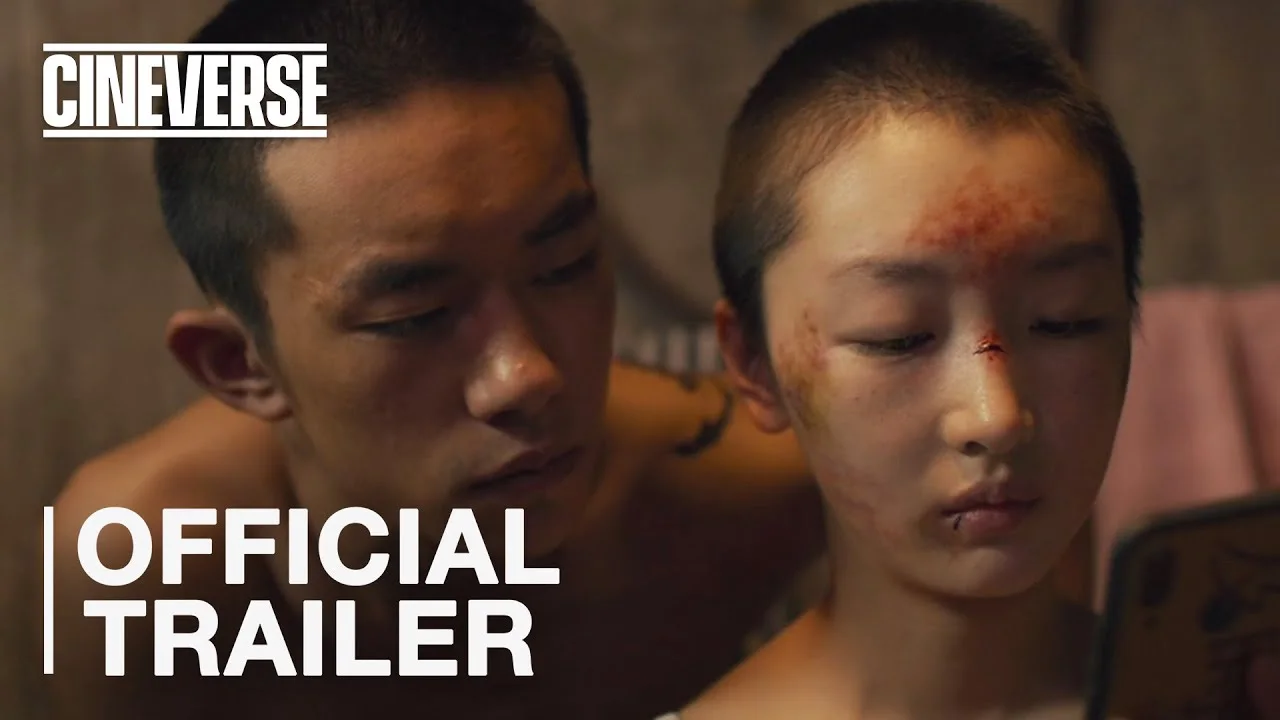
Better Days works because Xiaobei listens before he protects
Well Go USA's official synopsis identifies Jackson as Xiao Bei inside a story of gaokao pressure, bullying and a murder investigation. Those facts explain the machinery. They do not explain why the performance stays in the body after the thriller plot has finished.
Xiaobei could have been a pose: shaved head, damaged rooms, loyalty and a line ready for posters. Jackson avoids the worst version of that role when his attention stays on Chen Nian. He is not simply “protective.” He waits to learn what protection means to a person who has already discovered that adults can see harm and continue walking.
The close camera is brutal in the right way. It removes the safety of formation. A tiny delay before he answers Zhou Dongyu can carry more than a clean expression because the delay belongs to listening.
The handheld movement, fragmented cutting and large-screen close-ups carry the characters' panic while both actors visibly change. Even so, I do not treat one successful role as proof of complete range: the useful question is whether the result comes from technique or instinct, and only a contrasting role can answer it.
That is a fair test. Better Days should not be used as a lifetime certificate. It is the moment film discovered what his control could conceal.
My most reliable Jackson Yee test is the reaction shot immediately after Chen Nian speaks. Heroic dialogue invites a performer to state intention. A reaction shot forces him to receive information before he can improve his image. In the strongest moments, attention moves first and the face tries to hide that movement. Xiaobei becomes a boy making a dangerous decision, not an idol posing as danger.
A Little Red Flower removes the protective silhouette

Wei Yihang cannot stand outside the problem and guard somebody else. Illness makes him irritable, frightened and prematurely tired of other people's encouragement. The role is valuable because sulking and vulnerability are allowed to be unattractive.
Watch the meal table and family rhythm, not only the tearful peaks. A young person's fear is often distributed through ordinary cruelty: refusing hope before hope can embarrass him, speaking sharply because parents are close enough to survive it, resenting a future other people insist on imagining. Jackson is strongest when grief enters through timing rather than through a prepared “sad face.”
The romance also matters. If Wei Yihang were only a vessel for illness, the role would become an endurance display. His awkward pleasure, jealousy and impatience give the story horizontal life: he wants another young person, not merely the audience's pity. That is a harder acting problem because desire makes him ridiculous as well as vulnerable. Jackson's performance grows whenever the scene permits that mess.
Full River Red compresses him against louder actors

Sun Jun enters rigid, armed and suspicious. The film surrounds him with comic speed, deception, corridors and actors who attack rhythm from different directions. That makes the role a useful counterweight to Xiaobei: restraint here is rank before it becomes intimacy.
The danger is monumentality. Uniform, weapon, posture and Zhang Yimou's formal corridors can do too much of the acting. Jackson earns the role when the severity becomes a tactic rather than a permanent facial setting - when new information changes whom he watches and how much space he allows another person.
Big World makes transformation visible - and therefore morally risky

In Big World (小小的我), Liu Chunhe has cerebral palsy. The obvious labor of the performance attracts attention first, but obvious labor is not the final standard. A body can be technically difficult and still become a spectacle that congratulates the audience for feeling.
The performance has to survive scene-level memory: the candy, admission letter, cafe interview, museum and traffic light with his grandmother. Emotion must remain legible within involuntary movement, while speech clarity and disability representation deserve scrutiny rather than protective praise. None of this certifies authenticity. It establishes the right test: does each physical choice belong to Liu Chunhe's immediate desire, or does it advertise how hard Jackson worked?
The candy scene matters because eating is a task, not an award clip. The cafe matters because employment changes how strangers look at him. Conflict with his mother matters because disabled characters are too often denied the right to be unfair, angry or sexually and socially ambitious.
This is where I refuse the easiest praise. Physical transformation is not acting by itself. A changed gait, voice or facial pattern can demonstrate labor while still leaving the character trapped inside the actor's exhibition. The decisive evidence is reciprocity. Does Liu Chunhe alter his timing because his grandmother is impatient? Does embarrassment change when a stranger, an employer or Yaya is watching? Does desire continue after the audience has already understood the diagnosis? When the answer is yes, the body belongs to a social person. When it is no, visible difficulty begins carrying the scene for him.
The argument around the performance is therefore healthy, even when the surrounding language is not. Admiration should not make disability criticism forbidden; skepticism should not erase craft before examining it. I will not score a living body as a costume. I will ask whether the film grants Liu Chunhe appetite, error, sexuality, work and the power to make somebody else uncomfortable. That standard is stricter than applause and more respectful than pity.
Read the dedicated Big World guide for the full argument about Liu Chunhe, Yaya, his family and disability representation. Yaya is played by Zhou Yutong; she must be judged as a person responding to Chunhe, not as a reward for his courage.
Resurrection asks whether Jackson Yee can disappear into cinema itself
Biographical lists make Resurrection look like one more prestigious title. It is a more interesting test than that. The Unifrance press kit places the 2025 film after Big World and a run of major commercial and festival-facing work. That sequence matters because Jackson no longer needs a role to prove that he can endure production difficulty. He needs to show that he can change with a film's language.
The risk after Better Days, A Little Red Flower and Big World is obvious: suffering can become a prestige shortcut. Material arrives already loaded with sympathy; transformation arrives already legible as effort. An actor may be very good inside that lane and still be protected by it. I want roles in which no wound explains the face for him—ordinary adult vanity, social comedy, romantic selfishness, boredom, charm used badly. A career becomes range when the audience cannot predict what kind of pain will authorize the next performance.
Resurrection is valuable because a formally ambitious film can refuse everyday realism. That removes one familiar measuring stick. Jackson has to locate himself inside tone, genre and image rather than simply accumulating credible hardship. I am less interested in whether every experiment succeeds than in whether the actor allows the film to make him strange.
This is the current fork in his career. One road turns discipline into a dependable brand: serious projects, difficult bodies, visible commitment. The other keeps discipline but removes the guarantee of admiration. The second road is riskier. It is also the only one that can prevent his control from becoming another costume.
Use a reaction-shot ledger, not a ranking
If you want to judge Jackson Yee rather than repeat his reputation, choose one scene and make four notes:
- What does the other person do first? Name the line, look, touch or refusal that reaches him.
- Where does his body receive it? Eyes, breath, jaw, shoulders, hands and feet do not change at the same speed.
- What does he try to conceal? A reaction becomes character when control has a social purpose.
- What changes in the next action? If nothing changes, the expression may be decoration rather than listening.
Run the ledger once with sound, then once without it. Dance-trained precision should survive silence, but the scene must still reveal dependence on another person. That is the point at which craft stops being a display and becomes a relationship.
Six routes into Jackson Yee
- To understand the instrument: watch one full Street Dance of China episode before a film. Notice weight transfer and waiting, not just difficult moves.
- To hear self-authored control: use
Overrunas a visual-musical piece rather than as biography. - For the film breakthrough: Better Days remains the essential starting point because another actor changes his timing.
- For unheroic youth: choose A Little Red Flower.
- For ensemble pressure and formal scale: choose Full River Red.
- For the hardest current argument: choose Big World, then ask whether Liu Chunhe remains a subject after the transformation publicity fades.
Jackson Yee is already beyond the question “can an idol act?” That question flatters the industry more than it illuminates the work. The useful question now is whether each new role can take away a familiar form of control.
In the comments, bring the exact second when he stops presenting a character and begins responding to somebody. Then join the East Moment community to compare the scene with viewers who can hold admiration, doubt and evidence together. Continue through our Chinese actors collection or use the Chinese movies guide to place these roles beside the directors and co-stars who shaped them.