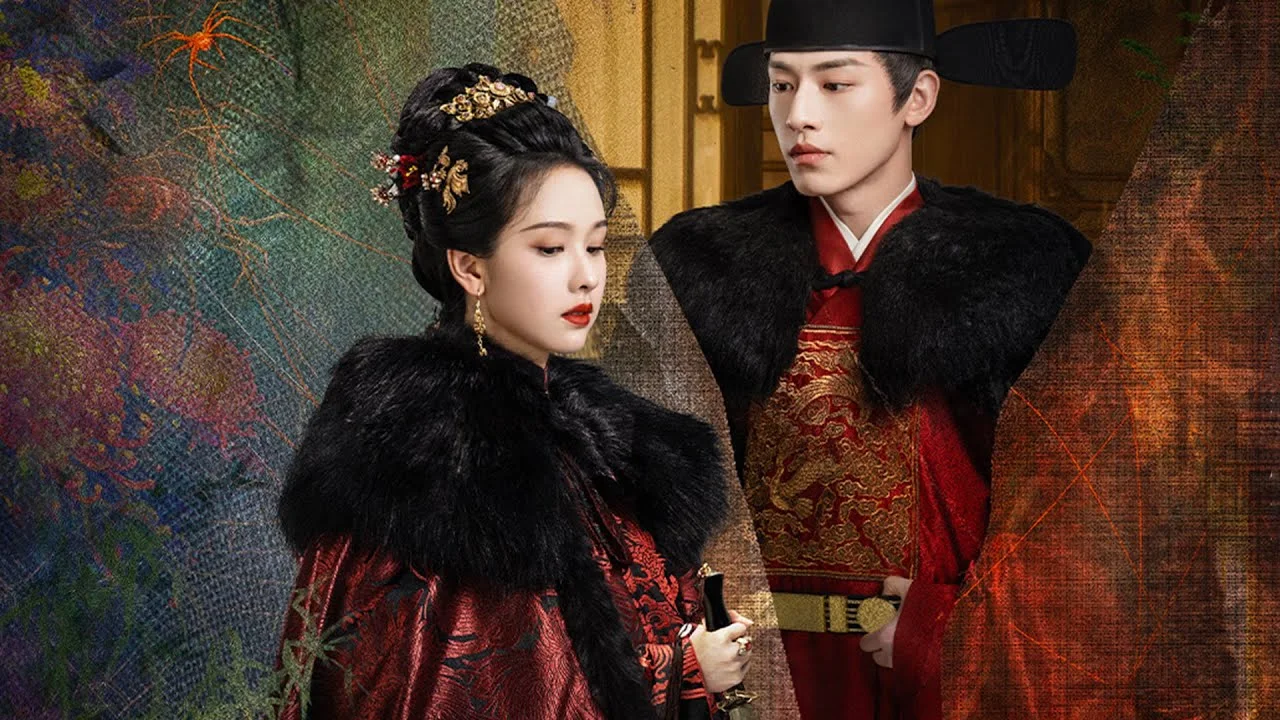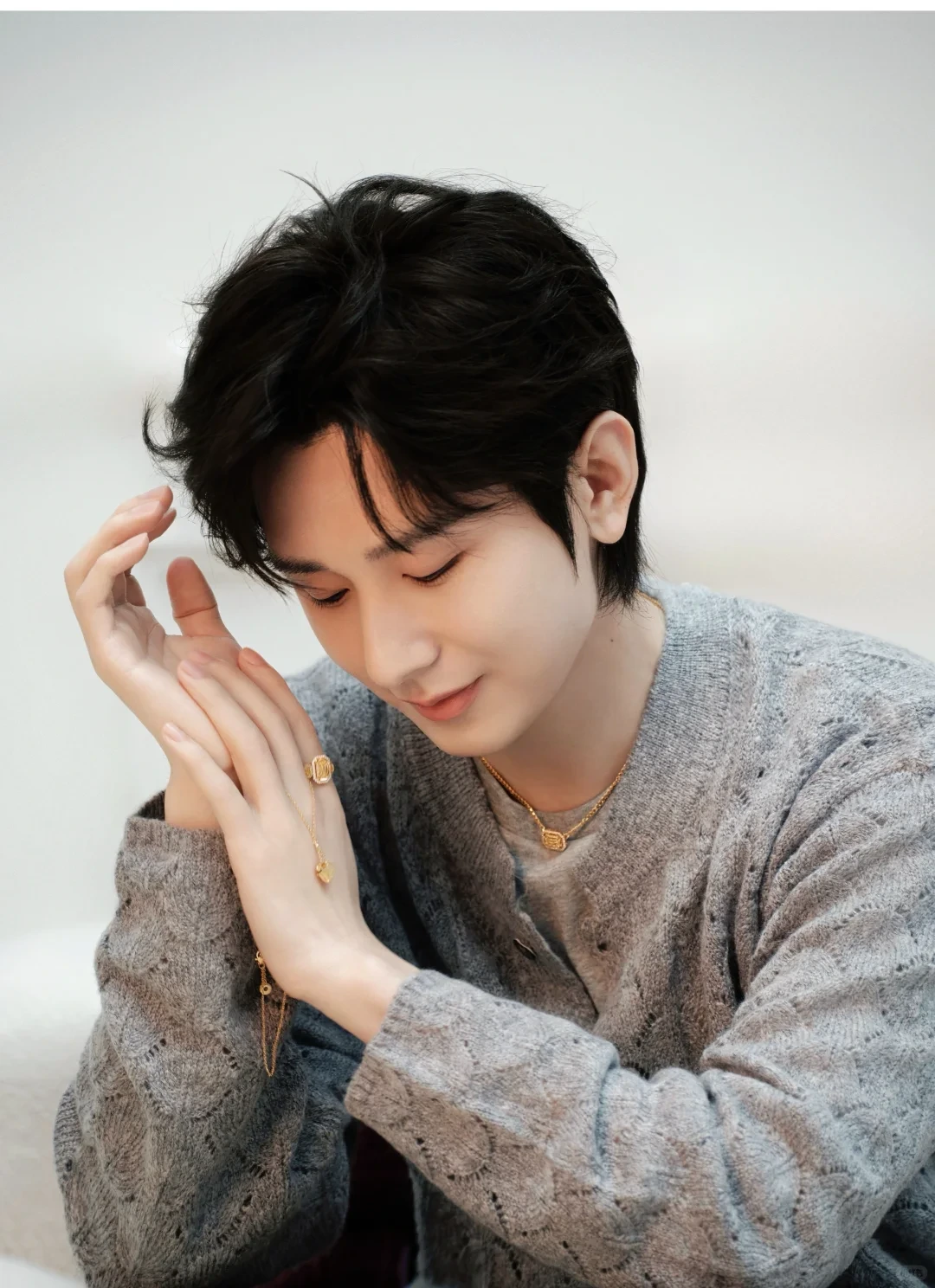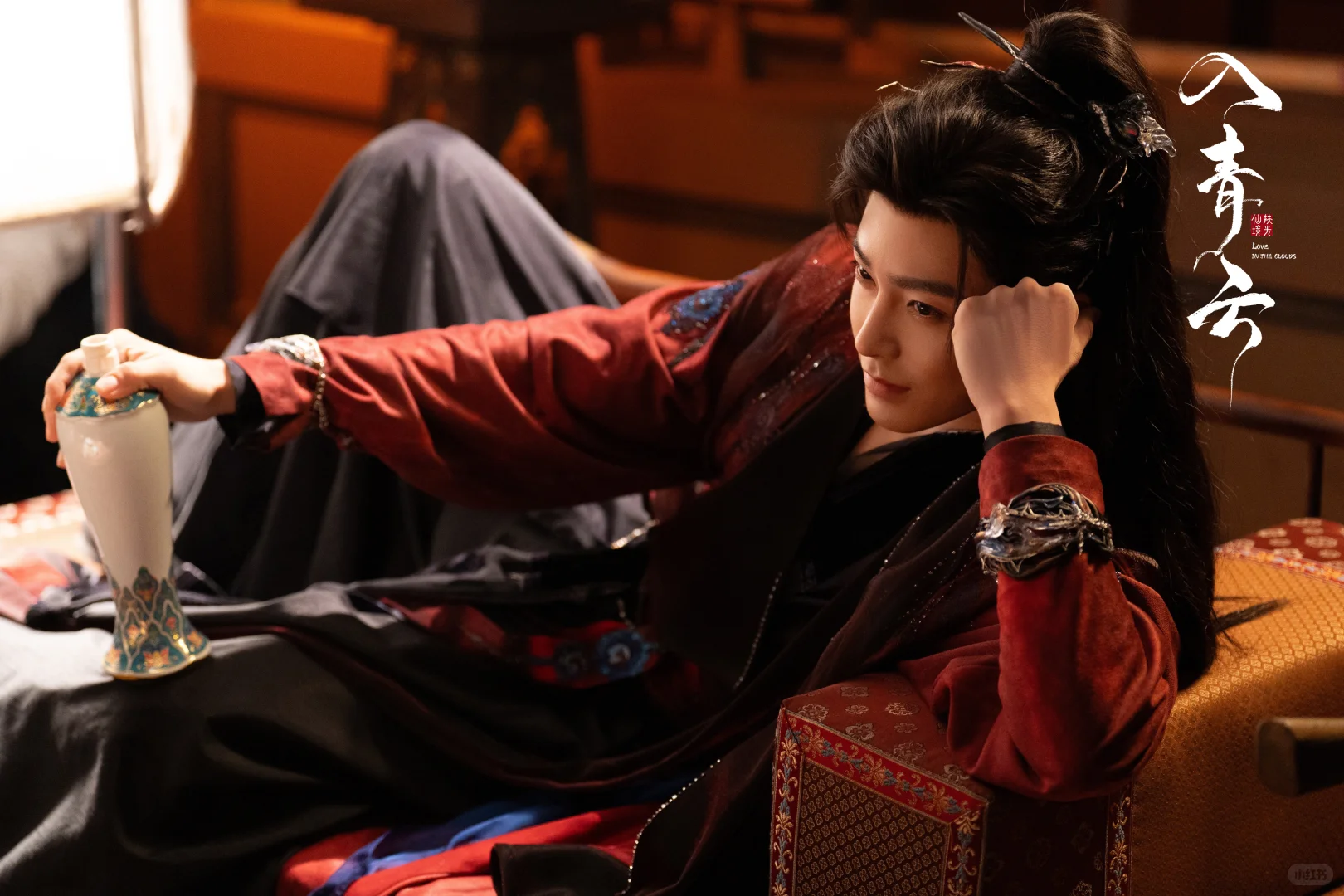
Dilraba Dilmurat is easiest to misunderstand when people meet the face before they meet the person. I first liked her through Diamond Lover, then became completely charmed by Fengjiu in Eternal Love. Years of dramas, variety shows and live television have made that affection more complicated: I still love her openness and comic instinct, but I no longer confuse being instantly likable with every role being fully written.
Dilraba Dilmurat is more interesting after the entrance
Tencent Video's official You Are My Glory trailer gives the right starting evidence: Dilraba enters as a star, but the scenes become interesting only when Qiao Jingjing has to work, misjudge a moment and let another person interrupt the polished image.
Dilraba Dilmurat (迪丽热巴) is a Chinese actor from Xinjiang, known across romantic fantasy, contemporary romance, costume drama, variety television and large live broadcasts. New viewers usually ask which drama to watch first. My route is more personal than a popularity list: Diamond Lover explains why an early comic entrance stays in the memory; Eternal Love of Dream gives the full Fengjiu charm; You Are My Glory shows the adult star image working as labor; The Long Ballad tests strategic weight; and Sword Rose tests whether professional urgency can replace glamour.
That order also reveals her central career problem. Cameras love making an entrance out of her face. A character, however, cannot live on an entrance. The performance becomes persuasive only when beauty encounters inconvenience.
My Dilraba route began with comedy, then became a long-term attachment
I did not meet Dilraba through a solemn “breakthrough performance.” I met her through the bright, slightly ridiculous energy of Diamond Lover. That is important because the first thing I liked was not distant beauty. It was the feeling that she could make a glamorous character laugh at herself and still remain emotionally open.
Later, Three Lives, Three Worlds, Ten Miles of Peach Blossoms and especially Fengjiu in Eternal Love of Dream made the affection more durable. Fengjiu is adorable, but “adorable” is too small for what Dilraba is doing there. She lets appetite, embarrassment, jealousy and stubborn devotion move through the body before the dialogue explains them. I remember the character because she feels socially alive, not because the costume is expensive.
The off-screen route mattered too. Seeing Dilraba on Keep Running and in major holiday television, including Spring Festival programming, made her public image feel unusually accessible to me. This is not proof that she is privately “real” or without celebrity distance. It is the reason I understand why viewers describe her as lively and unpretentious: she is good at letting a large public stage contain small comic reactions.
That history changes how I watch the serious roles. I am not waiting for her to stop being beautiful or playful. I am asking whether a production gives those qualities a harder job. This is why the Yang Mi profile belongs in the same network: both actors became associated with fantasy-romance stardom, but their most useful later tests begin when the image has to survive a less flattering social world.
Dilraba Dilmurat movies and TV shows: a useful role map
A filmography becomes useless when it treats every credit as equal. These are the roles that actually explain her career:
| Role | Production | What the role tests | My reading |
|---|---|---|---|
| Gao Wen | Diamond Lover | Comic speed inside a glamorous supporting role | The early proof that self-mockery could loosen the star image |
| Fengjiu | Eternal Love / Eternal Love of Dream | Fantasy comedy, appetite, devotion and romantic pain | Her most complete charismatic register |
| Li Changge | The Long Ballad | Strategy, grief, flight and political consequence | Uneven, but important because beauty cannot solve the role's decisions |
| Qiao Jingjing | You Are My Glory | Celebrity labor, private embarrassment and adult romance | The cleanest starting point for a new viewer |
| Ji Yunhe | The Blue Whisper | Captivity, sacrifice and fantasy authority | A darker extension of her costume-drama control |
| An Ni | Prosecution Elite | Professional speech, procedure and public responsibility | Valuable precisely because realism resists glamour |
| Deng Yan | Sword Rose | Investigative concentration, physical urgency and institutional pressure | Her strongest recent argument for contemporary dramatic weight |
| Nie Jiuluo | Love on the Turquoise Land | Combat instinct, grief, guarded intimacy and a life beyond danger | The role that most clearly separates intensity into distinct emotions |
| He Simu | Love Beyond the Grave / 白日提灯 | Whether fantasy danger creates a new emotional cost after beauty and star pairing arrive first | Current promotional material confirms the pairing, not the completed performance |
This is not a ranking. It is a pressure map. If you watch only red-carpet compilations or fantasy entrances, you see the part of Dilraba that the camera can produce before she acts. The career becomes interesting when the role imposes a problem that styling cannot solve.
Four roles, four different pressures
In You Are My Glory, Qiao Jingjing is already a star. That is useful casting because the role does not ask Dilraba to pretend beauty and fame are invisible. It asks what remains when a polished public woman speaks privately to someone who remembers her before the polish. Her strongest choice is lightness: teasing, waiting and allowing small embarrassment to interrupt control.
In Eternal Love of Dream, Fengjiu is more elastic. Comedy prevents majesty from hardening into a pose. Dilraba can be impulsive, hungry, proud and wounded inside the same fantasy image. The Long Ballad asks for a different economy: less sparkle, more strategic attention. Prosecution Elite removes most fantasy protection and asks whether professional purpose can remain visible beneath the star. None of the four performances is flawless. Together they show why range should be judged by pressure, not costume count.

Fengjiu is still the role I would use to explain Dilraba's natural comic instrument. She can make a proud character ridiculous without making her contemptible. Appetite is crucial: food, curiosity, jealousy and affection travel through the body before the dialogue finishes. When the drama becomes solemn, that earlier physical life is what keeps Fengjiu from turning into a costume arranged beneath a crown.
The acting argument is really an argument about visibility
I see precise control beneath an unusually visible star image, but newer work can also feel awkward when that image survives after the character should take over. That disagreement is the real subject; popularity cannot settle it.
I refuse the lazy choice between “she is only beautiful” and “every criticism is jealousy.” Both positions avoid the performance. I use a stricter test: after the close-up, can you describe the character's decision without mentioning how Dilraba looks? When the answer is yes, the performance has escaped celebrity. When the answer is no, styling may be doing more work than acting.
That test also explains the most persuasive audience reactions around her work. Viewers return to a switched gaze, a swallowed reply or a comic collapse because those moments interrupt the prepared image. The feeling is immediate: for a few seconds the famous face is occupied by somebody else's problem. That is the standard worth defending. Praise counts only when we can point to the behavioral choice that earned it.
My bias is clear: I forgive a role for being sentimental much faster than I forgive it for being emotionally empty. I like Dilraba when she is funny, warm and a little embarrassing. I become impatient when a production photographs that warmth, adds a beautiful costume and calls the character complete. The distinction is not anti-star. It is exactly because I have followed her for so long that I want the role to demand more from her.
Qiao Jingjing makes celebrity part of the labor
What I value in You Are My Glory is that the drama does not ask Dilraba to hide the fact that she knows how to occupy a promotional frame. Qiao Jingjing's beauty, brand value and public composure are part of her job. The performance becomes specific when that fluency meets private memory and technical inadequacy.
Gaming is useful here because it gives the character something visible to learn. She cannot solve the problem by appearing sincere. She has to practice, accept correction and keep a public deadline. The role allows competence to be built rather than granted by casting.
Her scenes with Yang Yang work best when two polished public identities stop admiring each other and begin negotiating time, work and embarrassment. That is why the Yang Yang page belongs beside this one: the pairing succeeds when neither star is reduced to the other's reward.
The romance works because Qiao Jingjing has a life that continues when Yu Tu leaves the frame. She has a team, a deadline, public risk and the humiliating necessity of learning something she is bad at. I do not need the drama to pretend celebrity is ordinary. I need it to show the labor beneath the ordinary-looking smile, and here it does.
Li Changge is the necessary range test
The official The Long Ballad trailer places Li Changge inside flight, political violence and military calculation. This is the role to watch after the two romances because it removes Dilraba's easiest weapon: relaxed social charm. Changge cannot flirt her way out of grief or command. She must look, calculate and decide.

The performance is not uniformly convincing. Some confrontations remain posed, and the production's visual grandeur can make strategy feel like another costume. Yet failure at the edge of a register tells us more than another effortless entrance. In the strongest passages, Changge's attention moves before her body does: she hears danger, measures another person's intention and lets the next decision harden her face. That is not the buoyant Dilraba of Fengjiu or Qiao Jingjing. It is an actor trying to reduce her natural brightness so thought can occupy the frame.
The role also corrects a common mistake in star profiles. “Strong female lead” is not a personality. Strength becomes drama only when it costs something, produces a wrong decision or changes a relationship. Changge is useful because the story keeps forcing consequence onto an image that could otherwise float above it.
Prosecution Elite proves that costume is not the only difficulty
Modern professional drama may look easier than fantasy, but it is often harsher on a star. A robe can establish rank in one shot. A prosecutor must create authority through listening, procedural language and the exact moment she refuses to be rushed.
Tencent Video's official Prosecution Elite trailer identifies Dilraba as An Ni inside an internet-crime and public-prosecution frame. It does not prove the legal realism of the complete series, but it gives us the right performance question: can the actor make professional attention more important than glamour?

My answer is mixed but definite. Dilraba is strongest when An Ni is processing information or pushing against another person's version of events. She is less persuasive when official dialogue asks the character to represent an institution instead of think as an individual. That limitation matters. A serious profile should show where the instrument resists the material, not turn every credit into evidence of mastery.
This role still belongs in the starting map because it breaks the false idea that “range” means changing clothes. Fantasy acting and professional realism impose different constraints. Watching both makes the judgment sharper.
Sword Rose gives professional attention a pulse
Prosecution Elite taught me what the problem was; Sword Rose shows Dilraba getting closer to the answer. WeTV's official Sword Rose page identifies Deng Yan as an anti-trafficking police officer. The premise alone does not prove realism, but it creates a hard acting demand: urgency cannot become generic heroism because every rushed decision concerns another person's disappearance.
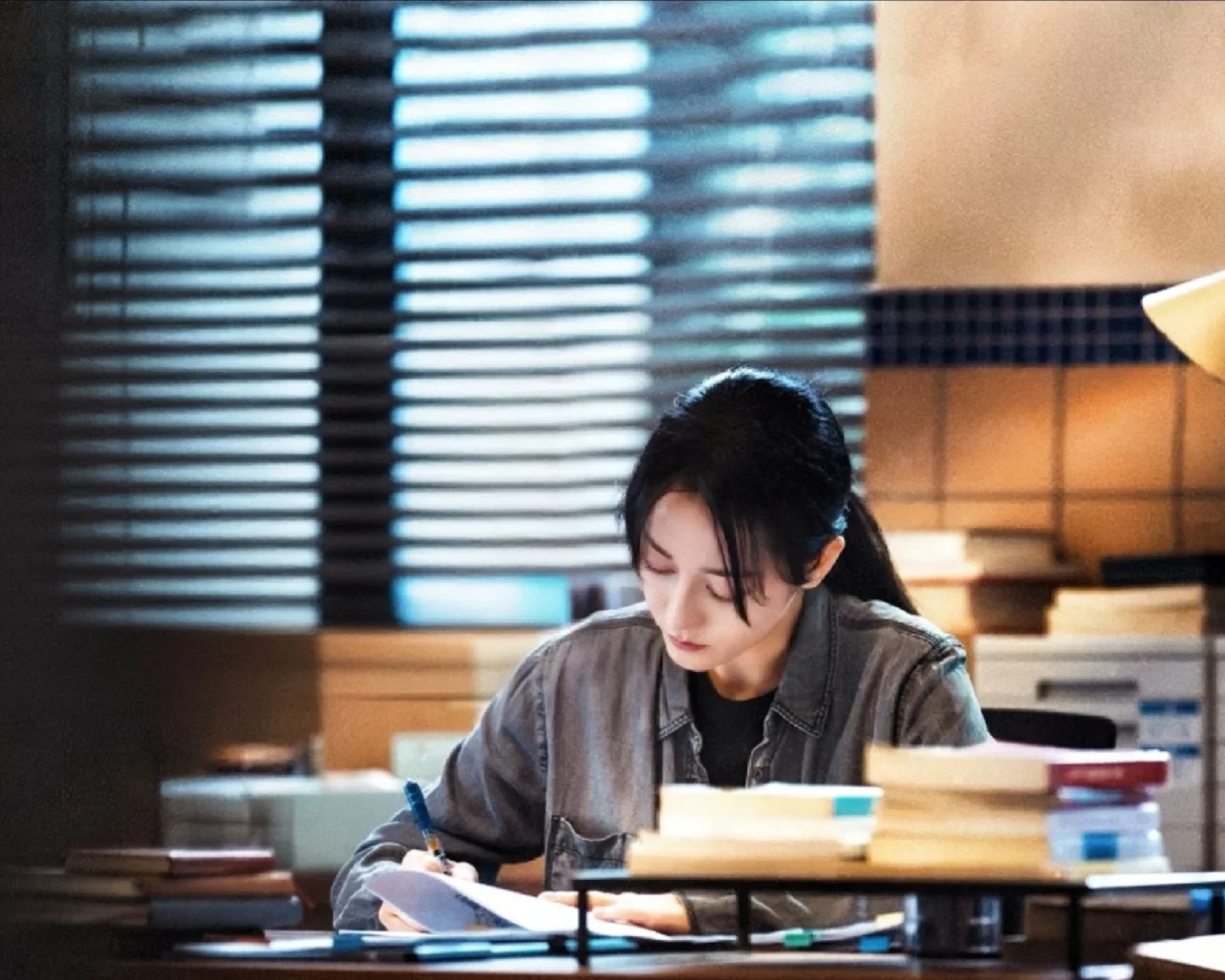
This is the image I wanted from the role—not a uniform portrait and not an action pose. Deng Yan is bent over paper, surrounded by books and files, her attention aimed away from the viewer. The scene makes competence visible as labor. Dilraba's face is still unmistakable, but the composition refuses to stop and admire it.
Her best Deng Yan scenes have that forward pressure. She listens as if the next detail could change where the team goes, and she carries anger in the speed of a response rather than decorating a speech with tears. I believe her more here than in the most institutional passages of Prosecution Elite. The difference is not that the newer character is “stronger.” Deng Yan has something precise to lose if she misses a clue, so professional language acquires personal weight.
The limitation is equally clear. Intensity can become a default setting. When every confrontation arrives with the same tightened jaw and accelerated breath, urgency loses shape. Sword Rose is important because it proves progress, not completion.
Love on the Turquoise Land separates fear from helplessness
The official WeTV page for Love on the Turquoise Land places Dilraba opposite Chen Xingxu as Nie Jiuluo in a modern fantasy-thriller world. The genre could easily return her to untouchable beauty: elegant warrior, controlled gaze, perfect entrance. What interests me is the opposite current. Nie Jiuluo has a room, habits and quiet gestures before she becomes a weapon.
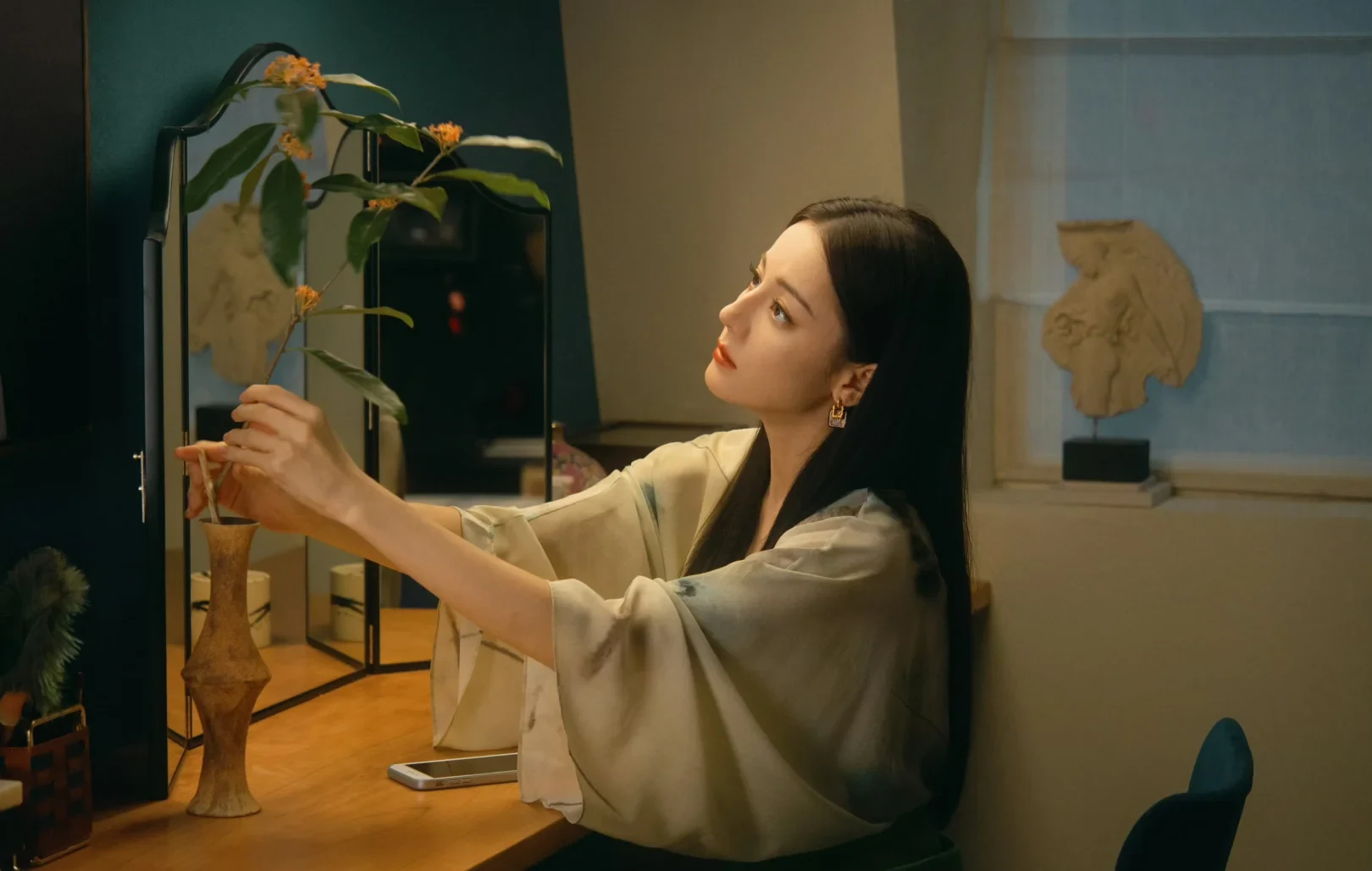
This domestic moment is evidence of character design, not acting proof by itself. It matters because it gives the danger somewhere to land. A woman who arranges a flower, checks a reflection and inhabits her own silence has a private life that can be interrupted. Without that layer, the fights would be choreography performed by a star. With it, violence trespasses into a room that feels occupied.
I also hear more distinctions in her emotional register here. Despair sinks; unwillingness pushes back; loneliness leaves space around the body; fear searches the frame; helplessness stalls; numbness barely answers. Those states are not synonyms, and Dilraba is most convincing when she refuses to play them as one photogenic sadness. Nie Jiuluo gives her a chance to make stillness specific.
The criticism that her range can narrow under sustained intensity remains fair. I do not erase it because a recent drama looks beautiful. I use it as the test: if two dangerous scenes produce the same breath, gaze and pause, the character has stopped developing. When the response changes with the relationship and the cost, the performance is alive. Love on the Turquoise Land contains enough of the second kind to change my view of her current direction.
Love Beyond the Grave / 白日提灯 is the next pressure test
The current search route around Dilraba is no longer only “Which drama made her famous?” It is also “What is her latest drama with Chen Feiyu?” The answer is Love Beyond the Grave (白日提灯), identified by iQIYI and WeTV as a fantasy series led by Dilraba and Chen Feiyu. The earlier Chinese title 慕胥辞 still appears in search discussion, so both names belong in the private keyword map, while the official platform pages should remain the factual authority.
I would not use the new title as automatic evidence of a career breakthrough. A high-profile pairing can create clicks before it creates a convincing relationship. The actor-page question is narrower and more useful: what does He Simu require from the instrument we already know? Fengjiu turns appetite and embarrassment into comic motion. Qiao Jingjing turns celebrity polish into labor. Deng Yan turns urgency into professional concentration. The new role needs a different cost, not simply another beautiful woman surrounded by danger.
That is where Chen Feiyu becomes a useful network connection rather than a decorative co-star. His Li Xun in Lighter and Princess is built around concentrated intelligence, pride and the damage caused by control. I am not claiming the two dramas share a theme or that their pairing automatically works. I am interested in the contrast: Dilraba often enters a frame with public warmth and visible star memory; Chen Feiyu can make stillness feel like a locked door. If Love Beyond the Grave gives those two energies an actual problem to solve, the drama may become a real acting test. If it only uses their faces as opposing poster surfaces, the search interest will be larger than the performance.
For now, the official iQIYI page for Love Beyond the Grave and the WeTV series page establish the title and lead pairing. They do not prove the final quality, ending or audience consensus. That boundary matters because current drama searches reward certainty, while a trustworthy actor page should tell readers exactly what is confirmed and what still needs to be watched.
Xinjiang identity should not become decorative biography
Dilraba's Uyghur background is routinely mentioned in profiles, then used as shorthand for appearance. That is not cultural context; it is another way of turning a person into an image. A serious page should neither erase where she comes from nor pretend ethnicity explains her talent, personality or every role.
The more useful question is how Chinese celebrity culture markets difference. Names, facial features, costume and regional association can make a performer instantly recognizable while also narrowing the kinds of characters audiences imagine for her. Dilraba's career has had to work inside that visibility.
Her contribution is not simply “representation” as an abstract milestone. It is the sustained negotiation of a huge star image across fantasy comedy, contemporary work and roles that ask for harder political, procedural or strategic attention. Some projects use that image intelligently; others photograph it and stop.
The same boundary applies to discussions of her Uyghur identity. It is real and should be named accurately. It is not a costume category, a personality diagnosis or a shortcut to explaining why international viewers notice her. A person page becomes dehumanizing when birthplace and ethnicity are used only to make beauty sound exotic.
Beauty should create pressure, not end the description
Dilraba's visibility changes the social logic of a scene before she speaks. A useful production acknowledges that fact and gives the character a relationship to being watched. Qiao Jingjing understands image as labor; a fantasy heroine may use beauty as rank, disguise or danger; a contemporary professional still needs competence that survives after the entrance.
I judge the performance by what replaces first impact. Does the voice change with status? Does embarrassment disturb posture? Can appetite, humor or fatigue make the face feel occupied by a particular life? When those details appear, beauty becomes one condition among many. When they do not, lighting and costume keep performing on the actor's behalf.
This is why the debate around her should move beyond “too beautiful” versus “underrated.” The productive question is whether a role turns exceptional visibility into dramatic friction and whether Dilraba gives that friction a distinct behavioral answer.
Celebrity work is part of the performance ecology
Dilraba's public image is not produced by dramas alone. Variety television, interviews, fashion events, advertising and the constant circulation of short clips train viewers to recognize her before a character arrives. That familiarity can help a role—Qiao Jingjing uses it directly—or suffocate one by making every entrance feel like an endorsement frame.
I do not treat off-screen charm as proof of acting. I do treat it as context. A performer this visible must repeatedly persuade viewers to surrender a face they already think they know. That is harder than anonymity, and it is also a privilege: productions are built to receive her. The honest assessment holds both facts at once.
Her longevity will depend less on collecting more glamorous heroines than on choosing characters with incompatible demands: work that makes her impatient, physically awkward, morally compromised, older, funnier or less protected by admiration. Sword Rose and Love on the Turquoise Land move in the right direction because Deng Yan and Nie Jiuluo cannot survive on entrance value. I still want the next phase of her career to risk dislike. An actor with this much visibility does not need another entrance. She needs consequences.
Variety television explains why the serious roles still need a pulse
Drama pages often treat variety work as a soft appendix to acting. For Dilraba, that misses a useful part of the picture. The open smile, sudden laugh and willingness to look silly are not a complete personality, but they are a real performance resource. They make her most convincing serious scenes feel inhabited when she allows a professional to remain a person rather than a statue of competence.
I would not use Keep Running or a Spring Festival appearance to prove acting range. A variety edit proves timing inside a public format, not private character or unscripted truth. It does, however, explain why I keep returning to her: she has a natural social warmth that many costume heroines are forced to suppress. When a role lets that warmth meet shame, work, danger or grief, the result can be far more specific than another cold “strong woman” pose.
Where to start
- Start with You Are My Glory for relaxed contemporary chemistry and pair it with our Yang Yang guide.
- Continue to Eternal Love of Dream for comic rhythm and romantic fantasy.
- Use Eternal Love / Three Lives, Three Worlds, Ten Miles of Peach Blossoms to understand the wider fantasy world that made Fengjiu memorable, then compare Dilraba's route with the Yang Mi guide.
- Use The Long Ballad as the historical range test, not as automatic proof of seriousness.
- Compare Prosecution Elite with Sword Rose to see how professional attention becomes more personal and urgent.
- End with Love on the Turquoise Land for her most useful recent test: whether danger, grief, fear and private stillness remain emotionally distinct.
- Add Love Beyond the Grave / 白日提灯 when you want to test her newest fantasy pairing with Chen Feiyu, but treat current platform material as an entry point rather than a review.
- Explore the wider Chinese actors collection and Chinese television guide by role, not popularity rank.
- Follow the network through Tian Xiwei and Dylan Wang when a drama pairing or ensemble makes one actor's screen identity clarify another's.
My verdict
Dilraba's beauty is neither evidence against her acting nor evidence for it. It is a production fact that every role must manage. Her memorable performances are the ones that make beauty socially inconvenient: a public burden, a source of misreading, or simply something a busy character has no time to perform. Qiao Jingjing and Fengjiu remain the best entry points. Li Changge and An Ni reveal the resistance in her instrument; Deng Yan and Nie Jiuluo show that she is learning to turn that resistance into pressure rather than pose.
In the comments, name the scene where you stopped seeing Dilraba and started seeing the character. Then join the East Moment community to compare scenes rather than fandom slogans.