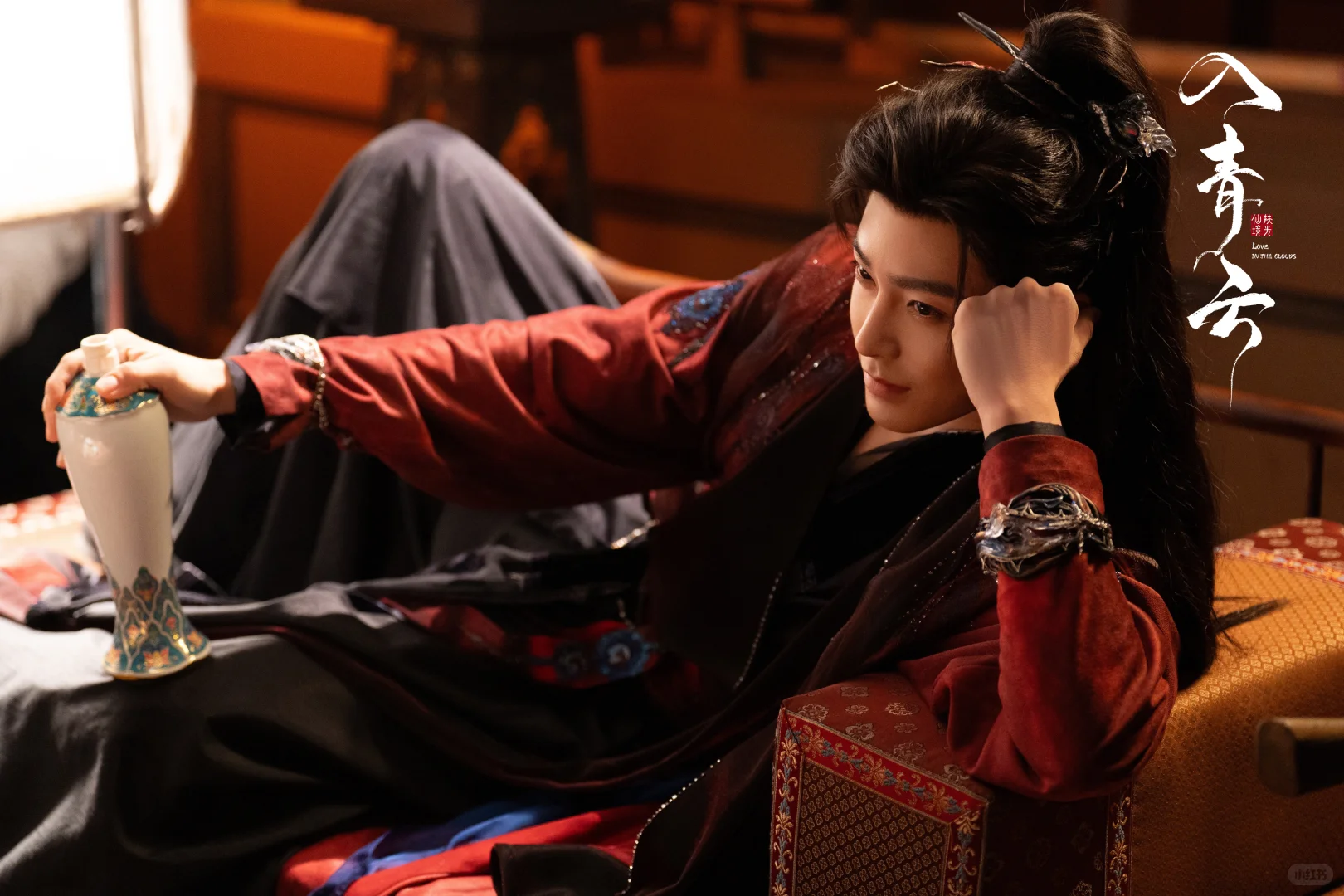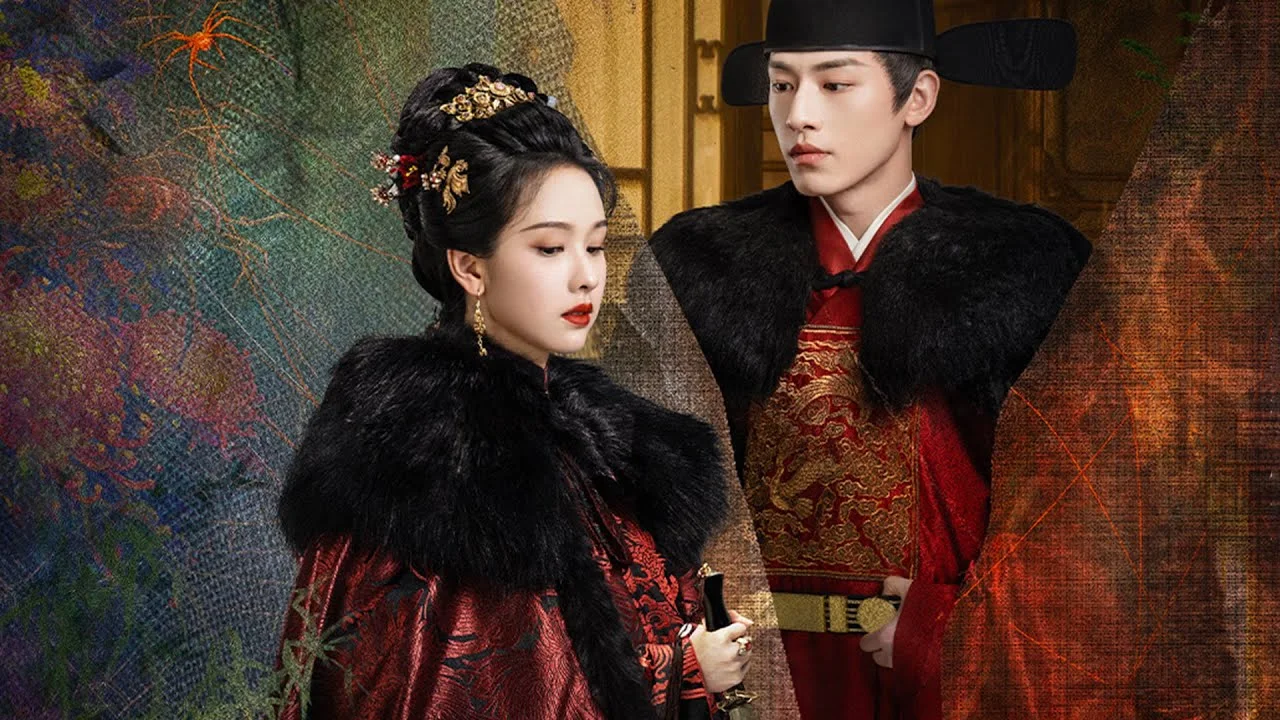
Chen Duling's career becomes clearer when “fragile-looking” stops being treated as either praise or insult. The face and stillness give productions a ready-made image of innocence. Her more interesting roles contaminate that image with resentment, calculation, professional duty or the memory of being excluded. Ye Bingchang in Till the End of the Moon made the contradiction visible; Zhuang Hanyan in The Glory asks whether Chen can sustain it from the center rather than stealing a drama from the side.
Chen Duling in 60 seconds
| Reader question | Direct answer |
|---|---|
| Who is Chen Duling? | Chen Duling (陈都灵) is a Chinese actor who moved from a high-profile student-to-film debut into costume drama, ensemble television and increasingly central lead roles. |
| Why is she famous? | The Left Ear introduced her face and reserve; Ye Bingchang in Till the End of the Moon created a major audience counter-reading; The Glory consolidated a lead-drama identity. |
| What is her best role? | Ye Bingchang is the sharpest argument about moral sorting. The Glory is the better test of whether her precision can carry a whole narrative. |
| Which drama should I start with? | Start with Till the End of the Moon if you want the role that changed discussion around her. Choose The Glory for a complete female-lead route. |
| East Moment verdict | Her strength is not looking cold or delicate. It is making a socially constrained woman seem to be editing what the room is allowed to know. |
Chen Duling is easy for a camera to turn into an object: pale, composed, distant, apparently untouched by the noise around her. A weak production stops there and calls the image character.
The surprise in her career is that the same surface can carry very different moral information. Stillness may mean there is nothing happening. It may also mean too much is happening to reveal safely.
The Left Ear captured a person before the screen persona hardened
Chen came to The Left Ear from university rather than through a long public acting apprenticeship. That fact is often used either to romanticize naturalness or dismiss the performance as accidental.
Li Er benefits from not looking fully organized for the camera. Reserve suits a girl observing desire, friendship and injury without controlling the social world around her. The quiet face lets other people's volatility register as pressure.
But “natural” can hide the same limitation as “beautiful.” A performer who has not yet developed a large toolkit may look truthful because the role and public image overlap. The debut gives Chen a recognisable screen condition: interiority is assumed before it is demonstrated.
Her later career becomes a series of attempts to make that assumption earn its place.
Ye Bingchang turned audience resentment into a moral argument
Ye Bingchang in Till the End of the Moon is the role that made Chen Duling difficult to keep as decoration. The character appears inside a story that distributes moral understanding unevenly. Romantic leads receive timelines, cosmic explanation and repeated permission to suffer. A rival woman's fear and deprivation can be converted into evidence that she was corrupt all along.
Chen's face creates useful friction. The production can frame Ye Bingchang as delicate while the performance lets resentment arrive in small corrections: a gaze held too long, courtesy becoming effort, humiliation remembered after the room has moved on.
The full Till the End of the Moon guide owns the timelines, ending and series-level moral criticism. Here the key is what the role reveals about Chen: she is good at showing a person maintain social acceptability after affection has curdled into accounting.
I did not merely “love a villain.” Ye Bingchang carries overwhelming hatred and grievance. The wording matters because it places hatred beside grievance instead of using grievance to erase harm, while still leaving room to object to the way the character is treated.
Neither number acquits Ye Bingchang. They identify the argument the script created: why is one woman's pain made narratively legible while another woman's pain is used to disqualify her from legibility?
My view is that Chen's performance is valuable because it refuses a clean answer. Fragility does not make the character good. Hostility does not make her history irrelevant.
Mysterious Lotus Casebook shows restraint without demanding moral spectacle

Qiao Wanmian presents a quieter test. She belongs to Li Xiangyi's past but cannot remain frozen as proof that the hero once had another life.
Chen's useful choice is not to overstate regret. The relationship gains weight when Qiao Wanmian appears to have continued living rather than waiting in emotional storage. Politeness, old knowledge and present boundaries occupy the same exchange.
Cheng Yi's Li Lianhua is the central contrast: the actor's restraint is built around a man who has already lost the right to perform his former glory. Reading Qiao Wanmian beside him makes the scene less like a reunion fantasy and more like two people negotiating what the past is still allowed to demand.
This role also shows why supporting parts have served her well. A secondary character arrives with gaps. Chen's reserve allows the audience to feel unspoken history without requiring every silence to support an entire episode.
That advantage becomes a problem when she moves to the center. A lead cannot survive on suggestive absence alone; choices must accumulate.
Fangs of Fortune gives her authority, but beauty keeps trying to take it back

As Wen Xiao in Fangs of Fortune, Chen enters a group defined by supernatural danger, grief and extravagant image-making. The role should move her from being the mysterious object to being a person with knowledge and institutional function; Hou Minghao's Zhao Yuanzhou gives that authority a smiling, dangerous counterweight.
She works when attention has direction: assessing a threat, withholding trust, reading what another member cannot say. Authority appears through the decision to stay still while everybody else performs urgency.
The production's visual appetite is also the enemy. Costumes, slow motion and mournful close-ups can turn every character into a beautiful premonition. When an image already tells us “tragic and important,” Chen must add a tactical choice or the scene becomes a poster.
This is her recurring struggle in one sentence: stillness needs an object. What is she watching, refusing, calculating or protecting?
The Glory asks whether a lead can remain mysterious and still move the plot

The Glory (Yan Hui Shi / 雁回时) is a career answer because Zhuang Hanyan cannot depend on being the fascinating woman at the edge of somebody else's story. She returns to a hostile family structure and must gather information, form alliances and decide when concealment has more value than confrontation.
This is the correct lead vehicle for Chen. The heroine's social position makes restraint causal. A wrong expression can give away knowledge. A courteous sentence can set a trap. Beauty may cause other characters to underestimate the amount of calculation taking place.
The performance is strongest when Hanyan's stillness differs by relationship. With an elder it can be self-protection; with an ally, measurement; with an enemy, deliberate denial of satisfaction. If every exchange receives the same cool gaze, mystery turns into repetition.
The transition is not complete simply because she has become the lead. It is complete only when the plot changes because of choices we can trace.
A Chen Duling portrait reveals the instrument—and hides the labor
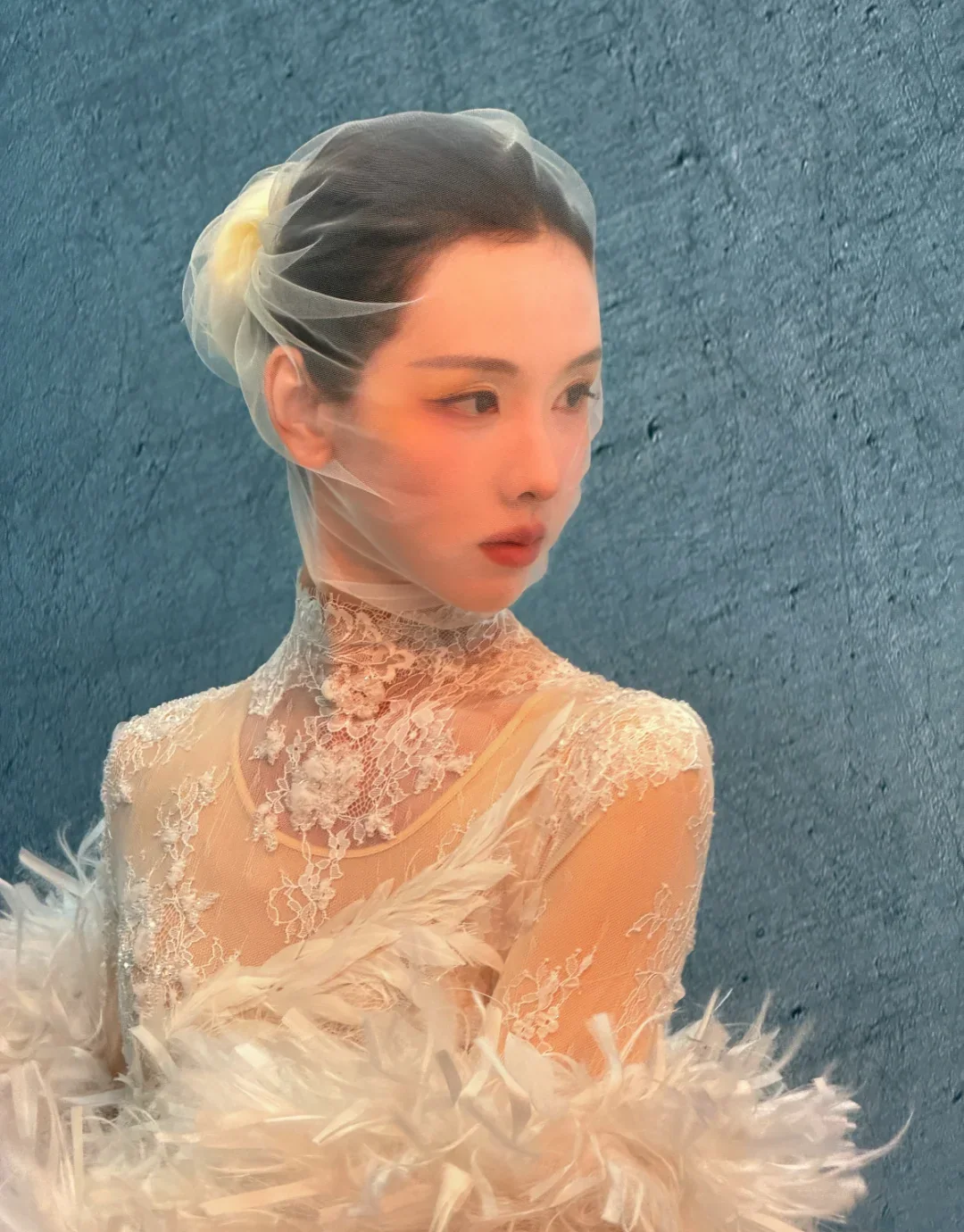
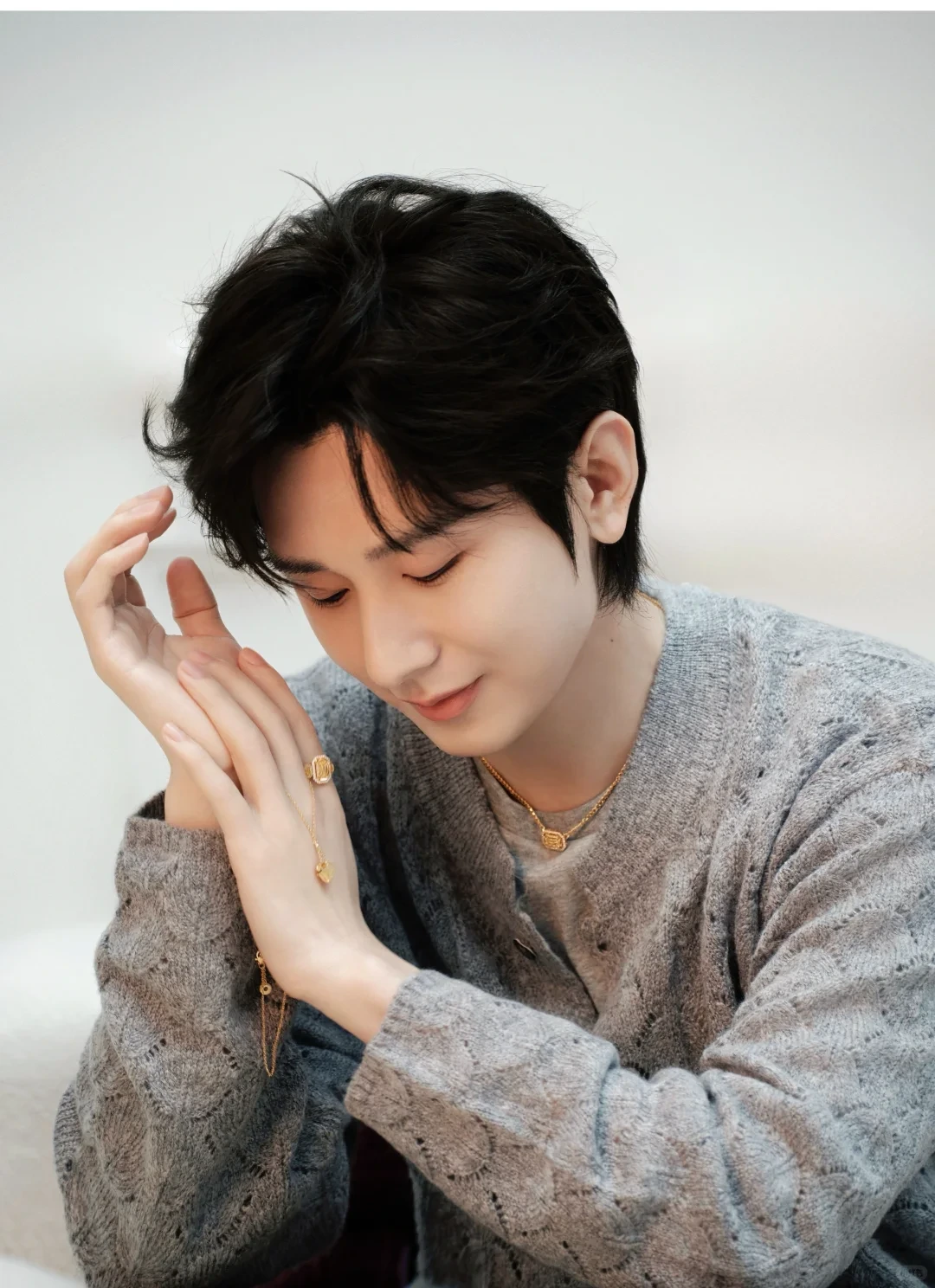
This portrait is almost too perfect for the public idea of Chen Duling. Lace, pale feathers, a turned neck and a hard blue wall create delicacy and refusal in one frame. She does not have to move for the image to suggest a private argument. Costume, profile and negative space have already written half a character.
I understand why audiences and productions keep returning to this instrument. I also think it has protected her for too long. A still image rewards bone line and controlled gaze; acting must survive the ugly middle of motion. The head has to turn, breath must interrupt a sentence, anger may disturb the mouth, and a character cannot remain composed simply because composition is flattering.
That is the sharpest criticism around Chen, and it should be answered rather than softened. In some scenes, a beautiful freeze-frame promises more complexity than the moving performance delivers. Large emotional transitions can expose tension in the jaw or a disconnect between the face, voice and body. Calling every such criticism misogyny would prevent serious viewing. Turning it into abuse about appearance would be equally useless.
My standard is practical: follow the action through the transition. In The Glory, Hanyan may begin a conversation guarded, discover that another person knows more than expected, then choose whether to retreat or place false information. If only the final expression is elegant, the scene has been illustrated. If breath, tempo, distance and syntax all reorganize on the discovery, Chen has acted the thought.
This is why Ye Bingchang remains such powerful evidence. Resentment does not live in one photogenic look. It leaks through courtesy, is swallowed, returns after humiliation and changes how affection is interpreted. The performance is uneven, but the moral pressure moves. Chen's next level is not to abandon beauty or reserve. It is to make motion as specific as the poster—especially when rage, panic or desire ruins the pose.
The limitation: a face can keep receiving credit for work the scene has not done
Chen Duling's appearance is part of her screen instrument. Pretending otherwise does not produce serious criticism.
The problem is attribution. Lighting may create sorrow. Costume may create rank. Editing may create menace. A still image may create the impression of hidden depth. The actor's contribution begins where those systems stop being enough.
Use four questions:
- What does the character know in this moment?
- Who is she preventing from knowing it?
- What physical or vocal behavior changes with the relationship?
- What decision follows from the concealed information?
If the answers are visible, reserve becomes craft. If not, the production may be asking a face to perform the script's missing interiority.
Where to start with Chen Duling
- For the unfinished debut quality: The Left Ear.
- For the role that transformed public discussion: Ye Bingchang in Till the End of the Moon.
- For mature supporting restraint: Mysterious Lotus Casebook.
- For ensemble authority inside extreme visual design: Fangs of Fortune.
- For the complete lead test: The Glory.
- For comparison: follow Luo Yunxi to see how the same fantasy production distributes moral and visual attention around another body.
Chen Duling became compelling when audiences stopped treating fragility as her identity and began asking what a fragile image was being used to hide. Her future depends on keeping the answer different in every room.
In the comments, bring one scene where stillness changes power—and one where the camera merely admires it. Then join the East Moment community to compare complete scenes without collapsing actor, character and moral judgment. Use the wider Chinese actors guide to test whether the same visual restraint produces a different consequence in another performer.