Lighter and Princess is worth watching for its charged college-to-workplace arc, but it should not be sold as a simple romance between a genius and the only woman who understands him. The real story is the cost of entering Li Xun's orbit. Zhu Yun's love matters only when it remains a choice she can revise, not a permanent job as witness, rescuer and moral proof. The drama is visually intoxicating when gold hair, code screens and the lighter turn rebellion into an image; it is emotionally convincing only when Li Xun learns that brilliance does not grant unilateral control.
Lighter and Princess: decide in two timelines
| Question | East Moment answer |
|---|---|
| Chinese title | Dian Ran Wo, Wen Nuan Ni (点燃我,温暖你) |
| What it is | A Chinese contemporary romance moving from university programming competition into adult work and reunion |
| Leads | Chen Feiyu as Li Xun; Zhang Jingyi as Zhu Yun |
| Essential third force | Zhao Zhiwei as Gao Jianhong |
| Strongest quality | Desire and ambition are expressed through work, rivalry and visible competence |
| Main weakness | The story can confuse Zhu Yun's endurance with proof that Li Xun deserves her |
| Ending | Happy for the central couple after substantial separation and repair |
| Best for | Viewers who enjoy difficult leads, long emotional arcs and work-based chemistry |
Watch through the first serious coding contest, not just the first meeting. If the work scenes do not interest you, the romance will become a sequence of glamorous injuries. If you enjoy watching competence produce attraction and resentment at the same time, the show has a strong engine.
Begin with the object: the lighter is a warning, not a personality
The lighter is easy to turn into merchandise: metallic click, controlled flame, a young man who seems answerable to nobody. The blond hair performs the same task. Before Li Xun explains himself, he has already designed a visual refusal of ordinary student respectability.
That image is effective because the university around him values rankings, credentials and collective discipline. Li Xun's coding ability gives his refusal material force. He is not merely posing as exceptional; he can produce results that make institutions tolerate him.

But the image is also a warning. A person who treats every rule as evidence of other people's mediocrity may resist bad authority and still become authoritarian inside his own team. The drama's most useful question is therefore not “is Li Xun secretly warm?” It is: what does he believe talent permits him to decide for everyone else?
That question separates charisma from character.
Zhu Yun enters the orbit with more agency than the synopsis admits
Zhu Yun is often introduced as the good student or “princess” attracted to a rebellious genius. That description makes her passive before the story begins. Zhang Jingyi's quieter performance shows something more specific: Zhu Yun watches systems, measures expectation and then chooses where to disobey.
Her family has supplied a respectable route. Li Xun offers an intellectual shock. He recognizes that she can do more than follow instructions, but his recognition has a price: he often wants to define the terms under which that ability becomes valuable. Zhu Yun's attraction is partly romantic and partly the relief of being seen as capable of risk.
This is why her best scenes are not declarations. They are decisions made after she understands the cost. Does she join the project? Does she oppose her family? Does she remain after humiliation? Does she return when returning may turn loyalty into self-erasure?
The East Moment test is strict: devotion becomes agency only when “no” remains possible.
Code gives the romance something concrete to fight over
Many dramas tell us that a male lead is brilliant while surrounding him with admiring faces. Lighter and Princess is better when it gives brilliance an object. Projects can fail. Teams can distribute credit unfairly. A technical decision can reveal whether Li Xun teaches, commands or withholds. Competition makes resentment legible.
Gao Jianhong matters because he turns genius mythology into a social problem. Being second to an exceptional peer is not only envy; it is daily exposure to a hierarchy that the exceptional person may pretend does not exist. Li Xun's contempt helps produce the rivalry he later experiences as betrayal.
This does not make every retaliatory act equivalent or justified. It means the triangle is about authorship and recognition before it is about romance. Who gets to build? Who gets named? Who becomes replaceable? These questions make the workplace section more than an adult costume change.

The official workplace reunion clip is useful because coworkers become an audience to old intimacy. A private history is now performed inside a professional hierarchy. Watch who controls the joke and who must absorb it.
The separation is the story's moral examination
Without spoiling each turn, the middle break is not a decorative misunderstanding. Li Xun experiences loss, rage and punishment; Zhu Yun experiences the collapse of a future she helped build. The narrative then asks whether suffering itself counts as reform.
It does not.
Pain can explain Li Xun's harder behavior. It cannot repay Zhu Yun for decisions made without her. Tragedy can make his isolation understandable. It cannot convert control into care. Repair requires him to recognize other people as participants whose choices remain valid even when he believes he sees the strategic answer first.
Zhu Yun also needs more than waiting. An adult reunion is persuasive only if she returns with knowledge of what the relationship costs, a life that cannot be reduced to his project and the ability to set conditions. Otherwise the time jump simply makes endurance look mature.
This is where viewers may divide sharply. Some will read constancy as the drama's emotional grandeur. Others will see a woman repeatedly asked to prove love by surviving a man's self-destruction. Both responses should be argued with scenes, not dismissed as romance versus cynicism.
The human response is not theoretical. “Broken mirror reunited” still makes me cry because repeated emotional return does not make Li Xun's conduct beyond criticism. The intensity of that attachment is exactly why I must ask what the reunion asks Zhu Yun to carry.
The Episode 8 shopping-cart moment contains the show's strongest architecture of belonging: Zhu Yun has a lover before her, friends behind her, the music rises and she runs into Li Xun's arms. I can feel that chemistry while still criticizing acting and dialogue elsewhere; chemistry is experienced, not an objective production fact.
Does Lighter and Princess have a happy ending?
Yes. The central couple reunites and receives a conclusive shared future. The ending is not a tragedy or an unresolved cliffhanger.
The official final trailer openly frames the series as a fated love across rupture and return. That is the platform's promise. My editorial test is narrower: a happy outcome is earned to the extent that reunion changes how power moves between them.
Look for practical evidence. Does Li Xun explain rather than decree? Does Zhu Yun keep professional authority? Can disagreement happen without abandonment? Does the team become more than an extension of one man's intellect? These are stronger signs of repair than a kiss or a beautiful domestic montage.
Cast and the best viewing route
- Chen Feiyu as Li Xun: makes stillness, contempt and concentrated work visually forceful. His task is to reveal when control is defense and when it becomes harm.
- Zhang Jingyi as Zhu Yun: gives thought duration. Watch her receive a command, calculate its cost and decide whether to comply.
- Zhao Zhiwei as Gao Jianhong: carries the corrosion of comparison and the politics of credit.
- Jenny Zeng as Ren Di: opens a route beyond the central couple and helps test whether Zhu Yun's world contains independent female judgment.
Start with YOUKU's official Episode 1, then use the platform playlist or app available in your region. Membership and subtitle access may change; check before subscribing. The embedded trailer is free to watch and supports the timeline discussion rather than replacing the series.
For a gentler school ensemble, go to When I Fly Towards You. For a romance built around changing life-stage recognition, compare Hidden Love. Continue through the Chinese television guide for the wider route.
My final conclusion is not that Li Xun must become ordinary to deserve love. It is that exceptional ability makes accountability more important, not less. Lighter and Princess is most moving when Zhu Yun does not merely warm the genius; she forces the story to ask whether his world has room for another author.
In the comments, identify the scene where Zhu Yun most clearly chooses rather than follows. If no scene convinces you, explain where the drama turns loyalty into a demand. That disagreement is more valuable to the community than another ranking of attractive scenes.
Lighter and Princess is a romance about skill becoming power
Li Xun's technical brilliance gives him status before he has institutional authority. Zhu Yun's attraction is tied to recognition: she sees what he can build and how completely he believes in his own judgment. The romance becomes dangerous when competence is allowed to justify control.
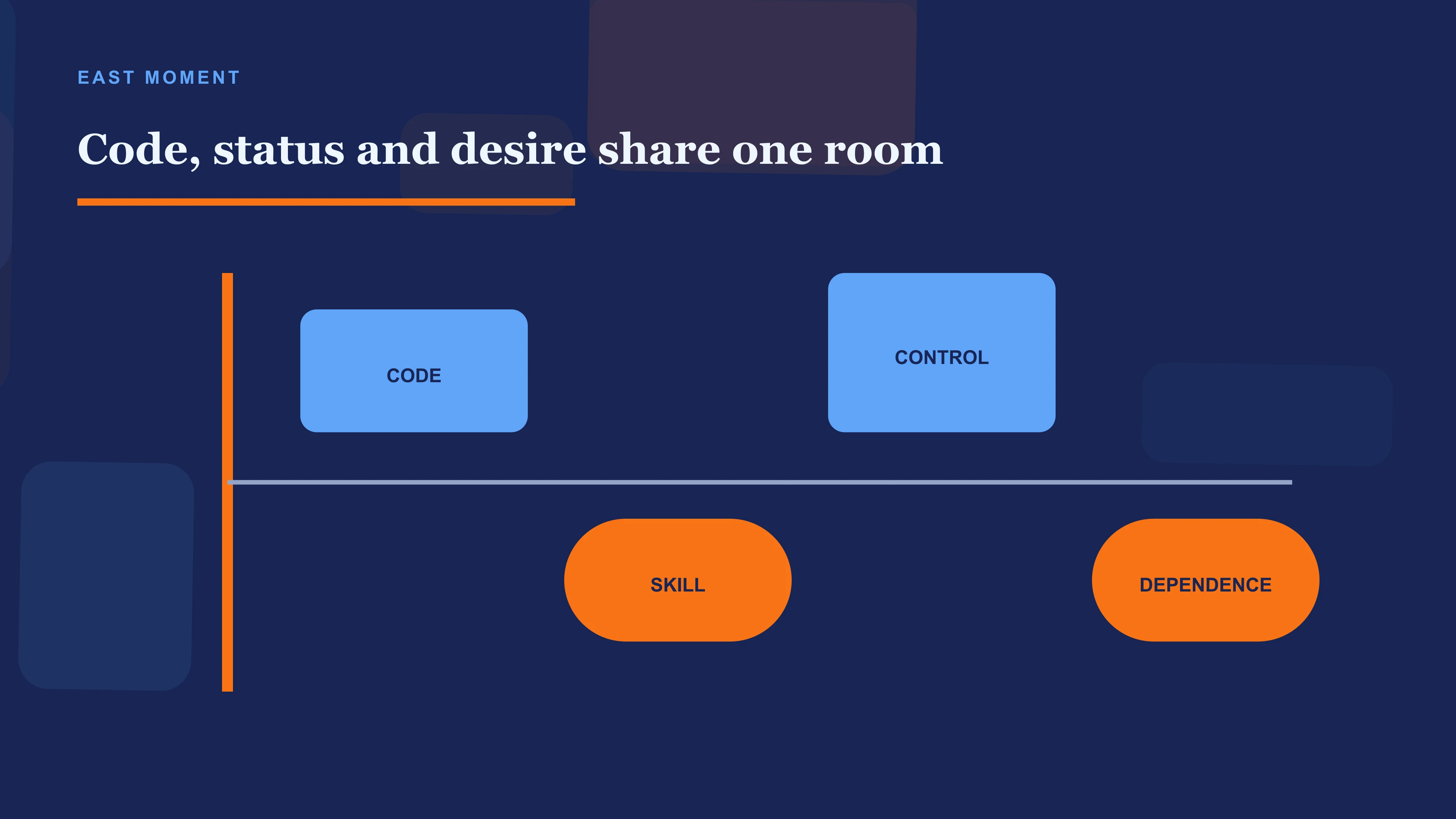
The coding world matters only if work changes relationships. A project creates deadlines, ownership, rivalry and dependence. “Genius” must appear in a decision the viewer can understand, not a screen of decorative code.
Time does not erase emotional debt
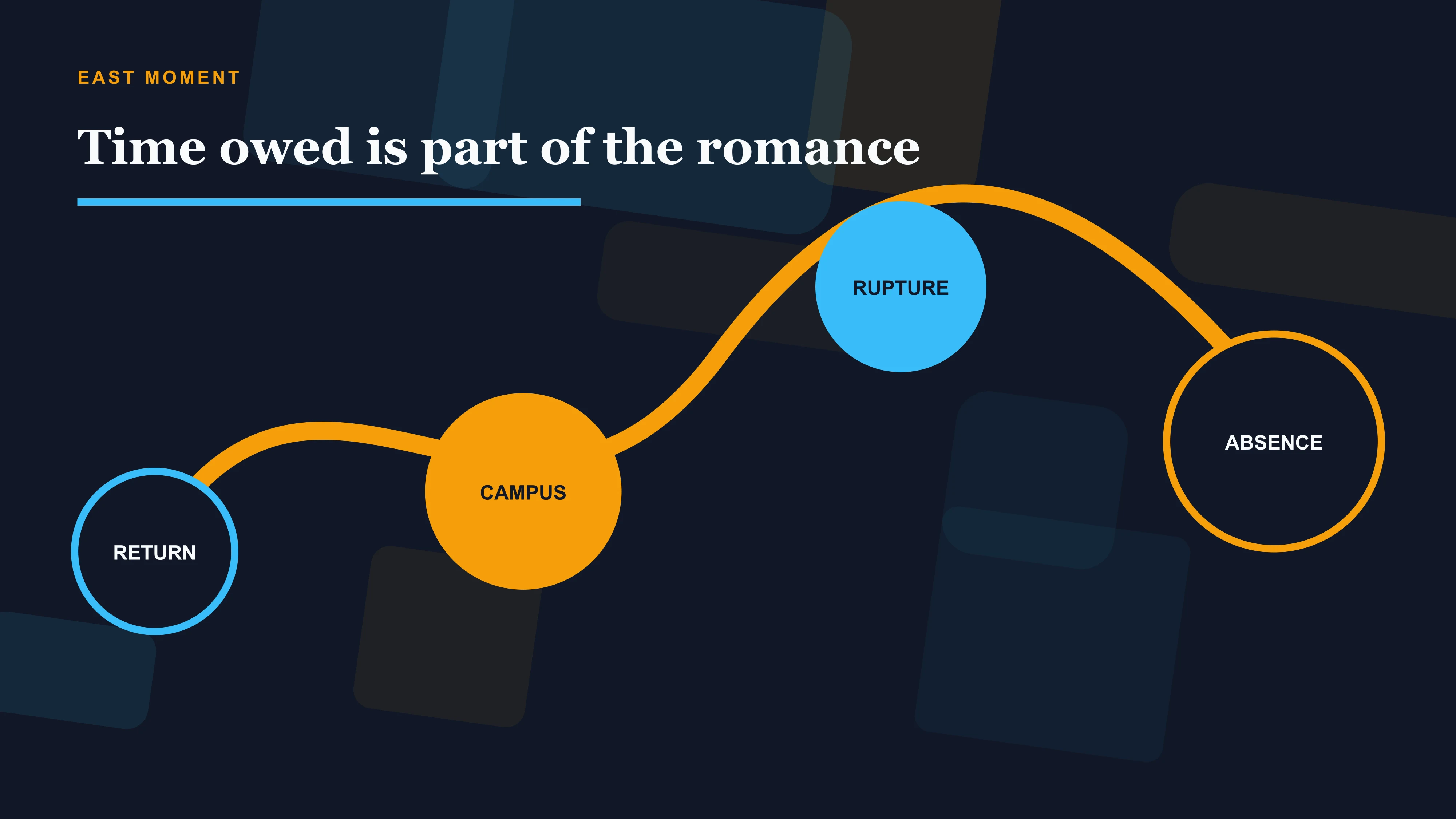
The adult reunion gains force because youth has not remained safely nostalgic. Absence changes careers and self-protection. Returning to the same chemistry is not enough; the characters must face what the interruption made them do alone.
I resist the idea that suffering proves devotion. Zhu Yun's endurance deserves scrutiny when it narrows her independent future. Li Xun's damage can explain emotional aggression without making it attractive.
My test for the ending
Repair needs three visible acts: accurate acknowledgment of harm, surrendered control, and a future in which both people retain work and choice. If only attraction returns, the romance has resumed without changing its structure.
The official Youku international platform establishes the drama's authorised release context. It cannot prove the realism of its software work or the health of its relationship.
My verdict: Lighter and Princess is compelling because brilliance, pride and desire are braided tightly enough to hurt. It becomes valuable when the adult story separates them again—skill can remain admirable while control is refused. Compare Hidden Love for intimacy built through a different balance of recognition and agency.
Technical charisma needs verification
The viewer does not need to audit every line of code, but the project should have a clear problem, constraint and consequence. Without them, screens and jargon only certify the character's aura.
Li Xun becomes more convincing when brilliance creates responsibility he cannot charm away. Zhu Yun becomes more convincing when recognising his talent does not require surrendering her own judgment. That tension—not the orange lighter alone—is the image worth remembering.