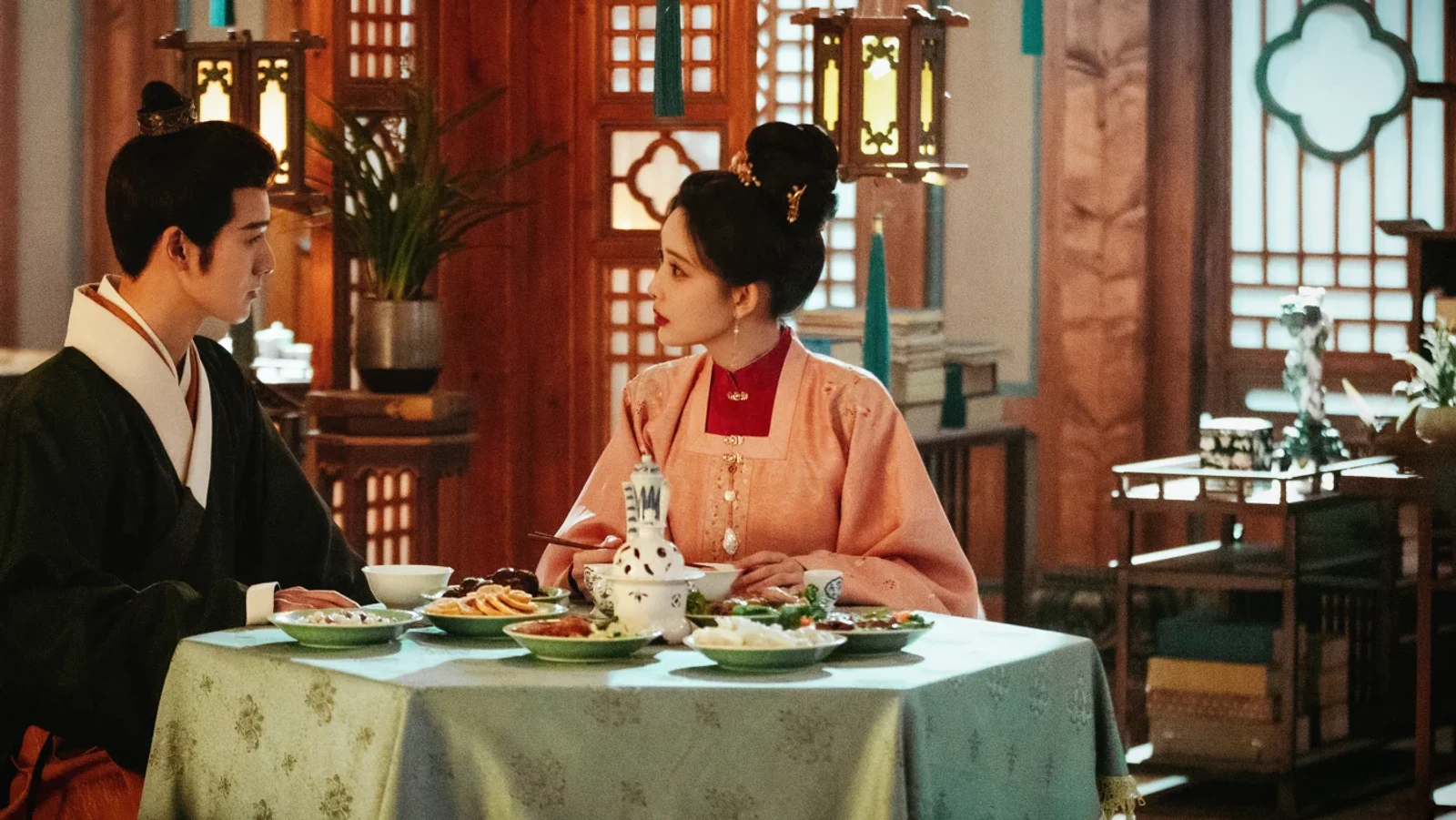
Watch Ashes of Love for a love triangle in which desire, innocence and deprivation are all real - and none of them excuses what the characters do. Its lasting power comes from making viewers change judges halfway through the case.
Eight years after its 2018 release, the arguments remain alive: Xufeng is too easily forgiven; Runyu is judged by a harsher rule; Jinmi's choice is obvious; Jinmi's choice is incomprehensible. I think of the drama as pure ocean-of-hatred, heaven-of-love, but the sharper question is why Jinmi loves Xufeng rather than Runyu.
That is not leftover fandom. It is the design working. Ashes of Love gives every side enough pain to build a defense, then asks whether pain is evidence of goodness.
Ashes of Love is a fantasy romance and a trial of responsibility
Ashes of Love (《香蜜沉沉烬如霜》) follows Jinmi, a flower spirit prevented from understanding romantic love, and her relationships with fire deity Xufeng and night deity Runyu. Yang Zi, Deng Lun and Luo Yunxi lead the cast. The ending is broadly happy for Jinmi and Xufeng, but the route includes betrayal, death, war and irreversible damage.
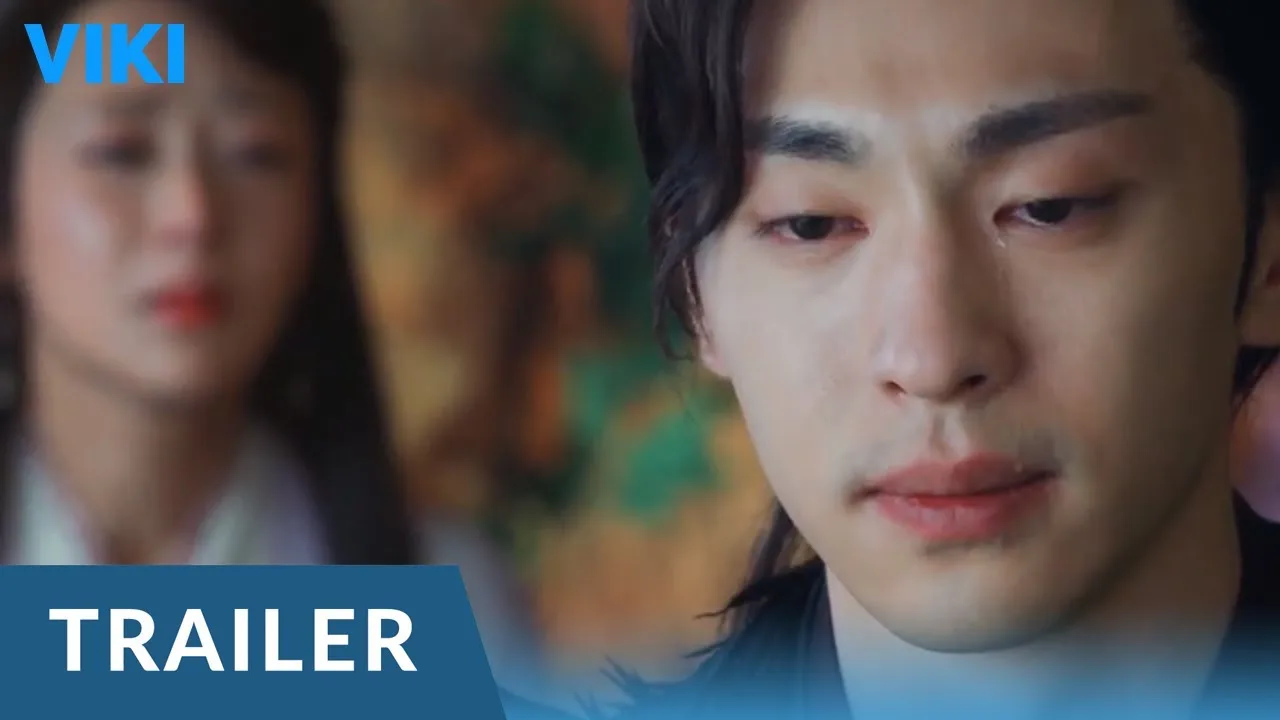
Watch the lead triangle in Viki's official Ashes of Love trailer The useful warning: this is long-form xianxia melodrama. Repetition and secondary plots slow it down. Watch if you enjoy emotional accumulation and moral argument. Skip it if sixty episodes of avoidable damage make romance feel less tragic rather than more.
| What you searched | What this guide will settle |
|---|---|
| cast | Yang Zi is Jinmi, Deng Lun is Xufeng, and Luo Yunxi is Runyu; the triangle is the dramatic engine, not a side plot |
| ending | Jinmi and Xufeng reach a domestic reunion; Runyu keeps the throne and the loneliness produced by his choices |
| worth watching | yes for performance-driven moral conflict; no for viewers who need tight pacing or a cleanly admirable couple |
| why it is still discussed | the series distributes sympathy more generously than innocence, forcing every rewatch to renegotiate blame |
That last answer is the reason this page exists. A cast list and ending recap can be found anywhere. What a search result rarely tells you is which emotional bargain the drama is asking you to accept. Ashes of Love wants Jinmi's choice to feel inevitable while making Runyu's wound difficult to dismiss. I accept the first claim. I refuse the second when it is used to excuse control.
Is Ashes of Love worth watching without spoilers?
Yes, if you can enjoy a long emotional accumulation rather than a tightly engineered plot. The first stretch is bright, funny and deliberately naive. That tone is not a promise that the drama will stay light; it is the baseline that lets later grief feel like a violation of the world Jinmi thought she understood.
Give the series a fair trial through three thresholds:
- The flower-realm threshold: Can you accept Jinmi's missing vocabulary and the comic rhythm built around it? If the early misunderstanding only irritates you, the series may never earn your patience.
- The information threshold: Do you want to track who knows the truth about the pill, the heavenly court and the prophecies? The romance becomes much clearer when you follow knowledge rather than simply choosing a favourite man.
- The consequence threshold: Can you tolerate a story where forgiveness arrives later than love? The drama repeatedly asks characters to live with decisions that cannot be undone by a confession.
This is why I would not recommend Ashes of Love as a quick “best xianxia romance” starter for everyone. It is a strong entry for viewers who want performance, music and moral disagreement to accumulate across many episodes. It is a poor match for anyone who needs every misunderstanding resolved before the next one begins.
The show also rewards a spoiler-free observation habit. Notice when Jinmi's body reacts before she can name a feeling. Notice when Runyu offers help that also narrows her options. Notice when Xufeng's openness depends on the court already making room for him. These details let a new viewer understand the triangle without turning the first watch into a referendum on online team labels.
For a shorter or cleaner xianxia route, compare the emotional contract with Love Between Fairy and Devil. That show makes transformation easier to read; Ashes of Love makes responsibility harder to distribute. The difference is not simply tone. It is how much moral uncertainty you want to carry while watching.
Charge one: Jinmi begins without emotional information

Jinmi's “unfeeling pill” is more than a fantasy device. It creates an ethical problem: can a person consent clearly to a relationship when her ability to recognize desire has been deliberately damaged?
Early comedy works because she uses the wrong vocabulary for the right sensations. Later tragedy works when everyone around her interprets confusion according to what they want. Xufeng sees a love she cannot name. Runyu sees an agreement he can make secure. Authority figures see a daughter to protect or deploy.
My judgment is firm: innocence explains Jinmi's mistakes; it does not make her an empty prize. The drama is strongest when Yang Zi lets sensation arrive before language - the body knows, then the mind scrambles to explain.
Jinmi is often criticized as if confusion were a personality defect. That reading lets every adult and deity around her escape too easily. Her emotional capacity was altered before she could choose, and then her incomplete understanding becomes useful to people with more information. The ethical imbalance begins there.
Yet I also resist the opposite defense, which turns her into a permanently blameless child. Jinmi learns. She notices pain. She makes promises and later acts on manipulated evidence. Her growth only matters if her decisions eventually belong to her. Yang Zi's performance is persuasive because the transition is uneven: recognition arrives as bodily panic, jealousy, denial and belated language rather than one convenient awakening.
The flower realm intended protection and produced vulnerability. That is the first institutional failure in the series. Preventing a young person from naming desire does not remove desire; it removes the vocabulary needed to negotiate it. Every suitor then enters with an advantage.
Charge two: Xufeng is loved, but love does not erase privilege

Xufeng's appeal is directness. He desires Jinmi with less calculation than his rival, and his warmth makes the heavenly court feel briefly breathable. But direct love can still move through inherited power without noticing it.
Current rewatch posts increasingly “lose enchantment” with Xufeng. One 2026 post argued that actions condemned in Runyu appear more severe when performed by Xufeng; another defended Xufeng's capacity for feeling. Neither is neutral evidence. Together they expose the correct question: does the narrative punish characters according to harm, or according to whom the romance has chosen?
The answer is uneven. Xufeng suffers enormously, but the final romantic restoration asks viewers to treat love as moral repair more readily than the world around the couple deserves.
Why, then, does Jinmi choose him? Not because Xufeng is objectively the best man on a moral spreadsheet. She chooses him because desire reaches her first as an experience rather than a contract. Their relationship has heat, interruption, irritation and risk. Runyu offers recognition mixed with architecture: promise, position and an increasingly controlled future. Xufeng often assumes too much, but he is less invested in making Jinmi's uncertainty permanently useful.
That does not absolve his privilege. Xufeng can behave impulsively because the court has already taught him that belonging is secure. Runyu calculates because security has never arrived without conditions. The drama sometimes mistakes the confidence produced by love and status for superior character. I do not. Privilege can look like emotional health when somebody else has absorbed the cost.
Still, romance is not a welfare allocation. Jinmi does not owe Runyu love because his deprivation is greater. Sympathy creates an obligation to see him clearly, not an obligation to surrender her future.
Charge three: Runyu's deprivation is real; so is his coercion

Luo Yunxi makes Runyu dangerous by refusing to begin with danger. Courtesy is armour built by a neglected child who learned that visible need would be used against him. His stillness accumulates moral weight long before his ambition becomes explicit.
This is why he often steals the drama from the official romance. Viewers are not foolish for grieving with him. They are wrong only when grief is converted into permission.
Runyu's case is the hardest and most useful: deprivation explains why control feels like safety, but arranging another person's choices is still coercion. The performance deserves sympathy. The character's pain deserves recognition. Neither requires acquittal.
This is where Luo Yunxi permanently altered the drama's balance. Runyu does not enter as a roaring rival. He appears disciplined, observant and almost apologetic for occupying space. Small restraint accumulates until the audience begins protecting him before the script openly asks for that protection. When ambition hardens, viewers have already stored evidence of the child, the neglected son and the courteous outsider.
The performance therefore creates a trap: because we understand the route toward coercion, coercion starts to feel less like a choice. I will not take that step. A person denied love can still deny freedom to somebody else. Runyu's tragedy is not that everyone misunderstands him. It is that he understands deprivation so intimately and eventually reproduces its logic: safety must be controlled, promises must be secured, uncertainty must be eliminated.
That distinction is why the old “team Xufeng or team Runyu” framing is too small. The valuable argument is not which man suffered more. It is whether suffering expands moral imagination or narrows it into possession.
The murder scene changes the judge, not only the plot

When Jinmi kills Xufeng, the romance's misunderstandings become bodily consequence. Search demand often asks for the ending, but the more revealing question is why this act remains debatable.
Jinmi acts with manipulated information inside a system designed by others. Yet the weapon still passes through her hand. The drama refuses a clean allocation of blame because fantasy institutions, parental decisions, male rivalry and personal choice have all entered the same scene.
On rewatch, do not ask only “Who caused this?” Ask which character possessed which information at that exact moment. Responsibility becomes clearer when knowledge is mapped rather than emotions ranked.
I use a four-part ledger for the murder and the decisions around it:
- Who knew the relevant fact? Knowledge creates responsibility before emotion does.
- Who altered another person's access to that fact? Manipulation is an action, not atmosphere.
- Who still made the final physical decision? Reduced agency is not always zero agency.
- Who benefits when blame is simplified? Courts, families and romances all prefer a single culprit because systems are harder to punish.
The scene becomes more painful, not less romantic, when responsibility is distributed accurately. Jinmi can be manipulated and still carry the memory of her hand. Runyu can be wounded and still answer for arranging a world in which her choice contracts. Xufeng can be betrayed and still belong to a system that protected his assumptions for years.
The OST remembers what the characters cannot say

The official duet Unparalleled in the World compresses the drama's appeal into sound: devotion is vast, but timing is catastrophic. Music repeatedly supplies continuity when plot machinery becomes exhausting. That is why searches still cluster around the OST and famous scenes rather than only episode summaries.
The soundtrack also performs a kind of emotional editing. It tells us when private devotion should outweigh institutional violence, when memory should feel purer than action and when reunion should close the account. I love the music and distrust that instruction. A melody can carry grief across sixty episodes; it cannot settle responsibility.
That tension is part of the pleasure. Ashes of Love is not enduring because every moral equation works. It endures because performance, music and fantasy scale make viewers feel more mercy than their principles initially allow. The work then begins: deciding where mercy ends and permission begins.
Is the ending satisfying?
Yes romantically, only partly morally. Jinmi and Xufeng earn a quieter life, but the heavenly system's damage exceeds what one domestic image can repair. Runyu retains power and solitude; the outcome fits his choices without making his loneliness simple justice.
The child and the mortal domesticity give Jinmi and Xufeng a life outside the court's appetite. That is satisfying because the couple finally inhabits an ordinary scale. It is not a constitutional reform. The court remains a machine capable of turning kinship into rank and affection into leverage. A happy romantic ending can be honest about two people and evasive about the world that injured them.
My final verdict is therefore definite: watch Ashes of Love as a trial of desire, not as a guide to ideal love. Jinmi's awakening, Xufeng's privileged directness and Runyu's wounded control are strongest when held in the same frame. Remove any one of them and the series becomes simpler, cleaner and far less alive.
Use this viewing route:
- Watch the early flower-realm comedy to understand Jinmi's missing vocabulary.
- Track every promise made to her and whether she can interpret it.
- Follow Runyu through the Luo Yunxi profile, not as a substitute romance but as a study of deprivation becoming control; compare how Yang Zi lets Jinmi acquire emotional language without losing comic rhythm.
- Compare the later xianxia machinery with Till the End of the Moon.
Continue through the Chinese TV shows collection when you want the wider xianxia route. In the comments, put one decision on trial and cite the complete scene. Then take the opposing case into the East Moment community as a short prosecution-and-defense card. Return after the mortal-realm arc and record whether new sympathy changed your verdict or merely made the same verdict hurt more. A drama stays alive when viewers can change their judgment without pretending the evidence changed.