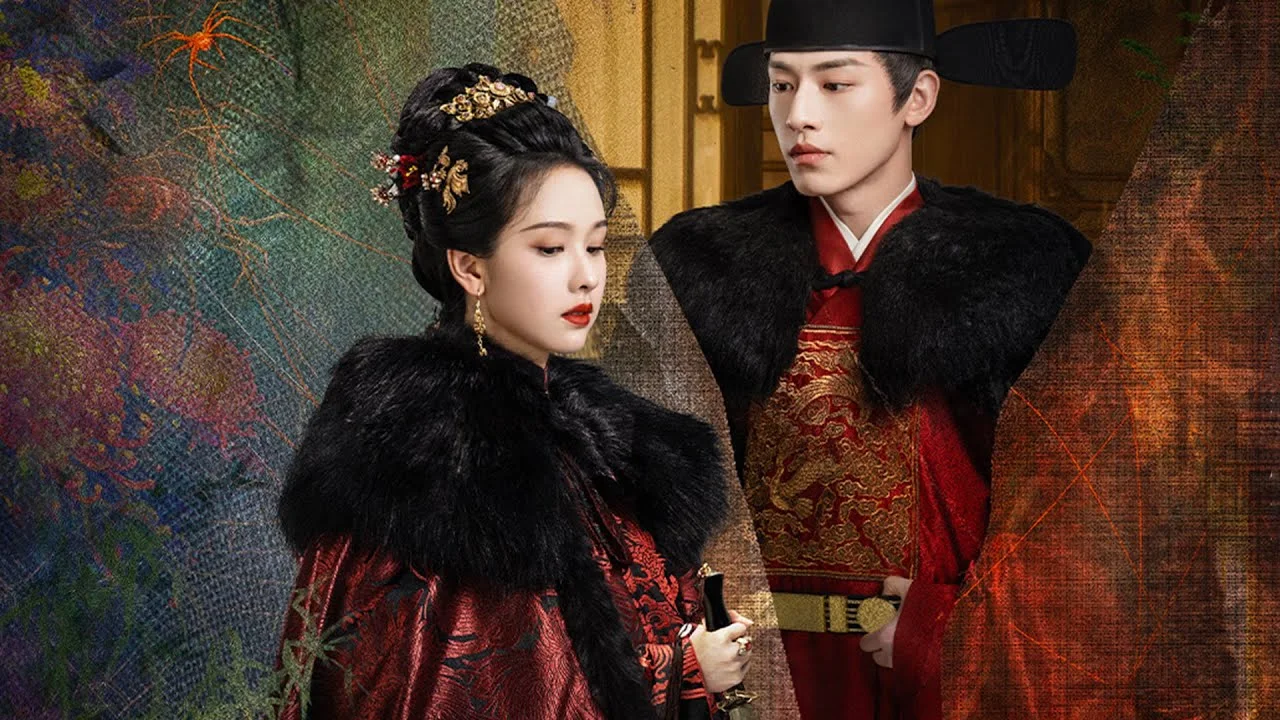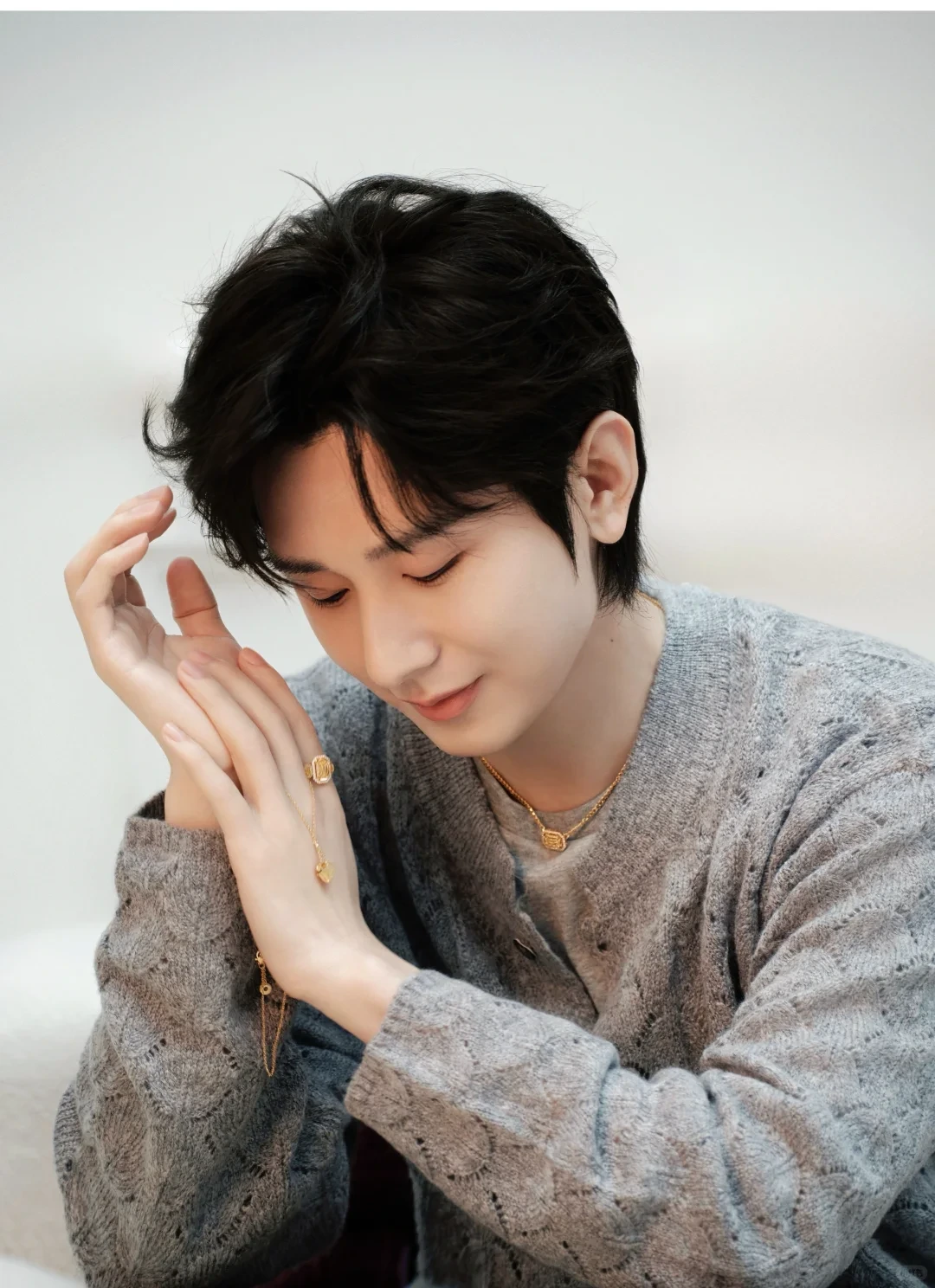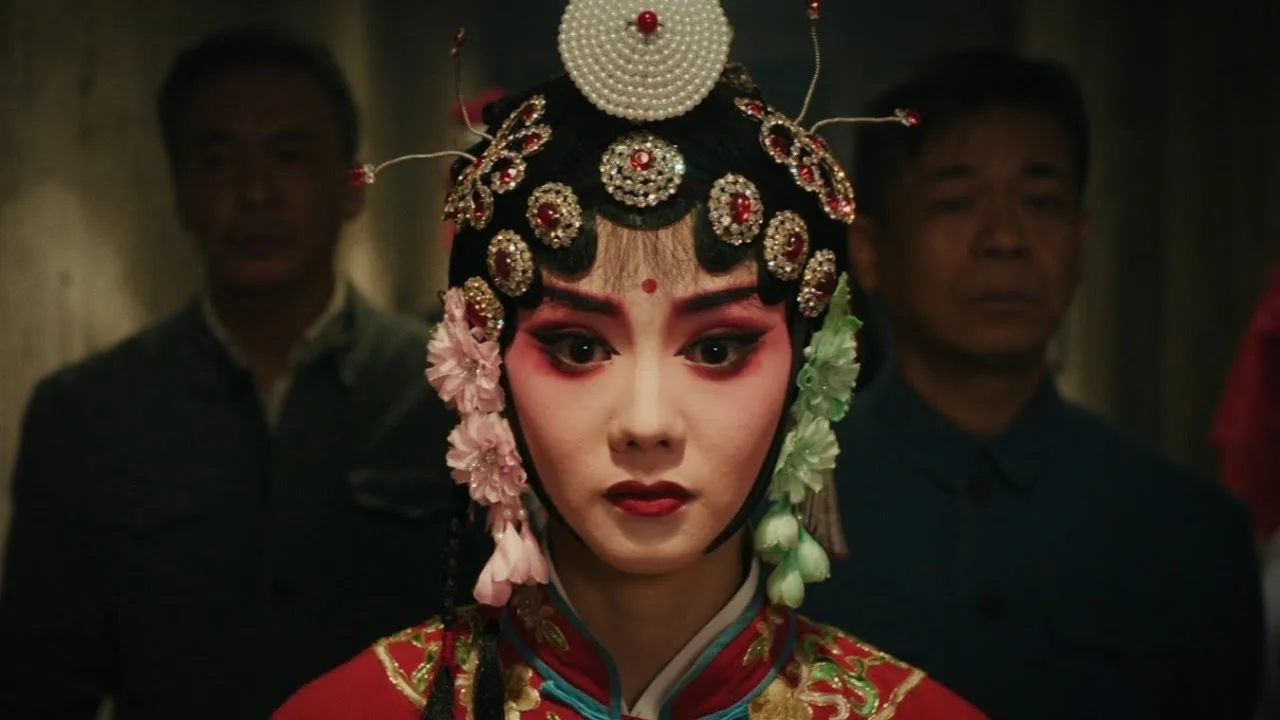
Liu Haocun became a public verdict before she had enough roles to become a full actor in many viewers' minds. The useful response is not to declare the verdict unfair and replace it with worship. It is to watch how she receives another person's need. Her most convincing work appears when freshness stops being an image and becomes attention: to a film strip in One Second, to another damaged young person in A Little Red Flower, to Liu Chunhe in Big World and now to the discipline of Qinqiang in The Lead.
Liu Haocun in 60 seconds
| Reader question | Direct answer |
|---|---|
| Who is Liu Haocun? | Liu Haocun (刘浩存) is a Chinese film and television actor who debuted in Zhang Yimou's One Second and later moved through youth film, commercial cinema, romance drama and a Qinqiang-centered television lead. |
| Why is she famous? | A high-profile film debut created immediate visibility. A Little Red Flower, Cliff Walkers, Ride On, Derailment and Big World kept her under unusually intense public evaluation. |
| What should I watch first? | One Second for screen presence with minimal dialogue; Big World for relational acting; The Lead for her most demanding current craft project. |
| Does she play Liu Chunhe in Big World? | No. Jackson Yee plays Liu Chunhe. Liu Haocun plays Yaya, whose relationship with him should be judged as its own performance problem. |
| East Moment verdict | She is strongest when the scene gives her somebody or something concrete to attend to. Isolated star presentation is where blankness can replace restraint. |
The internet often evaluates Liu backward. A face, background argument or piece of casting news creates the conclusion; the scene is then recruited as evidence.
I do not think criticism should be suspended. I think it should become more precise. “Natural” and “empty” can describe the same quiet close-up when the viewer has not asked what information the actor is processing.
One Second begins with looking rather than announcing

In One Second, Liu plays Orphan Liu, a young woman whose urgent relationship to film stock is practical before it becomes symbolic. Scratched celluloid is not “cinema” in the abstract. It can be repaired, stolen, ruined or turned into something useful.
Her early screen presence benefits from incompleteness. The body is quick, the gaze has not settled into prestige and the character often looks as though the next physical problem matters more than presenting emotion elegantly.
That freshness is real evidence and a dangerous foundation for a career. A debut can make not-yet-formed behavior feel truthful. Later work must show whether the actor can construct different behavior deliberately.
Her training is visible in balance and line. Dance discipline can make the body legible. It can also make distress too arranged. The question across her career is whether technique remains available without making every moment look prepared.
A Little Red Flower reveals why relationship is the correct test
In A Little Red Flower, Ma Xiaoyuan is often remembered through brightness beside illness. That description can flatten her into treatment for the male lead: the lively girl who teaches a withdrawn boy to live.
The role works when Liu protects Xiaoyuan's own irritation, fatigue and desire to be seen. Care is not an unlimited personality trait. Two young people dealing with illness can be generous and selfish in the same conversation because both are afraid of becoming somebody else's burden.
This is the scene test Liu needs: does she change because the other person has become newly legible, or does the camera simply ask us to admire concern? When timing bends around the partner, her quietness feels active. When the image isolates her, viewers can reasonably experience the same control as blankness.
That is why an actor profile should not become a list of crying clips. Tears are a result. Attention is the craft.
Derailment proves she can carry a pop-drama machine - and shows the cost

Derailment places Liu inside a different apparatus: long-form romance, beauty lighting, identity mystery, repeated close-ups and a fandom rhythm that turns small gestures into circulating clips.
Jiang Xiaoyuan's changing circumstances should alter social reflexes. Privilege, confusion, work and distrust cannot all use the same polished stillness. Liu is effective when sharpness interrupts the attractive frame - when a reply arrives too quickly, embarrassment becomes defensive or survival makes warmth conditional.
The weakness is that the production often likes looking at her more than observing her think. A face held under soft light can make restraint aesthetically complete before the character has done enough.
This does not prove she “cannot act.” It gives a clear limitation: beauty-centered presentation can amplify her least informative habit.
Ride On puts her inside someone else's memory of cinema
Ride On gives Liu a different relational burden. Jackie Chan's aging stuntman carries decades of action-cinema memory before the daughter enters. She cannot compete with that memory by becoming more visibly emotional; she has to make estrangement, impatience and concern belong to a daughter rather than an audience honoring a legend.
The role matters because it places her freshness beside visible age and professional damage. When she listens to the father instead of to the Jackie Chan image, the relationship gains specificity. When the film leans on nostalgia, she risks becoming the young person who confirms what the older star already means.
Big World asks her to stop being the argument

In Big World (Xiao Xiao De Wo / 小小的我), Jackson Yee plays Liu Chunhe, a young man with cerebral palsy. Liu Haocun plays Yaya. Confusing the names is not a small error because the film's moral question depends on whose subjectivity the scene protects.
Yaya must be more than permission for the audience to view Liu Chunhe as lovable. A relationship becomes credible when attraction, discomfort, desire and autonomy remain distributed between two people rather than turning one into a lesson for the other.
Liu's most useful choice is ordinary response. She cannot perform admiration at Liu Chunhe or make every exchange solemn. Listening, interruption, awkward humor and the refusal to treat disability as permanent emotional background allow Yaya to remain a person.
The wider film drew strong debate about whether disabled people were being seen or consumed. That question cannot be settled by star performance alone. It should make the acting standard stricter: does Yaya respond to Liu Chunhe's particular decision, or to a generalized symbol of courage?
Liu Haocun leaves me with a public image that is still unsettled
Praise and hostility sit beside one another without forming a clean consensus. I can feel her resonate with a character and find the crying contagious, then encounter another performance that seems expressionless, empty or dull. The question is not whether her acting is simply good; it is what changes between those results.
Those headlines are not facts about ability. They show that viewers are reading the same economy of expression through incompatible prior models. One group experiences the face as emotionally permeable. Another sees image management without enough interior action.
My conclusion is narrower than either camp: both reactions become possible when the shot isolates Liu. Her best answer is not a bigger expression. It is stronger relational causality - let us see exactly what another person, task or sound has changed.
A beautiful Liu Haocun image is a clue, never the verdict
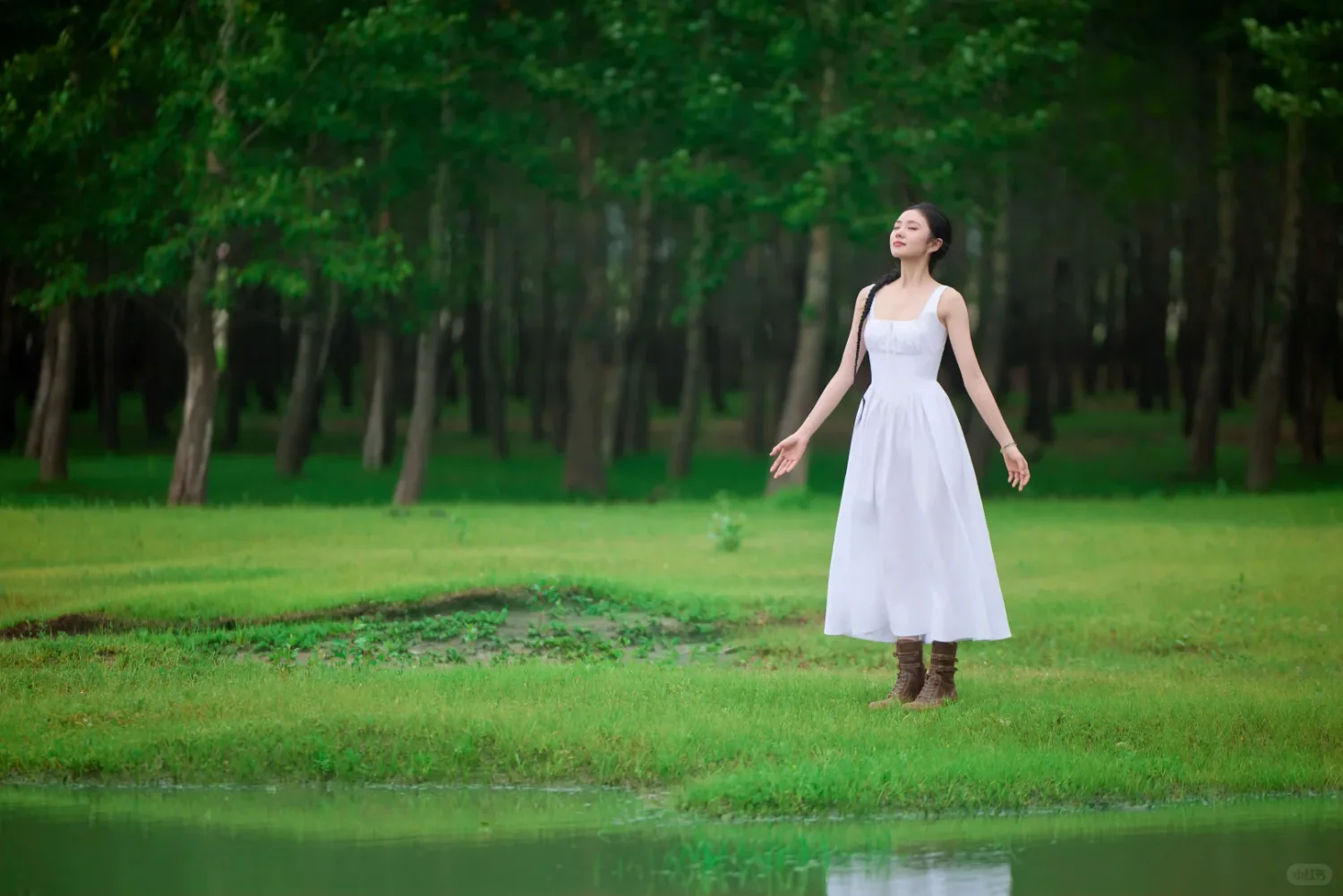
This recent studio image is useful because Liu is not pinned into a facial close-up. The white dress makes a clean silhouette, yet the part I notice is the body between poses: arms open, weight travelling forward, head lifted as if following sound. Dance training gives her an unusually readable line even in an informal outdoor frame.
That is evidence of physical control. It is not evidence that a character has been built. Celebrity photography invites the viewer to finish the story—freedom, innocence, rebirth—before the subject has made a decision. Liu's career has been surrounded by exactly this confusion. A responsive face or balanced body is treated as either proof of talent or proof of emptiness, while the missing question is what the role requires her to do.
I use the image as a demanding bridge to The Lead. Qinqiang does not need generic grace. A performer must place the feet for a specific stage grammar, release breath through a specific vocal form and let costume weight change the body. If Liu's movement remains merely elegant, the training will have decorated her. If the body looks corrected, resisted and finally reorganized by the art, then apprenticeship will be visible.
This is also why I reject the habit of judging her from isolated reaction shots. A still can reveal line, styling and the camera's desire. Only sequence reveals listening. Watch what happens before the face settles: does she absorb a partner's interruption, miss a cue on purpose, protect somebody, or change distance? When none of those things changes, restraint is only a surface. When they do, the smallest expression can carry a complete social event.
The Lead changes the question from freshness to apprenticeship

The current 2026 drama The Lead (Zhu Jue / 主角) is the most consequential project in this profile because Qinqiang does not care whether somebody looks fresh. Voice, breath, stance, rhythm, costume, repertoire and apprenticeship create external standards.
Yi Qin'e's development should not look like a montage of an actor becoming impressive. The audience needs to feel repetition, correction and the relationship between backstage labor and public performance. When Liu's dance training helps, it should create control. When Qinqiang resists that body, the resistance should remain visible.
This is also where a person page must separate participation from mastery. An official trailer and promotional performance prove that she undertook a role centered on Qinqiang. They do not make Liu a Qinqiang authority or turn fictional progress into a documentary record of the art.
The role offers the right future. It replaces the vague question “is she talented?” with observable tasks.
Where to start with Liu Haocun
- For the debut and physical freshness: One Second.
- For relational youth drama: A Little Red Flower.
- For a glossy long-form star test: Derailment.
- For a supporting relationship that must protect another person's subjecthood: Big World; its film page should own the full plot and ethical analysis once that separate guide is ready.
- For the current craft test: The Lead, watched with attention to training rather than transformation publicity.
- For a contemporary romance built on mutual recalibration: Be Passionately in Love, then compare how Wang Anyu handles the same interruptions from the other side of the relationship.
- For comparison across current young actors: use the Chinese actors collection and the Chinese movies guide rather than making Liu's page absorb a co-star's career.
Liu Haocun does not need a final acquittal or conviction. She needs viewers willing to replace recycled reputation with exact scenes - and roles disciplined enough to make exact judgment possible.
In the comments, bring one scene that changed your prior opinion and identify what the partner, task or space did to her timing. Then join the East Moment community to build a record of observation rather than another pile-on.