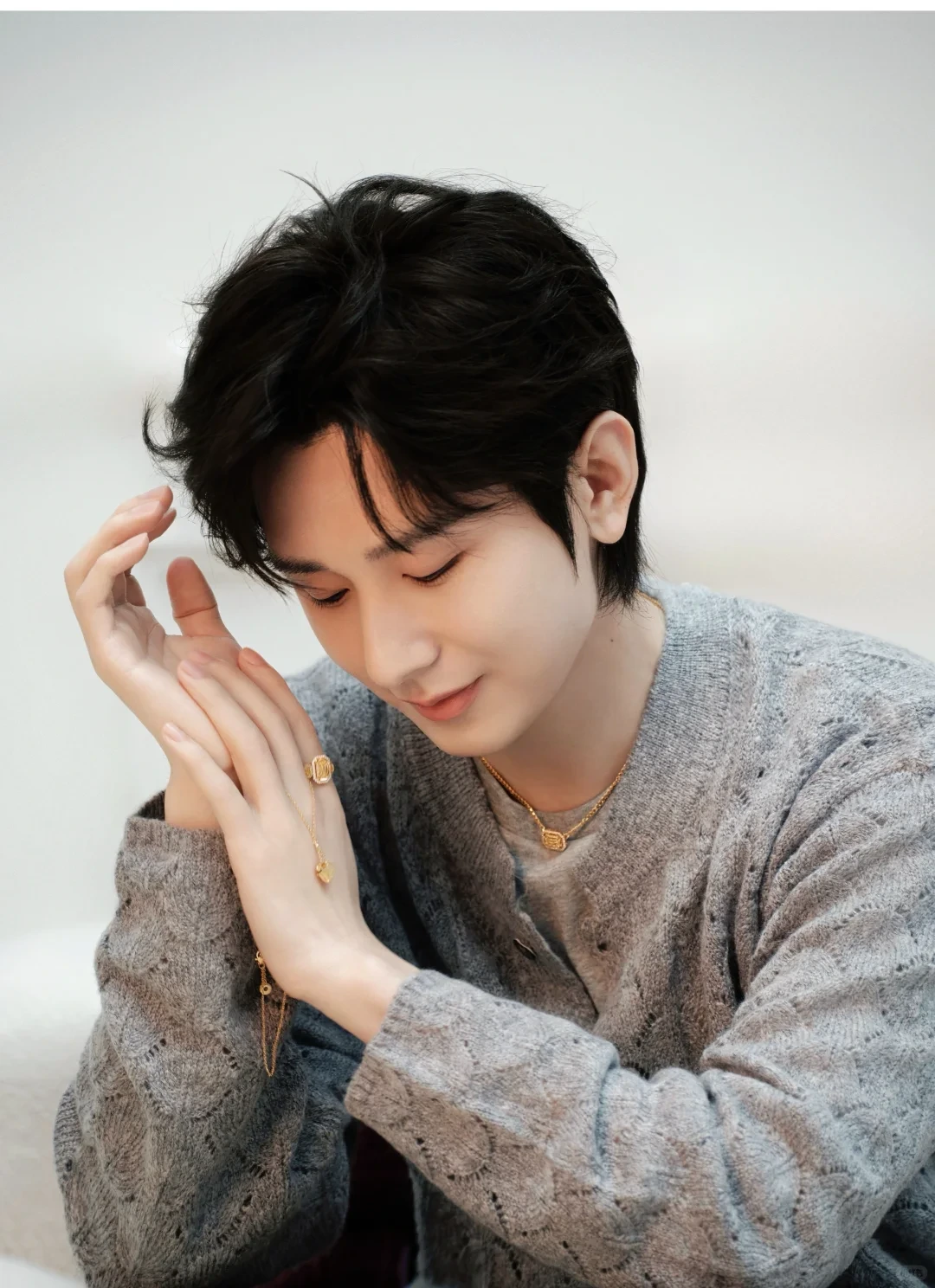
Wang Anyu is most convincing when a role damages the polished young-lead image. His athletic ease gets attention; the acting begins when shame, anger or helplessness changes how that body occupies the room.
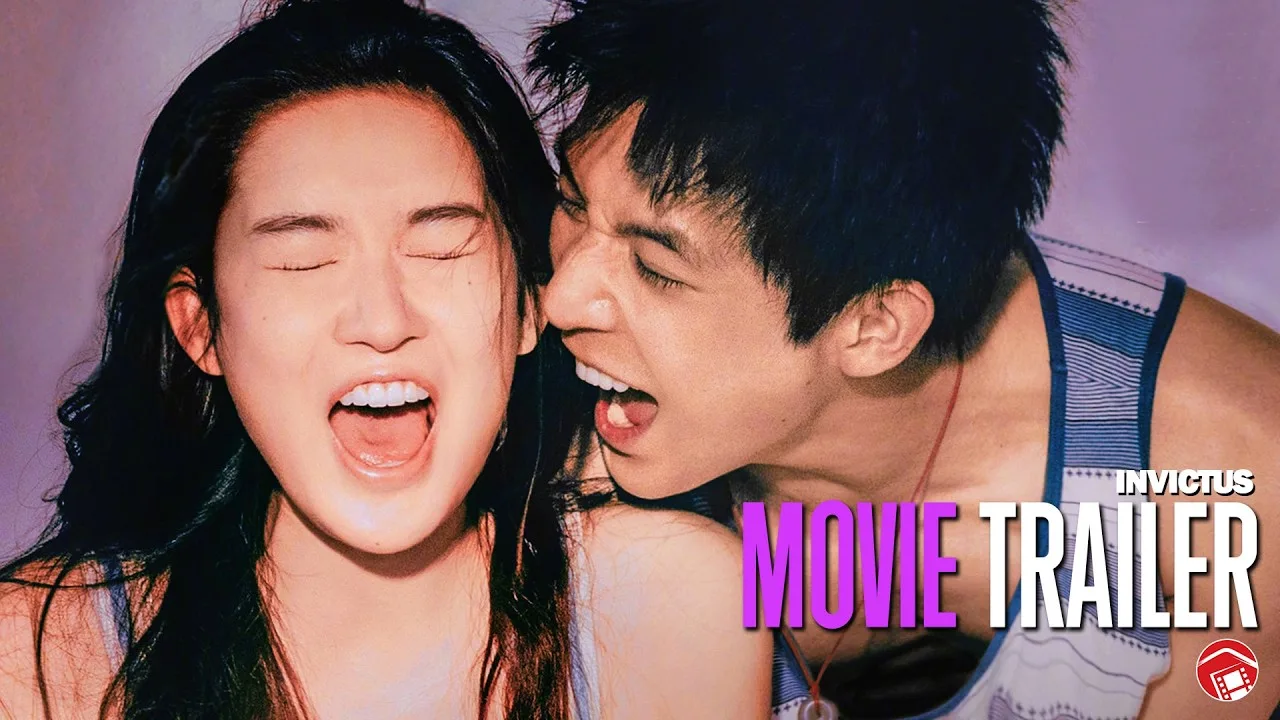
In the trailer for the 2026 film Invictus (《爱是愤怒》), Wang Anyu no longer looks arranged for admiration. The face is strained, the voice catches, and emotion seems to arrive faster than he can package it. This is a useful shock if your last image of him was a clean costume, a romantic close-up or an athletic young man moving beautifully through space.
Wang Anyu is an athletic screen presence learning to lose control
| Reader question | Direct answer |
|---|---|
| Who is Wang Anyu? | Wang Anyu (王安宇) is a Chinese actor known for youth ensembles, modern romance, costume fantasy and a newer move toward physically harsher film roles. |
| Why is he famous? | Twenty Your Life On, The Last Immortal and Be Passionately in Love built a recognisable young-lead image; the 2026 Invictus trailer points toward a rougher register. |
| Which Wang Anyu drama should I watch first? | Start with Be Passionately in Love for responsive romance, then use The Last Immortal to see how fantasy polish helps and limits him. |
| What is the current performance test? | Invictus: can pain alter his whole body and persist across scenes, rather than producing one impressive trailer breakdown? |
| East Moment verdict | His athletic ease is real, but range begins only when the role makes that ease unavailable. |
Wang Anyu (王安宇) is a Chinese actor whose work spans youth ensembles, romance, fantasy and current film. New viewers usually encounter the face first. That is understandable, but insufficient. His distinguishing instrument is physical: he moves like someone who expects his body to solve the scene.
This produces relaxed charm in youth roles and clean silhouette in fantasy. It can also become a trap. If posture stays attractive through grief, danger and embarrassment, the actor is protecting the image rather than serving the character.
The best Wang Anyu scenes are therefore temperature changes. Watch what happens when the easy body becomes too rigid, too fast, too tired or unable to leave.
Temperature one: youth works when friendship interrupts the pose

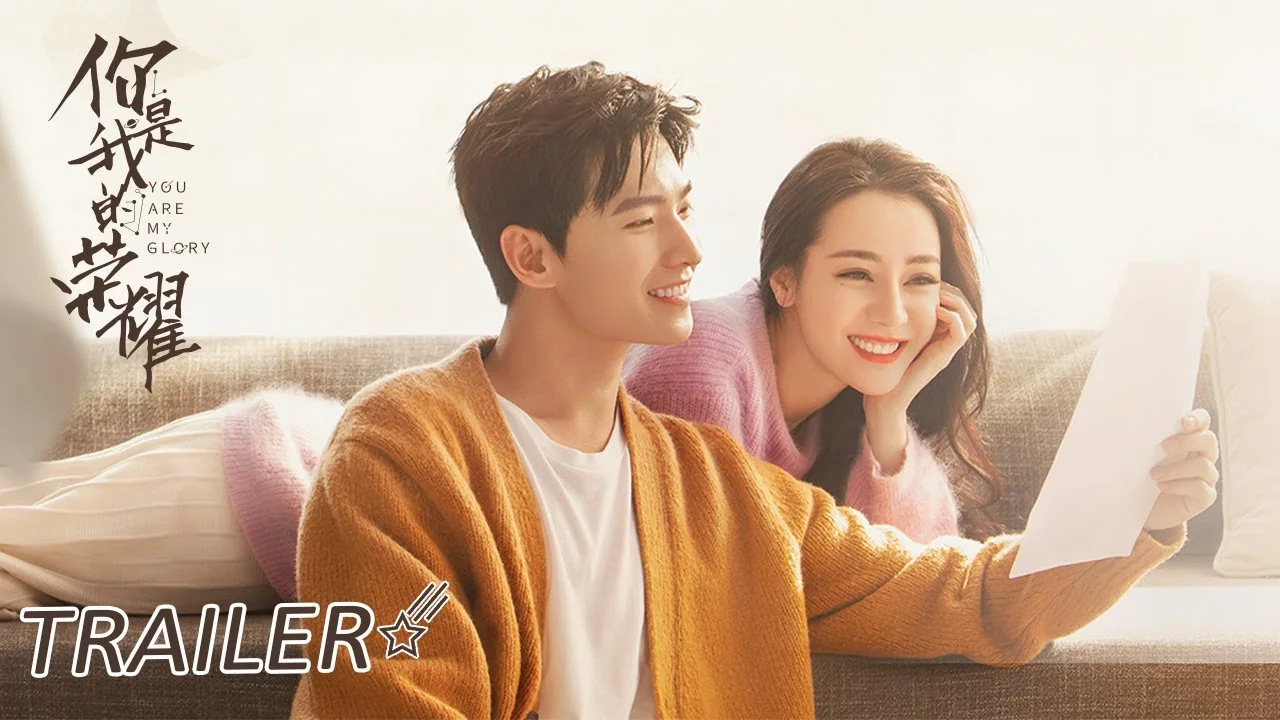
In the Twenty Your Life On world, a young actor cannot rely on romantic destiny. Ensemble scenes require interruption, bad timing and the ordinary embarrassment of not being the most important person in the room.
This is where Wang's natural social ease helps. His energy can bounce off other characters rather than waiting for the camera to confirm charisma. The useful question is not whether he looks youthful. It is whether he listens quickly enough for another actor to alter his rhythm.
That skill connects him to a wider generation in the Chinese actors collection: performers trained by short-form visibility must still learn that a complete scene is not a sequence of individual close-ups.
Temperature two: fantasy makes the body legible but risks turning it into costume

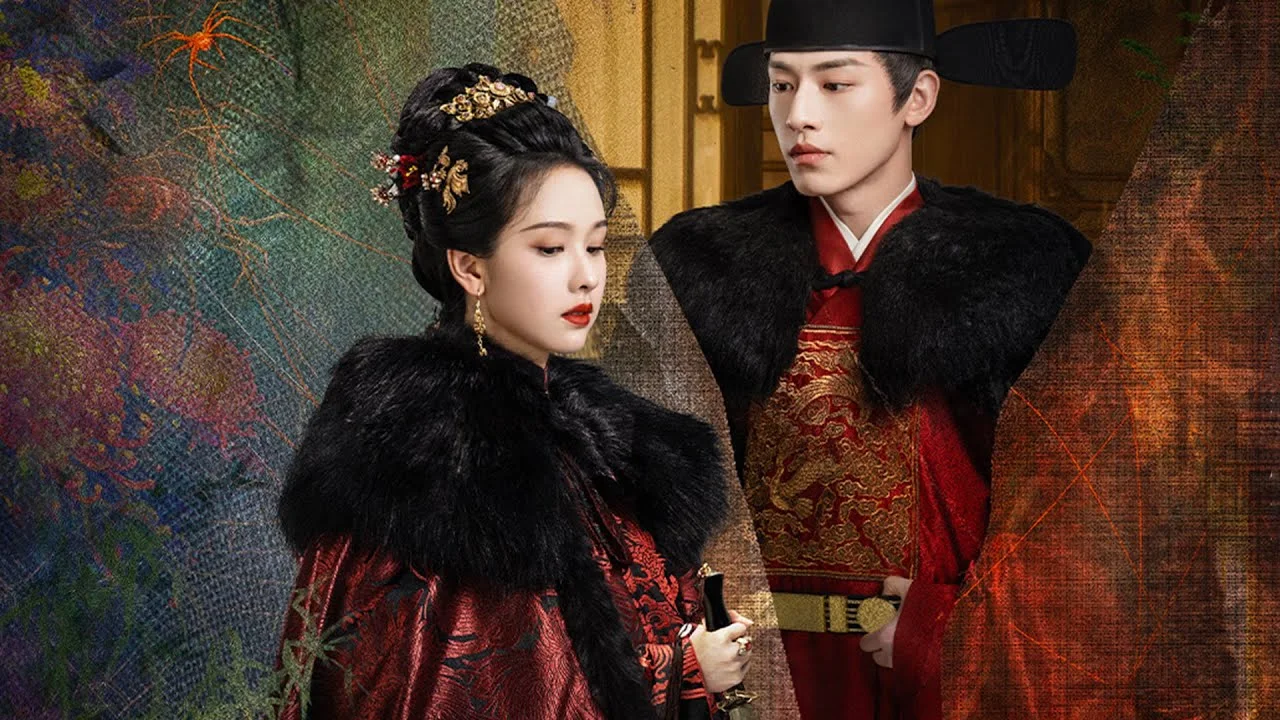
The Last Immortal (《神隐》), opposite Zhao Lusi, uses Wang's movement and youthful directness at fantasy scale. Costume, wire work and spiritual hierarchy make posture readable before dialogue begins.
But fantasy polish can overprotect him. A beautifully held body may tell us status while concealing thought. The role becomes alive when certainty loosens: when affection makes timing awkward, responsibility slows an impulsive response, or loss changes the weight of a step.
Do not use this drama alone to judge his range. Use it to see his baseline control, then compare what happens when a contemporary role removes the protective architecture.
Wang Anyu needs pressure that reaches below the face
The most common praise around Wang is aimed at the eyes: a look suddenly hardens, grief gathers, or restraint breaks. I understand the pleasure. A close-up can make a young actor's interior change feel immediate. But eyes are where fandom most easily supplies missing psychology.
I trust the performance only when pressure travels. If a character is afraid, the shoulders should not remain available for the same romantic silhouette. If shame arrives, he may avoid the easy center of a room. If exhaustion has accumulated, the next scene should begin from a body that already paid for the previous one.
This is why his athletic background matters as more than biography. Physical confidence gives Wang clean acceleration and makes costume action readable. It also creates a default promise: this person can cope. A demanding role has to betray that promise. The body must discover that speed cannot repair intimacy, strength cannot restore reputation and balance cannot prevent grief.
I do not want an artificial “ugly transformation.” Dirt, bruises and hoarse shouting can become another costume. I want continuity of consequence. A charming entrance should be less easy after a betrayal. A hand that normally moves without hesitation should pause when responsibility becomes personal. That is where an attractive image stops being a protective surface and becomes material for drama.
Wang's best future is not simply a darker genre. It is a role where the audience can identify the exact cost of remaining composed.
Temperature three: Be Passionately in Love lets charm meet adult consequence

Be Passionately in Love (《陷入我们的热恋》) returns to romance, but the valuable test is not chemistry in promotional stills. It is whether Wang can make confidence responsive rather than pre-installed.
The emotional turn feels natural enough to move him beyond the “youthful pretty boy” frame. That is the hurdle I am testing, not a claim that one romantic role proves complete range.
With Liu Haocun, watch for reaction after the other person speaks. Charm becomes character only when it is adjusted by new information.

Temperature four: the next roles must make good looks expensive

The preview for I Live in Your Time places him in another carefully photographed romance, this time beside Zhang Ruonan and winter imagery. It may become graceful entertainment. The risk is familiar: atmosphere can perform tenderness before the actor has made a decision.
His current opportunity is not to abandon romance or beauty. It is to make those assets costly. A character accustomed to being welcomed should misread a room. An athletic man should discover a problem strength cannot solve. A calm face should hold an emotion long enough for restraint to become morally ambiguous.
Invictus matters because its visible pain suggests that transition. I read the scene as love becoming anger until sobbing can no longer be contained. That is more precise than calling a performance “explosive.” Anger, shame and grief are different temperatures. A serious actor must separate them.
The reaction to newer clips is intense because viewers can feel a polished assumption cracking. I feel it too: the pleasure is not that Wang suddenly looks miserable; it is that the familiar young-lead body no longer knows how to carry itself. The useful caution is that a trailer concentrates rupture. A complete film must show what comes before the break and what remains after it.
One breakdown cannot carry an acting evolution. If the next scene restores the usual posture, pain was a clip. If speech, appetite, touch and distance remain altered, pain became character history. That is the standard Invictus must meet.
What would make the next performance unmistakable
Wang Anyu already has athletic ease, youth and a face the camera reads quickly. The next decisive role should make those advantages costly. I want to see a character whose body is useful but tired, whose education cannot solve a relationship, or whose charm creates an expectation he no longer wants to satisfy.
That does not require ugliness or a prestige transformation. It requires continuity. If humiliation occurs in one scene, the next entrance should carry it. If responsibility grows, casual movement should become less available. The role becomes distinct when I can identify the pressure from posture before the costume tells me the genre.
This is why I resist ranking him from promotional stills. His real range will be built in transitions: friendship to authority, confidence to shame, physical control to helplessness. The camera advantage is the beginning of the test, not the result.
Scene partners reveal whether Wang Anyu is actually listening
Romance marketing encourages the laziest possible reading: put two attractive actors in one frame, call the result chemistry and circulate the still. I judge Wang Anyu by the fraction of a second after his scene partner says something he did not expect. That interval reveals whether he is protecting a prepared expression or receiving new information.
With Zhao Lusi in The Last Immortal, fantasy scale can make reaction seem unnecessary because costume, music and effects already announce the emotional turn. Wang is better when he lets her speed disturb his posture. A tiny delay before answering can show that affection has outrun certainty. If he returns immediately to the same elegant stance, the exchange has decorated him but not changed him.
With Liu Haocun in Be Passionately in Love, the pressure is more ordinary and therefore less forgiving. A modern close-up contains fewer places to hide. Charm has to become specific: teasing that softens because he notices discomfort, confidence that loses its rhythm after a refusal, silence that gives the other person room rather than merely keeping his own face photogenic.
This is also why fan-edited “eye acting” compilations are unreliable evidence. They remove the stimulus and preserve only the reaction. A convincing look belongs to an exchange: who caused it, what option closed, and how the next line carries the consequence. Restore those pieces and the scene either gains force or falls apart.
Wang's growth will not be proved by a louder breakdown. It will be proved when another actor can visibly reorganize him. The body that entered expecting control must leave with a different tempo. The changed tempo must also survive the edit into the following scene, where applause and dramatic music can no longer carry it. That is not glamorous, but it is the point where screen presence becomes partnership.
The Wang Anyu test: five roles, five different questions
| Work | What it tests | Watch for |
|---|---|---|
| Twenty Your Life On | ensemble listening | another actor changing his tempo |
| The Last Immortal | physical and costume control | posture loosening when certainty fails |
| Be Passionately in Love | responsive romance | charm altered by information |
| I Live in Your Time | atmosphere versus decision | whether winter beauty changes behaviour |
| Invictus | loss of image control | anger, grief and shame becoming distinct |
Do not start by asking whether Wang Anyu is handsome enough to lead a drama. Search already answered that. Ask which role makes him forget to remain handsome.
Choose one calm scene and one scene of emotional rupture. In the comments, identify what changes first: shoulders, gaze, breath, pace or voice. Then bring both clips into the East Moment community and compare them with viewers who care about acting choices rather than fan rankings. Continue through the Chinese TV shows guide to find the full dramas behind the performances.