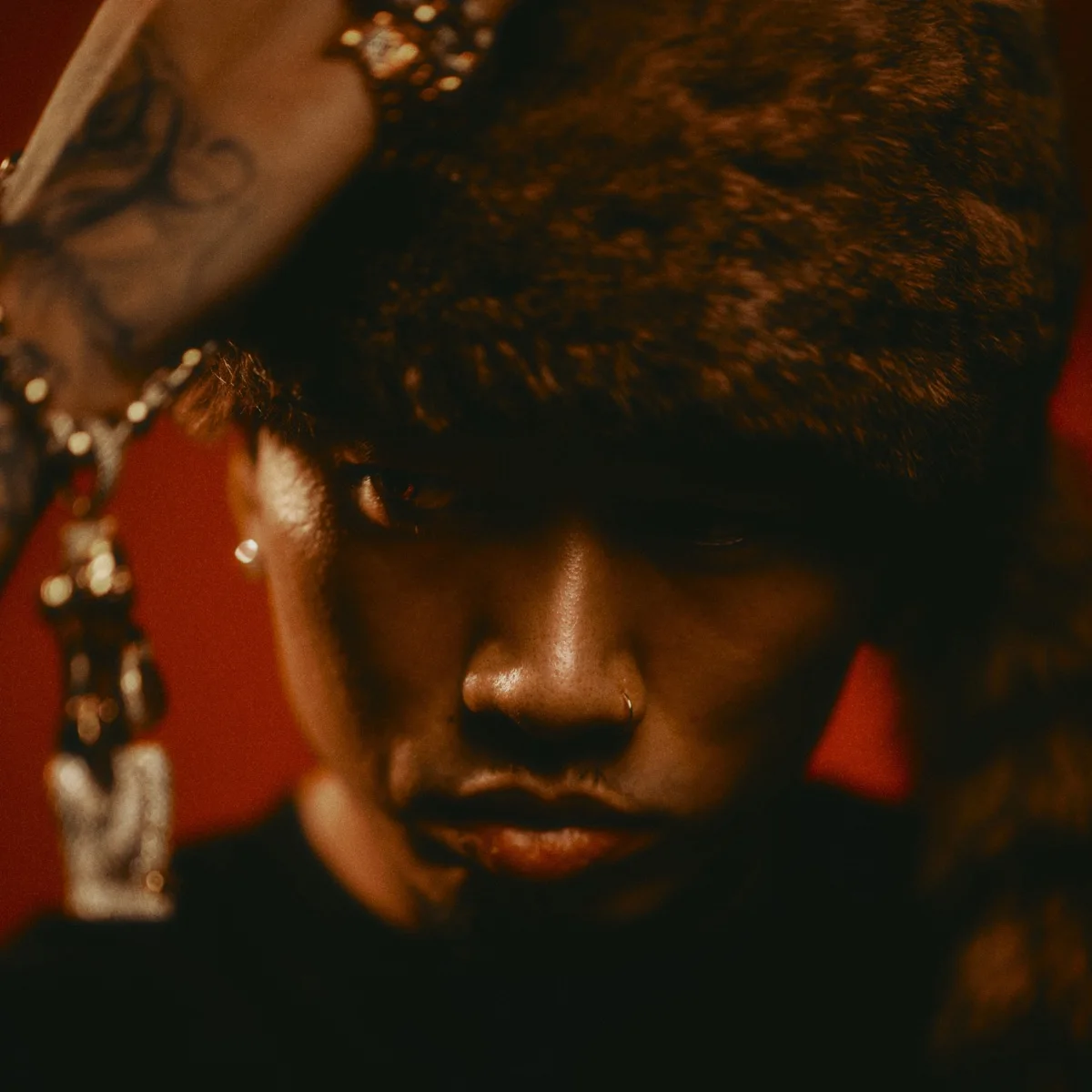
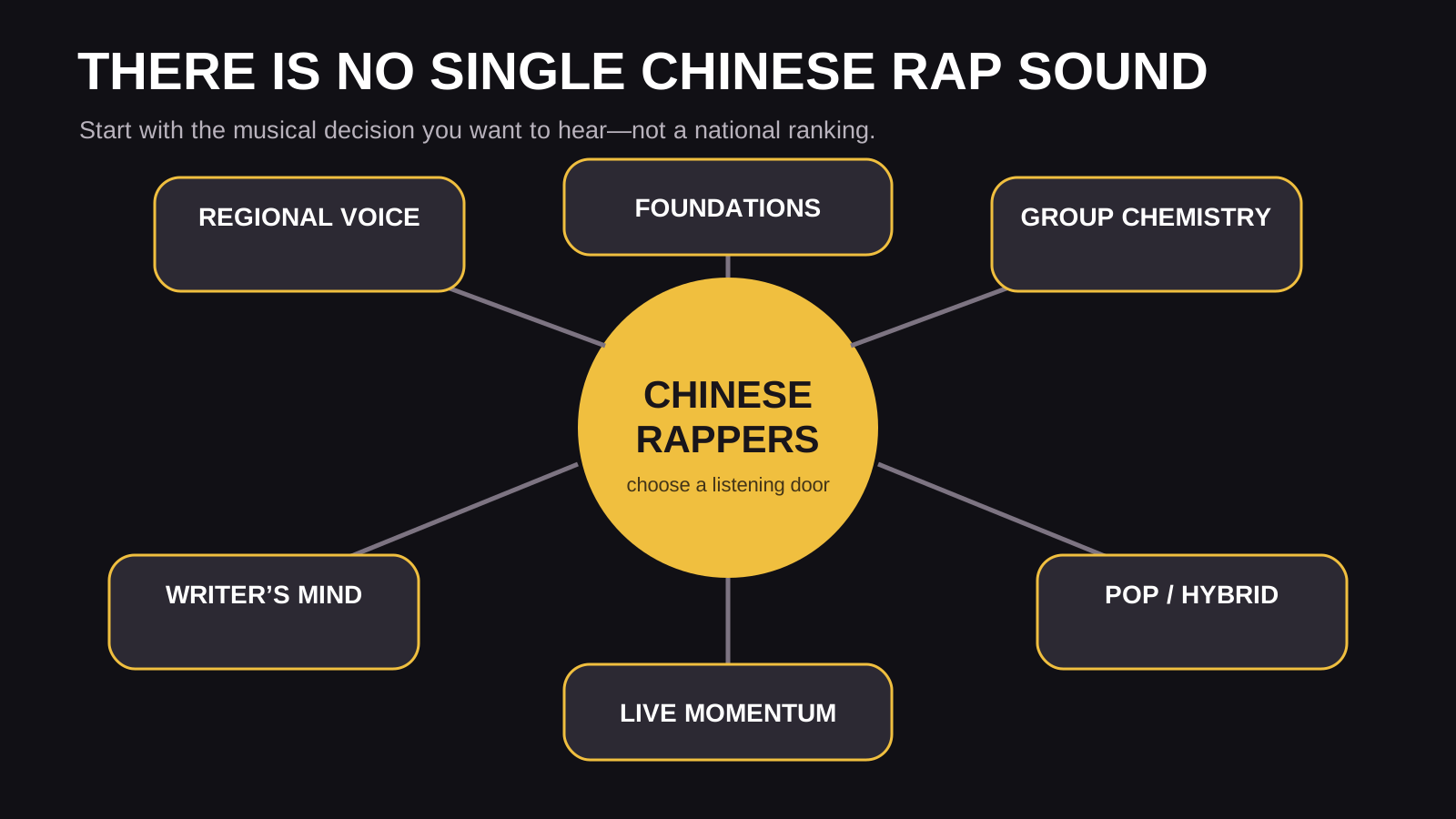
The wrong way to enter Chinese rap is to ask for one artist who represents the whole country. I reject that shortcut completely. The useful question is: which door do you want to open first? A city accent, a crew, a television moment, an album, a hook or a writer's voice can each lead into a different version of Chinese hip-hop.
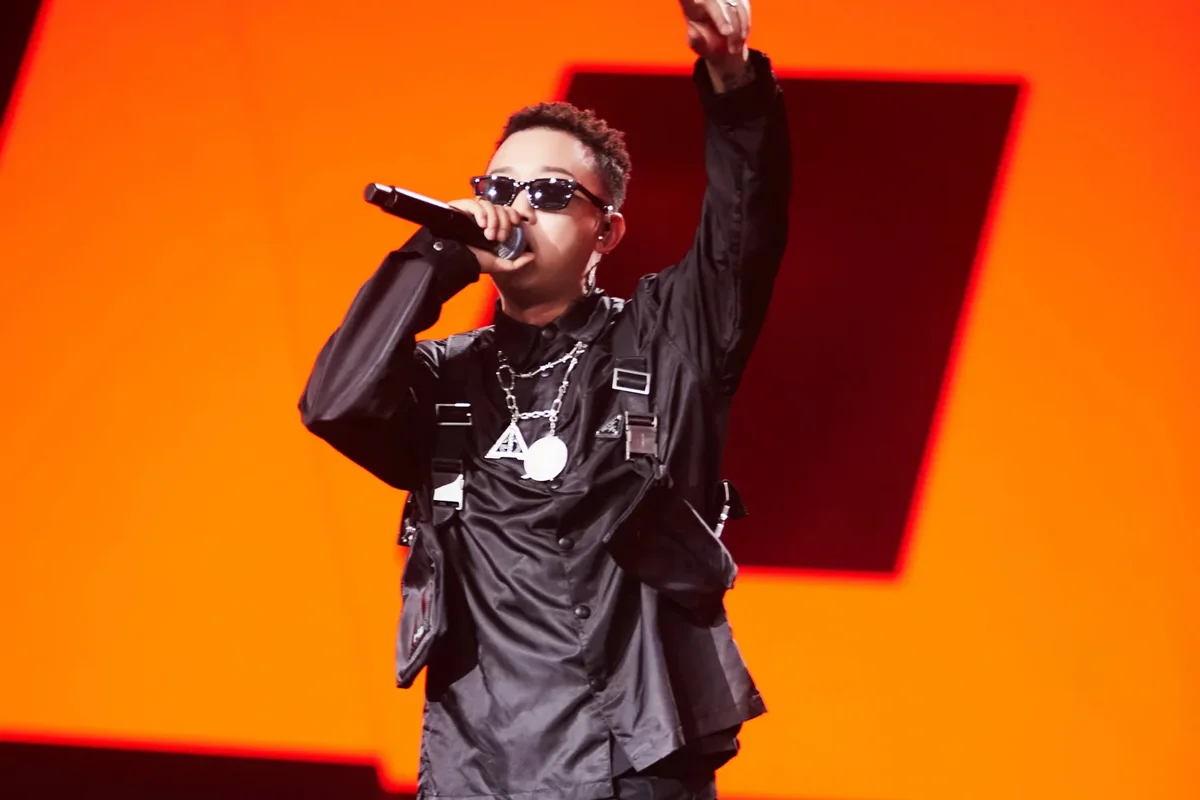
The cover records one named rapper, JY, performing at a 2024 hip-hop exchange showcase in Taoyuan. The crowded stage makes live handoffs, gesture and collective energy visible; it does not prove that one performer represents Chinese rap, that every city scene sounds alike or that a staged exchange captures the whole culture.
There are 20 doors on this page, and none of them opens onto “the one Chinese rap sound.” This is not a ranking or a roll call of whoever currently owns the algorithm. It is a listening map for overseas readers who want to know who matters, why the artists sound different, and what disappears when every track is filed under the same national label.
I become impatient the moment a “best Chinese rappers” list turns artists into interchangeable profile cards. Rap is the music of a speaking body. If I cannot hear how a consonant attacks, where a breath is withheld, why a crew hands the center to another voice or what a dialect lets a line do, the ranking has told me nothing. I would rather defend one unmistakable musical decision than pretend twenty careers can be placed on a clean ladder.
Chinese rappers in 60 seconds
| If you already like | Start with | What to listen for |
|---|---|---|
| Foundational, conversational rap | MC HotDog and Pharaoh | Spoken-language timing, satire, technical control and the freedom to sound unpolished |
| Big voices and regional identity | GAI, Bridge and Xie Di | Accent as rhythm, city vocabulary and local authority |
| Trap with global reach | Masiwei, KnowKnow and Psy.P | Contrasting voices, memorable hooks and Higher Brothers chemistry |
| Writing and emotional detail | Jony J, KEY.L Liu Cong and Wang Yitai | Narrative structure, restraint and songs that reveal more after repeat listens |
| Pop-rap and hybrid sound | VaVa, NINEONE, Lexie Liu and Capper | Hooks, visual identity and the point where rap meets pop, electronic music or internet aesthetics |
| Live momentum | Sheng Yu, AIR, Tizzy T, Vinida Weng and ICE | Breath, crowd command, melodic movement and performance architecture |
The table is a set of doors, not permanent boxes. The most interesting artists keep crossing the borders.
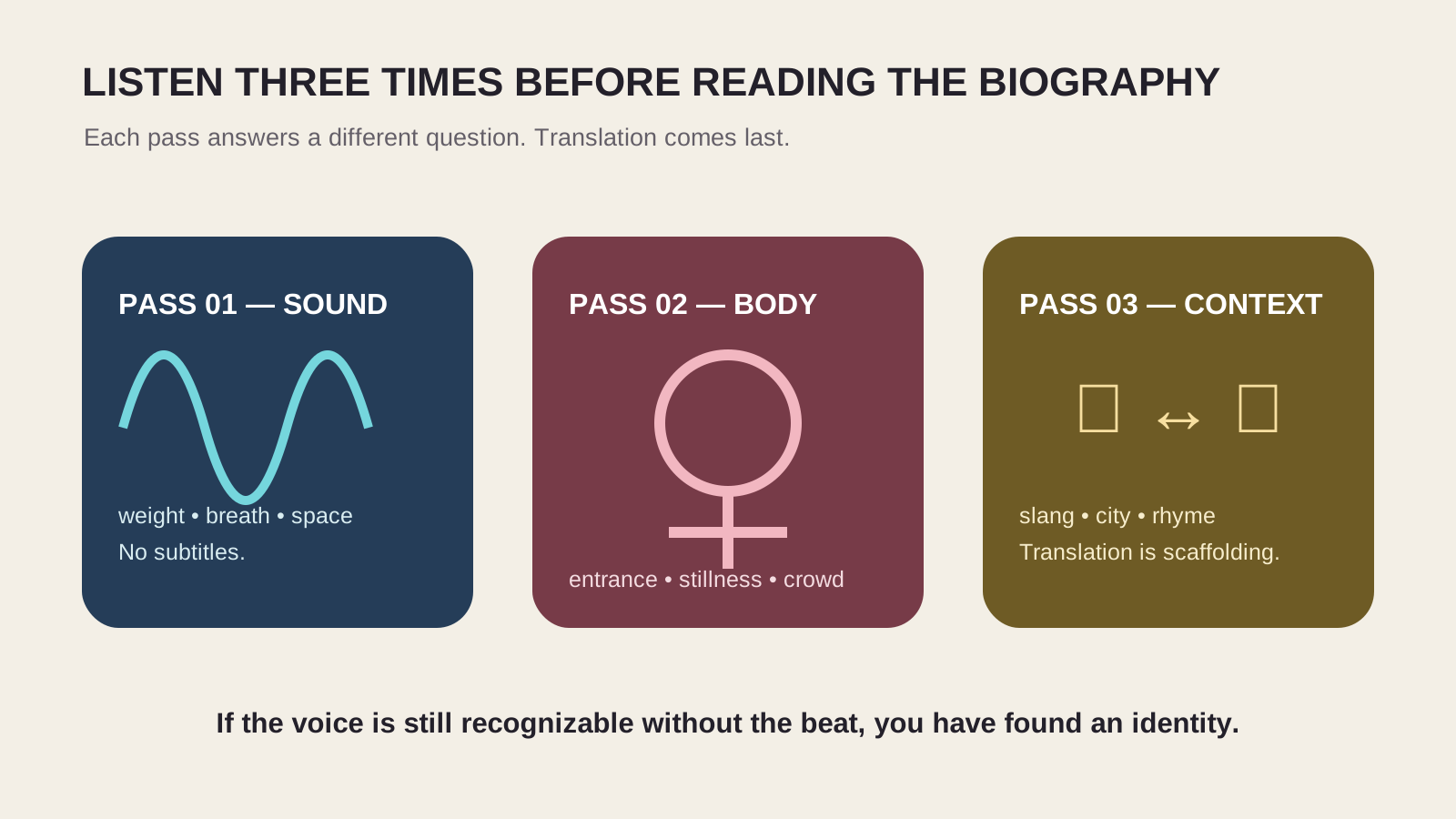
Listen in three passes before reading the biography
Most overseas introductions reverse the useful order. They explain a childhood, a competition result and a crew name before the reader has heard the artist make one musical decision. Start with sound.
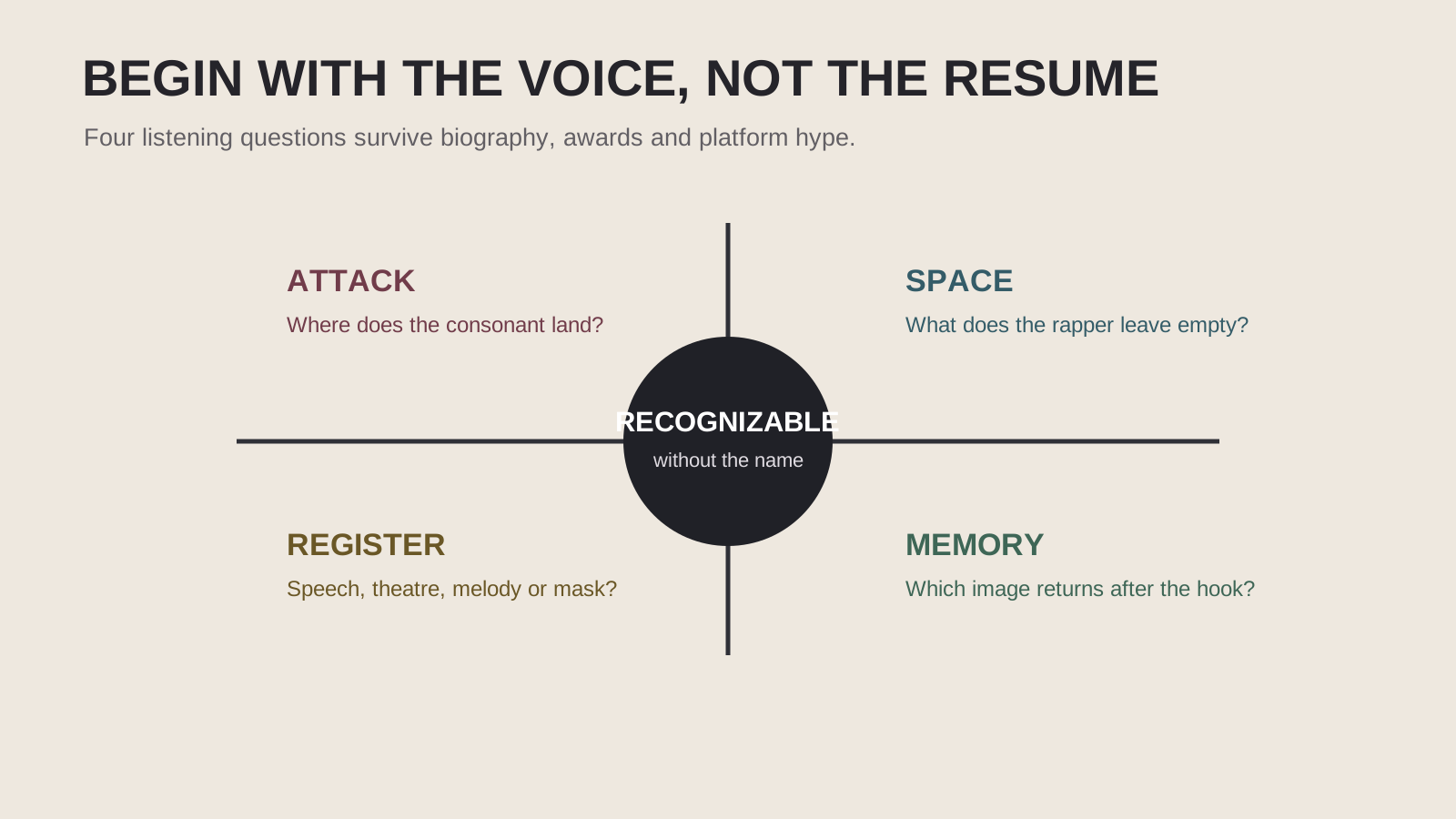
First pass: no subtitles. Listen for weight, speed, breath and space. Does the rapper sit behind the beat, attack its front edge or stretch a vowel across it? Which voice remains recognizable after the instrumental drops out? Regional speech matters here as sound before it becomes vocabulary.
Second pass: watch the official performance or video. Look at entrances, camera distance, crowd control and how the artist uses stillness. A competition stage may magnify drama; a music video may build a persona through costume and editing; a live-house recording may expose breath and timing more honestly. None is the complete artist, but each answers a different question.
Third pass: use translation and context. Now identify the city reference, slang, code-switch, internal rhyme or recurring image. Translation is scaffolding, not a replacement track. If a line becomes flatter in English, return to the sound and ask what stress, accent or rhyme carried the missing energy.
This three-pass method is the reason East Moment embeds videos inside analysis instead of treating YouTube as a decorative exit link. The video should let you test a claim on the page. If it does not reveal voice, performance, group chemistry or visual authorship, it does not deserve the space.
Chinese rap is a network, not one sound
English-language coverage often compresses Chinese hip-hop into a short history: underground scenes existed, The Rap of China arrived in 2017, and a few artists became internationally visible. That sequence is useful, but it hides the actual listening experience.
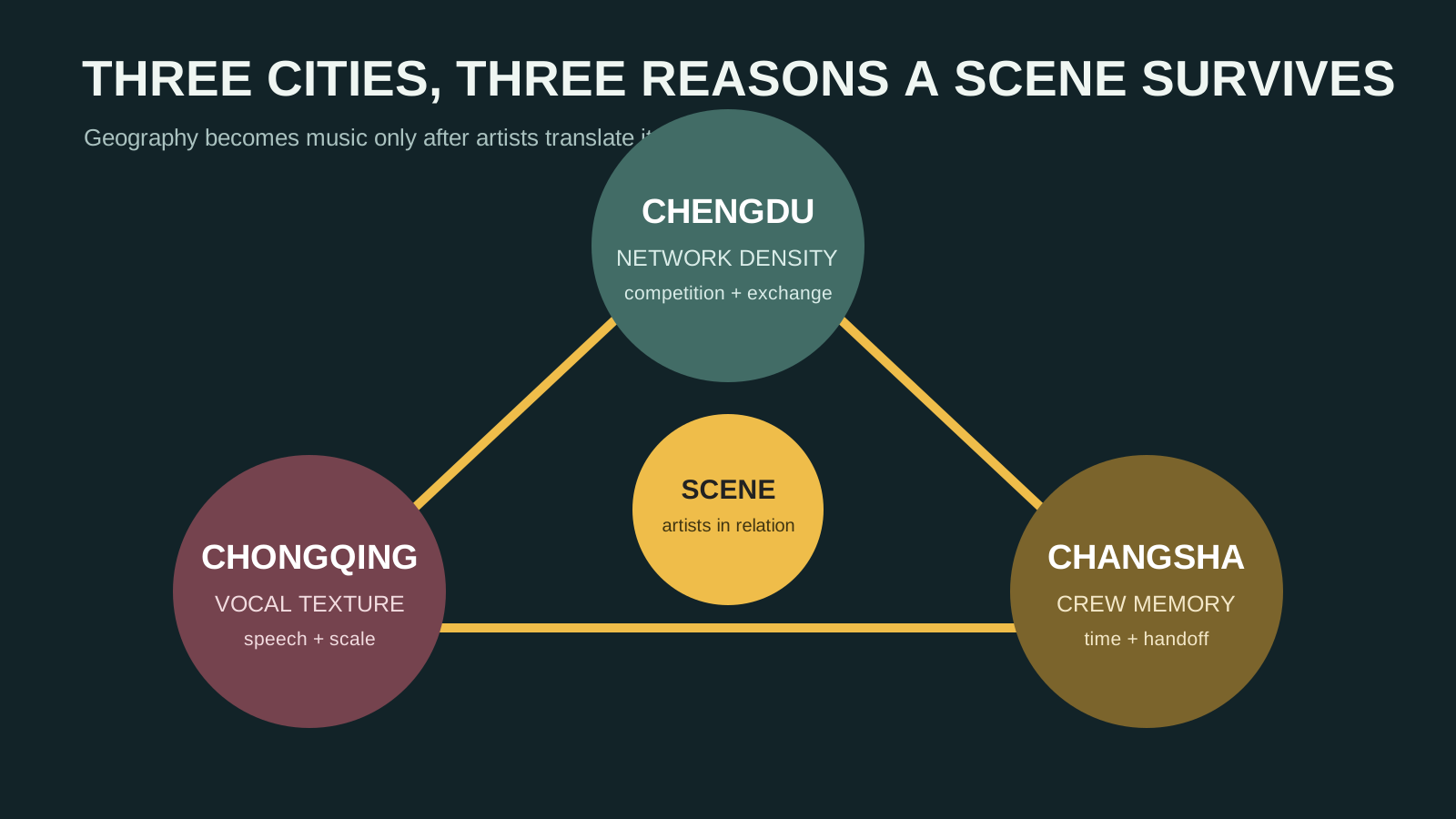
Chinese rap changes when the speaking voice changes. Chengdu phrasing does not sit on a beat like Taipei Mandarin. Chongqing's slopes, river gates and compressed street speech do not create the same imagery as Changsha's long crew memory. A rapper working through a television stage also solves a different musical problem from one building an album for headphones.
Here is the East Moment test: the strongest Chinese rappers turn context into technique. The city is audible in the vowel. The crew changes how verses are arranged. A pop chorus can be an artistic decision rather than a retreat from rap. A dialect can carry authority before an overseas listener understands a single reference.
On GAI's official iQIYI stage, hear how sustained notes, gravel and pauses make a place name feel physically large. Regional identity becomes vocal technique, not just lyrical subject matter.
Begin with the voice, not the biography
MC HotDog and Pharaoh: permission to sound like themselves
MC HotDog is a useful early door because his importance is inseparable from ordinary speech. The attraction is not a museum label such as "pioneer." It is the way sarcasm, repetition and Taipei vernacular make the line feel socially located. He helped show that Mandarin rap did not need to imitate the posture of an English-language original before it could sound legitimate.

The photograph is old enough to be useful rather than fashionable. The sideways cap, sunglasses, tattoos, loose shirt and commercial microphone place MC HotDog inside a public performance language that later Mandarin rappers did not have to invent from zero. Yet the decisive part of his identity is not the styling. Remove every logo and the colloquial attack of the voice still survives. That is my test for an influential rapper: the surface may date; the permission created by the work must remain audible.
This image documents MC HotDog's public presentation in 2012. It does not prove who originated a fashion choice, the chronology of Mandarin rap or the quality of any recording.
Pharaoh offers a different kind of freedom. Technical rap, absurd characters, dark comedy and unexpected tenderness coexist in his catalog. The contradiction matters. A flat biography would reduce him to a hard-core specialist; the records keep proving that the persona can break, joke and become emotionally direct.
Together they make a useful first lesson: longevity in Chinese rap often comes from a recognizable mind, not merely a recognizable flow.
Three cities explain why local identity matters
Chengdu: density, exchange and many kinds of ease
Chengdu's strength is not one signature beat. It is the number of artists who can disagree musically while still belonging to the same broad ecosystem.
Xie Di makes Chengdu speech itself feel authoritative. Masiwei turns a high, elastic voice into immediate identity. KnowKnow builds comic luxury and business characters. Psy.P creates weight through a low register and refusal to overstate. Wang Yitai approaches rap like a songwriter arranging a room: verse, melody and emotional turn all have jobs. ICE belongs in the conversation because his catalog outgrew the television breakthrough through which many listeners first met him.
The Chengdu rap scene guide maps CDC, Higher Brothers, Xie Di, Wang Yitai and the relationships beneath their differences. The Chengdu culture guide explains the larger city, but the music should not be reduced to tea houses, leisure stereotypes or a single crew acronym. Its real advantage is sustained contact between writers, performers, producers and audiences.
Chongqing: the city becomes vocal texture
GAI and Bridge do not sound alike, which is exactly why pairing them is useful. GAI can make a track feel physically large: gravel, melody, jianghu imagery and hometown memory push against one another. Bridge is brighter and more elastic, often turning Chongqing speech into a character before the listener decodes the words.
The Chongqing rap scene guide follows GO$H history, 023 identity and the radical contrast between the two voices. The Chongqing culture guide supplies the vertical geography and river-city context. The musical point is subtler: place becomes convincing when it enters cadence, humor and self-presentation. A skyline reference alone does not create regional rap.
Changsha: crew memory before individual branding
Sheng Yu and KEY.L Liu Cong demonstrate two sides of C-BLOCK. Sheng Yu projects command and group-scale performance energy. KEY.L holds attention through restraint, private detail and the patience to let a scene accumulate. KungFu-Pen makes Hunan speech strike rhythmically, then turns that precision toward family and return on My Family Picture. Their contrast explains why a durable group cannot be understood as three soloists sharing a logo.
The Changsha rap scene guide explains CSC, C-BLOCK and the different functions of its three voices. The Changsha culture guide offers the city's historical and contemporary background without pretending that every Changsha artist carries the same personality.
In C-BLOCK's official MangoTV performance, watch who owns the foreground, who supports the entrance and how quickly the center changes. That moving center explains the group's long-developed grammar better than a list of three members.
The global route runs through groups, not only stars
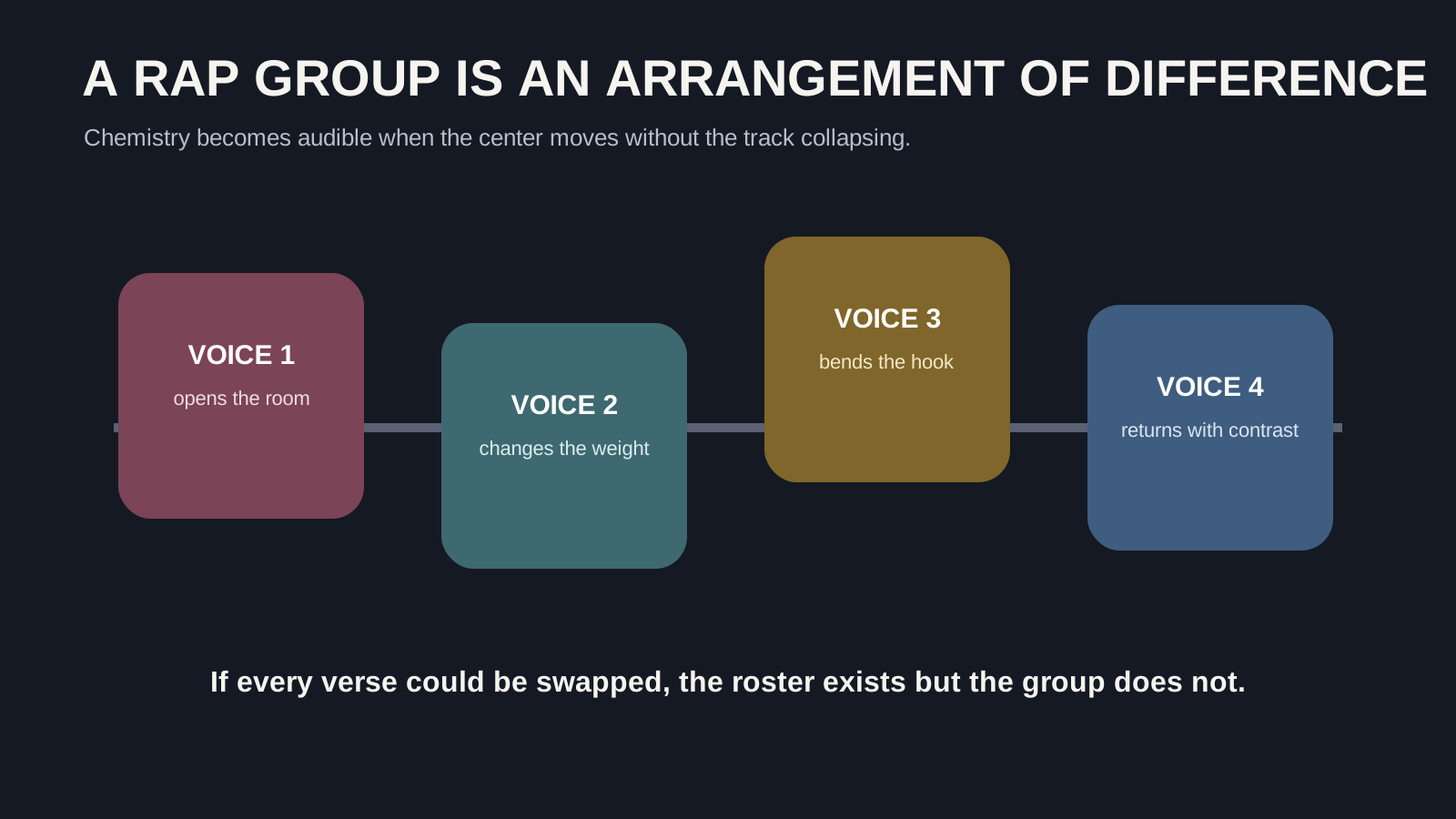
Higher Brothers became an obvious international reference because the group made contrast productive. Masiwei's spring-loaded delivery, KnowKnow's comic persona, Psy.P's grounded low register and Melo's sharper attack gave a listener several ways into the same track. Made in China mattered not because it summarized China, but because the record was specific enough to travel without first becoming generic.
That distinction should guide how overseas listeners approach crossover. International reach does not automatically make an artist more representative, and local success does not make the work culturally sealed. Translation, platform access, label infrastructure, touring and memorable video language all affect who becomes visible abroad.
The group guide examines Higher Brothers as an arrangement of four voices, not a success story with four names attached.
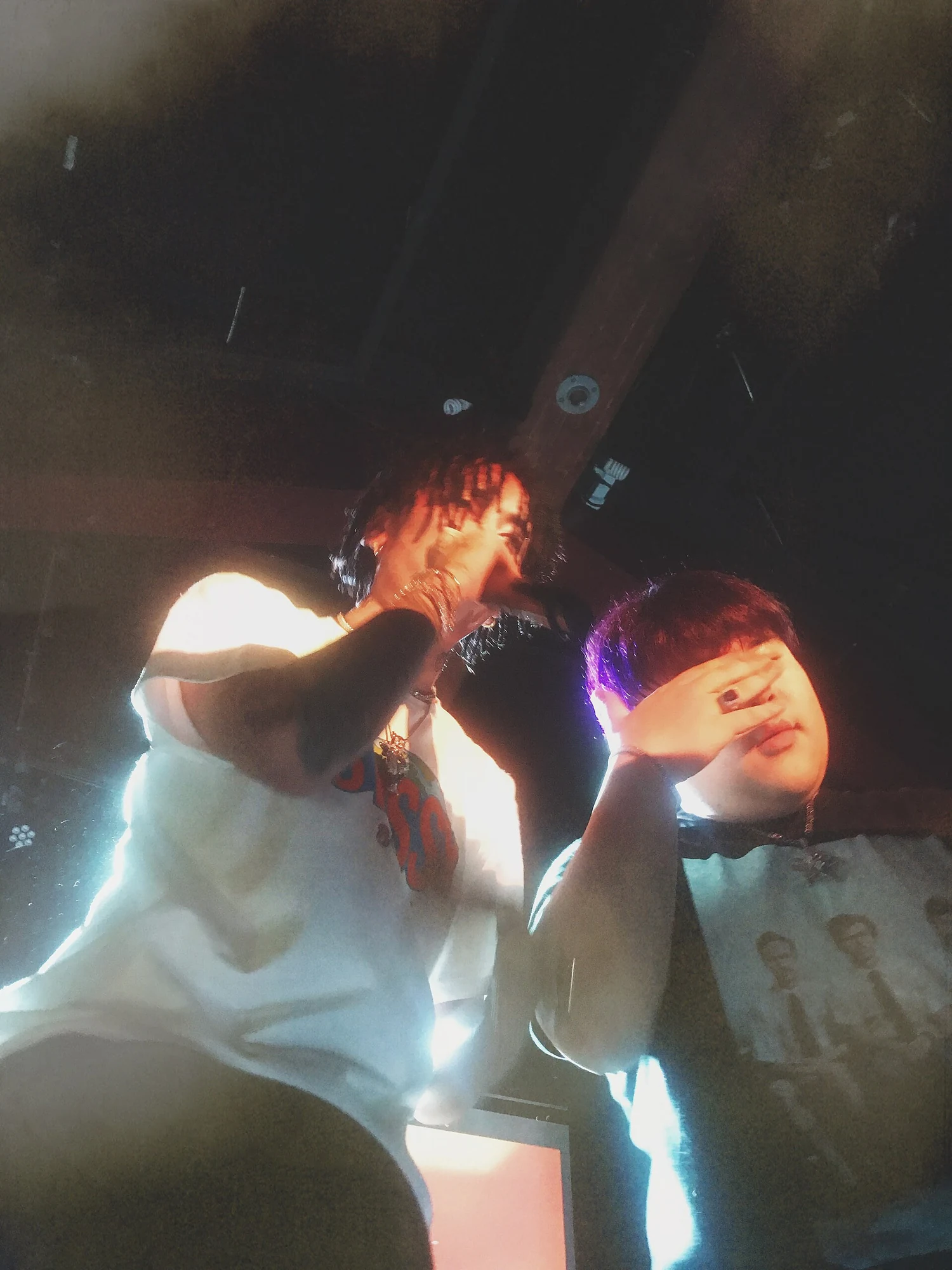
This is what “international route” looks like before it becomes an industry paragraph: two bodies sharing a small stage, one voice in the foreground, another presence turning the frame into a group event. The picture is imperfect—hard backlight, deep shadows, no polished press-wall control—and therefore more revealing than a lineup graphic. A crew is understood through handoff, proximity and the confidence to let another member occupy the center.
The image proves that Higher Brothers were performing together in 2018 and shows one close-range audience view. It cannot establish the full lineup in that moment, audience size, tour economics or the group's present activity.
Women are not a side chapter
VaVa brings a commanding lower register, fashion intelligence and the ability to move between hard rap and polished crossover without pretending those modes are identical. Vinida Weng uses Fuzhou texture and club production to make local speech move through a global dance vocabulary. NINEONE writes pop-rap like unfinished messages: intimacy stays unresolved instead of becoming a clean slogan.
Lexie Liu complicates the category further. Rap is one instrument inside a futurist pop language that also uses electronic production, bilingual writing and conceptual visual worlds. Calling these artists "female rappers" is factually understandable but editorially insufficient. Gender affects the expectations placed on them; it does not explain the music for us.
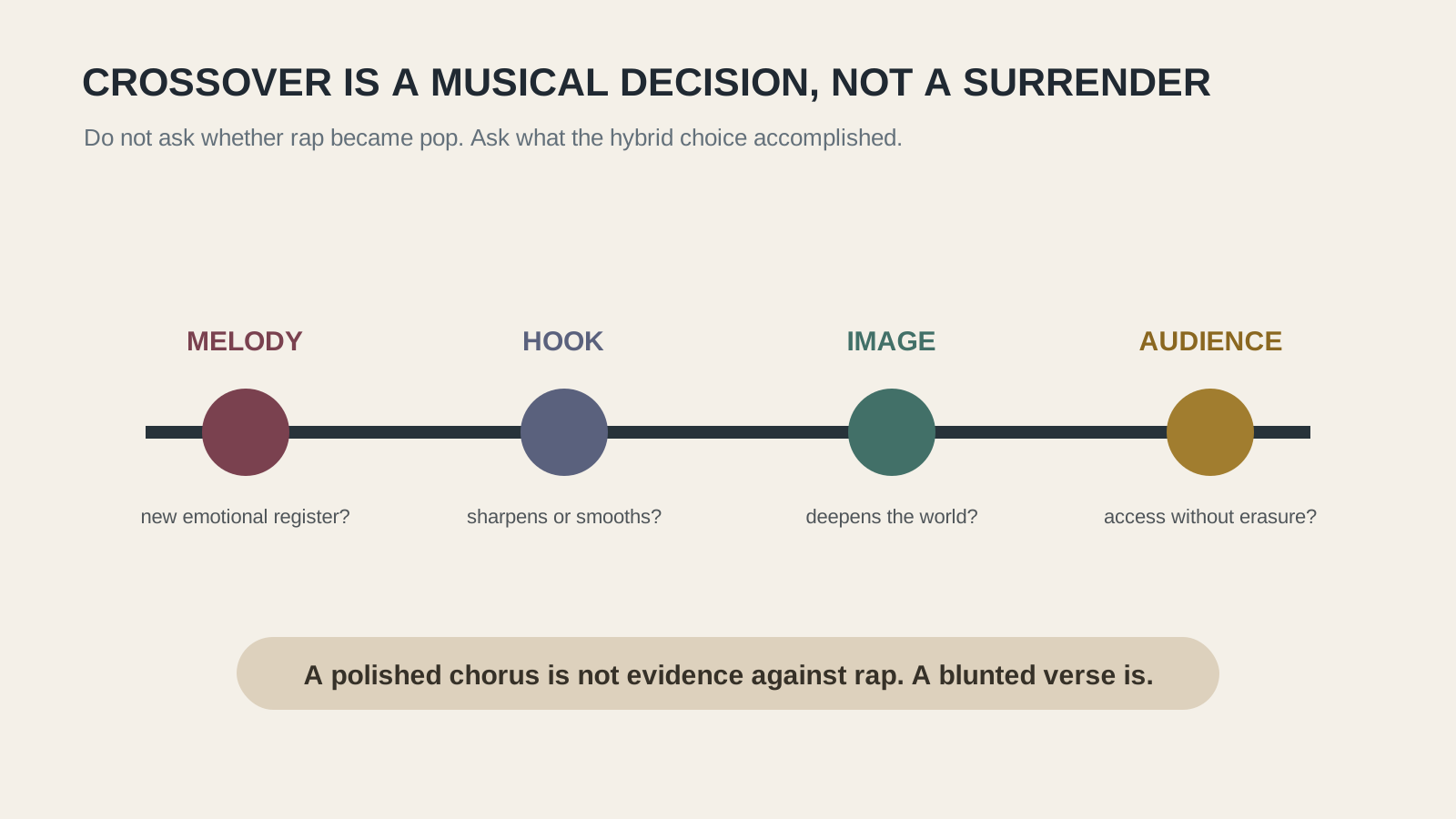
In VaVa's official Warner Music China video, rap delivery, choreography, costume and camera movement operate as one performance system. Crossover is an authored decision; it is not automatic proof that the verse became secondary.
The writers reward repeat listening
Jony J often sounds clear on first contact, but clarity is not simplicity. He organizes arguments, recurring images and emotional pressure so that a song feels spoken directly without becoming casual. KEY.L Liu Cong uses fewer visible gestures; memory and adulthood arrive through small objects and measured pacing. Wang Yitai understands melodic structure without treating the sung section as decoration.
If you arrive from lyric-focused rap, begin here. Then read the translations as scaffolding rather than replacements. Meaning sits in stress, accent, rhyme choice and what a line refuses to explain.
The shape-shifters show where rap is going
Capper treats sound, cover design, styling and internet-era references as one system. Tizzy T makes momentum feel effortless, but beatbox roots and live discipline sit under that ease. AIR places melody inside a performer many people first understood through battle and competition. ICE uses the long catalog to challenge the idea that a television season is the final explanation of an artist.
The question is not whether these artists are "real rap" or pop. The more useful question is what each hybrid choice accomplishes. Does melody reveal another emotional register? Does visual world-building deepen the album? Does a polished hook sharpen the verse or merely smooth it away? Good criticism keeps those questions open.
What overseas listeners often miss
Accent is musical information
Subtitles can explain a reference but cannot reproduce how a regional vowel lands against the snare. Listen once without reading. Notice weight, speed and where the rapper stretches a syllable. Then return with translation.
Television is an amplifier, not an origin story
The Rap of China and later competitions changed audience scale. Many artists arrived with years of crew history, local performances and independent work already behind them. The strongest profile therefore asks what television revealed, what it simplified and what the artist did afterward.
A crew is a creative system
CDC, Higher Brothers, C-BLOCK and GO$H are related kinds of entities, but they are not interchangeable. A local scene can contain several groups. A group can develop inside a scene. A collaboration does not automatically create a label or permanent membership. Precise language prevents the relationship map from becoming fan fiction.
Popularity has more than one measurement
Streaming, television recognition, festival presence, critical influence and international visibility produce different answers to "Who is biggest?" We avoid pretending that one platform ranking settles the question.
A seven-track first listening route
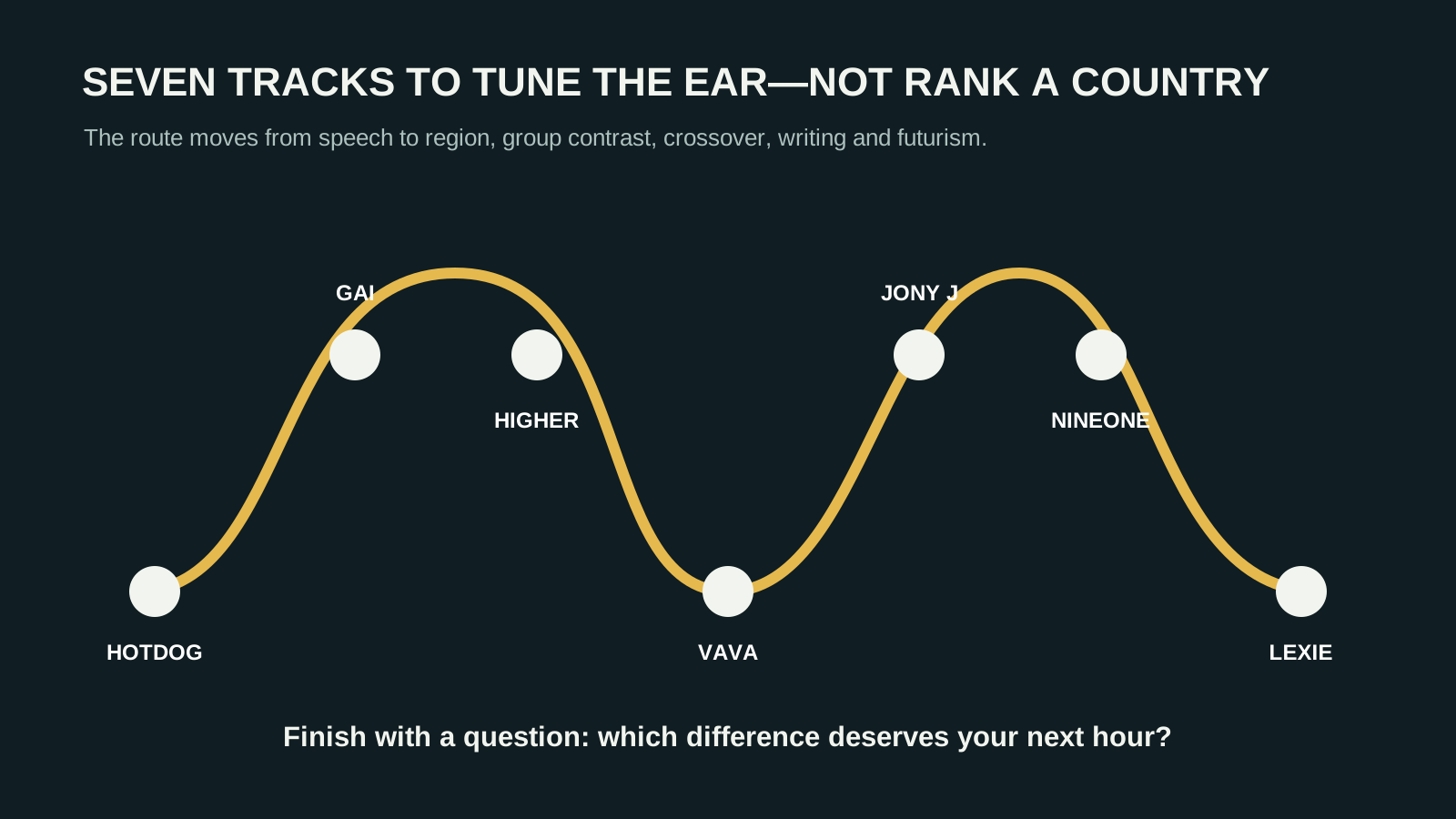
- Start with MC HotDog's Mr. Almost for colloquial Mandarin and social observation.
- Move to GAI's Chaotianmen for regional scale and a voice that changes the room.
- Play Higher Brothers' Made in China to hear four voices become one exportable arrangement.
- Use VaVa's My New Swag to hear Chinese specificity move through a crossover record.
- Slow down with Jony J's My City or KEY.L's Hey KONG for writerly structure.
- Enter NINEONE through But U for the intimate pop-rap route.
- Finish with Lexie Liu's Manta and ask where rap ends - if that border still matters.
Seven tracks cannot summarize a country. Good. Their job is smaller and more useful: tune your ear, reveal a few differences and help you choose which city, crew or catalog deserves the next hour.
The honest limitation of a “best Chinese rappers” guide
A list of "best Chinese rappers" can be useful, but it always distorts the scene. Rankings reward whoever already crossed a language, platform or distribution barrier. They undercount producers, local performers, independent catalogs and artists whose strongest work is difficult to subtitle or unavailable on global services. This guide also reflects East Moment's present coverage: it is a set of researched doors, not a claim that twenty names exhaust Chinese hip-hop.
The listener questions are revealing. People repeatedly ask for an entry song, a strong rhythm, a style-specific recommendation or a personal top ten. Those are four different requests disguised as one search. This page answers the first three and refuses to manufacture the fourth. A useful guide must help a new listener choose a route; a definitive national ranking only turns incompatible criteria into false precision.
Our test is therefore different: does the page help you hear a decision? The decision may be a vocal texture, a local phrase, a narrative structure, a group arrangement or the refusal to resolve an emotion. A famous artist can fail that test on a weak record; a less visible artist can pass it immediately.
That is also why these profiles include criticism. Some catalogs are uneven. Some artists are more convincing live than across full albums. Some crossover choices expand the music; others make the edges less interesting. Respecting an artist does not require turning every release into a landmark.
Continue into the Chinese musicians directory for the wider music collection, or choose one artist above and follow the internal links into their city, crew and closest musical relationships.
Do not leave this page asking who the single “best Chinese rapper” is. Leave knowing which vocal decision, city scene or writing style you want to hear next. That is a smaller answer than a ranking and a far better beginning.