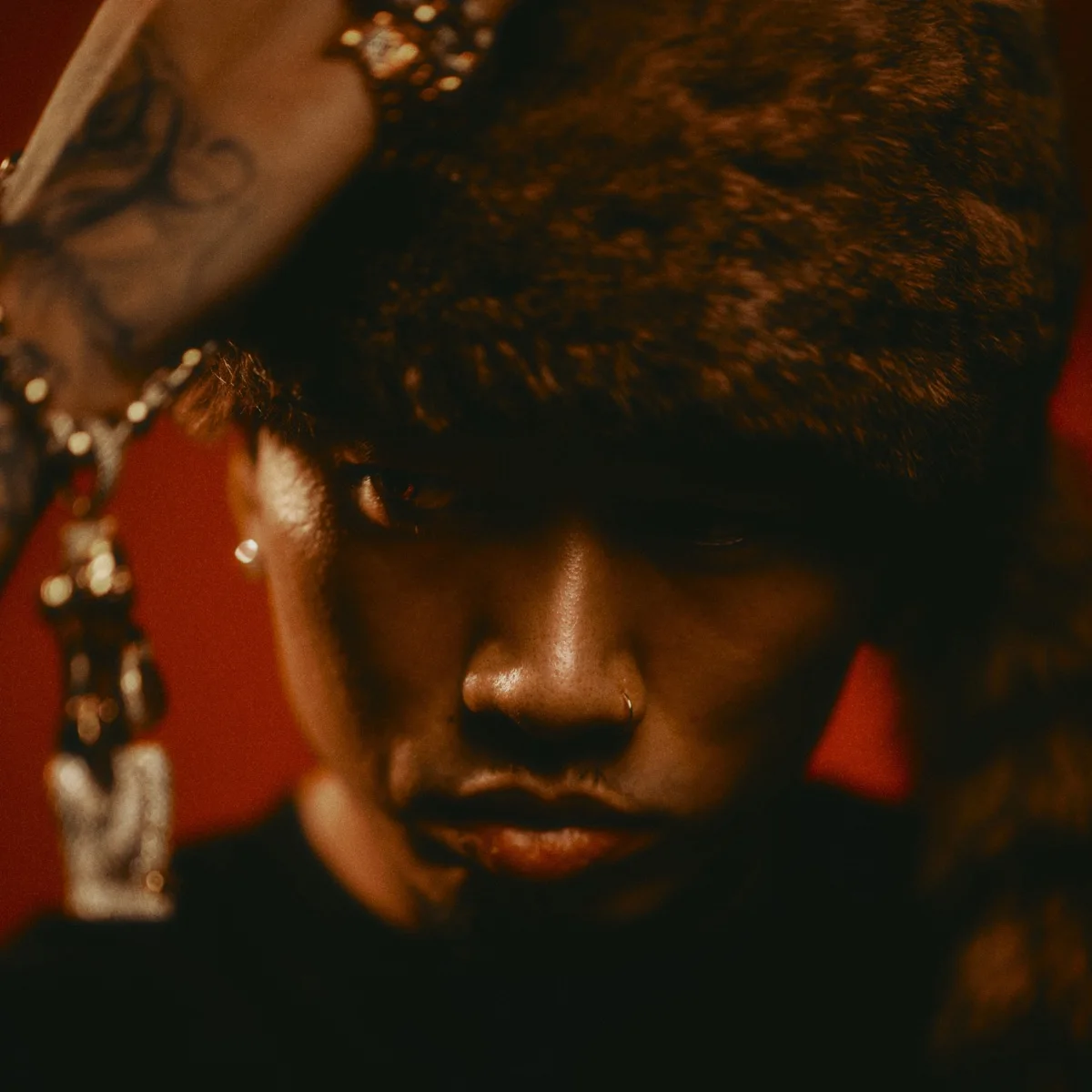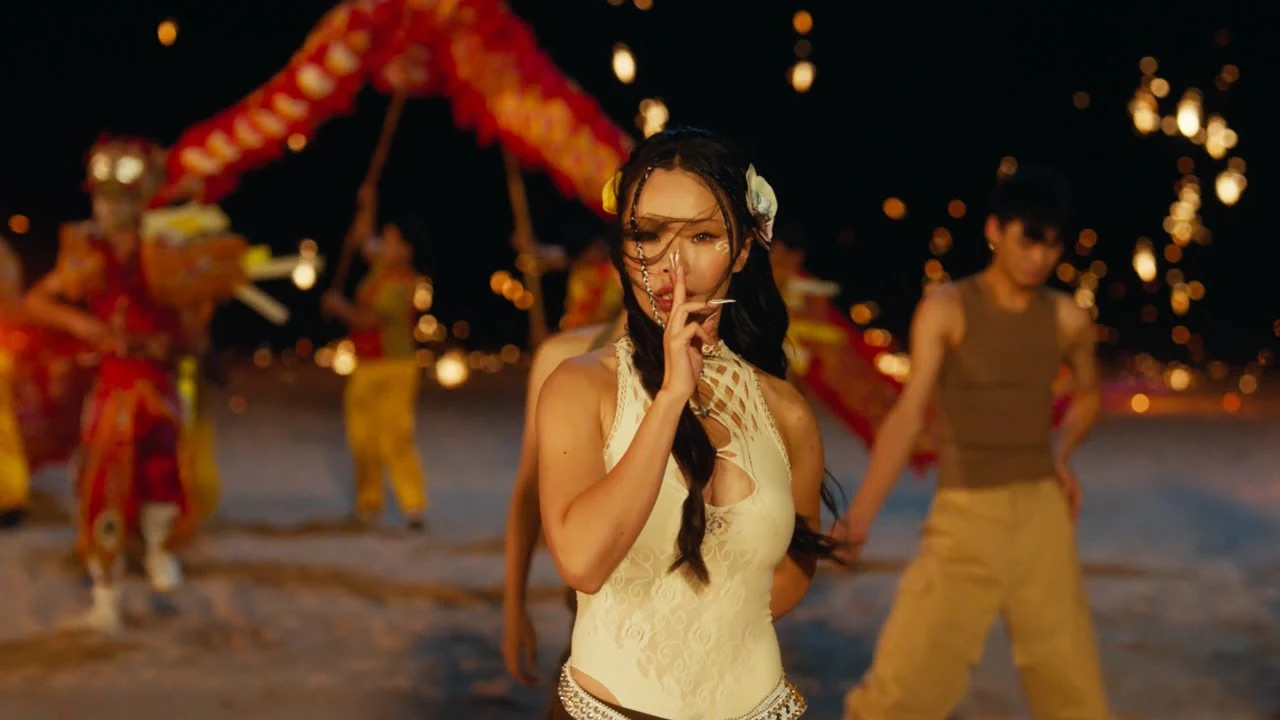
Vinida Weng does not sound as if she is asking the beat for permission. Her low, steady delivery enters with authority, then the production begins moving around it. I hear the lower register as the anchor: trap, R&B, Amapiano and Fuzhou phrasing can travel because that center never disappears.
The distinctive value is not that she combines “Chinese and Western” music. That phrase explains almost nothing. Vinida is more specific. She connects hometown language, Black global dance forms, controlled rap technique and a visual world that understands glamour can look dangerous without becoming empty pose.
Her official Apple Music catalog gives the release chronology. It cannot tell you why the voice holds these changing productions together; that requires listening across the records.
Vinida Weng in 60 seconds
| What you want to know | The short answer |
|---|---|
| Chinese artist name | 万妮达 |
| Home city | Fuzhou, Fujian |
| What hits first | A low, composed delivery that makes the beat feel like her territory |
| Key musical range | Hip-hop, R&B, trap, Amapiano and club-oriented production |
| Start with | WAIYA, Run This, Dumo, Paradise Bird and Kill The Fear |
| Albums to know | Vinida Weng, SOLO, ONE LIFE ONLY and 7th Seed |
| Essential context | WAIYA uses Fuzhou dialect over Amapiano production |
| Current release | Paiwei Back Alley, released in April 2026 |
The easiest mistake is to discuss her as a symbolic “female rapper.” The music offers a better question: how does one voice make several global production languages sound locally owned?
Authority begins in the lower register
Vinida's voice is not powerful because it is always loud. It is powerful because it stays centered. She often uses a lower register, firm consonants and deliberate spacing that make the listener lean toward her rather than waiting for a shout.
That control changes the function of a beat. Busy percussion can move underneath her without pushing her into hurry. A wide R&B arrangement can leave silence without making her disappear. When she sings, the melody usually extends the same composed persona rather than introducing a softer replacement.
The visual identity follows that sound: sharp silhouettes, controlled gaze, ritual, fashion and environments that feel deliberately staged. The image is not proof of authority by itself. It works because the vocal already established it.

Vinida's official Apple Music artwork uses an illustrated face and Fuzhou streetscape, turning place and persona into one graphic surface.
Five songs that unlock Vinida Weng
1. WAIYA: Fuzhou is speaking in present tense
WAIYA is performed in Fuzhou dialect over Amapiano production by longtime collaborator Harikiri. RADII documented how the song connected with Fuzhounese listeners in New York, where a large Fujianese diaspora recognized speech and gestures from home inside a contemporary club record.
The key is that dialect is not used as an antique. Vinida does not pause the music to explain Fuzhou. She lets the language move at full speed, assuming it can carry rhythm, humor, attitude and community recognition like any globally dominant pop language.
That choice gives overseas listeners two ways into the song. You can feel the log-drum movement without understanding the words, and you can learn why the words caused a much deeper reaction among Fuzhounese audiences.
2. Run This: confidence meets a global producer
Run This, produced by DJ Mustard, belongs to an earlier Vinida chapter. The beat's spacious snap gives her delivery room to establish command without crowding every bar.
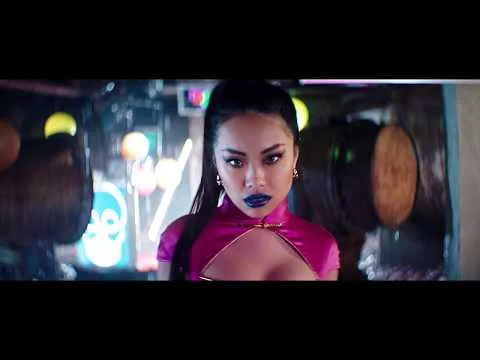
Watch the official Run This music video. The production credit attracts attention, but the real test is whether Vinida remains the center of the record. She does.
This track is useful because it reverses a lazy international narrative. A Chinese rapper working with a famous American producer is not automatically being validated by the producer. The collaboration succeeds only when her voice keeps ownership of the song.
3. Dumo: club rhythm becomes elastic
Dumo pushes Vinida deeper into rhythm-first writing. The vocal phrases are short enough to interact with percussion, and the repetition becomes physical rather than redundant.
Hear it beside WAIYA. Both tracks understand that a club record is not a verse placed on dance production. The voice has to become part of the dance architecture. Vinida knows when to leave air around the low end and when to use a phrase like another drum.
4. Paradise Bird: control becomes cinematic
Paradise Bird shows another side of her scale. Instead of relying only on club propulsion, it creates a larger, more cinematic emotional frame. Vinida's restraint becomes especially valuable here. She does not need to overperform the atmosphere.
The track opens the path toward the conceptual seriousness of later projects. Glamour, danger and self-possession begin to feel like parts of a world, not disconnected styling choices.
5. Kill The Fear: the 7th Seed world reaches its climax
Kill The Fear is presented as Act III in the 7th Seed trilogy. The framing matters because the song is not only a standalone assertion. It completes a visual and emotional sequence.
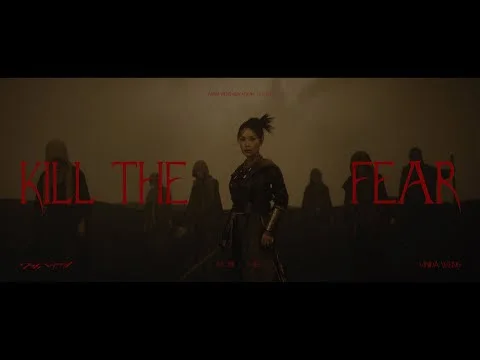
The official Kill The Fear video makes the album's ritual, confrontation and transformation visible.
Vinida sounds strongest when fear is not described as something that vanished. It is an opponent whose presence makes control meaningful.
Fuzhou dialect changes who the song can find
Fuzhou speech is not mutually intelligible with standard Mandarin. For many Chinese listeners, it is as locally specific as it is for an overseas audience. That makes WAIYA a deliberate choice about reach.
Standard Mandarin would have made the words immediately accessible to a larger national audience. Fuzhou dialect made the track more precise and unexpectedly more transnational. In New York, descendants and migrants from Fujian could hear home in a Central Park rap concert. RADII reported younger fans and older Chinese aunties responding to the same performance.
Dialect does not automatically make a lyric profound. I reject that easy applause. Fuzhou listeners can hear phrasing, accent, jokes and thin writing that outsiders may reward simply because the language sounds unfamiliar. That criticism is valuable, not disloyal: it forces the song to survive as writing, rhythm and performance rather than receiving a cultural-participation trophy. Vinida is most convincing when the dialect changes the pocket of the music and the social audience of the track at the same time.
This is not a sentimental diaspora story pasted onto a beat. The beat is what allows the connection to occur in a new setting. South African Amapiano, Fuzhou speech and New York's Fujianese community meet because contemporary popular music can carry several geographies at once.
Our Fujian cuisine guide offers another route into the province's regional and overseas networks. Language and food travel differently, but both reveal why Fujian cannot be understood only from inside its borders.
Amapiano is a relationship, not a texture pack
Amapiano emerged in South Africa through house, jazz, township dance music and related electronic practices. Its rolling low end and log-drum patterns have since traveled globally.
Using that sound responsibly requires more than adding one recognizable bass pattern. WAIYA works because Vinida adjusts her phrasing to the groove. The Fuzhou words are not sitting on top of a borrowed template. They interact with its pauses and downward pull.
It is reasonable to call the track an early or prominent Chinese-language Amapiano record, as RADII does. It is less useful to declare one permanent “first” without complete release data across every independent scene. The important fact is audible: Vinida made the form communicate with her own language and audience.
ONE LIFE ONLY opens the catalog
Vinida's self-titled 2017 album and SOLO in 2018 established the early artist. Cloud and Mud Apart (云泥之别) followed in 2021. ONE LIFE ONLY arrived in 2022 with a broader statement of self-possession and survival.

The ONE LIFE ONLY album is the most useful full-length entry for listeners who want the confident rapper, singer and visual artist in one route.
The title can sound like a standard motivational slogan. Vinida's delivery keeps it from becoming generic. In her catalog, singular life does not mean constant positivity. It means the insistence on directing the frame.
7th Seed makes the visual world consequential
7th Seed arrived in November 2024. The album's darker imagery and staged sequence make it her most complete conceptual environment.
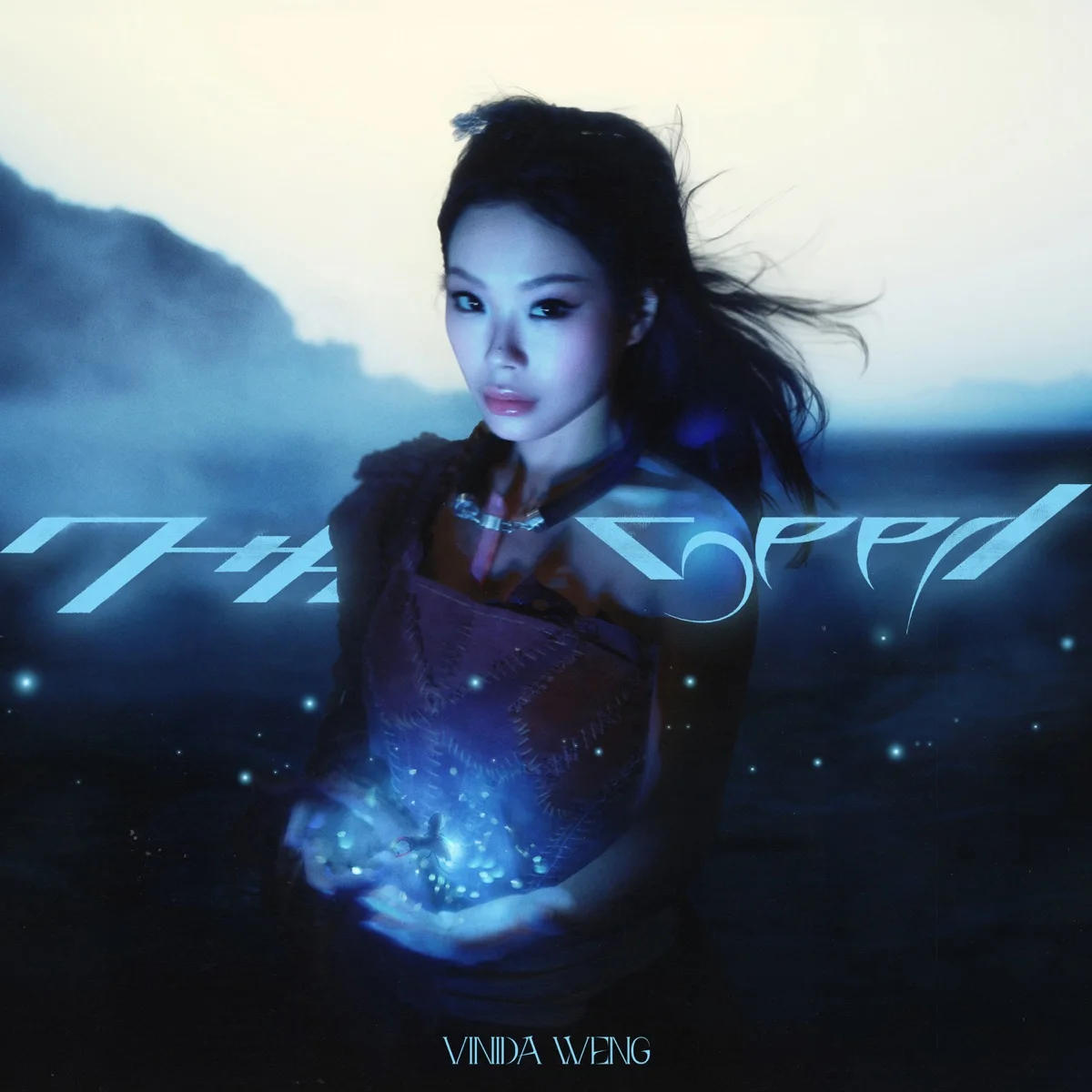
The 7th Seed cover presents rebirth as something cultivated under pressure, not a clean inspirational reset.
The Apple Music Sessions release in January 2025 then offered a useful contrast. Studio-session framing puts pressure back on voice and arrangement. It shows that the cinematic world can be reduced without the artist disappearing.
Paiwei Back Alley brings the route home again
Apple Music lists Paiwei Back Alley (排尾后巷), released in April 2026, as Vinida's latest solo single as of July 2026. The place name returns attention to Fuzhou at street scale.
That progression matters. WAIYA connected dialect to a global dance form and diaspora audience. Paiwei Back Alley narrows the lens to a local urban memory. The international artist does not have to move farther away from specificity to remain current.
The response to Vinida's official Paiwei Back Alley performance is not useful because its visible like count is large; it is useful because it joins three interests that recur across listener discussion: command of the stage, persistence across career phases and a return to Fuzhou at street scale. My reading is that locality is not a retreat from global ambition. It gives the bass, styling and international production a speaker and a route home. Without that relationship, “global” becomes a replaceable texture.
Hear the bass line and the dialect negotiate
Begin below the lyric. Follow the kick, bass and lower edge of Vinida Weng's voice. Her authority often comes from refusing to compete with bright production at the same height. When the arrangement shifts toward R&B space or Amapiano movement, listen for whether the vocal center remains stable while the floor changes.
Then isolate the Fuzhou phrases. Do not treat dialect as automatic authenticity or an exotic code. Hear syllable length, stress and how the phrase changes the drum relationship. Translation can explain meaning afterward; it cannot replace the rhythmic information that arrived first.
The visual pass matters because styling and location can connect global club language with a home route. Ask whether the image deepens a musical decision or merely supplies an impressive background. My view is that Vinida is strongest when international production does not smooth away local speech, and local speech does not become a costume worn for export.
Compare the opening thirty seconds of three tracks from different production worlds. Mark what Vinida does before the beat establishes its full identity. If the vocal center arrives first, the later genre change feels like a room built around a person. If the production supplies all the character, the collaboration has reversed that relationship.
This test matters because global vocabulary can become instantly fashionable and quickly anonymous. The records last when bass design, regional phrasing and visual authorship change one another instead of appearing as separate credentials.
When those elements only coexist, the track looks international. When they alter one another, it sounds authored.
Vinida's restraint is not distance
Vinida's authority feels earned because it survives different production environments. She can stand over a Mustard beat, enter Amapiano, sing through R&B space or carry a conceptual trilogy without sounding like a guest inside someone else's aesthetic.
The main risk is over-control. Some tracks are so polished and visually resolved that surprise has less room to enter. Global club production can also flatten local distinction when the language and writing are less specific than they are on WAIYA.
That is why the Fuzhou work matters so much. It does not make her less global. It gives the global movement a reason to belong to this artist.
Begin with the low-register center of gravity
- WAIYA for dialect, dance form and diaspora connection.
- Run This for early global production confidence.
- Dumo for rhythm-first vocal design.
- ONE LIFE ONLY for the accessible album route.
- 7th Seed with its official visual trilogy for the full conceptual artist.
Then hear Paiwei Back Alley. It brings the large career back to one local name.
Continue with VaVa for a different route through rap, fashion and television, Capper for another artist who builds music and visual world together, or Lexie Liu for bilingual pop and electronic futurism.
The Chinese language guide helps explain why dialect is a rhythmic choice rather than decorative local color. Use the wider Chinese culture collection as context until East Moment has a dedicated, verified Fuzhou page; locality should not be replaced with a generic Fujian label.
Why Vinida Weng matters
Continue through the Chinese musicians collection for the people around the scene, then use the broader Chinese music guide to compare dialect, city and production across genres. Bring a five-track route to Moments only after you can name what each track proves. Return when another release forces the sequence to change.
Vinida shows that locality and global production are not opposing choices. A Fuzhou phrase can become more internationally meaningful when it remains specific. A South African dance form can meet Chinese rap without being reduced to a trend effect. A controlled visual image can deepen the music when the voice already has authority.
Her best work does not ask where Chinese rap fits in the world. It demonstrates how one Chinese artist can make several parts of the world fit inside a song without losing her address.