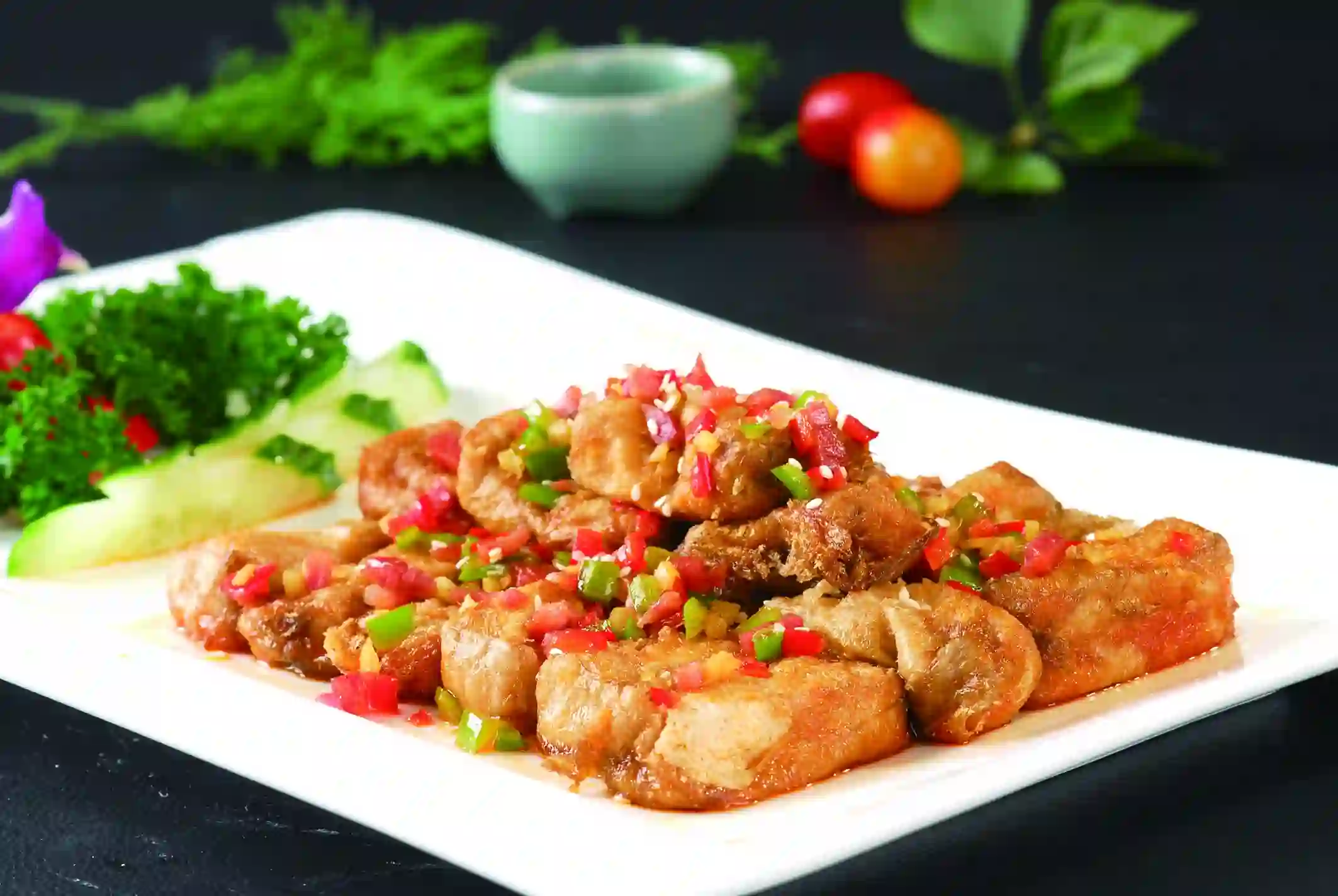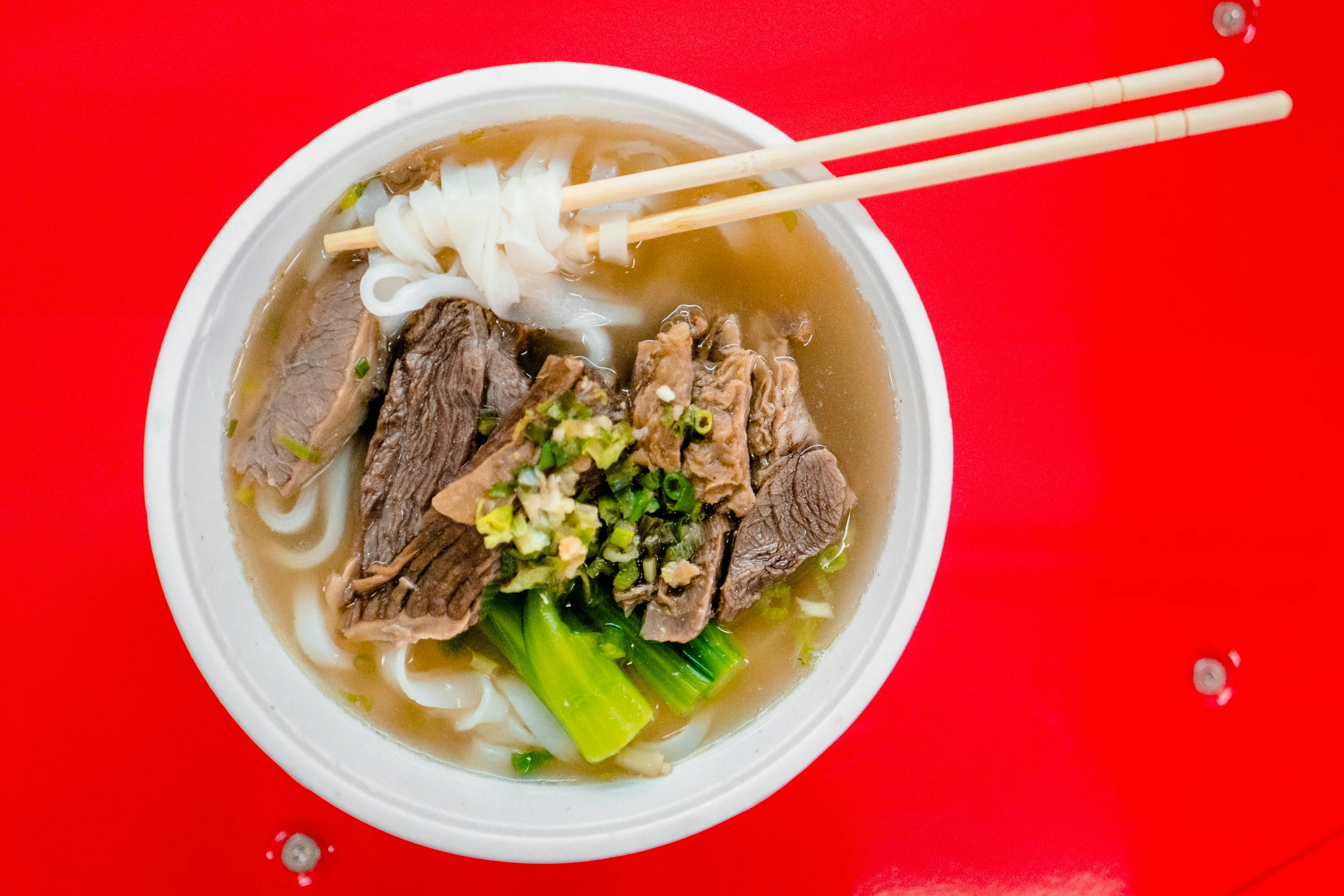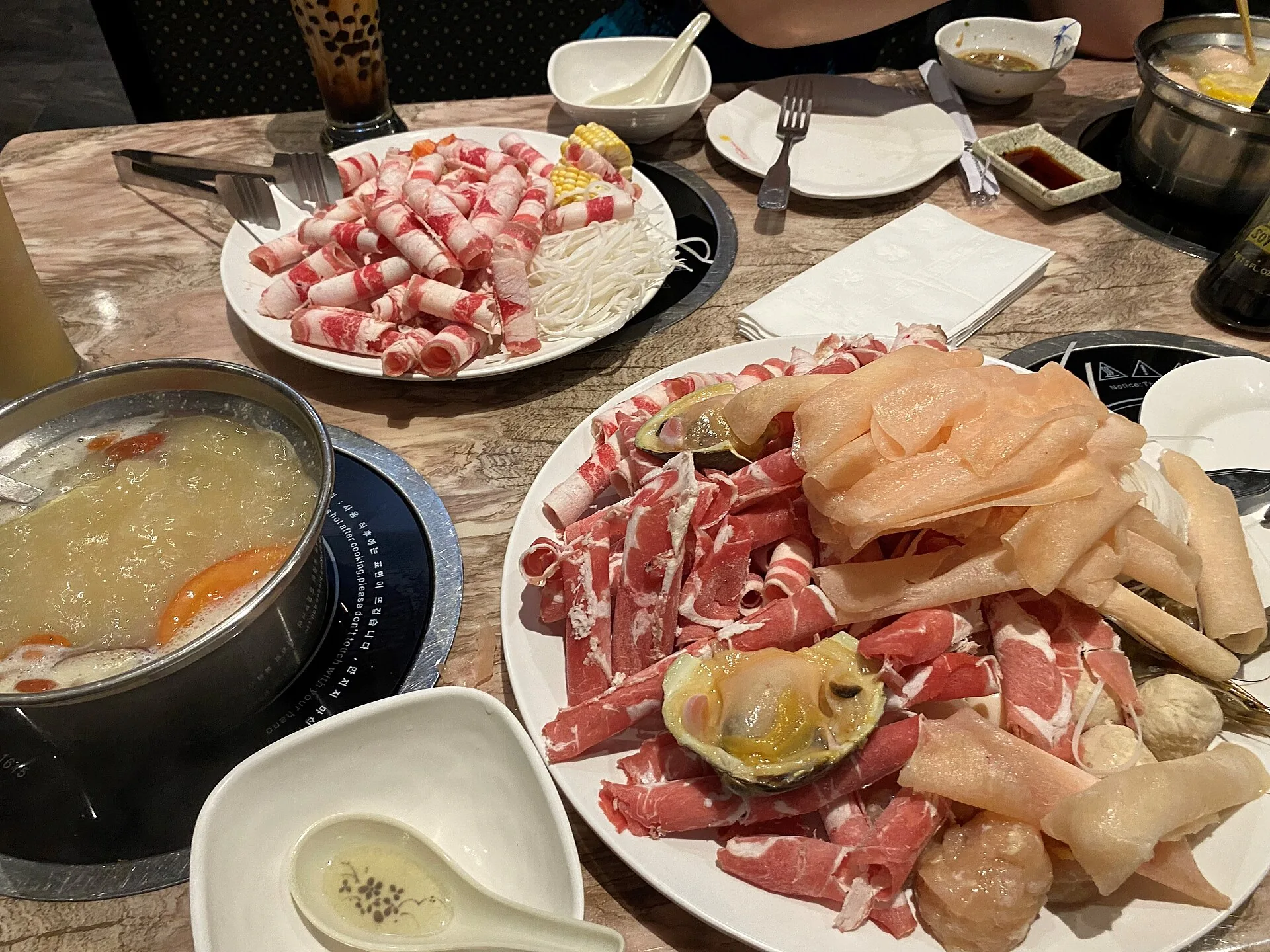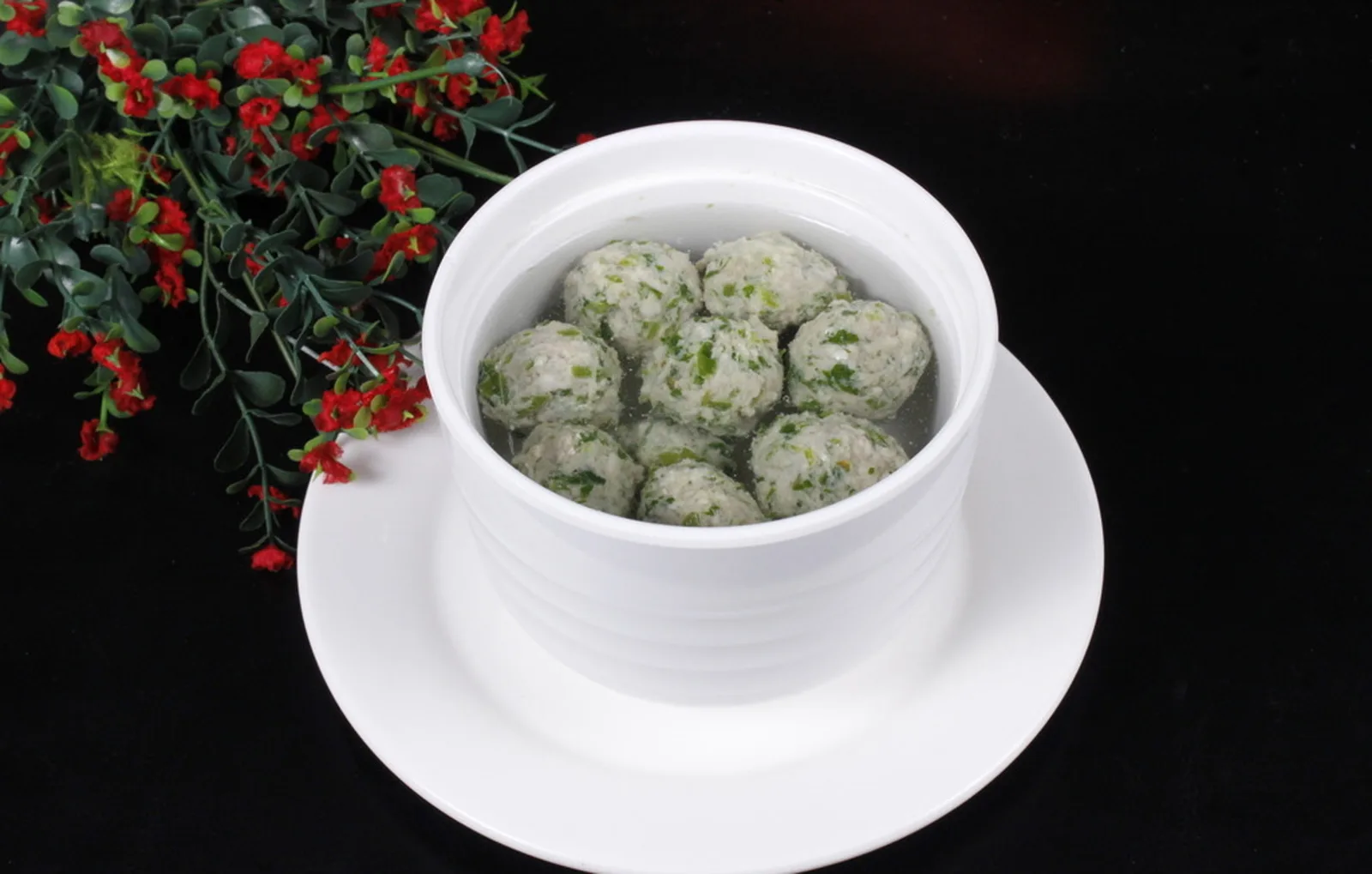
Fujian cuisine, or Min cuisine, comes from a southeastern province of mountains, rivers, ports and a long coastline. It is known for seafood, articulate soups, fermentation, red yeast rice and a talent for building depth without making every flavor heavy.
Fujian cuisine often speaks through broth
Some cuisines announce themselves with the crackle of a wok. Fujian food often arrives as steam escaping from a covered bowl. The broth may look almost modest, then unfold into seafood, dried ingredients, rice wine and a sweetness that belongs to the ingredients rather than the sugar bowl.
This does not make Fujian cuisine delicate in every case. Red yeast rice can create deep color. Sweet-sour sauces can be vivid. Banquet dishes can be luxuriant. The connecting skill is often extraction: knowing how to persuade flavor into liquid and when to stop before clarity becomes muddiness.
Clear is not the same as weak. A broth can look almost transparent while carrying dried seafood, meat, mushroom, wine and long preparation. The achievement is separation: the diner can feel depth without losing the identity of the fish ball, clam or vegetable inside it.
This is where Fujian cooking is often underestimated abroad. A red oil photographs itself. A clear soup asks the reader to imagine aroma, temperature and finish. The camera sees less, so the cuisine can appear quieter than it tastes.
When I judge whether a Fujian meal has taught me anything, I begin with the broth and fish ball, not the banquet legend. I would rather remember the clean finish of one modest bowl than repeat ten famous dish names I could not distinguish blind. The best regional guide must teach that discrimination. This matters because Fujian's quietest food is also the easiest for a photograph-first internet to underrate.
Fujian contains several regional cuisines
The English phrase Fujian cuisine hides meaningful divisions. Fuzhou cooking, southern Fujian or Minnan food, western Fujian traditions and the cooking of other cities and communities use different ingredients, dialect names and flavor balances.
The essays collected in Food in Chinese Culture offer a useful wider frame: food carries geography, social relations and historical change, not just a list of recipes. That is exactly why “Fujian cuisine” has to be opened into regional and diasporic systems before it becomes meaningful.
| Regional lens | Useful characteristics | Foods that help orient readers |
|---|---|---|
| Fuzhou | Soups, seafood, sweet-sour accents, red yeast rice | Fish balls, rouyan, lychee pork, banquet soups |
| Southern Fujian and Minnan | Seafood, peanuts, satay-like shacha flavors, maritime exchange | Oyster omelets, noodle and rice dishes, seafood snacks |
| Western Fujian | Mountain ingredients, preserved foods and Hakka connections | Stuffed tofu, braises, poultry and preserved vegetables |
| Coastal and island traditions | Fresh and dried seafood, shellfish and quick market cooking | Fish soups, oysters, squid and small seafood dishes |
Hokkien food is therefore part of the conversation, especially in southern Fujian and overseas communities, but it is not a perfect English replacement for every Fujian tradition.
Language follows migration. Hokkien derives from a pronunciation connected to Fujian and became globally familiar through southern Fujian communities overseas. On a menu in Singapore, Malaysia or the Philippines, the word may point toward a diaspora history with its own local development. Returning it to one provincial definition can erase the journey that made the name visible.
Fujian's mountains also matter as much as its coast. Inland routes, tea country, Hakka communities and preserved foods complicate the postcard of endless seafood. A provincial cuisine needs both the port and the road leading away from it.
The regional Fujian food collection is the useful next map because provincial labels hide strong local disagreements. Fuzhou often gives broth and sweet-sour balance a more visible role; Quanzhou and Xiamen pull the reader toward Minnan speech, peanuts, seafood and maritime exchange; western Fujian brings mountain produce, preservation and Hakka connections into the same province. These are not four decorative subheadings under one flavor profile. They are different food systems sharing geography, migration and ingredients while refusing to taste identical.
That is why I reject the lazy claim that Fujian food is simply “light.” A clear soup may have absorbed dried seafood, meat, rice wine and hours of work. A bright red-yeast dish may be aromatic without becoming hot. A coastal plate may be deliberately quick because the cook wants the squid to remain tender, not because the cuisine lacks technique. The better question is not whether Fujian food shouts. It is how much flavor it can carry without blurring the ingredient that earned the bowl.
Fish balls and the craft hidden inside simplicity
Fuzhou fish balls are often served in a clear broth and may contain a meat filling. Their smooth, springy exterior depends on fish paste handled with enough skill to hold together without becoming rubbery.
The pale bowl can look visually quiet. That is precisely why technique has nowhere to hide. A cloudy, greasy broth or coarse fish paste cannot borrow excitement from a mountain of garnish.
The knife and the mixing bowl do hidden work. Fish must be cleaned and processed so the paste gains spring without becoming tough. A filling, when used, needs enough seasoning to remain distinct from the wrapper. The broth should support both.
Judge the fish ball by resistance. It should feel lively under the teeth, not like an eraser. Then notice whether the fish aroma remains clean after the bounce. Texture without flavor is only engineering.
Buddha Jumps Over the Wall
Buddha Jumps Over the Wall is Fujian cuisine's most theatrical name. The banquet dish is commonly associated with layers of dried seafood, meats, poultry, mushrooms and wine cooked slowly in a covered vessel. Recipes and luxury ingredients vary.
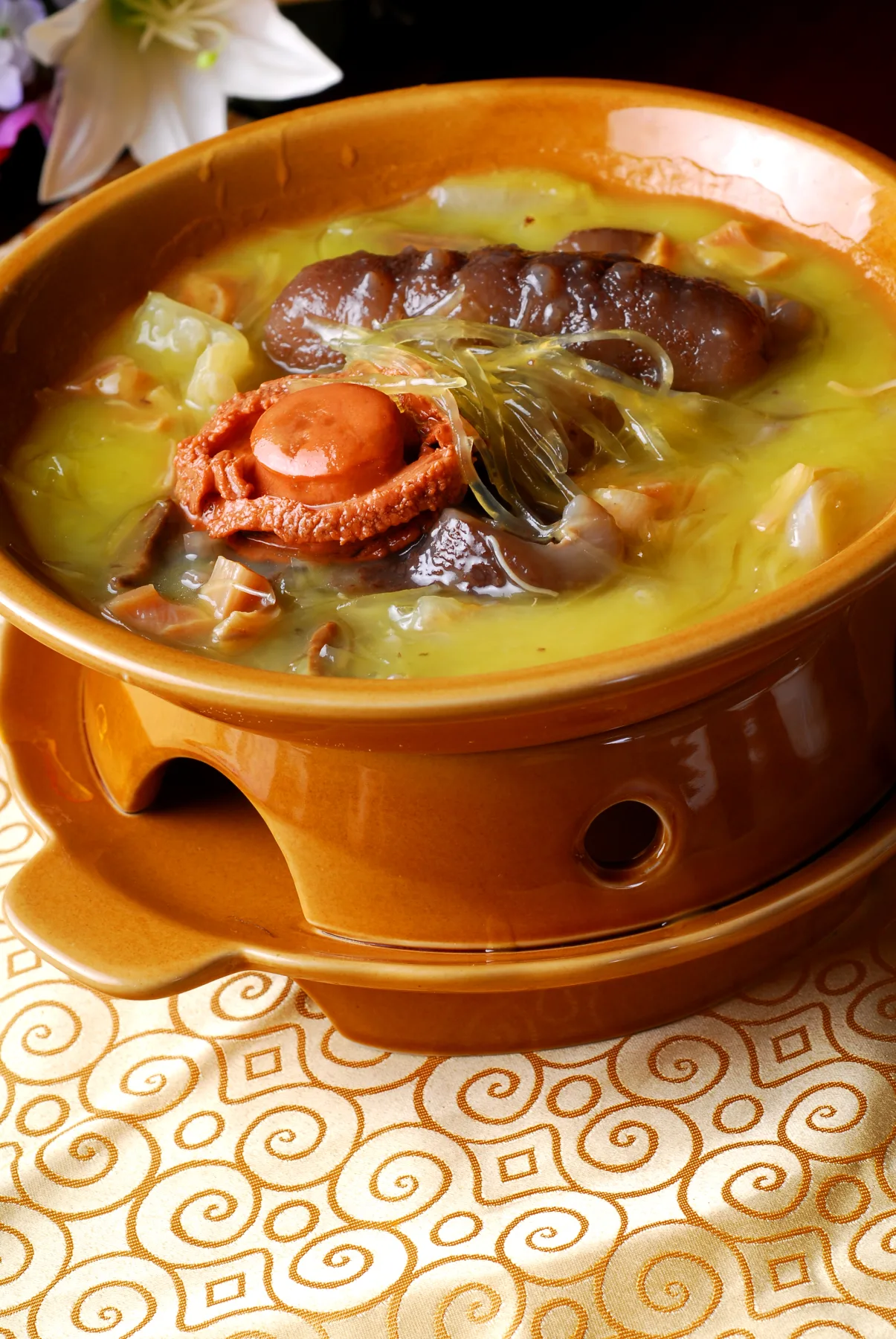
The legend says its aroma tempted a monk to abandon vegetarian discipline and leap over a wall. It is a charming story, not evidence for one exact inventor. More importantly, the dish is not representative of an ordinary Fujian lunch. It belongs to banquet craft, expense and the desire to make many concentrated ingredients taste like one broth.
Red yeast rice and the color of fermentation
Red yeast rice, or hongqu, gives some Fujian dishes a distinctive red color and fermented aroma. It may appear in sauces, braises and wine-related preparations. The ingredient is culinary, but concentrated supplements and medical claims belong to another discussion; a food guide should not turn a traditional seasoning into treatment advice.
In the kitchen, its value is sensory. It carries color, sweetness and fermentation without behaving exactly like soy sauce or chili.
Fermentation gives Fujian food a second voice beneath freshness. Rice wine, red yeast rice, preserved seafood and other local preparations can deepen a dish without forcing it into heaviness. The balance is especially effective with pork and poultry, where color and aroma reach the meat while a soup or vegetable keeps the table open.
Lychee pork is named for appearance, not fruit
Fuzhou-style lychee pork commonly shapes scored pieces of pork so they curl during frying and resemble the rough form of lychee fruit. A glossy sweet-sour sauce completes the visual association. Actual lychee is not necessarily part of the traditional dish.
Translation can mislead here. The name describes resemblance and imagination, reminding us that Chinese dish names often carry visual metaphor rather than a complete ingredient list.
The dish also shows that sweet-sour flavor does not belong exclusively to overseas Chinese takeout. Chinese regional cuisines use sugar and vinegar in different proportions, textures and contexts. The useful comparison is not whether sweetness is authentic, but how it is controlled and what it is asked to do.
Seafood, noodles and everyday Fujian food
Everyday Fujian food is much broader than banquet soup. Oyster omelets, fish balls, meat-filled rouyan, noodle soups, rice dishes and quick seafood preparations belong to streets and neighborhood shops. Explore Chinese street food and Chinese noodles to place these foods within wider traditions.
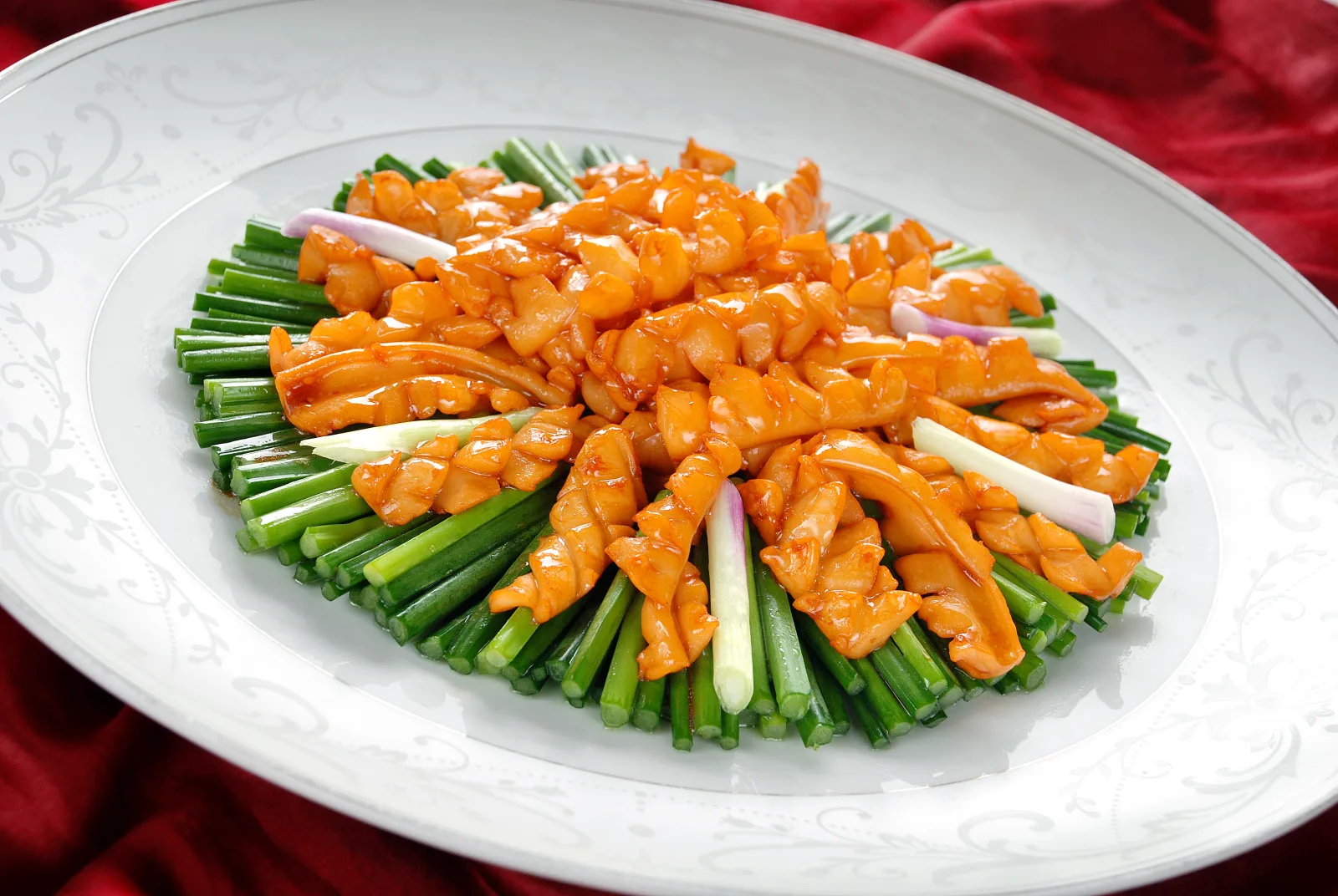
Scoring helps squid curl and take sauce while short cooking protects its tenderness. The neat bed of chives is restaurant styling, but the underlying lesson is everyday and coastal: fresh seafood often needs timing more than complication.
The most useful way to read a Fujian seafood menu is by ingredient and technique before fame. Ask what arrived fresh, whether it will be steamed, simmered or quickly stir-fried, and how strongly the sauce is meant to speak. A humble squid dish can reveal more regional judgment than an expensive bowl assembled only for spectacle.
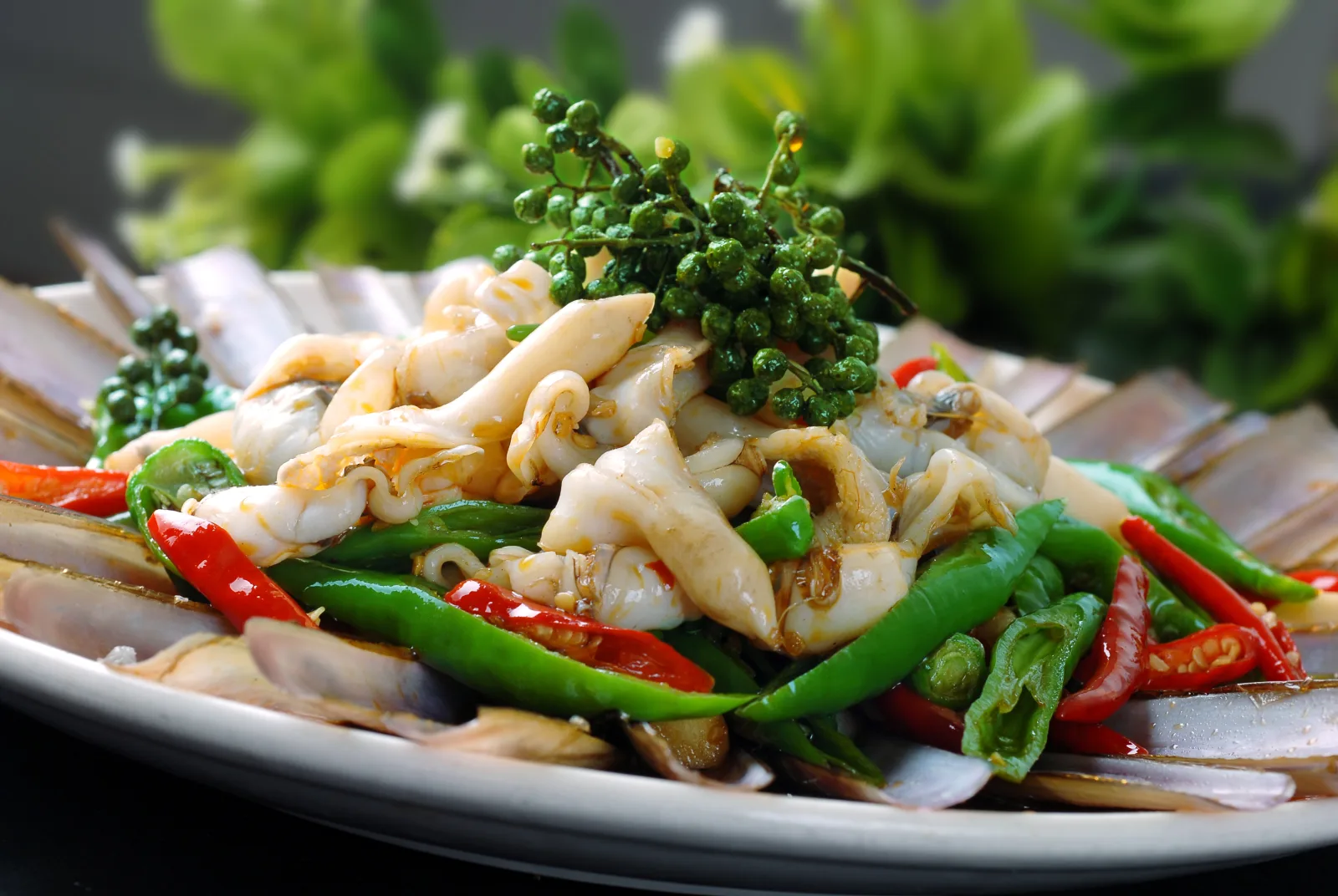
This mixed seafood plate is not presented as one canonical Fujian dish. It illustrates the abundance and quick-cooking logic of a coastal restaurant table, while the visible chilies remind us that Fujian food is not uniformly pale or mild.
Fujian migration also carried food knowledge to Taiwan and Southeast Asia. Overseas Hokkien, Teochew and related Chinese communities developed dishes shaped by new ingredients and local histories. Similar names across ports do not guarantee identical recipes.
Ports turned recipes into conversations
Fujian's maritime connections helped cooks, ingredients and names move through Taiwan and Southeast Asia. Oyster omelets, noodle traditions, fish preparations, peanut flavors and soups entered new climates and met local communities. The resulting foods are not provincial copies waiting to return home. They are diaspora cuisines with their own authority.
The Fujian provincial culture and travel portal is a practical institutional doorway into the province's coastal cities and cultural geography. The page's food argument goes further: ports matter because recipes moved with working people, family networks and changing markets, not because “maritime” is a beautiful adjective.
The Quanzhou culture guide makes this relationship visible at city scale. Read it after the meal and seafood, language, religion and overseas family ties begin to occupy the same map rather than four separate tourism categories.
Shacha sauce demonstrates this layered movement particularly well. Versions associated with southern Fujian and Chaoshan can bring dried seafood, aromatics, oil and spice into a savory paste, while related satay words and preparations across Southeast Asia follow different histories. Similar sound does not mean identical jar.
For a young traveler, this port logic makes Fujian food an excellent way to understand Chinese culture beyond national borders. One bowl can connect Xiamen, Quanzhou, Kinmen, Taiwan and Southeast Asian Chinese communities without pretending those places share one political or culinary identity.
The everyday bowl deserves priority
Buddha Jumps Over the Wall is useful for understanding banquet concentration. It is a poor first and only meal. Begin instead with fish balls or rouyan, a noodle or rice dish, one seasonal seafood preparation and a soup whose broth is clear enough to inspect.
Rouyan is especially revealing. Its wrapper traditionally uses pork in a way that distinguishes it from an ordinary flour wonton skin. The final bowl may look simple, but the material logic is unusual and regionally meaningful.
At a seafood restaurant, ask what is local and in season before asking for the most expensive item. Steaming can reveal freshness; quick stir-frying can reveal knife work; soup can reveal whether the kitchen builds flavor patiently. Price is not the same as regional clarity.
Fujian and Hunan cuisine compared
| Question | Fujian cuisine | Hunan cuisine |
|---|---|---|
| Strong public association | Seafood, soup and fermentation | Chili, smoke, sourness and preserved foods |
| Common cooking strengths | Broth building, cutting, steaming and quick seafood cooking | Steaming, stir-frying, smoking and preservation |
| Landscape signal | Coast, ports, mountains and maritime exchange | Rivers, lakes, rice fields and inland mountains |
| Frequent misunderstanding | Every dish is pale and gentle | Every dish is only hot |
Both provinces contain many local systems, and both deserve more than a single flavor adjective.
How to order a revealing Fujian meal
Begin with one clear soup, one seafood dish, one fermented or red-yeast preparation and a simple vegetable or noodle. Ordering only Buddha Jumps Over the Wall is like visiting a city through its most expensive hotel lobby.
Ask whether the restaurant follows Fuzhou, Minnan, western Fujian or a diaspora tradition. The answer helps explain sweetness, soup style, names and ingredients before the first bowl arrives.
Taste in layers. Begin with broth before adding condiments. Notice whether sweetness comes from ingredients or added sugar, whether fermented aroma stays clean and whether seafood remains identifiable beneath sauce. Fujian food often rewards the diner who waits five seconds before reaching for chili.
The best order has movement: clear to rich, fresh to fermented, sea to mountain, soft to crisp. Regional depth becomes visible when dishes disagree politely across the table.
Frequently asked questions about Fujian cuisine
What is Fujian cuisine?
Fujian cuisine, also called Min cuisine, is a diverse group of food traditions from Fujian province. It is known for seafood, carefully built soups and broths, red yeast rice, fermentation, cutting skill and sweet-sour or aromatic accents.
What are famous Fujian dishes?
Famous examples include Buddha Jumps Over the Wall, Fuzhou fish balls, rouyan meat-skin dumplings, lychee pork, oyster omelets, red-yeast dishes and many regional seafood soups.
Is Fujian cuisine the same as Hokkien food?
Hokkien is an important term connected especially with southern Fujian language and diaspora traditions, but Fujian cuisine also includes Fuzhou, western Fujian, northern Fujian and other regional systems. The terms overlap without being identical.
Why are soups important in Fujian cuisine?
Fujian cooks are celebrated for building clear and complex broths from seafood, meat and dried ingredients. Soup can carry aroma, preserve the character of delicate ingredients and organize an entire banquet.
Is Buddha Jumps Over the Wall an everyday dish?
No. It is an elaborate banquet dish associated with costly dried seafood, meats and long preparation. Everyday Fujian food is better represented by noodles, fish balls, rice dishes, soups and seasonal seafood.
Flavor that travels by water
Fujian food understands that a broth can carry a landscape. Rivers, sea routes and migration run through the cuisine, but clarity is never the same as simplicity.
Continue through Chinese food, compare the inland intensity of Hunan cuisine or return to traditional Chinese food for the larger question of continuity and change.