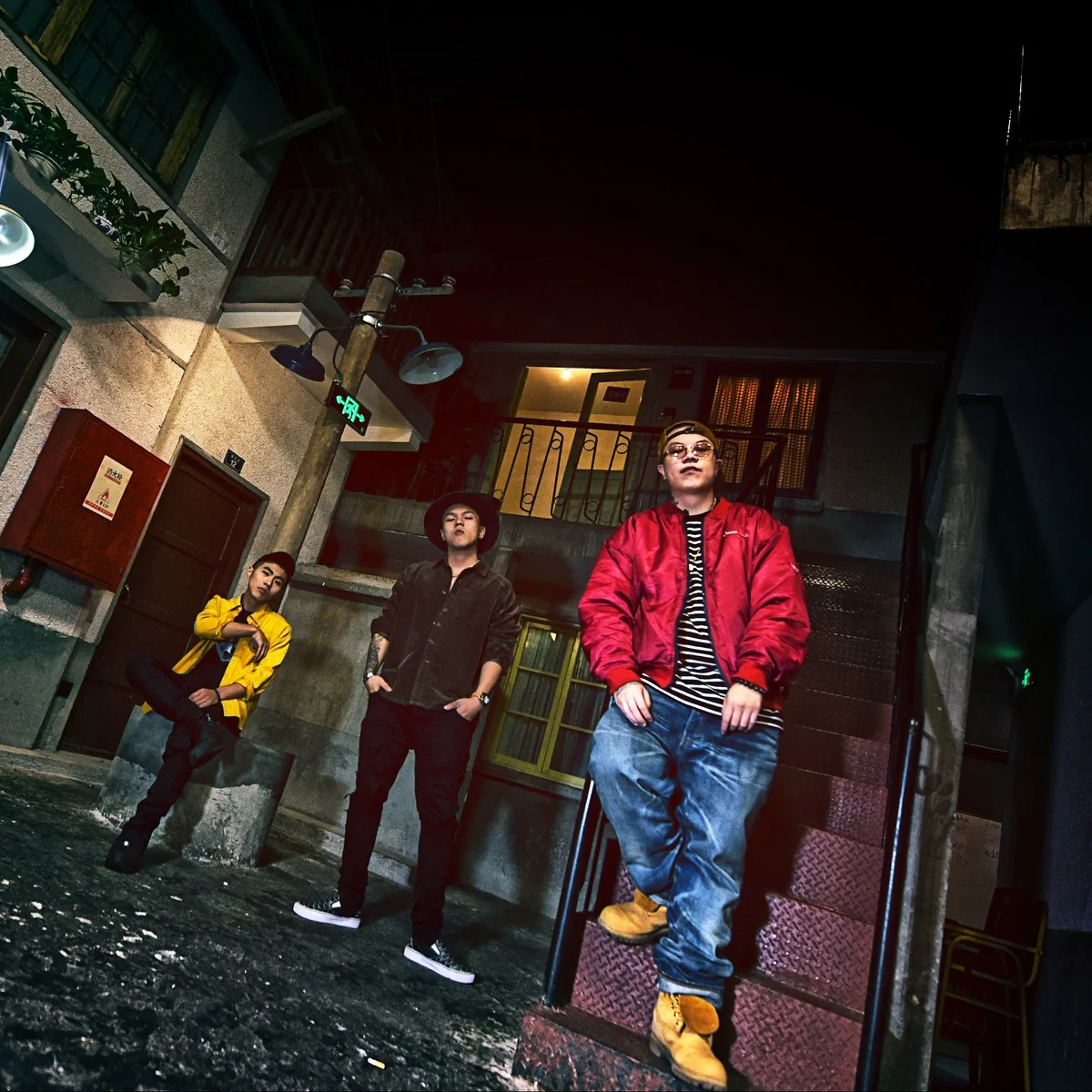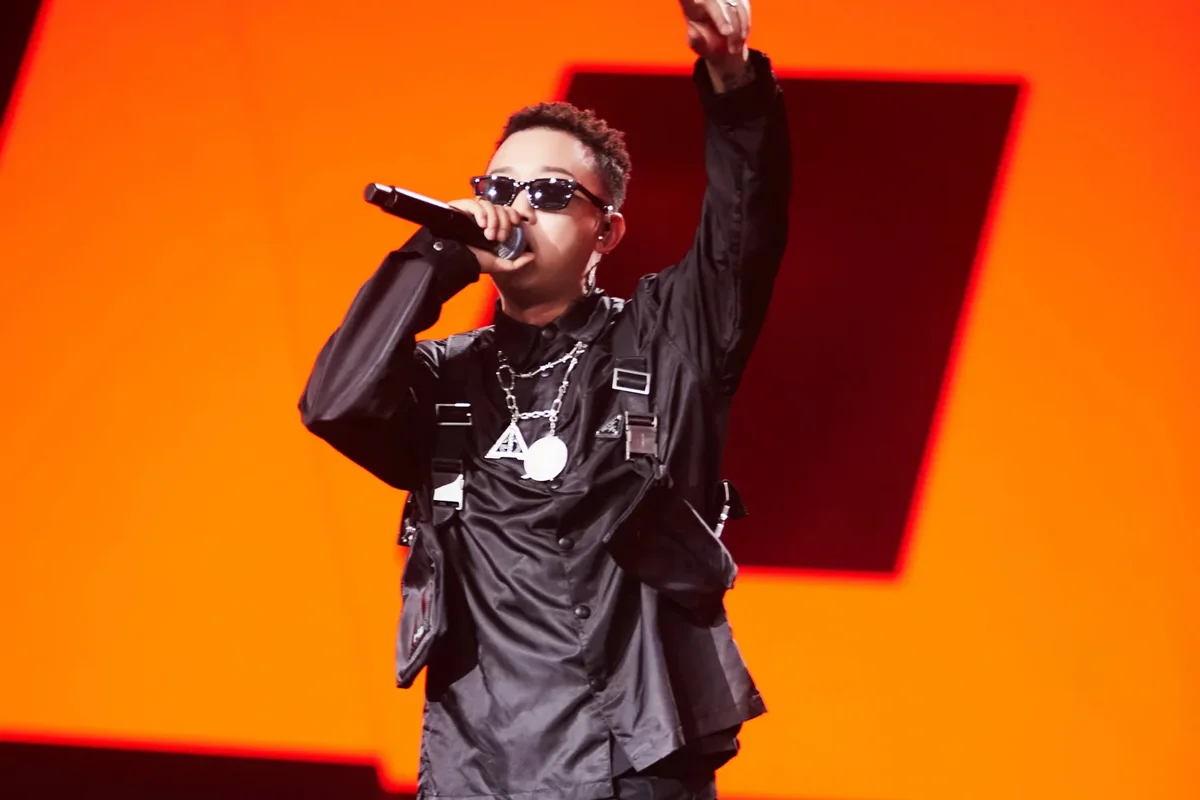
Sheng Yu raps like the room already belongs to him. The shoulders are square, the words land hard and the hook is designed to come back from the crowd. My view is that volume is only the first layer: the real skill is knowing exactly when to make a song feel bigger than one rapper.
International listeners may find him under Sheng Yu, D-SHINE, DamnShine, the Chinese name 盛宇, or the nickname Da Sha (大傻). They all point to the same artist: the frontman of C-BLOCK and one of the clearest voices of Changsha rap.
Sheng Yu: five names, one group and three ways in
| What you want to know | The short answer |
|---|---|
| Also known as | D-SHINE, DamnShine, Da Sha (大傻) and 盛宇 |
| Core group | C-BLOCK with KungFu-Pen and KEY.L Liu Cong |
| Home scene | Changsha and the wider CSC identity |
| What hits first | Projection, physical presence and lines built for a live crowd |
| Solo albums to know | Yu Si Wei Sheng (2023) and San Yi (2025) |
| Recent chapter | G-BLOCK in 2025 and official The Rap of China 2026 stages |
| Start with | Jin Shang Tian Hua, Longli Diansi and Cong Qian Yi Hou PT.1 |
The table tells you who he is. The music explains why fans call for him before the beat even drops.
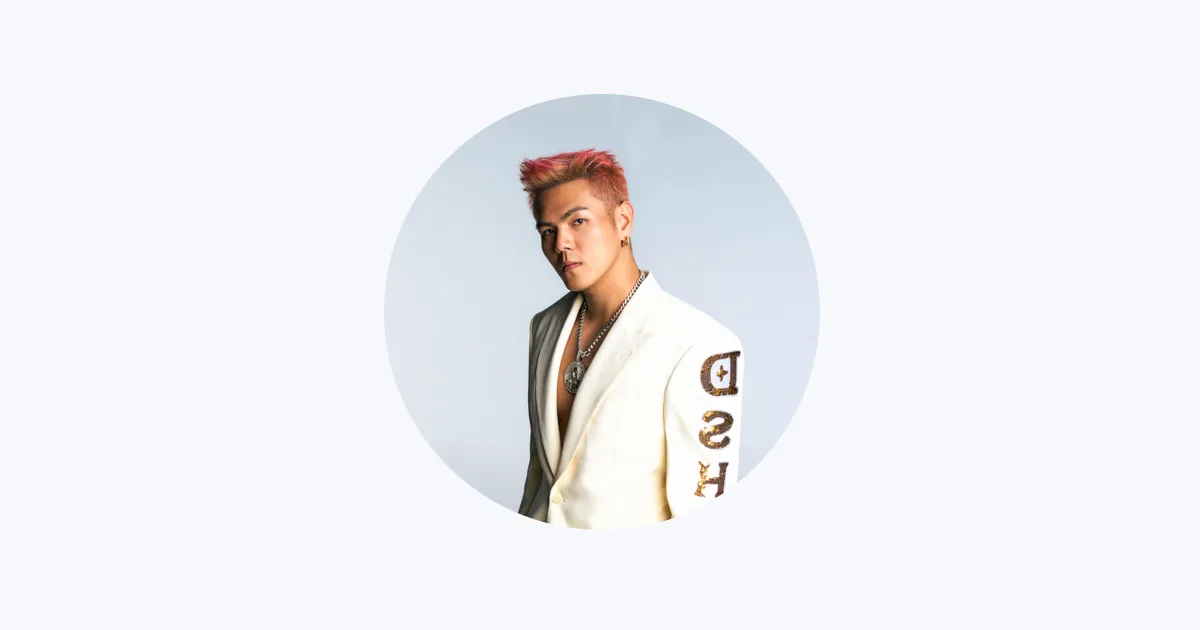
Sheng Yu's official Apple Music artist image. Apple describes him as C-BLOCK's leader and an artist who gave Changsha Hip-Hop a distinct mark. Artist source.
Why Sheng Yu feels different
The obvious answer is command. Sheng Yu does not rap as if he is trying to disappear inside a clever beat. His voice sits in front of it. He stretches syllables, punches the ends of bars and leaves space for the audience to answer.
The better answer is structure. In C-BLOCK, his force works because KungFu-Pen and Key.L bring different timing, textures and writing instincts. Sheng Yu often feels like the beam holding the performance upright: he establishes the scale, then the other voices change the angle.
That is why calling him only an aggressive rapper misses the point. He can carry confrontation, but he also knows hooks, pacing and emotional release. The strongest performances move between all three.
Five tracks that unlock Sheng Yu
Do not begin with random clips of arguments or reaction videos. Start with songs that show what he actually does.
1. Jin Shang Tian Hua: pressure without apology
Jin Shang Tian Hua (锦上添花, literally “adding flowers to brocade”) became one of Sheng Yu's defining modern stages in the 2022 edition of The Rap of China. It is built around status, self-belief and the refusal to let another scene write Changsha's position for him.
Reducing the track to CSC-versus-CDC rivalry is lazy. That context explains part of the adrenaline, but it is not the whole song. What survives outside the debate is the control: clear phrasing, deliberate pauses and the feeling that every line has already been tested in front of a loud room.
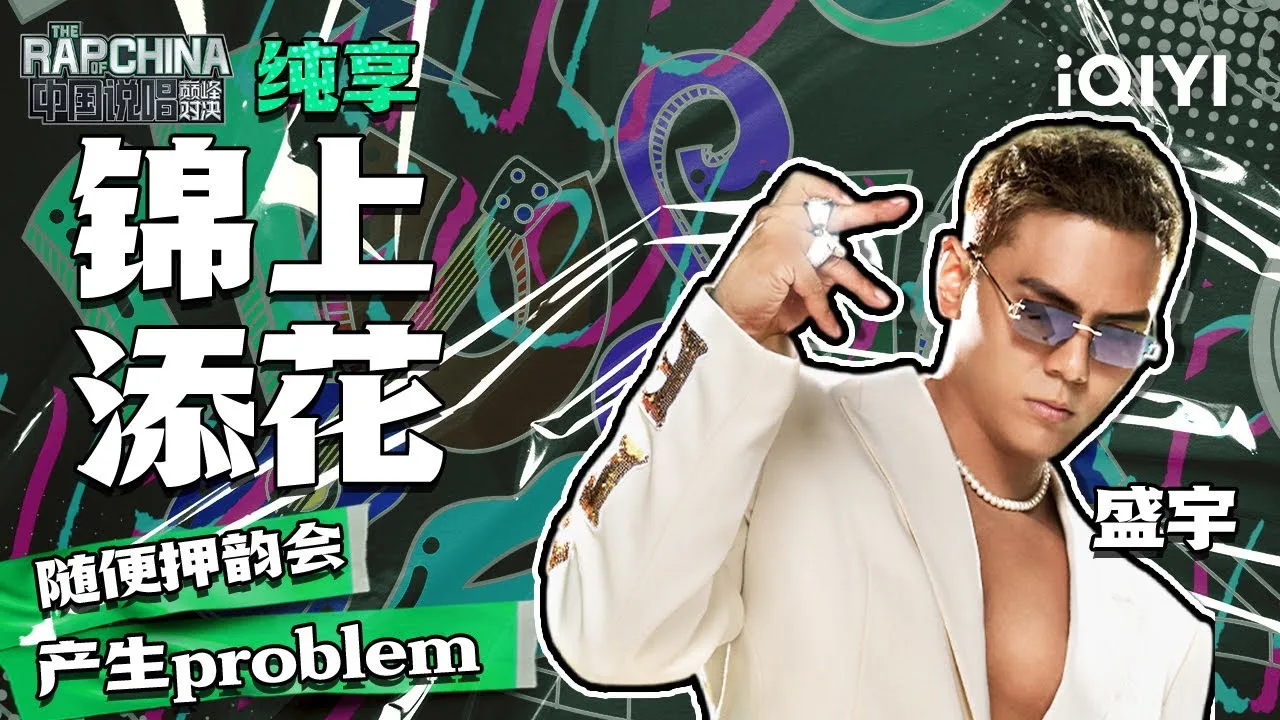
Watch Jin Shang Tian Hua on iQIYI's official channel. The performance shows why Sheng Yu's physical timing matters as much as the written bars.
2. Longli Diansi: a crowd hook with a joke inside it
Longli Diansi (隆里电丝) is a phonetic play on “lonely dance.” The title already tells you the song will not sit still. It is bouncy, catchy and less interested in proving toughness than in creating a phrase that everybody can repeat.
The track is useful for new listeners because it breaks the one-note image. Sheng Yu can be heavy, but he understands fun. A performance can still feel dominant when the main weapon is rhythm rather than threat.
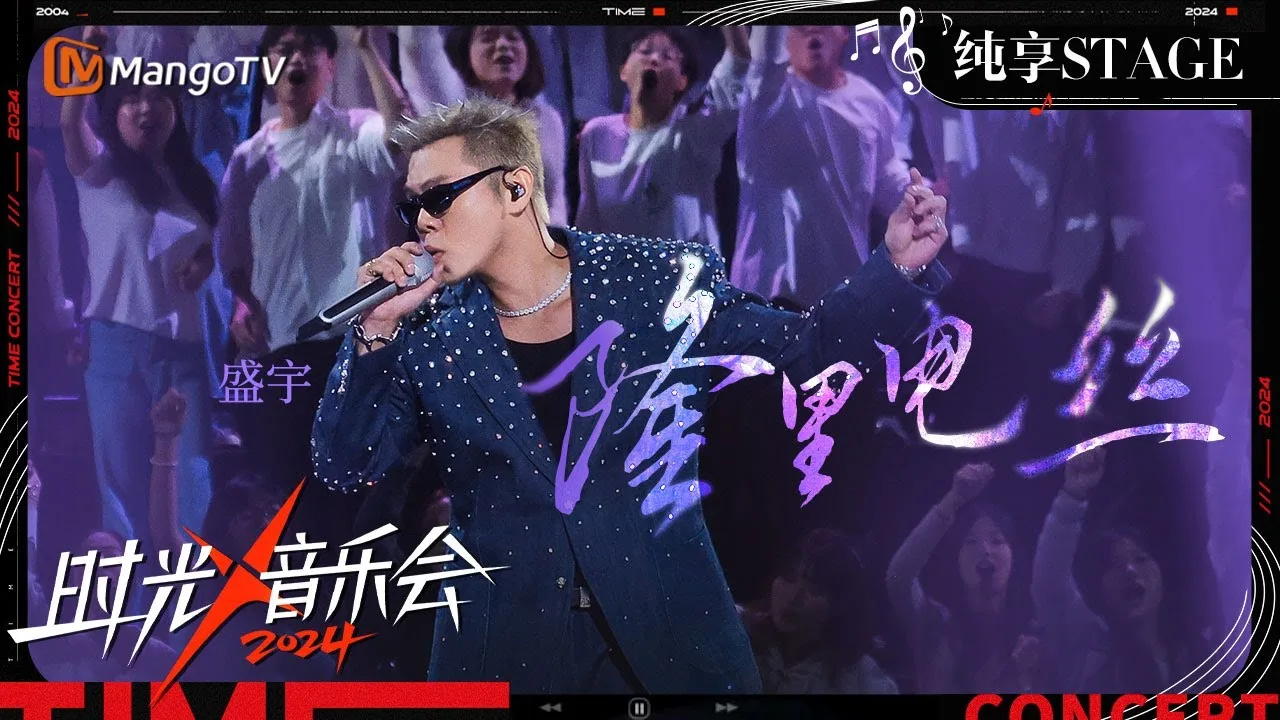
The official MangoTV live stage turns the wordplay into a full-room singalong.
3. Wu Xiang Bu Cheng Jun: hometown as a position
Wu Xiang Bu Cheng Jun (无湘不成军) puts Hunan identity in the title. Sheng Yu does not use Changsha as a decorative skyline behind a universal rap persona. Place changes the cadence, references, loyalties and stakes of the performance.
This is the song to hear when someone asks what CSC means emotionally. It is pride, but it is also a demand for recognition from a city whose rap culture existed long before national competition shows learned how to package regional scenes.
4. Jianghu Flow: C-BLOCK chemistry in one track
Jianghu Flow (江湖流) is a C-BLOCK track featuring GAI. It connects Changsha and Chongqing without making the artists sound interchangeable. Sheng Yu brings the entrance and weight; the record becomes stronger because several regional voices keep their own shape.
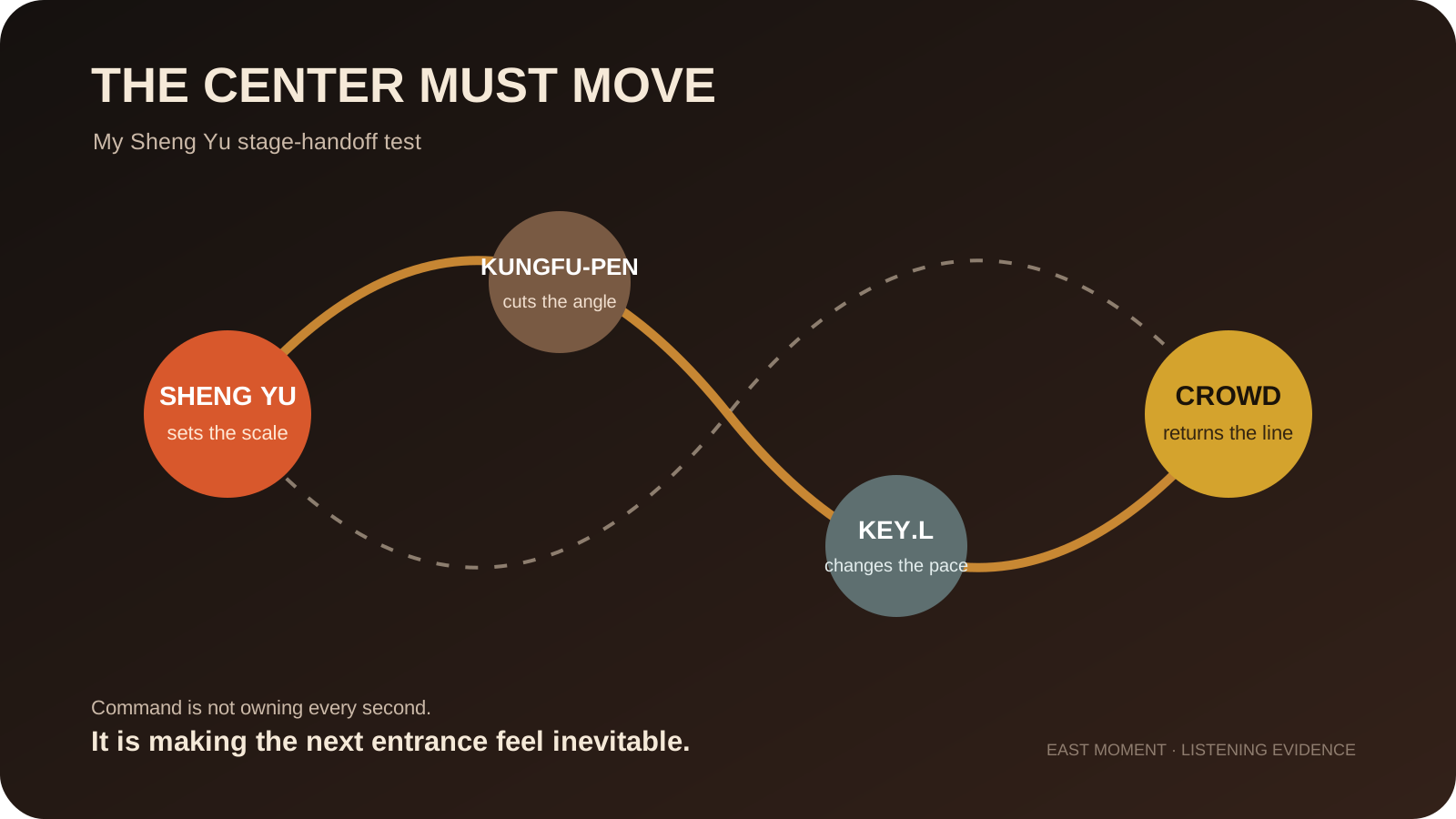
My stage-handoff test: Sheng Yu establishes the room, but command only becomes musical when another member can inherit the center. Watch the official Jianghu Flow performance on MangoTV Music, then mark the handoffs rather than counting who occupies the most seconds.
5. Cong Qian Yi Hou PT.1: the history under the armor
On Cong Qian Yi Hou PT.1 (从前以后PT.1), Sheng Yu and KEY.L Liu Cong look backward without turning the song into a victory speech. The title means roughly “before and after,” and the track carries the effort, frustration and shared memory behind C-BLOCK's long run.
This is where the public “big brother” image becomes more human. Ambition is still there, but so are fatigue, loyalty and the uncomfortable question of what success changes between people who began together.
Hear these five tracks as a sequence and Sheng Yu stops being a single pose. He is pressure, humor, city identity, group architecture and memory.
C-BLOCK is not background information
C-BLOCK formed in Changsha in 2007 and is now identified with three members: Sheng Yu, KungFu-Pen and Key.L. Apple Music's official Sheng Yu playlist calls him the group's leader. That title makes sense onstage, but it should not turn the other two members into supporting characters.
The group's early reputation grew through Changsha-language songs, local observation and the ability to sound like people from the city rather than rappers borrowing a placeless American template. Ce Changsha (策长沙), Jianghu Flow and later projects made regional identity audible in different ways.
Sheng Yu's solo career works because that history remains present. Even when he is alone on a television stage, years of learning how to cue, contrast and hand off inside a trio shape the performance.
CSC is a city banner, not another name for C-BLOCK
International articles often blur every acronym into a formal crew. Keep this distinction clear:
C-BLOCK is the specific rap group made up of Sheng Yu, KungFu-Pen and Key.L. CSC is a broader banner for Changsha rap identity and the wider scene around the city.
That wider identity matters because Chinese rap is intensely regional. Dialect, local venues, university networks, media industries and city rivalries all affect who gets heard. Sheng Yu represents Changsha strongly, but he does not represent every artist in it.
Our Changsha rap scene guide distinguishes CSC, C-BLOCK and G-BLOCK while showing how Sheng Yu's command works beside two contrasting voices. The Changsha culture guide gives the historical, media and nighttime context around the music.
The solo albums open the frame
Sheng Yu's album catalog matters because television favors immediate impact. An album gives him room to show what happens after the first punch.
Yu Si Wei Sheng (于斯为盛) arrived in 2023. San Yi (叁壹) followed in 2025, bringing together hard performance tracks, reflections on the past and collaborations that reconnect the solo artist with his wider network.
That network extends into 2026: Sheng Yu appears on Genius from VaVa's album Piao No Roots. The feature is a direct catalog connection between two established television-era rappers, not evidence that either artist has joined the other's crew or label.
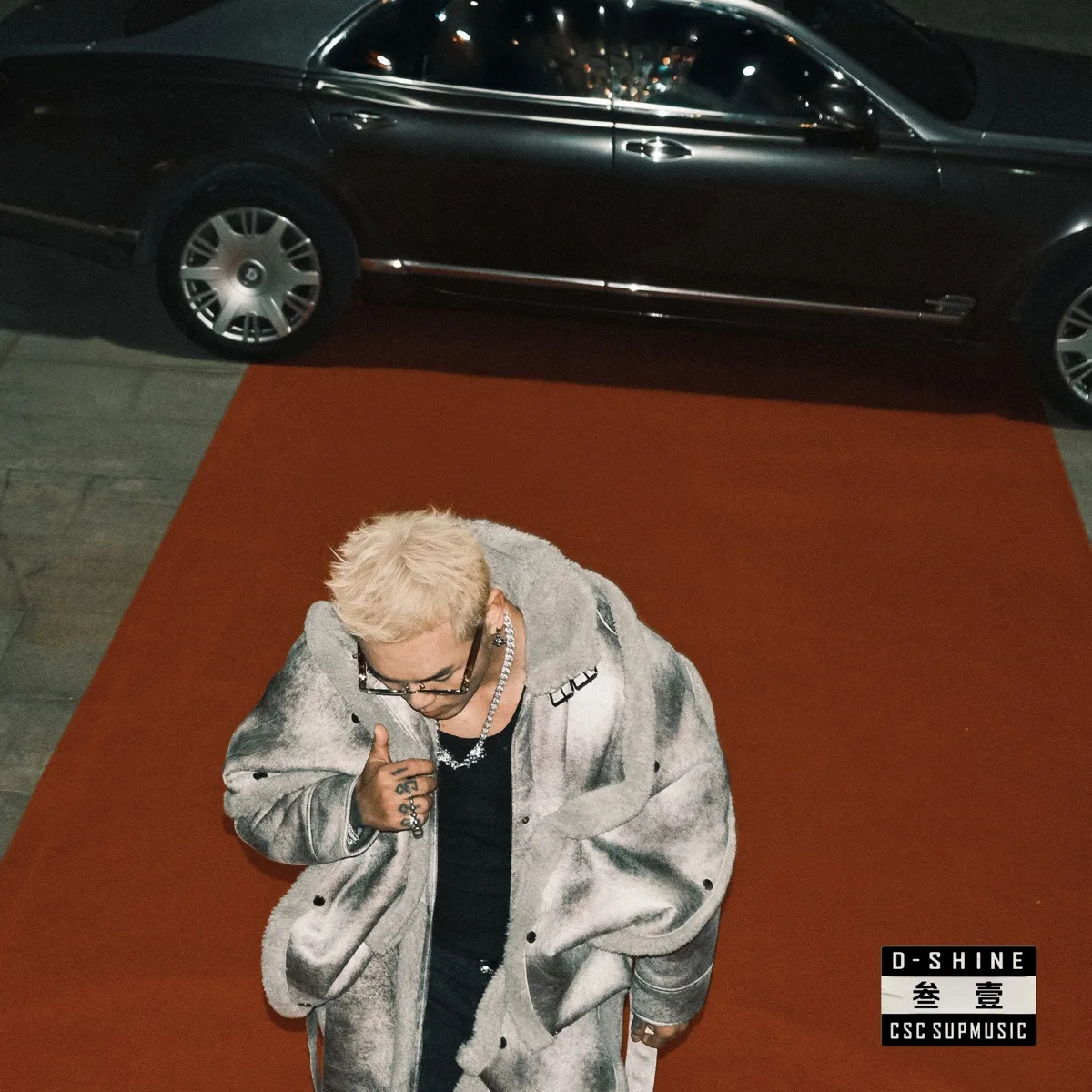
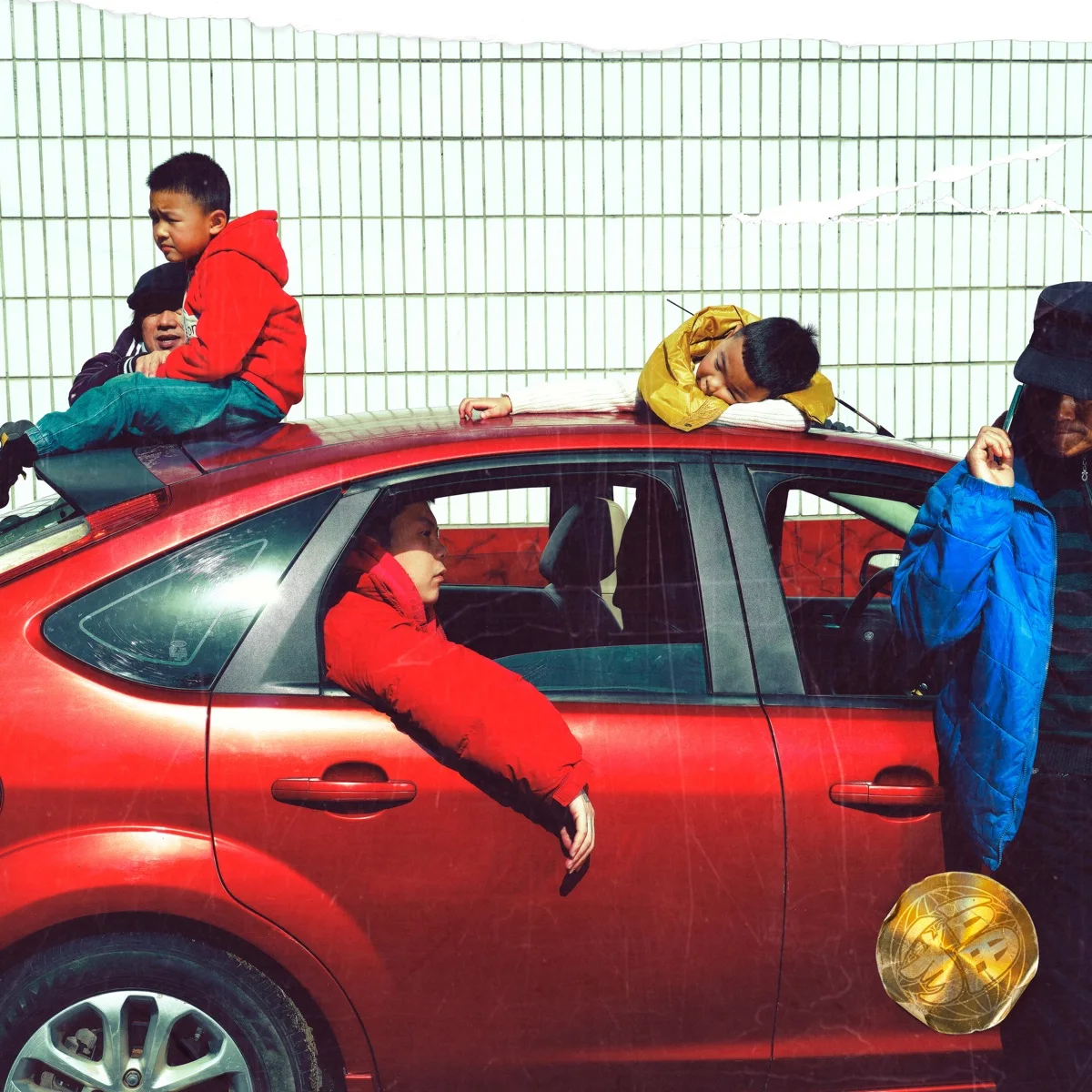
The cover of Sheng Yu's 2025 album San Yi on Apple Music.
The album title uses the formal financial-character forms of three and one. You do not need to solve it like a code before listening. The useful entry is the music: Cong Qian Yi Hou PT.1 for history, Dan Tiao Wang for competitive presence and the full track order for the movement between those modes.
The quieter evidence reinforces that wider frame. I judge the catalog through lines worth saving, serious lyric analysis, the physical design of 31 and Livehouse documentation—not only battle and “one-versus-five” clips. My conclusion is that Sheng Yu's authority lasts because he can change jobs: group leader, opponent and long-form writer. Volume wins immediate attention, but it cannot explain why a sentence deserves another reading or why an album deserves to remain as an object. The quieter evidence is what turns command into a catalog.
Television made the scale visible
Sheng Yu had a scene, group and catalog before his strongest recent television moments. What the programs changed was visibility.
The 2022 and 2023 Rap of China stages put Jin Shang Tian Hua, Longli Diansi, Wu Xiang Bu Cheng Jun, Lang Zi Bu Dong Ai and Jue Ai Jin in front of a much larger audience. C-BLOCK then appeared together on Singer 2024, where the cameras could show the trio's live spacing rather than treating Sheng Yu as an isolated contestant.
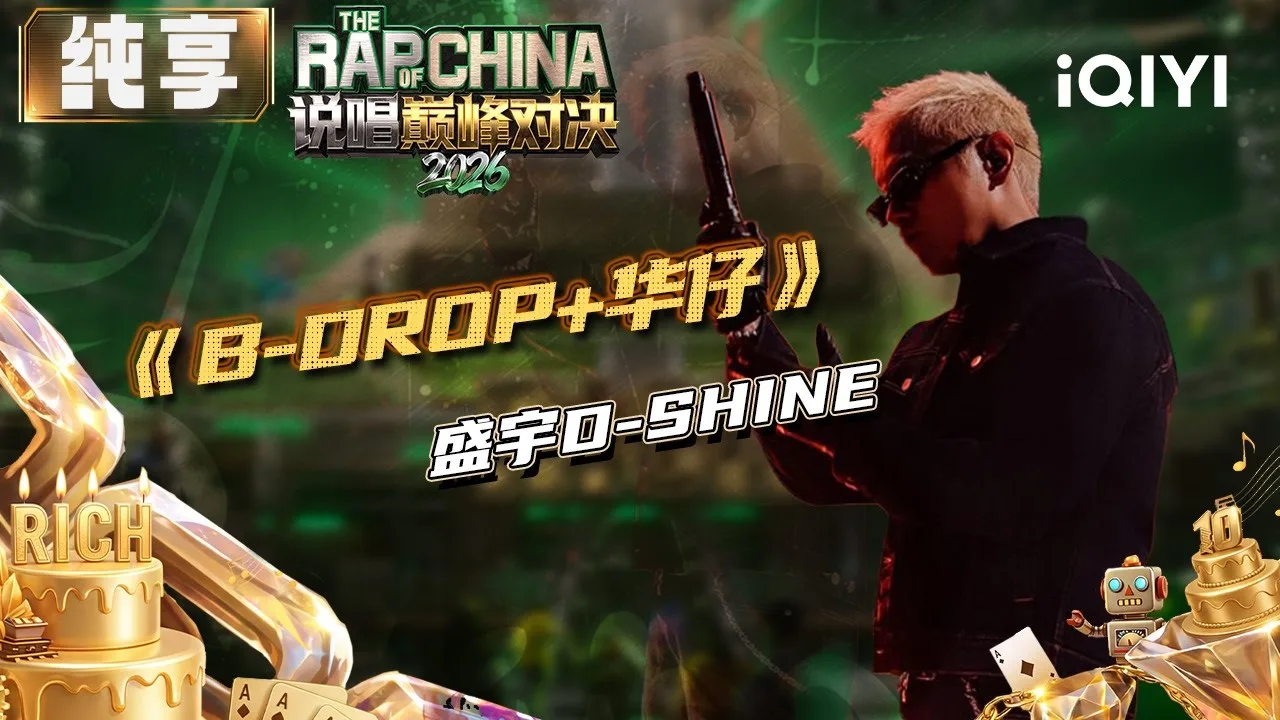
Official iQIYI uploads document Sheng Yu returning for 2025 and 2026 stages. His 2026 performance of B-DROP + Hua Zai is not a reinvention. It is a current version of the same attraction: charisma that reads instantly, even before an overseas viewer understands every bar.
The danger of television is that a good entrance can become the whole story. Sheng Yu's catalog is more interesting when the show stages send you backward to C-BLOCK and forward to the albums.
G-BLOCK joins two long regional stories
In 2025, Sheng Yu, KungFu-Pen and Key.L joined GAI for G-BLOCK Mixtape. Apple Music credits all four artists and lists Dream Music Group and SupMusic.
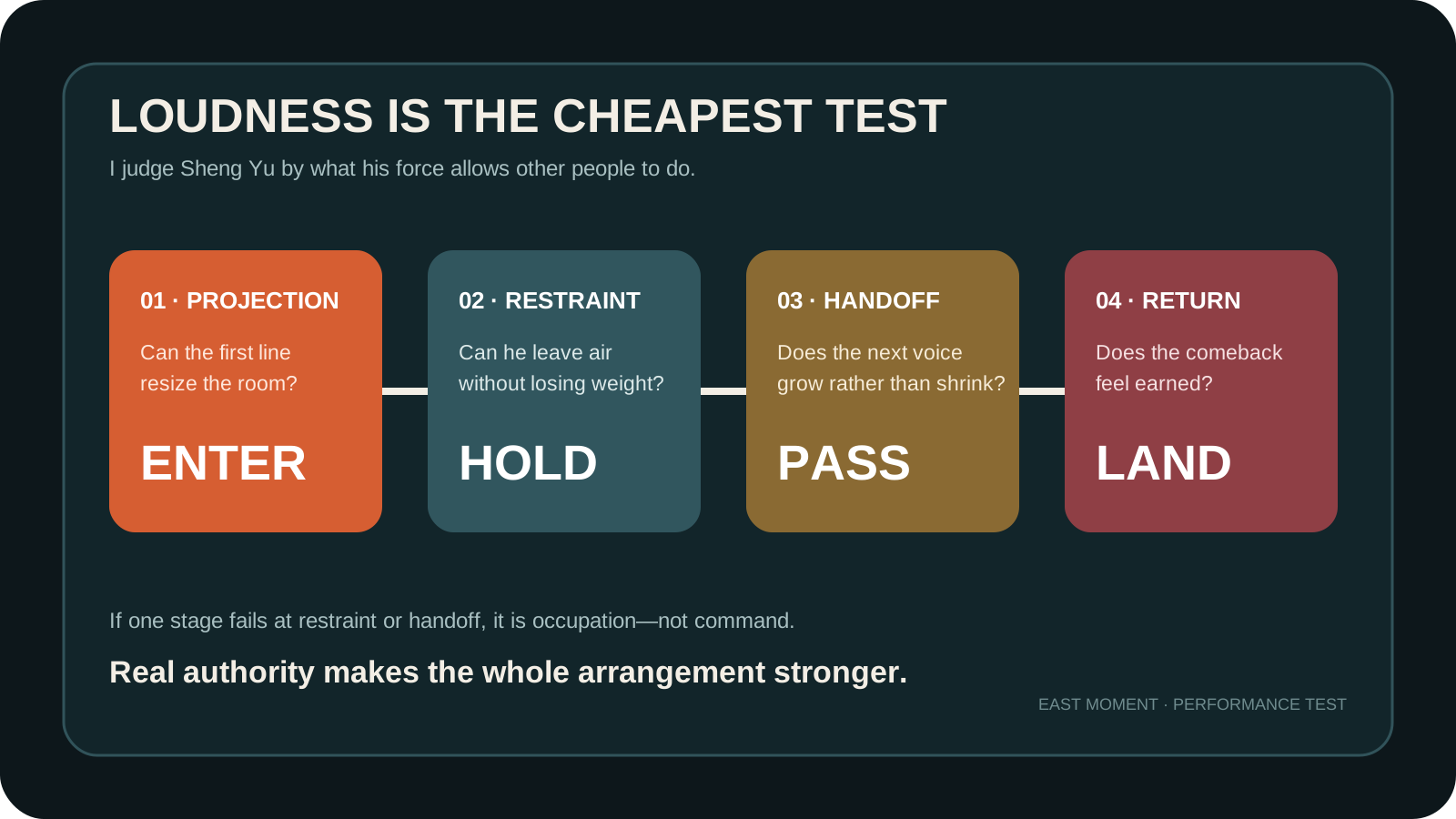
The G-BLOCK Mixtape reconnects GAI with all three C-BLOCK members. I judge the collaboration through responsibility, not star power: projection must create scale, restraint must preserve contrast, and the return must feel earned.
The clean description is collaboration, not corporate mythology. G-BLOCK is not Sheng Yu's new solo name, GAI's personal label or a replacement for C-BLOCK. It is a project where years of Changsha group chemistry meet GAI's solo force.
Read the GAI profile for the Chongqing side of that exchange. The two pages work best together because neither artist is simply an accessory in the other's history.
Sheng Yu makes density feel conversational
At his best, Sheng Yu makes confidence feel physical. He knows where to stand in a beat, when to leave air around a line and how to turn a phrase into a crowd response. C-BLOCK also gives him something many solo rappers never develop: an instinct for making other voices sound larger without shrinking himself.
The limitation is close to the strength. That commanding persona can become predictable when a track depends too heavily on status and force. Viewers who only watch competition clips may come away thinking Sheng Yu has one emotional setting.
He does not. The answer is to listen sideways: from Jin Shang Tian Hua to Longli Diansi, then from Jianghu Flow to Cong Qian Yi Hou PT.1. The contrast is the artist.
The Sheng Yu image I trust most is not another victory pose. It is the collision between two public versions of him: the rapper whose hand gesture can organize thousands of people, and the familiar Changsha figure who can still be noticed moving through an ordinary street on a shared bicycle. I do not need to turn that sighting into sainthood. Its value is scale. The stage persona is enormous, but it has not completely detached from the city that taught the gestures what they mean.
That contrast sharpens my judgment. Sheng Yu is compelling when command feels like a public responsibility—when he can gather attention, pass it to a member, take an answer from the crowd and return without panic. If he only occupies every available second, the power becomes smaller.
Trace the Changsha lineage through his verses
Start with Sheng Yu D-SHINE's official YouTube channel, then use official iQIYI and MangoTV uploads for televised performances. His official Instagram is @damnshine.
The best three-video route answers three different questions:
- Jin Shang Tian Hua: how does he turn competitive pressure into physical timing?
- Jianghu Flow: when does he command the center, and when does he enlarge another member's entrance?
- B-DROP + Hua Zai: what has changed in the current 2026 stage persona after the breakthrough narrative?
Official uploads preserve titles, program context and credits that reposted clips often remove.
The short Sheng Yu timeline
- 2007: C-BLOCK forms in Changsha; the current trio is Sheng Yu, KungFu-Pen and Key.L.
- 2017: C-BLOCK releases Jianghu Flow featuring GAI, an early bridge between the Changsha and Chongqing stories later heard in G-BLOCK.
- 2022: Jin Shang Tian Hua and Longli Diansi become major The Rap of China stages.
- 2023: Sheng Yu releases Yu Si Wei Sheng and returns to televised collaboration stages.
- 2024: C-BLOCK performs together on Singer 2024; Sheng Yu also brings Longli Diansi to MangoTV's Time Concert.
- 2025: He releases San Yi, performs on The Rap of China 2025 and joins GAI and C-BLOCK for G-BLOCK Mixtape.
- 2026: Official iQIYI stages including B-DROP + Hua Zai show an active new chapter rather than a nostalgia run.
Why Sheng Yu matters
Sheng Yu helped make Changsha rap visible without separating himself from the group and city that gave the music its shape. He can carry a solo stage, but his deepest value is relational: C-BLOCK, CSC, Hunan identity, national television and newer collaborations all meet in his catalog.
If GAI is an entry into the force of Chongqing rap, Sheng Yu is a direct route into Changsha's confidence, humor and collective memory. Begin with the big stage. Stay for the way three voices learned to move together.
Continue through the Chinese musicians directory, then use the C-BLOCK group guide to see how Sheng Yu's command works inside a rotating center. Read KungFu-Pen for the sharper Hunan phrasing and family-memory route; the Changsha culture guide supplies the city beyond rap.