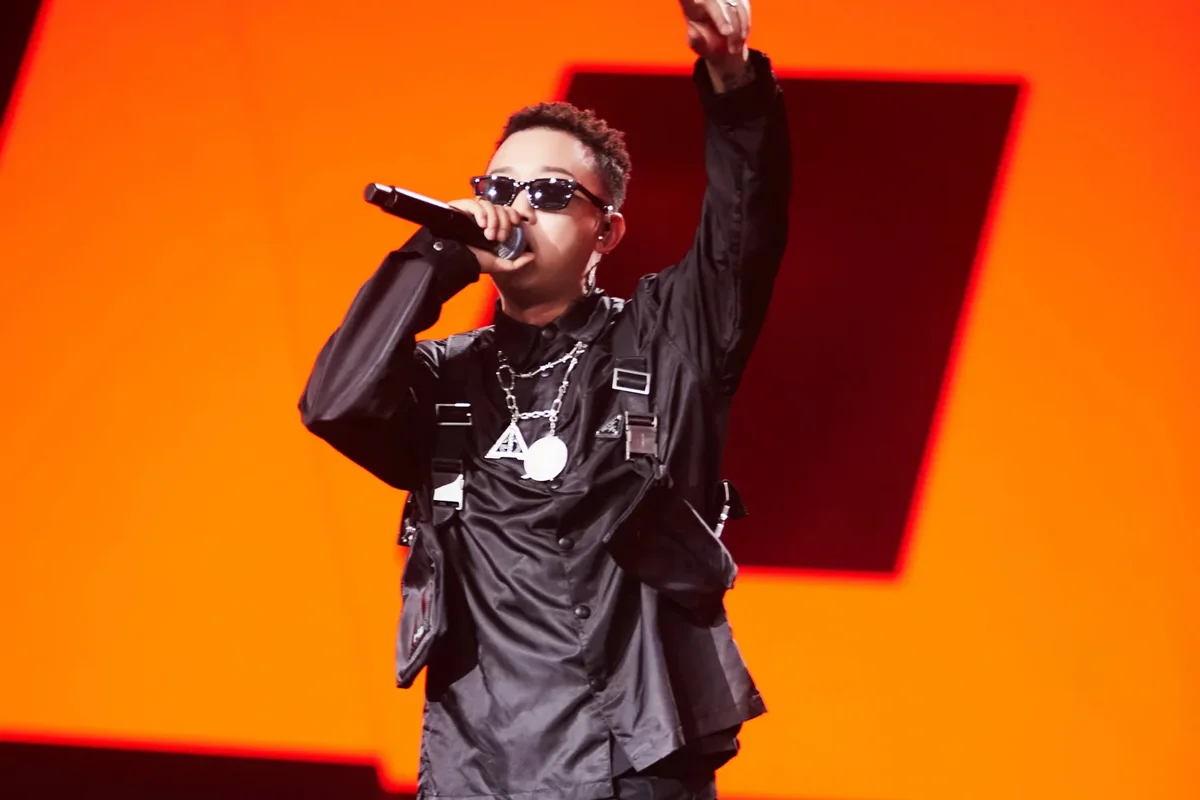
VaVa does not enter a track quietly. Even when the beat is glossy, there is pressure in the voice: clipped words, a low center of gravity and the sense that the camera has already found her. I see the constant image changes as authorship, not distraction: opera references, streetwear, hard rap and electronic turns all belong to the same artist.
Calling her China's “Rap Queen” gives you the headline and misses the fun. VaVa is compelling because she keeps refusing one acceptable version of a female rapper. She can flex, sing, use Sichuan speech, build a fashion image, turn television into a stage and then return with a rap-first record that sounds less interested in pleasing everyone.
VaVa in 60 seconds
| What you want to know | The short answer |
|---|---|
| Real name | Mao Yanqi (毛衍七) |
| From | Ya'an, Sichuan; she later moved to Beijing to pursue music professionally |
| Early breakthrough | Won Listen Up in 2016 and reached the final four of the first The Rap of China in 2017 |
| Why people remember her | A commanding lower register, Sichuan texture, sharp visual identity and comfort moving between hard rap, pop and electronic production |
| Global crossover | My New Swag appeared in Crazy Rich Asians |
| Albums to know | 21, Mao Yanqi, V Jie Zhi Mi and Piao No Roots |
| Start with | My New Swag, U Should Know My Name, Running Girl, Persian and Demon Child |
The résumé is impressive. The attitude is the actual product.
The appeal starts with nerve
VaVa sounds best when a track gives her something to push against. Her delivery is not built around delicate neutrality. Consonants land hard, short phrases become commands and regional pronunciation adds shape instead of being polished away.
Warner Music Group's 2019 signing announcement noted that she performed in both Mandarin and Sichuan dialect on The Rap of China. That matters even when an overseas listener cannot name every dialect feature. The voice feels located. It carries southwest China without making the whole song a geography lesson.
The other half is visual control. VaVa understands that hip-hop has never separated sound, clothing, posture and image as neatly as critics sometimes do. The fashion does not prove the rap, but it changes how the rap enters the room.
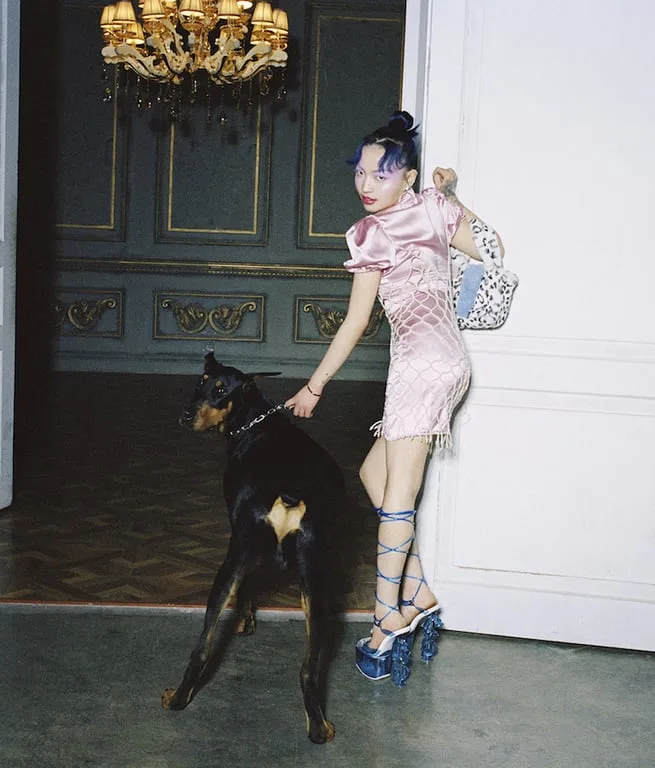
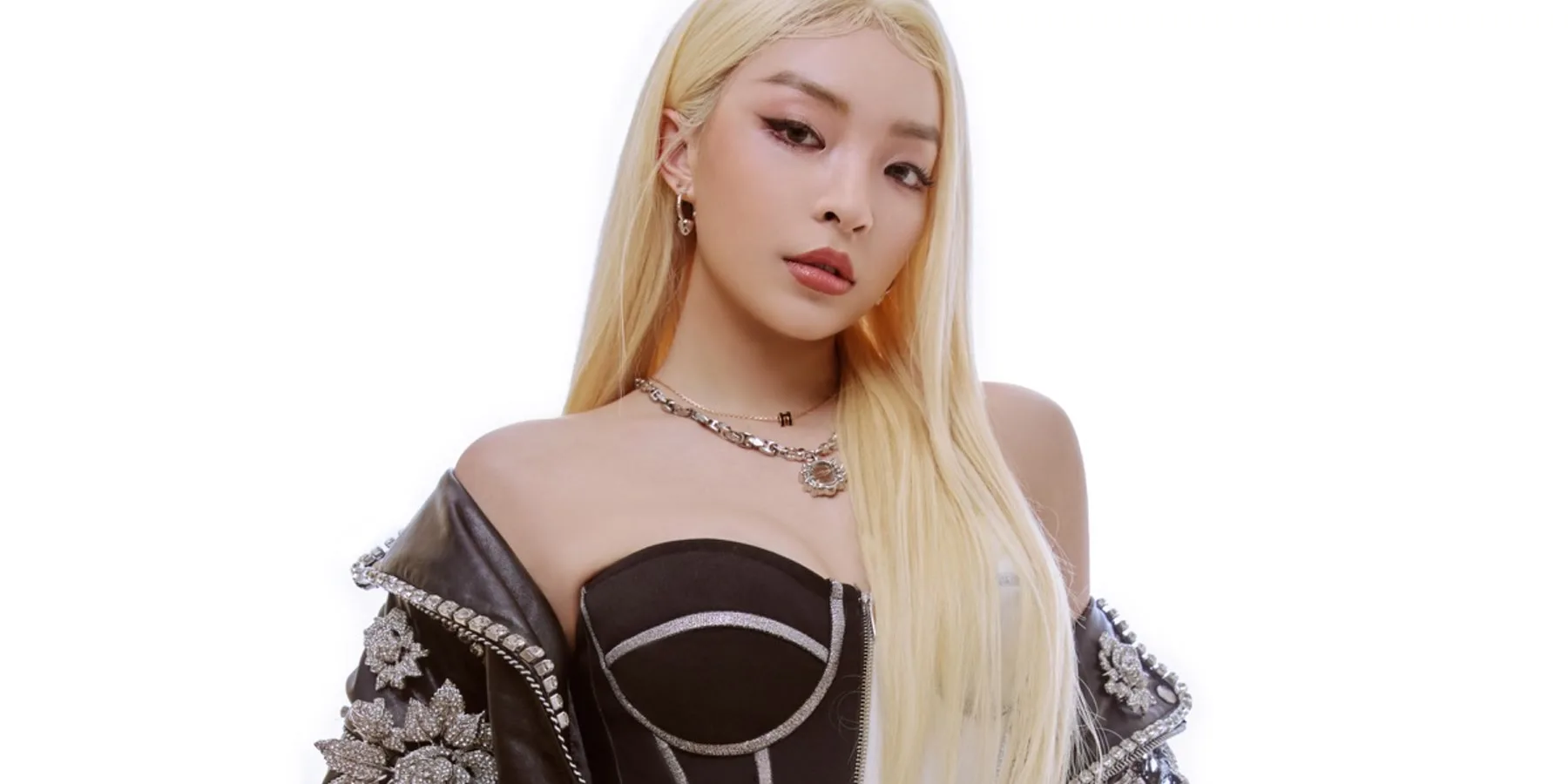
A portrait from RADII's 2020 interview with VaVa, where she discussed experimentation, collaboration and pushing beyond her comfort zone.
Five tracks that unlock VaVa
1. My New Swag: the obvious hit is still the right entrance
My New Swag (我的新衣, literally “My New Clothes”) features Chengdu rapper Ty. and singer Wang Qianqian. The record works because it never treats Chinese visual references as homework. The hook is immediate, the rap remains central and the video turns fashion, theatrical makeup and Peking-opera-inspired imagery into a world that moves at pop-video speed.
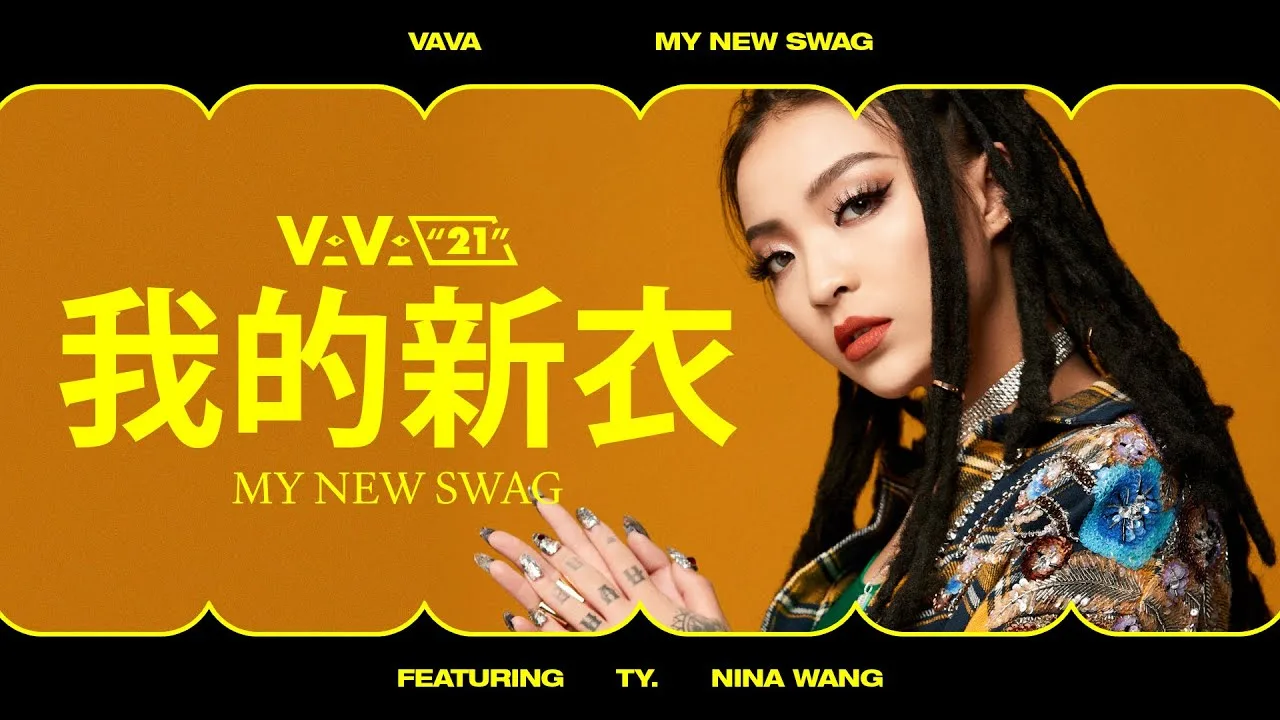
Watch the My New Swag official video. It is the fastest explanation of how VaVa makes rap, costume and Chinese cultural imagery share one frame without turning the song into a museum display.
The international afterlife matters too. Warner Music Group, RADII and South China Morning Post all document the song appearing in Crazy Rich Asians. For many overseas listeners, this was the moment VaVa stopped being only a name from a Chinese television phenomenon and became a voice they had already heard in a global film.
2. U Should Know My Name: the title says exactly what the record wants
The opening track on 21 is a mission statement. VaVa is not introducing a private, tentative self. She is announcing a public identity and daring the listener to remember it.
That directness explains why the first television breakthrough translated so quickly into a record. Competition programs reward presence in short bursts. U Should Know My Name takes that energy off the stage and turns it into a catalog entry.
3. Running Girl: autobiography without losing momentum
Running Girl (奔跑女孩) is one of the best answers to the idea that VaVa is only image and confidence. The song brings her early life, movement and refusal to stop into the foreground without dropping the performance instinct that made her famous.
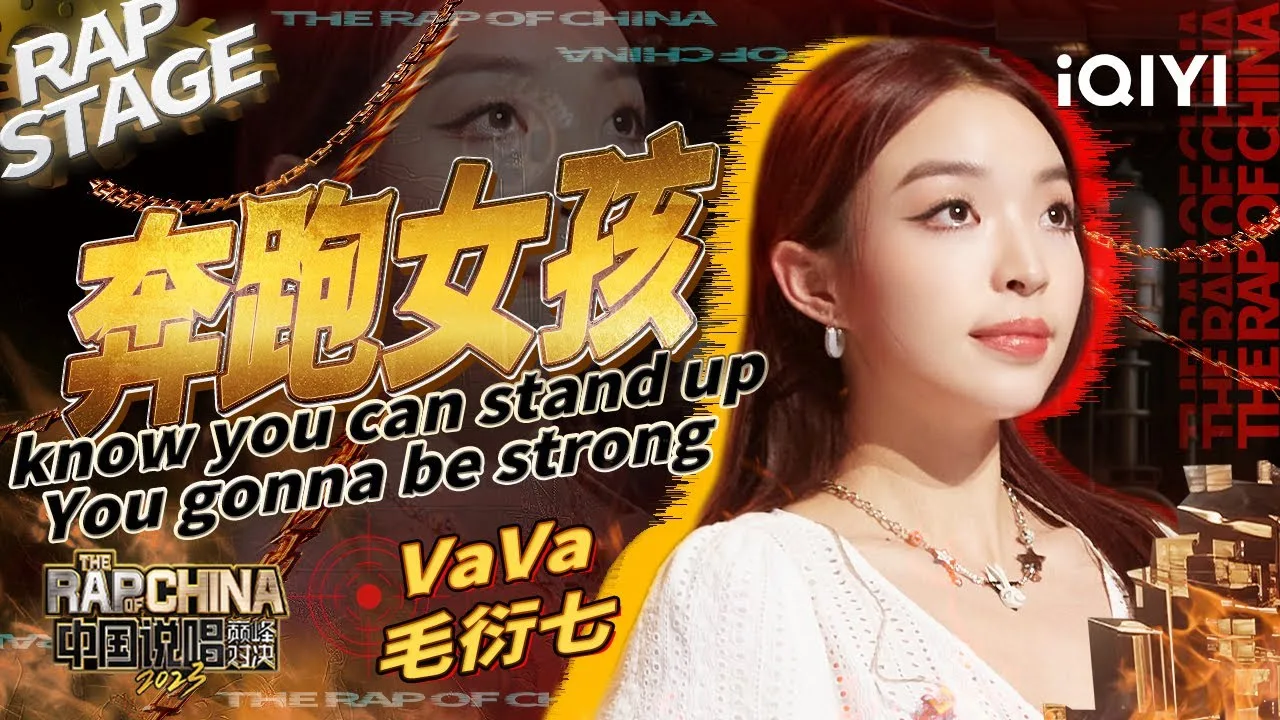
The official iQIYI stage of Running Girl connects the national-TV VaVa to the teenager who began singing in bars before she had an industry behind her.
The story is documented conservatively. Warner says she began performing locally at 16 to help her family and moved to Beijing at 18. RADII places her origin in Ya'an and describes the same early bar-singing route. The song gives those facts emotional motion.
4. Persian: polish, choreography and a different kind of force
Persian (波斯) belongs to the 2022 V Jie Zhi Mi project. The track is less interested in proving that VaVa can survive a cypher. It builds a highly controlled pop-rap environment around rhythm, character and visual design.
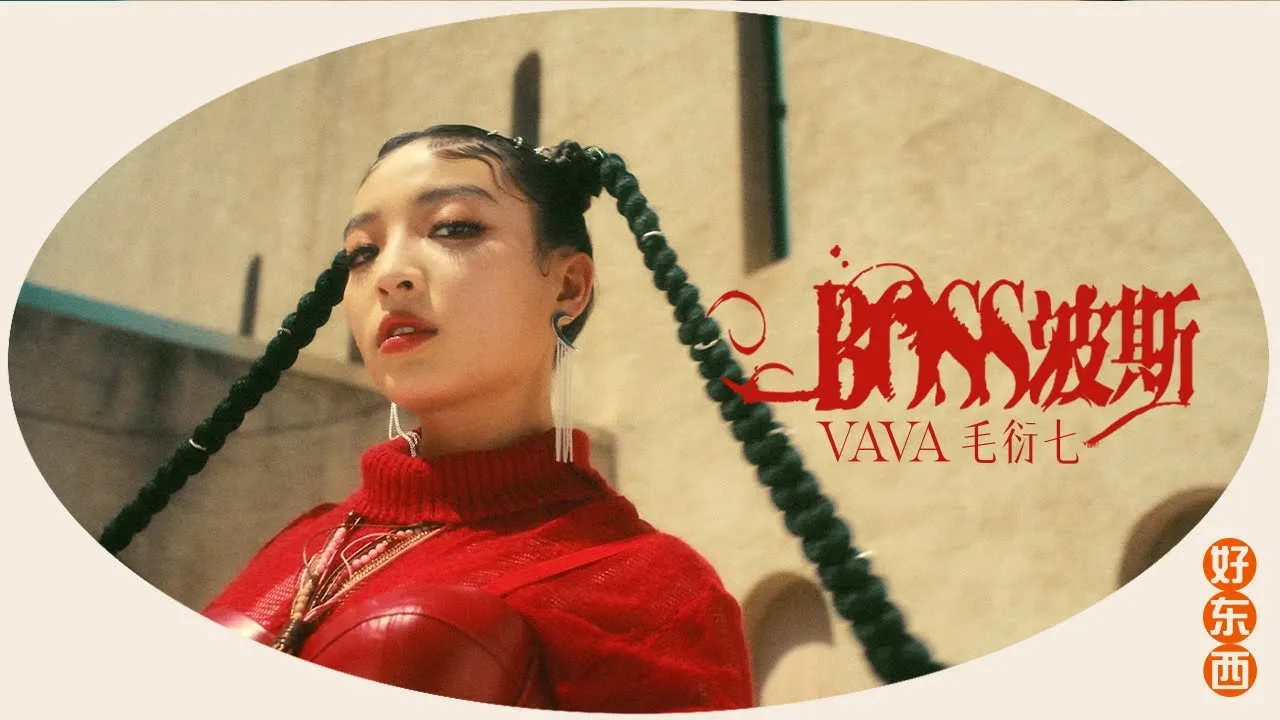
Warner Music China's official Persian BOSS video shows the performance-heavy side of the Warner chapter: rap delivery, choreography and styling operating as one piece.
Fans who want only hard underground records may not choose this era first. That tension is useful. VaVa's catalog is interesting because she keeps testing how much pop scale her rap identity can carry before one starts to swallow the other.
5. Demon Child: 2026 is not a nostalgia run
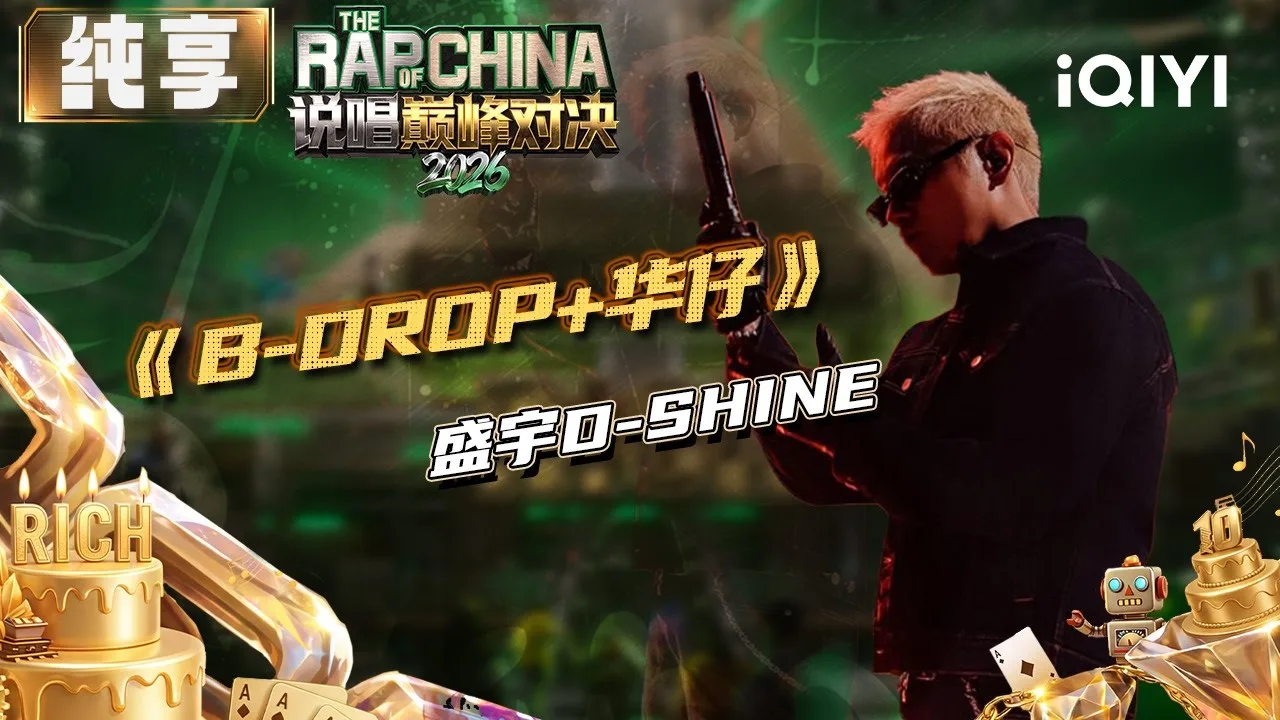
Demon Child (魔童) appears on the 2026 album Piao No Roots. The official Rap of China 2026 stage brings the track back to the format that first widened her audience, but the artist returning is not the 2017 finalist frozen in time.
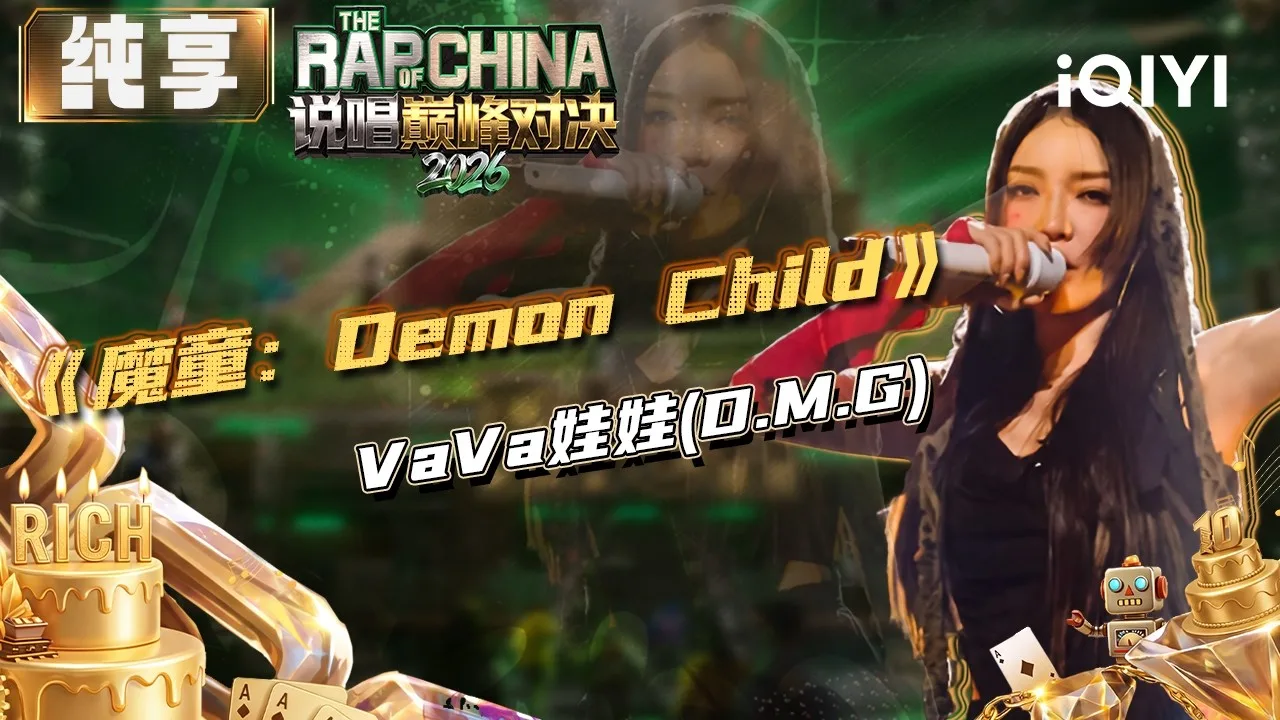
Watch VaVa perform Demon Child on iQIYI's official channel. The stage is current evidence of an active rapper, not archival proof of an old breakthrough.
The force is familiar, but the context has changed. VaVa now arrives with a long album route, international soundtrack recognition and enough public image to play with the character rather than simply establish it.
2017 changed the scale, but it did not create the hunger
VaVa's national breakthrough is usually told through the first season of The Rap of China. Warner Music Group describes her as the only female contestant to reach that season's final four. RADII documents the same final-four result and adds an earlier step: she won the rap competition Listen Up in 2016.
That sequence matters. The Rap of China did not discover someone who had never tested herself. It gave a larger camera to an artist already moving through competitions, live rooms and the difficult transition from bar singer to professional rapper.
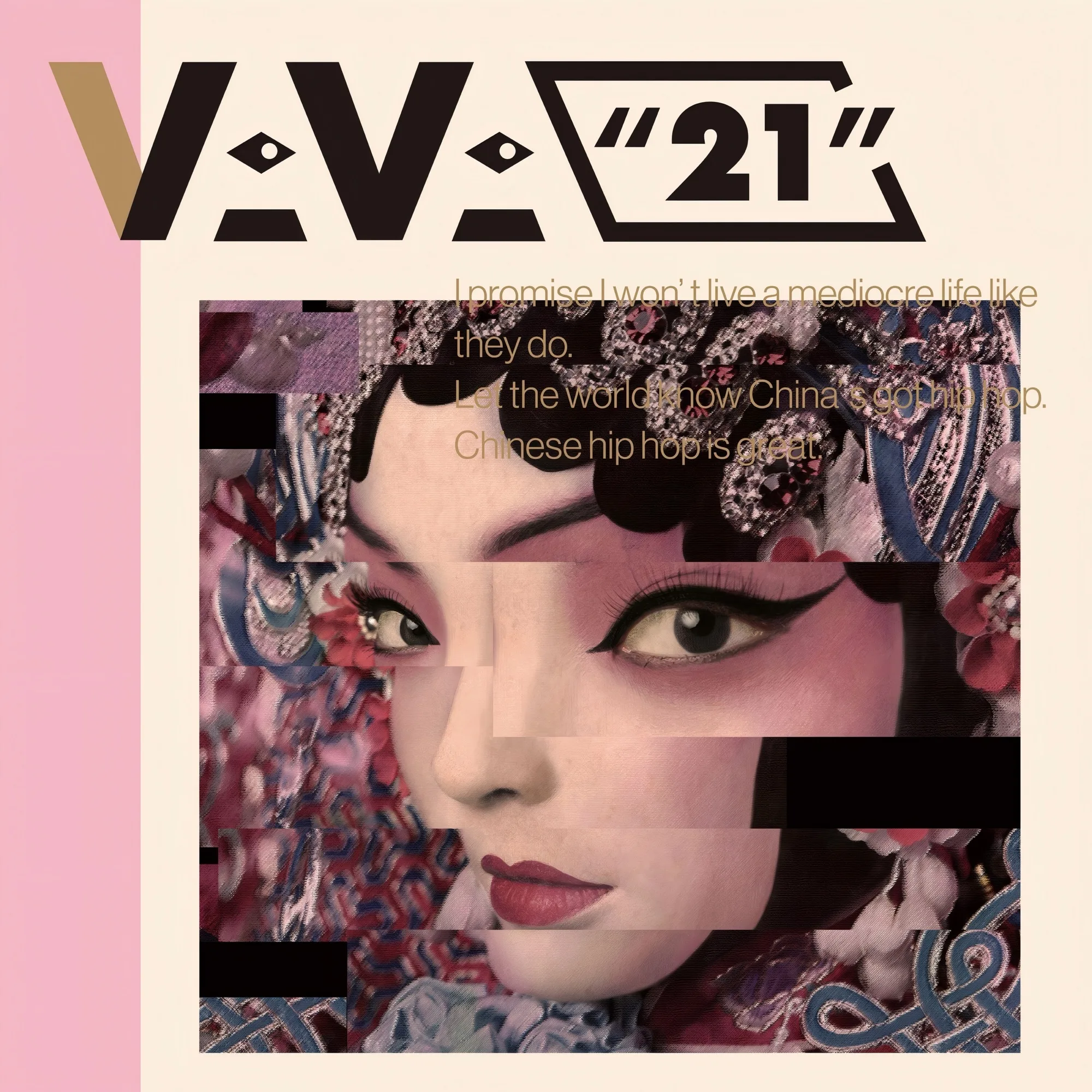
The 21 album cover on Apple Music uses the same collision of rap branding, fashion and Chinese theatrical imagery heard in its best-known track.
There is one date discrepancy worth seeing rather than hiding. Apple Music currently dates 21 to October 6, 2017. Warner Music Group's 2019 announcement called it a 2018 debut album. Catalog migrations and market releases can produce conflicting platform dates. The responsible conclusion is simple: 21 belongs to the period immediately around VaVa's 2017 breakout, and Apple currently preserves the earlier date.
My New Swag made Chinese specificity travel
The usual crossover strategy is to remove anything thought to be too local. My New Swag did the opposite. Its Chinese title, visual references, guest choices and performance styling remained visible when the song moved into Crazy Rich Asians.
That does not mean one film made VaVa globally famous in every market. It means the track acquired an international route beyond viewers who already followed Chinese rap. CGTN America and South China Morning Post both framed the soundtrack placement as a major moment of exposure.
The song also avoided a common trap in “Chinese-style hip-hop.” Cultural details are not pasted onto a weak record as proof of identity. The record has a hook first. The visual world then deepens it. Overseas listeners may arrive for the film connection, but they stay because the song functions without the explanation.
The albums refused one lane
After 21, VaVa could have repeated the breakthrough formula. Her catalog instead keeps changing the room around her voice.
The 2019 album Mao Yanqi uses her real name as the title, a move toward personhood after the public character had become nationally recognizable. The 2020 Vow EP with Shanghai producer Chace pushes into a dense electronic backdrop. In RADII's interview, VaVa cited experimental listening and influences including Tyler, the Creator and Kanye West while describing a desire to move outside her comfort zone.
The two-part Zhao Ge Mu Yan project followed across 2020 and 2021. V Jie Zhi Mi arrived in 2022 with the polished Warner-era visual language heard in Persian. Singles then kept the catalog moving through pop, freestyle, collaboration and television-associated releases rather than settling into one album every few years.
This range will divide listeners. Some fans want the hard voice with minimal decoration. Others like the moment that voice collides with dance music, pop melody or fashion-film scale. VaVa's strongest argument is that she has room for both.
Fashion is not a distraction from the music
Hip-hop audiences are right to be suspicious when a rapper's image receives more attention than the records. VaVa invites that argument because fashion is unusually central to her presentation.
The answer is not to pretend the clothes do not matter. They do. Warner's 2019 announcement already pointed to her fashion-house deals, and RADII documented a major Alexander Wang campaign. The better question is whether the image reveals or replaces the artist.
At her best, it reveals her. My New Swag uses clothing as subject, hook and visual language. Persian turns styling into character. The 2026 performances keep changing silhouette and color while the voice remains identifiable underneath.
The weak version appears when visual polish becomes the main event and the song feels replaceable. VaVa's catalog contains both outcomes. A fan page should be able to say that without treating ambition as a flaw.
What the Warner signing proves, and what it does not
Warner Music Group officially announced VaVa's signing to Warner Music China on August 9, 2019. The release confirms her real name, Sichuan origin, early performing years, move to Beijing, first-season final-four result and the international attention around My New Swag.
That source is strong for the 2019 moment. It is not automatically a statement about her contract in July 2026. Apple Music credits the 2022 V Jie Zhi Mi full version to Warner Music China, while the 2026 Piao No Roots listing carries a Dream Music Group copyright.
The careful wording is enough: VaVa signed with Warner in 2019 and released documented work through that chapter. Her 2026 album appears under a different copyright line. Without a newer contract announcement, declaring one company her permanent current label would be guesswork.
Returning to rap television changed the meaning
In 2017, VaVa needed television to introduce herself to a national audience. When she returned to major rap stages in later years, the relationship had reversed. The program now received an artist whose image and catalog already existed outside it.
That is why Running Girl in 2023 works differently from a first-season audition. The audience knows the outcome of the early struggle. The performance can look backward without becoming a plea for permission.
The 2026 cycle goes further. Demon Child connects directly to the new album, while My Way serves as the official promotional song for The Rap of China 2026. Apple Music dates the single to June 23, 2026, and iQIYI's official video places VaVa inside the current ensemble rather than using archive footage.
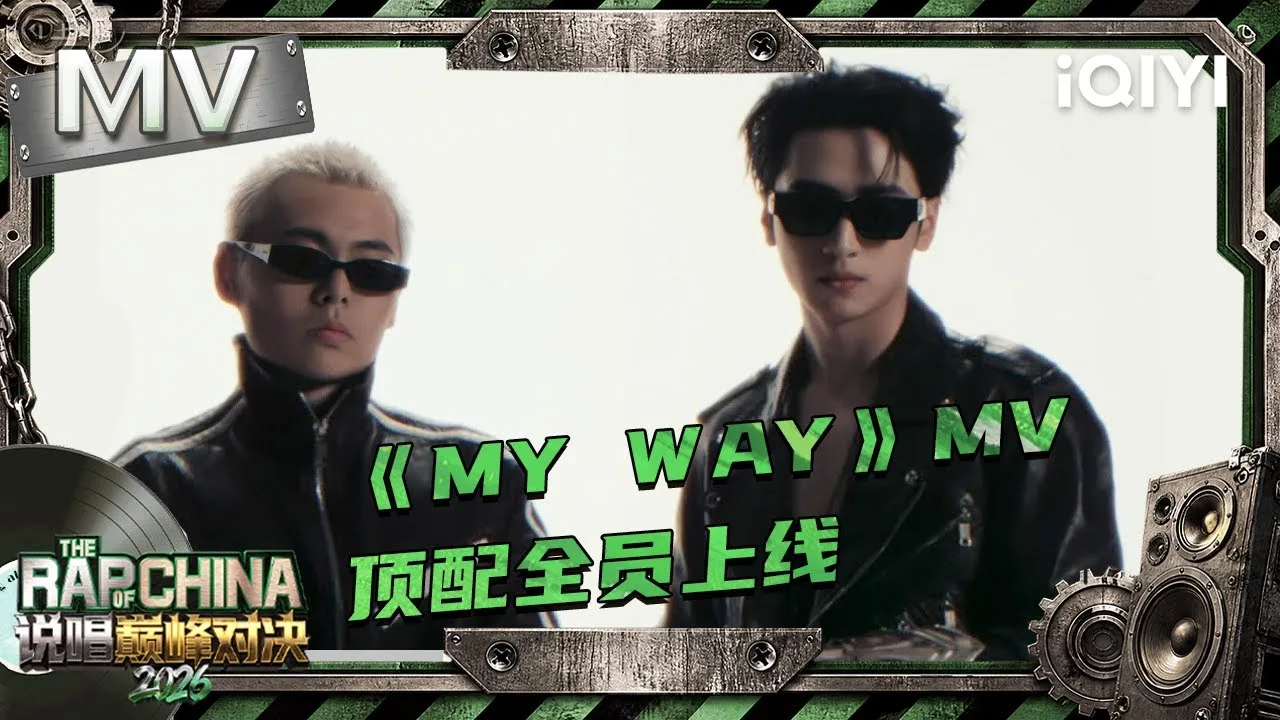
The official iQIYI My Way music video documents VaVa inside the 2026 program cycle, nearly a decade after the season that first made her nationally recognizable.
Piao No Roots is the current album, not a footnote
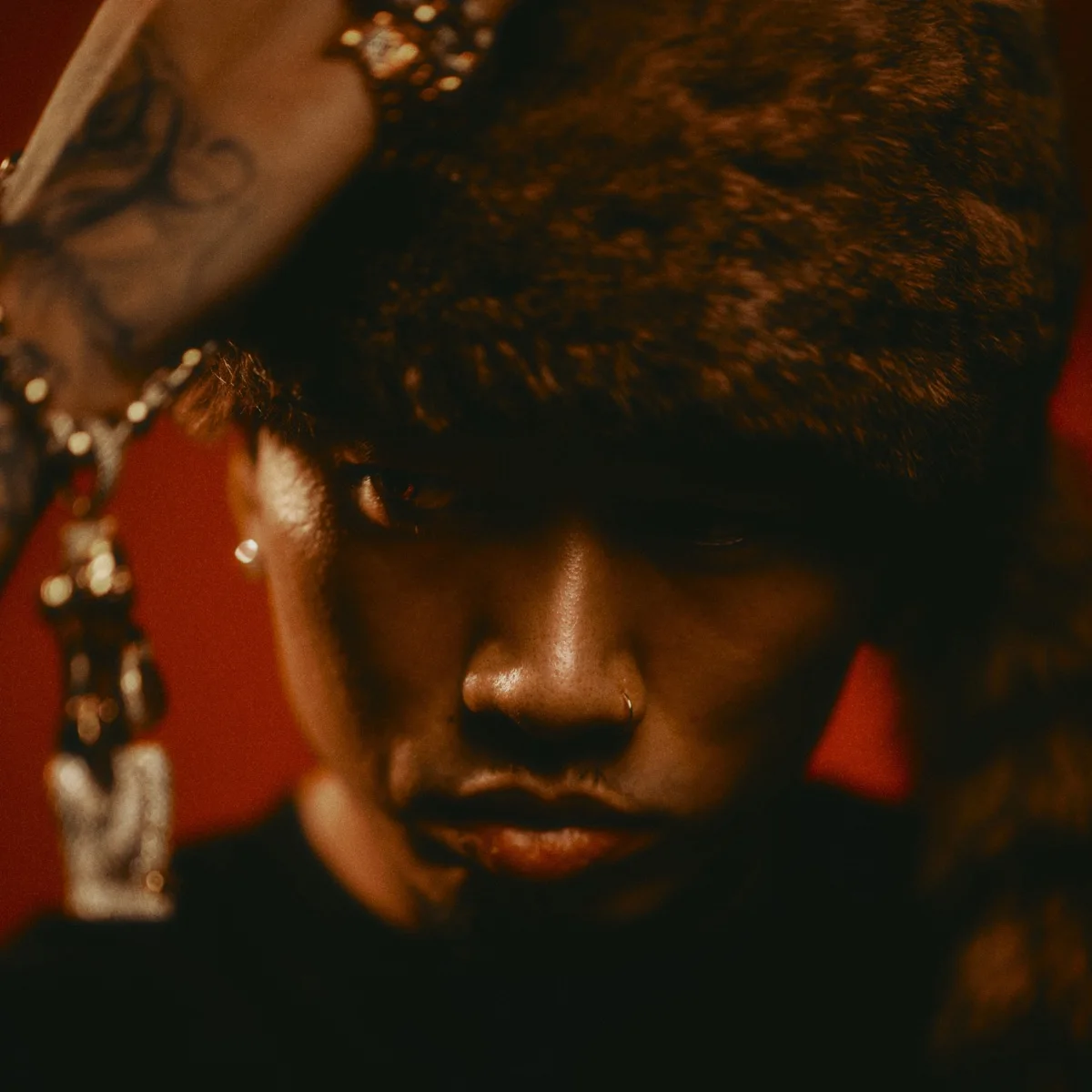
Apple Music lists Piao No Roots (飘 No Roots) as a full album released on March 30, 2026. Its track list includes collaborations with Leah Dou, WatchMe, Bridge, Kaash Paige and Sheng Yu D-SHINE, whose feature on Genius connects VaVa's current album to the Changsha rapper's active catalog.
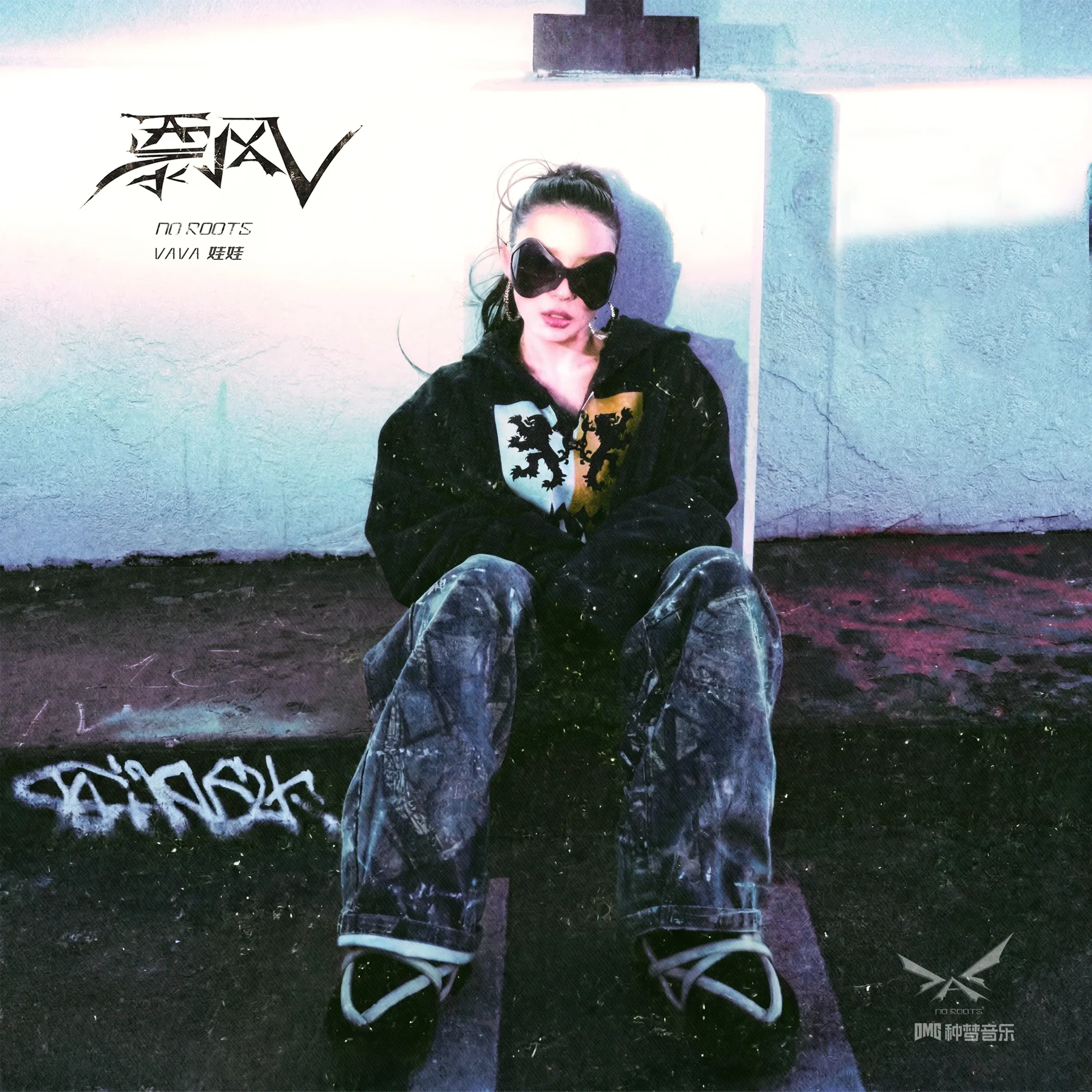
The Piao No Roots album is the clearest evidence that VaVa's 2026 story is album-sized, not only a television return.
The title fits an artist whose career keeps moving between places and systems: Ya'an, Beijing, national television, fashion campaigns, Warner-era pop scale and newer Dream Music Group credits. “No roots” does not erase Sichuan. It describes motion without pretending one scene explains every chapter.
The catalog continued after the album. Apple Music dates Truth Freestyle to May, Nous Sommes to June and My Way later that month. The main artist profile is messy because Apple hosts other same-name pages, so use artist ID 1278518450 rather than trusting any VAVA search result.
My standard for this chapter is unforgiving. The unmistakable voice and stage presence have survived nearly a decade after 2017, but the lyrics and ideas must move as far as the styling. VaVa's authority is real; longevity is not repetition with better lighting. The later catalog earns its place only when a new song gives that voice a new argument, scene or rhythmic problem to solve.
VaVa is most persuasive when command reveals cost
VaVa's best quality is refusal. She refuses the idea that a woman in Chinese rap has to choose between hardness and glamour, regional speech and international styling, television scale and actual records. When all of those parts lock together, she looks and sounds like nobody else in the current East Moment artist lineup.
The limitation is also refusal. Constant reinvention can make the catalog feel less coherent than an artist who protects one sound for ten years. Some pop experiments lose the compact aggression that makes her voice exciting. Some visuals are easier to remember than the songs underneath them.
That is why the listening route should move across eras. Put U Should Know My Name beside Persian. Follow My New Swag with Running Girl. Then play Demon Child inside the full Piao No Roots album. The changes become the story instead of a problem to solve.
A route from stage authority to interior detail
For the fastest introduction, play these in order:
- My New Swag for the song that made the whole package visible.
- U Should Know My Name for the early statement of intent.
- Running Girl for the person beneath the public image.
- Persian for the polished, performance-heavy experiment.
- Demon Child for the 2026 return to a hard rap center.
Then choose an album. Start with 21 if you want the breakthrough energy, Mao Yanqi if you want the artist turning toward her own name, V Jie Zhi Mi if you want the Warner-era pop-rap scale or Piao No Roots if you want the current chapter.
There is no clearly verified personal YouTube channel that cleanly organizes the whole catalog. Use the linked Boba Beats release for My New Swag, Warner Music China's official uploads for that label chapter and iQIYI's official channels for televised stages. Apple Music artist ID 1278518450 is the most reliable single catalog route reviewed for this guide.
The short VaVa timeline
- Teen years: Mao Yanqi begins performing locally at 16 and later moves from Sichuan to Beijing at 18 to pursue music professionally, according to Warner Music Group.
- 2016: She wins Listen Up, as documented by RADII.
- 2017: VaVa reaches the final four of the first The Rap of China and releases the 21 era around the national breakthrough.
- 2018: My New Swag gains a wider international audience through Crazy Rich Asians.
- 2019: Warner Music Group announces her signing to Warner Music China; the album Mao Yanqi follows that year.
- 2020-2022: Vow, the two-part Zhao Ge Mu Yan project and V Jie Zhi Mi expand the sound beyond one breakthrough formula.
- 2023: Running Girl and other official iQIYI stages reconnect VaVa with major rap television from the position of an established artist.
- 2026: Piao No Roots, Truth Freestyle, Nous Sommes, My Way and official iQIYI performances document an active new cycle.
Why VaVa matters
VaVa made it harder to treat women in Chinese hip-hop as an exception mentioned after the “main” story. She occupied the first season's final four, built a recognizable album and visual identity, moved a Chinese rap song into a major Hollywood soundtrack and kept releasing long enough for the breakthrough to become only one chapter.
She also broadens the regional map. Masiwei makes Chengdu's CDC route legible, GAI carries a Sichuan birth and Chongqing formation, and VaVa brings a Ya'an-to-Beijing path shaped by Sichuan speech but not confined to one city collective. Our Chengdu culture guide gives the wider Sichuan creative context without pretending Ya'an and Chengdu are the same place.
The lazy summary is “China's female rap star.” The better one is an artist who understood early that voice, clothing, camera, dialect and ambition could all be part of the beat.
Continue through Chinese music, explore the Chinese musicians directory, or follow the 2026 collaboration thread into the Sheng Yu profile.