NINEONE is most interesting in the space between “stay” and “leave.” Her hooks often sound direct enough to quote in a message, but the emotion underneath remains unresolved. Desire, irritation, independence and the wish to be understood can occupy the same line.
That is her authorial strength. She is not merely a rapper who can sing or a pop artist with rap verses. She has built a recognizable language for internet-era intimacy: feelings arrive quickly, communication remains incomplete, and a polished hook does not guarantee emotional clarity.
I reject the idea that this accessibility makes the writing shallow. The hook must open a private argument, not finish it; when the verse changes who owes whom an answer, NINEONE is doing much more than supplying a caption.
NINEONE rapper in 60 seconds
| What you want to know | The short answer |
|---|---|
| Real name | Zhao Xinyue, 赵馨玥 |
| Also known as | NINEONE#, 乃万 and Naiwan |
| Hometown | Xi'an, Shaanxi |
| Early scene | Lazyair, the circle founded by fellow Xi'an rapper Capper |
| Wider breakthroughs | The Rap of China 2019 and Youth With You 2 in 2020 |
| What hits first | Conversational hooks, melodic rap and emotionally unfinished statements |
| Start with | But U, I Don't Wanna See U Anymore, Battery and Dear X |
| Essential projects | Dear X, 91% and NARCHIVE |
The television chronology matters because it corrects a common misunderstanding. NINEONE did not become a rapper after entering an idol program. The rap identity, recordings and festival experience came first; Youth With You 2 changed the scale and composition of the audience.
Her hooks sound like messages that were actually sent
Pop lyrics often summarize emotion after the writer has understood it. NINEONE is better at the earlier moment, when a person is still typing, deleting and deciding which version of the truth can be delivered.
That gives her songs social realism even when the production is polished. A phrase can be catchy because it resembles the compressed language of a text, caption or late-night voice message. The listener recognizes not only the feeling but the medium through which young people now perform it.
Her melodic delivery helps. She can rap a thought, soften its ending into melody and allow the hook to sound more emotionally certain than the verse. That mismatch is often the point: the song is easy to repeat even when the relationship is not easy to understand.
Five songs that explain NINEONE
1. But U: intimacy without a grand declaration
But U turns contrast into its entire emotional structure. The title begins with a correction: everything else may be true, but you remain the exception.
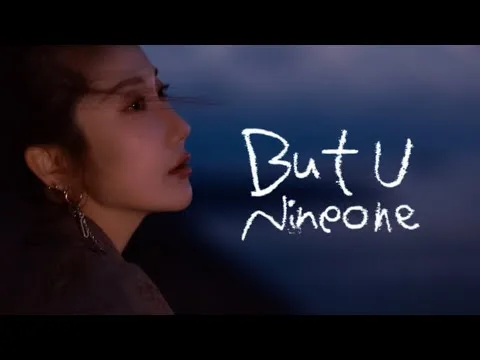
The official But U video shows the softer side of NINEONE's writing without turning vulnerability into a dramatic costume change.
The vocal approach is close and conversational. She does not need a power-ballad climax because the song's intimacy depends on sounding as if it belongs between two people, not in a public speech.
2. I Don't Wanna See U Anymore: refusal made shareable
I Don't Wanna See U Anymore became closely associated with NINEONE's rise through social and short-video circulation. The English title is blunt, but the emotional use is more flexible than the sentence suggests.
It can mean actual closure, temporary anger or the kind of exaggerated refusal that hopes the other person will respond. The record travels because listeners can insert their own unresolved situation into a statement that looks final.
This is an important internet-pop skill: write a line simple enough to caption, but emotionally open enough to survive thousands of different contexts.
3. Battery: confidence as stored energy
Battery places NINEONE in a sharper rhythmic mode. The central image suggests charge, capacity and the possibility of running down. Confidence is not presented as an unlimited natural resource; it is something accumulated and spent.
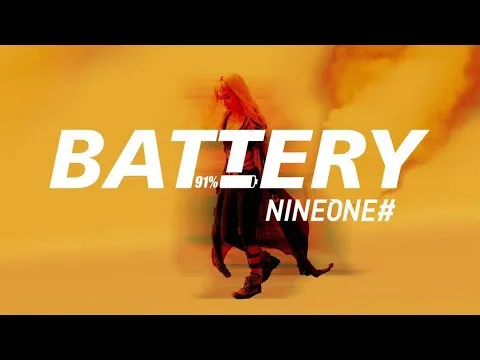
The official Battery video belongs in the guide because it prevents the softest hits from defining her entire performance range.
The harder cadence also clarifies that melody is a choice, not compensation for limited rap ability. She can tighten delivery when the concept needs propulsion.
4. Dear X: the unnamed person becomes a writing device
The title Dear X frames the 2019 album as correspondence to someone left undefined. “X” can be an ex, an unknown person, a variable or several people collapsed into one addressee.
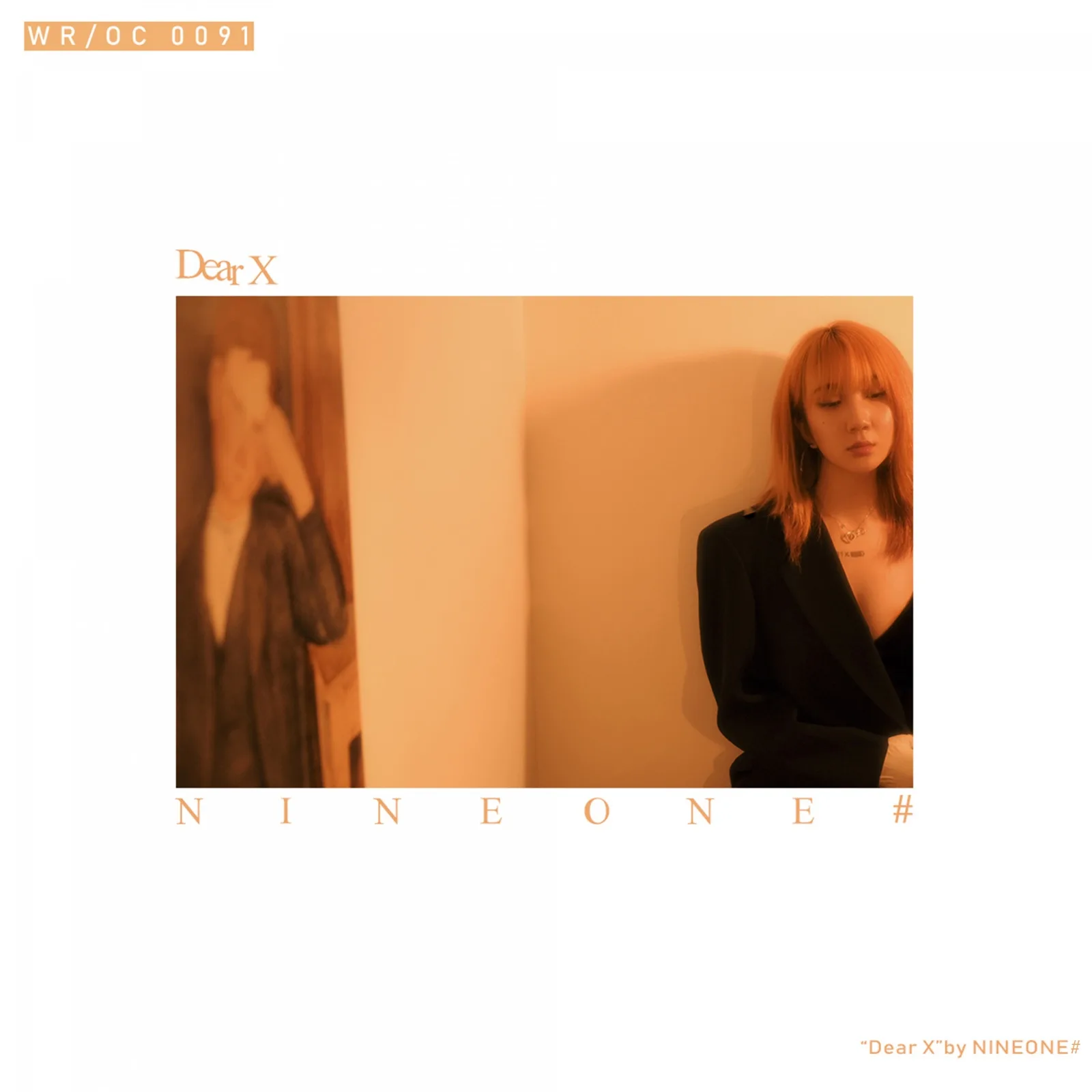
The Dear X album establishes a recurring NINEONE method: the addressee remains specific enough to feel real and open enough for listeners to enter.
That device avoids one weakness of diary-style pop. The songs are personal without requiring the audience to know private biography. “X” is an emotional role, and the listener understands it through tone and repetition.
5. Natasha: another name, another distance
NATASHA uses a named character rather than an unnamed X. A separate name can create freedom: the artist may exaggerate, fictionalize or examine a version of herself without claiming that every detail is documentary fact.
The song belongs beside Dear X because both titles use naming to manage distance. One removes identity from the receiver; the other gives an alternate identity to the speaker or character. NINEONE's writing is often about controlling how much access a listener receives.
Dear X came before the idol-program image
Released in 2019, Dear X matters because it records an album identity before Youth With You 2 introduced NINEONE to a much larger pop audience. The project includes Wind's Color, 22, It Hurts, Sugar Free and the title track.
The palette already contains the later balance: rap posture, soft melodic edges, bilingual titles and relationships treated as unstable conversations. Television increased visibility; it did not invent the musical grammar.
This distinction protects the artist from a familiar reduction. When a woman rapper becomes widely visible through a variety or idol program, profiles often rewrite the earlier work as preparation for television. In NINEONE's case, the album should be heard as evidence of an independent creative route that television later complicated.
91% is confident because it leaves something missing
The 2020 EP title 91% refuses completion. Ninety-one percent is high enough to imply control and low enough to leave a visible gap.
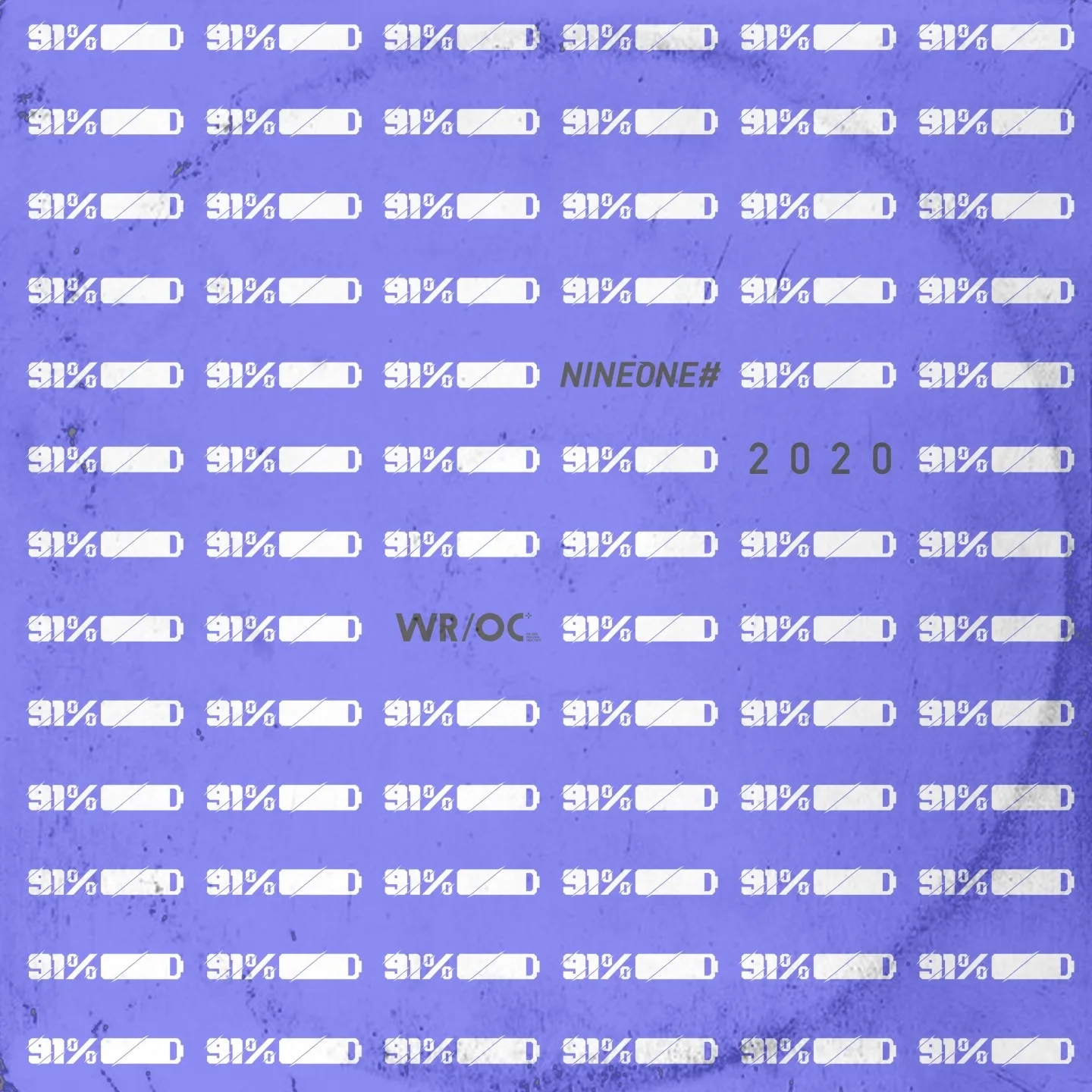
The 91% EP compresses NINEONE's pop-rap authority into six tracks while preserving incompleteness in the title itself.
The project contains Battery, Hot Girl Fun, Boy, Like Stars and Spice It Up. The sequencing is outwardly confident, but “91%” prevents the confidence from becoming a finished self-portrait.
That missing nine percent can be read in several ways: uncertainty, room to grow, something private, or a refusal to promise total access. The ambiguity fits an artist whose songs often reveal the message while withholding the final answer.
NARCHIVE turns a persona into a record system
The 2024 title NARCHIVE combines the initial N with “archive.” An archive is not the same as a diary. It selects, labels and preserves material for future return.
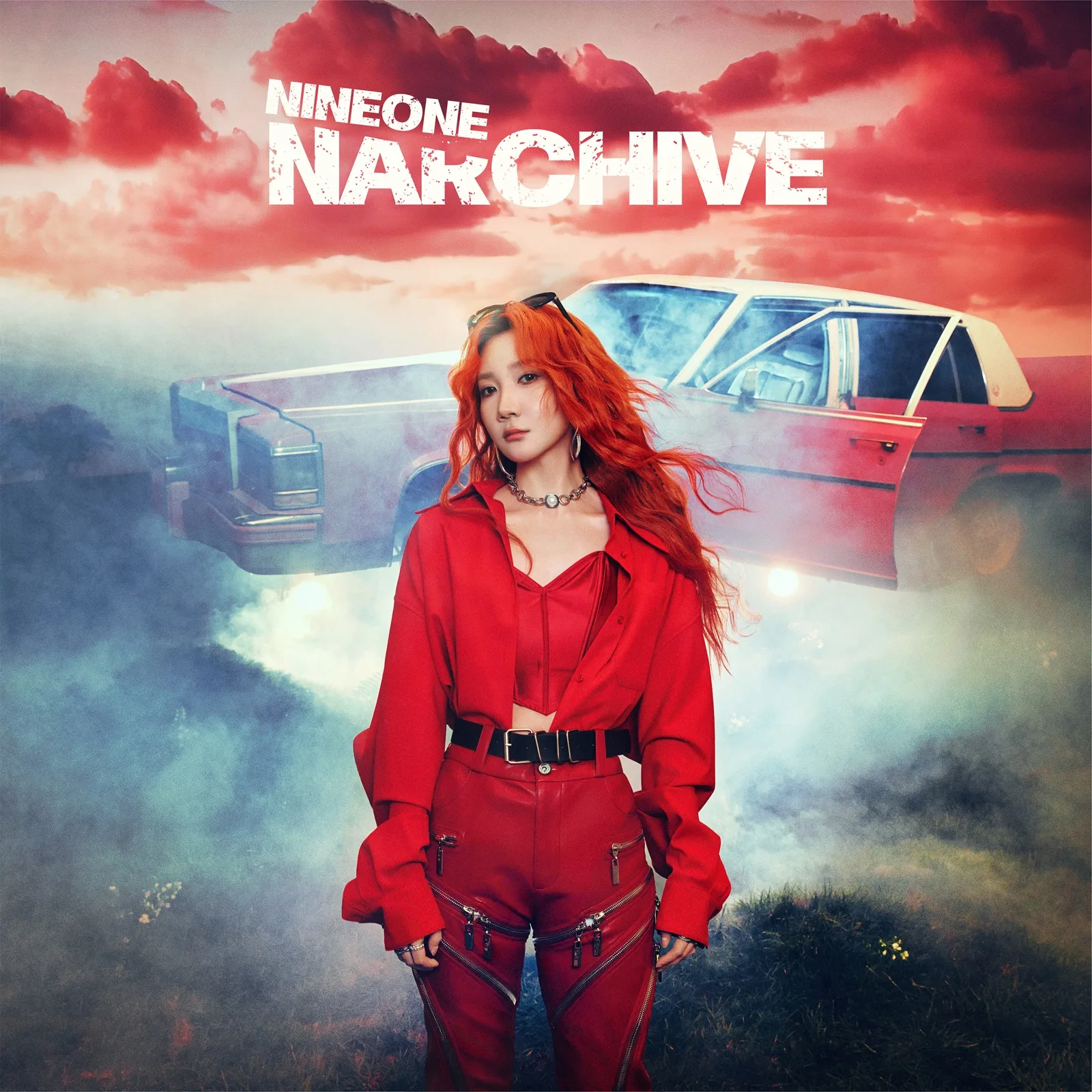
The NARCHIVE album frames memory as curation: the artist is not only feeling events but deciding how versions of herself should be stored.
This is a useful later-career concept for someone whose public identity has moved through underground rap, television competition, idol-adjacent fandom, festivals and mainstream pop collaborations. Different audiences may believe they know a different NINEONE.
The archive lets her answer without selecting one “real” version. Early rap records, polished hooks, performance personas and emotional characters can all remain in the file.
Xi'an matters through networks, not ancient imagery
NINEONE was born in Xi'an and, according to Apple Music's editorial biography, entered the Lazyair circle founded by Capper in 2016. That scene connection is more musically useful than forcing terracotta warriors or ancient-capital symbolism into a modern artist profile.
Capper represents a more elastic, fashion-forward and technically playful Xi'an route. NINEONE's authority developed differently: she made emotionally direct pop structure carry a credible rap identity.
The connection shows how a city scene can produce artists who do not sound alike. A healthy local network is not a factory for one accent. It gives different personalities collaborators, stages and a first audience.
Our Xi'an cultural guide can explain the city beyond music, but NINEONE should not be asked to perform its ancient history in every song. Her Xi'an connection is social and biographical before it is symbolic.
Youth With You 2 changed the gaze around the music
Joining Youth With You 2 in 2020 placed an established rapper inside a program designed around group formation, personality editing and intensive fan participation. The format did not simply provide exposure. It changed how audiences looked at her.
Rap listeners might test credibility. Idol-program viewers might focus on personality, ranking and group compatibility. New fans could arrive through performance clips rather than albums. NINEONE had to move among these expectations without allowing one to own the entire identity.
The common gender framing adds another pressure. She is often introduced as a “female rapper” before any musical quality is named. Gender shapes access, criticism and public treatment, but it should not substitute for analysis. The important question is what she writes and how the voice works.
Authorized listener research shows a more useful discovery path than either ranking or gender framing. People repeatedly arrive through one song fragment or a line that feels immediately usable, then search for the full track, another overlooked song or a tour set. My conclusion is firm: quotability is only NINEONE's entrance. Her durable advantage appears when the hook opens an unfinished exchange and the listener wants to stay long enough to discover the person and project around it.
Do not resolve the message too quickly
NINEONE's hooks can sound like a sentence ready to send, but the useful listening begins after the quote. Ask who has power in the exchange, what remains unsaid and whether repetition makes the speaker more certain or more trapped. A direct hook can carry unresolved emotion without becoming vague.
Next, listen for the distance between pop clarity and rap detail. Does the verse complicate the chorus, or merely explain it? Does a melodic surface protect anger, invite intimacy or make conflict easier to consume? The strongest songs let those functions remain in tension.
Visual identity can also change how confidence is read. Ignore the styling for one pass and test whether the voice still controls the record. Then restore the video and ask what the image adds. My judgment is that NINEONE matters when accessibility does not finish the emotion for the listener.
The strongest test is what happens after the hook has already won. Does the second verse reveal a new fact, shift responsibility or expose the confidence as performance? Replay only the sections between choruses. Pop-rap becomes thin when the connective writing merely waits for the quote to return.
When the verses keep changing the message, accessibility becomes an invitation rather than a limit. That is the difference between a song built around one caption and a song whose caption opens an unresolved conversation.
Replay the ending. A clean resolution may satisfy the platform; an honest unresolved note may explain the artist better.
NINEONE makes vulnerability negotiate with ambition
NINEONE's strongest songs feel immediately usable in a listener's own life. The hook can become a message, caption or private replay, yet the music retains enough ambiguity that repetition reveals another emotional possibility.
The weakness is the same accessibility. When a song depends too heavily on a polished mid-tempo mood and one quotable line, the writing can feel designed for circulation before it has developed a full scene. Not every unresolved feeling becomes depth simply because it remains unresolved.
Her best projects avoid that problem by creating systems around the emotion: the addressee in Dear X, the deliberate incompleteness of 91%, and the curatorial frame of NARCHIVE.
Start where confidence changes temperature
Use this route:
- But U for intimate melodic writing.
- I Don't Wanna See U Anymore for shareable emotional ambiguity.
- Battery for rhythmic confidence.
- Dear X for the early album voice.
- NARCHIVE for the later self-curation concept.
Continue through the Chinese musicians directory or choose Lexie Liu for a more synthetic and world-building pop experiment, Vava for performance-first mainstream rap authority, or Vinida Weng for a darker, denser approach to control and vulnerability.
Why NINEONE matters
NINEONE made emotional hesitation into a coherent pop-rap language. Her catalog understands that young intimacy now happens through mediated fragments: messages, captions, remembered phrases, alternate selves and public performances of private feeling.
The music's value is not that it solves those contradictions. It gives them a hook without pretending the hook is an answer.