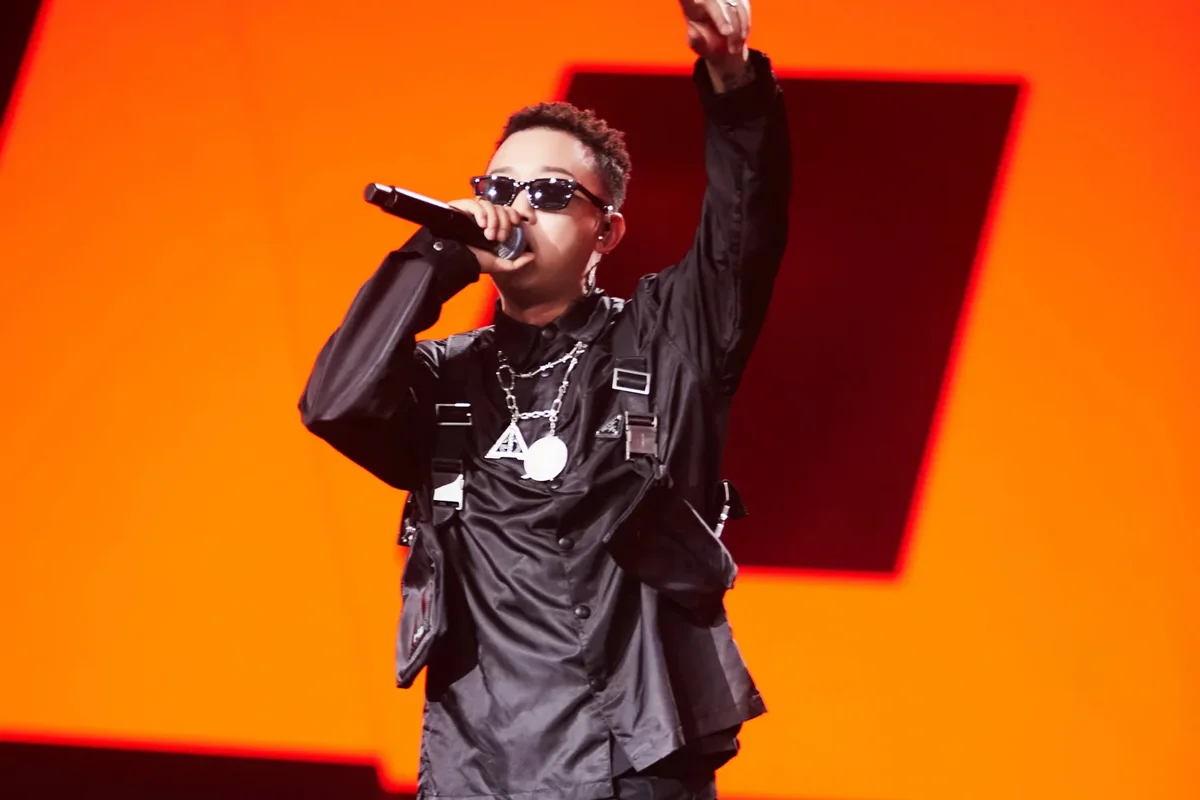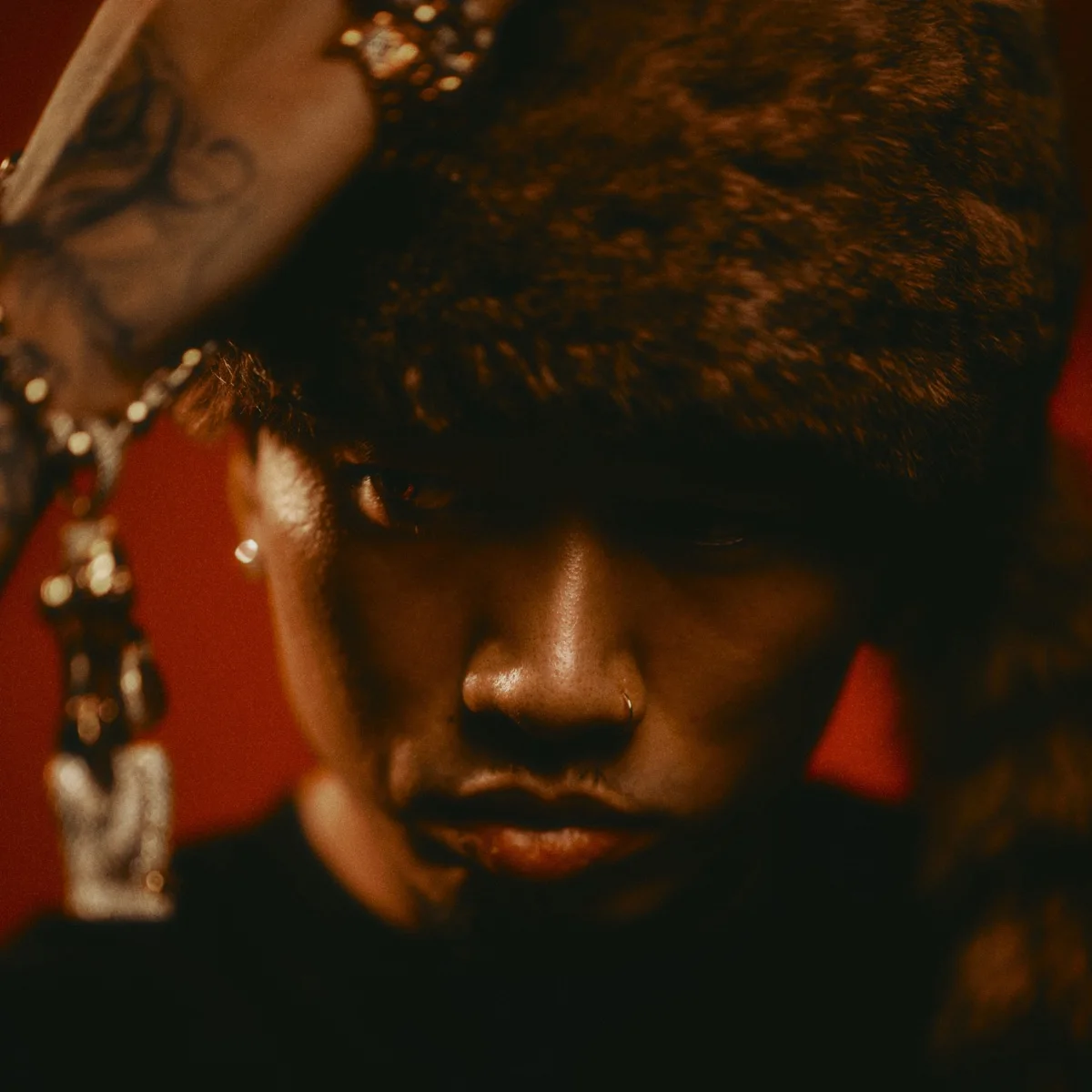
KnowKnow understood early that a rap persona could be more than an attitude. It could be a company, a showroom, a joke and a romantic problem at the same time. My view is firm: “Mr. Enjoy Da Money” works because the joke became a coherent album world rather than a disposable flex.
That mixture is the point. KnowKnow's flexing is not always a literal financial report. It is performance: the young Chinese hustler imagining global luxury, translating business vocabulary into rhythm and laughing at how oversized the dream becomes.
KnowKnow rapper: the answer behind the showroom
| What you want to know | The short answer |
|---|---|
| Real name | Ding Zhen, 丁震 |
| Birthplace | Nanjing, Jiangsu |
| Core group | Higher Brothers with Masiwei, Psy.P and Melo |
| Global platform | 88rising |
| What hits first | Comic confidence, English code-switching and melodic trap hooks |
| Start with | Mr. Bentley, R&B All Night, Mafia Cashier and Uh |
| Albums to know | Mr. Enjoy Da Money and Long Time Know See |
| Later direction | More singing and softness on Mr. Enjoy Da Melody |
The geography is worth getting right. KnowKnow is not Chengdu-born. He came from Nanjing, then became part of a group whose daily work and public identity were deeply tied to Chengdu. That outsider-insider position helps explain his appetite for movement.
Before the showroom, there was a sales desk
An attributable Chinese interview supplies the missing human scale. KnowKnow studied drama, encountered hip-hop through music video culture, made Nanjing-language rap with Dirty Mouth and later accepted an invitation into Chengdu's rap network. He was selling insurance when that route opened. The detail matters because the future “Baby CEO” did not invent business vocabulary from a luxury mood board; selling, quitting, scarcity and self-branding were already part of the world around the music.
I refuse to turn that story into a motivational poster. Leaving a job does not prove artistic greatness, and hardship does not make every flex profound. What it explains is the strange sincerity inside the showroom. KnowKnow can exaggerate wealth until it becomes comedy because he understands the humiliating distance between wanting a larger life and counting what is actually available. The persona is funniest when that distance remains visible. Once the objects become mere product placement, the tension dies.
I love the flex only when I can still hear the former salesman measuring the room. The car, watch and invented executive title must reveal appetite, insecurity or comic timing; otherwise the record is just a receipt with drums. KnowKnow's best luxury songs keep the price tag visible and the hunger even more visible.
The Nanjing origin is equally important. Dirty Mouth and local-language beginnings prevent the later English code-switching from being read as simple imitation. His vocabulary moved outward, but the instinct to turn speech into a social character began locally. That movement—from Nanjing talk, through a Chengdu workroom, into an international luxury cartoon—is the real biography of the sound.
The flex is a fictional system
Luxury rap often asks the listener to believe every object is evidence. KnowKnow is more entertaining when the objects become props. Bentleys, cashiers, bosses, phones and clothing create a bright commercial universe where confidence is exaggerated until it becomes comedy.
The humor does not cancel ambition. It reveals how aspiration works for a generation raised with global media but unequal access to its symbols. English brand names and American trap phrases arrived quickly; the local economic reality moved differently. KnowKnow raps inside that gap.
For overseas listeners, this changes how the code-switching should be heard. The English is not simply a test of fluency. It supplies hard consonants, globally recognizable status words and a second comic register beside Mandarin.
Five KnowKnow songs inside the showroom
1. Mr. Bentley: the object becomes a character
Mr. Bentley does not merely celebrate a car. “Mr.” turns the luxury object into a social identity. KnowKnow can address it, become it and let it stand for the version of success he is performing.
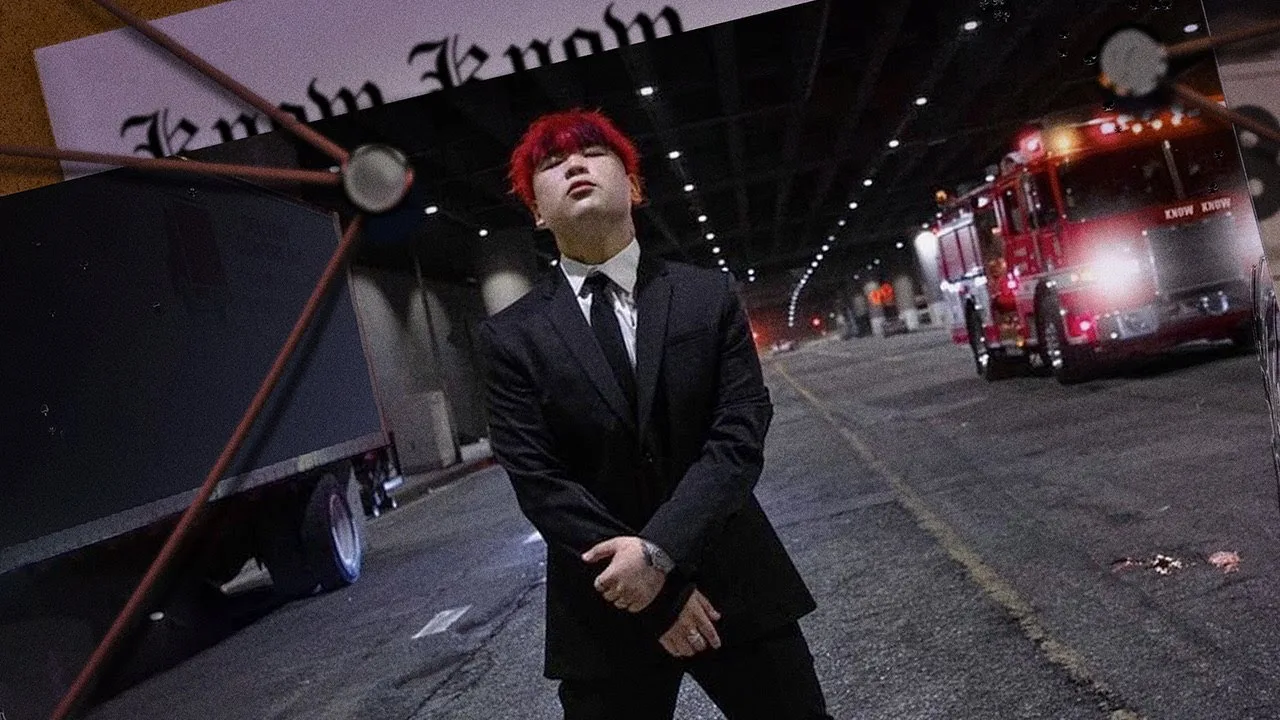
The official 88rising video for Mr. Bentley is the cleanest entrance into KnowKnow's visual logic: luxury made playful enough to feel like animation.
The hook's repetition matters more than dense lyrical explanation. He is selling a name, then showing the listener how a name can become rhythm.
2. R&B All Night: melody was always inside the persona
R&B All Night widened KnowKnow's audience because the hook is immediate and affectionate. Yet it does not feel disconnected from the money records. Both depend on fantasy, repetition and the ability to inhabit a role fully.
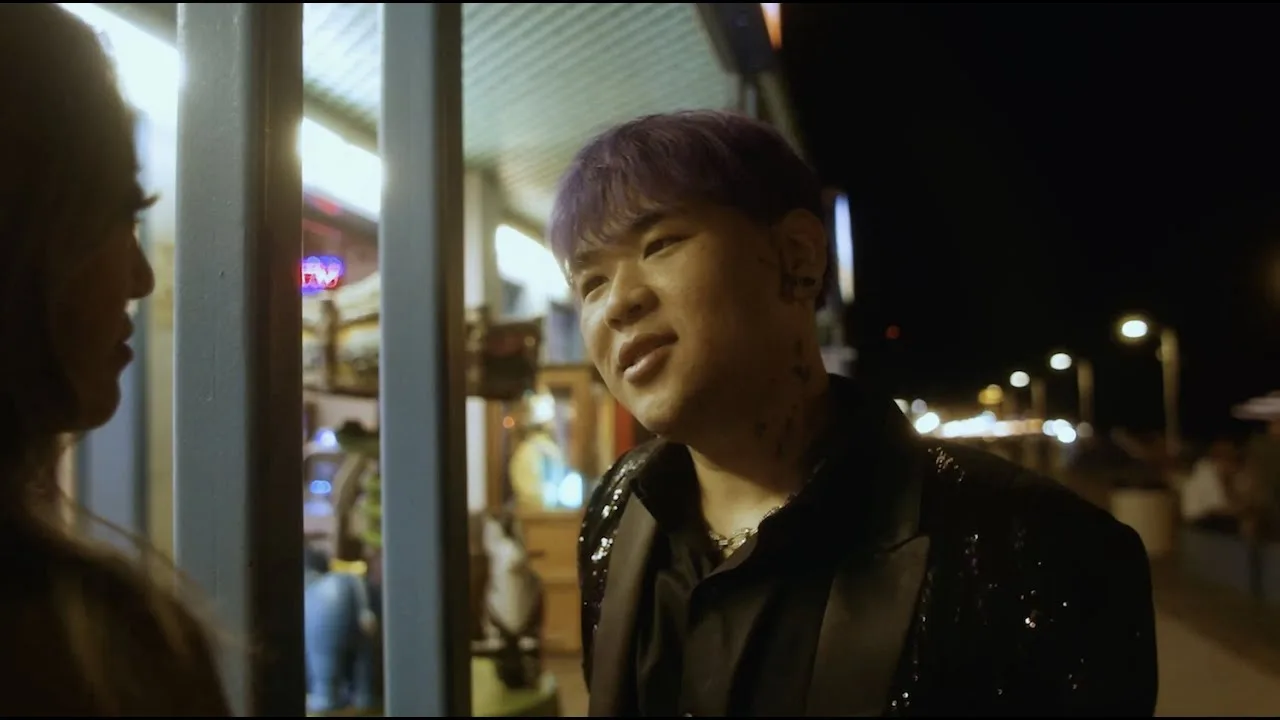
The official 88rising video shows the melodic KnowKnow without presenting romance as a serious costume change.
His singing is not designed around pristine vocal power. The slight roughness keeps the hook connected to the speaking character.
3. Mafia Cashier: a job title from an invented economy
Mafia Cashier is an ideal KnowKnow phrase. “Mafia” suggests power and danger; “cashier” suggests routine work at a counter. Put together, they create an occupation that makes no realistic sense and perfect character sense.
The song demonstrates his comic gift for English combinations. Meaning comes from collision. He understands that global rap language can be sampled at the level of identity, not only sound.
4. Uh: the group chemistry returns
Uh brings Masiwei, Psy.P and Melo into KnowKnow's solo frame. The Higher Brothers connection is not background biography here; it is audible social timing. Each member knows how much personality can fit into a short entrance.
The track is useful after the solo hits because it reveals what the group supplied: contrast, interruption and four different methods of occupying the same global-facing production.
Our Masiwei guide follows the member who became the group's most visible solo ambassador. KnowKnow's role is different. He turns commercial imagination into comic theater.
5. Disappointed: the smile cannot cover every result
Disappointed complicates the familiar shine. The title is emotionally plain, and that plainness matters after years of extravagant names. When KnowKnow reduces the business language, the listener can hear what the persona was protecting.
This does not invalidate earlier flexing as fake. It makes the character three-dimensional. Aspiration, romance and disappointment belong to the same person because ambition creates more ways to feel loss.
Higher Brothers gave four accents one passport
Higher Brothers brought together Masiwei, Psy.P and Melo from Sichuan with KnowKnow from Nanjing. Their major breakthrough through 88rising did not erase those differences. It made the differences portable.
The group's English code-switching and trap production were often discussed overseas as evidence that Chinese rap had become global. A more precise reading is that the group learned how to package local personality for global circulation without waiting for every reference to be translated.
KnowKnow was central to that strategy because his persona traveled quickly. A listener did not need to understand Nanjing or Chengdu history to recognize the comic entrepreneur. The deeper cultural context could arrive later.
The Chengdu cultural guide explains the city network that helped the group consolidate. KnowKnow's Nanjing origin remains important because it prevents the group from being reduced to one local accent.
Mr. Enjoy Da Money is a concept album disguised as flexing
The 2019 album Mr. Enjoy Da Money established the solo universe. The title's intentionally unconventional English is part of the brand. Correcting it into smoother grammar would remove the rhythm and the character.
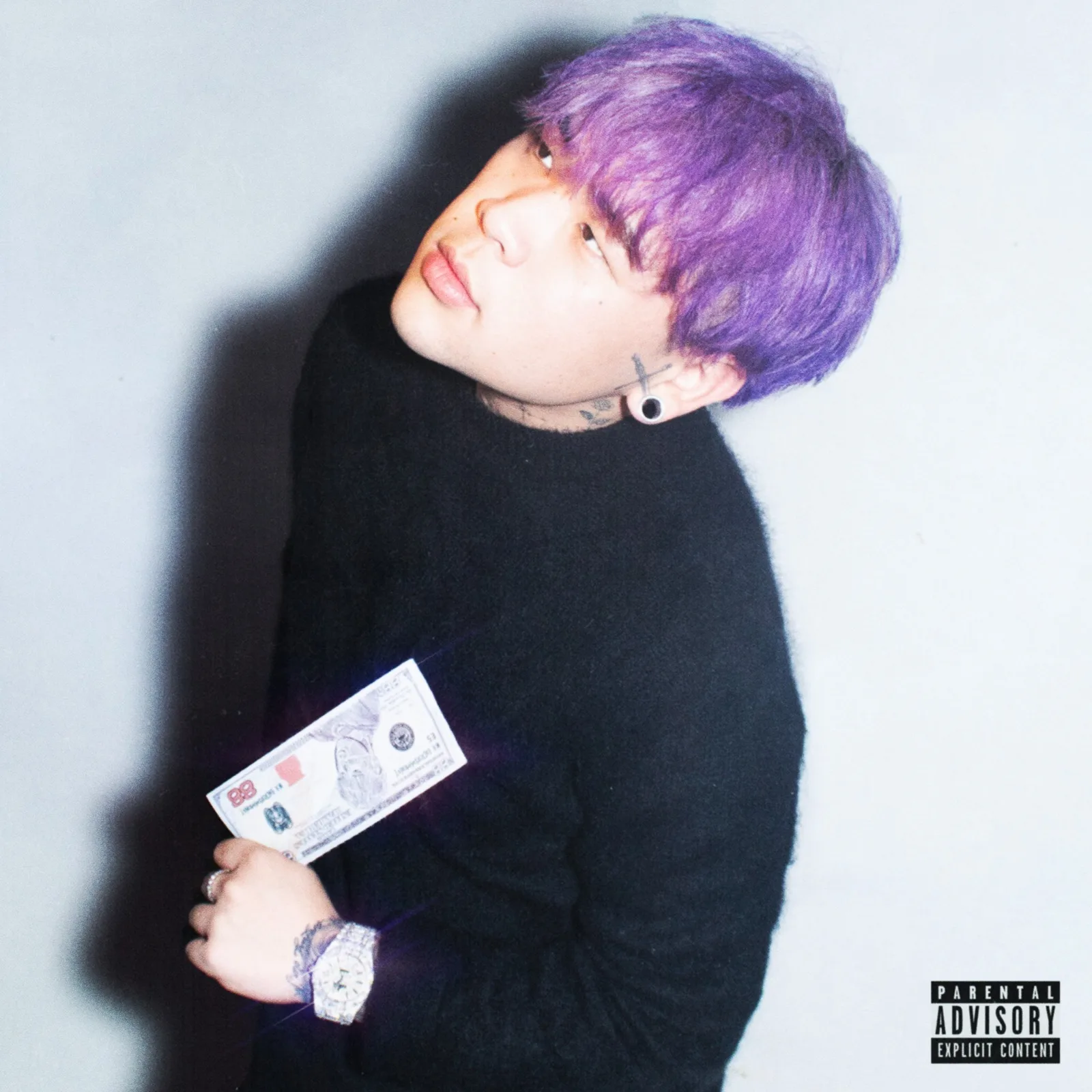
The Mr. Enjoy Da Money album turns one repeated persona into a framework for cars, romance, confidence and comic business language.
This is the difference between a collection of flex songs and world-building. The same objects recur, but their meaning shifts. A car can be proof, partner or punchline. Money can be an achievement, a nervous obsession or a way of avoiding another subject.
Long Time Know See widens the person
The 2022 title Long Time Know See bends a familiar English phrase around the artist's name. Again, the language is both branding and sound. The album arrives after the initial solo character is already recognizable, so it has room to test what exists outside the showroom.
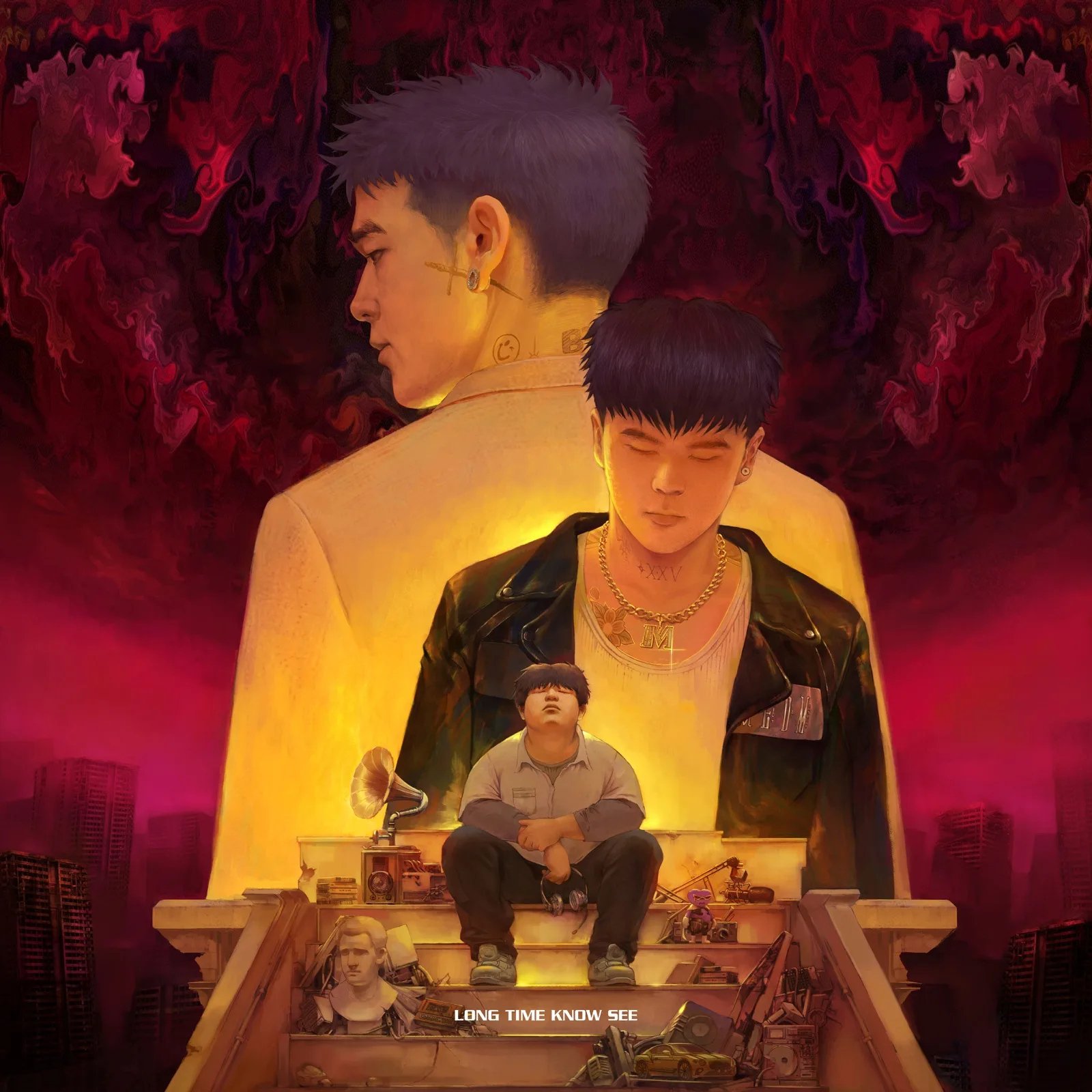
The Long Time Know See album uses a joke in the title but gives the catalog more emotional and melodic range.
The later Mr. Enjoy Da Melody EP makes that direction explicit. Melody is no longer a successful side track like R&B All Night; it becomes the organizing concept.
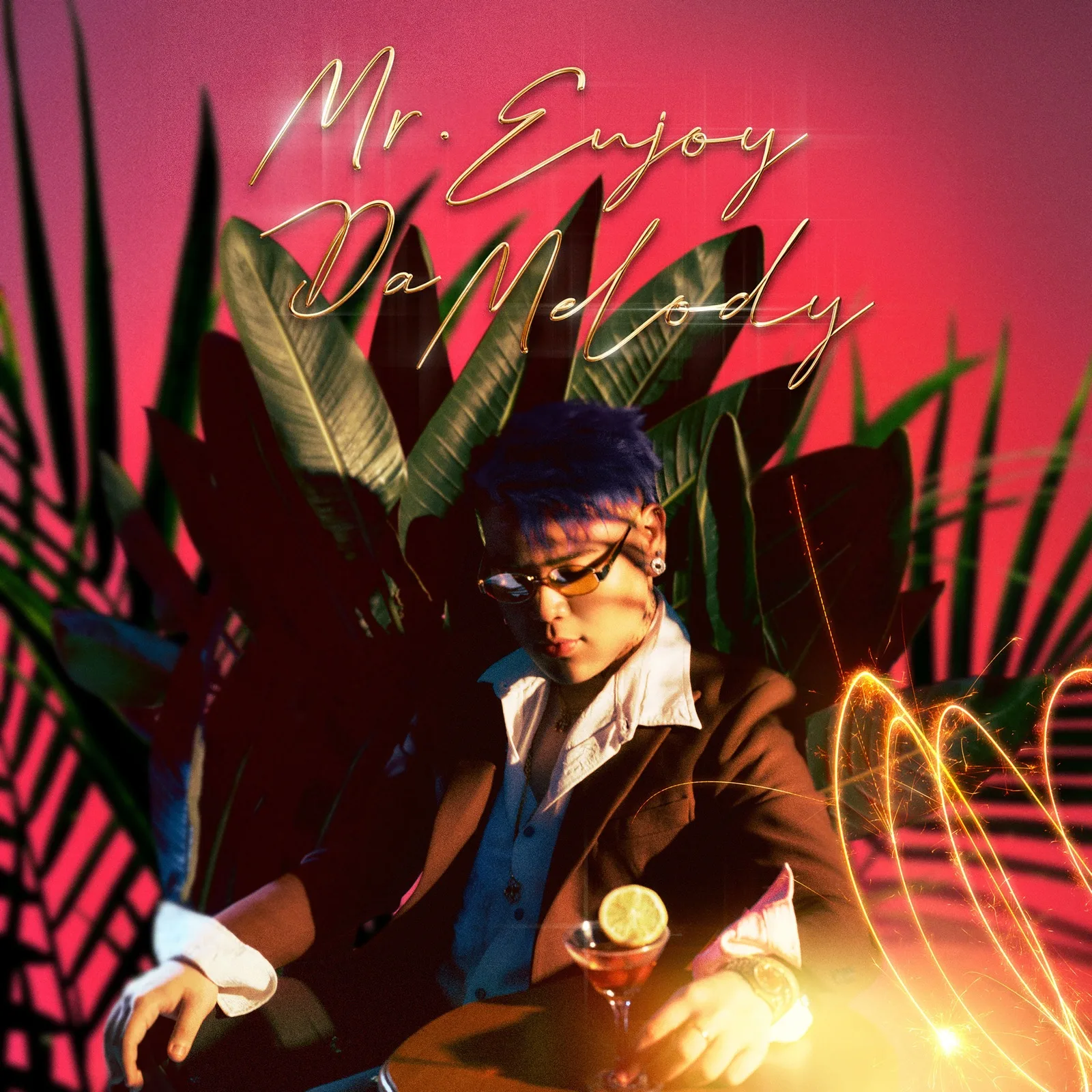
On the 2024 Mr. Enjoy Da Melody EP, the recurring “Mr. Enjoy” brand is repurposed for a softer listening mode.
Melodic clips, comic introductions, tattoos and authenticity jokes can all steal attention from the music. I keep returning to warmth and timing instead. I reject the easy conclusion that controversy proves the persona false. KnowKnow works because the exaggeration still lets need, romance and disappointment leak through. The joke and the vulnerability are not opposing verdicts; together they explain why the character survives beyond one luxury reference.
Hear the character without mistaking it for the whole person
KnowKnow makes the first listening pass easy: find the phrase that feels too polished, too expensive or too funny to be accidental. Then ask how the voice sells it. The delivery often works because he sounds committed to the character even when the premise is absurd. A weaker rapper would announce the joke. KnowKnow lets repetition, pronunciation and the surrounding production make the joke feel like a functioning business.
On the second pass, ignore the luxury nouns and listen for vulnerability. Does the character need the audience to believe him? Does romance interrupt the sales pitch? Does a hook repeat because it is triumphant, anxious or both? This is where the catalog becomes more than novelty. The money persona is useful precisely because it can reveal hunger, insecurity and the exhausting work of remaining visible.
Next compare solo work with Higher Brothers. In the group, KnowKnow does not need to carry the full architecture. He can enter as color, comic timing or a sudden melodic turn, then hand the center to another voice. Solo records require him to decide how long the character can hold a room. Listen for the moment production, guest placement or a softer line prevents the concept from becoming one-note.
Finally, watch one official video with the sound low. Clothing, props, typography, cars, rooms and camera movement should extend the record rather than merely prove that money was spent. Turn the sound back up and test whether the visual punchline already existed in the vocal performance. When it does, KnowKnow is building a world. When it does not, the image is carrying too much weight.
My judgment is that KnowKnow matters because he understood persona as songwriting infrastructure. Do not ask whether Mr. Enjoy Da Money is “real.” Ask what the mask lets the artist exaggerate, confess and organize. That question makes the five tracks above sound less like flexing and more like episodes from the same unstable company.
There is one more test: remove the catchphrase. After the hook ends, does the verse leave a new image, a rhythmic surprise or a crack in the character? Persona-driven rap fails when recognition becomes the only reward. It succeeds when the familiar mask lets the writer say something that an unperformed confession could not. Compare one immediately funny track with one romantic or reflective record and note which details remain after the joke is gone.
Higher Brothers sharpen that judgment. In the group, KnowKnow can enter as color, comic timing or a melodic turn, then hand the center to another voice. A solo album must manufacture those contrasts through guests, production and sequencing. Listen for whether a softer track feels like another room in the same building or like the character was temporarily switched off.
For an overseas listener, this is also a translation lesson. Luxury brands and English phrases may be instantly legible, while the comic timing around them is not. Do not mistake the most translatable nouns for the whole meaning. The pleasure often lives in how an exaggerated global vocabulary collides with a highly specific Chinese speaking voice.
The memorable product is therefore not the brand name. It is the timing that makes the listener believe the showroom exists.
KnowKnow turns luxury into theatre
KnowKnow is fun because he commits. The English phrases, brand objects and oversized self-confidence would collapse if delivered with embarrassment. He treats the world as real long enough for the listener to enjoy it.
The tradeoff is obvious: a persona built from money and consumer symbols can repeat itself. When the beat, hook and joke all arrive as expected, the song may feel like another room in the same store.
His melodic work is the strongest response, but softness alone is not growth. The most interesting future records will let the businessman, romantic, group member and disappointed adult interrupt one another rather than assigning each a separate project.
KnowKnow listening route: find the person behind the flex
Use this route:
- Mr. Bentley for the central character.
- R&B All Night for melodic reach.
- Mafia Cashier for comic language.
- Uh for Higher Brothers chemistry.
- Long Time Know See for the wider solo person.
Continue with the Higher Brothers group guide to place the business character inside a four-voice arrangement, Melo for the member whose abrasion changes that arrangement, or the Chinese musicians collection for the wider field beyond one rap group.
Why KnowKnow matters
KnowKnow made global aspiration locally funny. He did not wait until the English was invisible, the luxury was entirely believable or the persona was tasteful. The friction became the style.
That gives his catalog cultural value beyond novelty. It records how a Chinese internet generation encountered global rap as vocabulary, fashion, fantasy and business model all at once, then answered by creating a character large enough to hold the contradiction.