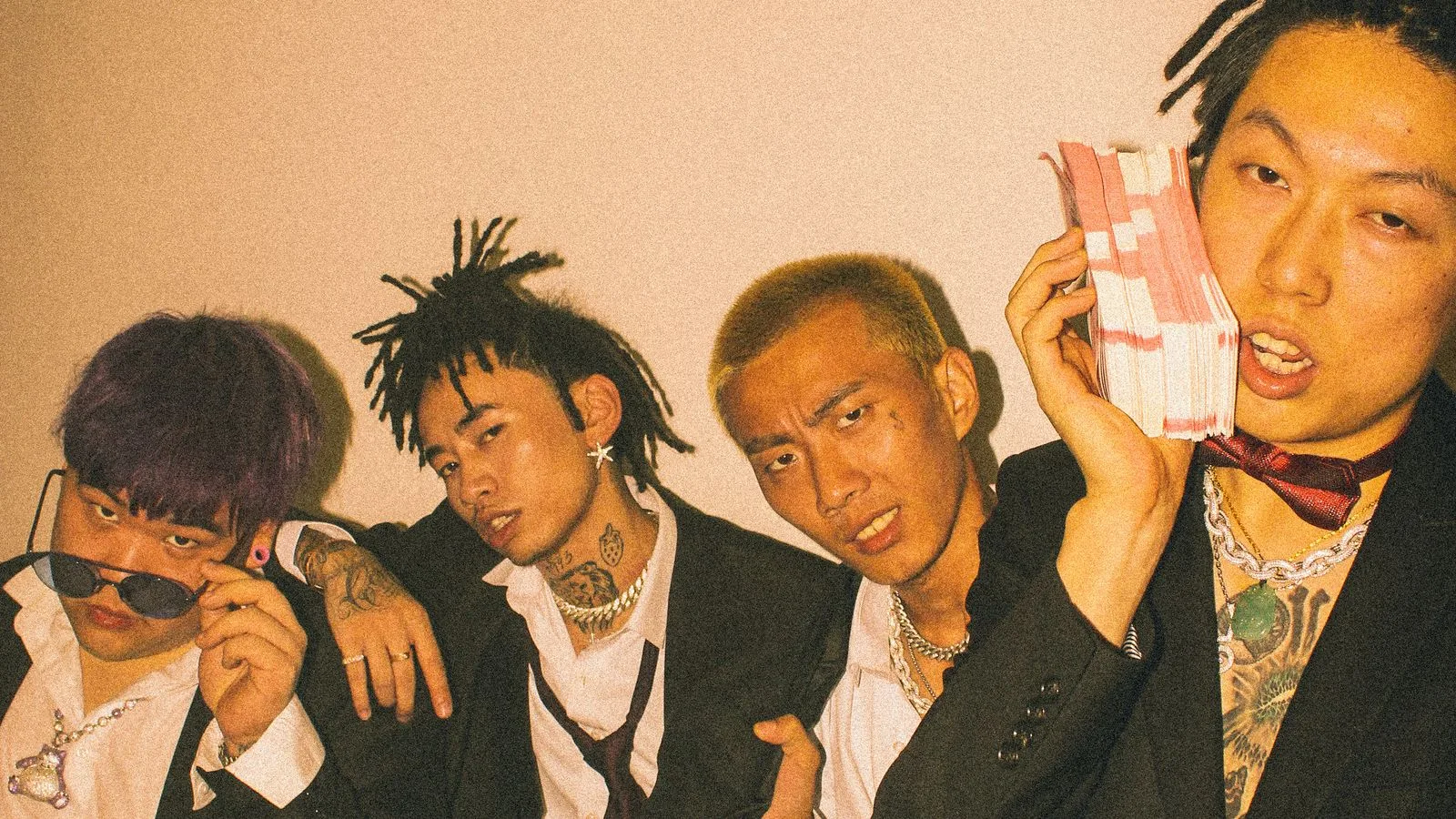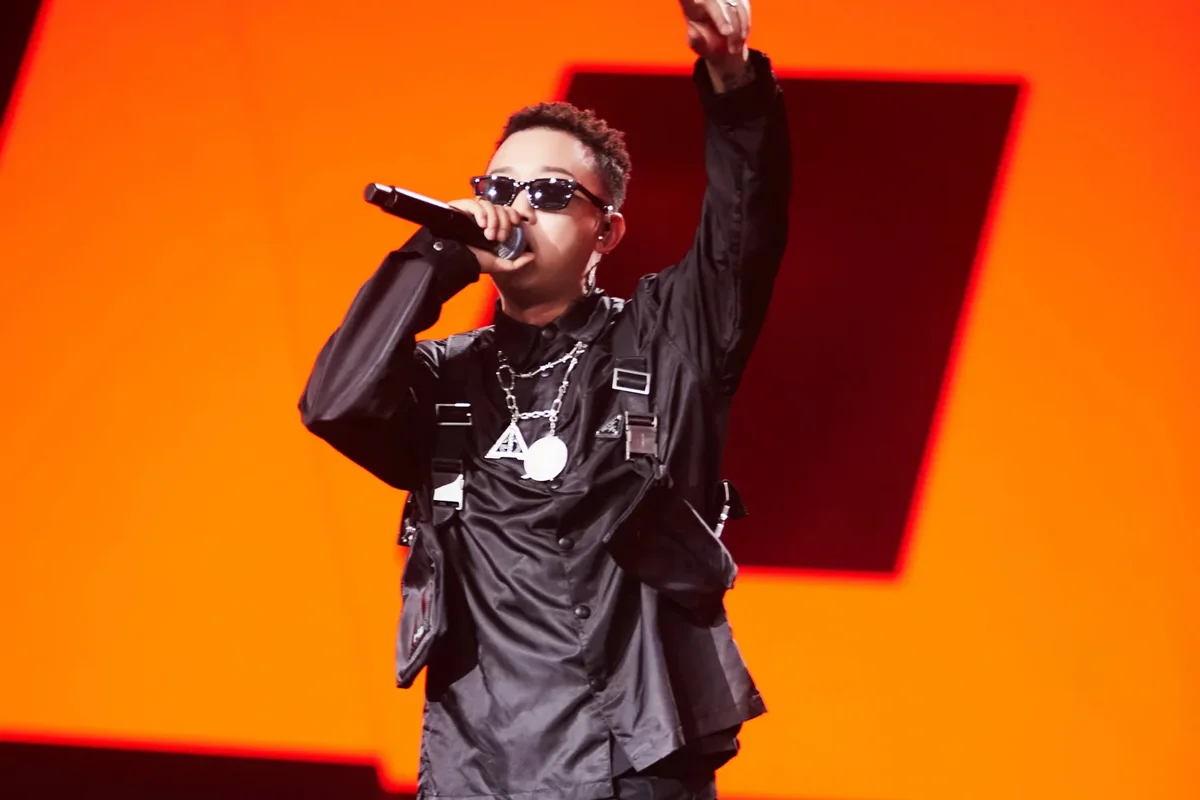
Psy.P rarely sounds as if he is trying to win the room in the first five seconds. That is precisely why his entrances can feel heavy. Inside Higher Brothers, where bright voices, comic phrases and fast hooks compete for attention, he learned to make restraint register as authority.
His solo career tests whether that low-pressure method can hold an entire project. The answer is not always yes, and that tension makes the catalog interesting. Psy.P's best records turn understatement into atmosphere; the weaker ones reveal how easily cool control can become emotional distance.
Psy.P rapper: the answer in one minute
| What you want to know | The short answer |
|---|---|
| Real name | Yang Junyi, 杨俊逸 |
| Home city | Chengdu, Sichuan |
| Core group | Higher Brothers with Masiwei, KnowKnow and Melo |
| Global platform | 88rising during the group's international breakthrough |
| What hits first | Low register, measured flow, controlled repetition and fashion-aware visuals |
| Start with | Chanel, TongZiLin, Focus and Why Not Us |
| Key solo projects | PSYLIFE.25, Chengdu Hot and Other Expressions |
| The central tension | How to preserve quiet authority without letting restraint become sameness |
Psy.P is sometimes described as the “quiet” Higher Brother, which is accurate only if quiet means selective. He does not lack presence. He concentrates it.
He makes less movement feel heavier
Many rappers signal intensity by increasing volume, speed or visible effort. Psy.P often does the opposite. The voice stays low, phrases sit behind the beat, and repetition removes unnecessary explanation.
That style works especially well in a group. A bright section creates expectation; Psy.P enters with fewer gestures and changes the center of gravity. The listener leans toward him because he does not appear to be reaching outward.
The fashion connection belongs here. His clothes and visual styling are not separate celebrity content. They repeat the musical principle: choose a small number of strong signals, keep the silhouette clean and allow confidence to appear through refusal to over-explain.
Five Psy.P tracks that test his restraint
1. Chanel: luxury as minimal design
Chanel is the cleanest introduction because every element supports the same idea. The hook turns one brand name into percussion. The beat leaves space. Psy.P's voice does not shout over the object; it treats the name as if its value were already understood.
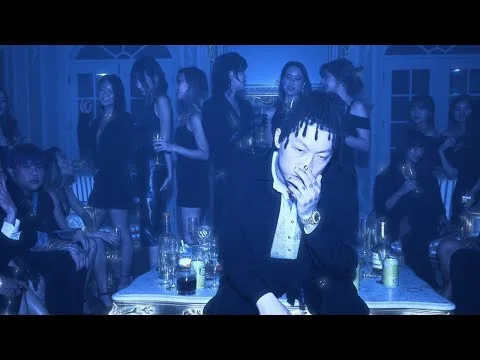
The official 88rising video for Chanel shows why fashion is structural to Psy.P's work: framing, repetition and surface all follow the same restrained logic.
The song can sound simple if complexity is measured only by word count. Its craft lies in placement. A repeated word becomes a texture, status signal and memory device at once.
2. TongZiLin: a Chengdu location becomes orientation
TongZiLin refers to a Chengdu neighborhood. Naming a specific district does something “Chengdu anthem” cannot: it places the speaker inside a daily map.
For overseas listeners, the location may initially carry no meaning. That unfamiliarity is productive. Psy.P does not pause to convert the neighborhood into a tourism explanation. The name travels because the song treats local orientation as normal.
This is how scenes become global without becoming generic. The audience learns the word after entering the music, not before.
3. Focus: Masiwei supplies brightness, Psy.P supplies weight
Focus, featuring Masiwei, demonstrates complementary group chemistry. Masiwei's projection and hook instinct make a phrase move quickly toward the audience. Psy.P's lower delivery makes the same environment feel more grounded.
The comparison is more useful than ranking members. Higher Brothers worked because four voices occupied different social roles. Our Masiwei guide follows the most visible melodic ambassador; Psy.P often sounds like the person ensuring the room does not float away.
4. Why Not Us: confidence begins to question itself
Why Not Us (为什么不是我们) is a later solo record whose title carries ambition and grievance together. “Why not us?” can rally a crew, but it can also reveal the frustration beneath self-belief.
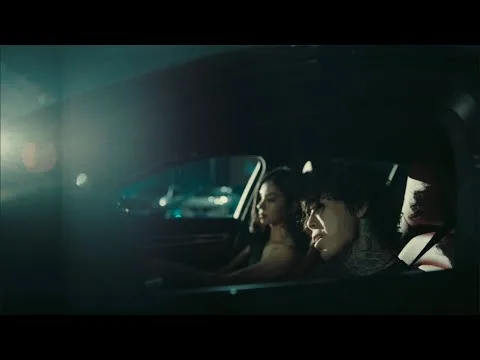
The video on Psy.P's official channel belongs in the listening route because it shows a solo artist using the old controlled surface to hold a more reflective question.
The record becomes stronger when the title is not heard as another victory slogan. Psy.P's restraint allows doubt to remain partly concealed, which suits a catalog built on not saying everything.
5. I Know I Will Lose: accepting the ending changes the voice
I Know I Will Lose (我知道自己会输) begins from an outcome that flex rap usually refuses. The value is not sudden confession for its own sake. It is the way resignation changes his familiar cool.
When a low-affect rapper approaches vulnerability, small changes matter. A slight melodic bend or delayed phrase can carry more emotional information than a large sung chorus. The listener has learned to notice pressure beneath the surface.
PSYLIFE.25 is the solo blueprint
The 2020 album PSYLIFE.25 establishes Psy.P outside a group project while keeping Higher Brothers connections audible. Masiwei, Melo and KnowKnow appear across the track list; Bohan Phoenix also enters the frame.
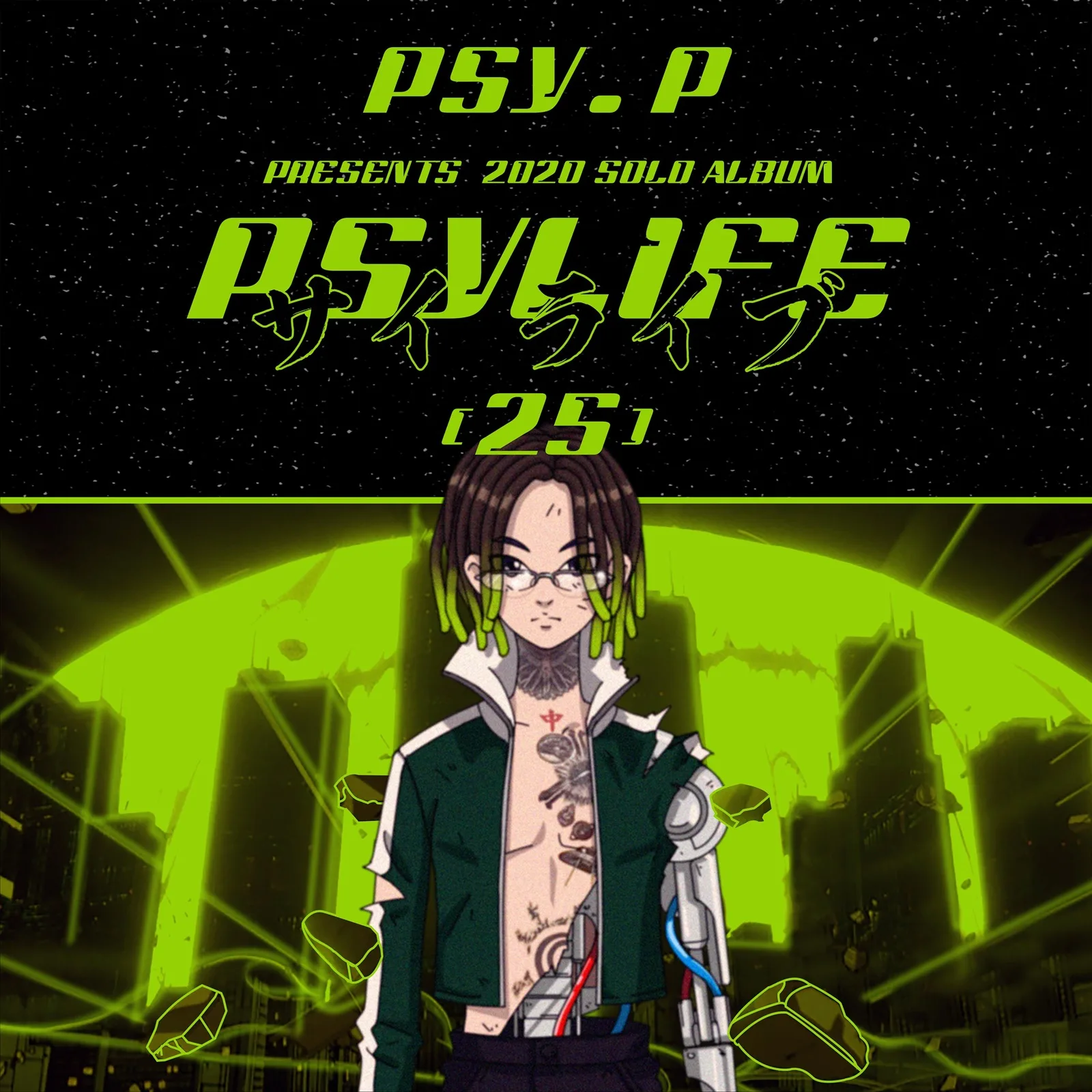
The PSYLIFE.25 album works as a solo statement built from an existing group language rather than a dramatic rejection of Higher Brothers.
That is an important distinction. Solo evolution does not require pretending the group was a cage. The album asks which parts of the shared sound were always Psy.P's: the low center, material detail, controlled repetition and attention to visual identity.
Tracks such as TongZiLin, SOSA, Chanel and Sweet Nothings reveal more range than the calm image suggests. Yet the long track list also exposes the limitation. When tempo, tone and posture remain too stable, the authority that feels concentrated in a verse can feel diluted across an album.
Chengdu Hot makes place explicit
The 2021 Chengdu Hot project moves the city from background network to title. Xie Di, KnowKnow, AnsrJ and Wang Yitai appear across a track list that connects different parts of the Chengdu ecosystem.
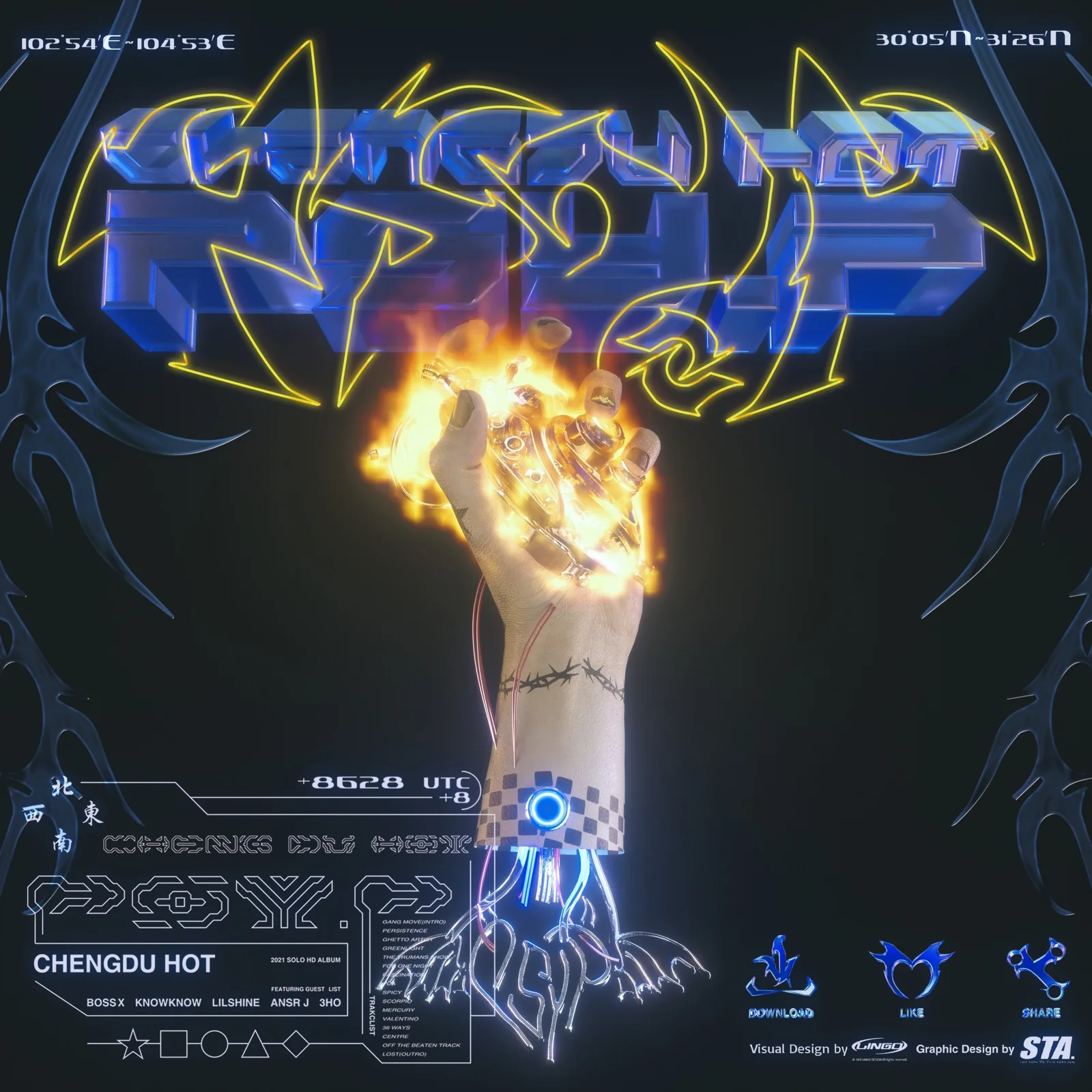
On Chengdu Hot, city identity is expressed through collaborators and local orientation rather than one slogan repeated across every song.
The title risks reading like tourism branding after Chengdu's global rap reputation. The album is better when heard as network documentation. “Hot” describes not only fame but density: artists, neighborhoods, studios and long-standing social connections producing enough friction to sustain multiple careers.
The Chengdu rap scene guide explains why Psy.P's restraint matters inside a network of brighter and rougher voices. Our Chengdu cultural guide shows why the city's reputation for relaxed life should not be mistaken for low creative ambition. Psy.P embodies that contradiction. He can sound unhurried while exercising tight control.
Other Expressions changes the emotional lighting
The 2024 EP Other Expressions contains titles such as Love Fades Away, Silent Treatment, Chronic Poisoning, I Quit and Can't Feel the Love. The language announces distance, but it is no longer only fashionable detachment.

The compact Other Expressions EP is the strongest later entry point for listeners who want to hear restraint used for emotional aftermath rather than status.
The project does not transform Psy.P into a confessional singer. That would be less interesting. It asks how much feeling can be communicated while preserving the low, controlled voice that made him recognizable.
This is where understatement earns new meaning. Earlier, it signaled that he did not need to compete for attention. Here, it can suggest someone who cannot or will not say more.
Higher Brothers needed contrast, not four frontmen
Masiwei, KnowKnow, Psy.P and Melo were effective because each created a different shape on the same production. Overseas profiles often focus on the group's collective breakthrough through 88rising, but the music is easier to understand as division of labor.
Masiwei could deliver immediate brightness and melodic identity. KnowKnow built comic business worlds and memorable English phrases. Melo often brought a rougher physical attack. Psy.P supplied the low register and visual cool that made contrast possible.
His contribution can disappear in a biography because it is relational. Hear the records again and notice what happens immediately before and after his verse. The energy often feels different because he changes the amount of space the song uses.
Measure weight by what he refuses to do
Psy.P is easiest to hear beside a brighter voice. Play a Higher Brothers track and mark his entrance. The energy may drop in pitch without dropping in force. He does not need to imitate the previous performer or fight for the same frequency. The lower register changes the floor beneath the group.
Then isolate a solo track and listen for movement inside restraint. Does the flow remain fixed, or do small changes in spacing, vowel length and emphasis keep the verse alive? Minimal visible effort can become monotony when the writing and beat offer no internal turn. The strongest work makes refusal feel intentional rather than underdeveloped.
Compare the emotional lighting across projects. A heavy voice can carry flex, hometown pride or introspection, but the production must give each subject a different room. Notice drums, bass space and whether melody softens the surface or merely repeats a formula.
My view is that Psy.P proves group chemistry depends on asymmetry. His value is not that he is the quietest member or the deepest voice. It is that he understands when less motion will make the entire arrangement feel heavier.
The production test is simple: lower the volume. Bright ad-libs and high voices disappear first, but a well-placed low-register verse can still define the track's center. Then raise the volume and notice whether weight becomes mud. The best mixes give Psy.P space without letting bass substitute for writing.
Do the same across a full project. Restraint needs changing environments or it turns into one pose. A convincing catalog lets the heavy center meet humor, melody, place and private pressure while remaining recognizable. That range, not decibel level, is the final proof.
Never grade him only by who had the most quotable line. Replay the full arrangement and ask whose presence made everyone else's contrast possible.
Psy.P's function is easy to miss when a joke, meme or louder member controls the first impression. I hear the correction the moment a full live verse replaces the short clip: lower public centrality is not lower musical value. Psy.P gives a group record a floor. The solo challenge is harder: restraint must create its own turns when Masiwei, KnowKnow and Melo are no longer present to supply contrast.
PSY.P's coolness is architecture
Psy.P's best quality is trust in small decisions. He can make one repeated word, a slightly late entrance or a controlled outfit communicate more than a verse crowded with proof.
The weakness is not that he lacks energy. It is that the same calibrated cool can reduce contrast when stretched across many tracks. Restraint only feels powerful if the surrounding songs provide pressure, surprise or emotional stakes.
His later reflective work is therefore important. It gives the low voice something new to conceal. Cool becomes more interesting when the listener senses what it costs.
Psy.P listening route: start with pocket and placement
Use this route:
- Chanel for the core aesthetic.
- TongZiLin for local geography.
- Focus for Higher Brothers contrast.
- Why Not Us for later ambition and doubt.
- Other Expressions for the emotional turn.
Continue with the Higher Brothers group guide to hear why Psy.P's restraint needs brighter and rougher voices around it, Melo for the contrasting physical attack, or the Chinese musicians collection for a wider listening route beyond Chengdu.
Why Psy.P matters
Psy.P demonstrates that rap presence is not identical to volume. He made low-register delivery, controlled repetition and fashion-aware visual selection essential parts of one of Chinese hip-hop's most internationally visible groups, then spent his solo catalog testing how far that discipline could travel.
The answer remains productively incomplete. His best music makes the listener lean closer; his next challenge is to keep giving that closeness something new to discover.