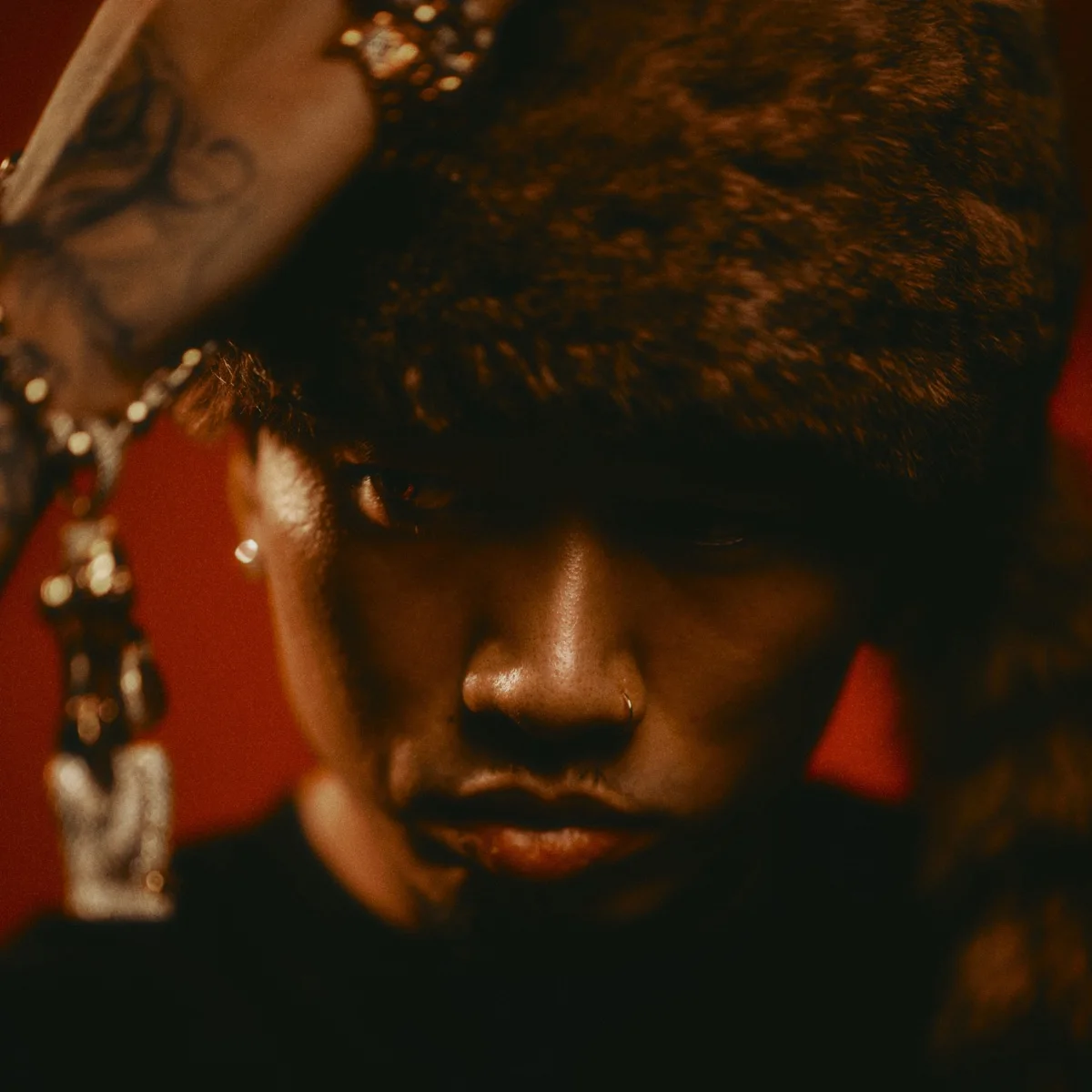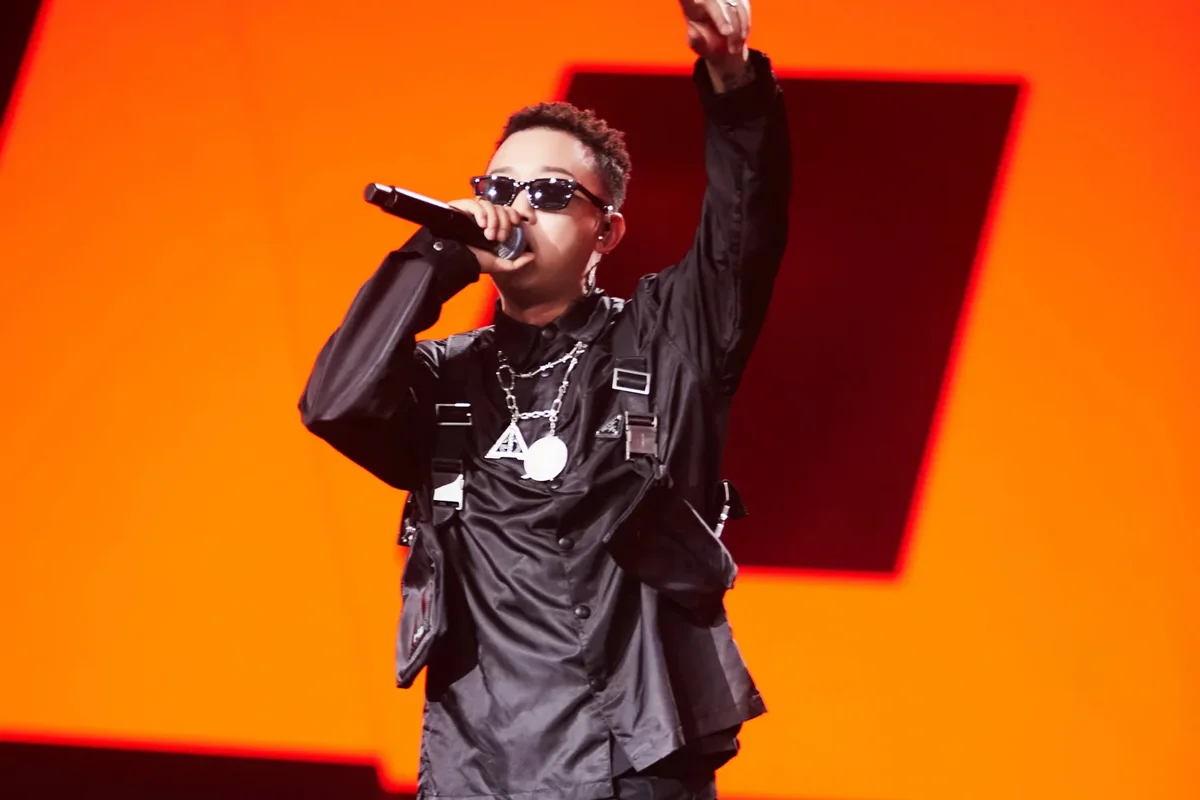
Melo is the Higher Brothers member people understand least when they treat visibility as musical importance. His verses do not always offer the easiest hook or the cleanest character. They do something more structural: they roughen the surface. A group track feels less frictionless when he enters, and that friction is often what makes the arrangement feel alive.
Melo is also known by the Chinese name Xie Yujie. He developed through Chengdu Rap House, or CDC, joined Higher Brothers with Masiwei, KnowKnow and Psy.P, and later released the solo albums Old Master and LIFE IS A MOVIE 人生如戏.
This page is not an attempt to rescue an "underrated" member through exaggerated praise. It asks a more useful question: what musical problem does Melo solve that the other three do not? The answer runs through attack, group pacing, loyalty and a solo catalog that keeps returning to the people who shaped him.
Melo rapper: the answer is friction
| What you want to know | The short answer |
|---|---|
| Artist name | Melo; publicly credited in Chinese as Xie Yujie, 谢宇杰 or 謝宇傑 |
| Home scene | Chengdu Rap House, commonly called CDC |
| Early scene milestone | Joined CDC with Psy.P in 2011, according to GQ |
| Core group | Higher Brothers with Masiwei, KnowKnow and Psy.P |
| What hits first | Hard consonants, physical attack and a verse that adds friction |
| First solo album | Old Master in 2020 |
| Later full-length | LIFE IS A MOVIE 人生如戏 in 2024 |
| Start with | Born Like This, Xiangbalao, Talk Less and Feel More and I Can |
Friction is not the same as aggression
Calling Melo "the aggressive one" is too easy. Aggression describes volume or attitude. Friction describes what happens between his voice and everything around it.
Inside Higher Brothers, Masiwei can brighten a beat until the structure feels obvious. KnowKnow can turn a verse into a comic business scene. Psy.P lowers the center of gravity. Melo often enters at an angle. His attack makes a clean transition feel contested.
That tension is especially valuable in a four-member group. Without it, the record can become too efficient: hook, personality, low voice, repeat. Melo interrupts the ease. His presence suggests somebody is still pushing against the arrangement from inside it.
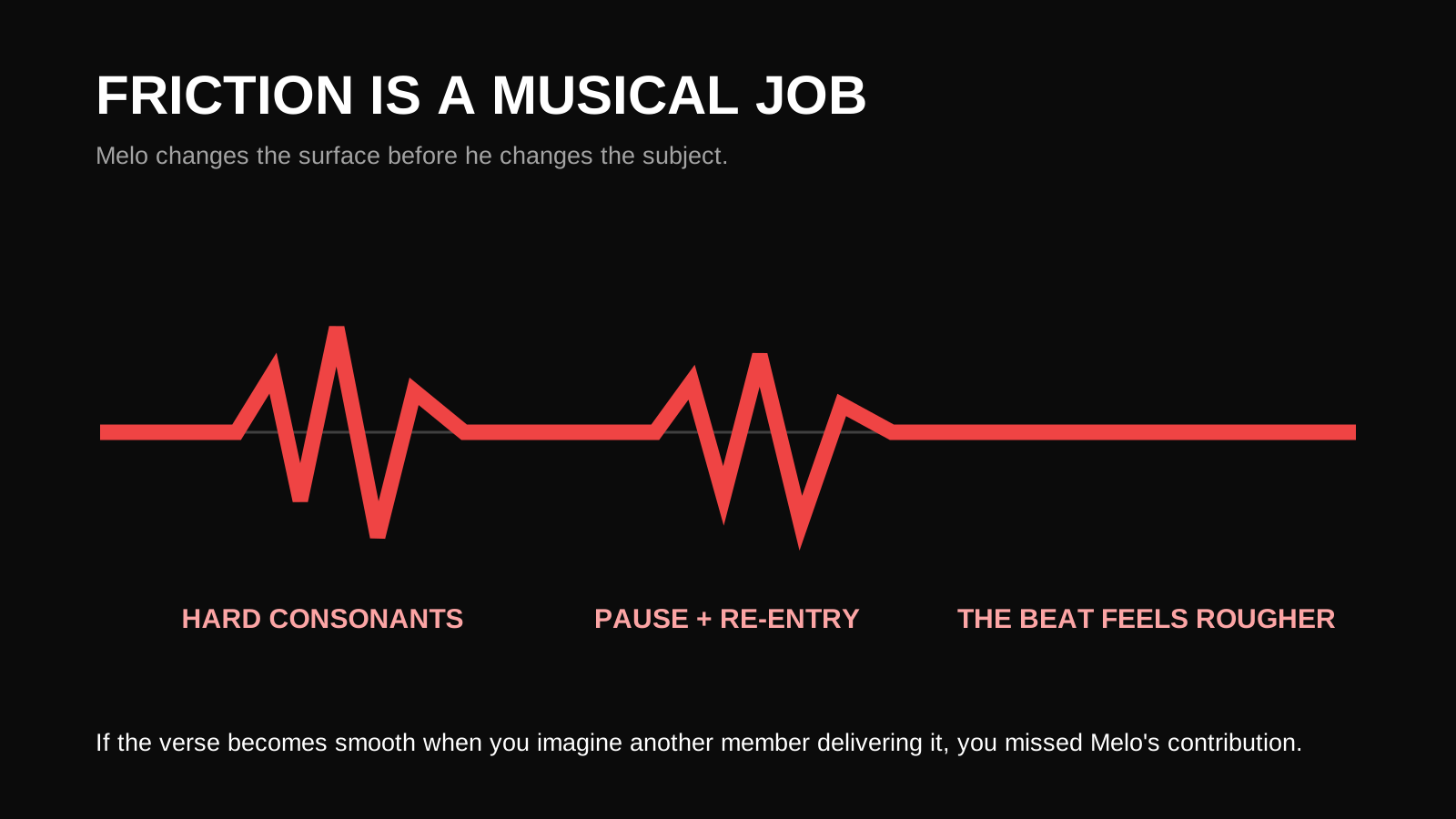
GQ's 2018 tour profile called Melo the introspective member in one backstage scene, while the live account ends with him crowd-surfing. The two images belong together. Interior pressure and physical release are not opposing personalities; they may be the same energy at different moments.
Five Melo tracks that prove the value of friction
1. Born Like This: identity without an origin lecture
Born Like This appeared in 2020 before Old Master. The title gives Melo a direct frame: this force is presented as disposition, not a costume assembled for a solo launch.

The record is a useful first listen because it does not require detailed Higher Brothers knowledge. Focus on the edges of the words. Melo makes syllables feel struck rather than released, keeping the verse physical even when the production is polished.
2. Xiangbalao: an insult becomes a position
Xiangbalao is often translated loosely as "country bumpkin" or a similarly dismissive label for somebody imagined as unsophisticated. Melo uses the term as a title rather than hiding from it. That move fits a larger Chinese rap habit: a social insult can become rhythmic armor when the artist controls the repetition.
The track should not be reduced to a dictionary definition. What matters is the posture. Melo turns distance from elite taste into something that can be performed with pride, humor and irritation at the same time.
3. Talk Less and Feel More: pressure opens into space
Featuring AUGUST 08, Barney Bones and Psy.P, Talk Less and Feel More complicates the hard-edged image. The title already proposes a different economy: explanation decreases so sensation can carry more weight.
This is where Melo becomes more interesting than a group-role summary. His rough vocal surface can make a spacious or melodic surrounding feel emotionally tense rather than simply soft.
4. Daili: KnowKnow changes the facial expression
Daili features KnowKnow. The collaboration matters because their voices solve opposite problems. KnowKnow can make a scene theatrical and socially comic; Melo makes it feel less stable.
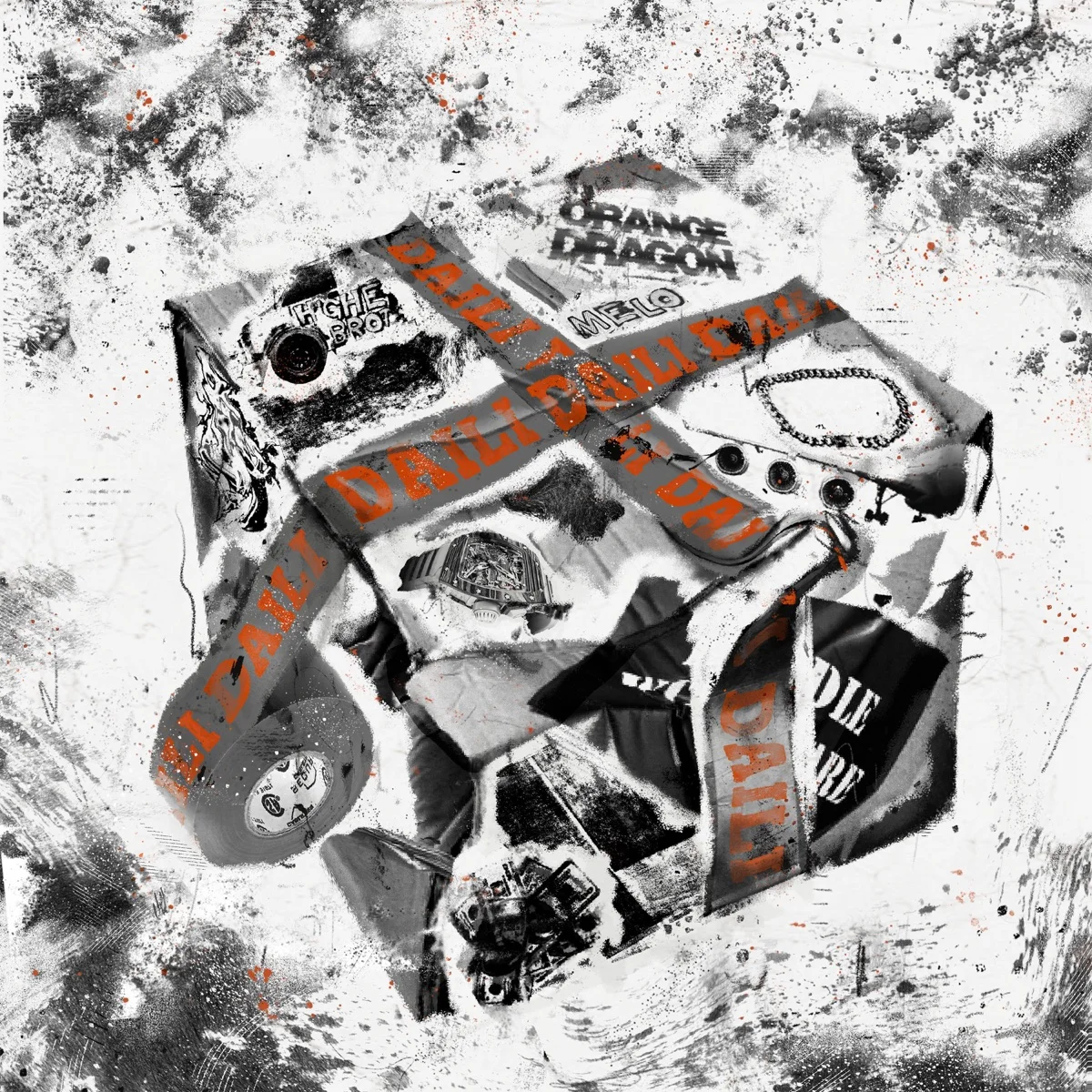
Listen to the handoff rather than asking who has the better verse. Higher Brothers chemistry survives in solo catalogs through timing: the members know what kind of space another voice will disturb.
The Open It Up official video lets you track the change in vocal texture each time a member enters. Melo's value becomes clearest when his rougher attack interrupts the cleaner silhouettes around him; the point is the altered group balance, not a contest for the “best” verse.
5. I Can: the movie starts with self-permission
I Can opens LIFE IS A MOVIE. The phrase is simple enough to become generic, but placement gives it purpose. A cinematic album cannot begin only with scenery; it needs a person willing to enter the frame.
Melo's delivery prevents the affirmation from becoming motivational wallpaper. Confidence sounds pressured, as if the sentence has to be forced through resistance before it can be believed.
Old Master is a solo album built from group memory
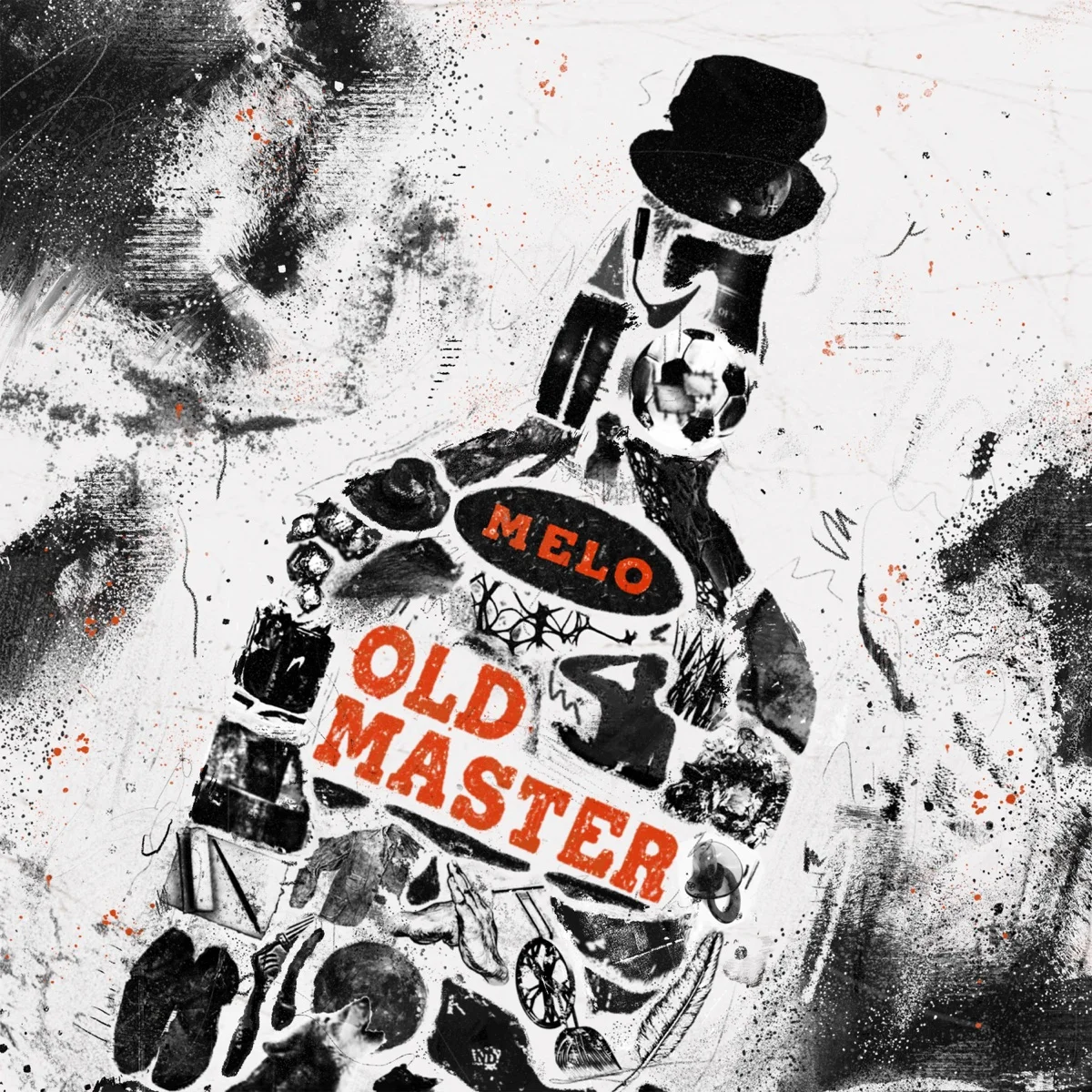
Released in 2020, Old Master contains twelve tracks. Psy.P appears immediately on Welcome to My World. KnowKnow joins Daili. Masiwei appears on Old Fashion. Psy.P returns on Remember, and the broader track list includes AUGUST 08, Barney Bones, Lil Shin and Mengzi.
That network is not a weakness in Melo's solo identity. The album does not stage independence as betrayal. Instead, it asks what a member sounds like when he controls the frame while keeping familiar people inside it.
The title Old Master suggests authority and continuity, but the music is most convincing when it avoids posing as a monument. Born Like This and Xiangbalao make force visible. Talk Less and Feel More and Wish You Were Here create room around it. Old Fashion places Masiwei beside Melo in a track whose title already raises questions about taste, age and what survives fashion.
Our view: the album is less about declaring Melo the strongest member than about refusing the idea that solo growth requires a cleaner personality. The edges remain.
LIFE IS A MOVIE turns an old group joke into a solo frame
In GQ's 2018 Higher Brothers profile, Melo joked that KnowKnow's life was like a movie. Six years later, Melo released LIFE IS A MOVIE 人生如戏. We cannot claim the album title deliberately refers to that backstage exchange. The echo is still revealing.
The phrase moves from a group joke about sudden success into a solo organizing idea. The 2024 album uses twelve tracks to stage motion, vehicles, alcohol, command and friendship. Masiwei appears on Bailandi Zhuangyuan and Shaoxi Liding. Psy.P joins SUV. KnowKnow appears on Zui Lie de Jiu and I Be The BOSS.
Most importantly, Kun Qi credits Melo, Masiwei, Psy.P and KnowKnow together. The four-person reunion sits inside Melo's album rather than arriving as a separate Higher Brothers announcement. That distinction matters. It shows continuing musical contact without giving us permission to invent a formal group-status story.
The album's cinematic idea is strongest when vehicles and success language feel like movement rather than inventory. Melo has always sounded as if momentum costs something. A car, a drink or a command becomes interesting when it reveals pressure; it becomes generic when it functions only as proof of arrival.
CDC came before the international story
GQ reported that Melo and Psy.P joined Chengdu Rap House in 2011. Masiwei joined in 2013. Melo had already worked in a previous group with Psy.P before Higher Brothers formed around the shared Chengdu studio environment.
The chronology protects us from a common mistake. 88rising did not discover four isolated artists and manufacture a scene around them. CDC and Chengdu's local networks had already created proximity, competition and working relationships. International infrastructure later changed the audience scale.
Xie Di provides an earlier route through Chengdu dialect authority. Wang Yitai shows a more visibly song-structured side of the same broader city ecosystem. The Chengdu rap scene guide maps why those differences depend on proximity, while the Chengdu culture guide gives the city context without turning every artist into the same stereotype.
Why Melo is easy to overlook
International discovery rewards clean entry points. Masiwei has a voice that becomes a logo. KnowKnow has a character that can be explained in one sentence. Psy.P has an immediately readable low-register cool. Melo's contribution is relational. You often understand it by hearing what changes around him.
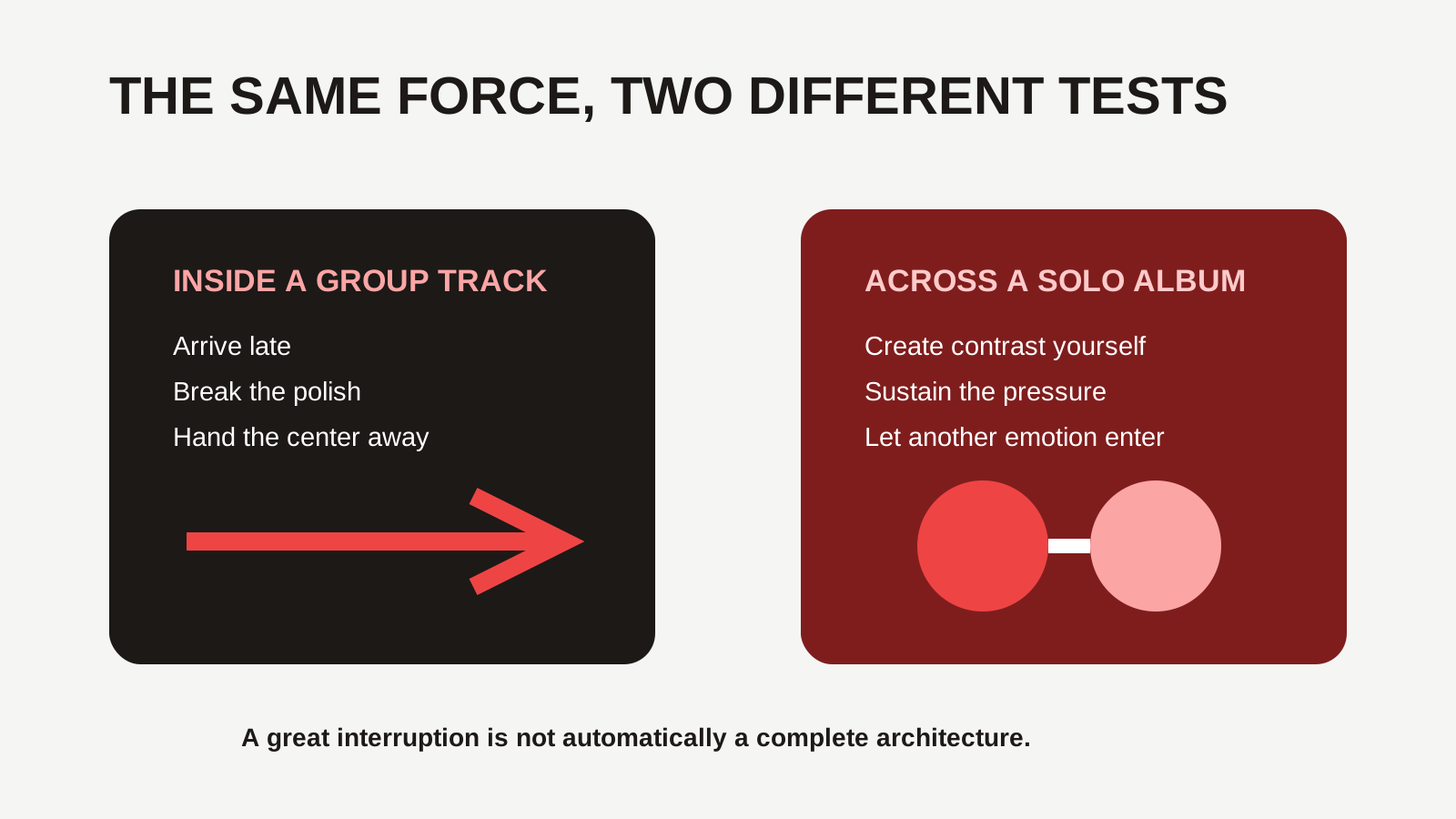
That makes list-based coverage unfair to the music. Search snippets want a title, a hit and a personality label. Melo becomes clearer across sequences: one Higher Brothers handoff, one rough solo track, one spacious collaboration, then a group reunion inside a solo album.
This distinction matters because I do not want to praise every rough vocal choice as authenticity. Abrasion can become habit. A sing-rap passage that fights Melo's nasal pressure without finding a new shape is not brave simply because it is different from his battle mode. The solo test is harsher than the group test: he must create the contrast that three other voices once supplied. When he opens space for memory, loyalty or self-mockery, the force gains consequence. When he only pushes harder, the record becomes physically loud and emotionally small.
Being less easily summarized is not automatic proof of depth. Some Melo tracks lean on force without developing the idea. Some luxury and command language repeats familiar rap vocabulary without making it newly local. The argument for him has to rest on the records where abrasion creates structure, not on fan loyalty alone.
Listen for the friction he adds to a group track
Play a Higher Brothers record and imagine Melo's verse removed. Does the arrangement become smoother, brighter and less physical? That subtraction reveals his function. He often matters not by offering the easiest hook but by preventing four voices from becoming one polished surface.
Then move to the solo work and ask whether friction can organize a whole project without group contrast around it. My view is that Melo deserves attention precisely where visibility metrics fail: musical importance can live in the rough edge that makes everyone else's role clearer.
That role is easiest to verify by subtraction. Remove the most memorable hook from your mental replay and ask which verse still gives the track physical resistance. Melo matters when that resistance changes the whole arrangement, not when it merely sounds aggressive in isolation.
Current listener searches add a second test. Early Higher Brothers memory now sits beside a new Waner Shao stage, freestyle praise, Chengdu boombap discussion and winner-versus-loser comparison with ICE. I reject the last frame as analysis. Freestyle proves immediate reaction; boombap phrasing proves sentence control; neither automatically builds a complete solo song. Melo's individual value appears when abrasion organizes an arc after the other three members are no longer present to make contrast for him.
MELO's force needs friction
Melo is compelling when his voice sounds like resistance meeting motion. He can keep a polished Higher Brothers record from becoming too smooth, and he can make a solo affirmation feel earned rather than decorative.
His weakness is the same tool used without enough contrast. Constant pressure can flatten emotional range. A hard entrance stops surprising when every track asks for the same body language. Talk Less and Feel More and parts of LIFE IS A MOVIE matter because they place the rough surface in different rooms.
The best Melo playlist should therefore breathe. Put Born Like This beside Talk Less and Feel More. Follow Xiangbalao with Wish You Were Here. Move from I Can into Kun Qi. The artist appears in the differences.
Hear the group chemistry before the solo frame
- Born Like This for the direct solo introduction.
- Xiangbalao for abrasive self-definition and social posture.
- Talk Less and Feel More for a wider emotional frame.
- Daili for the tension between Melo and KnowKnow.
- Old Fashion for his chemistry with Masiwei.
- I Can and Kun Qi for the 2024 chapter and the return of all four Higher Brothers voices.
Then return to Higher Brothers and listen specifically for the moment Melo changes the texture. The Chinese rappers guide places that role beside other city, crew and songwriting routes.
Why Melo matters
Melo makes an important argument about groups: visibility and structural value are not the same measurement. The member with the easiest hook may attract the first replay. The member who introduces friction can determine whether the fourth replay still feels alive.
His solo catalog also preserves a less dramatic idea of independence. Former collaborators do not need to disappear for an individual voice to become clearer. Old Master and LIFE IS A MOVIE use Higher Brothers relationships as material, not as a past that must be denied.