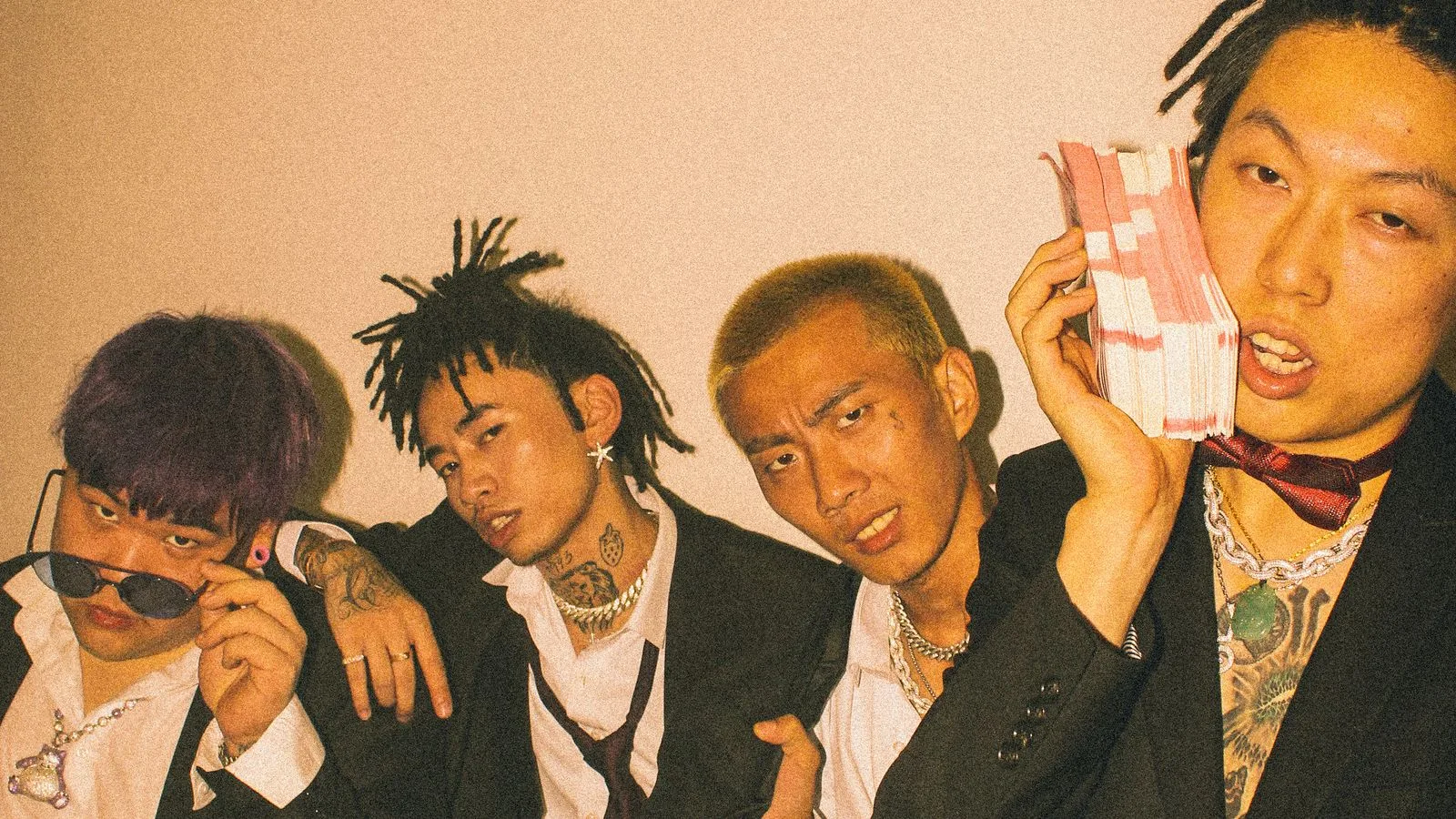
Higher Brothers did not travel because four Chinese rappers sounded interchangeable. They traveled because the differences were easy to hear. One voice cut through the beat, one built a comic character, one lowered the temperature, and one hit with rough physical force. The group was an arrangement before it was a symbol.
For overseas listeners, Higher Brothers often appear as the group behind Made in China. That song is the correct front door, but it can create the wrong conclusion: that the group's value was simply proving Chinese rap could go global. The more interesting achievement was musical. Masiwei, KnowKnow, Psy.P and Melo learned how to make four highly recognizable voices feel like one moving object.
This guide explains the members, essential songs, two major albums, Chengdu context and the infrastructure behind the crossover. It also separates what official sources establish from the uncertain question of the group's present status.
Higher Brothers in 60 seconds
| What you want to know | The short answer |
|---|---|
| Members | Masiwei, KnowKnow, Psy.P and Melo |
| Group base | Formed and developed through Chengdu's rap ecosystem |
| International platform | Joined 88rising in 2016 |
| Breakthrough album | Black Cab in 2017 |
| Best-known global track | Made in China featuring Famous Dex |
| Second major album | Five Stars in 2019 |
| Softer entry point | Lover Boy 88 with Phum Viphurit |
| What made them work | Four voices with different pitch, weight, humor and attack |
Four voices, not four versions of the same rapper
Group rap becomes dull when every verse solves the same problem. Higher Brothers worked because each member changed the social temperature of the track.
Masiwei: the voice that makes the record legible
Masiwei is usually the quickest voice to recognize. His high, elastic tone can jump out of dense production and turn a short phrase into a hook. In group records, that brightness often functions like visual contrast: even if an overseas listener misses the words, the structure becomes easier to follow when Masiwei enters.
He was not simply the "lead singer." Rap groups rarely work through such a fixed hierarchy. His gift was instant organization. He could announce the center of gravity, then leave space for the other members to complicate it.
KnowKnow: character as rhythm
KnowKnow brought Nanjing origins into a Chengdu-formed group and developed one of its most portable personalities. Money talk, English phrases, self-invention and comic exaggeration become recurring devices. The jokes matter musically because KnowKnow changes the facial expression of a song.
The Mr. Enjoy Da Money character is not proof that every boast is autobiography. It is a performance system: luxury language, awkward charm and entrepreneurial fantasy compressed into a voice listeners remember.
Psy.P: the floor under the group
Psy.P rarely competes by becoming louder. His lower register and more controlled entrances give the arrangement weight. When bright voices and fast hooks make a track feel airborne, Psy.P can pull it back toward the ground.
That role is easy to underrate because it looks less spectacular in a short clip. Across a full song, it is essential. Contrast needs somebody willing not to chase the same peak.
Melo: friction and physical attack
Melo often brings a rougher edge and harder consonant attack. He makes transitions feel less polished in the productive sense: the beat acquires friction. That quality will be the central argument of our dedicated Melo profile, because reducing him to "the fourth member" misses what his verses do to group pacing.
The point is not to assign permanent jobs. Members change approach from track to track. The framework explains why the group remains memorable after a listener forgets the exact verse order: every entrance changes the silhouette.
Five songs that explain Higher Brothers
1. Made in China: the argument becomes a hook
Made in China features Famous Dex and belongs to the Black Cab era. The central reversal is immediate: people questioning whether Chinese rap could matter were already living among products carrying the phrase "Made in China." Masiwei turns the idea into a hook before the record asks the listener to absorb any larger cultural argument.

Watch how the official 88rising video introduces four separate silhouettes before the hook turns them into one unit. The repeated phrase travels immediately, but the individual entrances keep the group from becoming an educational exhibit.
2. WeChat: ordinary technology becomes local confidence
WeChat, featuring Keith Ape, opens Black Cab. Its subject is more important than it first appears. Instead of reaching for imported street scenery, the group uses a platform embedded in ordinary Chinese social life. The reference does not need to be ancient or ceremonial to feel culturally specific.
The song also demonstrates the group's early density: ad-libs, rapid handoffs and competing timbres create a room that feels crowded on purpose.
3. Lover Boy 88: chemistry without aggression
The collaboration with Thai artist Phum Viphurit is warmer, more melodic and visibly relaxed. That change proves the group's chemistry was not limited to hard trap. The members can occupy a romantic, guitar-led environment without becoming anonymous guests.
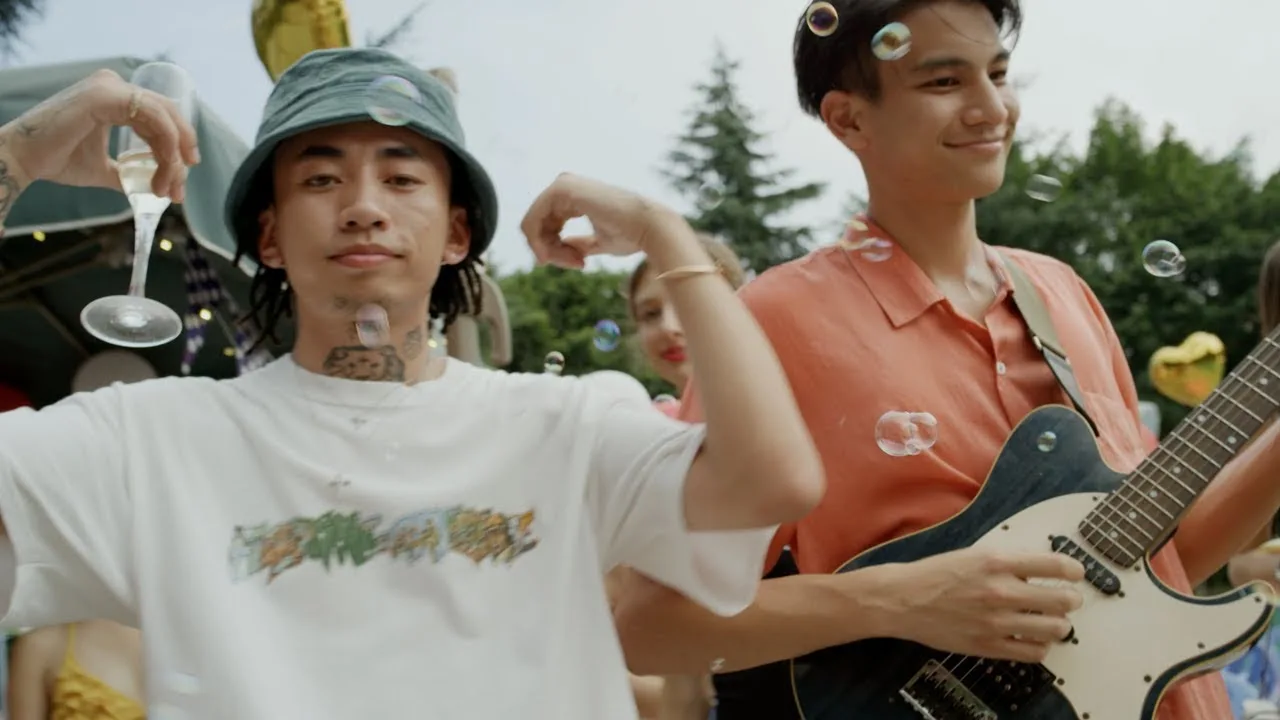
Listen for how each voice remains recognizable after the production becomes warmer and more melodic. Lover Boy 88 is not a compromised introduction; it proves that the group's chemistry does not depend on aggression.
4. Open It Up: handoffs as percussion
On Five Stars, Open It Up turns member transitions into part of the beat. The pleasure comes from anticipating who will enter next and how the vocal texture will change. This is Higher Brothers at their most obviously group-shaped. Removing one voice would not merely shorten the song; it would alter the balance.
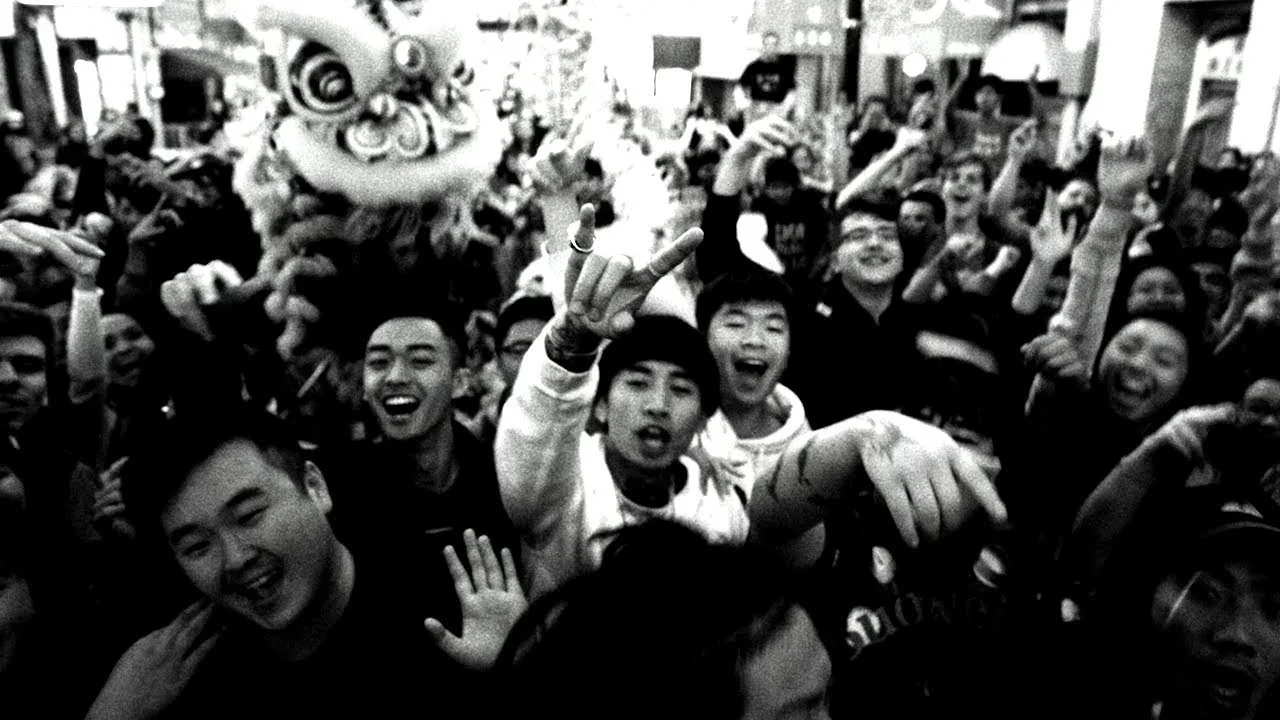
Follow the handoffs rather than choosing a favorite verse. Each entrance resets the track's weight, pitch and facial expression, turning member order into part of the percussion.
5. No More: scale without losing the group
No More, featuring NIKI, belongs to the expanded world of Five Stars. The production and collaboration network are more polished than the early material, yet the four-member contrast remains readable. The track is useful for hearing the difference between internationalization and erasure. A larger frame does not automatically flatten the people inside it.
Black Cab is the pressure chamber
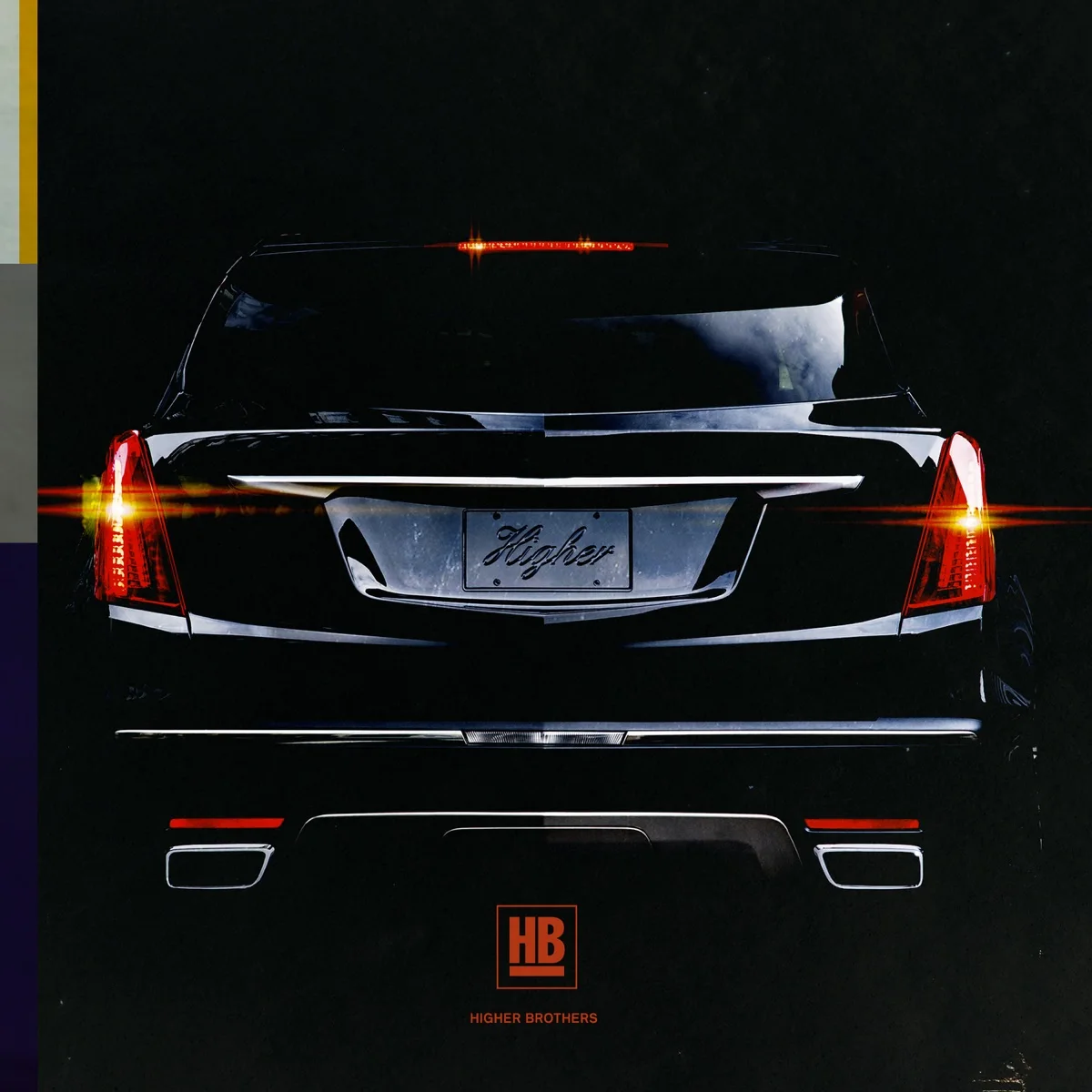
The 2017 album Black Cab is the best place to hear Higher Brothers before the international story became inseparable from the music. It includes WeChat, Made in China, the title track, Wudidong, Young Master and other records that move between local references, internet humor, luxury language and the excitement of a group discovering its scale.
The album is not consistent because early energy rarely is. Some ideas feel bigger than their development, and some English phrases function more as rhythmic or visual objects than precise communication. That unevenness is part of the document. The group sounds hungry enough to crowd the frame.
Our view: Black Cab is stronger as a portrait of pressure than as a perfectly edited album. It captures the moment when four voices, Chengdu networks and international distribution begin pushing against one another.
Five Stars makes the network visible
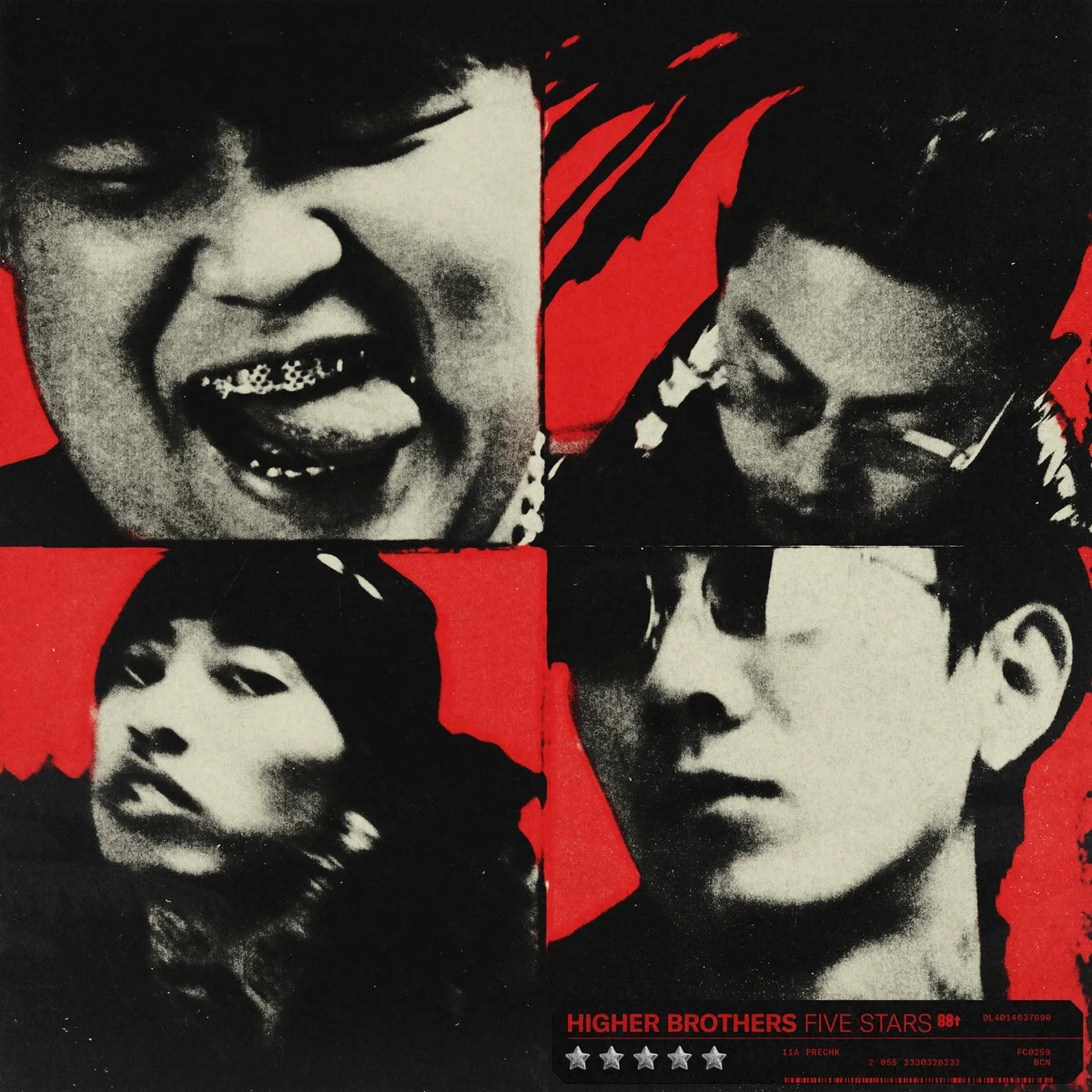
Released in 2019, Five Stars expands the collaboration map. Its credited guests include Ski Mask the Slump God, Denzel Curry, J.I.D, Soulja Boy, KOHH, ScHoolboy Q, NIKI and Rich Brian. A guest list that large can become a branding exercise, so the important question is whether the group remains audible inside it.
At its best, the album answers yes. 16 Hours and Open It Up foreground internal momentum. One Punch Man and Won't Believe place the group against different rap personalities. No More uses a melodic guest without dissolving the rappers into the chorus.
The album is cleaner and wider than Black Cab. It is also less surprising in places because international polish can reduce the rough gaps where personality leaks through. The two albums therefore work as a pair: one captures compressed discovery; the other tests whether the arrangement can survive expansion.
Chengdu is the working context, not a marketing adjective
Higher Brothers developed through Chengdu's rap ecosystem and the wider history associated with Chengdu Rap House, commonly called CDC. That does not mean Higher Brothers and CDC are the same entity. CDC describes a broader scene and collective network; Higher Brothers is the specific four-member group.
Xie Di represents an earlier route through Chengdu dialect authority. Wang Yitai shows how the city can produce carefully arranged rap and R&B songwriting without resembling Higher Brothers. The Chengdu rap scene guide maps those relationships, while the Chengdu culture guide explains the city beyond rap stereotypes.
Why does the context matter? Because the group did not emerge from four isolated bedroom brands. Local competition, shared studios, live performance and a dense network made quick exchange possible. International infrastructure later amplified a chemistry already developed in proximity.
88rising, translation and the work behind "going global"
Higher Brothers joined 88rising in 2016. The partnership supplied more than a logo. Official videos created reliable discovery points; interviews and translation helped English-language media understand the members; touring turned online curiosity into a live test; collaborations placed the group inside recognizable listening networks.
The FADER's profile of translator and manager Lana Larkin is important because crossover stories often erase mediation. Translation does not merely replace Chinese words with English words. It decides how a joke, relationship, place name or boast will be framed for someone without the local context.
That work does not diminish the artists. It makes the actual achievement more precise. Higher Brothers had music capable of travel, and a team built roads for it.
Did Higher Brothers break up?
The honest answer is that public evidence does not support a dramatic sentence. Masiwei, KnowKnow, Psy.P and Melo all developed solo catalogs. Official streaming services continue to maintain the Higher Brothers artist and album pages. We have not found a definitive primary-source announcement declaring formal dissolution.
Therefore this guide does not call the group "disbanded," and it does not promise current group activity. The visible fact is a shift in emphasis: individual careers became the more active public chapters. Anything beyond that requires a direct statement from the members or their authorized representatives.
Current listener searches now make that cautious wording more important, not less. Fans are looking for the ten-year EP, reunion stages, new songs and set lists; they are not treating Higher Brothers as a sealed 2017 artifact. My judgment is that renewed activity matters only if the four-way contrast remains audible. A reunion image can trigger memory, but a functioning group record must still let Masiwei clarify, KnowKnow color, Psy.P stabilize and Melo disturb the same arrangement. Nostalgia proves attachment. Unequal voices solving a new song prove the group.
Export success enlarged the question
Higher Brothers are easiest to admire when the four voices are solving a group problem. The early records can feel chaotic, but the chaos has social life. Members interrupt, contrast and give one another scale. Few Chinese rap groups have been as immediately teachable to an overseas ear without becoming musically simple.
The catalog also has limits. International features do not automatically create chemistry. English catchphrases sometimes travel farther than the underlying verse. The hunger to sound large can crowd out the detail that makes Chengdu and the individual members interesting. Listeners who only play the crossover singles may hear confidence before they hear writing.
That criticism strengthens the case for the group. Higher Brothers matter not because every track succeeded, but because their best records exposed a new problem for Chinese hip-hop: once the world is listening, how do you expand without sanding away the voices that made attention possible?
Hear the mixtape before the mythology
- Play Made in China for the immediate global entrance.
- Go backward into WeChat and Black Cab for local pressure and early group density.
- Use Lover Boy 88 to hear warmth and melody without losing personality.
- Play Open It Up with attention to entrances rather than lyrics alone.
- Hear Five Stars front to back and notice which international features deepen the arrangement.
- Continue into the solo pages for Masiwei, KnowKnow, Psy.P and Melo.
The Chinese rappers guide places Higher Brothers beside other routes through Mandarin rap, regional voices, crews and hybrid pop.
Why Higher Brothers still matter
Before Higher Brothers, overseas writing about Chinese rap often began by proving the genre existed. After their breakthrough, more listeners could begin with a musical question: which member, song or city should I follow next?
That shift belongs to more than four artists. Chengdu's scene, 88rising, translators, video teams, collaborators, touring crews and audiences all participated. Yet the music remains the center. Four voices became memorable because they were allowed to remain unequal.