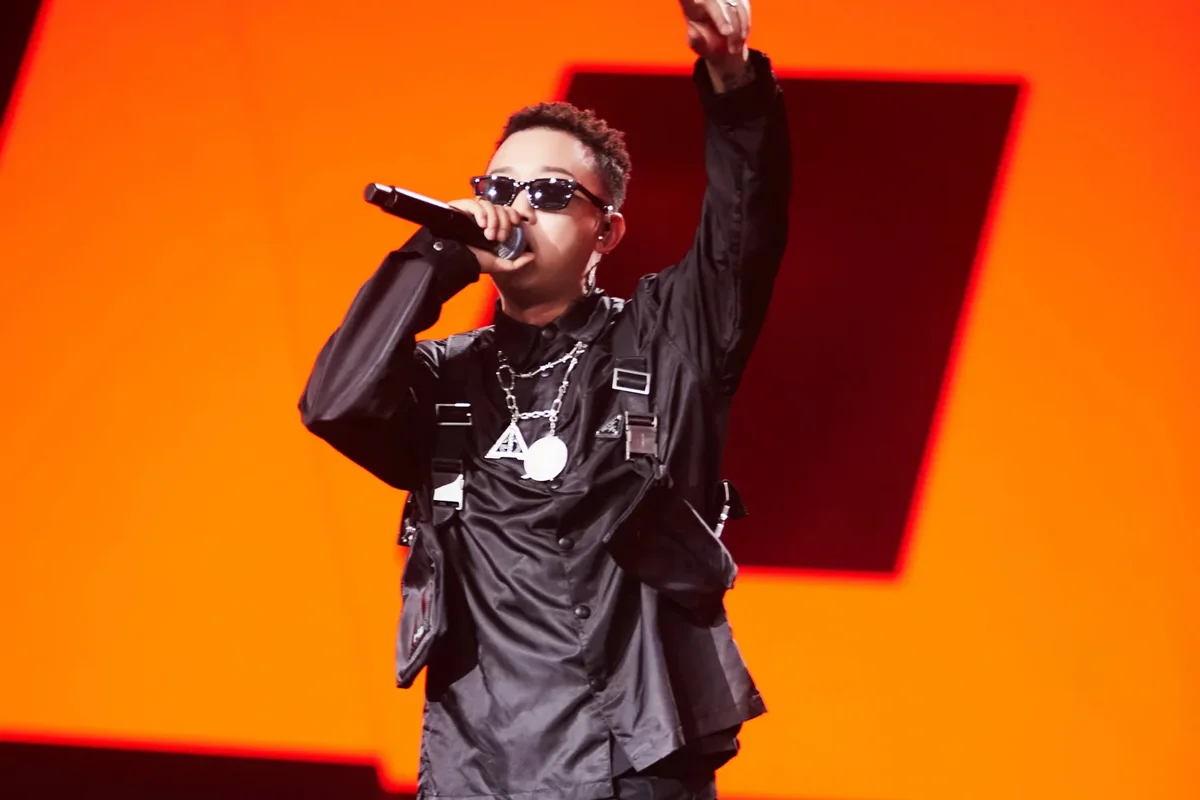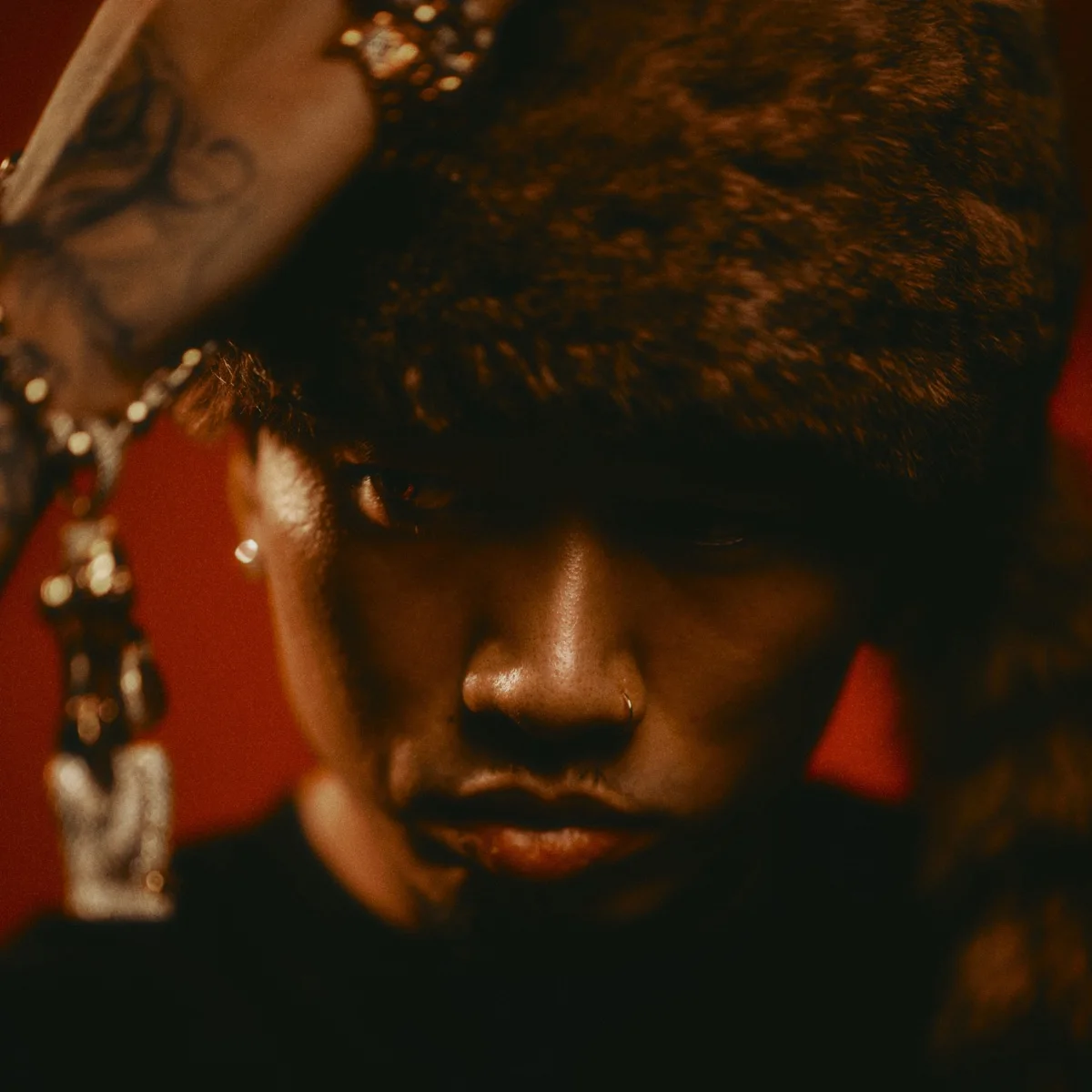
Tizzy T can make forward motion sound like a personality. His verses do not merely sit on the beat; they lean into the next bar. His hooks feel ready for a crowd before the crowd arrives. Even when the subject is fatigue or doubt, the music keeps finding a way to move.
That momentum is often mistaken for effortless charm. It was built through beatbox timing, production, small-room survival in Guangzhou and years of learning how to keep a live audience physically involved. Television made “your boy TT” visible. Craft made the phrase believable.
Tizzy T in 60 seconds
| What you want to know | The short answer |
|---|---|
| Real name | Xie Ruitao (谢锐韬) |
| Born | February 22, 1993, in Chaozhou, Guangdong |
| Career city | Guangzhou, where he moved in 2014 to pursue music |
| Early foundation | Beatbox, group work, songwriting and production |
| National breakthrough | Top six on The Rap of China in 2017 |
| What hits first | A bright, pushing cadence and hooks designed for bodies in a room |
| Start with | Going Go, 020, Poor Millionaire Boy, Sunday and You Better Know |
| Latest album | Pop, released in December 2025 |
The career story is a climb. The music is more interesting because it keeps asking what happens after the climb becomes normal life.
I love Tizzy T when the smile and bounce stop looking effortless and the pressure underneath becomes audible. I reject the lazy word “catchy” when it erases breath placement, beatbox memory and the work of moving a room. I hear the real artist in the half-second before a hook lands: he knows the crowd will answer, yet he still sounds hungry for the answer. My test is simple—take away the television origin story and the posture must still move the song.
Beatbox taught him to think with the mouth
Public biographical records state that Tizzy T won a South China beatbox competition in 2010. That detail should not be treated as trivia. Beatbox trains a performer to understand drums from inside the body: where a kick sits, how a hi-hat changes momentum, how breath creates subdivision and how a pause can hit harder than another sound.
You can hear that education in his rap. Tizzy T often uses clean rhythmic cells that a crowd can grasp quickly. He is not always chasing the densest rhyme pattern. He is arranging syllables so the groove remains visible.
Production experience deepens the effect. He tends to understand where a voice should enter, when a hook has made its point and how a small switch can reset attention. The result is accessible without being accidental.
Five songs that unlock Tizzy T
1. Going Go: the public philosophy
Going Go (往前走) is Tizzy T's clearest statement of motion. The language is simple enough to become a crowd instruction, but simplicity is the point. The song turns persistence into rhythm rather than delivering a speech about motivation.
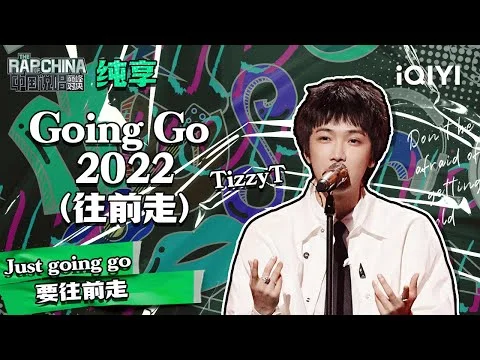
Watch the official iQIYI stage of Going Go 2022. The performance shows how Tizzy T uses repetition, gesture and vocal placement to turn a personal line into collective movement.
The track also explains the nickname “your boy TT.” The persona feels near the audience. He is not speaking from a remote throne; he is asking everyone to keep pace.
2. 020: Guangzhou becomes a number you can shout
020 is Guangzhou's telephone area code. Naming a track after it lets Tizzy T mark the city without writing a tourism anthem. The number is compact, local and instantly repeatable.
He was born in Chaozhou, then moved to Guangzhou in 2014 with limited money and a deadline for making music work. A 2019 interview describes the early small-room period and his practical awareness that rent, food and work could not be solved by image alone.
That context changes 020. The city is not borrowed credibility. It is where an aspiring artist tested whether momentum could become a livelihood. Our Guangzhou culture guide gives the wider city; Tizzy T gives one young migrant musician's code for belonging.
3. Poor Millionaire Boy: success remains psychologically unfinished
Poor Millionaire Boy (贫民百万男孩), made with MC HotDog, contains the contradiction that Tizzy T often carries best. Material success can arrive before a person feels settled inside it. The title is funny, boastful and uneasy at the same time.
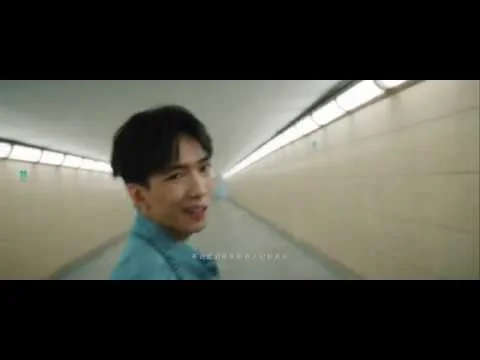
The official Modern Sky video stages the contradiction with humor instead of turning it into a solemn confession.
Tizzy T's lightness is useful here. He can describe the strangeness of becoming successful without pretending that success is suffering in disguise. Gratitude and discomfort share the track.
4. Sunday: ease requires arrangement
Sunday sounds relaxed, but the looseness is carefully built. The pocket leaves room around the vocal, the melody does not overreach, and the song understands that a weekend mood dies if every element insists on being noticed.

Watch the official Sunday music video. Its pacing matches the track's real skill: making designed ease look unforced.
For listeners who know only high-energy television stages, this is an important correction. Tizzy T can reduce pressure without losing identity.
5. You Better Know: confidence after the first wave
You Better Know (你最好知道) arrives from a more established Tizzy T. The title has status in it, but the performance is not simply an introduction repeated years later. It sounds like an artist checking what recognition now means.
The track belongs beside the 2022 project of the same name. Hear it after Going Go: the earlier song is movement toward a future, while You Better Know speaks from a future that has already demanded work, adaptation and public self-management.
Chaozhou and Guangzhou are different parts of the story
Tizzy T is from Chaozhou, a city in eastern Guangdong with its own language, food and cultural history. Guangzhou is where he moved to pursue music professionally. Compressing both into “Guangdong rapper” loses the useful distinction.
Chaozhou is the hometown and early identity. Guangzhou is the chosen career environment, represented directly by 020. The move also fits a wider pattern in Chinese music: artists from smaller cities enter provincial capitals where venues, collaborators, media and commercial work are more concentrated.
This does not mean Guangzhou automatically explains his sound. The city explains opportunity, pressure and network. Tizzy T still had to turn those conditions into songs.
Night Zoo captures the first after-hours life
Night Zoo (夜行动物园) arrived in August 2018, after the national breakthrough. The title fits a rapper living through a new nocturnal ecosystem: performances, attention, nightlife, travel and the strange observation that comes with fame.

The Night Zoo album turns the post-television period into a complete environment rather than a victory lap.
No Man's Land followed later in 2018. The rapid sequence matters. Tizzy T was not waiting for one definitive post-show statement. He was using the new attention to release work at the speed his career was changing.
The 2021 self-titled album widened the frame, and later projects including You Better Know and Make It Old moved between confidence, weariness, relationships and the responsibilities of staying visible.
The live room is where his choices become obvious
In the 2019 Phoenix/ZAKER interview, Tizzy T said a performer has to keep finding ways to feel excited onstage because the audience can sense whether the artist is engaged. That comment explains his live reputation better than the generic word “energetic.”
He is managing a feedback loop. A hook gives the audience a clear physical action. Their response increases his energy. He changes a line, gesture or arrangement to keep the loop alive. Beatbox timing and production judgment make that exchange feel natural.
This is why apparently simple Tizzy T songs can outperform more complicated writing in a festival field. The composition includes the listeners.
Pop is both an album title and a provocation
Tizzy T released Pop (流行) in December 2025. For a rapper who has long understood accessible hooks, the title is almost too direct. That directness makes it useful.
The Pop album makes no attempt to hide the question of popularity behind underground language.
Chinese hip-hop still carries arguments about what is “real” after television, brand work and large festivals. Tizzy T's career sits directly inside that debate. He was technically formed before the first major TV boom, then became one of its most recognizable beneficiaries.
Calling the album Pop does not settle the argument. It accepts that accessibility is part of his craft and asks whether listeners can judge the songs rather than the category.
Follow the momentum when the subject turns inward
Tizzy T makes speed feel natural, so the useful test is not whether a track moves. Ask what keeps moving when the subject becomes tired, doubtful or private. Listen for breath, consonant attack and the way a hook arrives before energy can collapse. Momentum is part of the emotional design.
Beatbox roots offer another clue. Focus on the mouth as percussion: clipped sounds, internal pulses and repeated phrases can continue the drum pattern even when the instrumental thins. On a live stage, watch whether crowd participation replaces detail or sharpens it. A successful hook should return with more force from the audience without erasing the verse that earned it.
Compare a night-driven record with a later pop-facing track. Polish is not automatically growth, and roughness is not automatically authenticity. Ask whether the newer surface gives the writing another emotional range or simply removes friction.
My view is that Tizzy T matters because he treats forward motion as craft. The catalog clicks when you hear how much discipline is required to make effort sound like personality.
Test that claim with tempo. Choose one fast track and one slower record, then ignore the drum speed. Does the slower song still lean forward through phrasing and hook placement? If momentum disappears entirely, it belonged to the instrumental. If it remains, Tizzy T is generating it with the mouth and arrangement.
Compare a polished official video with a live performance. The camera can manufacture velocity through cuts; the stage cannot hide a weak entrance or breath plan. His strongest work aligns vocal rhythm, song structure and crowd timing without making the labor visible.
The test is not how quickly the room moves. It is whether the song still has shape after the first rush has passed.
Current searches make that test necessary. Live charisma, familiar songs, vocal tone and appearance generate far more visible attention than close discussion of verses. I accept that image is part of stagecraft, but it cannot be the verdict. Close the video and ignore the drum tempo: if phrasing, hook placement and section changes still lean forward, Tizzy T created the motion. If the energy disappears with the camera cuts, the screen was doing the work.
Tizzy T writes momentum better than arrival
Tizzy T is easy to like because he knows how to welcome a listener. The rhythm is visible, the hooks arrive, the personality feels close and the live performance rewards participation. That openness is a real skill, not evidence that the music lacks depth.
The tradeoff is that forward motion can become a habit. Some tracks move so efficiently that tension has little time to develop. The friendly public persona can make sharper emotional or lyrical contradictions feel less dangerous than they might in another voice.
His best work uses that brightness against uncertainty. Poor Millionaire Boy, the post-fame writing and quieter songs reveal that “going forward” is not the absence of doubt. It is his method for carrying doubt without stopping the show.
Start with motion, then test the quieter rooms
- Going Go for the central engine.
- 020 for the Guangzhou formation.
- Poor Millionaire Boy for success and discomfort together.
- Sunday for controlled ease.
- Night Zoo as the first full album route.
Then compare the self-titled 2021 album with Pop. You will hear the distance between the young artist running toward visibility and the established artist deciding what visibility is for.
Continue with Capper for a younger, more visually systemized version of melodic rap, Masiwei for another master of immediate hooks, or Jony J for a writer whose momentum works through argument rather than crowd propulsion.
Why Tizzy T matters
Tizzy T helped define what a Chinese rap star could look like after 2017: technically credible before television, accessible enough for a national audience and disciplined enough to keep a live career moving after the novelty faded.
The deeper value is not that he made rap friendly. It is that he learned how rhythm, personality and audience participation can become one composition.
Put that claim under pressure. Compare one live entrance with its studio version, mark the instant the crowd inherits the rhythm, and post the paired timecodes as a Moment. Then return with a slower song. If Tizzy T still makes it lean forward without a fast beat or fast edit, you have isolated his craft rather than repeated his reputation. Use the Chinese musicians directory to compare that live-room engine with another rapper's.