Guangzhou (广州) does not ask to be understood from one skyline. Its meaning accumulates at breakfast tables, beneath deep arcades, along the Pearl River and inside buildings covered with carved wood, ceramic figures and colored plaster. This Chinese culture guide reads the city through use rather than spectacle: Guangzhou works, trades, eats, adapts and keeps moving through the heat.
Guangzhou culture guide at a glance
| Question | Short answer |
|---|---|
| What defines it? | A Lingnan port culture where commerce, language, food, craft and migration form one urban system |
| What should I listen for? | Cantonese in family life, food vocabulary, humor, opera and a global diaspora |
| What should I look at? | Qilou arcades, ancestral-hall craft, religious layers, urban villages and heavily used public buildings |
| What should I taste? | Yum cha as social time, then congee, roast meats, soup, noodles and everyday district food |
| What connects old and new? | A practical intelligence for moving goods, people and ideas through heat, water and density |
| What is Lijun's verdict? | Guangzhou is most convincing when something works well, not when a landmark asks to be admired |
Choose the relationship that explains Guangzhou
| Cultural relationship | Start with this evidence | What the contrast reveals |
|---|---|---|
| Climate ↔ architecture | Qilou arcades, courtyards, deep eaves and wetland water | Lingnan form is practical adaptation before it is visual style |
| Trade ↔ identity | Pearl River history, Shamian and specialist markets | Openness brought exchange, control, unequal power and local reinvention together |
| Food ↔ social time | Yum cha, Liwan breakfast and the complete Cantonese table | Cuisine organizes company, climate and the daily clock—not only flavor |
| Language ↔ diaspora | Cantonese speech, food vocabulary, opera and overseas communities | A local voice can travel globally without becoming culturally generic |
| Old institutions ↔ young city | Ancestral halls, memorials, libraries, universities and urban villages | Contemporary Guangzhou grows beside inherited systems rather than replacing them cleanly |
Guangzhou is often reduced to three labels: factory city, trade fair and dim sum capital. Each is real; none is enough. The city was a major maritime gateway long before modern manufacturing, and its culture extends through language, opera, architecture, craft, religion, gardening, food and overseas networks.
To understand Guangzhou, do not divide “old” and “new” too quickly. The same commercial intelligence appears in an ancestral hall funded by clans, a wholesale market, a family restaurant, a convention complex and a digital business district. The materials change; the habit of connection remains. If your question is where to stay, how to group districts or how many days to allow, use the separate travel to Guangzhou guide and confirm current public information through the city's official visitor portal; this page stays with the city's cultural logic.
Lingnan begins with climate, water and distance
Lingnan (岭南) broadly refers to lands south of the Nanling Mountains. In Guangzhou, the idea becomes physical: hot summers, intense rain, evergreen planting, river channels, shaded streets and buildings designed to release heat. Culture here was shaped by both distance from northern political centers and access to the South China Sea.
This does not make Lingnan a timeless tropical exception. Guangzhou has repeatedly absorbed people, goods, religions, technologies and aesthetic ideas from elsewhere. Its distinctiveness comes from what it did with those connections. Practical adaptations became style: deep eaves, open courtyards, ventilation, arcaded streets, light food, morning tea and a public rhythm organized around humidity.
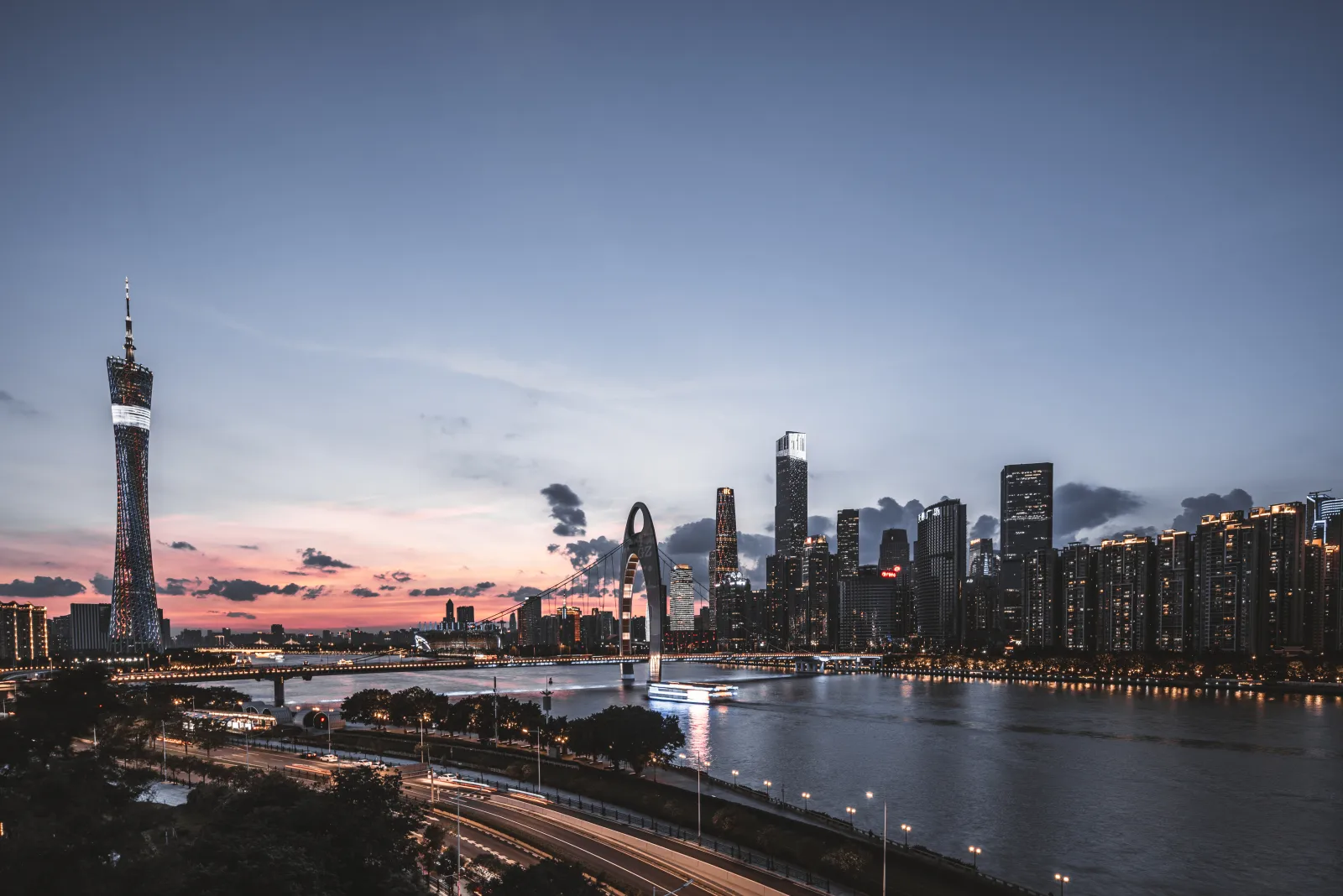
The Pearl River is not scenery added to Guangzhou. It is part of the city's commercial geography, climate and sense of direction.
The Pearl River made Guangzhou outward-looking
The UNESCO Silk Roads account of Guangzhou places the port inside a long maritime network. The skyline is the newest layer, not the beginning of the story.
Guangzhou's long history as a port connected inland China with maritime routes across Southeast Asia, South Asia, the Middle East and beyond. Foreign traders did not create Guangzhou's commercial character, but centuries of exchange enlarged it. Goods moved through the city; so did beliefs, tastes, words and communities.
The maritime story should not become a smooth celebration of globalization. Trade involved state controls, unequal power, imperial competition and labor as well as curiosity and wealth. Guangzhou's importance made it a meeting point and, at times, a battlefield.
Today the river still clarifies the city. Daylight reveals bridges, working traffic and dense banks. After dark, towers and cruise boats turn it into spectacle. Experience both. A waterfront walk or ferry journey gives the river back its scale better than a single observation deck.
Chen Clan Ancestral Hall turns craft into architecture
The Chen Clan Ancestral Hall, also associated with the Guangdong Folk Arts Museum, is an essential introduction to Lingnan visual culture. Built as a clan academy and ancestral complex, it is celebrated for dense programs of wood carving, stone carving, brick carving, ceramic sculpture, plasterwork and painted decoration.
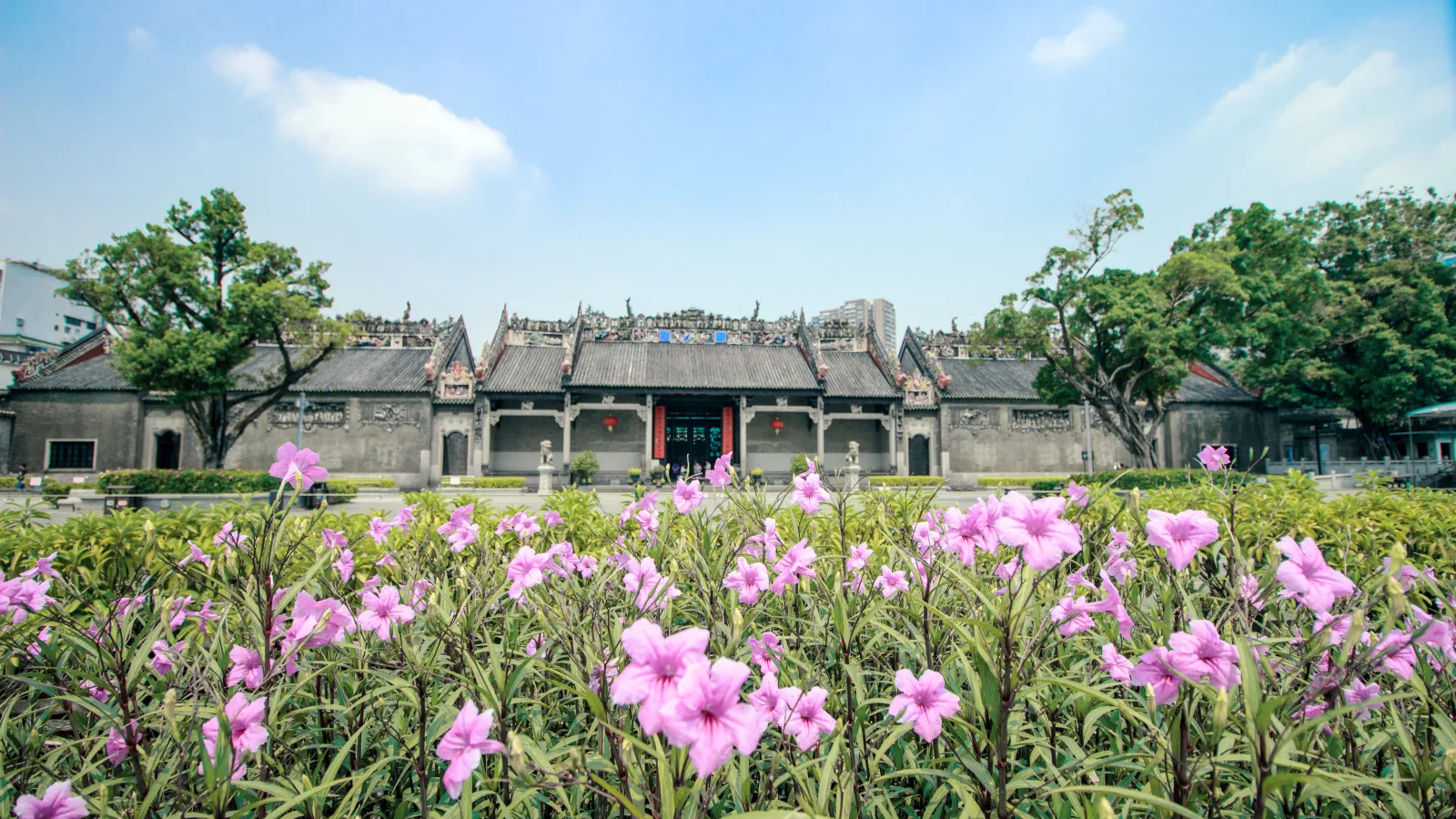
Do not read the decoration as a surface applied after construction. Roof ridges, brackets, screens and courtyards organize attention while carrying stories, auspicious motifs and demonstrations of skilled labor. The building shows how architecture could express lineage, education, regional identity and collective resources at once.
This is also why the hall belongs in a wider discussion of Chinese architecture: it proves that a building can manage climate, social organization and visual storytelling without separating them into three disciplines.
Move slowly. From a distance, the roofline looks crowded. Up close, individual figures and materials separate. Then step back again and notice how abundance is controlled by symmetry, courtyards and repeated structural bays.
Liwan and the qilou keep culture at street level
Older western Guangzhou, especially parts of Liwan, offers a more intimate scale. Markets, neighborhood restaurants, medicinal shops, temples and residential streets sit close together. The most useful architectural form for reading this environment is the qilou (骑楼), an arcaded shophouse that lets pedestrians move beneath upper floors and away from direct sun and rain.
Qilou are not unique to Guangzhou, nor did they develop without outside influence. Related arcaded forms appear across southern China and Southeast Asia. In Guangzhou they became part of a commercial streetscape suited to subtropical weather: business at ground level, shelter along the pavement and domestic or storage space above.
Some historic streets have been heavily restored or commercialized. That does not make them meaningless, but distinguish a polished heritage corridor from a living side street. Respect thresholds, residents and shops that are not performing for visitors.
Shamian is beautiful because its history is difficult
Shamian is a river island of tree-lined streets and European-influenced buildings associated with Guangzhou's foreign concession era. It is calm, walkable and visually coherent, which makes it easy to treat as a romantic break from the city.
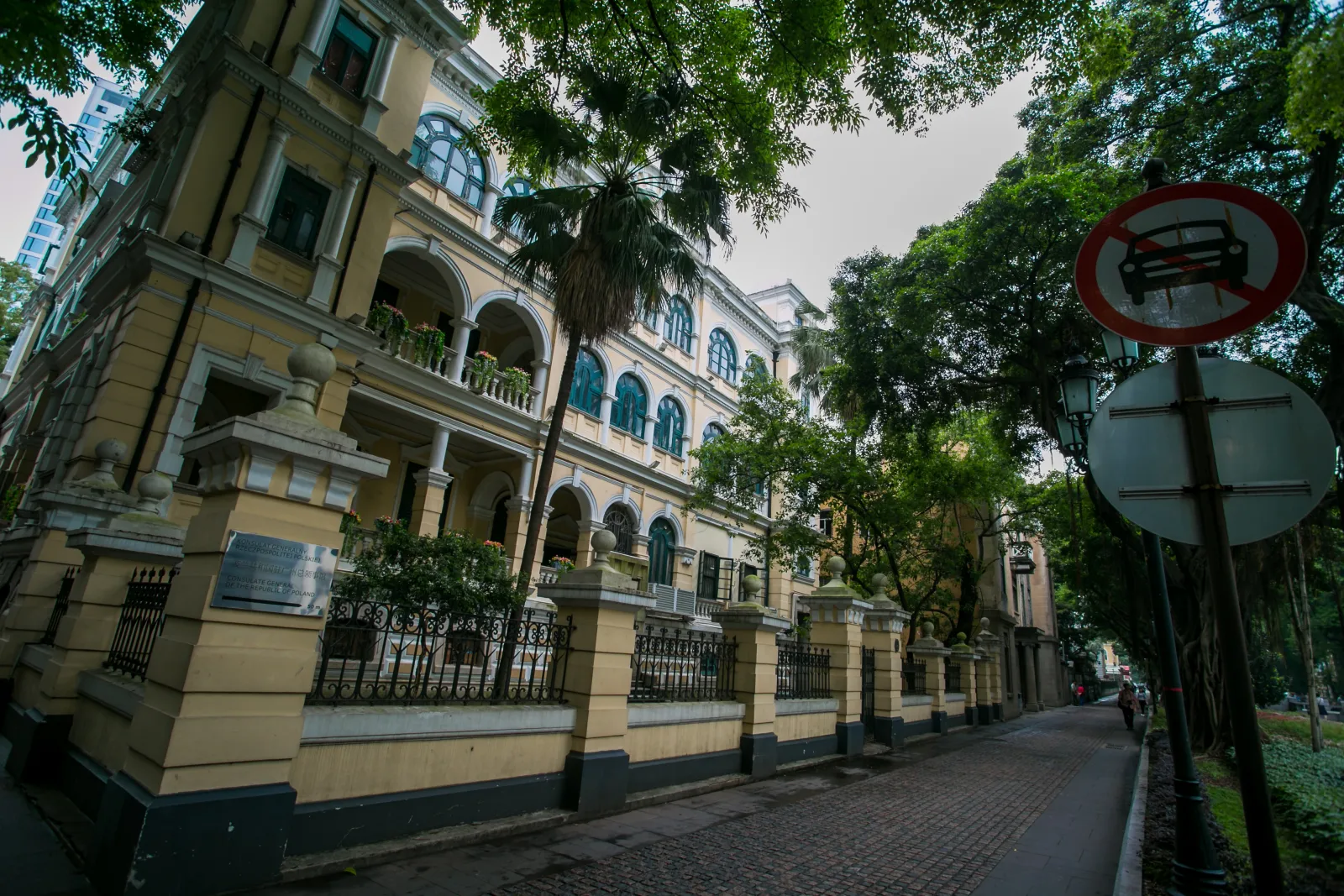
The calm needs context. The concession system followed military conflict and unequal treaties. Architecture here records diplomacy, commerce, missionary activity and foreign privilege, while Chinese workers and businesses sustained the district and the larger city around it. Shamian is not “Europe in Guangzhou.” It is Guangzhou evidence of a period when sovereignty, trade and urban space were unequally arranged.
Walk the island for its trees and buildings, then return across the bridge into Liwan. The transition is the lesson.
Sacred Heart Cathedral adds another Guangzhou voice
The Sacred Heart Cathedral, often called the Stone House, brings monumental Gothic Revival architecture into the dense streets south of the historic center. Its stone construction, towers and interior proportions contrast strongly with nearby commercial blocks.
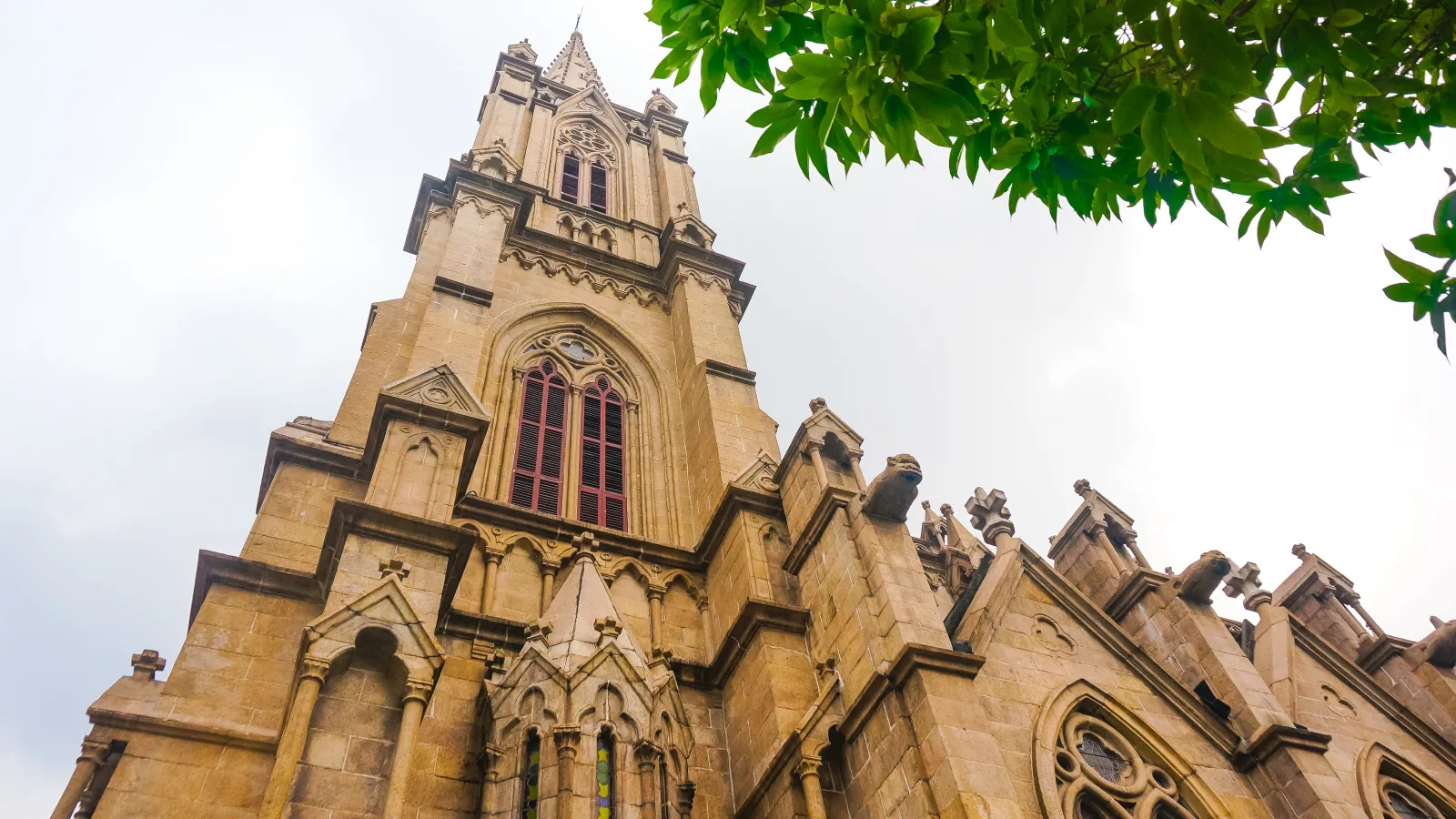
The cathedral belongs to Guangzhou's history of foreign contact and local religious life, but it should not be treated merely as an exotic photograph. It remains a place of worship. Check access conditions, dress and behave accordingly, especially during services.
Together, the cathedral, mosques, Buddhist and Daoist temples, ancestral halls and popular shrines reveal a city whose outward connections did not erase local ritual life. They layered it.
Yuexiu holds civic memory and a debated symbol
Yuexiu contains major civic landmarks, parks and historical sites. The Sun Yat-sen Memorial Hall uses a grand modern architectural language to commemorate a central figure in China's revolutionary history.
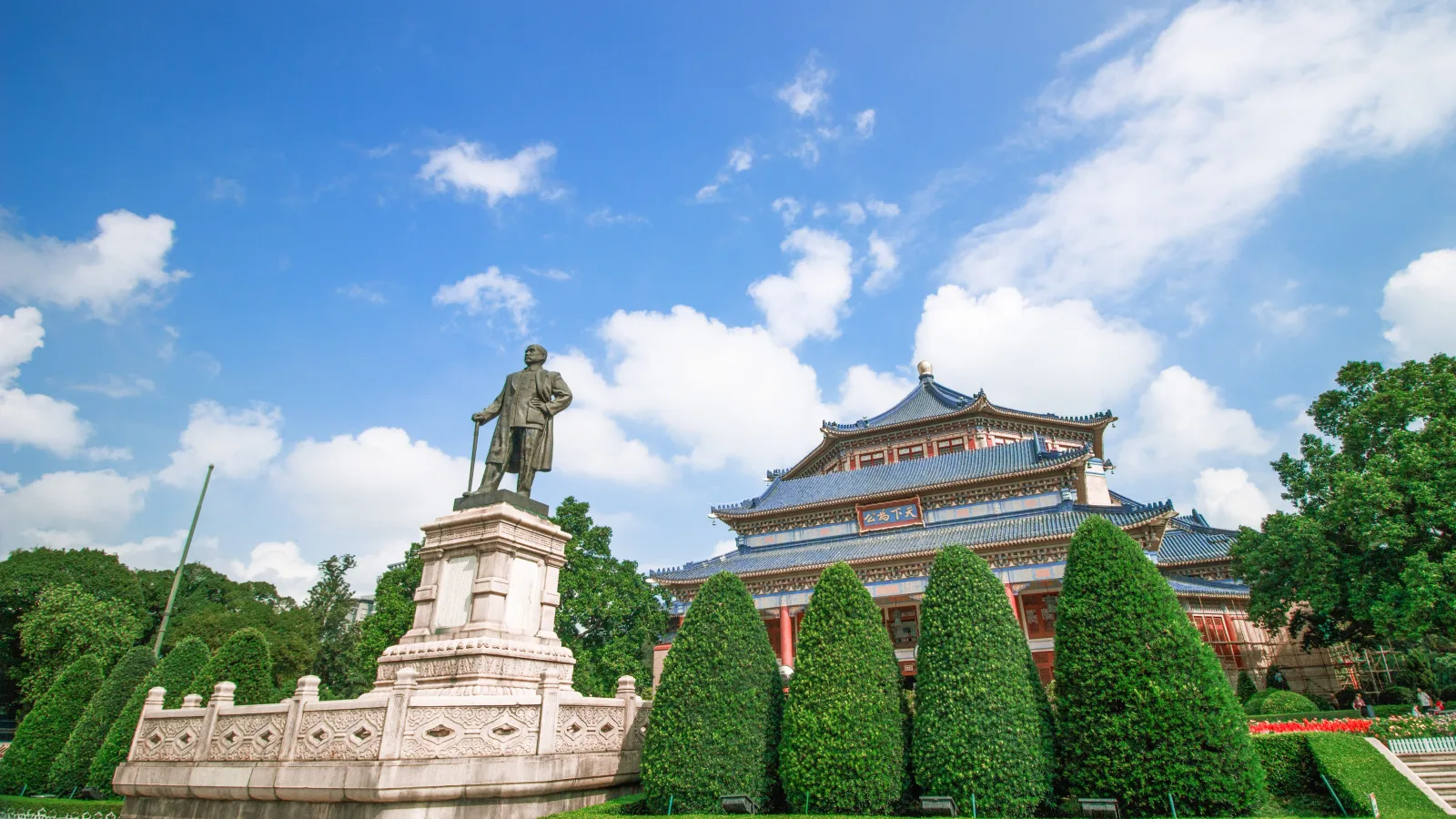
Nearby Yuexiu Park is associated with the Five Rams legend, one of Guangzhou's best-known origin stories and the source of the city's “City of Rams” nickname. Treat the legend as civic mythology rather than literal history. Its importance lies in how Guangzhou imagines abundance, settlement and good fortune.
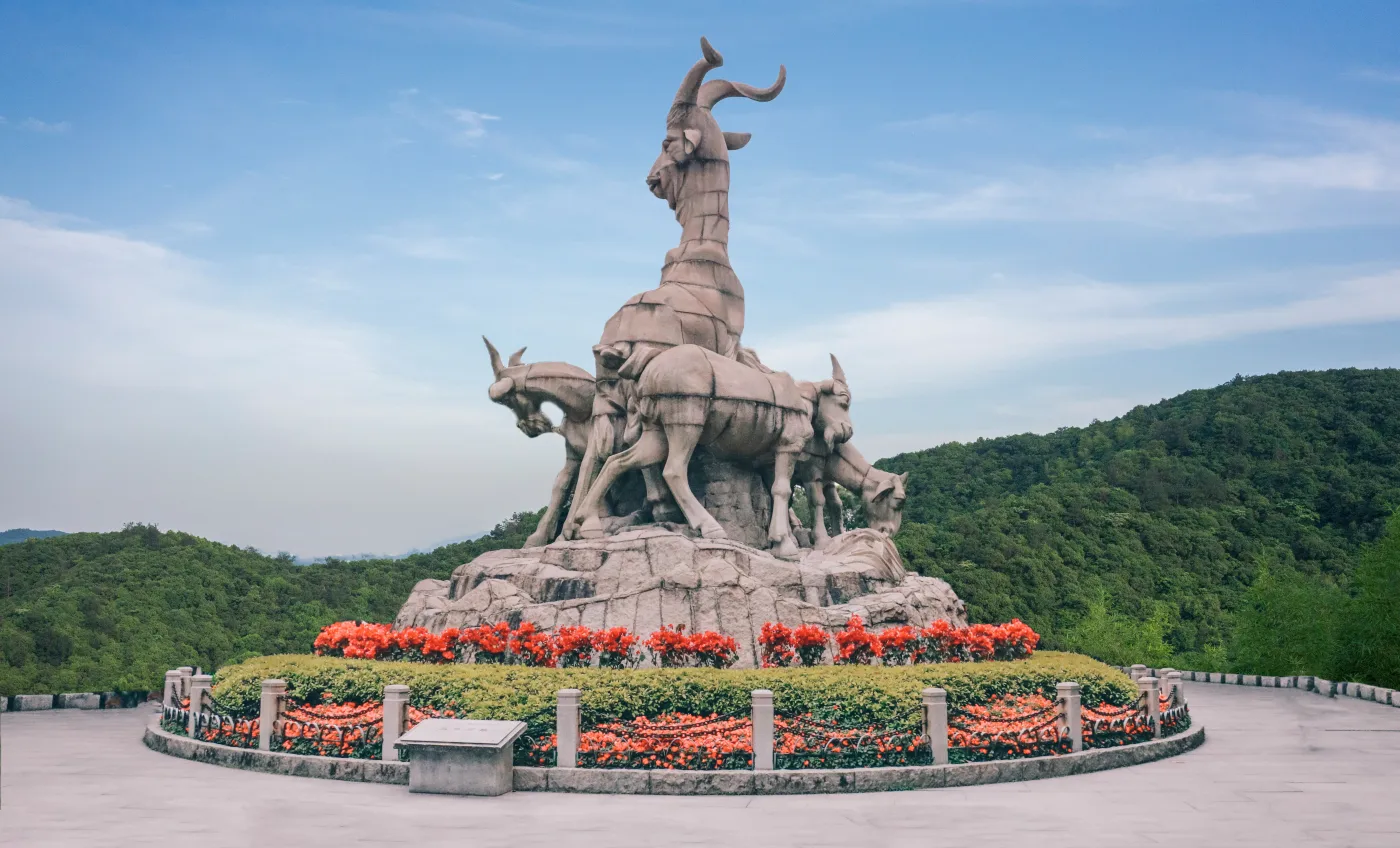
Public monuments tell you what a city chooses to repeat. Museums and street life then reveal what the simplified symbol leaves out.
Cantonese is local sound and a global network
Guangzhou is a major center of Cantonese, more precisely a prestige variety within the Yue language group. Mandarin is widely used, especially across education, government and migrant life, but Cantonese remains central to local media, humor, opera, family speech, food terminology and urban identity.
For many people outside China, early encounters with Chinese language and food came through Cantonese-speaking migration. Communities from Guangdong helped establish Chinatowns and Chinese restaurants across Southeast Asia, North America, Australia, Britain and elsewhere. English words such as “dim sum” preserve Cantonese pronunciation rather than Mandarin.
Language is therefore not a decorative local feature. It maps Guangzhou's relationship with Hong Kong, the Pearl River Delta and a far-reaching diaspora. Learn a few food names if you enjoy doing so, but do not perform Cantonese at strangers. Listening carefully is already a form of respect.
The broader Chinese language guide helps place Cantonese beside Mandarin and other Sinitic language varieties. Guangzhou makes that linguistic map audible in one metro carriage: local speech, standard Mandarin and the languages of international trade can share the same few minutes without becoming the same identity.
Yum cha is social infrastructure
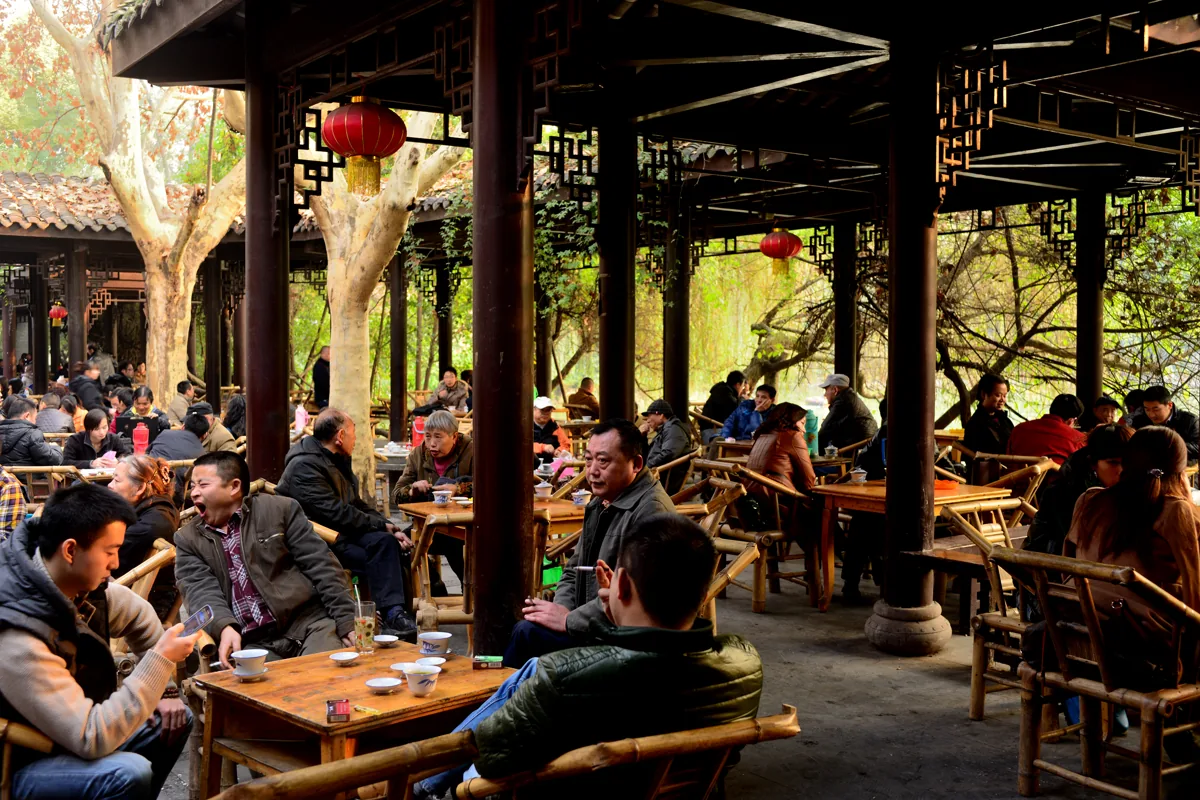
In Guangzhou, yum cha means more than consuming baskets of dim sum. It is a way of allocating time to family, friends, conversation, newspapers, tea refills and repeated small decisions. The restaurant becomes social infrastructure, especially in the morning.
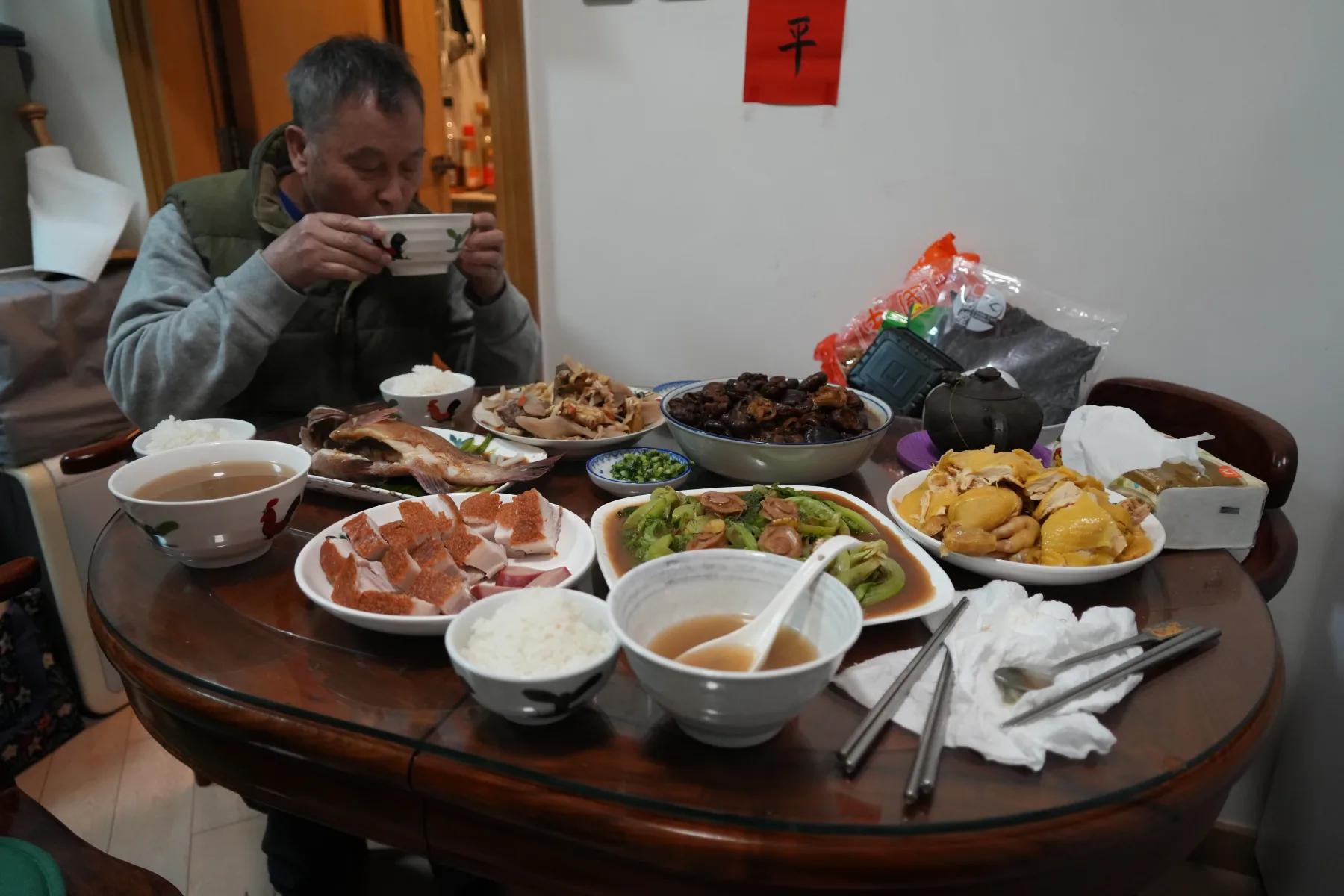
Order with contrast: one translucent dumpling, one steamed meat dish, one fried or baked item, vegetables and congee. A table of six nearly identical shrimp dumplings may photograph well but explains very little. Our complete Cantonese food guide explains the regional cuisine, while the Guangzhou food guide builds a practical day from morning tea, roast meats, congee, noodles, clay-pot rice and dessert.
Food is also the easiest way to notice time in Guangzhou. Breakfast dishes disappear. Roast meats sell through. Soup reflects household habits. Seasonal produce changes what a restaurant recommends. The city tastes most coherent when meals are allowed to shape the itinerary rather than squeezed between attractions.
Urban villages reveal migration and unequal access
Guangzhou's economic growth depended on enormous movements of people. Urban villages developed where collectively owned village land remained inside expanding metropolitan areas. Their dense rental housing and mixed-use streets offered relatively accessible space to workers, small businesses and new arrivals.
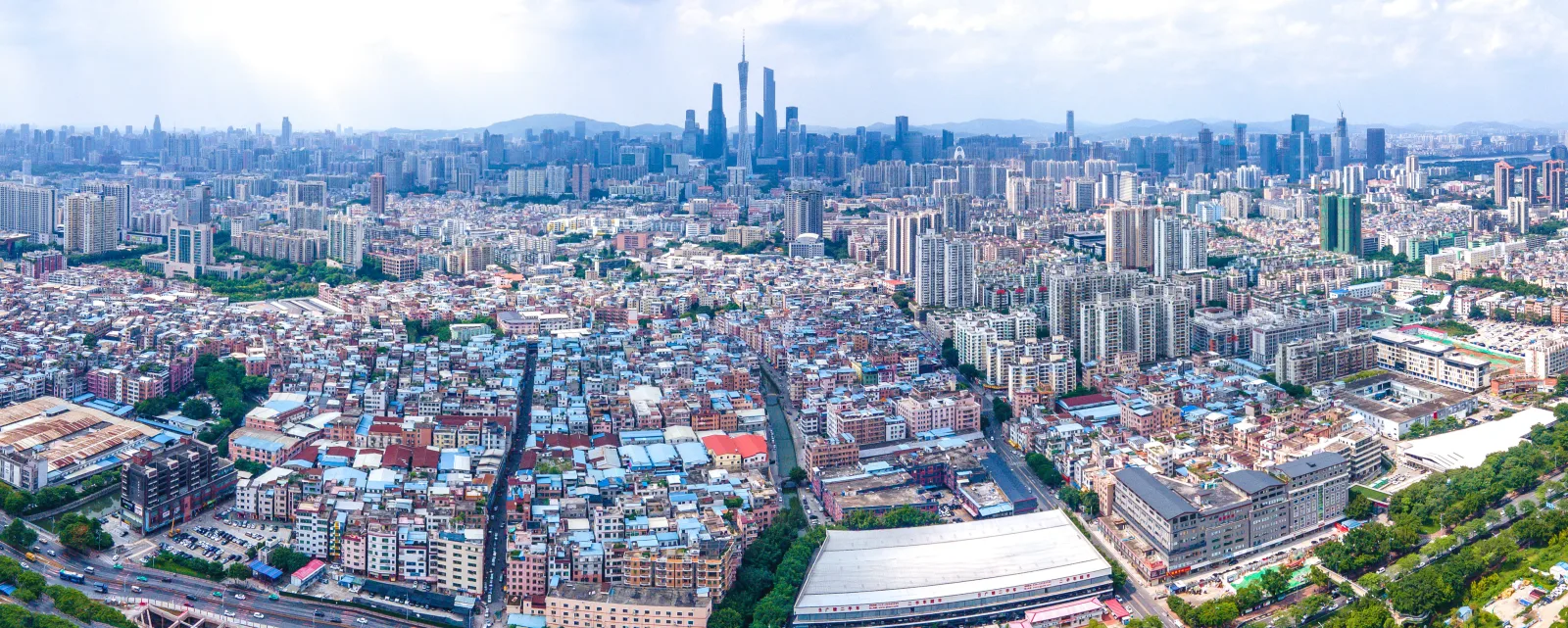
The sharp contrast between dense village housing and high-rise development records different land systems, incomes and forms of belonging inside one city.
These places should not be romanticized as authentic alternatives to polished districts. Crowding, fire risk, limited light and insecure tenure can be real. Nor should residents become visual props for an outsider's story of poverty. If you walk through a commercial street, behave as you would in any neighborhood: buy something, avoid intrusive photography and remember that affordable housing is not an attraction.
Urban villages matter because they expose a question every successful metropolis faces: who can afford to remain near opportunity?
Zhujiang New Town performs the contemporary city
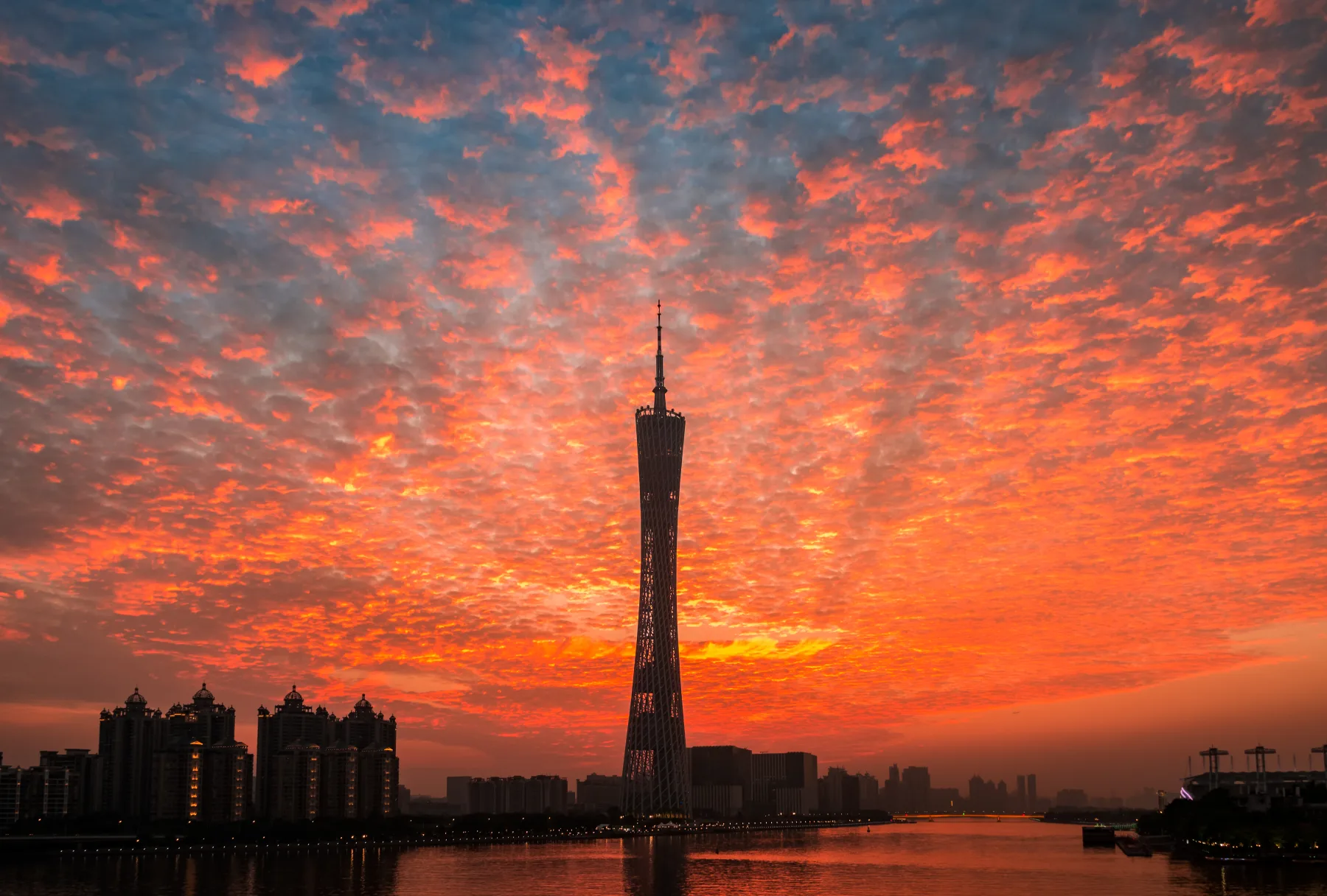
Across central axes and riverfront space, Zhujiang New Town presents Guangzhou at metropolitan scale. Canton Tower, high-rise offices, cultural buildings, malls, plazas and transit infrastructure create a city designed to be read in motion and from a distance.
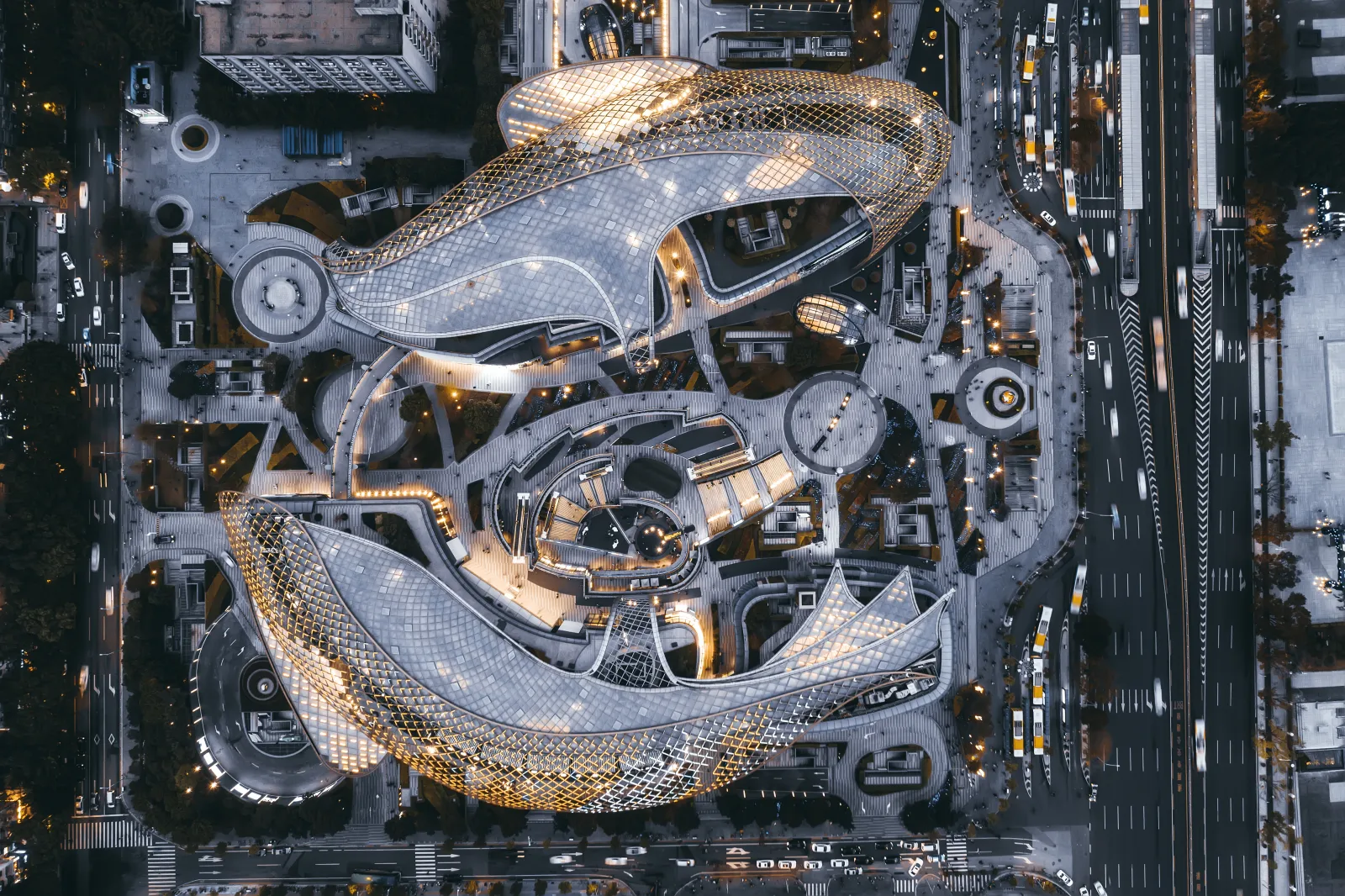
Do not only arrive after dark. In daytime, landscaping, shade, entrances and pedestrian routes become easier to evaluate. At night, the district gains energy and visual coherence. Together the two visits reveal how climate, consumption and image shape public space.
The tower is an icon, but the more interesting contemporary Guangzhou may be at ground level: young people using the library, commuters changing lines, dancers practicing, runners along the river and families occupying plazas after the heat fades.
Libraries, universities and culture beyond consumption
Guangzhou's youth culture is not confined to shopping districts. Universities, public libraries, museums, art institutions and live venues support a large population of students, researchers, designers and cultural workers.
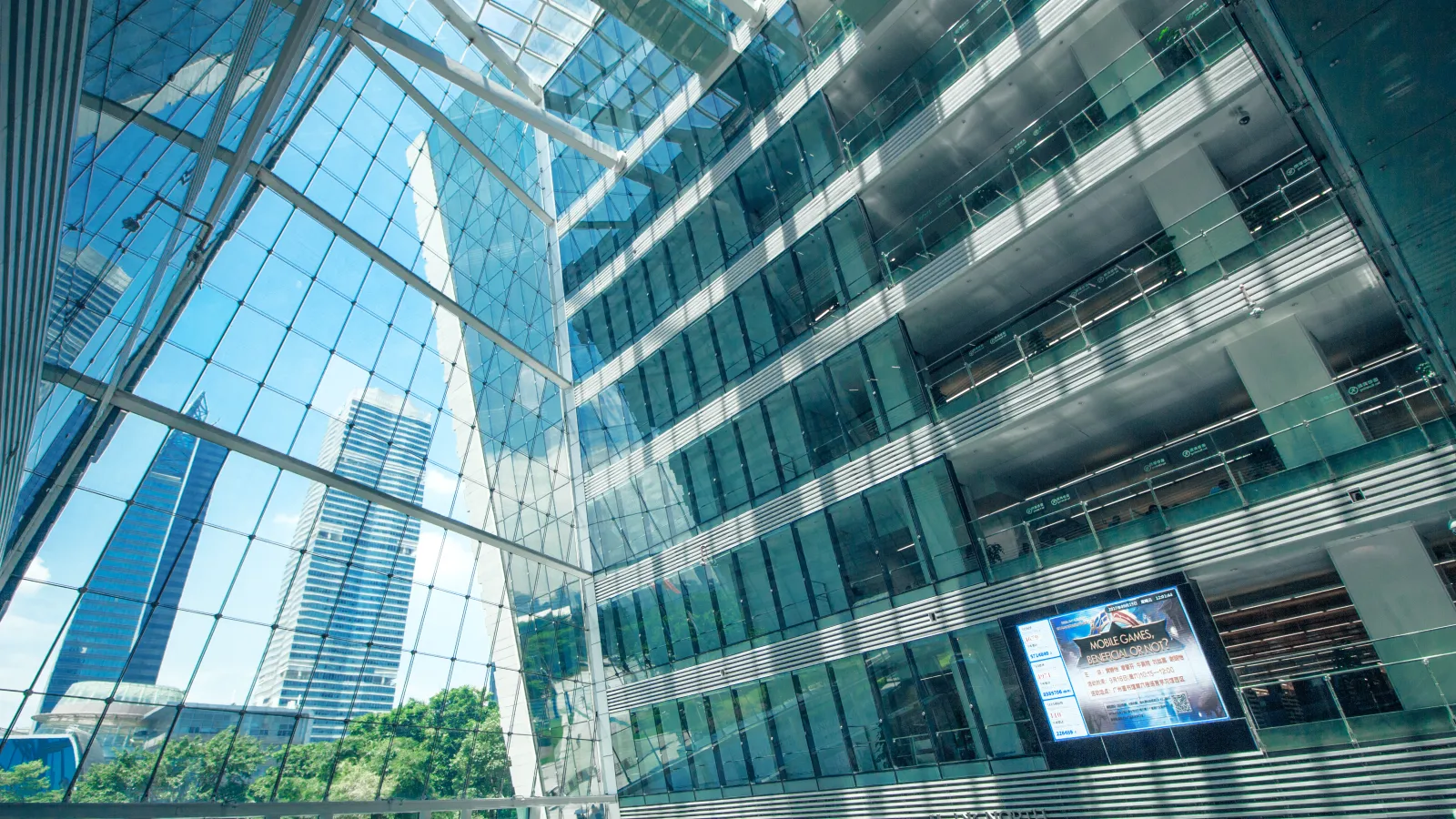
Guangzhou Library is worth seeing as civic architecture, but use it as intended: look at exhibitions, browse, sit and observe how the building supports collective study. Nearby cultural institutions make Zhujiang New Town more than a business skyline.
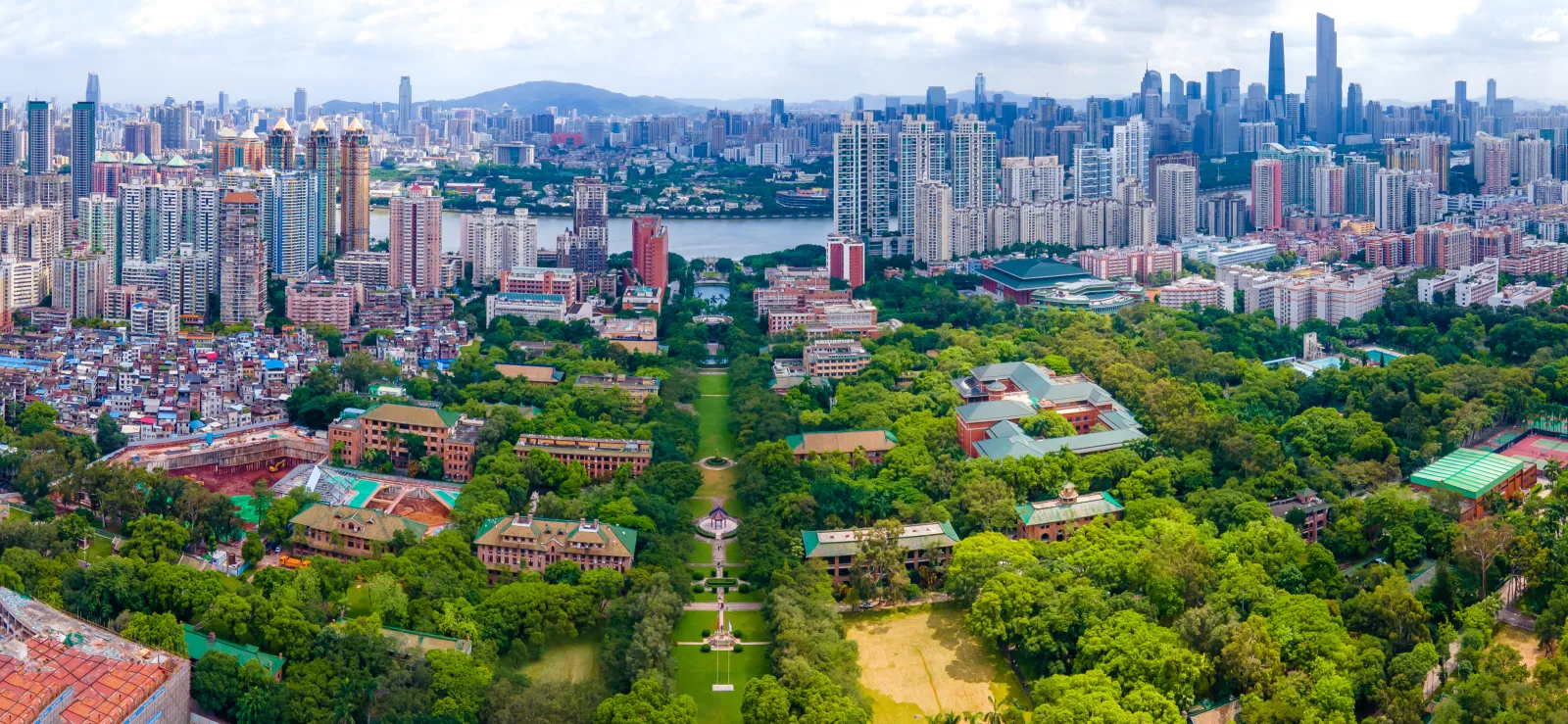
University districts add another rhythm: canteens, bookstores, sports grounds and inexpensive restaurants. Campus access can change, so verify current rules rather than assuming every gate is open to visitors.
Haizhu Wetland shows the green city inside the megacity
Guangzhou's subtropical identity is not represented only by roadside banyans. Haizhu Wetland preserves a large water-rich landscape within the urban area, with orchards, channels, bird habitat and seasonal vegetation.
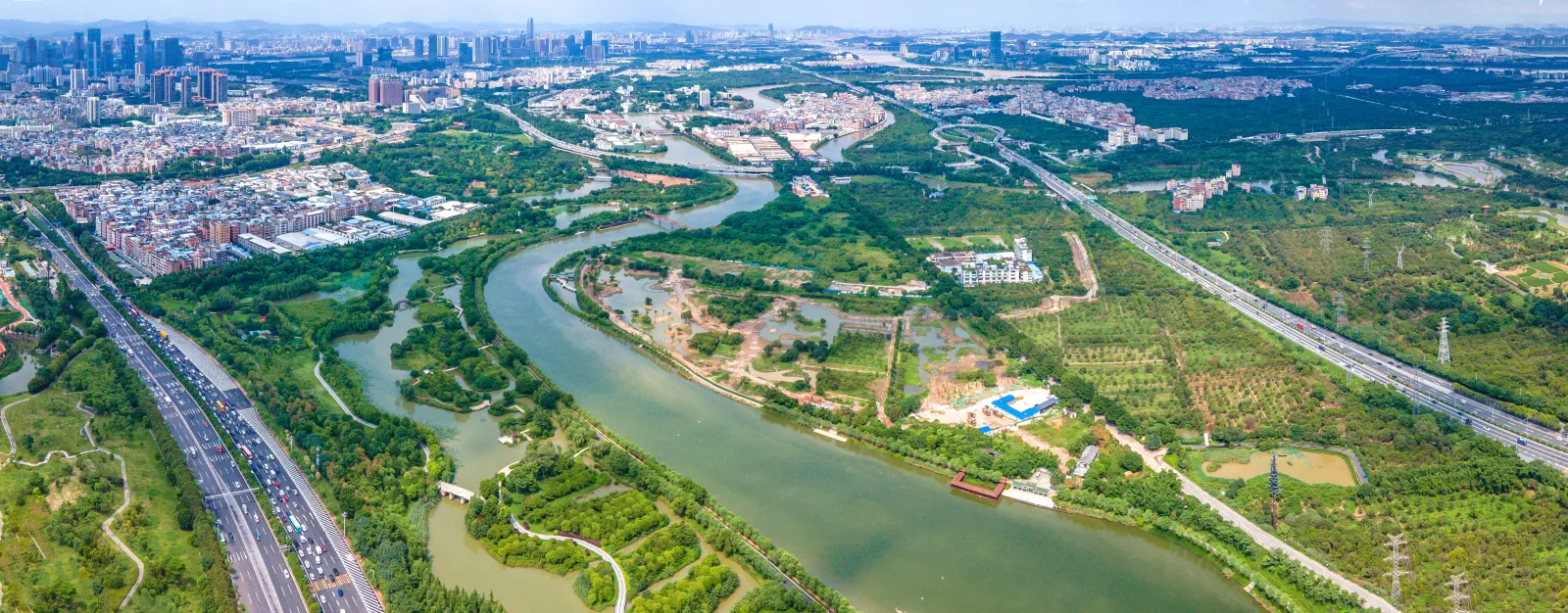
The wetland complicates the familiar image of a Chinese megacity as uninterrupted concrete. It also demonstrates that urban nature is managed infrastructure: flood regulation, biodiversity, cooling, recreation and education must coexist with nearby development.
This is not a decorative patch of green inserted for visual relief. Its scale matters precisely because Guangzhou is so dense, and because water management, habitat and public recreation must negotiate with metropolitan growth rather than escape it.
Guangzhou connects the Pearl River Delta without dissolving into it
Guangzhou is a regional center, not a synonym for the whole Pearl River Delta. Foshan's martial-arts memory and manufacturing economy, Shenzhen's compressed technology history, Hong Kong's cinema and Cantopop, and the distinct food worlds of Chaoshan all demand their own pages and their own terms. Fast trains do not erase cultural borders.
At the same time, isolating Guangzhou would be equally false. Cantonese travels between cities. Families, workers and businesses cross municipal lines. Food techniques, factory knowledge, media and capital circulate. The useful mental model is a hinge: Guangzhou receives, translates and redistributes without turning every connection into sameness.
This is where the city's trade instinct becomes cultural rather than merely commercial. A product must be understood by someone outside the room; a dish must survive repetition without losing precision; a language must hold intimacy while moving across oceans. Guangzhou has practiced all three problems for generations.
For the physical route through these layers, continue to travel to Guangzhou. For the table-level evidence, move from the regional Cantonese food guide to the city-specific Guangzhou food guide. Those pages answer different questions because Guangzhou becomes flatter when culture, logistics and appetite are forced into one generic guide.
Frequently asked questions about Guangzhou
What defines Guangzhou culture?
Guangzhou culture is shaped by Lingnan climate, Cantonese language, Pearl River trade, migration, food, clan and religious institutions, craft, public commerce and a practical habit of adapting outside influences to local use.
Is Guangzhou culture the same as Cantonese culture?
No. Guangzhou is a major center of Cantonese language and culture, but Cantonese-speaking communities extend across Guangdong, Hong Kong, Macau and a global diaspora. Guangzhou also contains migrant, religious and contemporary cultures that cannot be reduced to one label.
Why is trade so important to Guangzhou culture?
Long-distance maritime exchange and later wholesale, manufacturing and exhibition economies shaped how Guangzhou receives people, goods and ideas. Trade is not a separate business chapter here; it influenced language, food, architecture, migration and the city's outward-looking temperament.
What is Guangzhou best known for?
Guangzhou is known for Cantonese language and food, long-distance trade, the Canton Fair, Lingnan architecture, the Pearl River, subtropical gardens and a commercial culture connected to overseas Chinese communities.
What is Lingnan culture in Guangzhou?
Lingnan names the southern region beyond the Nanling Mountains and, in Guangzhou, describes a cultural world formed by subtropical climate, water, distance from northern political centers and maritime contact. It is visible in architecture, gardens, food, speech, craft and social rhythm.
Guangzhou culture rewards attention more than spectacle
Guangzhou may not deliver the immediate visual certainty of a monumental capital or a skyline built around one famous river bend. Its depth arrives differently. A roof ridge becomes a field of ceramic stories. An arcade explains the rain. A bowl of congee opens a history of boats and neighborhoods. Cantonese heard across a dining room connects the city to families thousands of kilometers away.
My strongest judgment is simple: Guangzhou's culture is not quiet because it lacks ambition. It is quiet because competence has become ordinary. The city does not need every bowl, arcade, wholesale counter or public library to announce a civilizational message. Their repeated use is the message.
That is also the limit of this reading. One port-city argument cannot contain every migrant neighborhood, suburban district, religious community or class experience inside a metropolis of this scale. It can, however, correct the weakest foreign reading of Guangzhou: the idea that trade, food and culture are separate attractions. Here they are one practiced method of living with distance, appetite and change.